
Reviewed · SALKANTAY TREK
From Cusco: Salkantay trek 5 days/4 nights meals included
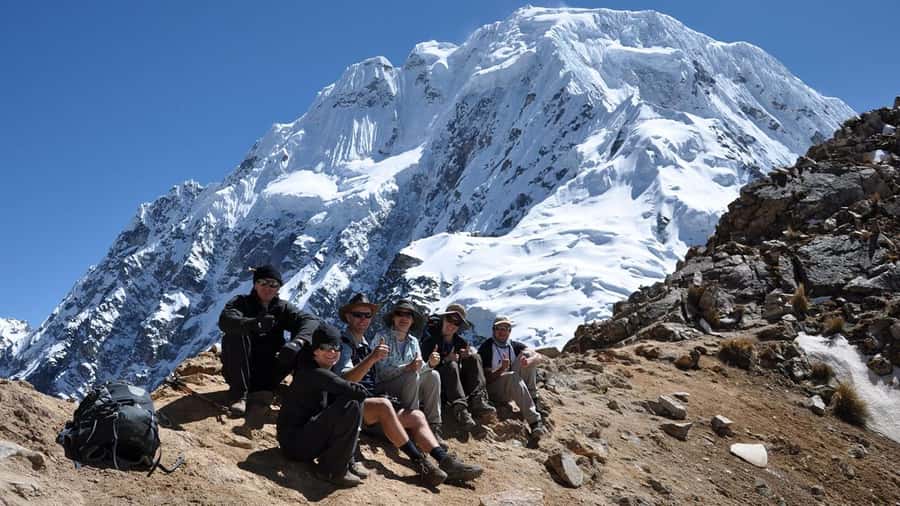
The best part of this five-day Salkantay trek is the sharp change in scenery. You begin among high Andean peaks and turquoise water, cross a 4,650-meter pass, then drop into warmer jungle country before reaching Machu Picchu by foot. It feels like a real journey, not simply a transfer to the ruins.
I especially like the excellent food program, with a chef and kitchen team preparing four breakfasts, lunches, and dinners. I also like the mix of experiences: Humantay Lake, a small Andean ritual, mountain camping, Santa Teresa hot springs, the Llactapata ruins, and the long walk beside the railway to Aguas Calientes. The catch is clear: this is a hard trek, and one past participant found the guide’s illness affected the explanations during part of the walk.
In This Review
- Key points at a glance
- Why the Salkantay route feels like a real adventure
- Day one: Cusco to Humantay Lake and Quiswarniyoc
- Mountain Sky cabins and the realities of camping
- Day two: The long climb to Salkantay Pass
- Day three: From the Salkantay Valley to Santa Teresa
- Day four: Llactapata, the railway walk, and Aguas Calientes
- Day five: Entering Machu Picchu before the crowds build
- What you carry, and what the horses carry
- Guide service, group size, and support
- Who should book this Salkantay trek?
- Should you book it?
- FAQ
- How long is the Salkantay trek?
- What is the highest point of the trek?
- Is Machu Picchu admission included?
- Are meals included?
- Can I rent a sleeping bag?
- Is transport from Aguas Calientes to Machu Picchu included?
- What languages are available for the guide?
Key points at a glance
- Humantay Lake on day one: A two-hour uphill walk leads to one of the trek’s most striking sights.
- 4,650-meter Salkantay Pass: The highest point comes on day two, followed by a long descent.
- Three nights in private camps: Mountain Sky cabins, thick mattresses, and a personal foam pad soften the camping experience.
- A dramatic climate shift: The route moves from cold high country into warmer jungle around Santa Teresa.
- Llactapata views of Machu Picchu: Day four adds an Inca site and distant views of Machu Picchu and Huayna Picchu.
- Food is a major strength: A professional cook prepares the included meals, with vegetarian and vegan options available at no extra charge.
Why the Salkantay route feels like a real adventure
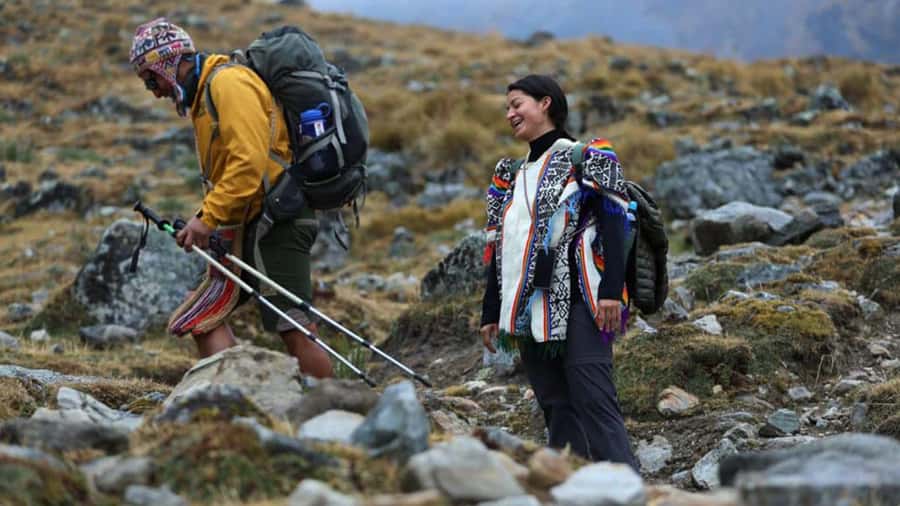
At $460 per person, this trip gives you far more than a guided walk. The price covers hotel pickup in Cusco, private transport to the trail, a professional English or Spanish guide, a chef, most meals, camping equipment, a night in Aguas Calientes, the Machu Picchu entrance ticket, and the guided visit to the citadel.
That package matters because the Salkantay route is not a simple out-and-back hike. You move through several climate zones and use different forms of transport along the way. Horses carry up to 7 kilos of your belongings for the first three days, while vehicles connect sections near Santa Teresa and Lucmabamba.
The price does not cover everything. You should budget for the 20-sol Humantay Lake fee, a sleeping bag if you need to rent one, the $24 bus between Aguas Calientes and Machu Picchu, and the $10 entrance and transport cost for the Santa Teresa hot springs. Travel insurance is also your responsibility.
For a five-day trip with food, a guide, Machu Picchu admission, and the return journey, the package has solid value. You should still read the inclusions carefully, since optional extras can add to the final cost.
More salkantay trek in Urubamba:
- Salkantay Trek Challenge – 3 Days / 2 Nights
★ 5.0 · 101 reviews - Small Group 5 Days Salkantay and Machu Picchu by Llactapata Tour
★ 5.0 · 88 reviews - Machu Picchu: 5-Day Salkantay Trek with Panoramic Train
★ 5.0 · 79 reviews
Day one: Cusco to Humantay Lake and Quiswarniyoc
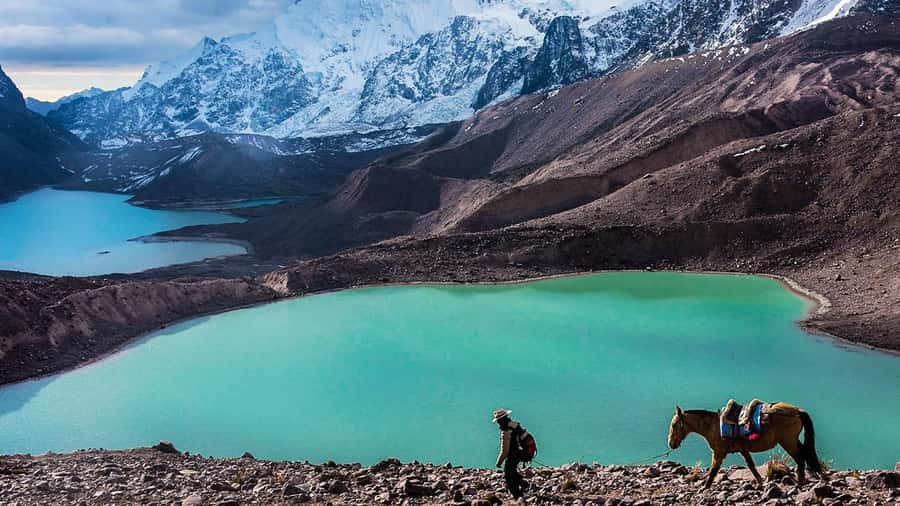
The day starts early, with hotel pickup around 5:45 am. You drive for about two hours from Cusco to Mollepata, where breakfast breaks up the morning transfer. From there, another hour in the vehicle takes you to Soraypampa, the trailhead for Humantay Lake.
The walk to the lake takes about two hours uphill. At high elevation, that short distance can feel demanding, so you should set a steady pace and keep water close. Humantay Lake is the first major reward of the trek, framed by the high mountains and cold, open air.
The route includes a small Andean ritual connected with the mountain gods. It gives the day a cultural element beyond scenery, although the details will depend on your guide and the group’s pace.
After time at the lake, you walk downhill for about two hours to Quiswarniyoc, where lunch is served. You then have free time to look around the area before spending the night at the private camp.
This first day is a good test of your fitness. The uphill section is tiring, and the downhill return can be tough on knees and ankles. Good hiking shoes are not optional here. One past participant specifically stressed that proper footwear and strong conditioning made a big difference.
Mountain Sky cabins and the realities of camping
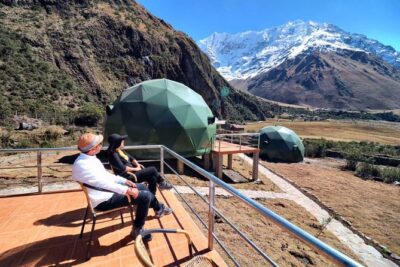
The first two nights use Mountain Sky cabins, described as having thick mattresses, glass doors, and night and panoramic lighting. You also receive a personal double-foam pad, 2.5 inches thick. These details make the camps more comfortable than carrying your own tent and sleeping directly on hard ground.
Still, this is camping in the mountains. Temperatures, weather, and comfort can change quickly, and you need to bring a sleeping bag or rent one for $10. The 7-kilo duffel allowance is useful, but pack carefully. Your main luggage will not be with you in the same way it would be at a hotel.
The cooking is one of the strongest features of this trip. A professional chef and kitchen team prepare the meals in camp, and vegetarian or vegan food is available if requested in advance. The food received the warmest praise in the available feedback, with special effort made over the meals and even a cake served at the end of one trip.
That is more than a pleasant extra after a long hike. A hot, filling meal gives you a better chance of handling the next day’s climb. Bring small personal snacks too, but you should not need to plan every meal yourself.
Day two: The long climb to Salkantay Pass
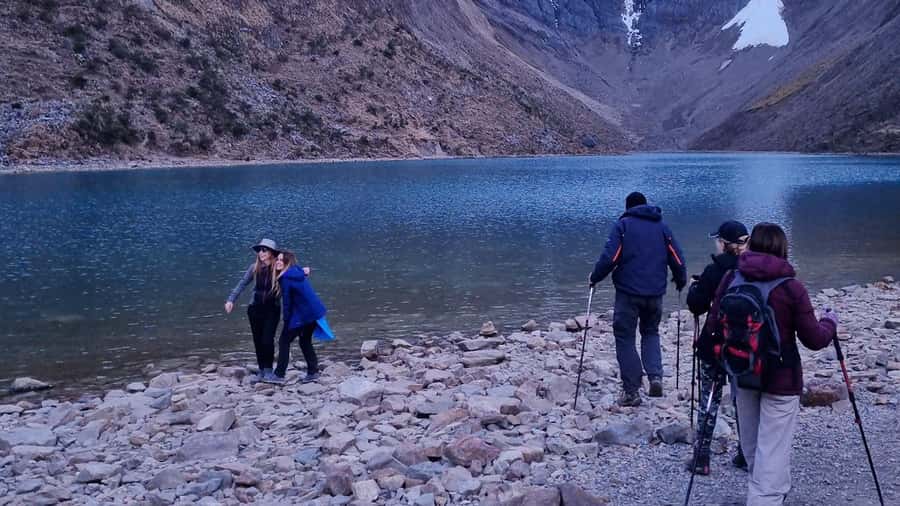
After breakfast at Quiswarniyoc, you walk for about four hours toward Salkantay Pass. At 4,650 meters above sea level, this is the highest point of the trip and the day most likely to expose weak preparation.
The pass gives the trek its name and its most demanding physical test. You should not treat the four-hour climb as a casual morning walk. The combination of distance, steep ground, and altitude calls for slow pacing, warm layers, sunscreen, and patience.
From the pass, the route descends for about four hours to Chaullay, at 2,900 meters. The drop in elevation brings a noticeable change in the feel of the route, but eight hours of walking still makes this a full day.
At Chaullay Private Camp, the team provides your camping equipment, hot tea, and dinner. The tea is a small but welcome detail after the descent. The first and second days are the coldest and most strenuous part of the route, so keep your jacket and sleeping gear easy to reach.
The guide’s role matters especially on this day. The group is limited to 18 participants, which should allow for basic coordination and shared pacing. One past participant had a guide who became ill and could not walk with the group for parts of the trek, while other sections received more explanation from the guide. That experience points to a practical consideration: the quality of interpretation can vary if the guide becomes unwell, even when the transport, food, and route continue as planned.
A few more Urubamba trips to weigh up
- 4 days/3 nights: Inka Jungle Trek to Machu Picchu
★ 4.7 · 25 reviews - From Arequipa: Sillar Route Trek
★ 4.2 · 461 reviews - From Cusco: 7 Lakes Ausangate Trek with Breakfast and Lunch
★ 4.8 · 360 reviews - From Arequipa: 2-Day Colca Canyon Trekking Tour
★ 4.8 · 243 reviews
Day three: From the Salkantay Valley to Santa Teresa
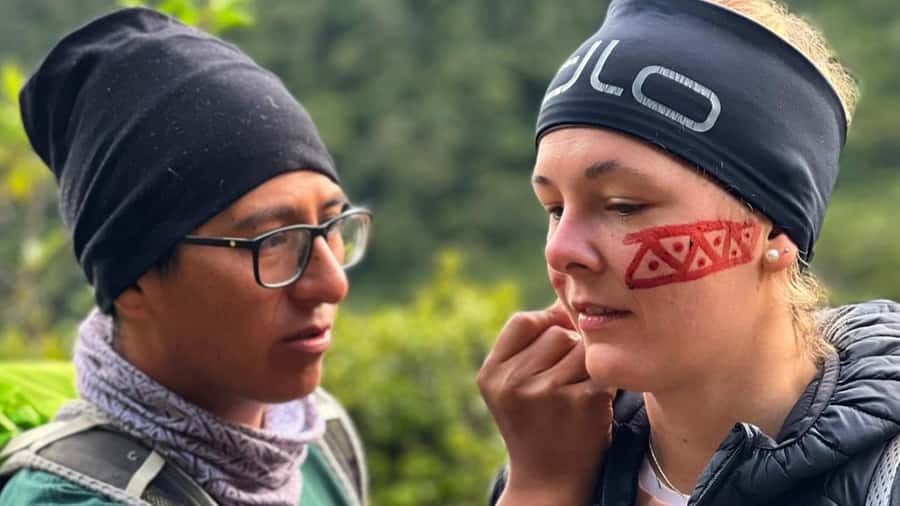
Day three takes you through the Santa Teresa Valley, shaped by the Salkantay River. The walk to Playa Sahuayaco takes about five hours, making this shorter than day two but still a serious stretch after two demanding days.
Here, the route begins to feel warmer and more tropical. The tour describes this part as crossing the Amazon jungle, and the main appeal is the change in climate and plant life as you leave the high pass behind. This shift is one reason to choose Salkantay rather than a route that stays at one elevation.
At Playa Sahuayaco, tourist transport takes you to the third camp in Santa Teresa. You share lunch at camp before deciding if you want to visit the Colcamayo hot springs. The springs are about 15 minutes away by car, and entrance plus transport costs $10.
The hot springs are optional, so you can skip them if your legs need rest or if you prefer to keep costs down. If you do go, bring swimwear, which is also on the suggested packing list. This is one of the few points in the trip where you can trade trail effort for a slower, warmer break.
Santa Teresa is also a useful reset before the longest day of the final approach. You are no longer dealing with the pass, but the trek is not finished. Save energy for day four.
Day four: Llactapata, the railway walk, and Aguas Calientes
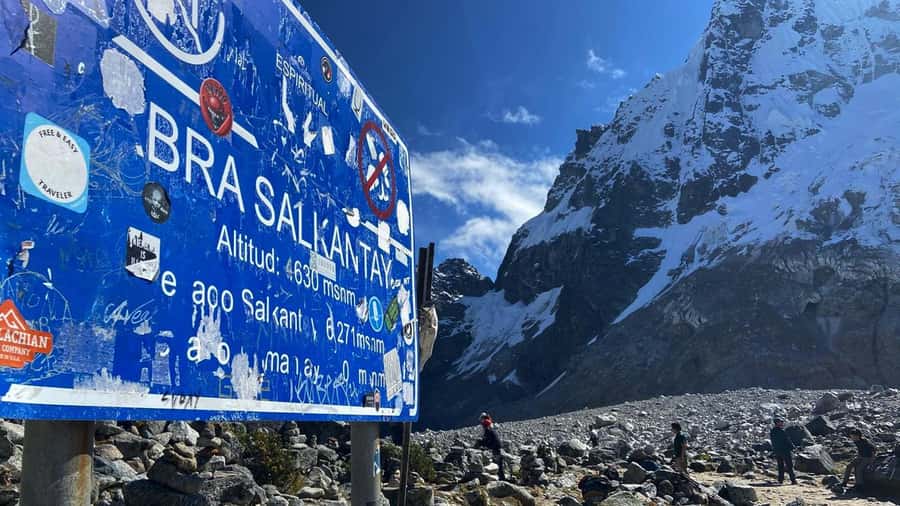
Breakfast comes around 5:30 am. Tourist transport then takes about 45 minutes to Lucmabamba, where you begin the day’s main climb.
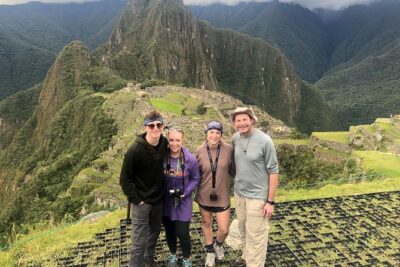
The uphill walk to Llactapata takes about three hours. The reward is an Inca site with views toward Machu Picchu and Huayna Picchu Mountain. Seeing the destination from across the valley gives this stop a special sense of direction. You are not simply hiking toward a famous ruin. You can look across and understand where the final morning is headed.
From Llactapata, you walk downhill for about two hours to Hidroeléctrica. Lunch comes here, followed by a three-hour walk along the railway tracks to Aguas Calientes.
The railway section is less scenic than the high mountain trail, but it is part of the route’s character. It brings you into Machu Picchu town without requiring a train on the approach. After four days of walking, the flat track may feel easier than another mountain climb, though three hours is still a long final stretch.
You spend the night at a hotel in Aguas Calientes and have dinner at about 7:00 pm. This hotel night is valuable. You get a bed and a chance to organize your passport, ticket, clothes, and breakfast before the early visit to Machu Picchu.
Day five: Entering Machu Picchu before the crowds build
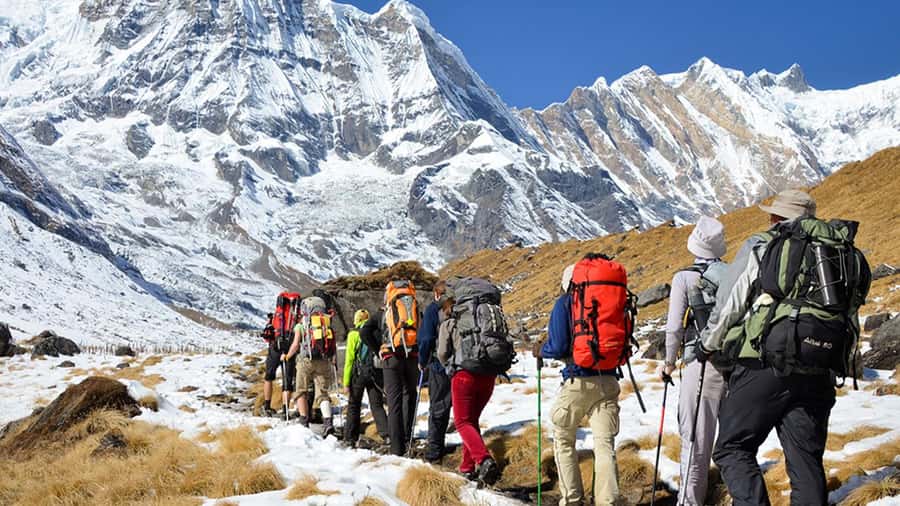
The last morning begins around 4:00 am. You receive a packed breakfast and walk for about 30 minutes to the Puente Ruinas checkpoint.
At the checkpoint, you must present your passport, Machu Picchu ticket, and student ID if applicable. The early start is not leisurely, but it gives you time to reach the main gate around 6:00 am.
After the checkpoint, you climb stairs for about an hour to the entrance. This final stair climb comes after four days of hiking, so you should not underestimate it. A $24 bus option is available for the Aguas Calientes to Machu Picchu connection, but the provided details list the bus cost separately from the tour price.
Inside the citadel, the guided visit lasts around two and a half hours. The guide covers the main square, urban sector, circular tower, solar clock, Inca cemetery, and other main points.
A guide helps turn the ruins into more than a collection of stone walls. You will have a set route and a limited visit time, so stay close and listen for instructions. The available feedback noted some confusion around the Machu Picchu ticket queue and changing information about where to wait. Keep your passport and ticket ready, and ask the guide to confirm the meeting point before separating from the group.
After the visit, you return to Aguas Calientes. The trip back to Cusco is arranged either by train or by walking and car, according to your choice. Confirm which option you want and what costs apply before the final day.
What you carry, and what the horses carry
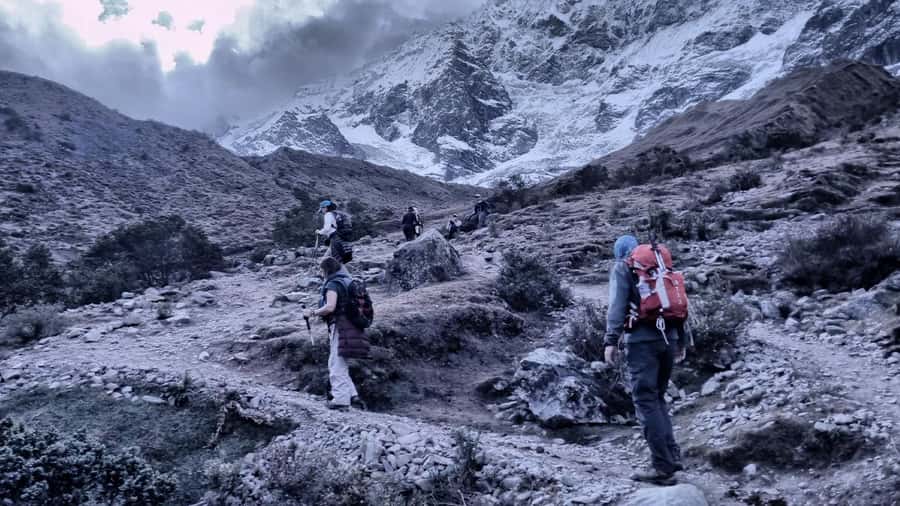
The duffel service is a major practical benefit. You can pack up to 7 kilos of belongings, and horses transport the duffel during the first three days.
You still need a daypack for items you want during the walk. Keep sunscreen, water, a jacket, snacks, sunglasses, insect repellent, and your camera accessible. Long pants and hiking pants are useful as the route moves between cold mountain conditions and warmer jungle areas.
The required list is sensible:
- Passport or ID card
- Comfortable hiking shoes
- Sunglasses and sunscreen
- Jacket and comfortable clothing
- Long pants or hiking pants
- Swimwear for the optional hot springs
- Insect repellent
- Sleeping bag, or the $10 rental option
- Camera
The trek is not suitable for pregnant women or people with mobility impairments. It also demands good general fitness. You should be comfortable with repeated uphill and downhill walks lasting several hours, including a day that reaches 4,650 meters.
Guide service, group size, and support
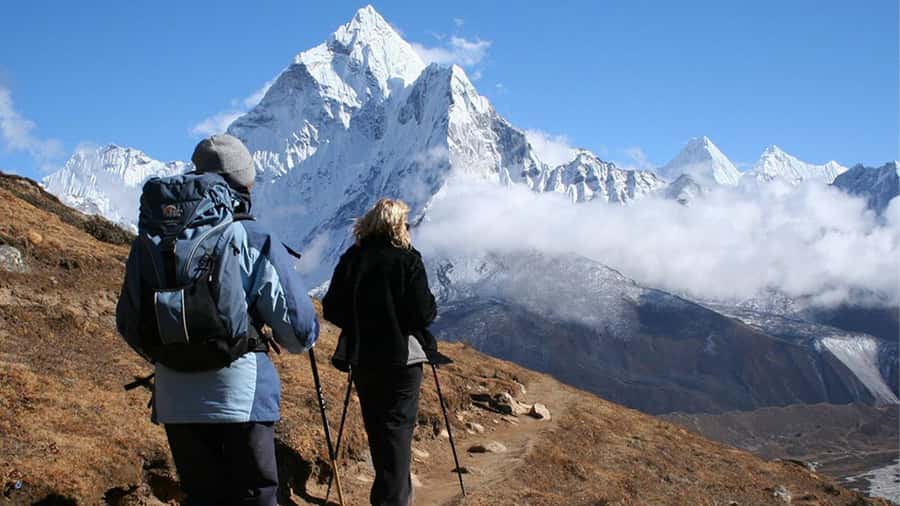
The tour uses a professional guide in English or Spanish and limits the group to 18 people. The guide also leads the Machu Picchu visit, provides route support, and explains the Andean ritual and Inca sites.
The inclusion of a first aid kit and oxygen bottle is reassuring for emergencies, but these items do not remove the need to prepare for altitude and exertion. Build in time before the trek if your wider Peru plans allow it, and speak with a medical professional about personal concerns.
The guide service appears to be an area where your experience may vary. The only detailed feedback available gave the trip four out of five, praised the food strongly, and noted that the guide became sick and missed parts of the walking route. Explanations improved from the third day onward, but this is a useful reminder to value the route itself as well as the commentary.
Who should book this Salkantay trek?
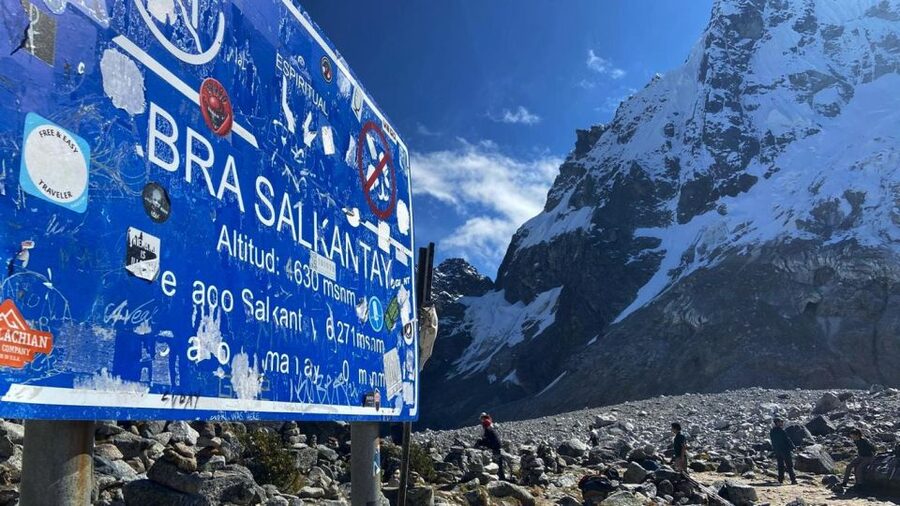
I would choose this trip if you want Machu Picchu to be the end of a physical journey through changing regions. It suits hikers who like long days, camping, mountain scenery, and a mix of walking and local transport.
It is a particularly good fit if you want meals handled for you. The chef, kitchen team, hot tea, and generous meal schedule reduce the work of managing food during a demanding trek.
I would think twice if you want a relaxed holiday, dislike early starts, or have limited experience with steep trails. The first two days are hard, day four is long, and the final morning starts at 4:00 am. You should also be comfortable with basic camp conditions and carrying a daypack.
The current score is 4 out of 5 from three ratings, which suggests a generally good experience but not a flawless one. The food and route are strong reasons to book. The variable guide commentary and extra charges are the main points to weigh.
Should you book it?
Book this Salkantay trek if you want a full five-day route with high mountain scenery, jungle climate, and an Inca approach to Machu Picchu rather than a quick visit by train. At $460, the included meals, guide, camps, hotel, Machu Picchu ticket, and return travel offer good value.
Skip it if you are not prepared for long walks at altitude or if you need a fully predictable, comfort-first schedule. Pack good shoes, a warm sleeping bag, and realistic expectations. You will earn Machu Picchu here, one demanding day at a time.
FAQ
How long is the Salkantay trek?
The tour lasts five days and four nights. It includes three nights camping and one night in a hotel in Aguas Calientes.
What is the highest point of the trek?
The highest point is Salkantay Pass, at 4,650 meters above sea level. You reach it on day two after about four hours of uphill walking.
Is Machu Picchu admission included?
Yes. The tour includes the entrance ticket to Machu Picchu and a guided visit lasting around two and a half hours.
Are meals included?
Yes. The price includes four breakfasts, four lunches, and four dinners. Vegetarian and vegan meals are available at no extra charge if requested.
Can I rent a sleeping bag?
Yes. If you do not have one, you can rent a sleeping bag from the tour provider for $10.
Is transport from Aguas Calientes to Machu Picchu included?
The $24 transport between Aguas Calientes and Machu Picchu is not included. You can also walk this section.
What languages are available for the guide?
The guide service is available in English or Spanish.
More 5-Day Experiences in Urubamba
- Peru in 5 days: Lima, Cusco, Machupicchu & Rainbow Mountain
★ 5.0 · 3 reviews - Ausangate Trek 5 Days
★ 5.0 · 74 reviews - Classic Choquequirao Trek – 5 Days / 4 Nights
★ 5.0 · 52 reviews - Ultimate Lares Trek & Inca Trail 5 days
★ 5.0 · 47 reviews
Just added around Urubamba
- Sun and Moon Tour★ 4.5 · 3 reviews
- Sacred Valley Tour 1 Day★ 5.0 · 3 reviews
- Super Sacred Valley★ 3.8 · 6 reviews
- Peru in 5 days: Lima, Cusco, Machupicchu & Rainbow Mountain★ 5.0 · 3 reviews
- Machu Picchu: 1-day tour by Vistadome Panoramic train★ 4.7 · 15 reviews
- Machupicchu 2025: The best ticket Circuit 2★ 3.5 · 6 reviews
- Machu Picchu: historical and photographic guided tour★ 4.9 · 27 reviews
- Guided tour of Cusco and its 4 ruins★ 3.8 · 3 reviews
Salkantay Trek, compared.
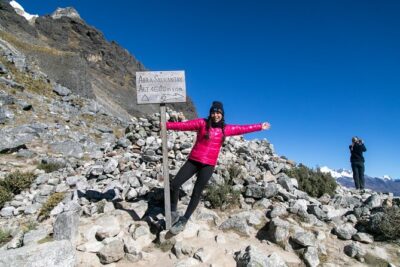
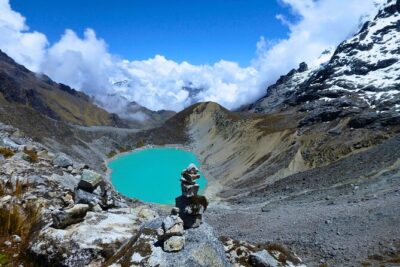
Small Group 5 Days Salkantay and Machu Picchu by Llactapata Tour
Read our review →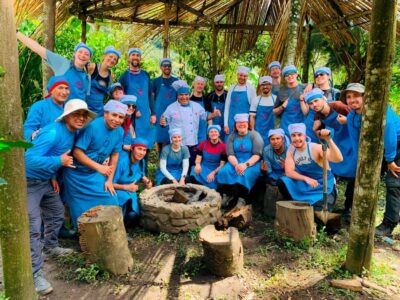
Salkantay Trek 4 Days to Machu Picchu by Glamping Sky Lodge Dome
Read our review →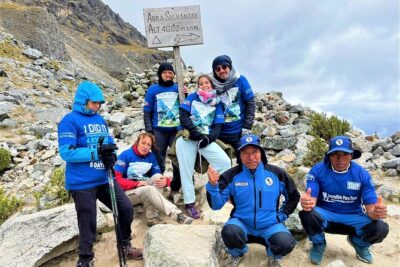
Salkantay Trek To Machu Picchu 5 Days And 4 Nights
Read our review →
5-Day: Salkantay Trek to Machupicchu and Humantay Lake
Read our review →Browse the lists this tour appears in