
Reviewed · SALKANTAY TREK
Salkantay Trek Challenge – 3 Days / 2 Nights
The big draw here is the chance to reach Machu Picchu by way of the Salkantay Pass in only three days. You start before dawn in Cusco, cross high Andean terrain near glaciers, descend into warmer jungle, and finish with a guided visit to the Inca citadel.
I like the practical setup: horses carry up to 5 kilograms of your gear, while cooks, porters, first aid, oxygen, and private transport take much of the worry out of a demanding trek. I also like the sharp change in scenery, from icy mountain air to coffee farms, waterfalls, orchids, and the Urubamba River.
The catch is the pace. This is not a gentle sampler. The first day lasts about 10 hours and reaches 4,630 meters, while the full three-day route can involve roughly 32 miles of hiking across the first two days. You need good fitness, altitude preparation, and very little need for sleep.
In This Review
- Key points to know before booking
- Why the three-day Salkantay route is so demanding
- Day one: Soraypampa, the 7 Serpents Trail, and Salkantay Pass
- Day two: coffee farms, jungle paths, and the Urubamba River
- Day three: Machu Picchu and the train to Ollantaytambo
- What the $680 price really covers
- Guides, safety, and the small details that matter
- Who should book this version of Salkantay?
- Should you book the Salkantay Trek Challenge?
- FAQ
- How long is the Salkantay Trek Challenge?
- What time does the trek start?
- How high is the Salkantay Pass?
- Do I need to be physically fit?
- Should I arrive in Cusco before the trek?
- Is Machu Picchu admission included?
- Is the train back to Cusco included?
- What is not included in the price?
Key points to know before booking
- 4,630-meter Salkantay Pass: The high point is reached on the first day, after a steep climb on the 7 Serpents Trail.
- Three days means a hard schedule: You cover mountain, jungle, and river routes quickly, with an early start on every major day.
- Mountain Sky View is your first night: You sleep at 2,950 meters in Collpapampa, with dinner under the stars.
- Coffee and waterfalls mark day two: The route passes through the Santa Teresa Valley and the Lucmabamba coffee area before reaching Hidroeléctrica.
- Machu Picchu Circuit 2 is the target: For bookings made three months ahead, Circuit 2 is included if space remains. Circuits 3 or 1 may replace it.
- The price covers a lot: At $680 per person, the package includes meals, transport, lodging, guide, equipment, entry fees, and a horse for your duffel.
Why the three-day Salkantay route is so demanding
Salkantay is a serious mountain crossing compressed into a short holiday. The standard three-day plan begins with a 2:30 a.m. pickup in Cusco, although the stated meeting time is 3:00 a.m. Either way, you should expect a dark, early start and a long first day.
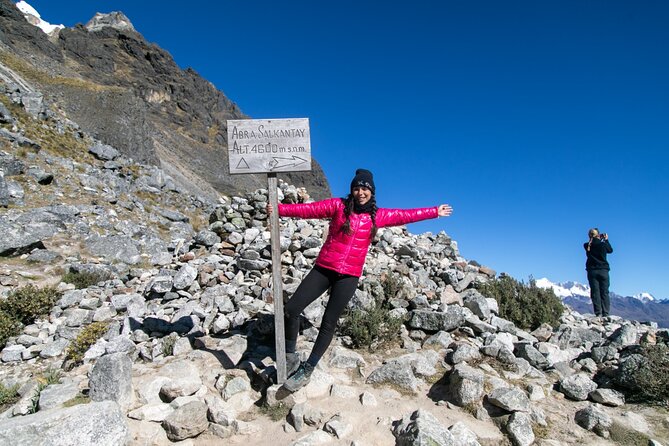
The route begins at Soraypampa, at about 3,900 meters. You have breakfast before starting the climb toward Abra Salkantay, the pass at 4,630 meters. At that height, even a fit person can feel short of breath, and the cold, steep climb makes the morning harder than the distance alone suggests.
Your preparation matters more than your usual walking speed. Arrive in Cusco at least two days before the trek so your body has some time to adjust. Bring water and trail snacks even though water, tea, and snacks are supplied. A previous hiker specifically advised carrying plenty of both for the pass.
The route is doable for someone with limited trekking experience if that person is fit, prepared, and willing to accept help from the guide. It is a poor match for a sedentary routine, knee problems, or a dislike of long, tightly scheduled days.
More salkantay trek in Cusco:
- Small Group 5 Days Salkantay and Machu Picchu by Llactapata Tour
★ 5.0 · 88 reviews - Machu Picchu: 5-Day Salkantay Trek with Panoramic Train
★ 5.0 · 79 reviews - Salkantay Trek 4 Days to Machu Picchu by Glamping Sky Lodge Dome
★ 5.0 · 68 reviews
Day one: Soraypampa, the 7 Serpents Trail, and Salkantay Pass
The first transfer takes you from Cusco to Soraypampa. The drive lasts about two hours, and breakfast comes before the main climb. This is useful timing because you need fuel early, but do not expect a relaxed sightseeing morning. The goal is to get over the pass and far down the other side before night.
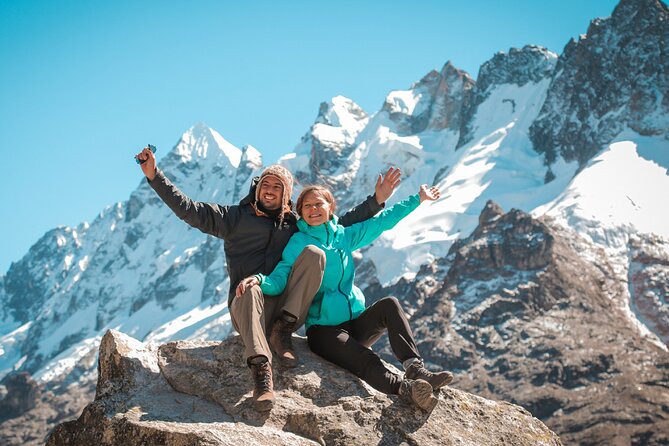
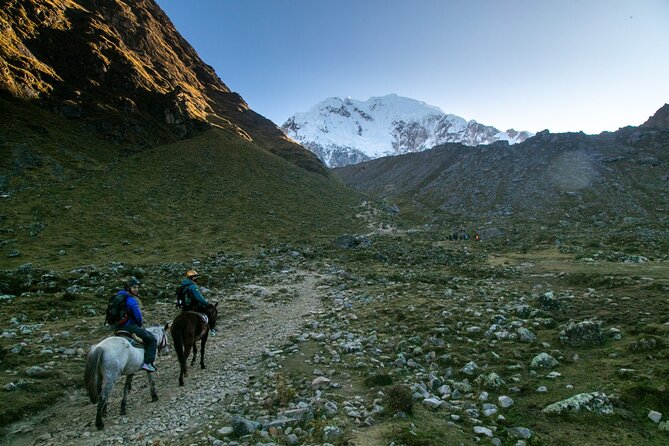
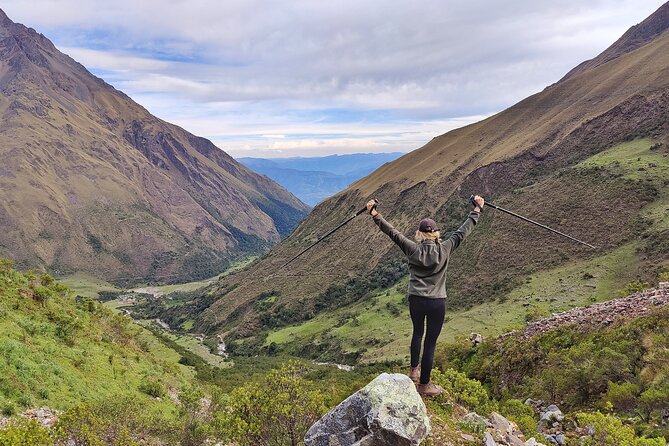
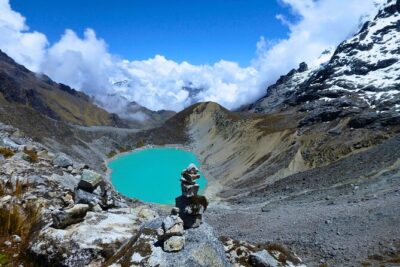
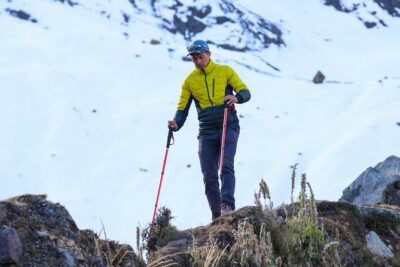
The climb follows the 7 Serpents Trail toward Salkantay Pass. The name hints at the shape of the route, which turns repeatedly as it rises. Around you are imposing peaks and glaciers, giving this section the grandest mountain views of the trip.
At 4,630 meters, the pass is the physical and emotional high point. You may feel proud, cold, tired, or all three at once. The guide’s support matters here. Marco, Guido, and Cesar Quispe have each received strong praise for keeping people calm, organized, and moving safely through the hardest section.
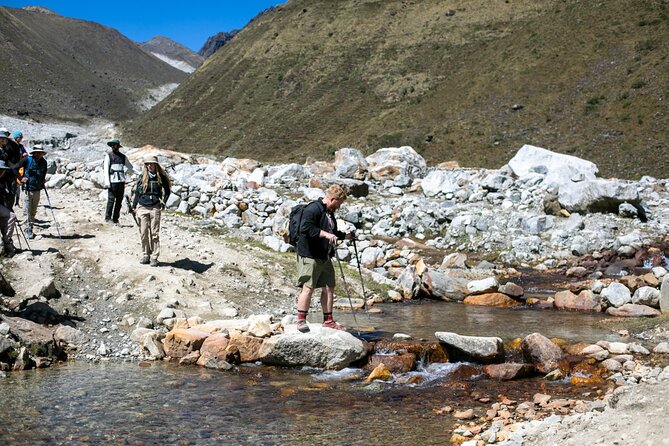
After the pass, you stop for lunch at Wayracmachay. Then comes a long descent into the high Amazon rainforest. The air becomes warmer as you lose altitude, and the scenery changes quickly from stark mountain country to greener slopes and forest.
That descent is a relief for your lungs, but it still works your legs. A downhill section after a high pass can be rough on knees and feet, especially after several hours of climbing. Use the trekking poles supplied with the tour, adjust your pace, and do not spend all your energy racing to the next stop.
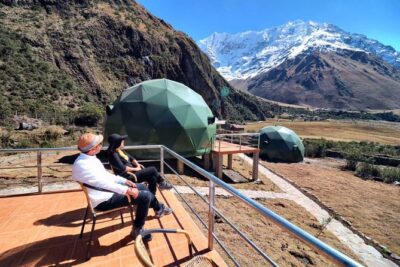
The day ends at Mountain Sky View in Collpapampa, at about 2,950 meters. The camp has private camping facilities, including a dining room, kitchen, tables, and chairs. You receive dinner and sleep in an Andean hut or mountain camp setting rather than a standard hotel.
The setting is one of the more memorable parts of the route. You wake to forest sounds and finish the day with dinner under the stars. Still, keep expectations sensible: this is a trekking camp after a very long day, not a resort. A sleeping bag is provided, but personal hiking clothing and other gear are not.
Day two: coffee farms, jungle paths, and the Urubamba River
Day two starts with breakfast at Mountain Sky View and a gentler first section through the Santa Teresa Valley. The initial walk is listed at about one hour, but the whole day remains active and includes several different forms of transport and walking.
The route passes waterfalls, orchids, and coffee plantations before reaching the Lucmabamba area and the village of La Playa. This is where the trip gains a more local, rural feel. You are no longer just crossing a mountain pass. You are moving through working agricultural country.
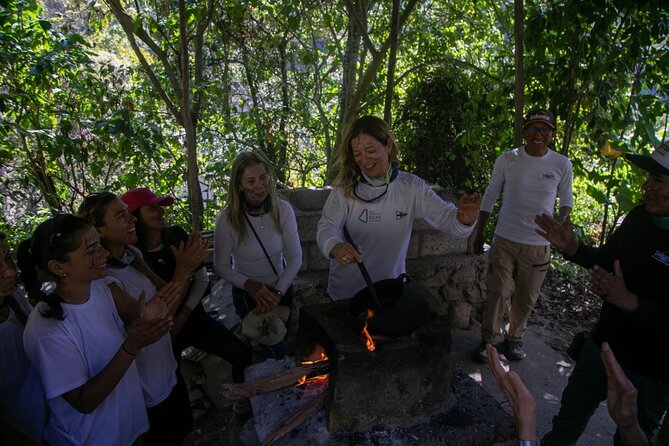
Lunch uses local products, followed by a demonstration of artisanal coffee making. For many people, this is the most distinctive stop on day two. It gives the route a human touch and a reason to slow down after the strain of the previous day.
The coffee visit also helps break up the physical challenge. The walk through the Santa Teresa Valley and coffee-growing area lasts about five hours, so you still need sturdy shoes and a steady pace. The shorter itinerary does not mean the walking is short.
From La Playa, you travel to Hidroeléctrica. The plan then follows the Urubamba River on foot through tropical jungle. This section takes about three hours and feels very different from the high pass. The river, warm air, and thick vegetation create a strong contrast with the morning near the snow-covered mountains.
At the end of the day, you reach Aguas Calientes and check into a hotel. This is a welcome change after the mountain camp, especially because the next morning begins early. Dinner is included, and the group can prepare for Machu Picchu.
One point needs clarification when you plan your budget. The optional train from Hidroeléctrica to Aguas Calientes is not included. The listed plan describes walking from Hidroeléctrica, so you should expect to hike that section unless you choose to pay the train operator directly.
Day three: Machu Picchu and the train to Ollantaytambo
You begin with a light breakfast in Aguas Calientes before taking the included bus up to Machu Picchu. The bus saves your legs for the historic site and avoids adding another steep climb after two hard days.
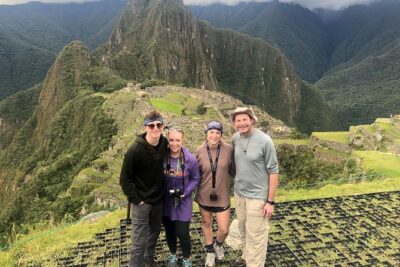
The ride takes you through cloud forest, with mist and mountain slopes building the sense of arrival. You then have a two-hour guided visit inside the Historic Sanctuary of Machu Picchu. The guide covers temples, terraces, and sacred places, giving the stones more meaning than a quick unaccompanied walk would.
The ticket plan deserves close attention. Circuit 2 is included for bookings made three months ahead when it is available. If Circuit 2 has sold out, the operator may provide Circuit 3, then Circuit 1. These circuits do not offer exactly the same route, so booking early matters if seeing the main viewpoints and spaces on Circuit 2 is important to you.
After the visit, you return to Aguas Calientes for lunch. Lunch on this day is not included, and neither is dinner, so set aside money for both. The return begins in the afternoon with a tourist-class train to Ollantaytambo, using either the Voyager or Expedition service.
From Ollantaytambo, private transport takes you back to Cusco. This final transfer means you do not need to arrange separate road transport after the train. It also makes the three-day plan workable, but the day is still long after an early breakfast and a full Machu Picchu visit.
The train ride is a pleasant change from hiking. You can sit, watch the Urubamba Valley pass by, and let your legs recover before the final drive.
A few more Cusco trips to weigh up
- From Cusco: 7 Lakes Ausangate Trek with Breakfast and Lunch
★ 4.8 · 360 reviews - Cusco: Rainbow Mountain Tour and Red Valley Hike (Optional)
★ 4.7 · 149 reviews - Cusco: Full-Day Rainbow Mountain & Red Valley Trekking Tour
★ 4.5 · 121 reviews - From Cusco: Rainbow Mountain Trek
★ 4.5 · 98 reviews
What the $680 price really covers
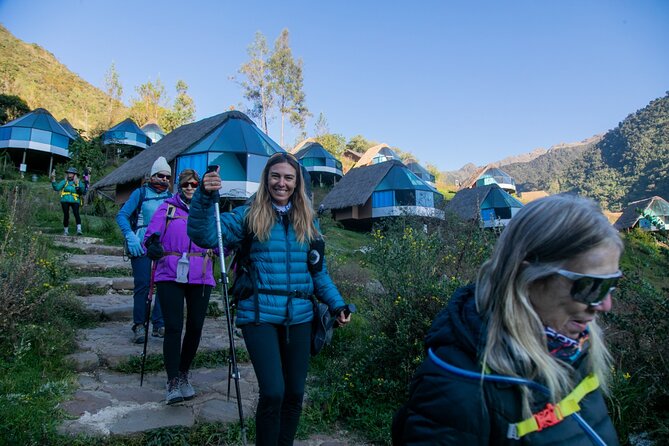
At $680 per person, this is not a budget walk. But the price includes more than the trail itself. You receive private transfers, two nights of accommodation, a mountain guide, cooks, horsemen and porters, trail meals, entry fees, a Machu Picchu bus, and the tourist-class train to Ollantaytambo.
The support equipment is especially useful on a hard route. A horse carries a duffel of up to 5 kilograms, and the tour provides a sleeping bag, trekking poles, backpack cover, and rain poncho. First aid supplies, oxygen, walkie-talkies, and emergency satellite phones are also included.
Meals cover three breakfasts, two lunches, and two dinners. Water, tea time, and trail snacks are supplied during the hike. Vegetarian and vegan meals are available if you request them when booking.
The value comes from having one company coordinate the difficult pieces. You do not need to arrange a separate guide, camps, horse service, train, bus, or return transfer. For a first major trek, that can make the price feel reasonable.
The tradeoff is that you have less flexibility. The route, camps, meals, train, and Machu Picchu circuit follow the operator’s arrangement. If you want extra time in the mountains or a slower pace, a longer Salkantay itinerary may suit you better.
Guides, safety, and the small details that matter
The guide can make or break a short, strenuous trek. The strongest personal praise has gone to Marco, Guido, and Cesar Quispe. Marco is described as organized, energetic, and caring. Guido is noted for patience, kindness, and help at the pass. Cesar is praised for keeping spirits high and adding cultural and spiritual context to the route.
That does not guarantee which guide you will receive. The package includes an experienced mountain guide, but you should not book it solely to request one particular person unless the company confirms that arrangement.
Safety provisions are better than you might expect for a three-day route. The group has first aid equipment, oxygen, walkie-talkies, and emergency satellite phones. These tools do not remove the risks of altitude or exhaustion, but they provide useful backup.
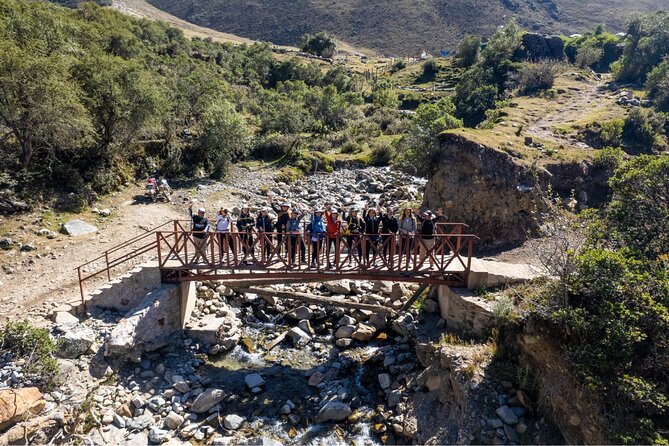
The group size is capped at 12 people. That is small enough for the guide to monitor the group more closely than on a large coach excursion. It also gives you a fair chance to form a friendly group during the long hours on the trail.
You should bring personal hiking clothes and any gear you prefer beyond the supplied items. The operator requires your passport name, number, expiry date, and country at booking. Keep the same valid passport ready for the trek and Machu Picchu entry.
Who should book this version of Salkantay?
You should consider this route if you want a major Andes hike but have only three days before Machu Picchu. It suits fit people who enjoy a challenge, accept early starts, and like seeing several climate zones in one trip.
It can also work for a beginner who trains beforehand. The support of the guide, horse, cooks, included equipment, and organized transport makes the route more manageable than carrying all your own gear and arranging every stop yourself.
I would not choose it for a relaxed holiday. The first day is about 10 hours, the first two days may total roughly 32 miles of hiking, and sleep will be limited. The mountain pass is high enough to cause real discomfort if you have not adjusted to Cusco’s altitude.
A longer Salkantay trek would be a better fit if you want more time for rest, slower walking, or extra stops. This three-day challenge is for people who want the route’s biggest scenery and Machu Picchu, and who are willing to work hard for both.
Book at least three months ahead if Circuit 2 at Machu Picchu matters to you. Confirmation is subject to availability and is sent within 48 hours of booking. The experience is non-refundable, so travel insurance is a sensible idea. Poor weather or failure to reach the minimum group size can lead to a different date, another experience, or a full refund.
Should you book the Salkantay Trek Challenge?
Book it if you want an intense, well-supported route with a high pass, jungle walking, coffee country, and Machu Picchu in one compact package. The strongest features are the scenery, the careful logistics, the helpful guides, and the fact that a horse carries part of your load.
Skip it if you prefer slow travel, dislike early mornings, or have not prepared for altitude. At $680, the price is fair for the amount of transport, equipment, staffing, meals, and entry fees included, but the real cost is physical effort.
For a fit person with limited trekking experience, this can be a realistic first major hike if you arrive early in Cusco and train before departure. Just do not mistake supported for easy. Salkantay still asks you to earn the final view of Machu Picchu.
FAQ
How long is the Salkantay Trek Challenge?
The experience lasts three days and two nights. You spend one night at Mountain Sky View and one night in a hotel in Aguas Calientes.
What time does the trek start?
Pickup in Cusco begins around 2:30 a.m., with a stated meeting time of 3:00 a.m. Confirm the exact pickup details after booking.
How high is the Salkantay Pass?
The pass reaches 4,630 meters, or about 15,190 feet, above sea level.
Do I need to be physically fit?
Yes. The tour requires a strong fitness level, and the first day lasts about 10 hours. Good health and physical preparation are important because the route is challenging and includes high altitude.
Should I arrive in Cusco before the trek?
You should arrive at least two days before the trek to give yourself time to adjust to the altitude.
Is Machu Picchu admission included?
Yes. Machu Picchu admission is included. Circuit 2 is provided for bookings made three months ahead when available. If it is unavailable, Circuit 3, then Circuit 1, may be assigned.
Is the train back to Cusco included?
A tourist-class train from Aguas Calientes to Ollantaytambo is included, using the Voyager or Expedition service. Private transport from Ollantaytambo to Cusco is also included.
What is not included in the price?
The optional train from Hidroeléctrica to Aguas Calientes, the optional return bus from Machu Picchu to Aguas Calientes, personal hiking clothing and gear, lunch and dinner on the last day, travel insurance, and staff tips are not included.
More 3-Day Experiences in Cusco
- Cusco : Sacred Valley & Inca Trail to Machu Picchu 3 days
★ 5.0 · 57 reviews - 3-Day Eco-Sustainable Private Tour Manu National Park
★ 4.5 · 41 reviews - Ausangate and Rainbow Mountain Trek – 3 Days / 2 Nights
★ 5.0 · 35 reviews - Living Nature from Cusco: 3 Days Manu Jungle all inclusive
★ 4.9 · 12 reviews
Just added around Cusco
- Waqrapukara 1 day trekking + meals★ 3.9 · 3 reviews
- Zipline over the Sacred Valley Trip★ 5.0 · 11 reviews
- Valle Sur Cusco | half day★ 4.3 · 3 reviews
- Visit to the Cochahuasi Animal Sanctuary with rescued animal★ 4.1 · 4 reviews
- Visit Pisac from Cusco: Private Transport★ 4.6 · 9 reviews
- Maras and Huaypo lagoon by ATV from Cuzco | Local Operator★ 4.7 · 4 reviews
- Trek to Humantay Lake from Cusco★ 4.9 · 8 reviews
- Trek to Choquequirao 4 days★ 3.8 · 4 reviews
Salkantay Trek, compared.
Small Group 5 Days Salkantay and Machu Picchu by Llactapata Tour
Read our review →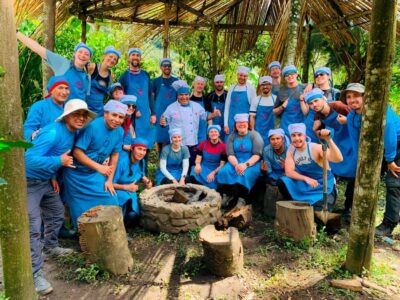
Salkantay Trek 4 Days to Machu Picchu by Glamping Sky Lodge Dome
Read our review →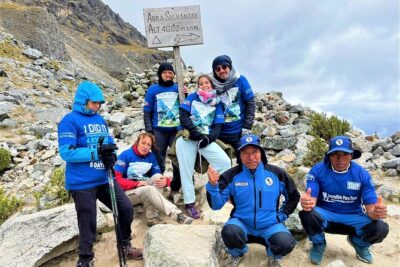
Salkantay Trek To Machu Picchu 5 Days And 4 Nights
Read our review →
5-Day: Salkantay Trek to Machupicchu and Humantay Lake
Read our review →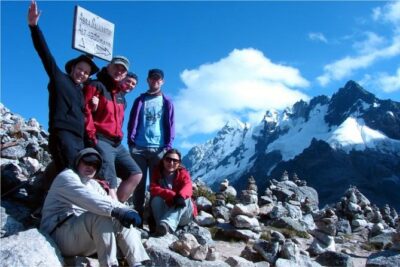
Browse the lists this tour appears in