
Reviewed · HIKING & TREKKING
Trek to Choquequirao 4 days
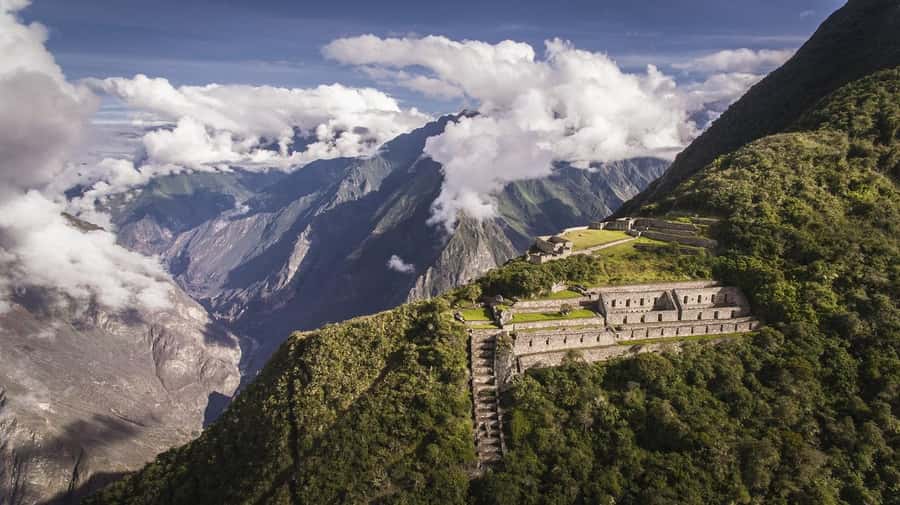
Choquequirao is the kind of place you earn. Reaching this remote Inca site means descending into the Apurímac Canyon, climbing out again, and repeating the work on the return. The reward is a dramatic archaeological complex with far fewer people than Machu Picchu and a strong sense of mystery.
I like the small group limit of 15, which should make the long walking days easier to manage, and I like that meals, cooks, muleteers, camping, and transport are built into the $366 price. The food received especially warm praise, along with the guide and the beauty of the route.
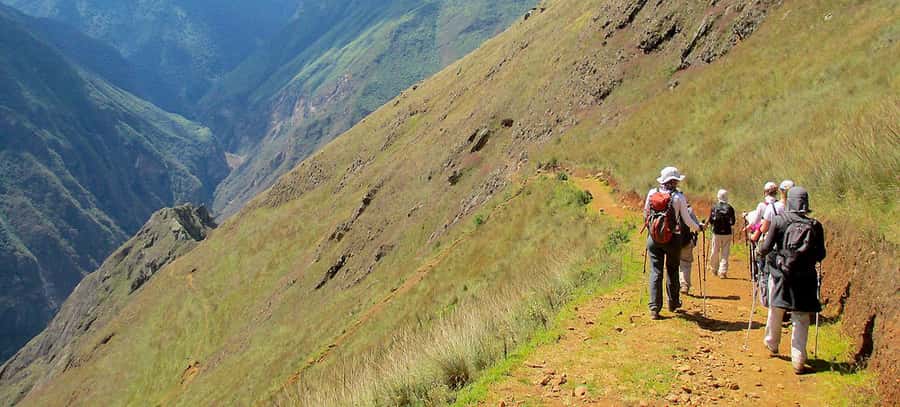
The catch is simple: this is one of the hardest treks around Cusco. You face about three hours downhill on the first day, steep climbing on the second, another major descent and climb on the third, and four hours uphill on the final morning. This is not a gentle archaeological outing.
In This Review
- Key points at a glance
- Why Choquequirao demands four days
- Day one: from Cusco to the Capuliyoc Viewpoint
- Day two: the long-awaited arrival at Choquequirao
- Day three: the Apurímac River and the climb to Chiquisca
- Day four: four hours uphill to Capuliyoc
- What the $366 price covers
- Food, camps, and the practical comfort level
- The guide, group size, and language
- Who should book this trek
- Should you book the Choquequirao trek?
- FAQ
- How long is the Choquequirao trek?
- What time does pickup begin?
- Is transportation included?
- Are meals included?
- Is the Choquequirao entrance ticket included?
- How much extra luggage can the mule carry?
- Is horseback riding included?
- Can I cancel the booking?
Key points at a glance
- Choquequirao takes real effort: The route crosses the Apurímac Canyon, with long descents and climbs on every major walking day.
- The archaeological site gets a full morning: You reach Choquequirao around 9:30 a.m., explore with a guide, then have time to look around independently.
- Meals are a major part of the value: Cooks prepare breakfast, lunch, and dinner during the trek, with lunch carried to Choquequirao on day two.
- You sleep in rural camps: The package includes three nights of rural accommodation, not standard hotel rooms.
- A mule carries extra luggage: One mule and one 5-kilogram Dafort bag are included for additional gear.
- The group stays small: The maximum is 15 people, with English and Spanish guiding available.
Why Choquequirao demands four days
Choquequirao is often compared with Machu Picchu because both are major Inca sites, but the experience is very different. Machu Picchu is reached by train, bus, or a shorter walk. Choquequirao requires a serious journey into the Apurímac Canyon, far from an easy transport link.
That remoteness gives the site its appeal. You do not simply arrive, take a few photos, and leave. You spend days walking through high mountain country, dry canyon slopes, rural settlements, and changing elevations before reaching the ruins.
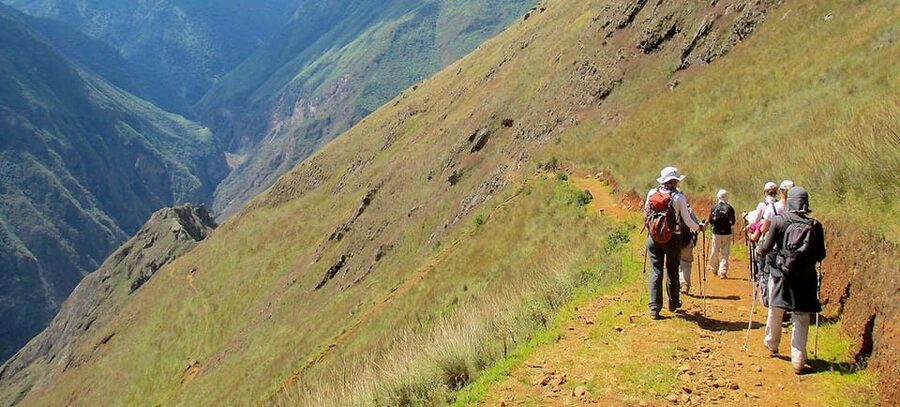
The route is hard because the elevation changes are concentrated into long sections. On day one, you begin at the Capuliyoc Viewpoint and descend for about three hours to Chiquisca. After continuing down to Playa Rosalinas, you climb for roughly two hours to Santa Rosa.
Day two brings a two-hour uphill walk to Maranpata before the archaeological visit. Day three reverses the pattern with a three-hour descent to the Apurímac River followed by a two-hour climb to Chiquisca. The final morning is a four-hour uphill return to Capuliyoc.
I would judge this trek by walking time and steepness, not by the four-day label. Four days may sound manageable, but the route places demanding sections back to back. If you have been looking for a hard Cusco-region trek rather than a relaxed cultural excursion, this is the right category.
A few more Cusco trips to weigh up
- From Cusco: 7 Lakes Ausangate Trek with Breakfast and Lunch
★ 4.8 · 360 reviews - Cusco: Rainbow Mountain Tour and Red Valley Hike (Optional)
★ 4.7 · 149 reviews - Cusco: Full-Day Rainbow Mountain & Red Valley Trekking Tour
★ 4.5 · 121 reviews
Day one: from Cusco to the Capuliyoc Viewpoint
The day starts early, with pickup from the meeting point in Cusco at 5 a.m. You then travel by car toward Curahuasi for about three hours, stopping briefly for breakfast before continuing for another hour to the Capuliyoc Viewpoint.
The first long road transfer matters. You are not walking straight from Cusco, and you will spend roughly four hours in the vehicle before the trek begins. The early start helps fit the walking into the cooler part of the day, but you should expect a tiring opening morning.
Capuliyoc is the trailhead and the first major viewpoint. From here, the route drops for around three hours toward Chiquisca. That descent can feel easier than climbing at first, but it puts steady pressure on your knees and thighs. Good footwear matters more than speed.
Lunch is prepared at Chiquisca, where the cooks wait for the group. Having a proper meal in the middle of the first long descent is useful, especially since the day is not finished.
After lunch, you continue down to Playa Rosalinas. This section brings you lower into the canyon before the trail turns upward. You rest there, then climb for about two hours to the Santa Rosa camp.
At Santa Rosa, the crew sets up camp while you prepare for the night. Dinner is served at camp, and you sleep in rural accommodation. The setting is part of the experience, but comfort is limited compared with a hotel in Cusco. Bring only what you need close at hand, since your extra luggage will be handled separately.
Day two: the long-awaited arrival at Choquequirao
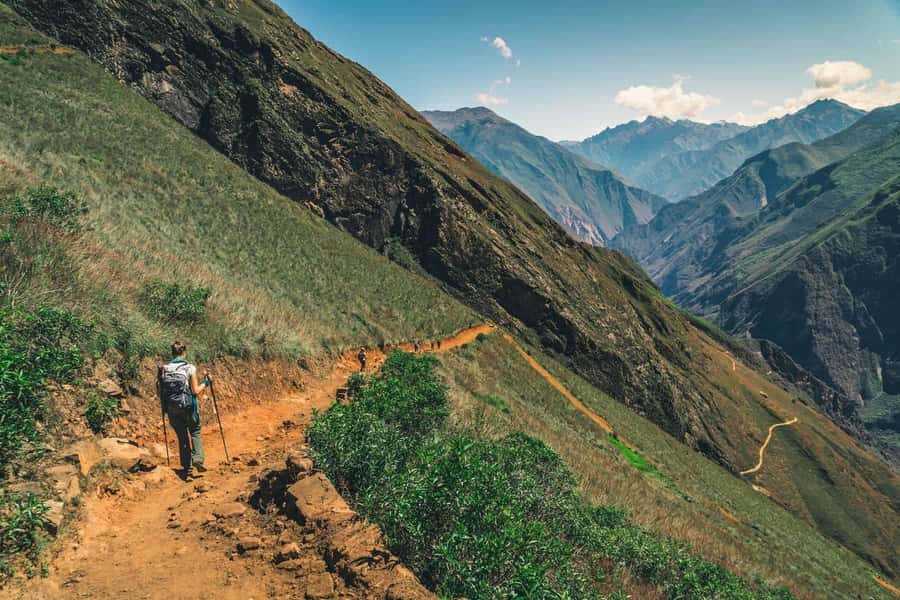
The second day begins around 6 a.m. with hot coca tea and breakfast. You then climb for approximately two hours to Maranpata.
Maranpata is an important staging point. The cooks, muleteers, and horses remain there to prepare lunch and carry it to Choquequirao while you continue to the archaeological site. This arrangement lets you visit the ruins without carrying the day’s full food supply.
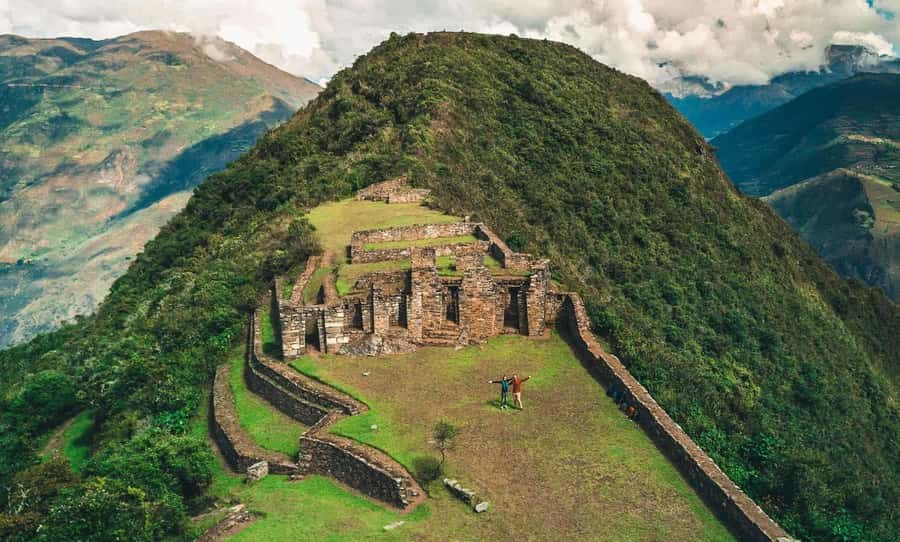
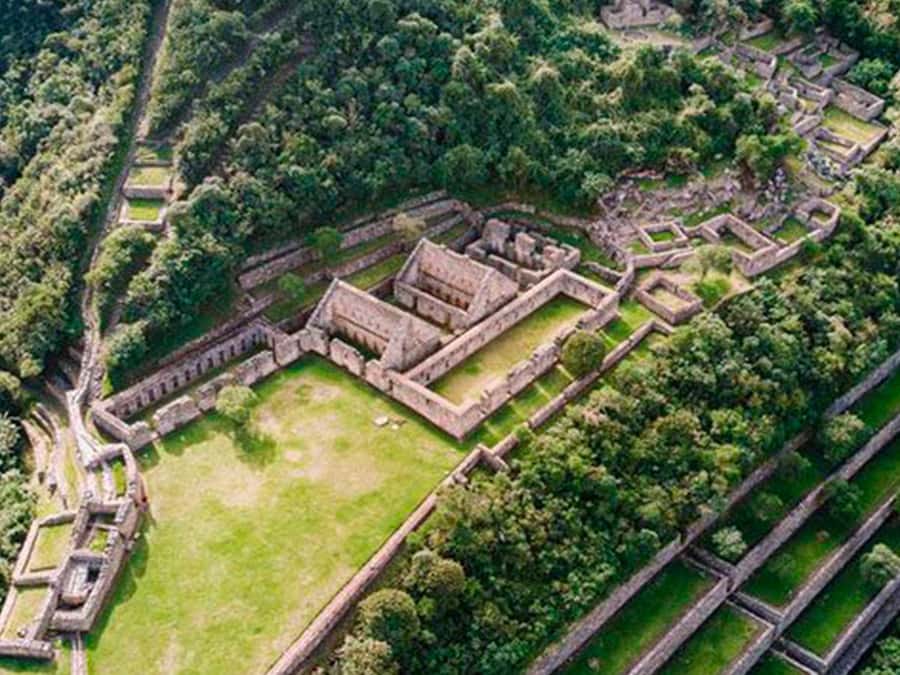
You should reach Choquequirao at about 9:30 a.m. The timing gives you a substantial part of the day at the site. Your guide explains the archaeological complex, then you receive time to explore independently.
That balance is one of the better features of the trip. A guide can give the site a clear setting, while free time lets you move at your own pace rather than staying in a tight group for every minute. You can pause at the parts that interest you most, take in the surrounding canyon, and absorb the scale of the place without rushing through the visit.
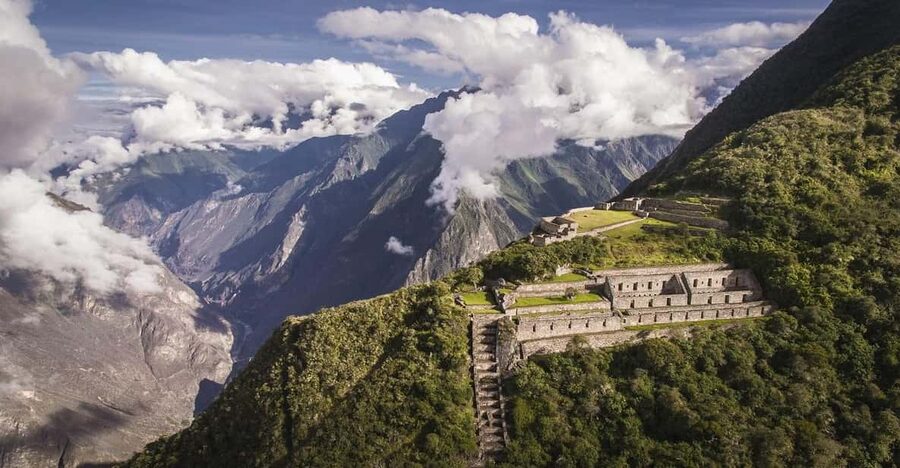
Choquequirao is known as Machu Picchu’s sister city, but it does not feel like a copy. Its remote position and difficult approach shape the visit. The site is connected to history and mystery, yet the setting also reminds you how much work went into building and maintaining an Inca center in such difficult country.
Lunch is brought to the site, then you return to Maranpata in the afternoon for dinner and another night at camp. The return walk means day two is not simply a morning visit followed by rest. You still have the approach and the trip back to consider.
I would keep your daypack light but organized. Carry the water you need, sun protection, a rain layer, and anything you may want during the ruins visit. Water is not included, and the tour specifically excludes water for your canteens, so you need to budget for and arrange your own drinking supply.
Day three: the Apurímac River and the climb to Chiquisca
Breakfast is around 8 a.m. on day three. After packing, you begin the descent toward the Apurímac River, which takes about three hours.
This is a memorable section because the river marks the lowest and most dramatic part of the route. The trail leads down into the canyon, and the change in height gives the day a clear physical shape: first lose elevation, then work to regain it.
At the river, you have time to rest and eat lunch prepared by the cooks. That pause is welcome, but it does not remove the next challenge. After lunch, you climb for approximately two hours to the third camp at Chiquisca.
Chiquisca offers a chance to connect with the local area. In the afternoon, you can interact with local people and taste a typical drink made from sugar cane. It is a small cultural moment, but it gives the trek more texture than a simple march between camps.
Dinner and overnight accommodation are again included. You should expect rural camping rather than polished facilities. A hot shower and towels cost an additional 40 soles per person, and Wi-Fi costs 20 soles. These extras are optional, but they show the level of comfort available at camp.
Same valley, a completely different kind of day:
- Cusco: Humantay Lake Tour with Breakfast and Buffet Lunch
★ 4.9 · 2,976 reviews - From Cusco: Sacred Valley & Maras Salt Mines Tour with Lunch
★ 4.8 · 2,227 reviews - From Cusco: Moray, Maras Salt Mines & Chinchero Weavers Tour
★ 4.8 · 1,925 reviews - From Cusco: Full-Day Group Tour of Machu Picchu
★ 4.7 · 1,767 reviews
Day four: four hours uphill to Capuliyoc
The final day begins very early, around 5 a.m., after breakfast. The reason is practical: the route back to the Capuliyoc Viewpoint takes about four hours uphill, and the strongest sun usually arrives later.
This is the section I would take most seriously when judging your fitness. Four hours of climbing after three days of hard walking can feel longer than the distance suggests. Pace yourself, take steady breaks, and avoid treating the first part of the ascent like a race.
At Capuliyoc, you wait for lunch while enjoying views of the surrounding mountains and the Apurímac Canyon. After lunch, you board the vehicle for Cusco, arriving at about 4:30 p.m.
The return drive closes a long day. Do not plan a demanding evening activity in Cusco. You may be back in the city before dinner, but your legs will likely want a shower, food, and sleep.
What the $366 price covers
At $366 per person, this trek offers reasonable value if you use the included services. The price covers transport from Cusco to Cachora and back to Cusco, meals, three nights of rural accommodation, a guide, a muleteer, a mule for extra luggage, and one 5-kilogram Dafort bag.
The food provision is especially useful. You are not buying every meal along the way or carrying four days of cooking supplies. Cooks prepare the meals at camp, serve lunch at key points, and arrange for lunch to reach Choquequirao on day two. One published rating specifically praised the delicious food, and that matters on a route this demanding.
The mule support also changes how you pack. You can place up to 5 kilograms of extra luggage in the provided bag, leaving your daypack for water, clothing, and personal items. The allowance is helpful, but it is not a reason to overpack. Five kilograms disappears quickly once you add warm layers, rain gear, and toiletries.
The entrance ticket is not included. Adults pay 60 soles, while students pay 30 soles. You also pay separately for the first breakfast and last dinner, water for your canteens, and optional extras.
Horseback riding is available for 200 soles, but it is not included in the base price. Trekking poles cost 30 soles per pair. Since the route includes long descents and climbs, poles may be worth considering, especially if you want extra support on uneven ground.
Food, camps, and the practical comfort level
This is a supported trek, but it is not a luxury trek. The crew handles cooking, camp setup, and mule support, while you handle the walking. That division makes the route more manageable without removing the physical challenge.
Three nights of rural accommodation are included. The supplied information does not promise hotel rooms or private facilities, so you should prepare for simple camp conditions. A hot shower and towels are available for 40 soles per person, and Wi-Fi is available for 20 soles, but neither is part of the standard package.
Bring enough personal supplies to manage the basics. Water is specifically excluded, so do not assume that the included meals cover hydration. You should also carry a way to protect yourself from strong sun and changing weather, though the tour information does not specify an equipment list.
The food deserves emphasis because it is one of the strongest practical reasons to choose a guided trek. You can concentrate on walking while the cooks handle substantial meals at camp and at the day’s stopping points. On a route where energy drops quickly, that support is worth more than a fancy extra.
The guide, group size, and language
The tour uses a live guide in English or Spanish. No individual guide name is provided, so you should confirm the guide assignment if that matters to your booking decision.
The group limit is 15 people. That is small enough to keep the walking operation relatively personal, while still large enough that the pace may vary. On a hard trek, a smaller group can make meal service, camp organization, and communication easier.
A guide also helps give Choquequirao meaning. The ruins are not just a reward at the end of a difficult path. You receive an explanation at the complex, then have time to examine it on your own. The combination suits you if you want context but dislike being hurried through an archaeological site.
The experience received a 3.8 average from four published ratings. Two verified bookings from September 2024 gave it five out of five, with praise for the challenge, guide, route, food, nature, and group atmosphere. One German-language comment described the trek as very strenuous but praised the guide and path. I would give those comments the right weight: the positive pattern supports the quality of the guiding and food, while the warning about effort should be taken literally.
Who should book this trek
I would recommend this trek to you if you want a physically serious route to an important Inca site and prefer a small guided group to arranging transport, meals, camps, and luggage on your own.
It suits strong walkers who can handle repeated uphill and downhill sections over four days. You do not need to be an athlete, but you should be comfortable with long mountain walks and prepared for the route to test your legs.
I would hesitate to recommend it if your main goal is comfort, an easy cultural visit, or a flexible schedule. The 5 a.m. starts, long transfers, rural camps, limited included water, and steep trail sections leave little room for an unplanned easy day.
Horseback riding may help on parts of the route, and it costs 200 soles, but the tour information does not promise that a horse can remove every difficult section. Ask the provider about current availability and where it can be used before relying on that option.
Should you book the Choquequirao trek?
Book it if the challenge is part of the appeal. You get four days of transport, guiding, cooked meals, rural accommodation, mule support, and a full visit to one of Peru’s most remote major archaeological sites for $366, before the entrance ticket and personal extras.
Skip it if you want the easiest route to Inca ruins. Choquequirao asks more from you than Machu Picchu’s standard visit, and the final four-hour climb back to Capuliyoc is a serious finish.
My advice is to choose this trek for the walking first and the ruins second. If you are ready for the canyon, the climbs, the simple camps, and the early starts, the food support and small group make the price sensible. If you are hoping the archaeological site will be the only hard part, choose an easier Cusco excursion instead.
FAQ
How long is the Choquequirao trek?
The experience lasts four days, including transportation from Cusco, the trek to Choquequirao, the return walk, and the vehicle ride back to Cusco.
What time does pickup begin?
Pickup begins at 5 a.m. from the meeting point in Cusco on the first day.
Is transportation included?
Yes. Transportation from Cusco to Cachora and from the trail area back to Cusco is included.
Are meals included?
Meals are included during the trek. The first breakfast and the last dinner are not included.
Is the Choquequirao entrance ticket included?
No. The entrance ticket costs 60 soles for adults and 30 soles for students.
How much extra luggage can the mule carry?
The package includes a mule for extra luggage and one Dafort bag with a limit of 5 kilograms.
Is horseback riding included?
No. Horseback riding costs 200 soles and is paid separately.
Can I cancel the booking?
You can cancel up to 24 hours in advance for a full refund. The tour also allows you to reserve now and pay later.
Just added around Cusco
- Waqrapukara 1 day trekking + meals★ 3.9 · 3 reviews
- Zipline over the Sacred Valley Trip★ 5.0 · 11 reviews
- Valle Sur Cusco | half day★ 4.3 · 3 reviews
- Visit to the Cochahuasi Animal Sanctuary with rescued animal★ 4.1 · 4 reviews
- Visit Pisac from Cusco: Private Transport★ 4.6 · 9 reviews
- Maras and Huaypo lagoon by ATV from Cuzco | Local Operator★ 4.7 · 4 reviews
- Trek to Humantay Lake from Cusco★ 4.9 · 8 reviews
- Inca Trail Machu Picchu 4 Days★ 5.0 · 39 reviews
Hiking & Trekking, compared.
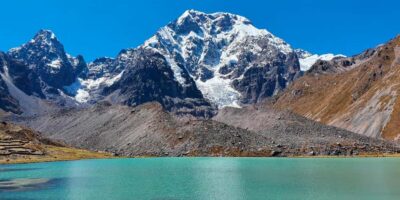
7 Lakes Ausangate Trek with Breakfast and Lunch
Read our review →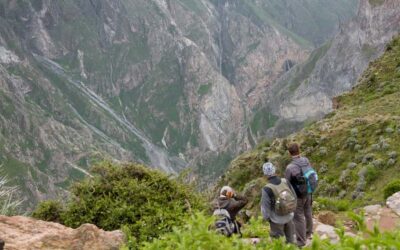
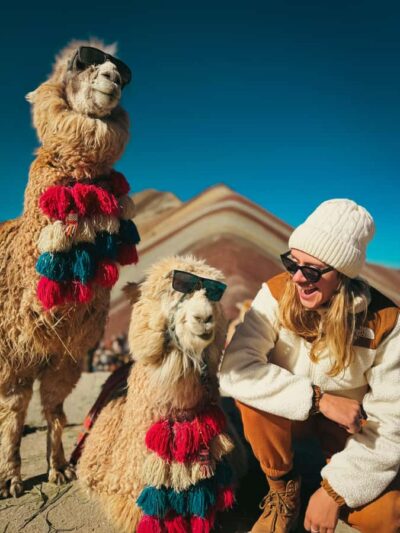
Rainbow Mountain Tour and Red Valley Hike (Optional)
Read our review →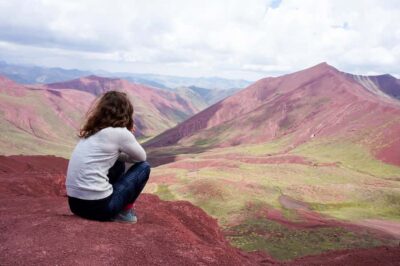
Full-Day Rainbow Mountain & Red Valley Trekking Tour
Read our review →
Browse the lists this tour appears in