
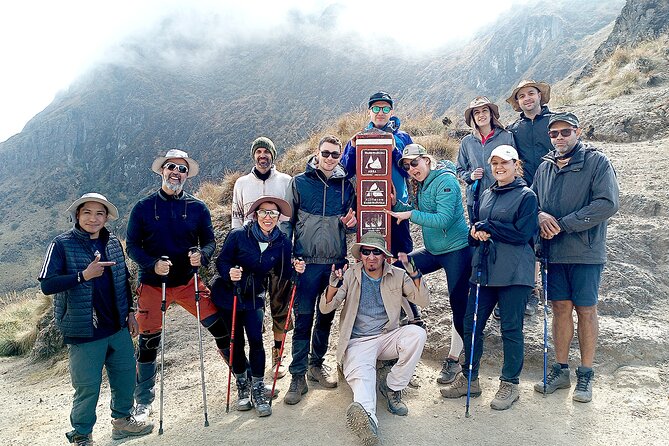
Reviewed · MACHU PICCHU TOURS
Inca Trail Machu Picchu 4 Days
The great appeal here is simple: you reach Machu Picchu on foot, through high mountain passes, Inca ruins, cloud forest, and stone tunnels. The final walk to Inti Punku, the Sun Gate, gives the journey a proper sense of arrival instead of dropping you at the site by bus.
I like the small group limit of 10, and I like that the camp crew carries tents, cooking gear, food, and even a portable bathroom setup. The cooks have produced surprisingly good trail meals, including cake on one evening. The catch is the physical demand: day two takes about eight to nine hours, and the highest point reaches 4,200 meters.
In This Review
- Key points
- What $905 buys you on the Inca Trail
- Day one: Cusco to Km 82 and Ayapata
- Day two: Llulluchapampa and the climb to Death Pass
- Day three: Phuyupatamarca, tunnels, and Wiñayhuayna
- Day four: sunrise at Inti Punku and Machu Picchu
- Camps, food, porters, and group size
- Fitness, altitude, and what to pack
- Who should choose this four-day route?
- Should you book the Dreamy Tours Inca Trail?
- FAQ
- How long is the Inca Trail Machu Picchu tour?
- Where does the tour start?
- What is the maximum group size?
- How physically fit do I need to be?
- Is a sleeping bag included?
- Is breakfast on the first day included?
- What food is included?
- Is transport included?
- Is the Machu Picchu entrance included?
- Can I visit Huayna Picchu?
- What languages are available for the guide?
Key points
- Start at 5:30 am from Cusco: The early pickup gets you to Km 82 with time to complete trail registration.
- Cross Death Pass at 4,200 meters: Day two is the hardest section, with a long climb followed by steep descents.
- Sleep in organized camps: Tents, dining equipment, cooking gear, food, and basic bathroom facilities are supplied.
- See several Inca sites on foot: Llactapata, Runkurakay, Phuyupatamarca, Wiñayhuayna, and Inti Punku add meaning to the walk.
- Arrive at Machu Picchu around 8:00 am: A guided visit lasts about two hours, followed by free time at the citadel.
- Pay $905 per person for four days: The price covers permits, transport, guides, meals, camping support, and the return train, but not a sleeping bag or some meals.
What $905 buys you on the Inca Trail
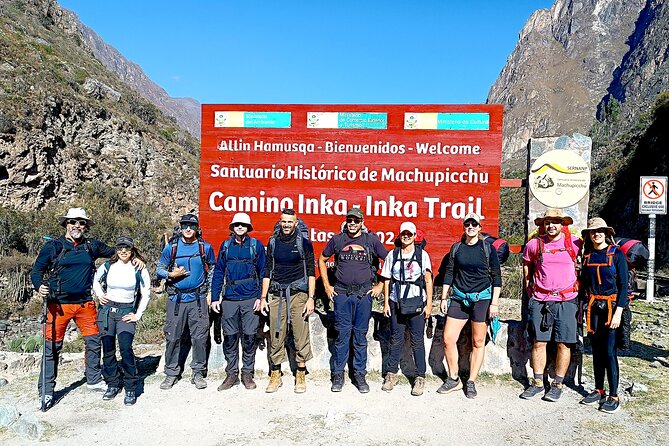
At $905 per person, this is not a cheap way to reach Machu Picchu. It is also more than a basic walking excursion. The fee covers the Inca Trail and Machu Picchu entrance, transport from Cusco to Km 82, the return train to Ollantaytambo, camp equipment, a cook, food, a professional guide, first aid, and oxygen.
That matters because the trail requires a moving camp. Tents, a dining area, tables, chairs, cooking equipment, food, and bathroom gear all have to reach the camps. You are paying for the people who make that possible, not just for four days of walking.
Meals include three breakfasts, three lunches, three dinners, and three snacks. Breakfast on day one is not included, and lunch on the final day is also your responsibility, either at Machu Picchu or in Aguas Calientes. A sleeping bag and extra porter cost extra, so add those to your budget before deciding.
The train is listed as dependent on availability. The return route goes from Machu Picchu village to Ollantaytambo, followed by transport to Cusco. A little flexibility with the final timetable is wise, since one account describes a rushed connection and some schedule trouble.
More machu picchu tours in Sacred Valley:
- From Cusco: 2-Day Trip to the Sacred Valley and Machu Picchu
★ 4.6 · 265 reviews - Private Tour to Sacred Valley and Machu Picchu from Cusco
★ 5.0 · 133 reviews - Machu Picchu & Sacred Valley 2-Day Tour
★ 5.0 · 82 reviews
Day one: Cusco to Km 82 and Ayapata
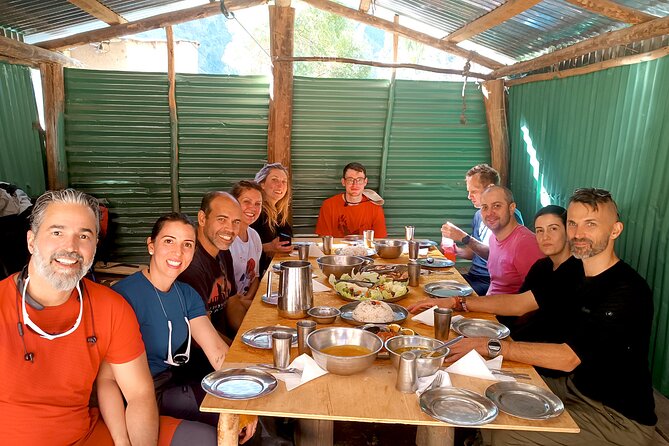
The day starts at 5:30 am with pickup in Cusco. You head into the Sacred Valley, with a short stop in Ollantaytambo before reaching Km 82. You can buy or have breakfast there, but you must pay for it yourself.
At Km 82, the group meets and presents documents for trail control and registration. This is the practical beginning of the famous route. After crossing the Urubamba River at about 2,200 meters, you start walking toward the first camp.
The opening trail is fairly easy to follow. That makes day one a useful warm-up, though the total walking time is still about seven hours. You pass through Miskay, a small riverside area where the guide explains Llactapata and its role in the Inca world.
From there, the route continues toward Wayllabamba at 3,100 meters before climbing to Ayapata. The day is not merely a march to camp. It introduces the pattern that will shape the whole trip: walk, stop, hear about the ruins, eat, then climb again.
Your first night is in a tent at Ayapata. The supplied camp includes a dining setup, tables, chairs, and basic bathroom facilities. The tour does not specify the exact tent arrangements, so ask the operator what you will share and what you should bring for comfort.
Day two: Llulluchapampa and the climb to Death Pass
Day two is the test. You walk for about eight to nine hours in cold conditions, starting with a three-kilometer climb to Llulluchapampa at 3,850 meters. The route passes through rainforest, with water sounds and changing vegetation along the way.
From Llulluchapampa, you continue upward for two to three hours to Warmihuañusca, better known as Death Pass. At 4,200 meters, it is the highest point of this route and the hardest climb of the four days.
The sensible approach is to let the pace stay slow. The tour plan allows short stops, and the group is intended to walk at individual speeds. You should not judge your progress by the fastest person in the party. The climb is a test of steady effort, not speed.
After a short stop at the summit, the trail drops sharply toward the Pacaymayu River. Descending can be just as tiring as climbing, especially on knees and legs already working hard. The route then heads toward Runkurakay Pass at about 3,050 meters before reaching Chaquicocha camp at 3,650 meters.
This is the day when fitness and equipment matter most. One account gives the useful advice plainly: bring proper gear and prepare physically before arriving. The company supplies oxygen and first-aid equipment, but those are safety provisions, not substitutes for conditioning.
Day three: Phuyupatamarca, tunnels, and Wiñayhuayna
Day three is shorter at about six hours and is often the most rewarding in terms of variety. The ecosystem changes as you walk through cloud forest, and the route feels more enclosed and atmospheric than the open high pass of the previous day.
You pass two small lakes near the second pass, at roughly 3,950 meters. From there, the trail makes a gentle ascent through a small Inca tunnel, with views toward the Urubamba River and the Sacred Valley.
Phuyupatamarca means the city above the clouds. At 3,600 meters, this well-preserved site includes a long chain of Inca baths. The stonework gives you a clear look at the engineering that makes these ruins more than scenic photo stops.
Another Inca tunnel leads toward Wiñayhuayna, or Forever Young, at 2,650 meters. The change in altitude is noticeable, and so is the change in plant life. The day finishes with the first views of Machu Picchu Mountain, a welcome sign after two demanding days.
You camp near the route to the citadel. The itinerary places the major visit on the next morning, so this evening is a chance to rest, eat, and prepare for the early final walk. The food receives unusually strong praise for a camping trip. Tea time lasts about 30 minutes before dinner, and the cooks have even baked a cake on one night.
More inca trail treks in Sacred Valley:
- Cusco : Sacred Valley & Inca Trail to Machu Picchu 3 days
★ 5.0 · 57 reviews - Cusco: 4-Day Inca Trail to Machu Picchu with Accommodation
★ 4.8 · 432 reviews - Cusco: Machu Picchu 2-Day Inca Trail with Panoramic Train
★ 4.9 · 260 reviews - From Cusco: 2-Day Inca Trail to Machu Picchu
★ 4.2 · 244 reviews
Day four: sunrise at Inti Punku and Machu Picchu
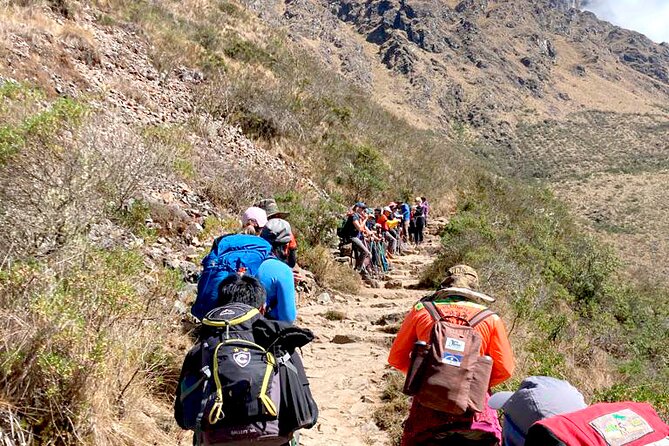
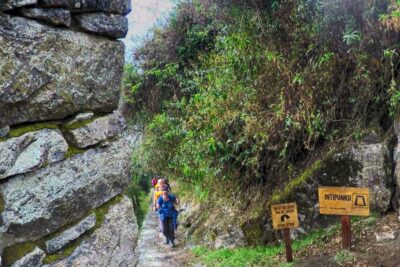
After breakfast, you walk toward Inti Punku, the Sun Gate. The final uphill section takes close to an hour, and the reward is your first direct view of Machu Picchu, potentially in the early morning light.
The route reaches the citadel at around 8:00 am. That timing gives the arrival a strong sense of occasion. You have already crossed the passes, slept in camps, and walked through the ruins above the Urubamba Valley. Machu Picchu is not simply the first major sight of the day. It is the endpoint of the effort.
A guide leads a tour of the archaeological site for about two hours. This is where a good guide can make a real difference. Franklin, one guide associated with this experience, is praised for keeping the group together while allowing time to explore, and for explaining the purpose of ruins within Inca culture and daily life.
After the guided portion, you have free time at the site. The planned options include the Inca Bridge, more of the monuments, and Huayna Picchu for a high panoramic view. Check exactly which additional access requires a separate permit or ticket, since the information supplied does not confirm that Huayna Picchu entry is included.
Later, you descend to Aguas Calientes for lunch at your own expense. The return train then goes to Ollantaytambo, followed by transport to Cusco. Keep an eye on the departure time. The trip back is part of the package, but transport connections can feel tight.
Camps, food, porters, and group size
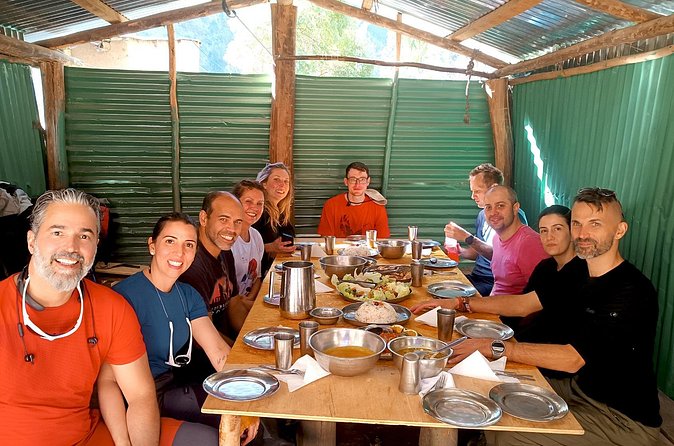
The camping setup is a major part of the value. You are not carrying every tent, chair, cooking pot, and food item yourself. Porters carry the equipment and supplies, while the cook handles the meals and the guide manages the walking group.
That support changes the experience. You still need to carry your personal daypack and hike for long hours, but you are not expected to operate a full mobile camp. It also means you should pack with respect for the porter system. An extra carrier is available if you need one, but it is not included.
Food is one of the strongest features of the trip. The menu includes all breakfasts, lunches, dinners, and snacks from day one lunch through day four breakfast. Tea before dinner adds a small but welcome routine after a hard day.
You should still carry enough personal water and snacks according to the operator’s final instructions. The supplied information confirms meals and snacks, but it does not specify water arrangements or dietary options. Ask before departure if you have allergies or special food needs.
With a maximum of 10 people, the group should be small enough for the guide to keep track of everyone. It also makes the camp routine more manageable than it would be in a large party. The guide language is Portuguese or Spanish, available by request, so confirm your preferred language at booking.
Fitness, altitude, and what to pack
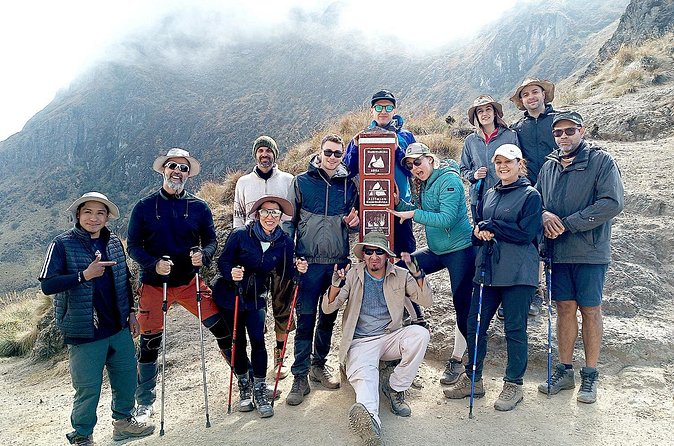
You need a strong level of physical fitness for this walk. The key challenge is not one isolated climb. It is the combination of seven hours on day one, up to nine hours on day two, steep descents, high altitude, and sleeping in camps.
Death Pass reaches 4,200 meters. The itinerary begins in Cusco and moves through the Sacred Valley, but no acclimatization schedule is specified. Plan your wider Peru trip carefully and ask a medical professional about altitude concerns before booking.
Bring a sleeping bag because it is not supplied. Proper hiking clothing is also important, especially for the cold conditions described on day two. The supplied information does not list a full packing checklist, so confirm requirements for footwear, rain protection, water, and personal medicines.
The first-day breakfast and final-day lunch are excluded. You also pay extra for an additional porter. These are small costs beside the tour price, but they are easy to forget when comparing packages.
Who should choose this four-day route?
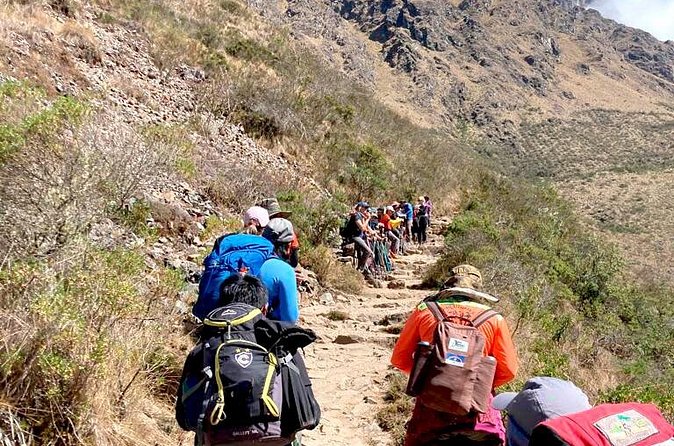
I would choose this trip if you want the classic Inca Trail experience rather than the quickest route to Machu Picchu. The appeal is the succession of archaeological sites and the feeling of earning the final view from Inti Punku.
It suits people who enjoy long walking days, simple camping, and a shared group routine. It also works well for families or friends who want a major challenge together, provided everyone has the fitness for the route.
I would hesitate if you dislike early starts, cold nights, steep stone paths, or fixed transport schedules. The price also makes less sense if your main goal is only to see Machu Picchu, since shorter and less demanding ways to reach the citadel may suit you better.
The cancellation terms are strict. This experience is non-refundable and cannot be changed after booking, so confirm dates, fitness, documents, language, sleeping gear, and any extra ticket needs before paying.
Should you book the Dreamy Tours Inca Trail?
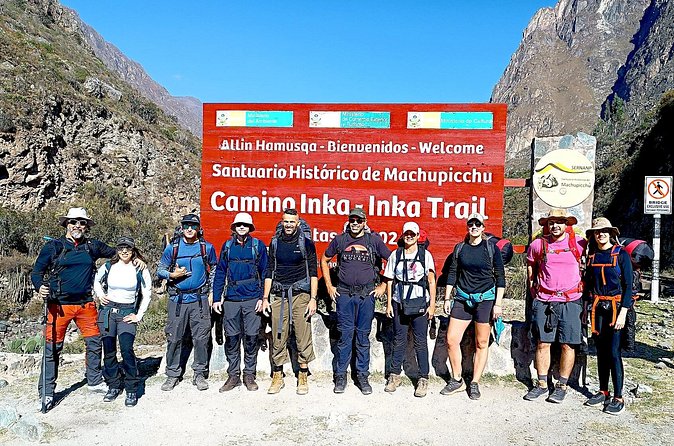
Book it if you want a supported, small-group trek with meals, camp logistics, a guide, and the emotional payoff of entering Machu Picchu on foot. The route includes the best-known physical and cultural moments: Death Pass, Phuyupatamarca, Wiñayhuayna, the Sun Gate, and the citadel itself.
The strongest reasons to choose it are the well-supported camp system, the praised cooking, and the attentive guiding associated with Franklin and the wider team. The main warnings are the demanding second day, extra costs for a sleeping bag and porter, and the possibility of tight return connections.
At $905, this is a serious purchase, but much of the hard work behind the scenes is covered. If you prepare properly and accept the basic conditions of a four-day mountain trek, it offers a direct and memorable way to reach Machu Picchu.
FAQ
How long is the Inca Trail Machu Picchu tour?
The tour lasts four days and includes three nights of camping.
Where does the tour start?
Pickup begins in Cusco at 5:30 am. The walking portion starts at Km 82 after transport through the Sacred Valley.
What is the maximum group size?
The group can have a maximum of 10 travelers.
How physically fit do I need to be?
You should have a strong level of physical fitness. Day two involves about eight to nine hours of walking and reaches Death Pass at 4,200 meters.
Is a sleeping bag included?
No. You must arrange your own sleeping bag.
Is breakfast on the first day included?
No. The first-day breakfast is not included, though there is an option to stop for breakfast in Ollantaytambo before reaching Km 82.
What food is included?
The tour includes three breakfasts, three lunches, three dinners, and three snacks. Lunch on the final day is not included.
Is transport included?
Transport from Cusco to Km 82, transport from Ollantaytambo to Cusco, the Consettur bus between Machu Picchu village and the archaeological site, and the return train to Ollantaytambo are included, subject to train availability.
Is the Machu Picchu entrance included?
Yes. The package includes entrance to the Inca Trail and Machu Picchu.
Can I visit Huayna Picchu?
The itinerary lists Huayna Picchu as a possible activity during free time at Machu Picchu, but it does not confirm that a Huayna Picchu ticket is included. Check this before booking.
What languages are available for the guide?
Professional guiding is available in Portuguese or Spanish, with the language arranged by request.
More 4-Day Experiences in Sacred Valley
- Cusco Sacred Valley and Machupicchu 4 Days
★ 5.0 · 80 reviews - 4 day – Bucketlist Cusco: Rainbow Mtn, Machu Picchu, Sacred Valley, Humantay
★ 5.0 · 55 reviews - 4-Day: All Included Excursion City Tour, Sacred Valley & MachuPicchu
★ 5.0 · 40 reviews - Puerto Maldonado: 4-Day Tambopata Rainforest Tour
★ 4.6 · 213 reviews
Just added around Sacred Valley
- Zipline over the Sacred Valley Trip★ 5.0 · 11 reviews
- Visit Pisac from Cusco: Private Transport★ 4.6 · 9 reviews
- Transfer from Cusco to Ollantaytambo★ 5.0 · 30 reviews
- Sacred Valley VIP Tour with Maras and Moray from Cusco★ 4.5 · 35 reviews
- 2-Day Tour: Sacred Valley & Machu Picchu – All Tickets Included★ 5.0 · 42 reviews
- Sacred Valley Private Tour, Moray & Salt Mines Incluided★ 5.0 · 41 reviews
- Excursion to Sacred Valley of the Incas tour – Private service.★ 5.0 · 35 reviews
- 2-Day Sacred Valley & Machu Picchu by Train – Small Group Tour★ 5.0 · 54 reviews
Machu Picchu Tours, compared.



4-Day Inca Trail to Machu Picchu with Accommodation
Read our review →
2-Day Trip to the Sacred Valley and Machu Picchu
Read our review →
Machu Picchu 2-Day Inca Trail with Panoramic Train
Read our review →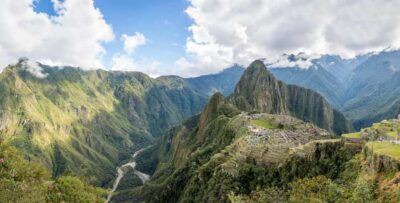
Browse the lists this tour appears in