
Reviewed · MACHU PICCHU TOURS
Cusco Sacred Valley and Machupicchu 4 Days
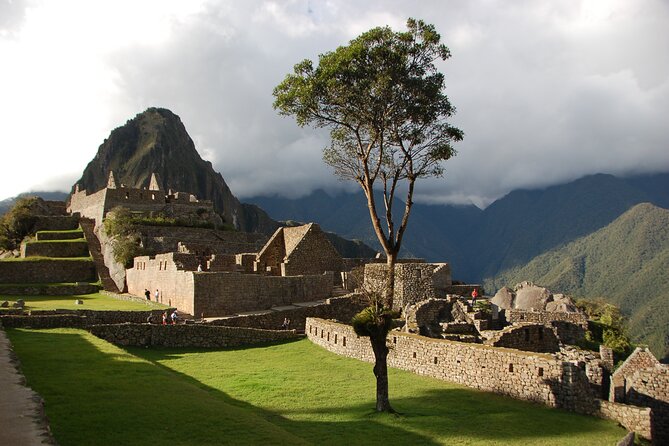
Machu Picchu is the headline, but this tour earns its keep by placing the Inca citadel inside a wider story. You move from Cusco’s Koricancha and hilltop Sacsayhuaman to the market town of Pisac and the fortress at Ollantaytambo before reaching the famous ruins.
I like the private format, which lets your group travel with its own guide and adjust questions and attention to your needs. I also like the strong practical coverage, including airport pickup, hotel transfers, train station transfers, three nights of lodging, breakfasts, and Machu Picchu admission.
The main drawback is the pace. Your Machu Picchu day begins around 4 a.m. and can last about 12 hours, while the itinerary leaves the fourth day unclear. Confirm the departure plan, hotel details, train schedule, and meal arrangements before paying.
In This Review
- Key points at a glance
- What this four-day Cusco tour actually covers
- Day one: Koricancha and Cusco’s stone guardians
- Day two: Pisac, the Vilcanota River, and Ollantaytambo
- Day three: the long road to Machu Picchu
- Guides, transfers, and the value of going private
- Who will get the most from this trip
- What the $1,200 price buys you
- Should you book the Cusco Sacred Valley and Machu Picchu tour?
- FAQ
- How long is the tour?
- Is this a private tour?
- What time does the Cusco city tour begin?
- What sights are included in the Cusco city tour?
- Is Machu Picchu admission included?
- Are meals included?
- What should I bring?
Key points at a glance
- A private trip through three major sights: Cusco, the Sacred Valley, and Machu Picchu are handled by one operator and one general plan.
- The Machu Picchu day starts early: Hotel pickup is listed for about 4 a.m., followed by a transfer to Ollantaytambo and a train to Aguas Calientes.
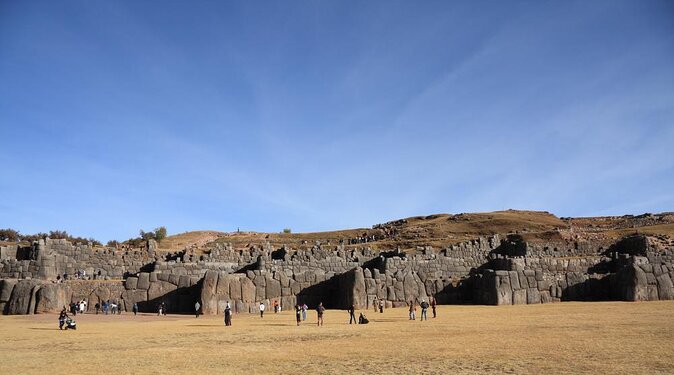
- Your Cusco introduction is packed with Inca sites: Koricancha, Sacsayhuaman, Qenqo, Puca-Pucara, and Tambomachay fit into the first afternoon.
- Ollantaytambo adds real depth: Its narrow streets and fortress help explain how the Incas defended and organized the valley.
- The price covers useful basics: At $1,200 per person, you receive three hotel nights, breakfasts, one Sacred Valley lunch, transfers, guides, train support, and Machu Picchu entry.
- Guides are a major part of the experience: Gabriel, Francisco, Roger, Coger, and Paulo are among the guides connected with this operator, with Roger especially noted for detailed answers and personal attention.
What this four-day Cusco tour actually covers
This is a private tour for your group rather than a shared coach experience. That matters in Cusco, where the altitude, early starts, and busy sightseeing schedule can make a little personal attention very useful.
The plan includes airport pickup on arrival, transport to your hotel, guided sightseeing, station transfers, and transport back to your lodging after Machu Picchu. Three nights of accommodation and three hotel breakfasts are included, along with one buffet lunch in the Sacred Valley.
The tour price is $1,200 per person. That is not a budget day trip, but it bundles several costly and important pieces: Machu Picchu admission, train arrangements, transfers, guides, lodging, and a private setup. The value depends heavily on the hotel category, train service, room arrangement, and exact inclusions, all of which you should confirm before booking.
One point needs clarification. The experience is called four days, but the supplied schedule spells out an arrival and Cusco city tour on day one, the Sacred Valley on day two, and Machu Picchu on day three. It also states three nights of accommodation. Ask what happens on day four. It may be a departure or transfer day, but that is not clearly described.
More machu picchu tours in Cusco:
- From Cusco: Full-Day Group Tour of Machu Picchu
★ 4.7 · 1,767 reviews - Machu Picchu Day Trip from Cusco
★ 4.5 · 1,644 reviews - Machu Picchu: Full-Day Tour from Cusco with Optional Lunch
★ 4.6 · 927 reviews
Day one: Koricancha and Cusco’s stone guardians
Your arrival day begins with airport pickup and a drive to the hotel. The afternoon city tour starts at about 1:30 p.m. and runs until roughly 6:30 p.m., giving you time to settle in before sightseeing.
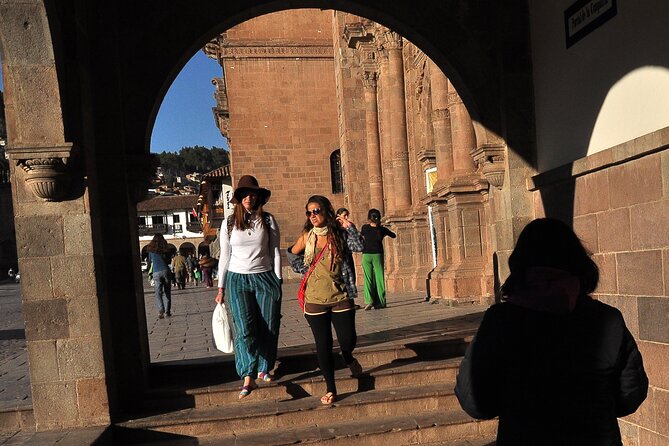
The first major stop is Koricancha, the Temple of the Sun. This was one of the most important religious complexes in the Inca capital. The present church and convent of Santo Domingo occupy the site, creating the kind of layered history that makes Cusco so interesting: Inca foundations and Spanish colonial construction share the same space.
A cup of coca tea is included during the welcome arrangements. You will also want to drink plenty of water, use sunscreen, and take the afternoon slowly. Cusco sits at high altitude, and the schedule is short enough to be manageable, but it is still wise not to treat the first afternoon like a race.
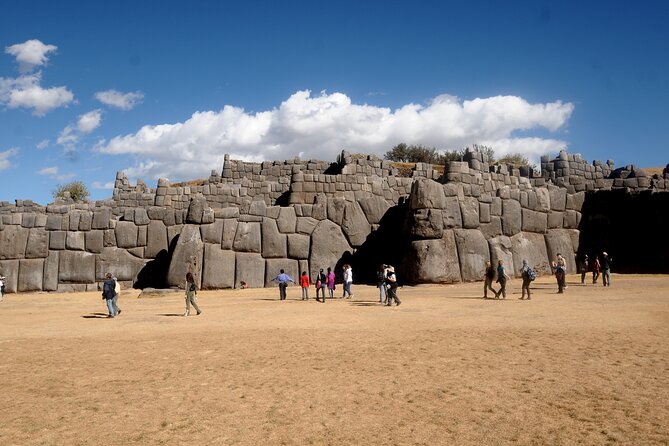
The tour then moves into the hills and outskirts of Cusco. Sacsayhuaman is the great set-piece. Its enormous fitted stones show the precision of Inca masonry, while its position above the city gives you broad views across Cusco. The site is easy to admire at a glance, but your guide is important here because the meaning of the terraces, walls, and ceremonial spaces is not obvious from the stones alone.
Qenqo follows, with its carved rock and ceremonial spaces. Puca-Pucara, a smaller fortified site, helps explain the network of places that watched roads and controlled movement near the Inca capital. Tambomachay, associated with water and ritual, provides a quieter final stop.
The route works well as an introduction because you see religious, military, administrative, and water-related sites in a single afternoon. The limitation is that each stop receives only part of the day. If you want long walks or detailed photography at every ruin, this schedule may feel brisk.
Day two: Pisac, the Vilcanota River, and Ollantaytambo
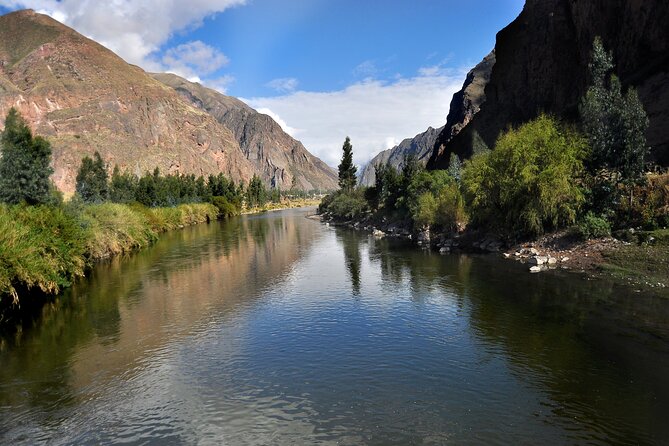
Pickup is scheduled for about 8:30 a.m. for the Sacred Valley. The drive follows the Vilcanota River, with panoramic views toward Pisac and the valley communities.
Pisac combines an old Inca settlement with a market town. The market visit is designed to give you time around local crafts and souvenirs, with a chance to bargain. Keep your expectations sensible: this is a shopping stop as well as a cultural one. You can look for textiles, small souvenirs, and handmade goods, but you should compare prices and avoid feeling pressured to buy.
The day then continues along the river toward Urubamba, where lunch is provided at a Sacred Valley restaurant. The included meal is a buffet lunch, but drinks are not included. Bring soles, dollars, or euros in small amounts, since the practical notes specifically recommend carrying change.
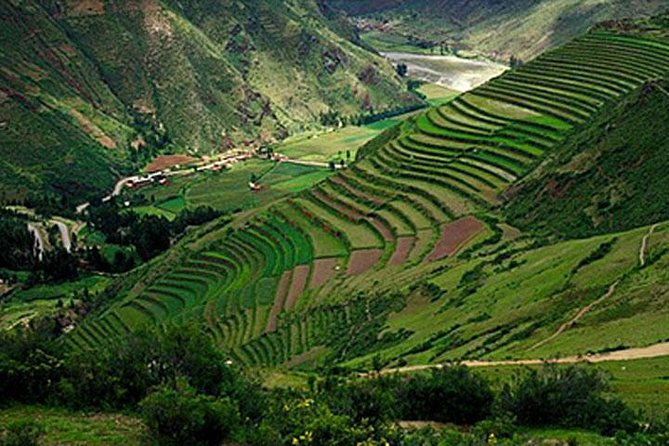
The afternoon visit to Ollantaytambo is one of the strongest parts of the route. The fortress guarded the entrance to this section of the valley, and the site also served military, religious, and cultural purposes. Its terraces and stonework make the strategic role clear, while the narrow streets below offer a sense of how an Inca town was organized.
Ollantaytambo is also valuable because it feels more connected to daily movement through the valley than an isolated ruin. You are not simply looking at stones on a hillside. You are seeing a settlement, defensive position, and transport point tied to the surrounding communities.
The Sacred Valley tour lasts about eight hours. It is a full day, but the pacing is more forgiving than the Machu Picchu outing. The private format should help if you want to ask about Quechua customs, local food, Inca building methods, or the way modern communities use the valley.
The description does not include the salt mines or Moray, though one account associated with the operator refers to those places along with the Sacred Valley and Sacsayhuaman. Do not assume they are part of this exact package. Ask before booking if those sites matter to you.
Day three: the long road to Machu Picchu
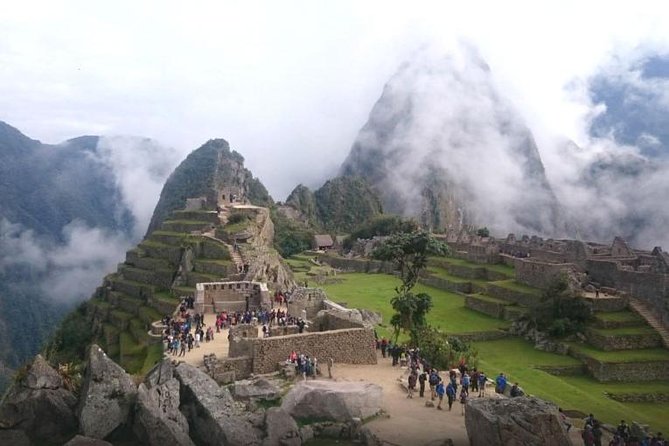
The Machu Picchu day is the logistical core of the tour. Pickup is listed for around 4 a.m., followed by a drive to the train station in Ollantaytambo. From there, you take the train to Aguas Calientes, also called Machu Picchu Pueblo.
The early start is not a small detail. You will need a light backpack, comfortable walking shoes, water, personal medicines, and clothing that can handle changing conditions. A raincoat is advised during the rainy season. Sunglasses, a hat, sunscreen, and long sleeves are also on the recommended packing list.
A guide meets you in Aguas Calientes and leads you to the bus station. The bus climbs the zigzag road to Machu Picchu in about 30 minutes. You then pass through the entrance control, hand in your admission ticket, and begin the guided visit.
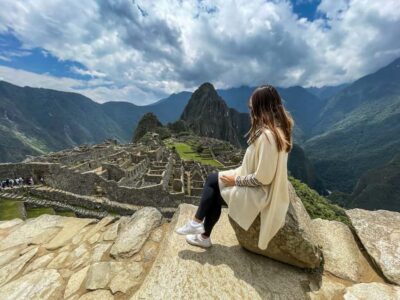
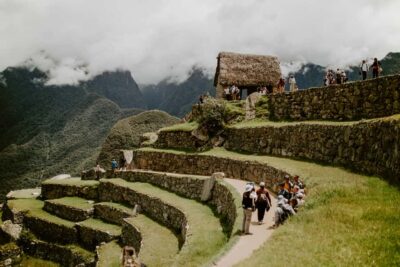
The guided tour lasts around two hours. The listed sights include the main square, the Circular Tower, the sacred solar clock, royal rooms, the Temple of the Three Windows, and the cemeteries. This is enough time to understand the main ceremonial and architectural features, but it is not an all-day archaeological seminar.
That is where your guide makes a real difference. Roger is noted for careful answers with historical and scientific detail, while Coger is associated with strong explanations of Inca architecture, culture, and history, as well as help with photos. Gabriel and Francisco are also praised for taking time with questions and discussing Quechua and Spanish life. Guide assignments can change, so treat these names as examples rather than a promise.
After the guided portion, you have free time to walk around the citadel and eat. Meals at Aguas Calientes restaurants or Sanctuary Lodge are not included. Since food and drinks beyond the listed breakfasts and Sacred Valley lunch are excluded, budget for this part of the day.
The return train is scheduled for around 5 p.m., followed by a transfer to your hotel in Cusco. The total day is listed at about 12 hours. You should expect a very long day with an early wake-up, several transfers, a bus ride, walking, and a late return.
The biggest benefit of having one operator handle this day is coordination. Machu Picchu admission and train arrangements are not details to leave until the last minute. The tour information says tickets were secured even when booked 20 days ahead in one case, but availability can change. Confirm your entry time, train departure, return train, and the exact ticket type before you travel.
More sacred valley tours in Cusco:
- From Cusco: Sacred Valley & Maras Salt Mines Tour with Lunch
★ 4.8 · 2,227 reviews - From Cusco: Moray, Maras Salt Mines & Chinchero Weavers Tour
★ 4.8 · 1,925 reviews - Cusco: Sacred Valley, Pisac, Ollantaytambo, Salt Mines Moray
★ 4.6 · 1,058 reviews - Cusco:Chinchero,Moray & Salt Mines drop-off in Ollantaytambo
★ 4.8 · 793 reviews
Guides, transfers, and the value of going private
The best feature here may be the human support rather than any single ruin. A private guide can explain what you are seeing in plain terms and respond to your interests. That is especially useful at Sacsayhuaman, Koricancha, and Machu Picchu, where a quick look does not tell you why the site mattered.
The operator is also credited with good communication and punctual logistics. That matters in Peru because a missed transfer can affect a train, bus, or timed entry. Airport pickup, hotel transfers, transport to stations, and transport to the attractions are all included in the stated package.
Still, private does not mean every part of the day is flexible. Machu Picchu entry times, train departures, and bus operations impose firm limits. Ask how much free time you receive at each site and whether the guide stays with you from Cusco through Aguas Calientes or changes for different sections.
The food arrangements are simple. Three breakfasts are included at the hotel, and one Sacred Valley buffet lunch is included. Water, drinks, and other meals are extra. Vegetarian food should be manageable, but tell the operator about dietary needs before arrival rather than waiting until lunch.
Who will get the most from this trip
This tour suits a first visit to the Cusco region when you want the major sights arranged in one package. You get a useful spread of sites rather than only Machu Picchu: colonial and Inca Cusco, hilltop ruins, a market town, a river valley, a fortress, and the sanctuary itself.
It is also a good fit if you value one point of contact. Airport pickup, hotel transfers, station transport, accommodation, guides, and key tickets are easier to manage through one company than through several separate bookings.
The tour is less suitable if you want a slow schedule, long independent visits, or a trekking-focused route. The Machu Picchu day is especially demanding. The information asks for moderate physical fitness and recommends light shoes or sneakers, fluids, a light backpack, and personal medicines.
Bring long pants, long-sleeved shirts, sunscreen, a hat, sunglasses, and a raincoat in wet weather. Binoculars, a camera, plastic bags, and contact-lens liquid are also listed among the useful items. Carry some small cash in soles, dollars, or euros.
What the $1,200 price buys you
At $1,200 per person, the tour is best judged as a bundled private trip, not as three sightseeing tickets. Included are tourism transport, an official tourism guide, all listed transfers, three hotel nights, three breakfasts, one Sacred Valley buffet lunch, and Machu Picchu entry.
That bundle can be worthwhile if the hotel is comfortable and the train service is suitable for your schedule. It saves you from arranging separate airport transport, Sacred Valley transport, Machu Picchu tickets, station connections, and return transfers.
The unknowns are important. The hotel names and standards are not given. Neither are the precise train company, train class, ticket restrictions, group size within your private party, or the exact fourth-day service. Those gaps do not make the trip a poor value, but they prevent a fair final judgment.
Ask for a written breakdown before you pay. Confirm the hotel locations, room type, train times, Machu Picchu entry circuit, lunch details, and what day four includes. Also confirm whether all entrance fees beyond Machu Picchu are covered, since the general inclusions specifically name Machu Picchu admission but do not list every Cusco or Sacred Valley ticket.
The cancellation rule is strict: the experience is non-refundable and cannot be changed for any reason. If poor weather or a failure to meet the minimum number of participants causes cancellation, you are offered another date or a full refund. Because your own cancellation is not refundable, make sure your dates and passport details are correct.
Should you book the Cusco Sacred Valley and Machu Picchu tour?
Book it if you want a private, tightly organized introduction to Cusco and the Inca sites, and if you prefer support with the complicated Machu Picchu logistics. The strongest reasons are the range of included transfers, the personal guide format, and the chance to connect Cusco, the Sacred Valley, and Machu Picchu in one short trip.
Take a little more time to compare if you need a relaxed pace or want to control every hotel and train choice. Before committing to the $1,200 cost, get clear answers about day four and the accommodation.
For a first visit, I would consider this a practical choice, especially for people who want history explained on site rather than simply being driven from one famous place to the next. Just prepare for the early Machu Picchu morning, carry your own drinks and meals money, and treat the schedule as full rather than leisurely.
FAQ
How long is the tour?
The experience is advertised as four days and includes three nights of accommodation. The detailed schedule describes the arrival and Cusco tour, the Sacred Valley, and the Machu Picchu day, so you should confirm what is planned for the fourth day.
Is this a private tour?
Yes. The activity is private, meaning only your group participates.
What time does the Cusco city tour begin?
The city tour begins at about 1:30 p.m. on the first day and runs until approximately 6:30 p.m.
What sights are included in the Cusco city tour?
The route includes Koricancha, Sacsayhuaman, Qenqo, Puca-Pucara, and Tambomachay.
Is Machu Picchu admission included?
Yes. Entrance tickets to Machu Picchu are included.
Are meals included?
Three hotel breakfasts and one buffet lunch in the Sacred Valley are included. Other meals, water, and drinks are not included.
What should I bring?
Bring light walking shoes or sneakers, fluids, a raincoat during the rainy season, long sleeves, long pants, sunscreen, a hat, sunglasses, personal medicines, a light backpack, and some cash in soles, dollars, or euros.
More 4-Day Experiences in Cusco
- Cusco: 4-Day Inca Trail to Machu Picchu with Accommodation
★ 4.8 · 432 reviews - 4 Day Tour to the Manu National Park
★ 5.0 · 81 reviews - Choquequirao Trek 4 days and 3 nights
★ 5.0 · 81 reviews - Ancascocha Trek To Machu Picchu 4 Days And 3 Nights
★ 5.0 · 77 reviews
Just added around Cusco
- Waqrapukara 1 day trekking + meals★ 3.9 · 3 reviews
- Zipline over the Sacred Valley Trip★ 5.0 · 11 reviews
- Valle Sur Cusco | half day★ 4.3 · 3 reviews
- Visit to the Cochahuasi Animal Sanctuary with rescued animal★ 4.1 · 4 reviews
- Visit Pisac from Cusco: Private Transport★ 4.6 · 9 reviews
- Maras and Huaypo lagoon by ATV from Cuzco | Local Operator★ 4.7 · 4 reviews
- Trek to Humantay Lake from Cusco★ 4.9 · 8 reviews
- Trek to Choquequirao 4 days★ 3.8 · 4 reviews
Machu Picchu Tours, compared.
4-Day Inca Trail to Machu Picchu with Accommodation
Read our review →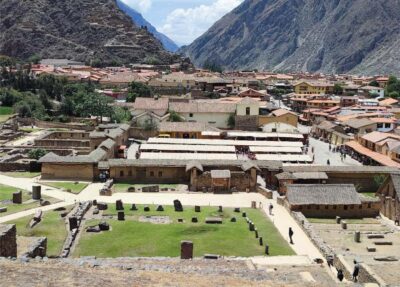
2-Day Trip to the Sacred Valley and Machu Picchu
Read our review →
Machu Picchu 2-Day Inca Trail with Panoramic Train
Read our review →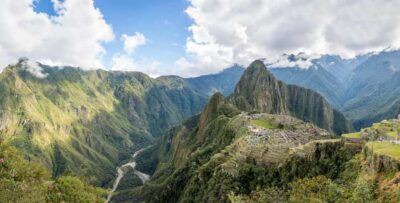
Browse the lists this tour appears in