
Reviewed · HIKING & TREKKING
Choquequirao Trek 4 days and 3 nights
Choquequirao is the kind of Inca site you reach by working for it. This four-day trek from Cusco drops into the Apurimac Canyon, climbs toward a remote citadel, and gives you time among ruins that can feel wonderfully empty. It is not a soft adventure. The trail is steep, hot in the lower sections, and demanding day after day.
I like two things right away: the small-group format, capped at 16 people, and the support team that carries up to 7 kilograms of your personal gear. I also like the food setup. A dedicated chef prepares four breakfasts, four lunches, and three dinners, which matters after long climbs. The main drawback is the route information. Some distances and day descriptions do not match, so confirm the exact schedule before paying.
In This Review
- Key things to know before you book
- Why Choquequirao is worth the hard walking
- The 4:30 a.m. start from Cusco
- Day 1: Capuliyoc to Santa Rosa
- Day 2: the approach toward Marampata and Choquequirao
- Day 3: time at the Choquequirao Inca citadel
- Day 4: the climb to Capuliyoc and Saywite
- The support team and food
- Is $698 a fair price?
- Who should choose this trek?
- Practical details before you commit
- Should you book the Choquequirao Trek?
- FAQ
- How long is the Choquequirao Trek?
- What time does the tour begin?
- Is transportation included?
- What meals are included?
- Is porter service included?
- Are sleeping bags, mattresses, and trekking poles included?
- Do I need a passport?
Key things to know before you book
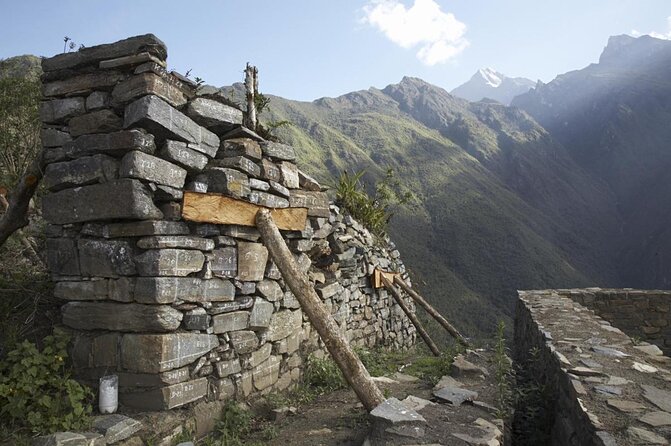
- Choquequirao without the Machu Picchu crowds: The remote setting means you can have long stretches of the ruins and trail with very few other people around.
- A real canyon trek: Day 1 drops from 2,911 meters to the lower camp, then later days bring steep uphill sections.
- Strong trail support: An English-speaking guide, cook, and porter team travel with you, and your porter carries up to 7 kilograms of personal belongings.
- Food is a major part of the value: Meals are varied and can accommodate vegetarian diets and other needs if you advise the company ahead of time.
- Saywite adds a final archaeological stop: After the hike back to Capuliyoc, private transport takes you to the mysterious carved rock at Saywite.
- Check the published details carefully: The supplied program repeats Day 1 under Day 2 and gives inconsistent distance figures, so get a corrected version before departure.
Why Choquequirao is worth the hard walking
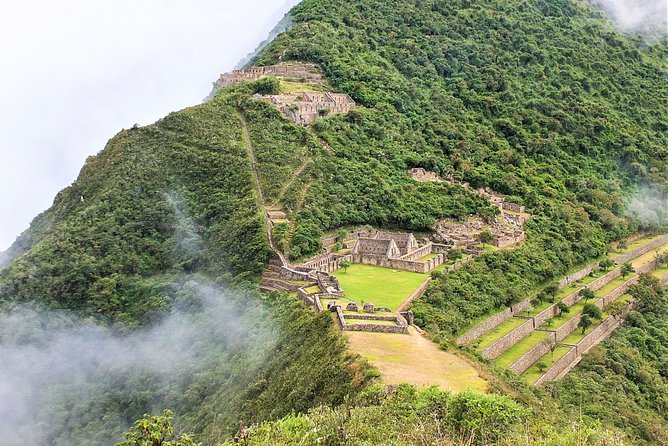
Machu Picchu is Peru’s famous Inca destination. Choquequirao offers something different: a harder approach, a bigger sense of remoteness, and a much quieter visit. The site sits high above the Apurimac River region, reached by foot rather than by a short train or bus connection.
That difference shapes the entire experience. You are not simply visiting ruins. You are crossing a major change in altitude and climate, moving from Andean highlands into warmer, greener canyon country, then climbing again toward the archaeological site.
The views are a strong part of the reward. From the upper trail, you look across the Apurimac Canyon and see the country change as you descend. The route includes mountain scenery, dense cloud-forest vegetation, distant waterfalls, flowers, and birdlife.
The quiet is just as important. The experience is designed for people who would rather spend four difficult days reaching an important site than spend a shorter day sharing a famous viewpoint with a large crowd. You should choose it for the approach as much as for the ruins.
A few more Cusco trips to weigh up
- From Cusco: 7 Lakes Ausangate Trek with Breakfast and Lunch
★ 4.8 · 360 reviews - Cusco: Rainbow Mountain Tour and Red Valley Hike (Optional)
★ 4.7 · 149 reviews - Cusco: Full-Day Rainbow Mountain & Red Valley Trekking Tour
★ 4.5 · 121 reviews
The 4:30 a.m. start from Cusco
The trip begins very early, with pickup between 4:30 and 5:00 a.m. from your Cusco hotel or the airport. You cross the Andes by road toward Capuliyoc, arriving at about 8:30 a.m. Breakfast is served there before you start walking.
This transfer is useful because the route begins well outside Cusco. You do not have to arrange separate transport, and the return ride is also included. Still, the early departure has a practical cost: you need to be ready before sunrise, and the first day begins soon after a long drive.
A pre-departure briefing takes place at 6:00 p.m. the evening before. Use it to ask about the exact camp locations, what your porter will carry, and the day-by-day walking times. The group limit is described in two ways, as 12 people in the highlights and 16 in the additional information. Ask which limit applies to your booking.
Day 1: Capuliyoc to Santa Rosa
The first walking day covers about 10.8 kilometers, or 6.7 miles, in roughly six hours. From Capuliyoc, at 2,911 meters, the route descends for about four hours to Chiquiska, where you stop for lunch.
This is a striking introduction to the trek. The Apurimac Canyon opens below you, and the views shift from high Andean country toward warmer vegetation. The downhill section may sound easy, but long descents can be hard on your knees, especially when the trail is uneven.
After lunch, you continue downhill for about two more hours to Santa Rosa, at roughly 1,478 meters. This is your first camp. The day is rated moderate, but you should not read that as easy. Six hours on a steep trail, after an early departure and a long drive, is a serious start.
Your support team makes a real difference here. A porter carries up to 7 kilograms of your personal gear, while the chef prepares meals at camp. Keep your day pack light, with water, sun protection, rain protection, medication, and anything you need during the walk.
Day 2: the approach toward Marampata and Choquequirao
The supplied schedule for Day 2 repeats the Capuliyoc to Santa Rosa description used for Day 1. That is clearly a problem in the published details, since the tour is advertised as a four-day route and the next day is described as being at Choquequirao.
The heading refers to Marampata and Choquequirao, so the intended second day appears to be the approach toward the citadel. But I would not guess about a trek this demanding. Ask TreXperience for the corrected route, camp names, distance, elevation gain, and expected arrival time before you travel.
This matters because the physical rhythm of the trek depends on where you sleep. The hike from the canyon toward Marampata is known from the supplied information as a major uphill portion of the route, but the precise Day 2 figures are not provided clearly enough to plan around.
The company does provide a guide, chef, and porters, which should make the day more manageable. Past groups have praised guides including Elias and Sebastian for patience, encouragement, and practical help on steep sections. Those names come from individual departures, so your assigned guide may be different.
Same valley, a completely different kind of day:
- Cusco: Humantay Lake Tour with Breakfast and Buffet Lunch
★ 4.9 · 2,976 reviews - From Cusco: Sacred Valley & Maras Salt Mines Tour with Lunch
★ 4.8 · 2,227 reviews - From Cusco: Moray, Maras Salt Mines & Chinchero Weavers Tour
★ 4.8 · 1,925 reviews - From Cusco: Full-Day Group Tour of Machu Picchu
★ 4.7 · 1,767 reviews
Day 3: time at the Choquequirao Inca citadel
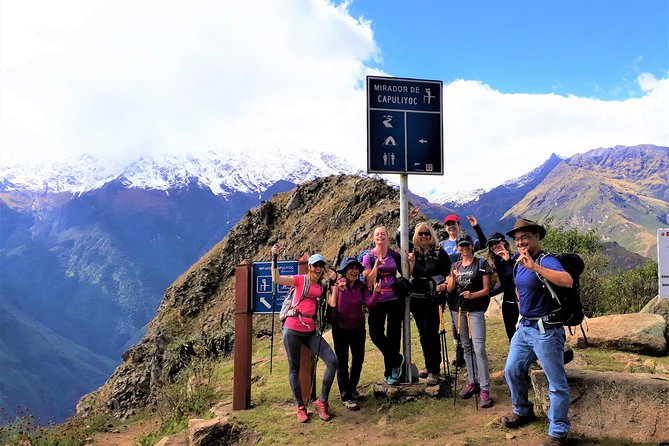
The third day is presented as the main citadel day. You wake to sunrise near this remote archaeological site, eat breakfast, and have time to explore Choquequirao before continuing through the canyon country.
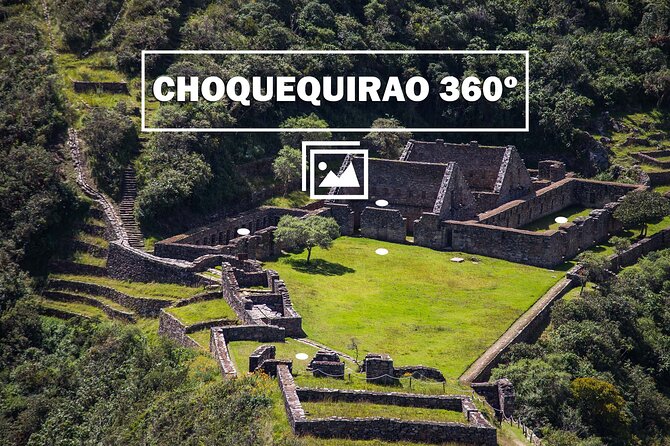
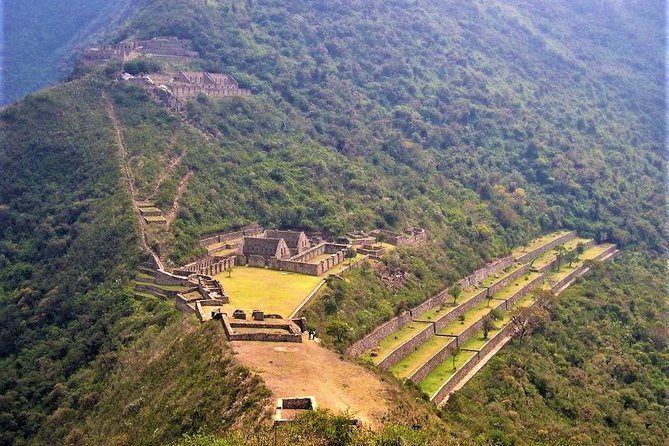
The site itself is the reason to accept the physical challenge. You can take in the terraces, stonework, and broad mountain setting without the constant movement found at Peru’s most famous Inca ruins. The feeling is less about ticking off a monument and more about having time to look closely.
The published schedule then describes three hours downhill to Santa Rosa for lunch, followed by two hours downhill and two hours uphill to the campsite at Chiquiska. It gives about eight hours of hiking. That makes this another demanding day, even if the morning at the citadel is the emotional high point.
There is also a distance error: the program lists 8 kilometers and 11.32 miles, which are not equivalent. Treat the walking time and elevation changes as more useful than the mileage until the operator supplies corrected numbers.
The scenery keeps changing as you walk. The route passes flowers, birds, and distant waterfalls, with warmer canyon vegetation below. This variety is one of the trek’s best features, but it also means you should be ready for changes in sun, heat, and exertion.
Day 4: the climb to Capuliyoc and Saywite
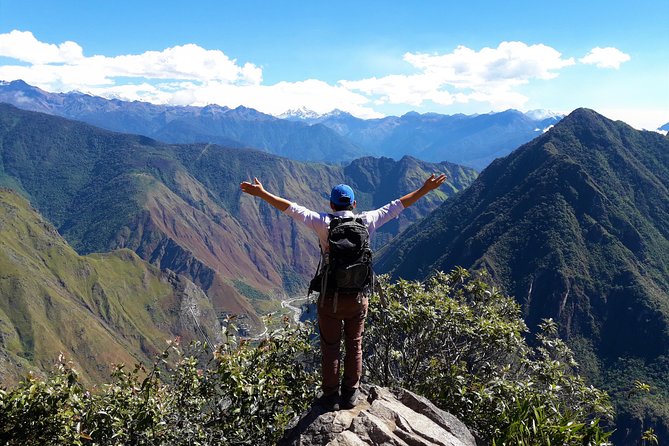
The final day begins with breakfast and a four-hour uphill walk back to Capuliyoc. Lunch is served there, and you say goodbye to the guides and support crew before boarding private transport to Saywite.
The climb is a fitting final test. After several days of descents and uphill sections, four hours uphill requires steady pacing. Do not race the group early in the morning. Save your strength, drink regularly, and use trekking poles if you have them.
Saywite provides a change of pace after the trail. The archaeological site is known here for a large, mysterious carved rock. You have time to explore before the drive back to your hotel, expected around 5:00 p.m.
It is a worthwhile addition because the tour does not end the moment you leave the trail. Still, the final day is long, and your enjoyment of Saywite will depend on how your legs feel after the uphill walk. Think of it as an extra archaeological stop, not a leisurely afternoon excursion.
The support team and food
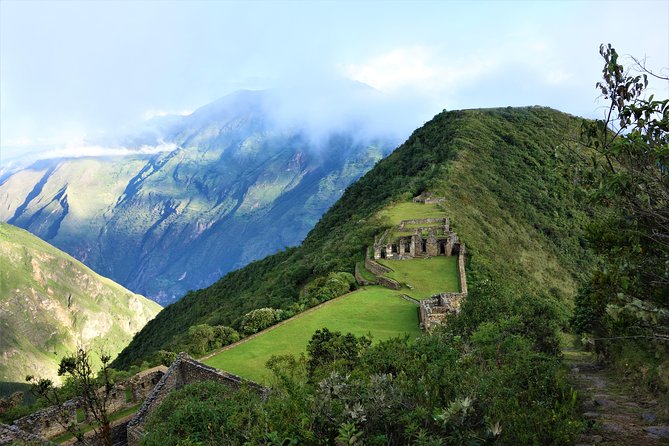
One of the strongest parts of this trip is the level of support included in the price. You get an English-speaking professional guide, a chef, a personal porter for up to 7 kilograms, and transportation from the first pickup through the return to Cusco.
The food receives especially strong praise. Past departures have included chefs named Leandro, Oscar, Balbino, Julio Cesar, Juvenal, and Lucio. The consistent theme is variety: multiple meals each day, no need to carry four days of food, and dishes that feel more substantial than basic trail fare.
I would still keep expectations practical. This is a mountain camp kitchen, not a restaurant. But having a cook prepare four breakfasts, four lunches, and three dinners is a meaningful advantage on a route with long climbs.
Vegetarian food is available, and you can report other dietary needs when booking. Do not wait until the first meal. Give the company clear information in advance so the kitchen team can plan properly.
The porter allowance is helpful but limited. Seven kilograms covers a portion of your belongings, not your entire suitcase. You still need a day pack and should pack with restraint. Optional sleeping bags, mattresses, and trekking poles are not included, so ask the company what rental choices are available.
Is $698 a fair price?
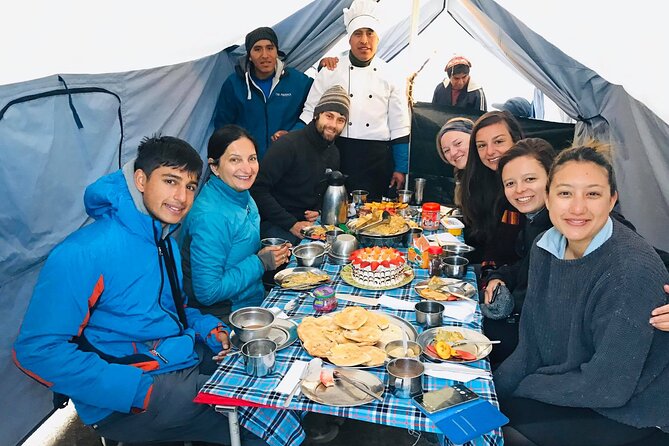
At $698 per person, the tour is not a budget day trip. It covers four days of transport, a pre-trip briefing, professional guiding, camp meals, porter support, and the extra logistics needed for a remote route.
I consider the price reasonable if you would otherwise need to arrange transport, camping equipment, meals, permits, and a support crew separately. The value is not just the entrance to Choquequirao. It is the organization that lets you focus on walking rather than moving supplies and solving transport problems.
The price makes less sense if you want a gentle sightseeing trip or if you already own all your equipment and prefer to travel independently. The physical effort remains high even with support.
The published score is 5 out of 5 from 81 ratings, with 100 percent recommending the experience. The strongest praise centers on guide care, team efficiency, varied food, and smooth organization. That fits the practical value of the package, though the conflicting route details keep me from giving it an unqualified endorsement without a pre-trip confirmation.
Who should choose this trek?
You are a good match if you have a moderate fitness level and genuinely want a challenging mountain walk. You should be comfortable with six to eight hours of hiking and repeated uphill or downhill sections.
This route also suits you if quiet ruins matter more than convenience. The lower visitor numbers are a major reason to choose Choquequirao over a more famous Inca route.
It is less suitable if you dislike early starts, camping, steep trails, or changing conditions between high country and canyon vegetation. Families should note that children must be accompanied by an adult, and everyone needs a valid passport on the day of travel.
The small group can make the experience more personal. However, confirm whether your departure has a maximum of 12 or 16 people, since both figures appear in the supplied information.
Practical details before you commit
The experience requires good weather and a minimum number of people. If poor weather or low enrollment causes cancellation, you can choose another date or receive a full refund.
You can cancel for a full refund up to 24 hours before the start time. Changes or cancellations inside that 24-hour window are not accepted for a refund. The cutoff uses local Peru time.
Bring a current passport and provide passport name, number, expiry date, and country for every person when booking. You also need to state vegetarian or other dietary requirements in advance.
The company collects confirmation at booking, but I would still use the evening briefing to clarify the route. Specifically ask about the duplicated Day 2 description, the 8-kilometer versus 11.32-mile figure, the exact camp elevations, and what equipment can be rented.
Should you book the Choquequirao Trek?
Book it if you want a demanding, quiet alternative to Peru’s most visited Inca sites and value having a guide, cook, porter, and private transport handle the hard logistics. The canyon views, remote setting, and time at Choquequirao are the real rewards.
Think twice if you want predictable mileage or an easy schedule. The four days include long walks, steep changes in elevation, camping, and a very early start from Cusco.
My advice is simple: confirm the corrected itinerary first, then book if the walking times suit your fitness. With that detail settled, the $698 package offers a strong way to reach Choquequirao with practical support and far less crowd pressure.
FAQ
How long is the Choquequirao Trek?
The experience lasts approximately four days and three nights.
What time does the tour begin?
Pickup begins between 4:30 and 5:00 a.m. The listed meeting start time is 4:30 a.m.
Is transportation included?
Yes. Transportation is included from the beginning of the tour through the return, including pickup from your hotel and transport back after Saywite.
What meals are included?
The package includes four breakfasts, four lunches, and three dinners. A chef prepares the meals during the trek.
Is porter service included?
Yes. A personal porter is included for up to 7 kilograms of your personal belongings.
Are sleeping bags, mattresses, and trekking poles included?
No. Mattresses, sleeping bags, and trekking poles are optional extras. The company can provide guidance about them.
Do I need a passport?
Yes. You need a current, valid passport on the day of travel, and passport details for all participants are required at booking.
Just added around Cusco
- Waqrapukara 1 day trekking + meals★ 3.9 · 3 reviews
- Zipline over the Sacred Valley Trip★ 5.0 · 11 reviews
- Valle Sur Cusco | half day★ 4.3 · 3 reviews
- Visit to the Cochahuasi Animal Sanctuary with rescued animal★ 4.1 · 4 reviews
- Visit Pisac from Cusco: Private Transport★ 4.6 · 9 reviews
- Maras and Huaypo lagoon by ATV from Cuzco | Local Operator★ 4.7 · 4 reviews
- Trek to Humantay Lake from Cusco★ 4.9 · 8 reviews
- Trek to Choquequirao 4 days★ 3.8 · 4 reviews
Hiking & Trekking, compared.
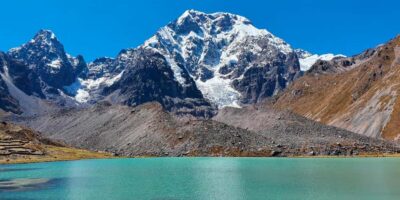
7 Lakes Ausangate Trek with Breakfast and Lunch
Read our review →
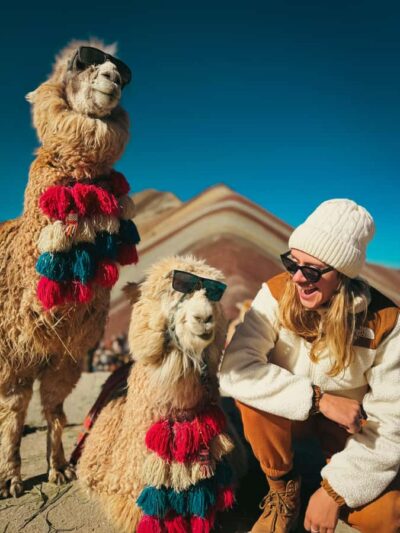
Rainbow Mountain Tour and Red Valley Hike (Optional)
Read our review →
Full-Day Rainbow Mountain & Red Valley Trekking Tour
Read our review →
Browse the lists this tour appears in