
Reviewed · SILLAR ROUTE TOURS
From Arequipa: Sillar Route Trek
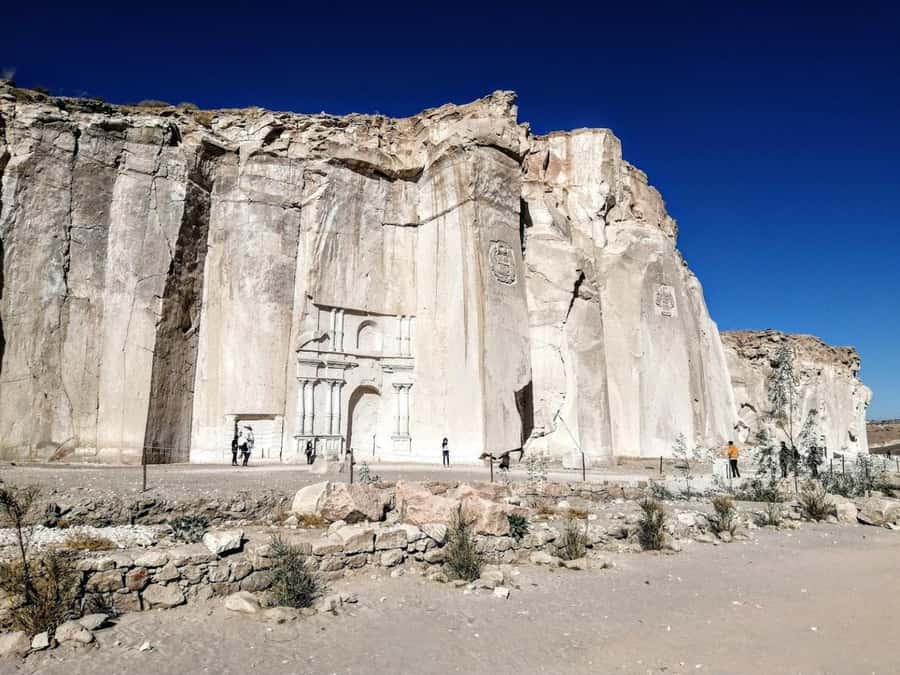
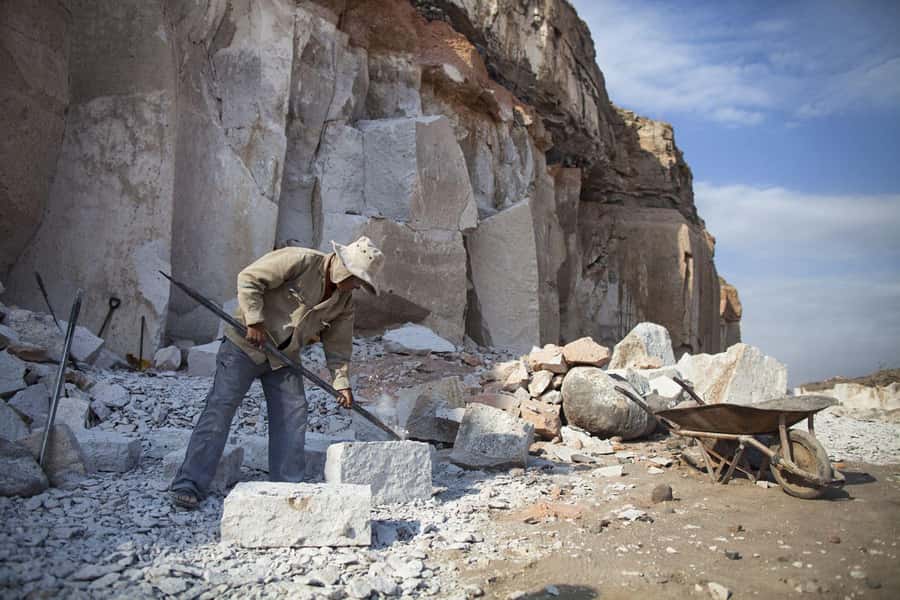
Arequipa’s white stone is not just pretty building material. It comes from volcanic ash, and this half-day trip takes you to the places where local masons cut it by hand. At Añashuayco Quarry, you see towering ignimbrite walls, a large carving of the Church of the Company of Jesus, and working stonecutters.
I like the mix of working culture and geology, and I like Culebrillas Canyon even more than the quarry. Its narrow walls and old Wari petroglyphs give the trip a stronger sense of place. The main drawback is that the quarry stop can feel photo-focused and rushed when several groups arrive together.
In This Review
- Key points to know
- Why Arequipa’s white stone matters
- Meeting at Álvarez Thomas Street
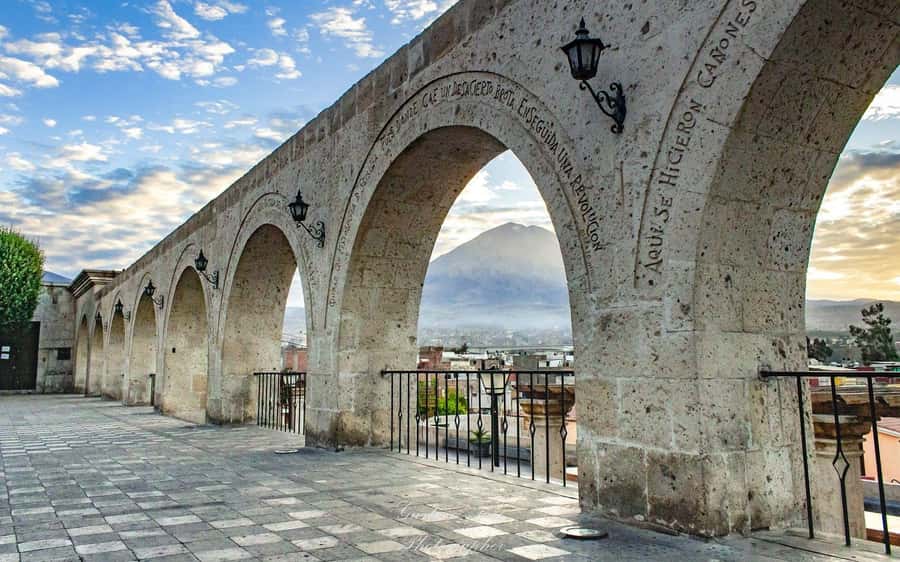
- The volcano and Andenerías viewpoint
- Entering Añashuayco Quarry
- Meeting the stonecutters
- Walking into Culebrillas Canyon
- Finding the Wari petroglyphs
- Apachetas and the final stop
- Guides, language, and group rhythm
- What to bring and budget for
- Who should book the Sillar Route Trek?
- Should you book it?
- FAQ
- How long does the Sillar Route Trek last?
- Where does the tour begin?
- Is transportation included?
- Are entrance fees included?
- What languages are available?
- What will I see at Añashuayco Quarry?
- How long is the canyon walk?
- Is the tour suitable for someone with walking difficulties?
- Is there an afternoon departure?
Key points to know
- The ashlar is volcanic stone: Learn how Arequipa’s famous white buildings are linked to volcanic eruptions and local masonry.
- Añashuayco is still a working quarry: You may see stonecutters demonstrate how blocks are shaped and try cutting a piece yourself.
- Culebrillas offers the best walk: The short route enters a narrow canyon with walls reaching 15 to 20 meters.
- The Wari petroglyphs are easy to miss: Look for the ancient drawings near the end of the canyon walk.
- Afternoon light can be excellent: The 2:00 PM departure may bring warm sunset color to the rocks, though city traffic can slow the return.
- Budget extra cash: Transportation and a guide are included, but entrance fees total 18 soles and purchases require cash.
Why Arequipa’s white stone matters
Arequipa is famous for buildings made from sillar, also called ashlar in English. The stone is a light-colored volcanic material formed from hardened ash, which helps explain the city’s pale colonial churches and walls.
This trip gives you a useful connection between the city center and the dry country outside it. Instead of simply photographing white buildings in town, you see the source material in its natural setting and meet the people who still work it.
The route is also a good reminder that this is a living trade, not only an old craft presented for display. Añashuayco Quarry remains in operation, and the stonecutters begin work early. Your guide explains how blocks are extracted, shaped, and used, then introduces you to the practical side of the job.
The tour price is about $12 per person, which is low for four hours of transportation, guiding, and three distinct stops. You still pay 18 soles for entrance tickets, so the real cost is a little higher, but it remains a strong value if you want an easy half-day outside Arequipa.
More sillar route tours in Arequipa:
- Sillar Route and Culebrillas Petroglyphs
★ 4.5 · 89 reviews - Sillar Route in Arequipa and viewpoint of the Volcanoes
★ 4.0 · 71 reviews - 4 hours Tour: Route of Sillar with Trek in Culebrillas
★ 4.2 · 69 reviews
Meeting at Álvarez Thomas Street
The morning departure begins at 9:15 AM from the main office at C. Álvarez Thomas 115, on the corner. Your name is checked against the list before the group receives basic instructions and boards the vehicle.
The meeting point is in central Arequipa, with listed coordinates of -16.4003911, -71.53703469999999. The morning trip generally returns to the city around 1:30 PM, finishing near Av. La Marina. The exact order of the stops can change, and the operator also offers a 2:00 PM departure.
Expect shared transportation rather than a private outing. One past group had about 25 people, and vehicles have included a comfortable bus and, on one occasion, an open-top vehicle. Air conditioning is not guaranteed, so bring sun protection and water.
The drive takes roughly an hour in total before the main visits begin, depending on the route and traffic. This is not a long journey into the countryside, which makes the tour useful if you have only one free morning in Arequipa.
The volcano and Andenerías viewpoint
The viewpoint gives you a quick visual introduction to Arequipa’s setting. You can see volcanoes and the Chilina Valley, along with agricultural terraces known as andenerías.
This is a photo stop rather than a long visit. Depending on the season and the day’s route, the guide may use a different traditional viewpoint at the beginning. The operator may also place the viewpoint later in the trip, as the detailed route lists Mirador de Los Volcanes after the canyon.
The stop is worthwhile if you want broad views before entering the quarries. It also helps you understand how dramatic the change is from Arequipa’s urban center to the dry volcanic country nearby.
Still, this is the least essential part for some people. Several visitors already visit the Yanahuara area and its famous views independently, so the added viewpoint may feel repetitive. If your main interests are stonework and archaeology, the quarry and canyon deserve more of your attention.
Entering Añashuayco Quarry
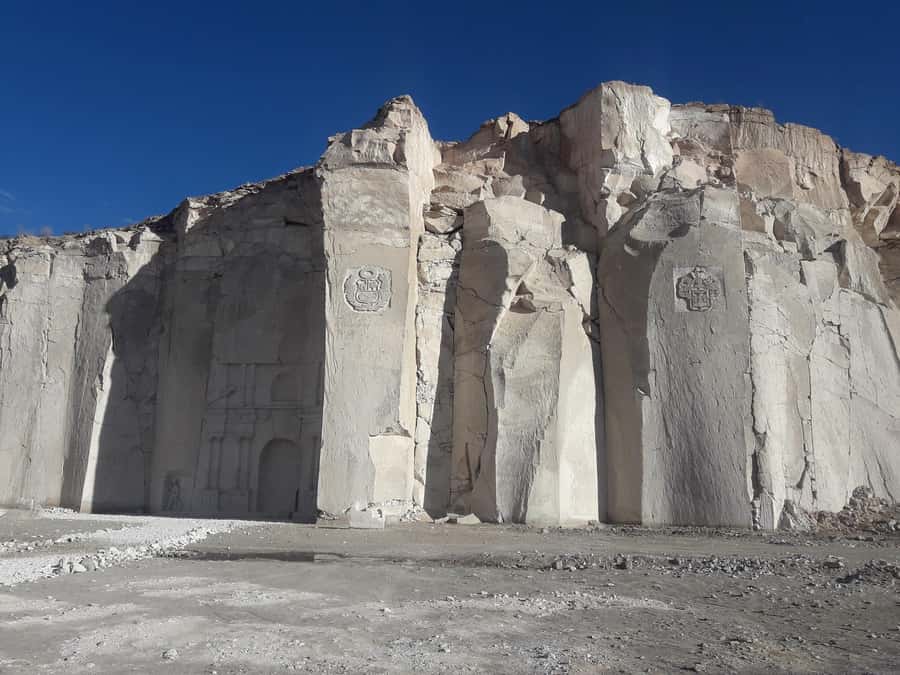
After about 45 minutes of driving, you reach Añashuayco Quarry. Here the volcanic stone has been cut away over time, leaving high cliffs and broad walls of ignimbrite.
The quarry is visually striking, but it is not a polished museum. You are looking at an active work area shaped by extraction. The exposed walls show the scale of the industry better than a city explanation can.
Your guide covers the origin of sillar, its production, and its use in Arequipa. The strongest part of the visit is the connection between the stone in front of you and the buildings you have seen around town.
A large carving of the Church of the Company of Jesus is one of the quarry’s main attractions. Local stonemasons made it, and it gives you a clear idea of how the material can be cut into detailed architectural forms.
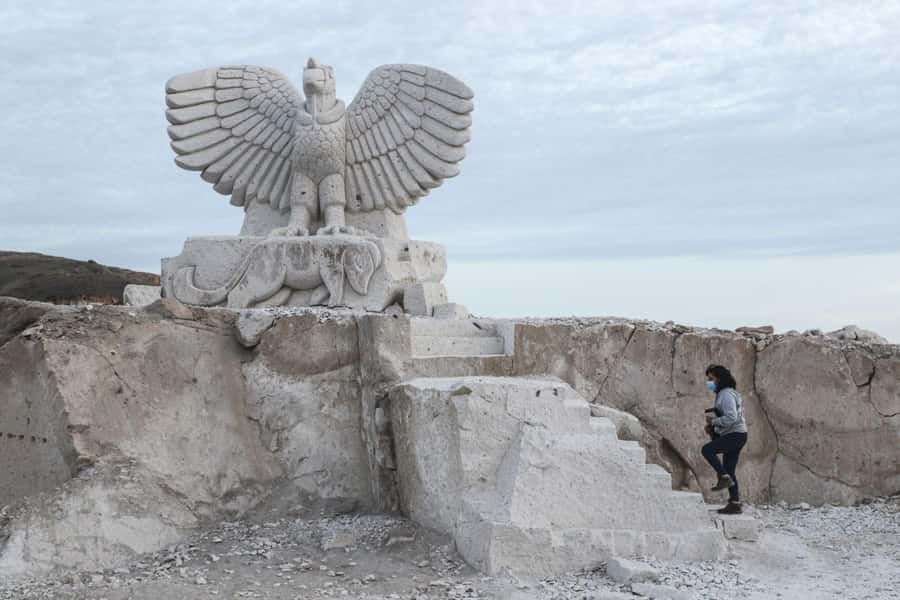
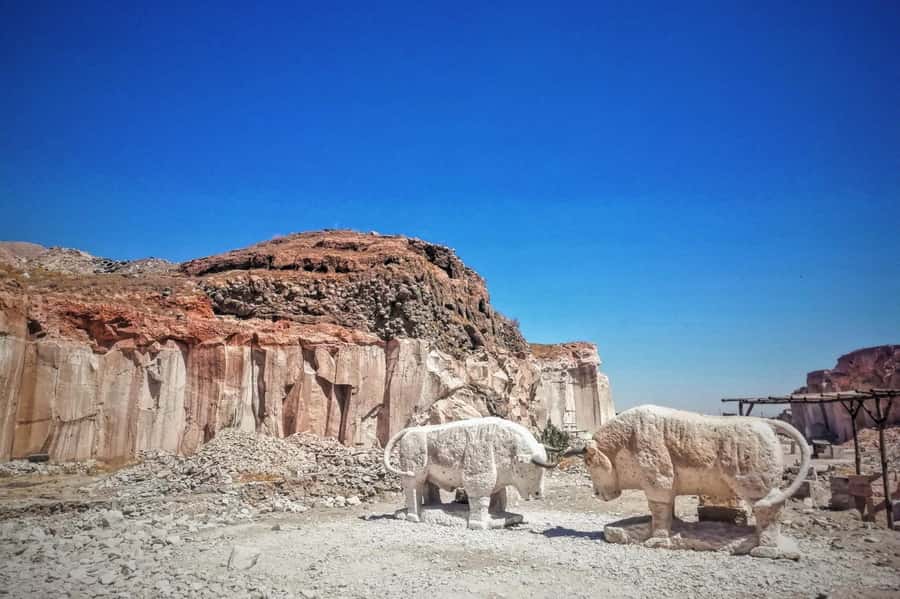
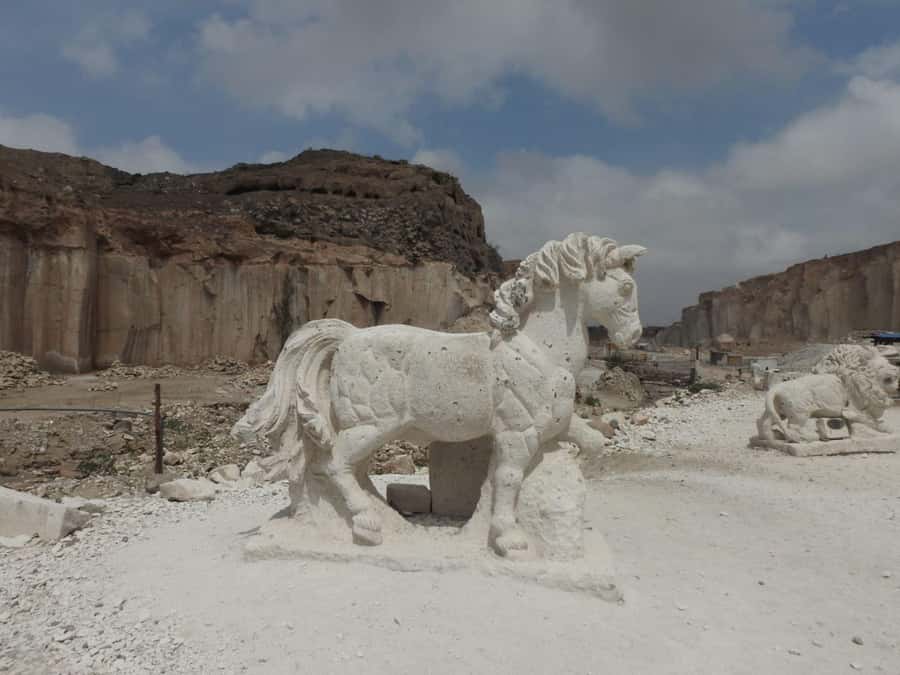
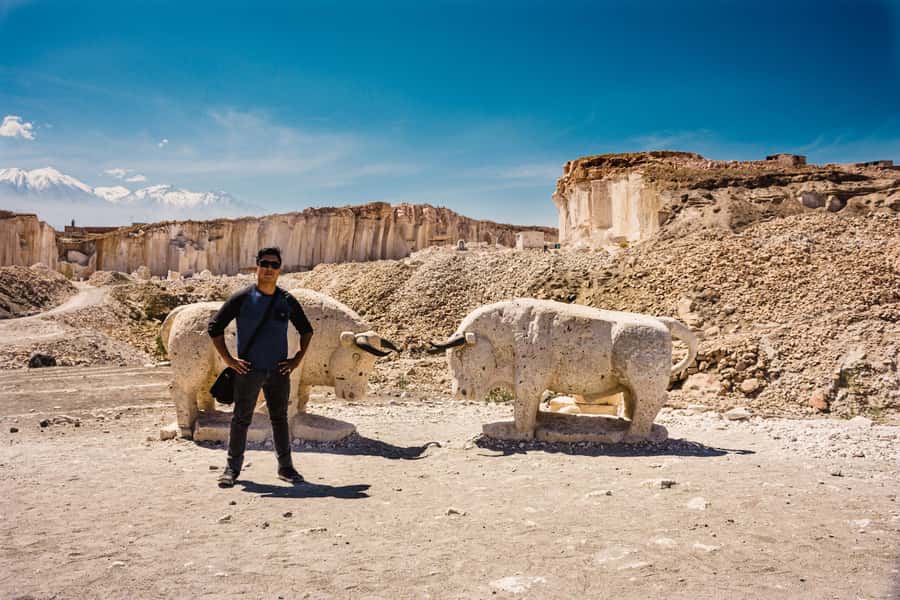
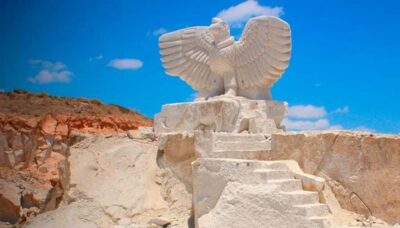
There are also smaller modern sculptures, including stone animals and other pieces made for photographs. I found these less important than the quarry itself, but you may enjoy them if you like playful photo stops. The experience can feel a little staged in this section, especially when several groups gather around the carvings.
You usually have free time here, and that can work both ways. Some people appreciate the chance to move at their own pace, while others prefer a guide-led explanation at every point. One reported pattern is that waiting for other groups to finish photos can reduce the time available for exploring.
A few more Arequipa trips to weigh up
- From Arequipa: 2-Day Colca Canyon Trekking Tour
★ 4.8 · 243 reviews - 2 Day 1 Night Trek / Colca Canyon
★ 4.5 · 92 reviews - Private 3 Day Colca Canyon Trekking tour (superior Service)
★ 5.0 · 58 reviews - Trekking, Waterfalls and Thermal Baths
★ 4.5 · 47 reviews
Meeting the stonecutters
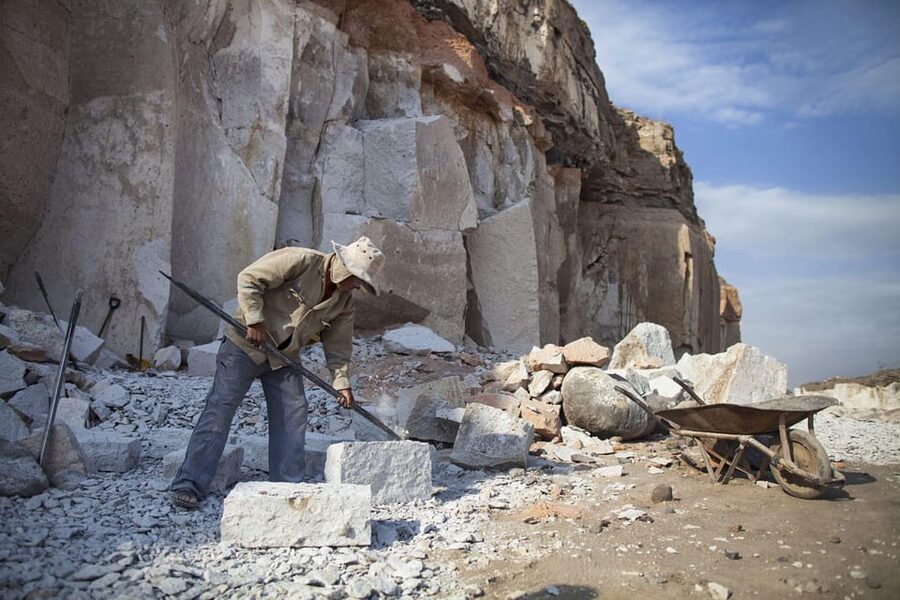
A visit to one of the masons adds something that a quarry viewpoint cannot. The worker explains the daily process and may let you try cutting a block yourself.
This hands-on moment is modest, but it helps you understand that sillar is not simply broken out and placed into a church wall. It takes skill and repeated shaping to produce usable blocks and decorative details.
The amount of demonstration can depend on timing, group size, and the day’s work. The quarry is active, so this is a working place rather than a guaranteed theatrical presentation. That is part of its value. You see a trade in its real setting, with the limits and uneven rhythm that come with it.
Guides such as Mike, José, Alexandra, Julia, Roni, and Alexa have been praised for clear explanations and good English. English and Spanish are both offered, though the balance can vary. If most of the group speaks Spanish, tell the guide early that you need the English explanation so you are not left behind.
Walking into Culebrillas Canyon
The trip continues about 20 to 30 minutes by vehicle to Quebrada de Culebrillas. This is where the outing becomes more of a walk.
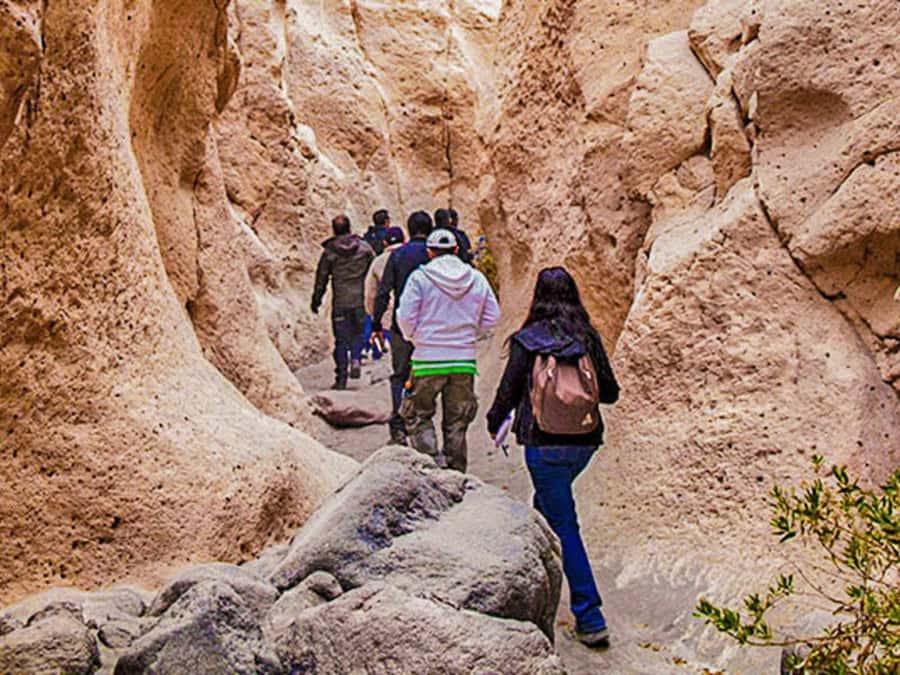
The canyon was formed by water, and its walls rise from about 15 meters to 20 meters as you move farther inside. The route is short, around 20 to 25 minutes, but it is uneven enough that sturdy closed shoes matter.
I like this stop because it feels less like a collection of photo props and more like a real place to explore. The narrow rock walls create a sense of enclosure, and the changing height makes the walk more interesting than its short length suggests.
The canyon is also the part most likely to suffer from crowding. Several groups can arrive at once, which makes the path less quiet and can slow the walk. Some guides adjust the order to begin at the canyon and reach the quarry later, a smart change when it helps avoid the largest groups.
You do not need a long hike for this outing, but you do need to be comfortable walking over rough ground. A participant with walking difficulties found the narrow canyon challenging. Bring insect repellent, sunscreen, and a hat. These are especially useful during the warmer part of the day.
Finding the Wari petroglyphs
Near the end of the canyon walk, you can see petroglyphs made by the Wari culture more than a thousand years ago. They are an important reason to pay attention during the walk rather than treating the canyon as a quick photo stop.
The drawings are not presented in a large indoor exhibition. Your guide points them out in their setting, so stay close enough to hear the explanation and look carefully at the rock surfaces.
This is also where the guide’s skill matters most. A good explanation helps place the markings in time and gives the walk a cultural layer beyond scenery. The Wari carvings, the volcanic stone, and the modern masonry together make the trip feel connected across many centuries.
Apachetas and the final stop
Before returning to Arequipa, you see apachetas, small stacks of stones placed one on top of another. They are described as symbols of gratitude toward nature and as signs of good luck.
Some people find these formations meaningful, while others may see them as a brief cultural detail. Either way, they offer a quiet ending to the canyon visit and explain a custom you may notice elsewhere in Peru.
The final drive back takes roughly 40 minutes before the vehicle continues toward the city. The morning tour usually arrives near the center around 1:30 PM. The afternoon departure can bring attractive evening light to the rocks, and one afternoon outing was especially memorable for its sunset color.
The tradeoff is traffic. Returning to Arequipa after the 2:00 PM departure can take longer, especially near the city. If you have a dinner reservation or a bus to catch, the morning departure gives you a larger safety margin.
Guides, language, and group rhythm
The guide can make a big difference on this tour because the places do not explain themselves. Guides have covered the stone, volcano names, Arequipeñan food, the meaning of three-stone stacks, and local culture in addition to the main stops.
English service has generally been available, and guides including Alexandra, Julia, Mike, José, and Roni have been singled out for clear communication. Some guides speak mostly Spanish while adding English when needed, so do not assume every explanation will be delivered in equal-length sections.
The group format keeps the price low but affects the pace. At some stops you may have 45 minutes, yet part of that time can disappear while people line up for photos. At other times, the guide may give you plenty of space to explore.
I would choose this format if you want simple transport and an introduction to the area. I would not choose it if you want a quiet, private quarry visit with long time for photography.
What to bring and budget for
Pack for sun, dust, and a short walk over uneven ground.
- Closed walking shoes
- Sunscreen and a hat
- Insect repellent
- Water
- Small cash in Peruvian soles
- A phone or camera for the quarry, canyon, and volcano views
The $12 price covers transportation and the guide. Entrance tickets cost 18 soles in total and are not included. Bring small bills because there is no cash machine during the route, and buying anything requires cash.
The low price is the main appeal. You get three different settings in four hours: a viewpoint, an active stone quarry, and a narrow canyon with ancient markings. The compromise is a shared vehicle, variable stop order, and limited control over how long you spend at each place.
Who should book the Sillar Route Trek?
I would recommend this tour to you if you have a half-day in Arequipa and want to understand the city’s white architecture at its source. It suits people who enjoy short walks, local craft, geology, archaeology, and easy sightseeing without a full-day commitment.
It is also useful early in a stay because the guides often provide practical suggestions about Arequipa, including food and other places to visit. The route is close enough to the city that you do not lose an entire day getting there and back.
You may want another option if you have trouble walking on uneven ground, dislike group tours, or want a quiet archaeological outing. The canyon is short, but it is not completely effortless, and the quarry’s modern carvings may feel less authentic than the working stonecutters and Wari petroglyphs.
The operator, Arequipa Explorer y Actividades Turísticas, offers free cancellation up to 24 hours before departure and a reserve-now, pay-later option. Those terms make it easier to fit into a changing Peru itinerary.
Should you book it?
Book it if you want good value, clear regional context, and a compact outing beyond central Arequipa. The quarry is interesting, but Culebrillas Canyon is the strongest stop, and the Wari petroglyphs give the walk real historical weight.
Choose the morning for a more predictable return. Choose the 2:00 PM departure if warm light and sunset views matter more than traffic and a later finish. Bring cash, closed shoes, sunscreen, and insect repellent, then keep your expectations focused on a practical group tour rather than a private cultural visit.
FAQ
How long does the Sillar Route Trek last?
The activity lasts about four hours. The morning schedule begins at 9:15 AM and normally returns to central Arequipa around 1:30 PM.
Where does the tour begin?
It begins at the main office on C. Álvarez Thomas 115 in Arequipa. The listed meeting point coordinates are -16.4003911, -71.53703469999999.
Is transportation included?
Yes. Shared transportation and a guide are included in the tour price.
Are entrance fees included?
No. Entrance fees cost 18 soles in total and must be paid separately.
What languages are available?
Live guiding is available in English and Spanish. The amount of English and Spanish explanation can vary by group and guide.
What will I see at Añashuayco Quarry?
You will see active ignimbrite quarry walls, learn how sillar is produced and used, view a large carving of the Church of the Company of Jesus, and may meet a stonemason.
How long is the canyon walk?
The walk through Culebrillas Canyon takes about 20 to 25 minutes. The canyon walls reach roughly 15 to 20 meters in height.
Is the tour suitable for someone with walking difficulties?
The route includes walking on uneven ground inside a narrow canyon. Anyone with walking difficulties should consider this before booking and ask the operator for current accessibility details.
Is there an afternoon departure?
Yes. A 2:00 PM departure is available. The afternoon light can be attractive, but traffic on the return to Arequipa may be heavier.
Just added around Arequipa
- Walking tour through the Historic Center of Arequipa★ 4.0 · 3 reviews
- Trek to the Route of the Sillar and Culebrillas in Arequipa★ 4.0 · 9 reviews
- 3-Day Colca Canyon trek with Professional Guide★ 5.0 · 40 reviews
- Trekking, Waterfalls and Thermal Baths★ 4.5 · 47 reviews
- Full Day Tour to Colca Canyon from Arequipa★ 4.0 · 34 reviews
- Private 3 Day Colca Canyon Trekking tour (superior Service)★ 5.0 · 58 reviews
- Colca Full Day★ 5.0 · 57 reviews
- Arequipa, Historic and Colonial City and Santa Catalina Monastery★ 4.5 · 42 reviews
Sillar Route Tours, compared.
Sillar Route in Arequipa and viewpoint of the Volcanoes
Read our review →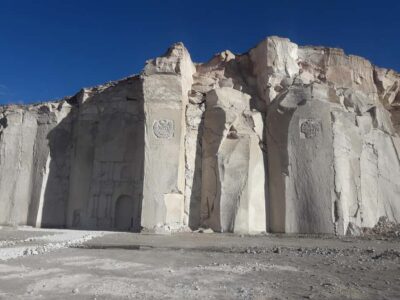
4 hours Tour: Route of Sillar with Trek in Culebrillas
Read our review →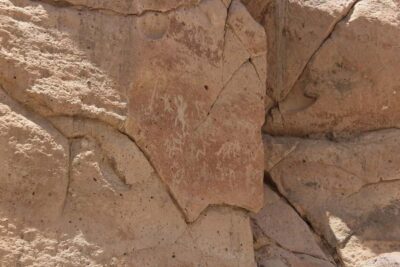
Route of the Sillar | Quarries of Añashuaycos | Half day
Read our review →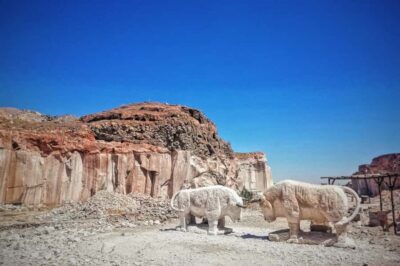
4-hour excursion: Sillar Route with Hiking in Culebrillas
Read our review →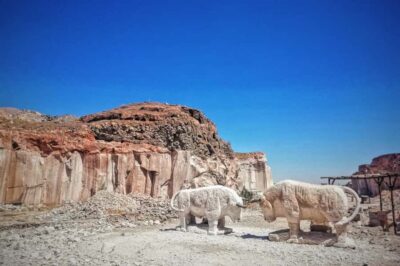
Trek to the Route of the Sillar and Culebrillas in Arequipa
Read our review →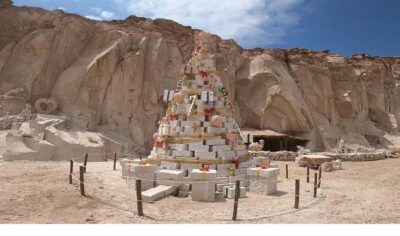
Arequipa | Tour of the Sillar Route + Culebrillas Canyon
Read our review →Browse the lists this tour appears in