
Reviewed · SILLAR ROUTE TOURS
4-hour excursion: Sillar Route with Hiking in Culebrillas
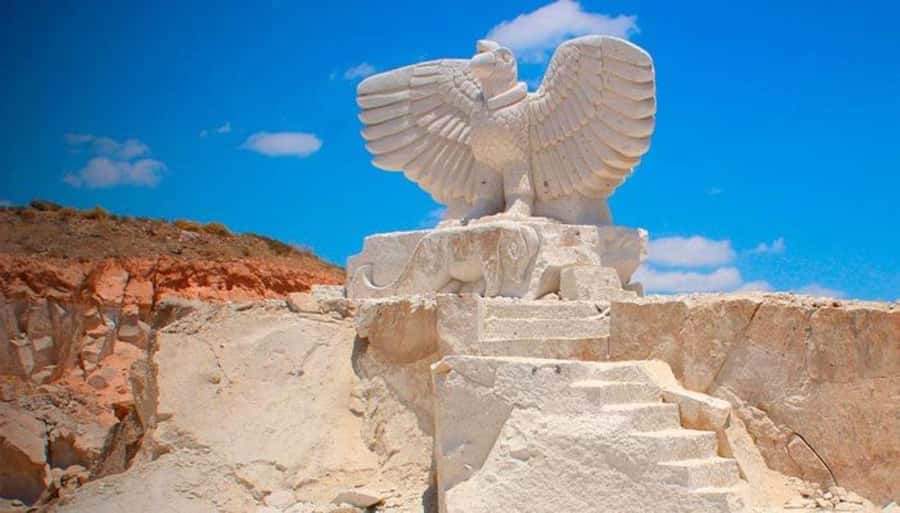
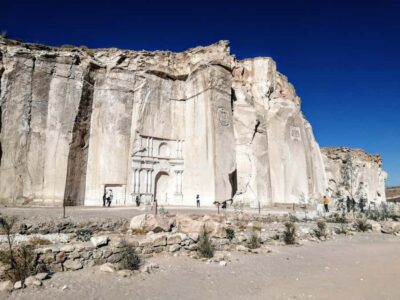
The most striking part of this Arequipa excursion is the sight of white ignimbrite walls cut into enormous quarries, the stone that gives the city many of its familiar buildings. At Añashuayco, you see how ashlar is extracted, shaped, and turned into decorative work, including a large carving of the Church of the Company of Jesus.
I like the easy combination of working quarry and quieter canyon. I also like the low price, $20 per person, which covers transport and a professional guide. The catch is that the hiking is modest: Culebrillas includes about a 20-minute walk, while much of the tour is by vehicle and at sightseeing stops.
- Añashuayco Quarry: See active ashlar production and a large church carving made by local stonemasons.
- Culebrillas Canyon: Walk between 15 to 20-meter walls shaped by water.
- Wari petroglyphs: Look for carvings more than 1,000 years old near the end of the canyon walk.
- Volcano views: Pause at a viewpoint for views toward Arequipa’s volcanoes and the Chilina Valley.
- Apachetas: See stacked stones linked with gratitude toward nature and good fortune.
- Budget-friendly format: Pay $20 for transport and a guide, then allow 10 soles for site admissions.
In This Review
- White Stone and Water-Cut Rock Near Arequipa
- Starting at 9:15 With Arequipa’s Volcano Views
- Añashuayco Quarry and the Work Behind Sillar
- The Megacavado and a Hands-On Stone Lesson
- Culebrillas Canyon’s Short, Narrow Walk
- Wari Petroglyphs at the End of the Canyon
- Apachetas and the Ride Back to Arequipa
- What the $20 Price Really Covers
- Language, Guide Quality, and Group Experience
- Who Will Get the Most From This Excursion
- Practical Advice Before You Book
- Should You Book the Sillar Route and Culebrillas Tour?
- FAQ
- How long does the excursion last?
- What language is the tour offered in?
- What is included in the price?
- Are entrance tickets included?
- How long is the walk in Culebrillas Canyon?
- How high are the Culebrillas Canyon walls?
- What can I see at Añashuayco Quarry?
- Can I see how stonemasons work?
- What are the petroglyphs in Culebrillas?
- Can I cancel for a refund?
White Stone and Water-Cut Rock Near Arequipa
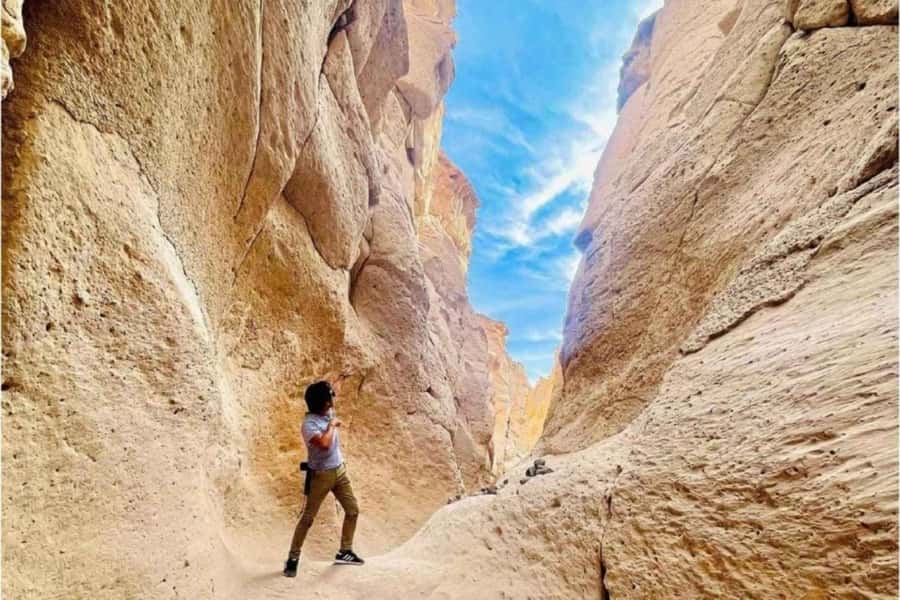
This half-day outing gives you two very different views of the Arequipa Region. At the Sillar Route, human hands have cut into pale volcanic stone for generations. At Culebrillas, water has shaped a narrow canyon where old petroglyphs and stacked stones add a quieter cultural note.
The contrast is the main reason I would choose this trip. You do not spend four hours looking at one type of attraction. Instead, you move from a working quarry to a volcano viewpoint, then into a small canyon with walls that rise as you walk farther inside.
The experience is best understood as a sightseeing tour with a short hike, not a full hiking day. If you are hoping for a long mountain walk, this may feel light. If you want a simple way to see the countryside outside Arequipa without arranging private transport, it offers good value.
Starting at 9:15 With Arequipa’s Volcano Views
The day begins at about 9:15 am with the drive toward the Ruta del Sillar. The first stop is a strategic viewpoint where you can see the volcanoes and the Chilina Valley.
Depending on the time of year, the order may change and the guide may use another traditional viewpoint first. That flexibility matters because the best stop can depend on conditions and the day’s operating plan. The viewpoint also gives you a quick sense of how Arequipa sits among volcanic peaks and broad open country.
Do not expect a long visit here. It is a brief orientation stop, useful for photographs and for understanding the setting before you reach the quarries. If clear volcano views are important to you, keep your expectations practical: the tour includes the viewpoint, but visibility can vary.
More sillar route tours in Arequipa:
- From Arequipa: Sillar Route Trek
★ 4.2 · 461 reviews - Sillar Route and Culebrillas Petroglyphs
★ 4.5 · 89 reviews - Sillar Route in Arequipa and viewpoint of the Volcanoes
★ 4.0 · 71 reviews
Añashuayco Quarry and the Work Behind Sillar
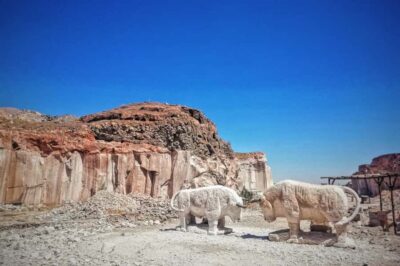
After roughly 45 minutes of driving, you reach the Añashuayco Quarry. This is the heart of the Sillar Route, and it is far more than a photo stop. The quarry is still in operation, with stonemasons working early in the day.
Here, the pale ignimbrite forms tall canyon-like walls. The cliffs were created through the extraction of blocks used to make ashlar, the white volcanic building stone closely tied to Arequipa’s appearance and construction traditions.
Your guide explains where the ashlar comes from, how it is produced, and how it has been used. That basic explanation adds meaning to the walls around you. Without it, the quarry could look like a dramatic cut in the rock. With it, you can connect the stone under your feet to the city’s churches and other buildings.
The timing is worth noting. The stonemasons do their work very early, so later in the morning you may see the quarry after the most active period. Even so, the fact that it remains a working site gives the visit a useful connection to present-day labor rather than treating the Sillar Route as an abandoned monument.
The Megacavado and a Hands-On Stone Lesson
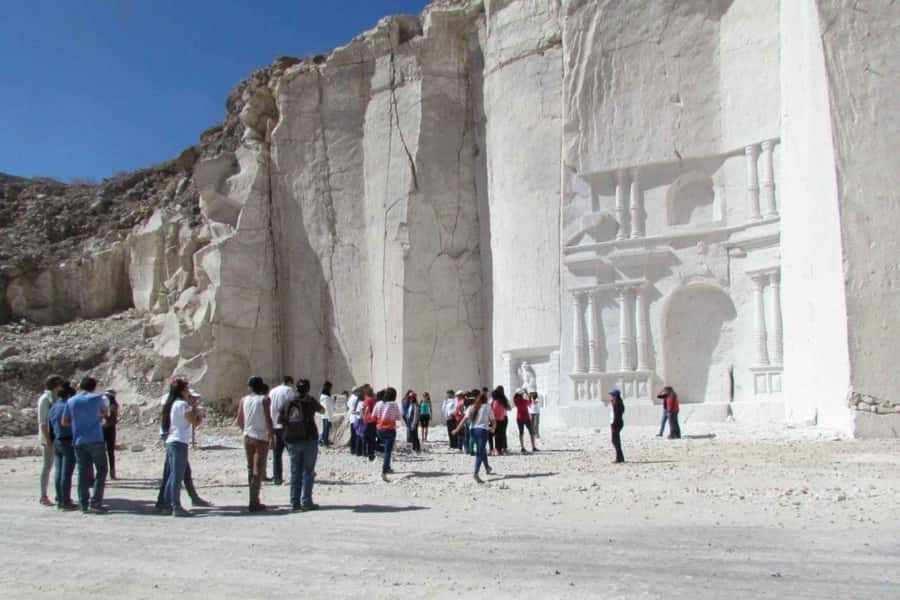
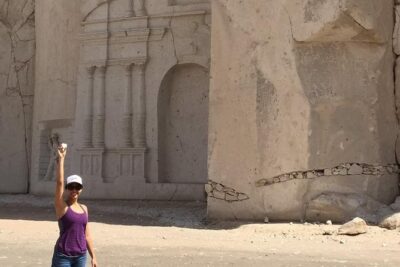
One of the clearest highlights at Añashuayco is the Megacavado, a large carving of the Church of the Company of Jesus. Local stonemasons made it inside the quarry, turning the site itself into a display of their craft.
This detail helps explain why the quarry matters. You are not only looking at raw material. You are also seeing how skilled workers use that material for detailed architectural forms. The carving gives you a strong visual link between the rough quarry walls and Arequipa’s finished stonework.
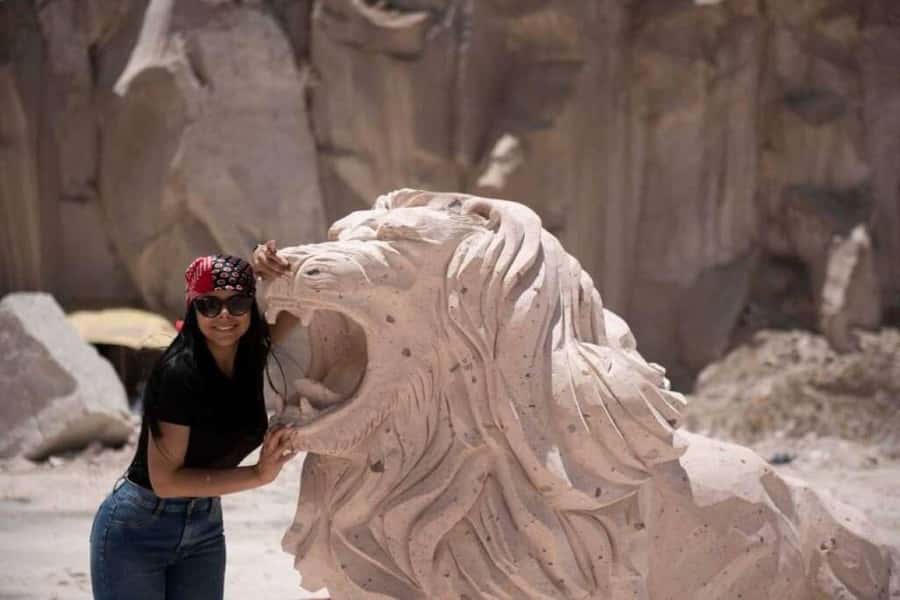
You may also visit one of the stonemasons, hear about the daily work, and try cutting one of the stone blocks yourself. This is a small activity, but it can make the process easier to understand. Ashlar production is not an abstract trade explained only through words. You get a closer look at the physical effort needed to shape the blocks.
The quarry is also the part most likely to feel commercial and arranged for tourism. That is not necessarily a flaw. The site is operating, the craft is real, and the demonstration has value. But you should know that the Sillar Route is not an ancient sanctuary or a remote spiritual place. It is a tourist route built around a living stone industry.
Culebrillas Canyon’s Short, Narrow Walk
From Añashuayco, the drive to the Quebrada de Culebrillas takes about 30 minutes. Once you arrive, the activity changes from quarry sightseeing to a short walk through a natural canyon.
The walk lasts about 20 minutes and follows the interior of a narrow passage formed by flowing water. At first, the walls are about 15 to 20 meters high. As you continue inside, the canyon walls rise higher, making the route feel more enclosed.
This is the most rewarding walking portion of the excursion. The canyon has a quieter mood than Añashuayco, and its shape gives you something to observe at every turn. You are not covering a long distance, but the narrow walls make the walk feel more substantial than the time suggests.
Still, the word hiking needs a little context. The tour description uses hiking, but the actual walk is short. Most of the four-hour outing is spent traveling between sites, listening to explanations, and looking around. Choose this trip for a taste of Culebrillas, not for a demanding trek.
A few more Arequipa trips to weigh up
- From Arequipa: 2-Day Colca Canyon Trekking Tour
★ 4.8 · 243 reviews - 2 Day 1 Night Trek / Colca Canyon
★ 4.5 · 92 reviews - 4 hours Tour: Route of Sillar with Trek in Culebrillas
★ 4.2 · 69 reviews - Private 3 Day Colca Canyon Trekking tour (superior Service)
★ 5.0 · 58 reviews
Wari Petroglyphs at the End of the Canyon
Near the end of the walk, you can see petroglyphs attributed to the Wari culture. They are more than 1,000 years old, giving Culebrillas a human story that reaches well beyond the modern quarry.
The petroglyphs are an important reason to pay attention during the walk. The canyon is attractive on its own, but the carvings give the stop cultural weight. I would allow time to look carefully rather than treating the canyon only as a backdrop for photos.
The amount of explanation you receive may depend on the guide and on how attentive the group is. The tour is conducted in English or Spanish, and the guide is expected to provide the historical context. One English-language booking had trouble following the guide because of a heavy accent and poor microphone clarity. That does not mean every group will have the same problem, but it is a practical reason to stay close to the guide and ask for a repeat if you miss an explanation.
Apachetas and the Ride Back to Arequipa
Before leaving the area, you see apachetas, small stone formations made by placing one stone on top of another. They are described as symbols of gratitude toward nature and as signs associated with good luck.
The apachetas add a more personal and symbolic note after the quarry’s industrial feel and the canyon’s archaeological interest. You can view them as a local custom and a reminder that stone has meaning here beyond construction. The stop is brief, but it rounds out the experience.
The return trip begins at about 12:30 pm, with arrival in Arequipa scheduled for around 1:30 pm. In practice, the published timing suggests roughly four hours and 15 minutes from departure to return, even though the experience is presented as a four-hour excursion. Allow a little flexibility around the return time if you have an afternoon reservation.
What the $20 Price Really Covers
At $20 per person, this is an inexpensive way to reach several sites outside Arequipa. The cost includes tourist transport and a professional guide, which is the key value. Without arranged transport, visiting the viewpoint, quarry, and Culebrillas in one morning would be less convenient.
You must add 10 soles for entrance tickets to the sites. That extra charge is small, but include it in your budget. The low headline price is attractive, yet the real cost is the tour price plus admission.
The value is strongest if you want an efficient introduction to the area. You get transport, interpretation, a working quarry, a short canyon walk, old petroglyphs, and volcano views in a compact schedule. The value is weaker if you want a private or slow-paced experience, since the itinerary moves through several stops and the group’s pace can affect how long you spend examining each one.
One booking received a one-star score because the excursion did not take place. That is a serious warning about reliability, even though the overall rating is 4 from 21 reviews. I would keep confirmation details, check the meeting information carefully, and avoid scheduling an important activity immediately after the planned 1:30 pm return.
Language, Guide Quality, and Group Experience
The tour offers live guiding in English or Spanish. That makes it useful for visitors who want more than a self-guided look at the stone walls and canyon.
Guide quality matters here because much of the value comes from explanation. The sites are visually clear, but the reasons they matter are less obvious. You need the guide to explain ashlar production, the quarry’s continuing work, the Megacavado, the Wari petroglyphs, and the meaning of the apachetas.
The communication issue reported in English is worth taking seriously. A nervous guide and a strong accent made some commentary difficult to hear, especially over the microphone. This is not a reason to reject the outing outright, but it means you should not judge the tour only by the listed language. Clear delivery and a good position near the guide make a real difference.
The group atmosphere can shape the Culebrillas stop. If people are focused mainly on taking social-media photos, you may get less quiet time for the canyon and petroglyphs. I would make a point of staying engaged with the guide and using the short walk to look at the stone surfaces, canyon shape, and archaeological details rather than rushing from one photo point to the next.
Who Will Get the Most From This Excursion
I would recommend this tour to a first-time visitor to Arequipa who wants a quick look beyond the city. It works especially well for you if you want:
- A low-cost outing with transport included
- A working quarry rather than only finished monuments
- A short walk in a narrow canyon
- Volcano and valley viewpoints
- A small amount of archaeological and cultural context
- A morning activity that returns to Arequipa around early afternoon
It also suits photographers. The quarry walls, carved church, volcano views, canyon, and stacked stones offer varied subjects in a single trip.
I would be more cautious if you are seeking a serious hike, an isolated experience, or a long archaeological visit. The route is tourist-oriented, and the Culebrillas walk is brief. The tour gives you a useful first look, but it does not provide a long, slow study of any one location.
Practical Advice Before You Book
Bring water and wear shoes suitable for a short walk over uneven ground. The tour information does not give a difficulty rating, so you should not assume a formal trail or a strenuous mountain route. The canyon portion lasts only about 20 minutes, but the surface may still require steady footing.
Keep your morning open until about 1:30 pm. The schedule begins at 9:15 am, reaches Añashuayco after about 45 minutes, continues to Culebrillas after another 30 minutes, and starts the return around 12:30 pm.
If you speak English, pay close attention to the meeting point and guide at the start. Since one group had trouble hearing the commentary, stand near the guide when possible and ask questions directly. The tour is available in English and Spanish, but the quality of the explanation is central to understanding the sites.
The cancellation policy is flexible: you can cancel up to 24 hours before the activity for a full refund. You can also reserve now and pay later, which helps if your Arequipa schedule is still changing.
Should You Book the Sillar Route and Culebrillas Tour?
Book it if you want an affordable, compact introduction to the stone country around Arequipa. The strongest combination is the active Añashuayco Quarry and the Culebrillas Canyon, with the Megacavado, volcano viewpoint, Wari petroglyphs, and apachetas adding variety.
Skip it if the word hiking makes you expect several hours on a trail. This is mainly a vehicle-based sightseeing excursion with one short canyon walk. Also think twice if you want a quiet, deeply personal cultural experience, since the Sillar Route is commercial and group attention can drift toward photographs.
For $20 plus 10 soles in entrance fees, I see it as a good-value first outing, provided you accept its limits. You get a broad sample of quarry work, volcanic scenery, canyon geology, and old carvings in one morning. That makes it a practical choice for filling a free half-day in Arequipa, but not a substitute for a dedicated hike or a private cultural tour.
FAQ
How long does the excursion last?
The activity is described as four hours. The schedule begins at 9:15 am and gives an expected arrival back in Arequipa at about 1:30 pm.
What language is the tour offered in?
A live guide is available in English or Spanish.
What is included in the price?
The $20 price includes tourist transport and a professional guide.
Are entrance tickets included?
No. Entrance tickets cost 10 soles and are not included in the tour price.
How long is the walk in Culebrillas Canyon?
The walk through the canyon takes approximately 20 minutes.
How high are the Culebrillas Canyon walls?
The canyon walls are about 15 to 20 meters high at the start, and they become taller as you continue inside.
What can I see at Añashuayco Quarry?
You can see an active quarry, tall ignimbrite walls, ashlar production, and a large carving of the Church of the Company of Jesus.
Can I see how stonemasons work?
Yes. You may visit a stonemason, hear about the daily work, and try cutting one of the stone blocks yourself.
What are the petroglyphs in Culebrillas?
The canyon contains petroglyphs attributed to the Wari culture that are more than 1,000 years old.
Can I cancel for a refund?
Yes. You can cancel up to 24 hours in advance for a full refund.
Just added around Arequipa
- Walking tour through the Historic Center of Arequipa★ 4.0 · 3 reviews
- Trek to the Route of the Sillar and Culebrillas in Arequipa★ 4.0 · 9 reviews
- 3-Day Colca Canyon trek with Professional Guide★ 5.0 · 40 reviews
- Trekking, Waterfalls and Thermal Baths★ 4.5 · 47 reviews
- Colca Full Day★ 5.0 · 57 reviews
- Full Day Tour to Colca Canyon from Arequipa★ 4.0 · 34 reviews
- Private 3 Day Colca Canyon Trekking tour (superior Service)★ 5.0 · 58 reviews
- 2 Day Trek Including Transfer to Puno / Colca Canyon★ 4.5 · 38 reviews
Sillar Route Tours, compared.
Sillar Route in Arequipa and viewpoint of the Volcanoes
Read our review →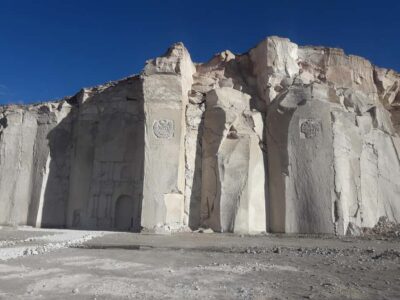
4 hours Tour: Route of Sillar with Trek in Culebrillas
Read our review →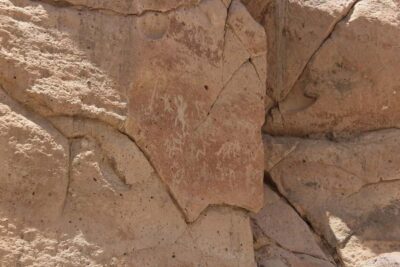
Route of the Sillar | Quarries of Añashuaycos | Half day
Read our review →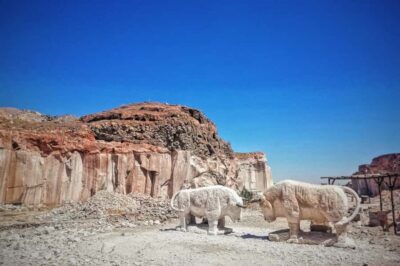
Trek to the Route of the Sillar and Culebrillas in Arequipa
Read our review →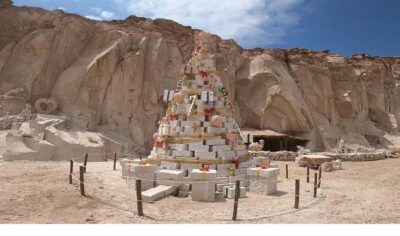
Arequipa | Tour of the Sillar Route + Culebrillas Canyon
Read our review →Browse the lists this tour appears in