
Reviewed · SILLAR ROUTE TOURS
Sillar Route and Culebrillas Petroglyphs
Arequipa was built from volcanic stone, and this half-day trip lets you see that building material at its source. You’ll look across the city from Yanahuara, watch local workers shape bright white sillar at Añashuayco, then walk into the narrow Culebrillas canyon to find old rock drawings and stone apachetas.
I like the low price and the chance to see working stonecutters rather than only admire sillar in churches and mansions. I also like the canyon walk, which is the most atmospheric part of the outing, with curving walls and petroglyphs tucked into volcanic rock.
The main catch is that the tour can feel rushed, dusty, or poorly explained if the group is full or the guide’s English is hard to follow. Bring a mask, water, sturdy shoes, and patience with bilingual commentary.
In This Review
- Key points to know before booking
- Why Arequipa’s white stone matters
- Yanahuara gives you the classic Arequipa view
- Añashuayco shows sillar as working material
- Culebrillas is the tour’s best walk
- What the guide and transport can mean for your day
- Is $19 a good deal?
- Who should book this four-hour outing?
- My verdict on the Sillar Route and Culebrillas
- FAQ
- How long does the Sillar Route and Culebrillas tour last?
- What places does the tour visit?
- Is transportation included?
- Are entrance fees included?
- How difficult is the Culebrillas walk?
- Is the tour suitable for older adults?
- Should I bring protection from dust?
- How many people can join the tour?
Key points to know before booking
- Three Arequipa sights in about four hours: You visit Yanahuara, Añashuayco quarry, and Culebrillas canyon in one compact outing.
- Sillar is the star: You see the white volcanic building stone being cut and shaped by hand, plus large stone sculptures.
- Culebrillas requires a short hike: Expect about 20 minutes of uneven walking and a five-minute climb up a slope.
- Dust is part of the deal: The quarry can be hot and dusty, so a face mask is genuinely useful, especially if you have allergies.
- Guiding quality can vary: Guides including Mike, Alexandra, Christina, Sandra, and Tony have led the route, but bilingual explanations are not always equally clear.
- Good value at $19: Transport, a certified guide, and the two S/5 entrance fees are included, though some carved areas may cost extra.
Why Arequipa’s white stone matters
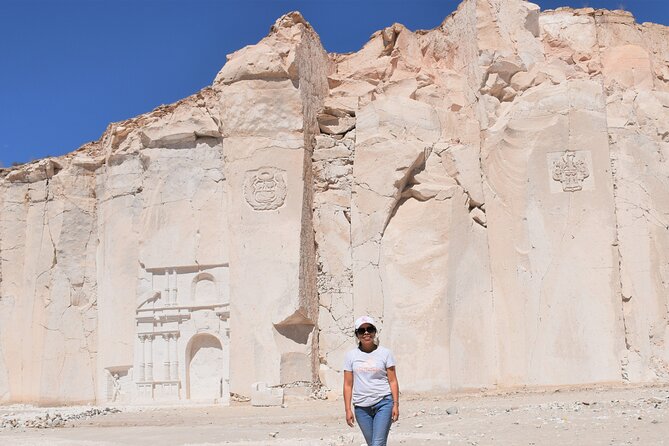
Sillar is more than a pretty photo background. This pale volcanic stone gives central Arequipa its famous white appearance, earning the city its familiar nickname, the White City. Colonial builders used it for churches, arches, courtyards, and grand homes because it was available nearby and could be cut into blocks.
On this trip, you get a useful change of viewpoint. Instead of only seeing polished sillar in the city center, you see the quarries where workers extract and shape it. The route connects Arequipa’s architecture with the people and techniques behind it.
That connection is the real reason to book. If you only want a dramatic canyon or a major archaeological site, this may feel modest. If you want to understand what makes Arequipa look different from other Peruvian cities, the quarry gives the city some physical context.
The experience is run as a group outing, with a maximum of 18 people. Several departures have used a smaller minibus, with around 12 passengers, while another group was filled to capacity. That difference matters. A half-day ride feels pleasant with room to breathe, but cramped seating and weak air conditioning can make the return journey uncomfortable.
More sillar route tours in Arequipa:
- From Arequipa: Sillar Route Trek
★ 4.2 · 461 reviews - Sillar Route in Arequipa and viewpoint of the Volcanoes
★ 4.0 · 71 reviews - 4 hours Tour: Route of Sillar with Trek in Culebrillas
★ 4.2 · 69 reviews
Yanahuara gives you the classic Arequipa view
The first stop is Yanahuara, a traditional district just outside the central core. Its viewpoint is framed by white sillar arches, a fitting opening for a tour focused on volcanic stone.
You’ll have a view across Arequipa and, on a clear day, the region’s three famous snowy peaks: Misti, Chachani, and Pichu Picchu. The stop is scheduled for about 20 minutes, which is enough for photos and a quick orientation to the city.
This is not a long neighborhood tour. Think of Yanahuara as a scenic introduction, not a full visit to the district. Some departures have spent less time here because of city traffic, while others have felt that the volcano viewpoint received too much time later in the day. If you want careful photographs, stay alert to the guide’s meeting instructions and do not wander far.
The view depends on weather and haze. Bright midday sun can flatten distant peaks, and late delays may push the stop toward evening, when haze can obscure the volcanoes. Still, the arches and city view make Yanahuara a sensible first stop, especially if you have just arrived in Arequipa and need to get your bearings.
Añashuayco shows sillar as working material
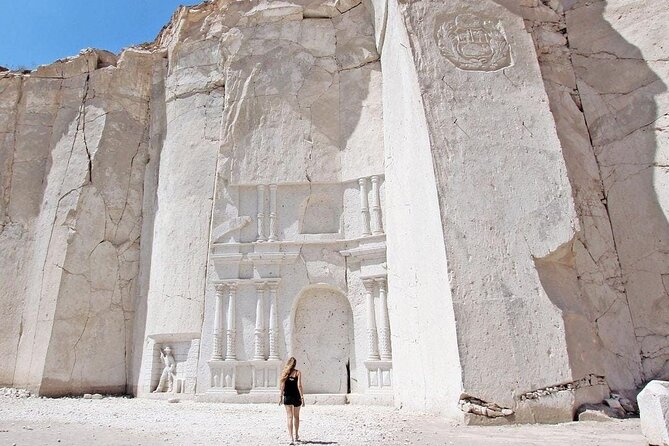
From Yanahuara, the group continues to the Añashuayco sillar quarry area. The drive is short enough to keep the tour moving, and the quarry visit is planned for roughly one hour.
Here, the white stone is not presented as a finished church wall. It is cut, shaped, and worked by local artisans. The demonstration explains the methods used to handle the volcanic blocks and the ways sillar has been used in Arequipa’s buildings.
I find this stop most useful when the guide provides plenty of context. A good explanation can turn a dusty quarry into a lesson in local building. Guides such as Mike, Alexandra, Christina, and Sandra have been praised for clear, warm presentations, while some English-speaking visitors have found the explanations brief or difficult to follow.
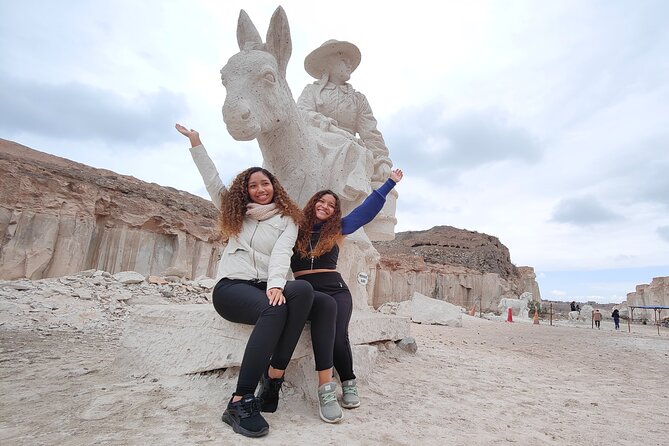
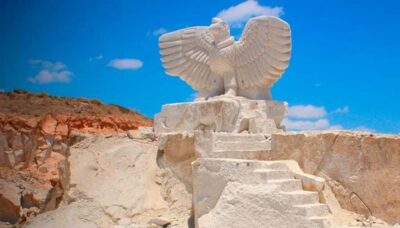
The quarry also includes carved figures and stone sculptures made for visitors to see and photograph. These can be fun, but the setup may feel more like a visitor attraction than an untouched work site. Some of the larger or more impressive carvings may sit in separate areas with small additional charges, reportedly around S/3 per side. The basic entrance to Añashuayco is included, but ask what is covered before paying for extra sections.
This is also the dustiest portion of the trip. The pale stone breaks into fine powder, and vehicles on rough roads can stir it up. A face mask is a smart item even if you do not normally wear one. The operator specifically warns people with dust allergies, and I would take that warning seriously.
Wear shoes that can handle powder and uneven ground. Bring water, since the quarry can feel hot under the open sun. Mosquito advice has been given before departure, but the insects encountered on some visits were sand flies rather than mosquitoes. Repellent may help, but the key protection remains covered skin and sensible preparation.
Culebrillas is the tour’s best walk
After the quarry, the minibus drives about 15 minutes to the serpentine Culebrillas ravine. This is where the tour becomes more physical and, for many people, more rewarding.
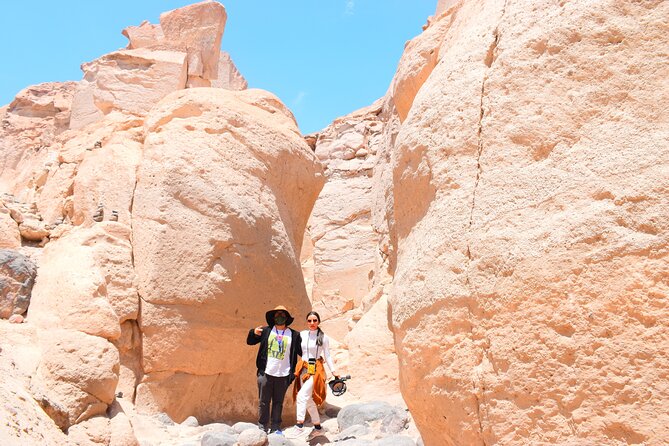
The walk takes about 20 minutes through a narrow canyon carved by an ancient river. Its curving volcanic walls create a more enclosed, dramatic setting than the open quarry. You are not taking a long mountain hike, but the footing is bumpy, and you climb a slope for about five minutes near the end.
Good grip on your shoes matters. Older adults and anyone unsteady on rough ground should think twice, since the tour itself says Culebrillas is not recommended for older participants. Most able-bodied visitors can take part, but this is not a smooth paved attraction. Watch your footing, especially while looking up at the canyon walls.
The petroglyphs are marked into the rock faces. You may see shapes that suggest animals or other figures, but they are not always easy to identify. Midday glare can make the markings harder to see, and the volcanic stone does not provide much contrast. Your guide’s explanation helps, but bring realistic expectations. This is an atmospheric site where you may need imagination, not a gallery with sharply outlined drawings.
The canyon can become crowded in narrow sections. If you want clean photographs, you may need to wait for a gap or accept people in the background. The path is too tight for everyone to stop at once, so listen carefully when the guide gives meeting instructions.
At the end, you’ll see apachetas, small piles or mounds of stones linked to local spiritual tradition. They are easy to pass without a second glance, but they add cultural meaning to the walk. Take a moment to look at them rather than treating the canyon as a quick photo stop.
The return to Arequipa takes about 40 minutes. Depending on traffic and the day’s timing, the group may return to one central drop-off point rather than each hotel. Confirm the end point before setting out, especially if you have another tour, dinner reservation, or bus connection.
Same valley, a completely different kind of day:
- From Arequipa: Colca Canyon Full-Day Guided Tour with Meals
★ 4.5 · 982 reviews - Tour to the Salinas Lagoon and National Reserve in Arequipa
★ 4.5 · 548 reviews - Arequipa: Chili River White Water Rafting with Hotel Pickup
★ 4.8 · 329 reviews - 2-Day Tour Colca Canyon in Arequipa with end in Puno
★ 4.6 · 248 reviews
What the guide and transport can mean for your day
Puriy Perú Expeditions provides a certified guide and group transport. The company has used guides including Mike, Tony, Alexandra, Christina, and Sandra. Several of these guides have been praised for friendly bilingual explanations, with Mike receiving particular praise for his clear information and Alexandra for handling English and Spanish well.
Still, you should not assume the same guide on every departure. The quality of a bilingual tour depends heavily on pace and sound. Some English explanations have been shortened after longer Spanish talks, and one guide’s fast delivery and poor microphone made directions difficult to understand. If you do not catch where to meet, ask immediately rather than trying to follow the group later.
Transport has also produced mixed experiences. Some rides have been comfortable, air-conditioned, and carefully managed, with seatbelts and safety equipment noted in the minibus. Other departures have had a full van, broken air conditioning, limited open windows, and rough or fast driving.
I would check your seatbelt as soon as you board. If you are placed in a front middle seat without a working belt, speak up and ask for a safer seat. This is a basic point, not a minor comfort issue.
Pickup communication is usually handled the day before, when staff send recommendations and confirm details. Allow extra time in the morning. City-center traffic and special events have caused delays of around 45 minutes, and one pickup mix-up required passengers to contact the guide through WhatsApp. Most departures have been punctual, but do not schedule something immediately after the stated four-hour duration.
Is $19 a good deal?
At $19 per person, this is one of the cheaper organized ways to reach the sillar route and Culebrillas from Arequipa. The price includes the guide, group transport, the S/5 Añashuayco entrance, and the S/5 Culebrillas entrance. For a visitor without a car or much time, that is a useful bundle.
The value depends on what you want from the day. If you want transportation, a basic introduction, and several unusual sights for a low cost, the tour works well. You get the city viewpoint, quarry, sculptures, canyon, petroglyphs, and apachetas without arranging separate rides.
If you expect a deep cultural lecture, generous time for photography, or access to every sculpture area, the price may feel less impressive. Some people have felt that the quarry visit was too short, while others spent only about 30 minutes there because of delays. The Culebrillas walk can also be hurried when the schedule slips.
Small extra charges may apply for parts of the sculpture display, so carry a little Peruvian currency. The official inclusions cover the two main entrance fees, but they do not cover personal purchases or other extra expenses.
Who should book this four-hour outing?
I would choose this trip if you have a spare morning or afternoon in Arequipa and want something beyond churches, plazas, and museums. It suits first-time visitors who want a quick explanation of the city’s signature stone, as well as photographers who enjoy unusual textures, carved figures, canyon walls, and mountain views.
It is also a good match for independent-minded people who do not need every minute filled with narration. Some stops include free time, and the pace may suit you if you prefer to look around rather than sit through a long lecture.
I would be cautious if you have a serious dust allergy, dislike crowded minibuses, need a smooth walking surface, or are very particular about precise English guiding. The canyon is not suitable for everyone, and a delay can reduce time at the stops.
Families can enjoy the sculptures and short canyon walk, but adults should judge the footing for children. Older adults should take the warning about Culebrillas seriously. There is no claim that the route is fully accessible, and the bumpy path and slope make it unsuitable for anyone who needs step-free access.
Free cancellation is available up to 24 hours before the start time. Changes or cancellations inside that window are not accepted for a refund.
My verdict on the Sillar Route and Culebrillas
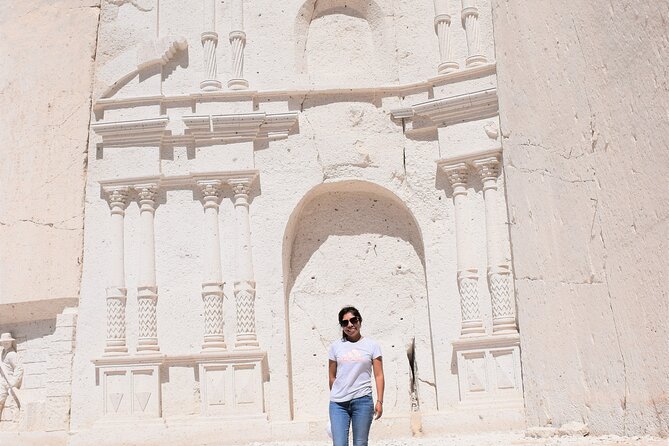
Book it if you want good value and local context in a compact half-day trip. The working quarry explains something central about Arequipa, while Culebrillas offers the most memorable scenery and the only real walk.
Do not book it expecting a polished, private experience. The group may be full, the quarry dusty, the petroglyphs faint, and the bilingual commentary uneven. Go prepared with water, a face mask, sturdy shoes, repellent, and a flexible schedule.
For $19, I think the route is worth considering, especially if you have limited time and no easy way to reach the sites yourself. The strongest reason to go is not the quantity of stops. It is the simple pleasure of seeing the white stone of Arequipa in the quarry, then walking through the volcanic canyon that surrounds it.
FAQ
How long does the Sillar Route and Culebrillas tour last?
The tour lasts approximately four hours. The return drive from Culebrillas to central Arequipa takes about 40 minutes.
What places does the tour visit?
The route includes Yanahuara, the Añashuayco sillar quarries, and the Culebrillas ravine with its petroglyphs and apachetas.
Is transportation included?
Yes. The tour includes group transportation from hotel pickup and transport between the stops.
Are entrance fees included?
Yes. The stated inclusions cover the S/5 entrance to Añashuayco and the S/5 entrance to Culebrillas. Extra expenses are not included, and some carved areas may charge separately.
How difficult is the Culebrillas walk?
The walk takes about 20 minutes on uneven ground, followed by a slope climb of about five minutes. Good walking shoes are recommended.
Is the tour suitable for older adults?
The tour is not recommended for older adults because the Culebrillas canyon walk is rugged. Most people can participate, but the route is not described as fully accessible.
Should I bring protection from dust?
Yes. The quarry is dusty, and a face mask is especially useful for anyone sensitive to dust. Water and suitable shoes are also recommended.
How many people can join the tour?
The maximum group size is 18 people. The actual minibus group may be smaller, depending on the departure.
Just added around Arequipa
- Walking tour through the Historic Center of Arequipa★ 4.0 · 3 reviews
- Trek to the Route of the Sillar and Culebrillas in Arequipa★ 4.0 · 9 reviews
- 3-Day Colca Canyon trek with Professional Guide★ 5.0 · 40 reviews
- Trekking, Waterfalls and Thermal Baths★ 4.5 · 47 reviews
- Colca Full Day★ 5.0 · 57 reviews
- Full Day Tour to Colca Canyon from Arequipa★ 4.0 · 34 reviews
- Private 3 Day Colca Canyon Trekking tour (superior Service)★ 5.0 · 58 reviews
- 2 Day Trek Including Transfer to Puno / Colca Canyon★ 4.5 · 38 reviews
Sillar Route Tours, compared.
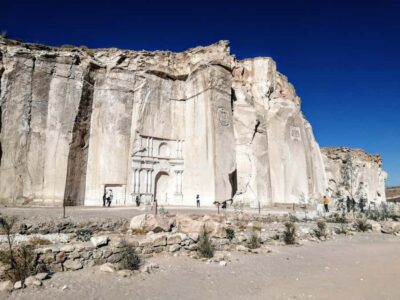
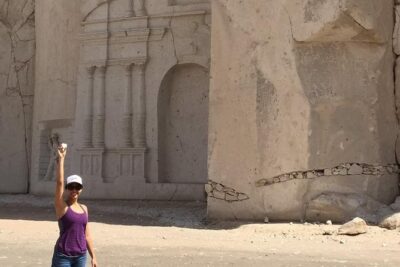
Sillar Route in Arequipa and viewpoint of the Volcanoes
Read our review →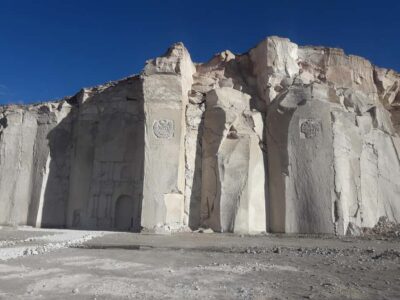
4 hours Tour: Route of Sillar with Trek in Culebrillas
Read our review →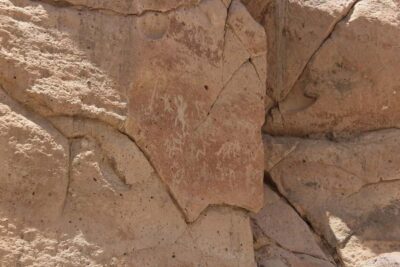
Route of the Sillar | Quarries of Añashuaycos | Half day
Read our review →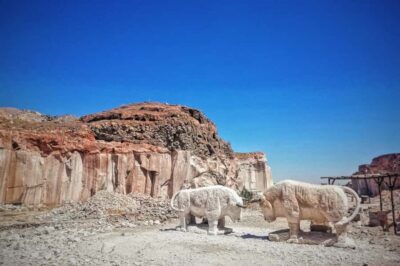
4-hour excursion: Sillar Route with Hiking in Culebrillas
Read our review →
Trek to the Route of the Sillar and Culebrillas in Arequipa
Read our review →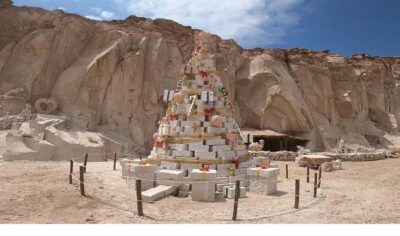
Arequipa | Tour of the Sillar Route + Culebrillas Canyon
Read our review →Browse the lists this tour appears in