
Reviewed · MACHU PICCHU TOURS
Machu Picchu: 5-Day Salkantay Trek with Panoramic Train
The best part of this five-day Salkantay Trek is that Machu Picchu is the finale, not the whole story. You cross high mountain country, pass a glacial lake, eat a Pachamanca feast, taste coffee at its source, and camp at Llactapata with the citadel in view.
I like the care built into the trip, especially the fresh, multi-course meals and the guides who keep a close eye on pace, water, sun, and cold. The camps also give the trek character, from a warm yurt beneath Salkantay Mountain to a night facing Machu Picchu.
The main catch is altitude and effort. Day 1 reaches 4,200 meters at Humantay Lake, and Day 2 climbs to 4,630 meters at Salkantay Pass. This is not a gentle sightseeing tour, and the non-refundable $655 price deserves careful planning.
In This Review
- Key Points at a Glance
- Why This Salkantay Trek Feels Different
- Day 1: Humantay Lake and a Night Beneath Salkantay
- Day 2: Salkantay Pass and the Long Descent
- Day 3: Pachamanca, Coffee, and the First View of Machu Picchu
- Day 4: Llactapata, Hydroelectrica, and the Railway Walk
- Day 5: Machu Picchu and the Panoramic Train
- Food, Camps, and What the $655 Covers
- Altitude, Fitness, and Honest Drawbacks
- Who Should Book This Trek?
- Should You Book the 5-Day Salkantay Trek?
- FAQ
- How long does the Salkantay Trek last?
- What is the highest point of the trek?
- Is transportation from Cusco included?
- What type of accommodation is included?
- Are meals included?
- Do I need to carry all my equipment?
- Are Huayna Picchu and Machu Picchu Mountain included?
- What languages do the guides speak?
Key Points at a Glance
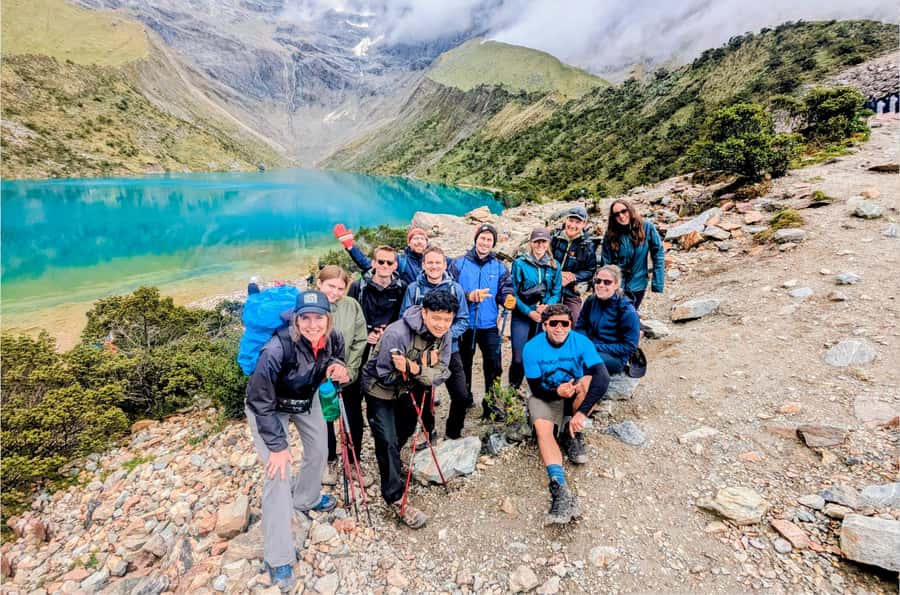
- Humantay Lake at 4,200 meters: A steep opening hike to brilliantly turquoise water, followed by a lower camp.
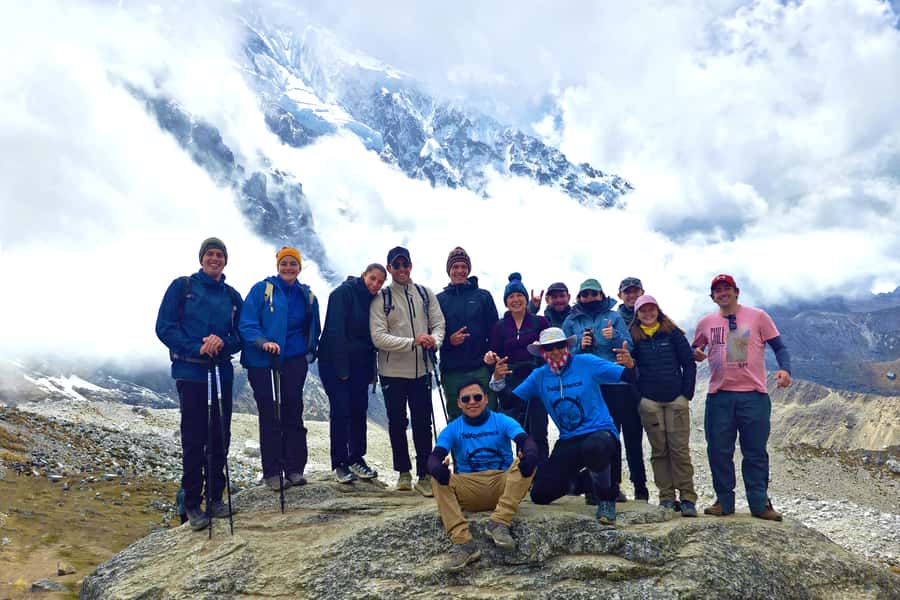
- Salkantay Pass at 4,630 meters: The trek’s highest point, with ice-capped peaks and a long descent into cloud forest.
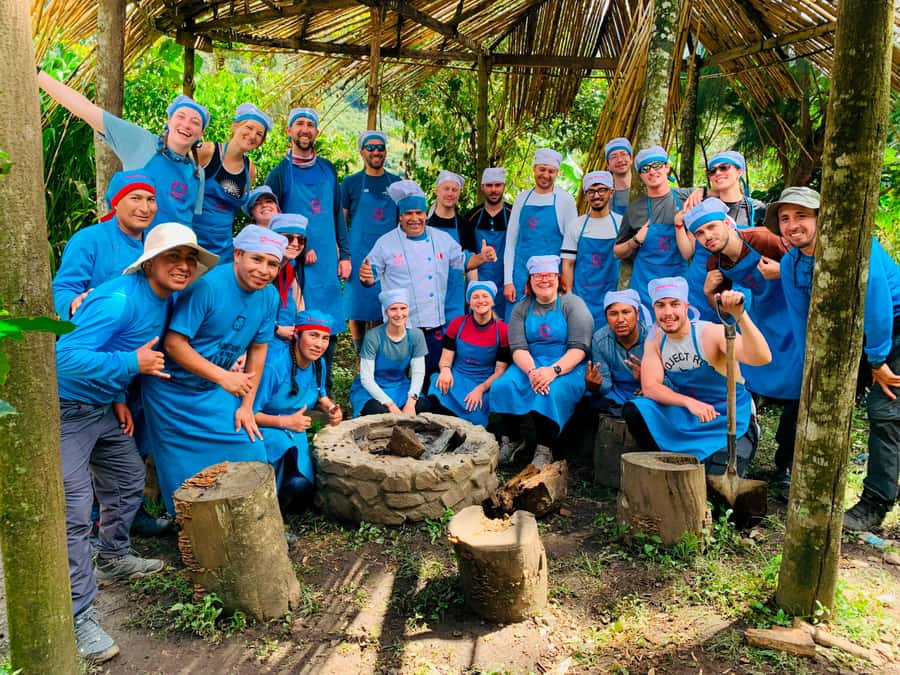
- Pachamanca and local coffee: A hands-on taste of Andean cooking and plantation life near Lucmabamba.
- Llactapata campsite: Sleep with a distant view of Machu Picchu before reaching the citadel.
- Small groups of up to 16: Guides including Cesar, Roger, José, Elias, and others provide support across different walking speeds.
- Panoramic train home: Return from Aguas Calientes by Vistadome or 360° train, then continue to Cusco by private van.
Why This Salkantay Trek Feels Different
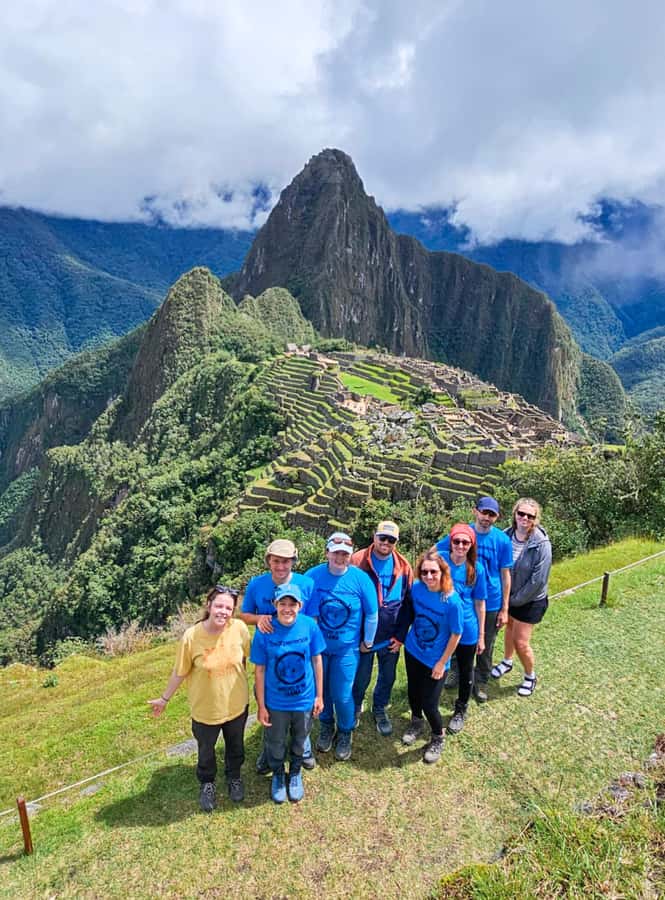
The Salkantay route is a strong choice if you want more than the usual final-day visit to Machu Picchu. Over five days, the trail changes dramatically. You begin among cold, high peaks, descend through cloud forest, pass farms and waterfalls, and finish beside the Urubamba River.
That variety is the route’s great reward. You are not simply walking toward an archaeological site. You are moving through several climate zones, each with its own pace and mood.
TreXperience keeps the group small, with no more than 16 people. That matters on a route with big differences in fitness. Guides can offer encouragement, short breaks, and practical reminders without making the whole group feel like a military march.
The staff receives some of the strongest praise for this trip. Guides named in the feedback include Cesar, Roger, Alex, Renato, Miguel, Klever, Gilbert, José, Eddie, Elias, Sebastian, Frank, John, and Fillo. The point is not any single guide’s name, since assignments can change, but the consistent pattern: expect an active guide who explains local culture, organizes the day, and helps when altitude or tired legs become a problem.
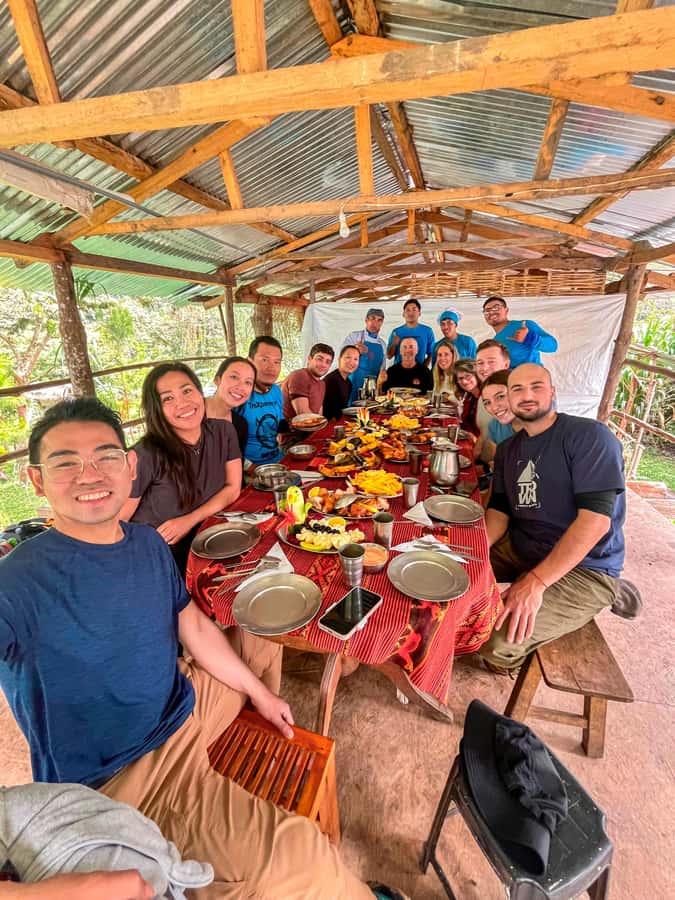
The kitchen crew also earns special attention. Meals are prepared by experienced chefs, with four breakfasts, three lunches, three dinners, snacks, and water included. The food is not just fuel. It is one of the most memorable parts of the trip, with vegetarian choices available if you request them when booking.
More machu picchu tours in Cusco:
- From Cusco: Full-Day Group Tour of Machu Picchu
★ 4.7 · 1,767 reviews - Machu Picchu Day Trip from Cusco
★ 4.5 · 1,644 reviews - Machu Picchu: Full-Day Tour from Cusco with Optional Lunch
★ 4.6 · 927 reviews
Day 1: Humantay Lake and a Night Beneath Salkantay
Your day begins early, with pickup around 4:30 a.m. from a hotel or Airbnb near Cusco’s historic center. A three-hour drive takes you to Mollepata for breakfast and a meeting with the trekking team.
From the trailhead, you hike for about three hours to Humantay Lake at 4,200 meters. The turquoise water, backed by snow and rock, is a fine introduction to the Andes, but the altitude makes this opening walk harder than the distance suggests.
Take your time here. You will want photographs, but you also need to watch your breathing and keep warm. A hat, sunscreen, sunglasses, warm layers, and water are essential.
After returning to Soraypampa, you stop for lunch. The day is not finished yet, but the next section is gentler: about two hours climbing to the Salkantay glamp campsite at 4,150 meters.
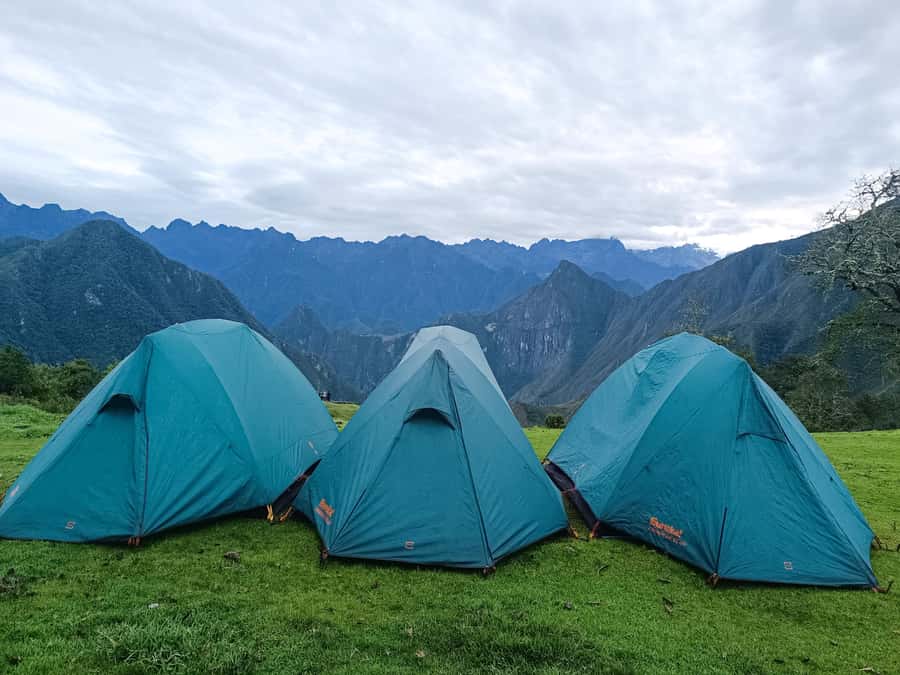
This first night is one of the trip’s strongest touches. You sleep in a comfortable tent or yurt rather than a basic mountain shelter, with dinner served nearby and the high peaks overhead. The night sky can be spectacular when conditions are clear.
Do not expect luxury in the city-hotel sense. You are still camping at high altitude. But a proper sleeping pad, pillow, warm food, snacks, and a well-designed camp make the evening far easier than carrying and arranging everything yourself.
Day 2: Salkantay Pass and the Long Descent
Fresh coffee or coca tea starts the morning. Then comes the hardest major climb of the trek, up to Salkantay Pass at 4,630 meters.
This is the physical heart of the route. You will see broad mountain views, a nearby glacial lake, and the stark upper Andes before beginning a long descent. The pass is a place to pause and take in the scale of the mountains, but do not linger too long if the cold is biting.
The descent changes the day’s feel. After lunch at Wayracmachay, the trail drops through changing vegetation toward the cloud forest. Cold, open mountain terrain gives way to greener slopes and a milder climate.
By evening, you reach Collpapampa at 2,770 meters and sleep in comfortable Andean huts. This drop in altitude is welcome after two demanding days.
The practical issue is pacing. The trip suits you best if you already enjoy long walks and can manage roughly 25-kilometer days when required. You do not need to be an elite hiker, but you do need the will to keep going when the route is steep or your legs are tired.
TreXperience supplies muleteers to carry camping gear, plus a duffle bag allowance of up to 7 kilograms. You should still bring a comfortable daypack of no more than 25 liters. Larger bags cannot enter Machu Picchu.
Day 3: Pachamanca, Coffee, and the First View of Machu Picchu
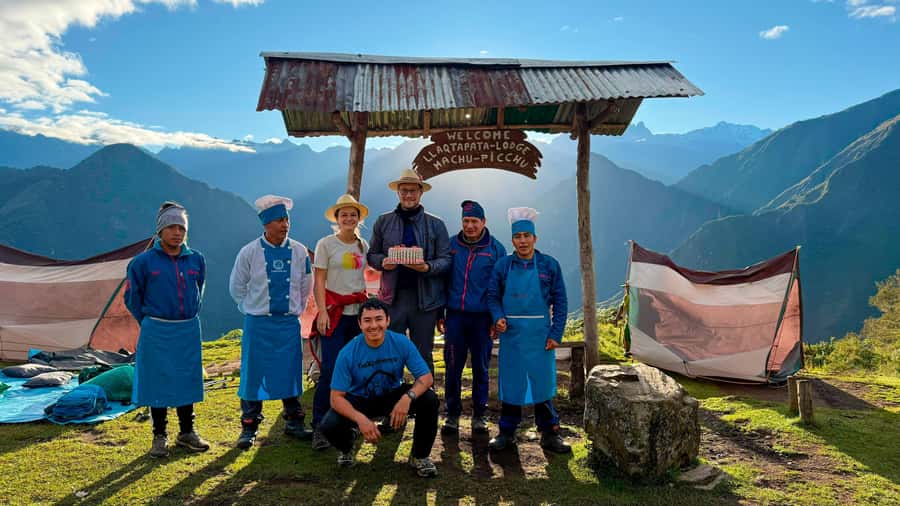
Day 3 brings a welcome change from high mountain exertion. After breakfast, you walk through warmer country, crossing wooden bridges and passing waterfalls, plantations, and local communities.
The route leads to Lucmabamba at about 2,000 meters. Here you take part in a traditional Pachamanca barbecue and cooking experience. Pachamanca uses an earth oven heated with stones, and the meal gives you a direct connection to Andean food customs rather than another standard restaurant stop.
You also visit local coffee farms and taste freshly brewed coffee. This is a small but meaningful part of the trek. You see a productive side of the region and learn how the drink in your cup begins as a crop in these mountain valleys.
After lunch, the trail turns upward again. You follow a section of the Inca Trail for around three hours to Llactapata, at 2,750 meters.
Llactapata is an Inca site, but the setting matters as much as the stones. From the campsite, you get your first striking view of Machu Picchu in the distance. It is not the close, detailed view you will have the next morning. Instead, the citadel appears across the valley, giving you a sense of where you are headed.
Camping here is a highlight for me. You wake with Machu Picchu in sight and can have freshly brewed coffee before setting off. The setting also makes the night feel special without turning the experience into a resort stay.
One useful point: the order of the day may feel a little unusual. One assessment suggested walking before the Pachamanca meal would create a smoother flow. In practice, you should treat this as a cultural stop within an active day, not a quick lunch between trail sections.
More salkantay trek in Cusco:
- Salkantay Trek Challenge – 3 Days / 2 Nights
★ 5.0 · 101 reviews - Small Group 5 Days Salkantay and Machu Picchu by Llactapata Tour
★ 5.0 · 88 reviews - Salkantay Trek 4 Days to Machu Picchu by Glamping Sky Lodge Dome
★ 5.0 · 68 reviews - Salkantay Trek to Machu Picchu in 4 days
★ 4.5 · 50 reviews
Day 4: Llactapata, Hydroelectrica, and the Railway Walk
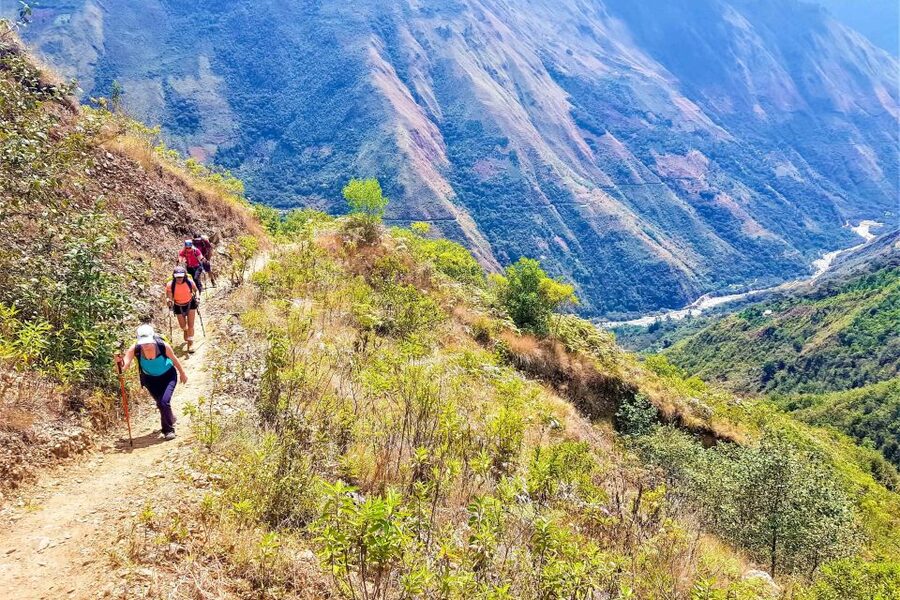
After breakfast and a final look toward Machu Picchu, you descend for about two hours to the hydroelectric station. The walk is easier than the climb to Llactapata, though tired knees may notice the downhill grade.
You have a final brunch with the team at Hydroelectrica. From there, the route follows the railway and the Urubamba River for about three hours to Aguas Calientes.
This section is less dramatic than Salkantay Pass, but it has its own appeal. You are walking along the valley toward Machu Picchu, with river sounds, tropical vegetation, and steep mountain walls nearby.
A stop at Mandor Botanical Gardens adds another layer. The gardens are known for birdlife and orchids, giving you a chance to slow down and look closely after several days of big views and long climbs.
In Aguas Calientes, you check into a three-star hotel. This is a welcome reset: a real bed, time to wash up, and the chance to explore the town or visit the hot springs before dinner at a local restaurant.
Your evening should be restful. The final Machu Picchu visit comes early, and the bus ride up is only part of the next day’s schedule. If you choose Huayna Picchu or Machu Picchu Mountain, you must reserve that extra pass in advance.
Day 5: Machu Picchu and the Panoramic Train
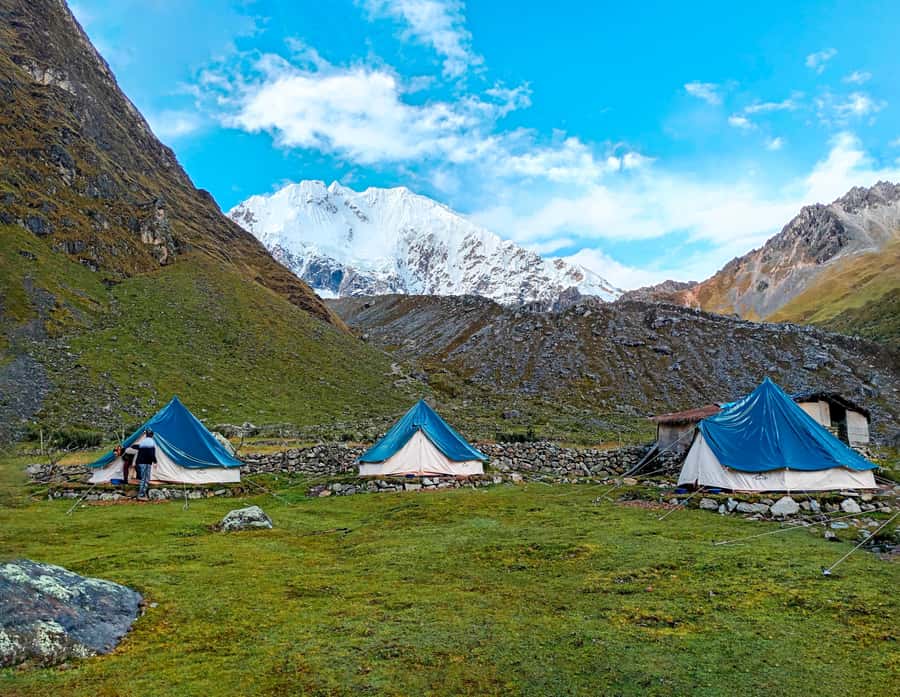
The main event arrives on Day 5. After an early breakfast, you take one of the first buses to Machu Picchu, aiming for the morning light and a quieter start inside the citadel.
A guided visit lasts about two to three hours. That guided time is valuable because the site is much easier to understand with someone explaining its structures, purpose, and setting. Afterward, you can explore on your own within the rules of your entry circuit.
Huayna Picchu and Machu Picchu Mountain are not included. Both require advance booking, so decide before the trek if you want an additional climb. You should not count on adding either pass at the last minute.
After returning to Aguas Calientes, you have lunch before boarding the Panoramic Vistadome or 360° train to Ollantaytambo. Large windows make the ride part of the experience rather than a mere transfer.
A private van then takes you back to Cusco, with arrival expected around 7:30 p.m. This is a long final day. Plan nothing important for that evening.
Food, Camps, and What the $655 Covers
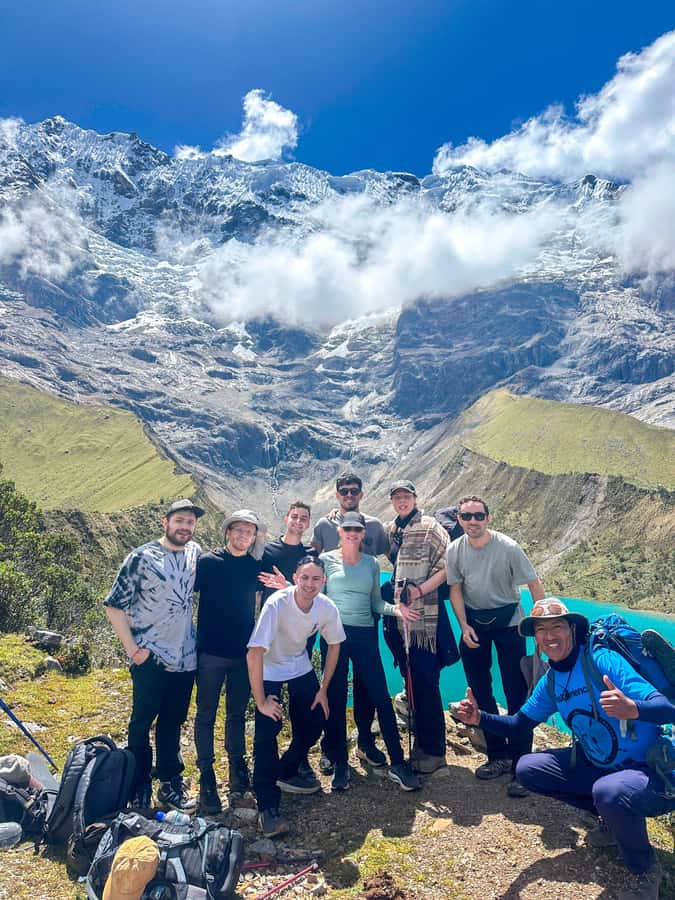
At $655 per person, this is not the cheapest way to reach Machu Picchu, but the price includes a great deal. You receive transport from Cusco, trail and Machu Picchu entrance tickets, buses to the citadel, the panoramic train, four breakfasts, three lunches, three dinners, snacks, water, camps, hotel, guide, cooks, muleteers, and safety equipment.
The food is a major part of the value. Several people specifically describe it as better than meals they had in Aguas Calientes, with generous portions and many vegetarian options. The chefs may prepare several dishes at a meal, and guides provide hot drinks and snacks along the route.
Accommodation follows a sensible pattern:
- One night of glamping near Salkantay at 4,150 meters
- One night in Andean huts at Collpapampa
- One night camping at Llactapata with a view toward Machu Picchu
- One night in a three-star hotel in Aguas Calientes
The included gear helps keep your packing list reasonable. You receive a sleeping pad, pillow, rain poncho, hand towels, and a duffle bag. A sleeping bag, inflatable mattress, and trekking poles cost extra to rent.
Bring cash. It is useful in Peru, and one specific warning from the trip experience is that you should not assume cards will solve every small purchase. Also pack a head torch, toilet paper, toiletries, insect repellent, sanitizer, personal medicine, bandages, rain gear, and spare batteries.
Altitude, Fitness, and Honest Drawbacks
Altitude is the biggest concern. Humantay Lake sits at 4,200 meters, and Salkantay Pass reaches 4,630 meters. You may feel headaches, shortness of breath, or unusual fatigue even if you are fit at home.
One person found acetazolamide helpful for altitude problems. Medication decisions belong with your doctor, so plan ahead rather than treating the first day as an experiment. The guide carries an oxygen tank, first-aid kit, and satellite phone, but those are safety measures, not a substitute for preparation.
The route is not suitable for pregnant people, anyone with significant back or heart problems, people with mobility impairments, or wheelchair users. Children must be accompanied by an adult.
The four-star rating in the feedback points to a minor organizational issue at Machu Picchu: two guides may not be enough if the group splits between different circuits or mountain activities. Ask how your group will be handled if you book an extra mountain pass.
The non-refundable cancellation policy is another serious consideration. Confirm your dates, passport details, fitness, and travel insurance before paying.
Who Should Book This Trek?
I would choose this trip if you want a physically demanding route with strong support, good meals, cultural stops, and varied sleeping arrangements. It suits people who like walking all day but do not want to carry camping equipment or organize every transfer themselves.
You should also enjoy changing conditions. One day is cold and high, another is warm and green, and the final approach follows a railway through the valley. That variety is exactly what makes the Salkantay route rewarding.
I would not choose it if your main goal is a relaxed Machu Picchu visit. The early starts, altitude, long descents, and rougher camping nights are part of the deal.
TreXperience appears strongest in three areas: its guiding team, its food, and its support crew. Names change, but the pattern is clear from the service described by people who walked with Cesar, Roger, José, Elias, Gilbert, and others. Guides help slower walkers, answer questions, provide motivation, and manage the many moving parts.
Should You Book the 5-Day Salkantay Trek?
Book it if you want Machu Picchu reached by effort rather than simply by train, and if you value a well-supported trek with excellent cooking and thoughtful camps. The $655 cost is fair when you add up the train, hotel, permits, meals, transport, staff, and included equipment.
Before you commit, be honest about altitude and stamina. Build in time around Cusco if possible, prepare for a 4:30 a.m. start, bring cash and warm layers, and reserve Huayna Picchu or Machu Picchu Mountain early if desired.
For a fit, curious walker, this is a well-rounded five-day route through Peru’s highlands and cloud forest. Machu Picchu is the payoff, but the mountain pass, Pachamanca meal, coffee farm, Llactapata campsite, and the people who make the trek work are what give the journey its lasting character.
FAQ
How long does the Salkantay Trek last?
The experience lasts five days, beginning with an early pickup in Cusco and ending with an expected return around 7:30 p.m. on Day 5.
What is the highest point of the trek?
Salkantay Pass is the highest point, at 4,630 meters. Humantay Lake is reached on Day 1 at about 4,200 meters.
Is transportation from Cusco included?
Yes. Hotel or Airbnb pickup near Cusco’s historic center is included, along with the return train from Aguas Calientes to Ollantaytambo and a private van back to Cusco.
What type of accommodation is included?
The package includes two nights of camping, one night of glamping near Salkantay, and one night in a three-star hotel in Aguas Calientes. The second night is spent in Andean huts.
Are meals included?
Four breakfasts, three lunches, three dinners, daily snacks, and water are included. Dietary options are available if you advise the company when booking.
Do I need to carry all my equipment?
No. Muleteers carry camping gear, and a duffle bag of up to 7 kilograms is provided. You should carry a comfortable backpack no larger than 25 liters for the trail and Machu Picchu.
Are Huayna Picchu and Machu Picchu Mountain included?
No. Passes for both mountains must be booked in advance and are not included in the listed price.
What languages do the guides speak?
The tour is offered with live guides in English and Spanish. The group is limited to 16 participants.
More Train Experiences in Cusco
- Cusco: Machu Picchu 2-Day Inca Trail with Panoramic Train
★ 4.9 · 260 reviews - The First Class Machu Picchu Train by Inca Rail
★ 4.0 · 182 reviews - From Cusco: 1-day Machu Picchu Tour by Train
★ 4.6 · 138 reviews - 2-Day Machu Picchu Tour by train from Cusco ( All included )
★ 5.0 · 85 reviews
More Hiking & Trekking in Cusco
- From Cusco: 7 Lakes Ausangate Trek with Breakfast and Lunch
★ 4.8 · 360 reviews - Cusco: Rainbow Mountain Tour and Red Valley Hike (Optional)
★ 4.7 · 149 reviews - Cusco: Full-Day Rainbow Mountain & Red Valley Trekking Tour
★ 4.5 · 121 reviews - From Cusco: Rainbow Mountain Trek
★ 4.5 · 98 reviews
Just added around Cusco
- Waqrapukara 1 day trekking + meals★ 3.9 · 3 reviews
- Zipline over the Sacred Valley Trip★ 5.0 · 11 reviews
- Valle Sur Cusco | half day★ 4.3 · 3 reviews
- Visit to the Cochahuasi Animal Sanctuary with rescued animal★ 4.1 · 4 reviews
- Visit Pisac from Cusco: Private Transport★ 4.6 · 9 reviews
- Maras and Huaypo lagoon by ATV from Cuzco | Local Operator★ 4.7 · 4 reviews
- Trek to Humantay Lake from Cusco★ 4.9 · 8 reviews
- Trek to Choquequirao 4 days★ 3.8 · 4 reviews
Machu Picchu Tours, compared.
4-Day Inca Trail to Machu Picchu with Accommodation
Read our review →
2-Day Trip to the Sacred Valley and Machu Picchu
Read our review →
Machu Picchu 2-Day Inca Trail with Panoramic Train
Read our review →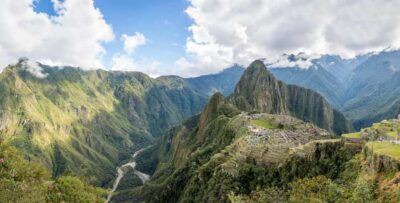
Browse the lists this tour appears in