
Reviewed · MACHU PICCHU TOURS
Salkantay Trek To Machu Picchu 5 Days And 4 Nights
The Salkantay Trek gives you a big Andean adventure in five days, from the turquoise waters of Humantay Lake and high glacial peaks to rainforest, coffee farms, and Machu Picchu. It is a serious hike, but you do not have to carry your full kit or organize every meal, camp, train, and transfer yourself.
I like the strong support system: horses carry the group equipment, each person gets an 8-kilogram personal-belongings allowance, and a chef prepares meals at camp. I also like the small maximum group size of 16, plus guides such as Christian, Eddie, Ericsson, and Hipo, who are praised for their care, local knowledge, and good humor. The main caution is altitude and effort. The first two days are hard, with a high point of 15,252 feet, so you need decent fitness and time to acclimatize in Cusco.
In This Review
- Key points to know before you book
- Why this five-day route works
- Day one: Humantay Lake at 12,467 feet
- Day two: Crossing the 15,252-foot Salkantay Pass
- Day three: Rainforest, waterfalls, and coffee in Lucmabamba
- Day four: Llactapata and the first view of Machu Picchu
- Day five: Machu Picchu and the return to Cusco
- What the support package really adds
- Who should book this Salkantay Trek?
- Practical packing advice for five days
- Should you book it?
- FAQ
- How long is the Salkantay Trek to Machu Picchu?
- What time does the trek start?
- What is the highest point of the trek?
- Is camping equipment included?
- Is a sleeping bag included?
- Is the bus ticket to Machu Picchu included?
- Is Huayna Picchu included?
Key points to know before you book
- Humantay Lake comes early: The first morning combines a long vehicle ride with a two-hour hike to one of the trek’s most striking sights.
- The Salkantay Pass reaches 15,252 feet: Day two is the physical test, with an uphill climb followed by a long descent.
- You get real camp support: Tents, mattresses, pillows, meals, a toilet tent, hot washing water, and horses for supplies are included.
- Day three changes the scenery: The trail leaves the high mountains for rainforest, waterfalls, the Santa Teresa River, and a coffee plantation.
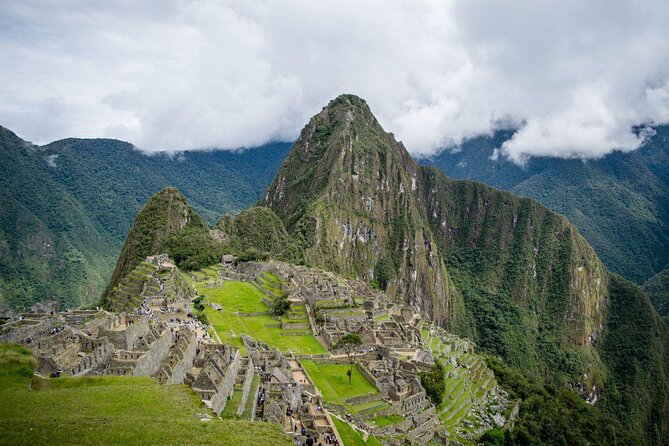
- Llactapata offers a distant Machu Picchu view: You see the famous site from across the valley before reaching it the next morning.
- The $690 price covers a lot: Transport, guides, food, camping, lodging in Aguas Calientes, the train, and the return van are included, but sleeping bags, hiking poles, Machu Picchu bus tickets, tips, and one lunch are extra.
Why this five-day route works
I like this route because it gives you several distinct parts of Peru in one continuous trip. You start in the high Andes, cross a major mountain pass, descend into warmer forest, learn about local coffee, and finish at Machu Picchu.
That variety also helps the trek feel less repetitive than a route that stays at one altitude. The trade-off is that the changes are demanding. Your body has to cope with thin air, steep climbs, long descents, cold nights, and warmer, insect-prone forest within a few days.
The tour costs $690 per person. For five days, that is a solid package price when you count the bilingual guide, cooks, support crew, horses, tents, meals, train, hotel night, and private vehicle back toward Cusco. A self-planned trip may look cheaper at first, but arranging transport, food, campsite equipment, and Machu Picchu access can take time and add cost.
The group size is capped at 16. That is large enough for a social trek but small enough for guides to keep an eye on walking pace and individual needs. The high praise for Christian, Eddie, Ericsson, Hipo, and the wider support team matters here. On a trek, a patient guide and an attentive cook can change the whole experience.
More machu picchu tours in Cusco:
- From Cusco: Full-Day Group Tour of Machu Picchu
★ 4.7 · 1,767 reviews - Machu Picchu Day Trip from Cusco
★ 4.5 · 1,644 reviews - Machu Picchu: Full-Day Tour from Cusco with Optional Lunch
★ 4.6 · 927 reviews
Day one: Humantay Lake at 12,467 feet
The day begins with a 4:30 a.m. pickup from your hotel in Cusco. You then ride about three hours to Mollepata, where breakfast is served at a local house. After another one hour and 45 minutes on the road, you reach Soraypampa, the starting point of the hike.
This morning is not a gentle warm-up. The drive is long, and Soraypampa sits at about 12,467 feet. You will already be at high altitude before walking far, so a few days of acclimatization in Cusco is a very sensible plan.
At Soraypampa, support staff take charge of the heavy equipment. Horses carry tents, food, tables, chairs, and other camp supplies, while your own belongings go into a duffle bag with an 8-kilogram limit. You still need a daypack with water, rain gear, warm layers, sunscreen, and personal items for the day.
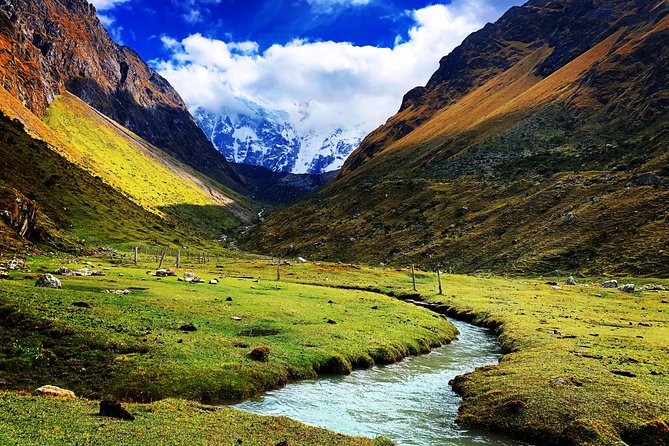
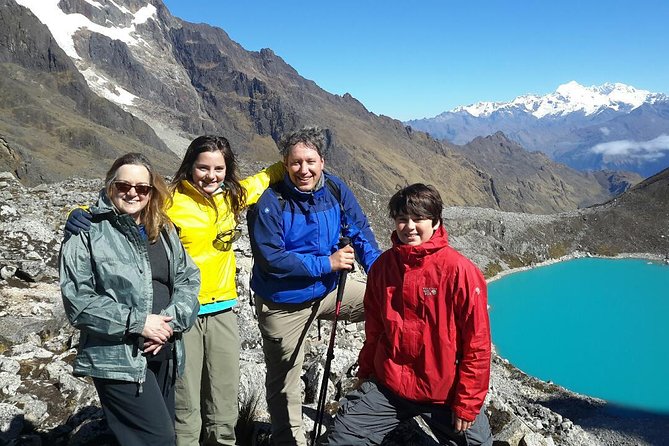
The hike to Humantay Lake takes about two hours. The lake is framed by the Humantay and Salkantay mountains, and the setting gives you an immediate sense of why this trek is so popular. The high-altitude scenery arrives at the start, not after several days of walking.
You return to the trailhead and continue hiking for a total day of about six hours. The supplied schedule does not give the name of the first overnight camp, so confirm the precise campsite and sleeping arrangements at the pre-departure briefing.
The included briefing takes place at your hotel one or two days before the trek. Treat it as essential, not ceremonial. This is when you can clarify the 8-kilogram bag limit, sleeping-bag rental, departure details, meal needs, and the day-by-day walking plan.
Day two: Crossing the 15,252-foot Salkantay Pass
Day two is the hardest section for most people. After breakfast, you hike uphill for about an hour to the Salkantay Pass, the highest point of the route at 15,252 feet.
At the pass, the guide explains the Inca meaning of Salkantay and leads an offering connected with the mountain. This adds cultural context to what could otherwise be just a demanding climb. The stop is short enough to keep the day moving, but important enough to make the high point feel like more than a photo stop.
The descent begins with about two hours downhill to Huayrac at 12,464 feet, where lunch is served. After lunch, you continue downhill for another four hours to Colpapampa at 10,170 feet.
The numbers tell you what to expect: a fast drop in altitude, but a long day on tired legs. Downhill walking can be just as tough as climbing, especially on knees and ankles. Hiking poles are not included, but they are recommended and can be rented. I would take that recommendation seriously.
The good news is that this difficult day is followed by warmer air and easier walking. The crew provides meals, water, emergency oxygen, a medical kit, and an emergency horse if one is needed. Those provisions do not remove the physical challenge, but they give you a useful safety net in a remote mountain setting.
Day three: Rainforest, waterfalls, and coffee in Lucmabamba
Day three is gentler. From Colpapampa, you hike for about six hours over rolling uphill and downhill sections while following the Santa Teresa River through rainforest.
This is a welcome change after the pass. The trail is no longer dominated by high, exposed mountain terrain. You get more plant life, river sounds, and warmer conditions, along with the chance to see the trek’s most beautiful waterfall.
You reach Lucmabamba around noon and have lunch at camp. In the afternoon, the tour visits a coffee plantation next to the campsite.
The coffee visit is one of the most useful stops on the route because it connects the scenery with local work and agriculture. It also breaks up the hiking schedule. Instead of treating camp as a place to eat and sleep, you get an activity that shows how the lower, warmer part of the valley is used.
The food receives especially strong praise across the experience. The chef and assistant chef prepare multi-course meals, and the menu can be adapted for specific dietary needs according to the booking information and comments about meal care. Do not assume every preference is covered automatically. Raise it at the briefing.
Camping is more comfortable than a basic independent trek. Two people share a four-person tent, with a mattress and pillow provided. There is a separate kitchen tent, a dining tent with tables and chairs, and a toilet tent with a portable toilet. Hot water is supplied for washing, and boiled and cold water is available each morning for filling bottles.
You still need a sleeping bag. A down or synthetic sleeping bag can be rented, but it is not part of the stated package. Insect repellent becomes more useful once you reach the forest, and a head lamp is important around camp.
More salkantay trek in Cusco:
- Salkantay Trek Challenge – 3 Days / 2 Nights
★ 5.0 · 101 reviews - Small Group 5 Days Salkantay and Machu Picchu by Llactapata Tour
★ 5.0 · 88 reviews - Machu Picchu: 5-Day Salkantay Trek with Panoramic Train
★ 5.0 · 79 reviews - Salkantay Trek 4 Days to Machu Picchu by Glamping Sky Lodge Dome
★ 5.0 · 68 reviews
Day four: Llactapata and the first view of Machu Picchu
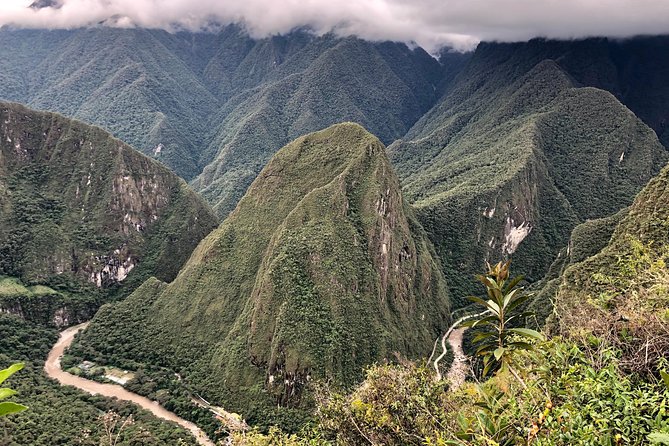
Day four starts early with breakfast, then a moderate three-and-a-half-hour climb through rainforest to Llactapata. The ruin sits at about 8,856 feet.
Llactapata is valuable because it gives you a different way to approach Machu Picchu. You are not yet at the famous citadel. Instead, you see it far across the valley, framed by the surrounding peaks. After several days of walking, that distant view can be a powerful moment.
The guide gives you a thorough tour of the ruin before you leave. This is where a well-informed bilingual guide earns the fee. Christian, in particular, is repeatedly praised for explaining Inca culture, local plants, wildlife, and the region’s history while also watching the group’s needs. Eddie and Ericsson are also named for their help and friendly approach.
From Llactapata, the trail descends for about two and a half hours to Hydro, where you have lunch. The descent is shorter than the previous day’s, but your legs may still be feeling the pass.
At 3 p.m., you board the train to Aguas Calientes. The train is included, as is a hotel night in Aguas Calientes based on double occupancy. Dinner is served at a restaurant.
This is a major comfort break after three nights outdoors. You get a bed, a restaurant meal, and a chance to organize your belongings before the Machu Picchu visit. The schedule is still fairly tight, so keep your passport and essential items easy to reach.
Day five: Machu Picchu and the return to Cusco
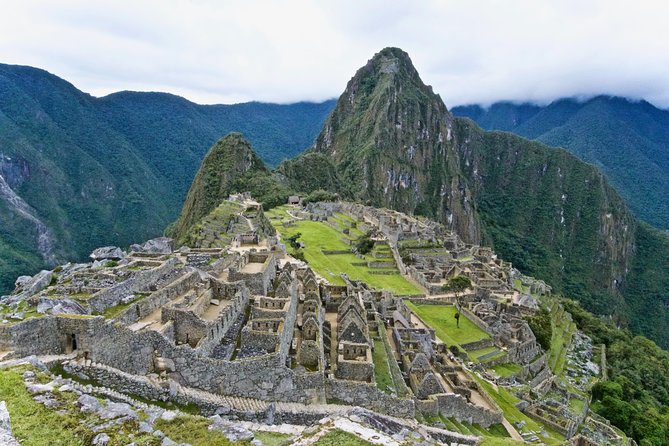
After breakfast at the hotel, you take a bus to Machu Picchu. The round-trip bus ticket is not included, so budget for it separately. Once inside, a guide leads a two-hour walking tour of the site.
The guided visit gives you a useful framework for the ruins and their setting. You can then have some additional time at Machu Picchu if you are not climbing Huayna Picchu.
Huayna Picchu is optional and costs extra. If you have selected it, the hike begins at 10 a.m. The tour information does not promise a flexible schedule for this climb, so check entry arrangements carefully during the briefing. If you are not doing it, use the extra time to see more of Machu Picchu before returning to Aguas Calientes.
Lunch on day five is not included. That is easy to manage, but it is worth remembering when comparing the advertised price with your total trip budget.
From Aguas Calientes, you take the included expedition train to either Ollantaytambo or Poroy. From there, a private van takes you to Cusco. The full return journey makes this a long final day, even though the scheduled Machu Picchu portion is listed at about three hours.
What the support package really adds
The strongest part of this tour is not one single attraction. It is the amount of work handled behind the scenes.
You do not have to carry tents, cooking equipment, food, tables, or chairs. Wranglers and horses move the camp supplies, while one horse carries up to 8 kilograms of your personal belongings. An emergency horse is also available if the situation calls for it.
The meal setup is another major advantage. Breakfast, lunch, and dinner are included across the five days, with five breakfasts, four lunches, and four dinners listed. A chef and assistant chef prepare the food, and the dining tent gives the group a proper place to sit.
Medical support includes emergency oxygen and a medical kit. That is reassuring at altitude, though it is not a substitute for acclimatization or honest communication with your guide. If you feel unwell, speak up early.
The main omissions are easy to overlook:
- Sleeping bag
- Hiking poles
- Round-trip bus ticket to Machu Picchu
- Lunch on day five in Aguas Calientes
- Tips for the guide, chef, and muleteers
Tips are not included, so carry enough cash for the crew. The booking information does not specify an amount, and you should ask at the briefing if you want local guidance.
Who should book this Salkantay Trek?
This trip suits you if you want a physically demanding route with strong logistical support. It is a good match for hikers who value scenery, local food, cultural explanations, and a mix of camping and hotel comfort.
You should have a moderate fitness level. The altitude is the bigger issue than speed. Day two reaches 15,252 feet, and the first two days require good effort. The route becomes more moderate after the pass, but it does not become effortless.
I would choose this trek over a short sightseeing package if the journey to Machu Picchu matters as much as the destination. You get time in the mountains, a coffee plantation visit, a high pass, and a gradual change into rainforest.
I would think twice if you dislike early starts, shared tents, long descents, changing weather, or basic camp toilets. This is not a luxury walking holiday, even with mattresses, pillows, hot washing water, and excellent food.
Practical packing advice for five days
Bring your original passport. If you received a new passport after booking, bring both the old and new documents.
Your clothing should cover cold high-altitude mornings, sun, rain, and warmer forest conditions. The recommended list includes trekking boots, a warm fleece, T-shirts, socks, warm underwear, light long pants, gloves, a sun hat, and a rain jacket.
Also pack sunscreen of SPF 35 or higher, sunglasses, insect repellent, toiletries, toilet paper, wet wipes, a personal towel, and a head lamp. Spare camera batteries are useful because batteries run down faster at high altitude.
A daypack should hold the things you need while walking. Your larger duffle goes with the support horse, within the 8-kilogram limit. The tour offers rental sleeping bags and trekking poles, so arrange those before departure rather than waiting until the first morning.
The cancellation terms are simple: you can receive a full refund if you cancel at least 24 hours before the local start time. Cancellations or changes inside that window are not accepted for a refund.
Should you book it?
I would book this Salkantay Trek if you want Machu Picchu reached by a real mountain route, not simply by train, and you appreciate having meals, horses, camp staff, guides, and return transport arranged for you.
The best reasons are the high pass, Humantay Lake, the rainforest transition, the coffee plantation, and the first view of Machu Picchu from Llactapata. The best practical reasons are the small group limit, strong guide support, included train, and hotel night in Aguas Calientes.
The deciding question is your readiness for altitude. If you can arrive in Cusco early enough to acclimatize and you are comfortable with two demanding opening days, the $690 package offers good value. If you want a relaxed path with short walks and easy mornings, choose a less strenuous Machu Picchu option.
FAQ
How long is the Salkantay Trek to Machu Picchu?
The experience lasts five days and four nights, beginning with an early pickup in Cusco and ending with train and private van transport back to Cusco.
What time does the trek start?
The stated start time is 4:30 a.m. on day one.
What is the highest point of the trek?
The highest point is the Salkantay Pass at 15,252 feet.
Is camping equipment included?
Yes. The package includes a four-person tent shared by two people, a mattress, pillow, kitchen tent, dining tent, tables, chairs, and a toilet tent with a portable toilet.
Is a sleeping bag included?
No. A down or synthetic sleeping bag is required, and one can be rented from the operator.
Is the bus ticket to Machu Picchu included?
No. The round-trip bus ticket from Aguas Calientes to Machu Picchu is not included.
Is Huayna Picchu included?
No. The Huayna Picchu climb is optional and costs extra. If selected, the hike begins at 10 a.m. on day five.
More 5-Day Experiences in Cusco
- Ausangate Trek 5 Days
★ 5.0 · 74 reviews - Classic Choquequirao Trek – 5 Days / 4 Nights
★ 5.0 · 52 reviews - Ultimate Lares Trek & Inca Trail 5 days
★ 5.0 · 47 reviews - Wonderful Cusco 5-Day Tour with Entrance to Machupicchu
★ 5.0 · 46 reviews
More Hiking & Trekking in Cusco
- From Cusco: 7 Lakes Ausangate Trek with Breakfast and Lunch
★ 4.8 · 360 reviews - Cusco: Rainbow Mountain Tour and Red Valley Hike (Optional)
★ 4.7 · 149 reviews - Cusco: Full-Day Rainbow Mountain & Red Valley Trekking Tour
★ 4.5 · 121 reviews - From Cusco: Rainbow Mountain Trek
★ 4.5 · 98 reviews
Just added around Cusco
- Waqrapukara 1 day trekking + meals★ 3.9 · 3 reviews
- Zipline over the Sacred Valley Trip★ 5.0 · 11 reviews
- Valle Sur Cusco | half day★ 4.3 · 3 reviews
- Visit to the Cochahuasi Animal Sanctuary with rescued animal★ 4.1 · 4 reviews
- Visit Pisac from Cusco: Private Transport★ 4.6 · 9 reviews
- Maras and Huaypo lagoon by ATV from Cuzco | Local Operator★ 4.7 · 4 reviews
- Trek to Humantay Lake from Cusco★ 4.9 · 8 reviews
- Trek to Choquequirao 4 days★ 3.8 · 4 reviews
Machu Picchu Tours, compared.



4-Day Inca Trail to Machu Picchu with Accommodation
Read our review →
2-Day Trip to the Sacred Valley and Machu Picchu
Read our review →
Machu Picchu 2-Day Inca Trail with Panoramic Train
Read our review →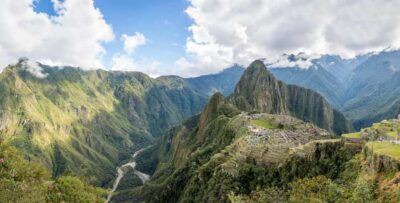
Browse the lists this tour appears in