
Reviewed · AUSANGATE TREKS
Ausangate Trek 5 Days
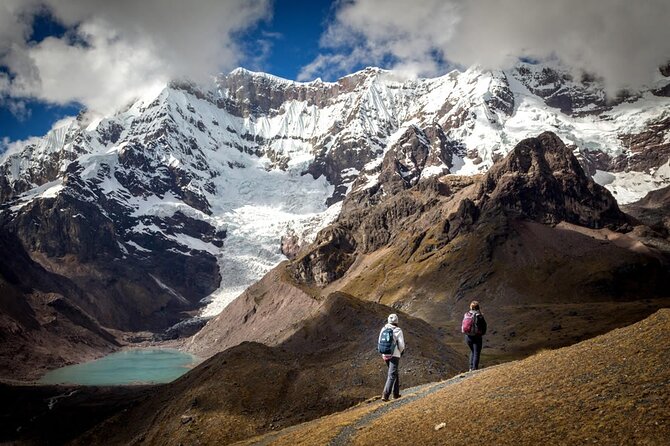
Ausangate is Peru’s high-country answer to the Inca Trail: fewer people, bigger mountain scenery, and a route that stays close to glaciers, turquoise lakes, alpacas, and rural Quechua communities. The five-day circuit reaches 5,200 meters at Palomani Pass, so this is a serious trek, not a gentle sightseeing trip with a little walking added.
I like the small maximum group of 10, which makes the long days more personal and gives your guide room to adjust the pace. I also like the practical comforts: hot meals, cooks and horse support, hot springs at Upis and Pacchanta, and a final visit with a local family focused on food and weaving.
The main thing to consider is altitude. You camp as high as 4,630 meters, and the cold can be severe after sunset. The route is beautiful and well supported, but you need a moderate fitness level, warm mountain clothing, and a sensible attitude toward high-altitude hiking.
In This Review
- Key points to know before booking
- Why the $660 price can be good value
- Day 1: From Cusco to Upis hot springs
- Day 2: Arapa Pass, Puqa Q’ocha, and two high crossings
- Day 3: Palomani Pass at 5,200 meters
- Day 4: Blue lakes and Pacchanta’s hot springs
- Day 5: Local food, weaving, and the road back to Cusco
- Food, horses, and camp comfort
- How hard is the five-day route?
- Guides and the cultural side of the route
- Who should book this Ausangate trek?
- Booking details and cancellation terms
- Should you book the Ausangate Trek?
- FAQ
- How long is the Ausangate Trek?
- Where does the trek start?
- What is the highest point of the trek?
- How many people can join the tour?
- What meals are included?
- Is camping equipment included?
- Are entrance fees included?
- Does the trek include hot springs?
- What happens if bad weather cancels the tour?
Key points to know before booking
- 5,200-meter Palomani Pass: The highest point of the trek comes on Day 3, after a demanding climb from a camp already above 4,500 meters.
- Two hot-spring stops: Soak at Upis on the first night and Pacchanta on the fourth day, a welcome reward after several cold hours on the trail.
- Small groups with full camp support: The tour accepts up to 10 people and includes cooks, horse drivers, camping equipment, and horses for carrying gear.
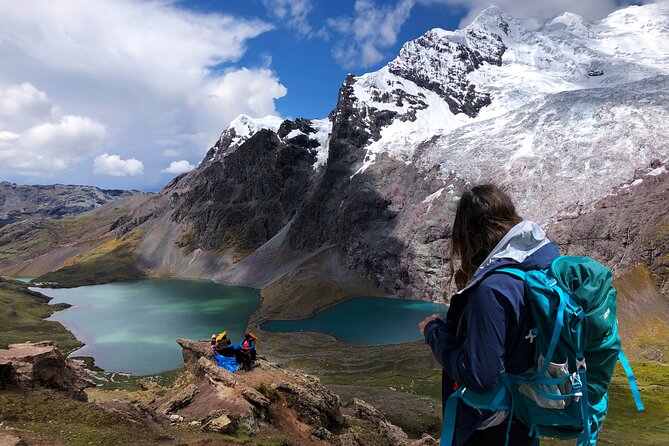
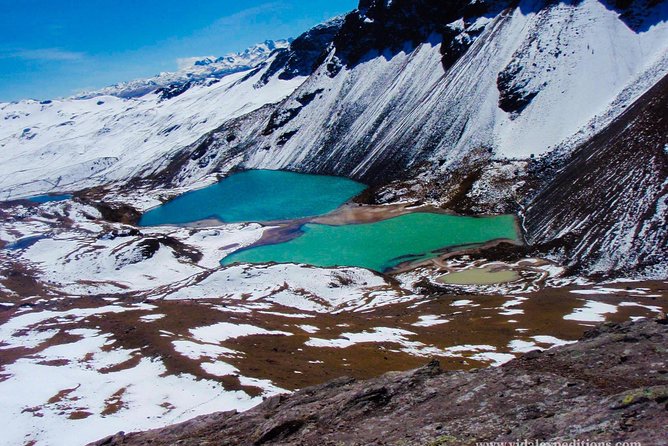
- Glacial lakes and Ausangate views: Expect turquoise and deep-blue lakes, snowy peaks, broad high valleys, and very few other hiking groups.
- A cultural finish: Day 5 includes local food, traditional customs, and weaving techniques with a Peruvian family before the return to Cusco.
- Price and exclusions: At $660 per person, the package includes four breakfasts, five lunches, four dinners, and camping support, but not the 20-sol entrance fee or sleeping bag.
The Ausangate circuit is one of the best choices in the Cusco region if you want mountain scenery without the crowds of the Inca Trail. The route circles Ausangate, one of the area’s great sacred peaks, and spends most of its time in remote country far from towns and roads.
You will not get the archaeological ruins found on the Inca Trail. Instead, you get ice, rock, grazing alpacas, high passes, glacial lakes, and a closer look at life in Peru’s high Andes. A guide may also explain the spiritual role of Ausangate, known as an Apu, or sacred mountain.
Vidal Expeditions runs the trip with a guide, cook, horse driver, and assistant support staff. Guides named in the supplied trip material include Guillermo, Urbano, and Chino. The exact guide depends on the departure, but the guiding style is clear: cultural stories, explanations of local wildlife and customs, and practical help on the trail.
Why the $660 price can be good value
The listed price is $660 per person. That is not a bargain-basement trek, but it covers more than a basic walking tour. You receive camping equipment, horses to carry equipment, five lunches, four dinners, and four breakfasts. Private transportation takes you from Cusco to the trailhead, and a bus returns you to Cusco at the end.
That support matters in a place where every extra item feels heavy. You are hiking at elevations from 3,800 to 5,200 meters, and the cold makes a good tent, warm meals, and organized camp support especially useful. The horse team also handles much of the equipment, so you are not carrying a full expedition pack.
The exclusions are simple but worth noting. You must pay the entrance fee of 20 soles and bring or rent a sleeping bag. The package also does not list personal snacks, drinks beyond the included meals, or any extra equipment, so ask the operator what camping gear is supplied before you leave Cusco.
The small group adds value. With no more than 10 people, you should have a better chance of speaking with your guide and keeping a steady group pace than on a large departure. Some departures may be much smaller. One experience described a trek for just two people, but you should not assume every date will be private or nearly private.
More Ausangate Treks in Cusco
- From Cusco: 7 Lakes Ausangate Trek with Breakfast and Lunch
★ 4.8 · 360 reviews - Excursion to Ausangate & 7 lakes with Coca Ceremony |Private|
★ 5.0 · 80 reviews - Full-Day Tour to Ausangate 7 Lakes
★ 5.0 · 56 reviews
Day 1: From Cusco to Upis hot springs
Your guide meets you in Cusco at about 5:00 a.m. The early start is practical, since you need time to reach Tinke and then the trailhead at Rondoca. At Tinke, you can buy last-minute supplies and have breakfast before continuing by private transport.
Rondoca is where the walking begins and where you meet the rest of the trekking team, including the cook and horse driver. The first hiking section takes about two hours before lunch. Along the way, you begin to appreciate the bulk of Ausangate, which grows more impressive as you leave the road behind.
After lunch, the route continues toward Upis. The day covers about 8 kilometers, with roughly three to four hours of hiking. The elevation rises from about 3,800 meters to a camp near 4,200 meters, so even this shorter opening day can feel harder than the distance suggests.
The reward is Upis hot springs. You can soak your tired legs while looking toward the mountains and drinking coca tea before dinner. This is a smart first-night arrangement: you get a taste of the high route without starting with the longest or highest pass.
Do not treat the hot springs as proof that the whole trek will feel easy. You are already sleeping at high altitude, and the temperatures can drop sharply at night. Get into your warm sleeping gear early and keep your important clothing dry.
Day 2: Arapa Pass, Puqa Q’ocha, and two high crossings
Day 2 is the first major test. The support team wakes you with hot coca tea, followed by breakfast before the trail climbs to Arapa Pass at 4,850 meters.
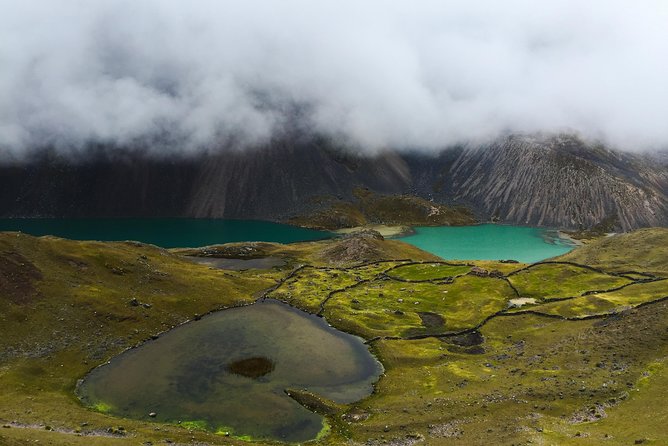
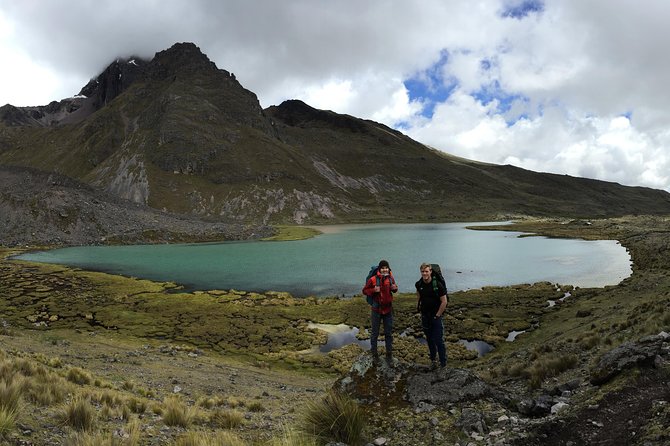
The climb is demanding because of altitude rather than distance alone. You then descend for about two and a half hours through a valley, passing the green lake of Puqa Q’ocha before reaching turquoise Jatun Puqa Q’ocha. The changing colors are one of the pleasures of this trek. The route is not simply a march from one camp to another, since each section brings a new lake or angle on Ausangate.
Lunch beside Jatun Puqa Q’ocha gives you time to rest and take photographs. From there, you climb again to Apacheta Pass at about 4,980 meters. A bright turquoise lake below is fed by snowmelt from Ausangate, giving you a clear connection between the ice above and the water at your feet.
The final descent takes about an hour to Ausangate Qocha, where you camp at roughly 4,630 meters. The day covers about 12 kilometers and seven hours of hiking, with a stated duration of eight hours. That difference reflects breaks, meals, photo stops, and the slow pace required at this altitude.
This is the day when your preparation starts to matter. Walk steadily, drink regularly, and tell your guide if you feel unwell. The itinerary gives you no shortcut around the passes, though the horses carry equipment and the small group format may make the pace more manageable.
Day 3: Palomani Pass at 5,200 meters
Day 3 reaches the highest point of the circuit: Palomani Pass at 5,200 meters, or about 17,060 feet. From the camp near 4,600 meters, the climb takes around two hours, but at this elevation that short distance can feel long.
At the pass, the guide performs a ceremony for Apu Ausangate. This gives the day more meaning than simply reaching a high point for a photograph. The ceremony connects the physical mountain route with Andean beliefs about sacred peaks and the forces that shape life in the highlands.
After Palomani, you descend for about an hour to Uchuy Phinaya for lunch. The afternoon continues for several more hours to the next camp. The listed figures vary slightly, with about 13 kilometers, six to seven hours of walking, and camp near 4,500 meters.
This is likely the hardest day, even though Day 2 is also long. The high point is reached early, but the descent and afternoon walking still require energy. If your pace is slow, the guide may need to manage the group carefully so that no one spends too long exposed to cold or exhaustion.
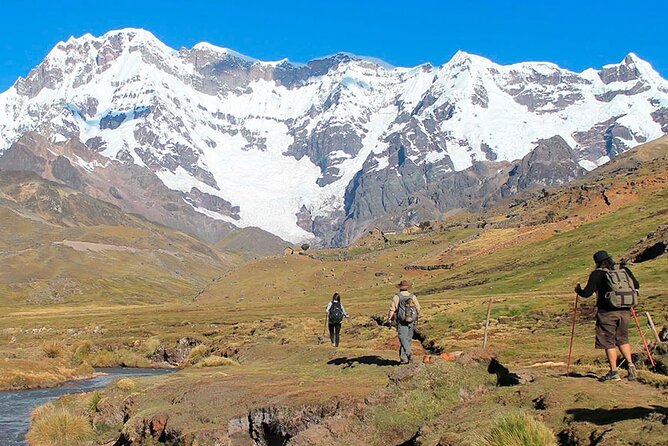
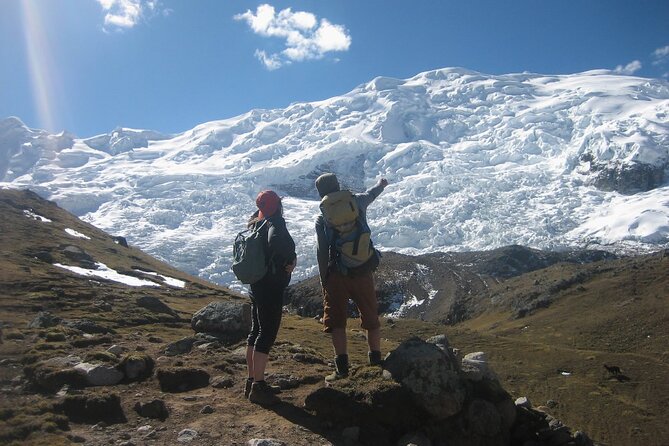
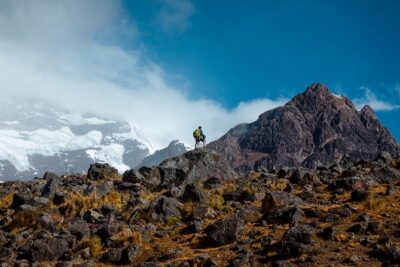
The scenery is the reason to keep going. You are surrounded by high Andean country with Ausangate nearby, broad open valleys, and the stark colors created by rock, snow, grass, and glacial water. You may also see alpacas in the area, one of the memorable signs that this is still a working rural region rather than a mountain route built only for tourism.
Same valley, a completely different kind of day:
- Cusco: Humantay Lake Tour with Breakfast and Buffet Lunch
★ 4.9 · 2,976 reviews - From Cusco: Sacred Valley & Maras Salt Mines Tour with Lunch
★ 4.8 · 2,227 reviews - From Cusco: Moray, Maras Salt Mines & Chinchero Weavers Tour
★ 4.8 · 1,925 reviews - From Cusco: Full-Day Group Tour of Machu Picchu
★ 4.7 · 1,767 reviews
Day 4: Blue lakes and Pacchanta’s hot springs
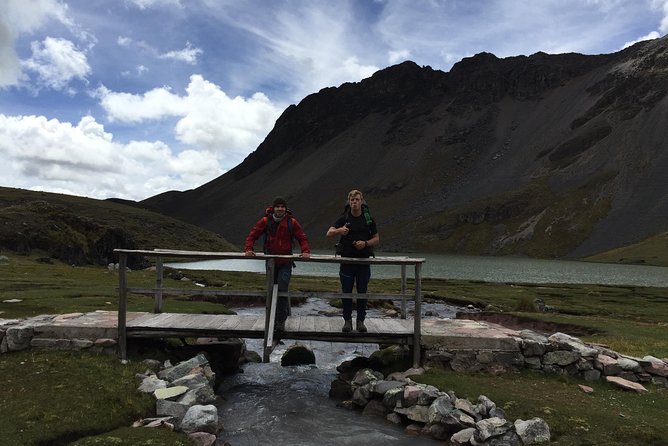
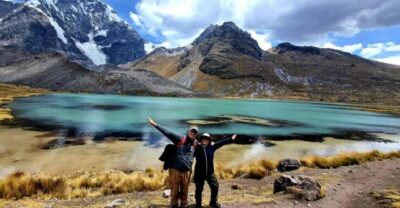
Day 4 is shorter at about six hours and focuses on the lakes. You cross one more pass and continue past deep-blue lagoons and glacial lakes colored by mineral-rich water and melting ice.
The route gives you more views of Ausangate from a different angle, along with sights toward Pacchanta Valley. The itinerary even allows for a cold swim for anyone brave enough to jump into one of the lakes. That is optional, of course, and the water will be extremely cold at this altitude.
The destination is Pacchanta, a village known for its hot springs. After several nights in tents and long hours above 4,000 meters, a warm soak is more than a pleasant extra. It gives your body a chance to relax before the final cultural day and return trip.
The day covers about 15 kilometers, with the camp elevation descending from around 4,300 meters. Even with less climbing, the distance remains substantial. Keep your walking shoes on and do not assume the final hiking day will be effortless.
Pacchanta is also a reminder of the route’s balance. You are not being rushed from one photographic viewpoint to another. The schedule includes time for rest, water, hot springs, and looking carefully at the mountain country around you.
Day 5: Local food, weaving, and the road back to Cusco
After breakfast, you complete the circuit around Ausangate and join a ceremony with a local family. The family demonstrates traditional customs, prepares local food, and shows weaving techniques.
This final visit is valuable because it puts the mountain scenery in a human setting. During the trek, you see remote villages and working highland communities, but the cultural session gives you a planned chance to learn about daily traditions instead of passing through without context.
The final walking section takes about three hours. After the family visit, you take a bus back to Cusco. The trip ends with a road journey rather than another night in camp, so you return to the city after four nights outdoors.
The schedule does not give an exact arrival time in Cusco. Plan around the stated five-day duration, but avoid booking an important flight or fixed evening commitment on the same day unless the operator confirms the timing.
Food, horses, and camp comfort
The food is one of the strongest parts of this experience. A dedicated cook prepares breakfast, lunch, and dinner in camp, and the package includes five lunches, four dinners, and four breakfasts. The exact menus are not provided, but the emphasis is on hot, filling meals after long days.
Cooks named in the trip material include Benigno and Beni, with Euden also serving as an assistant cook on one departure. The positive descriptions of the food include variety, generous portions, and meals that exceeded expectations for a remote trek. That matters when you are burning energy at high altitude.
Angel is named as a horse driver on some departures. The horse team transports equipment and helps with camp work, including setting up and taking down tents. This is a useful distinction: horses carry the group’s gear, not necessarily the full weight of every personal item you bring.
Camping equipment is included, but the sleeping bag is not. Confirm exactly what tent and sleeping equipment are supplied, then bring a sleeping bag suited to very cold nights. Warm layers, gloves, a hat, and dry socks are not luxuries here.
How hard is the five-day route?
The tour calls for moderate physical fitness, but the altitude makes that description worth qualifying. You face daily walks of about six to eight hours, distances from 8 to 15 kilometers, and several passes close to 5,000 meters.
A fit person can still struggle if not adjusted to the altitude. The itinerary begins high and stays high, with camps at approximately 4,200, 4,630, 4,500, and 4,300 meters. You should take the first day slowly and use your guide’s advice on pace and rest.
The route is not suited to someone looking for a relaxed introduction to hiking. It is better for an active visitor who wants a remote mountain circuit and accepts that some days will be tiring. The hot springs and support crew soften the experience, but they do not remove the physical demands.
The high passes are also exposed and cold. Bring layers you can add or remove, protect your hands and head, and keep rain and wind protection close. The supplied trip information specifically notes that evenings and nights can be as cold as those in the Himalaya, so pack for real mountain conditions.
Guides and the cultural side of the route
The guiding team adds much of the meaning to this trek. Guillermo, Urbano, and Chino are among the guides associated with departures, and their roles include explaining local culture, wildlife, terrain, and the spiritual importance of Ausangate.
A good guide is especially useful here because the route is more than a series of mountain views. The Apu ceremony at Palomani Pass, the coca tea at Upis, the local family visit, and the weaving demonstration all make more sense when someone explains the customs respectfully.
Urbano is also noted for helping with photography, including taking memorable photographs during the walk. That is a pleasant bonus, but the more important benefit is having a guide who can keep the group organized and help you move safely through high terrain.
The route feels remote. You may go long stretches without seeing another hiking group, a major plus if you prefer quiet mountain country. That isolation also means you should listen to your guide and carry what you need for changing weather.
Who should book this Ausangate trek?
You should consider this trek if you want:
- High mountain scenery instead of ruins and busy paths
- A small group with a maximum of 10 people
- Cooked meals and horse support
- Cultural contact with a local family
- Hot springs during and after the hiking route
- A trek that feels remote and physically demanding
You may want a different trip if you prefer low-altitude walks, comfortable hotels, short daily outings, or a strong focus on archaeology. Ausangate offers little in the way of famous ruins. Its appeal is the mountain itself and the way rural life continues around it.
This is also a good choice if you value a full-service camp without booking a private expedition. You still need to carry personal essentials, but the cook and horse team handle much of the work that makes independent trekking difficult.
Booking details and cancellation terms
The tour starts at about 5:00 a.m. in Cusco, and confirmation is provided when you book. It averages being booked 17 days ahead, so arranging it at least a couple of weeks before departure is sensible.
The group maximum is 10 people. The experience requires a minimum number to operate, and poor weather can also lead to cancellation. In either case, you are offered another date or experience, or a full refund.
You can cancel for a full refund up to 24 hours before the start time. Cancellations or changes made less than 24 hours before the local start time are not accepted for a refund.
Should you book the Ausangate Trek?
Book it if your priority is dramatic, uncrowded mountain scenery, and you are prepared for four nights of cold camping at very high altitude. The combination of glacial lakes, Ausangate views, hot springs, local food, and a small support team gives the $660 price solid value.
I would be cautious if you have little hiking experience or have not planned for altitude. The route is demanding even with horses and cooks, and Palomani Pass is a real high-mountain crossing.
For the right person, this is one of the more rewarding ways to experience the Cusco region. Pack warm, start slowly, ask about the sleeping bag and camping gear before departure, and choose this trek for the mountains and cultural encounters, not for an easy holiday.
FAQ
How long is the Ausangate Trek?
The trek lasts approximately five days and includes four nights of camping.
Where does the trek start?
Your guide meets you in Cusco at about 5:00 a.m. Private transport takes you to Tinke and then to Rondoca, where the hiking begins.
What is the highest point of the trek?
The highest point is Palomani Pass at 5,200 meters, or about 17,060 feet, reached on Day 3.
How many people can join the tour?
The tour has a maximum of 10 travelers.
What meals are included?
The package includes five lunches, four dinners, and four breakfasts.
Is camping equipment included?
Yes. Camping equipment is included, along with horses for transporting equipment. A sleeping bag is not included.
Are entrance fees included?
No. The entrance fee is listed separately at 20 soles.
Does the trek include hot springs?
Yes. You can visit hot springs at Upis on Day 1 and Pacchanta on Day 4.
What happens if bad weather cancels the tour?
If poor weather causes cancellation, you are offered a different date or experience, or a full refund.
More 5-Day Experiences in Cusco
- Small Group 5 Days Salkantay and Machu Picchu by Llactapata Tour
★ 5.0 · 88 reviews - Machu Picchu: 5-Day Salkantay Trek with Panoramic Train
★ 5.0 · 79 reviews - Classic Choquequirao Trek – 5 Days / 4 Nights
★ 5.0 · 52 reviews - Ultimate Lares Trek & Inca Trail 5 days
★ 5.0 · 47 reviews
More Hiking & Trekking in Cusco
- Cusco: Rainbow Mountain Tour and Red Valley Hike (Optional)
★ 4.7 · 149 reviews - Cusco: Full-Day Rainbow Mountain & Red Valley Trekking Tour
★ 4.5 · 121 reviews - Salkantay Trek Challenge – 3 Days / 2 Nights
★ 5.0 · 101 reviews - From Cusco: Rainbow Mountain Trek
★ 4.5 · 98 reviews
Just added around Cusco
- Waqrapukara 1 day trekking + meals★ 3.9 · 3 reviews
- Zipline over the Sacred Valley Trip★ 5.0 · 11 reviews
- Visit to the Cochahuasi Animal Sanctuary with rescued animal★ 4.1 · 4 reviews
- Valle Sur Cusco | half day★ 4.3 · 3 reviews
- Visit Pisac from Cusco: Private Transport★ 4.6 · 9 reviews
- Maras and Huaypo lagoon by ATV from Cuzco | Local Operator★ 4.7 · 4 reviews
- Trek to Humantay Lake from Cusco★ 4.9 · 8 reviews
- Trek to Choquequirao 4 days★ 3.8 · 4 reviews
Ausangate Treks, compared.
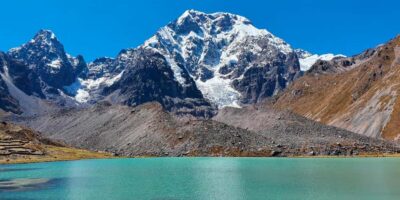
7 Lakes Ausangate Trek with Breakfast and Lunch
Read our review →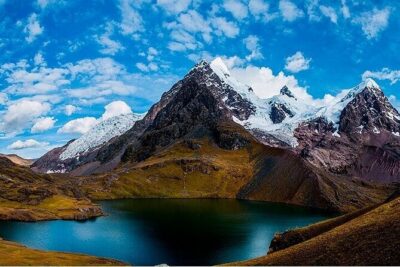
Excursion to Ausangate & 7 lakes with Coca Ceremony |Private|
Read our review →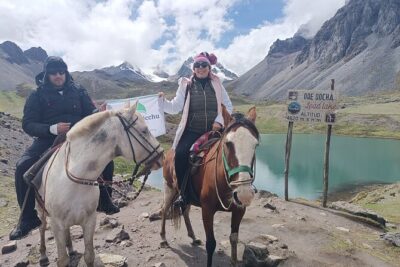
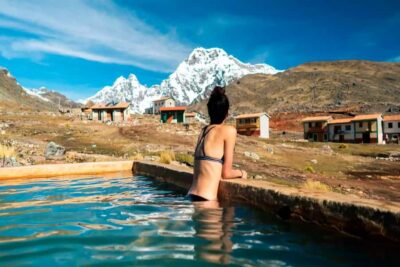
Ausangate and Rainbow Mountain Trek – 3 Days / 2 Nights
Read our review →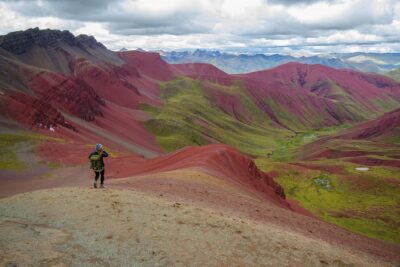
6 day Rainbow Mountain x Ausangate Trek – FlashpackerConnect
Read our review →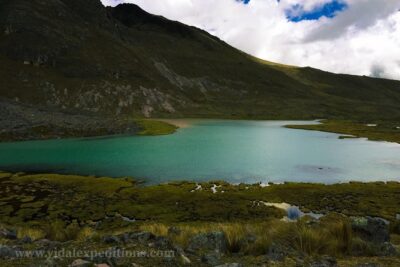
Browse the lists this tour appears in