
Reviewed · RAINBOW MOUNTAIN TOURS
6 day Rainbow Mountain x Ausangate Trek – FlashpackerConnect
The real draw here is that Rainbow Mountain is the finale, not the whole show. You spend five days crossing high Andean passes, sleeping near glaciers and lagoons, meeting local herders, and walking through country that a quick day trip simply cannot reach.
I like the hot springs at Upis on the first day, a smart reward after the drive from Cusco, and I like the practical support: pack horses carry the camp gear, a chef prepares five breakfasts, lunches, and dinners, and your duffel can weigh up to 6 kilograms. The catch is serious: this is a high-altitude trek, with passes above 5,000 meters and several 7 to 8-hour hiking days.
In This Review
- Key points to know before booking
- Why this six-day route is different
- Day one: Tinqui, Upis, and a hot spring at 4,200 meters
- Day two: the seven lagoons of Ausangate
- Day three: Qampa Pass and the first hard test
- Day four: Palomani Pass, the trek’s highest point
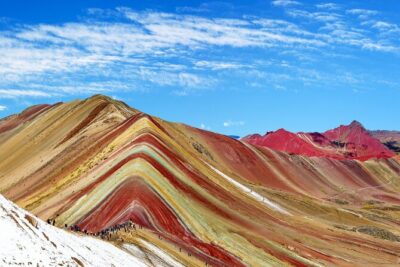
- Day five: red hills and the first view of Rainbow Mountain
- Day six: Rainbow Mountain and the Red Valley
- What the $1,050 price really covers
- Camping, food, and what to carry
- Group size, pace, and the cancellation concern
- Who should book this trek
- Should you book the Ausangate and Rainbow Mountain trek?
- FAQ
- How long is the trek?
- What time does the trek start?
- How high does the route go?
- How difficult is the trek?
- Is Rainbow Mountain visited during the trek?
- Are meals included?
- What camping equipment is supplied?
- Can I bring a vegetarian meal request?
- Is the trek refundable if I cancel?
Key points to know before booking
- Rainbow Mountain arrives on day six, after a far more remote route around Ausangate.
- Palomani Pass reaches 5,130 meters, the highest point of the trek.
- Upis hot springs offer a welcome soak on the opening afternoon.
- Pack horses carry shared gear and up to 6 kilograms of your belongings, reducing your load.
- The group is capped at eight people, with a guide, horseman, chef, tents, sleeping bags, and a portable toilet included.
- The $1,050 price includes nearly all trek essentials, but personal hiking equipment and a riding horse cost extra.
Why this six-day route is different
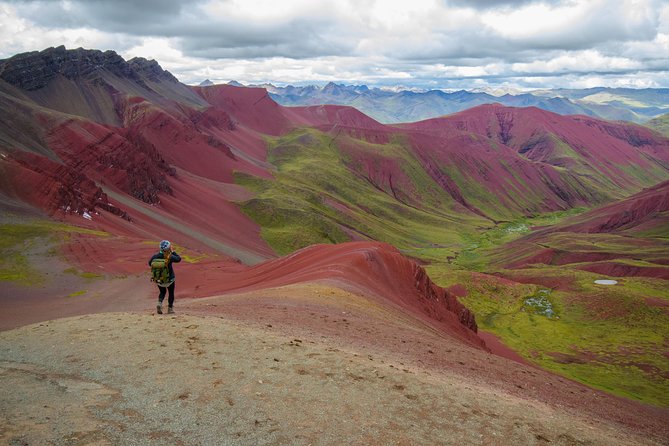
Most people who visit Rainbow Mountain make a long day trip from Cusco, arrive after a rough early-morning ride, take a few photos, and leave. This trip takes the slower route. Rainbow Mountain is saved for the final morning, after you have crossed the Ausangate region on foot.
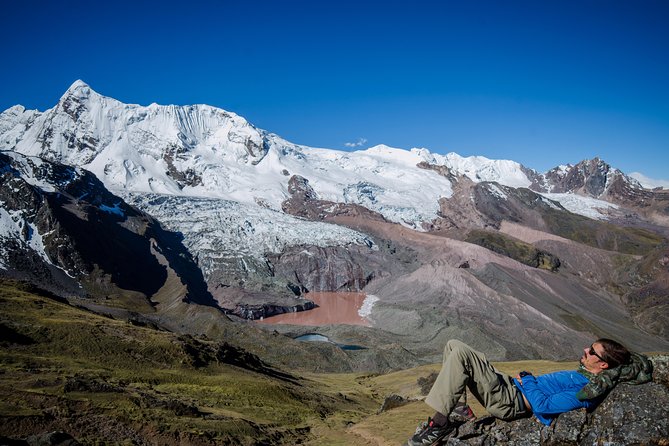
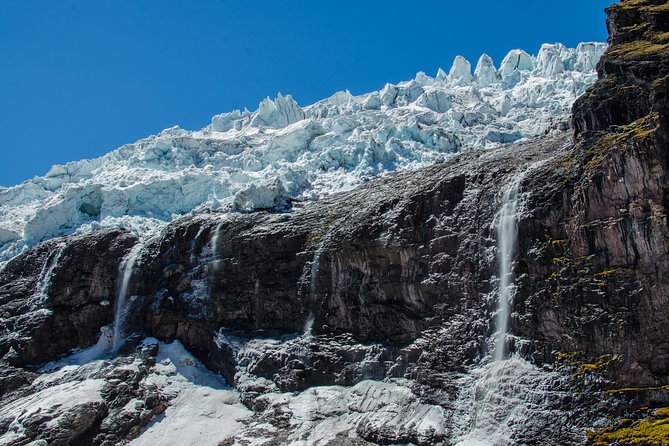
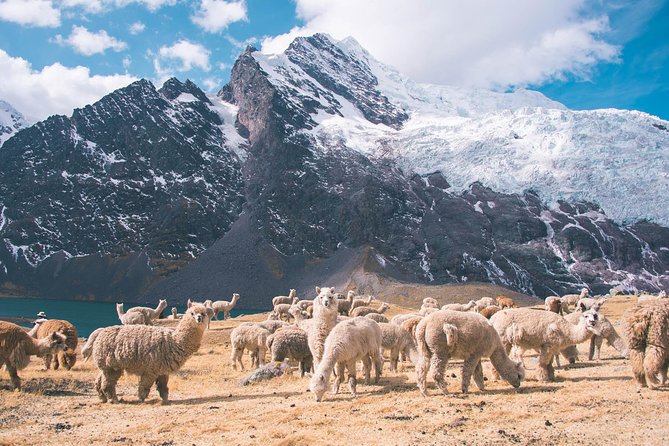
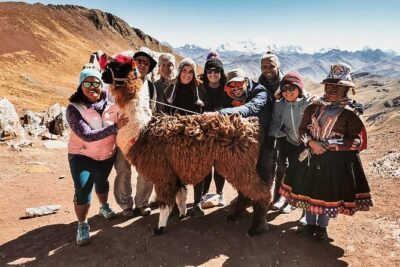
That changes the experience. You see seven lagoons, glaciers, grazing alpacas and llamas, multicolored hills, and broad valleys. You also spend five nights camping at elevations from about 4,200 meters to 4,600 meters, so the scenery comes with a real physical cost.
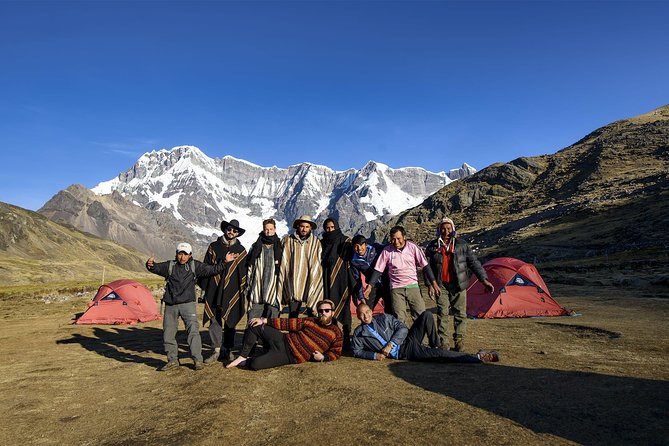
FlashpackerConnect keeps the group small, with no more than eight people. That matters on a route where hiking speeds can vary and where a guide must pay attention to altitude, weather, and uneven ground. The trip includes private transport from and back to your Cusco hotel, so you do not need to arrange a separate transfer to Tinqui.
The overall score is listed at 4.9 out of 5 from 30 ratings, with 97 percent recommending the experience. That is a strong signal for the overall package, but one major warning deserves attention: one booking was canceled only a couple of days before departure, disrupting a carefully planned Peru trip. The minimum booking requirement is two people, and the experience can be canceled if that minimum is not reached. Since the booking is non-refundable, I would confirm departure status before building your entire Cusco schedule around it.
More Ausangate Treks in Cusco
- From Cusco: 7 Lakes Ausangate Trek with Breakfast and Lunch
★ 4.8 · 360 reviews - Excursion to Ausangate & 7 lakes with Coca Ceremony |Private|
★ 5.0 · 80 reviews - Ausangate Trek 5 Days
★ 5.0 · 74 reviews
Day one: Tinqui, Upis, and a hot spring at 4,200 meters
Your guide picks you up in Cusco at about 6:00 in the morning for private transport to Tinqui, the trek’s starting point. The drive takes much of the morning, and the first lunch is served locally while the horse team loads the gear.
The opening hike is gentle by the standards of the week. You walk for about two to three hours toward Upis, where camp is set at roughly 4,200 meters. That altitude is already higher than many visitors expect, so this short first day is useful. You get a chance to settle into the pace before the harder passes arrive.
The best feature of day one is the hot spring stop. After the drive and a short hike, you can soak while drinking coca tea and looking toward the surrounding mountains. It is a simple comfort, but a good one. The hot water gives your legs a break before dinner and your first night in a tent.
Do not treat this day as effortless. Cusco itself is high, and Upis is higher still. The short walking time does not remove the altitude challenge. Move slowly, drink what is offered, and keep warm after leaving the springs.
Day two: the seven lagoons of Ausangate
The day begins at 5:00 in the morning, with coca tea or coffee delivered to your tent. Breakfast follows, then you set out toward the seven lagoons of Ausangate.
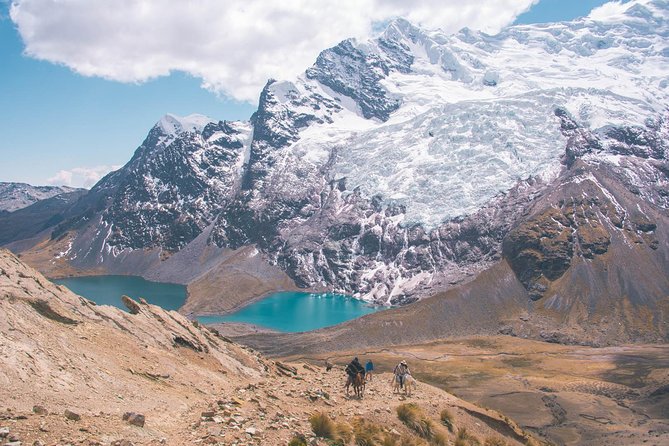
This is one of the most scenic days of the route. The path passes farmers, alpacas, and high mountain lakes, with Ausangate and other major peaks filling the horizon. The stated hiking time is about five hours over 10 kilometers, a manageable distance if you are already adjusting well to the altitude.
The guide explains the area as you walk, and you might spot condors, chinchillas, or vicuñas. These sightings are not guaranteed, but the chance of seeing wildlife adds interest to what could otherwise be a long day of rock, grass, and sky.
Camp is at Ninaparayuc, surrounded by some of the region’s tallest mountains. After lunch, you can explore nearby lagoons rather than simply crawl into your tent. That free time is valuable because the route gives you room to experience the setting at your own pace.
The support setup begins to show its value here. Your tent is prepared, meals are cooked, and the horses carry the group’s main equipment. You still need to carry a daypack with water, warm layers, rain protection, and personal items, but you are not hauling a full camping load.
Day three: Qampa Pass and the first hard test
Day three is a major step up. You climb Qampa Pass at 5,051 meters, then descend into the Qampa Valley. The distance is about 14 kilometers, and hiking takes seven to eight hours.
The reward for the climb is the view toward Ausangate. From the pass, you can look across glaciers and high valleys before descending among llamas. This is the sort of walking that makes the trip different from a standard Rainbow Mountain outing. The mountain scenery is not confined to one famous viewpoint.
After lunch at Surapampa, the route drops through an ancient moraine. This is a good place to watch for mountain chinchillas, described here as Andean rabbits. They are not guaranteed to appear, so keep your expectations modest and your camera ready.
The campsite at Huchuy Phinaya comes after a long day. Dinner should feel well earned. This is also the point when fitness matters most. Seven or eight hours at altitude can feel much harder than the same distance at sea level, particularly after a steep pass and a long descent.
More rainbow mountain tours in Cusco:
- Cusco: Rainbow Mountain Tour and Red Valley Hike (Optional)
★ 4.7 · 149 reviews - Private Rainbow Mountain Full Day Tour from Cusco
★ 5.0 · 129 reviews - From cusco: Rainbow Mountain ATV Tour with meals
★ 4.5 · 121 reviews - Cusco: Full-Day Rainbow Mountain & Red Valley Trekking Tour
★ 4.5 · 121 reviews
Day four: Palomani Pass, the trek’s highest point
Day four brings the highest pass: Palomani at 5,130 meters, or about 16,831 feet. That number is not a decorative detail. At this height, cold, wind, thin air, and exertion can combine quickly, even for people who are fit.
The route continues past multicolored hills and more glacial lagoons before the climb. After reaching Palomani, you descend into a valley for lunch, then walk another two hours toward Puca Cocha, your next camp at about 4,600 meters.
The day covers around 14 kilometers and takes seven to eight hours. It is demanding, but the route gives you a clear rhythm: climb, pause, descend, eat, then continue. Tea time at camp and a cooked dinner provide a welcome end to the day.
I would consider this the trek’s key decision point. If you want a high-altitude adventure and have prepared properly, the pass is a major achievement. If you prefer casual hiking, this route is not a good match. The experience description calls for strong physical fitness, and that is accurate.
Day five: red hills and the first view of Rainbow Mountain
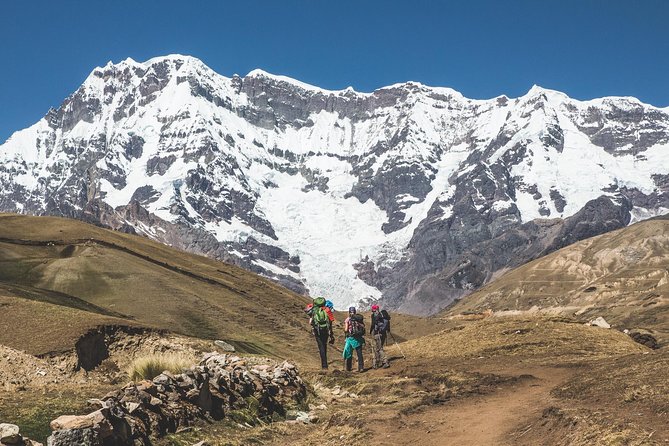
The fifth day covers about 13 kilometers and takes six to seven hours. You begin with the Puca Cocha Pass at 5,051 meters, then enter Red Mountain Valley.
The views continue to build. You see Ausangate, colorful glacial lakes, and the red-toned hills that give the valley its name. Later, you climb Warmi Saya Pass, where Rainbow Mountain comes into view in the distance.
That first sight should carry extra weight because you have earned it. You are not seeing the mountain after a short walk from a vehicle. You are approaching it after several days of high passes and long distances.
The route ends at camp, where lunch and rest are planned before the final morning. The schedule says lunch comes after reaching camp, so expect another demanding morning and early afternoon rather than a short warm-up day.
Day six: Rainbow Mountain and the Red Valley
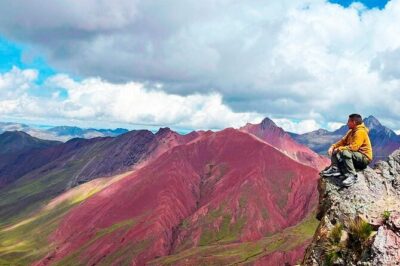
The final morning starts at 4:45, with coca tea delivered to your tent. You hike for about 45 minutes to an hour, covering roughly 1 kilometer before reaching Rainbow Mountain.
You have about 30 minutes to an hour at the viewpoint, depending on your pace and the weather. That time is enough for photos and a careful look at the striped slopes, but conditions can limit visibility. At this altitude, clouds and cold can change the scene quickly.
The route then continues to Red Valley, which takes another 30 minutes. Afterward, you walk to the bus station, board the van, and return toward Cusco. The stated arrival time at your hotel is around 3:00 in the afternoon, after a farewell meal and goodbyes to the horseman and chef.
The final walking distance is short, but the morning still begins before dawn and follows five days of exertion. Pack your camera and warm layers where you can reach them quickly. You will not want to unpack your main bag in the dark.
What the $1,050 price really covers
At $1,050 per person, this is not a bargain day excursion. It is also not simply six days of guiding. The price includes private transport from and to your Cusco hotel, an English and Spanish-speaking guide, private-land access fees, camping tents, sleeping bags, a portable toilet, a first-aid kit with an oxygen tank, snacks, coffee or tea, and all 15 main meals.
You also get horsemen and pack horses to carry the gear. A duffel bag is supplied for up to 6 kilograms of personal belongings. That support reduces the physical burden and saves you from arranging separate cooks, camping equipment, animal support, and permits.
The value is strongest if you need a full-service trek. If you already own all your camping gear and are comfortable carrying it, the price may feel high. If you are coming from abroad and want one organized package, the included equipment, food, transport, and horse support make the cost easier to justify.
Personal trekking gear and a backpack are not included. A riding horse is also extra, so do not assume you can switch from hiking to riding without an additional charge. A vegetarian meal is available if you request it when booking.
Camping, food, and what to carry
You sleep in camping tents and use a sleeping bag supplied by the operator. A portable toilet is included, which is a useful detail on a remote route with few facilities.
The horse team carries the camp equipment and your supplied duffel, up to 6 kilograms per person. Keep your daypack light but useful. You need enough room for water, snacks, a waterproof layer, gloves, a warm hat, sunscreen, camera equipment, and anything you may need during the day.
The experience operates in all weather. That means rain, cold, wind, and changing mountain conditions are part of the deal, not exceptions. Dress in layers and keep essential items protected from moisture.
The first-aid kit includes an oxygen tank, but that should not make you casual about altitude. Oxygen is an emergency measure, not a substitute for proper acclimatization or sensible pacing. The pass heights are extreme, and you should be honest about your fitness before committing.
Group size, pace, and the cancellation concern
A maximum of eight people keeps the group small enough for a personal feel. It also makes the horse support, meal service, and camp routine more manageable than they would be with a large busload of hikers.
The trip requires at least two people per booking. Confirmation is provided within 48 hours, subject to availability. Because the cancellation policy is strict and the experience is non-refundable, check that the departure is secure before you buy flights or reserve a tight chain of hotels around it.
The one reported cancellation only a few days before departure is the most important caution in the available feedback. It does not erase the strong 4.9 rating, but it does show why you should ask for confirmation and keep some flexibility in your Peru plans.
Who should book this trek
I would choose this trip if you want a serious Andes trek rather than a quick photo stop. It suits hikers with strong fitness, a willingness to camp five nights, and a real interest in Ausangate’s lagoons, wildlife, villages, glaciers, and high passes.
It is less suitable if your main goal is only to see Rainbow Mountain with minimal effort. The final walk is short, but the preceding days are long and demanding. It is also a poor fit for anyone with walking limitations, as the route uses uneven surfaces and requires sustained hiking at high elevation.
A small group, included meals, private transport, a guide, and pack animals make the trip easier to manage. You still need to bring personal gear, prepare for all weather, and accept that the mountains control the schedule.
Should you book the Ausangate and Rainbow Mountain trek?
Book it if you want Rainbow Mountain to be the final chapter of a demanding six-day route, not a stand-alone viewpoint. The hot springs, seven lagoons, Ausangate views, Red Mountain Valley, high passes, and horse-supported camping give the trip far more substance than a standard day outing.
Think carefully if you dislike early starts, long hiking days, cold camps, or uncertain mountain weather. Also confirm that the departure is operating before making non-refundable plans. For a fit hiker seeking a remote Peru experience with most major logistics handled, the $1,050 package offers strong value. For a casual sightseer, it is simply too much trek for one famous mountain.
FAQ
How long is the trek?
The experience lasts approximately six days, including transport from Cusco on the first day and the return to your Cusco hotel on the final afternoon.
What time does the trek start?
Pickup begins at about 6:00 in the morning from your hotel in Cusco.
How high does the route go?
The highest point is Palomani Pass at 5,130 meters, or approximately 16,831 feet.
How difficult is the trek?
The trip is intended for people with a strong physical fitness level. Several days involve seven to eight hours of hiking, and the route includes passes above 5,000 meters.
Is Rainbow Mountain visited during the trek?
Yes. You reach Rainbow Mountain on day six after hiking for about 45 minutes to one hour from camp. The schedule allows approximately 30 minutes to one hour at the site, depending on pace and weather.
Are meals included?
Yes. The package includes five breakfasts, five lunches, and five dinners, along with snacks, coffee, and tea.
What camping equipment is supplied?
A camping tent, sleeping bag, and portable toilet are included. Pack horses carry the camp equipment.
Can I bring a vegetarian meal request?
Yes. A vegetarian option is available, but you must request it when booking.
Is the trek refundable if I cancel?
No. The experience is non-refundable and cannot be changed for any reason. If the operator cancels because the minimum number of people is not reached, you are offered another date or experience, or a full refund.
More 6-Day Experiences in Cusco
- 6-Day Cultural Tour to Machu Picchu
★ 5.0 · 76 reviews - 6-Day Machu Picchu Express Group Tour
★ 5.0 · 48 reviews - Private Tour: 6 days|| Cusco || MachuPicchu ||Rainbow Mountain||
★ 5.0 · 42 reviews - 6-Day Tour of Cusco Magico-Machu Picchu-Rainbow Mountain
★ 5.0 · 30 reviews
More Hiking & Trekking in Cusco
- Salkantay Trek Challenge – 3 Days / 2 Nights
★ 5.0 · 101 reviews - From Cusco: Rainbow Mountain Trek
★ 4.5 · 98 reviews - Private Palccoyo Rainbow Hike Without the Crowds
★ 5.0 · 86 reviews - Choquequirao Trek 4 days and 3 nights
★ 5.0 · 81 reviews
Just added around Cusco
- Waqrapukara 1 day trekking + meals★ 3.9 · 3 reviews
- Zipline over the Sacred Valley Trip★ 5.0 · 11 reviews
- Valle Sur Cusco | half day★ 4.3 · 3 reviews
- Visit to the Cochahuasi Animal Sanctuary with rescued animal★ 4.1 · 4 reviews
- Visit Pisac from Cusco: Private Transport★ 4.6 · 9 reviews
- Maras and Huaypo lagoon by ATV from Cuzco | Local Operator★ 4.7 · 4 reviews
- Trek to Humantay Lake from Cusco★ 4.9 · 8 reviews
- Trek to Choquequirao 4 days★ 3.8 · 4 reviews
Rainbow Mountain Tours, compared.
Vinicunca Rainbow Mountain ATV Tour with Meals
Read our review →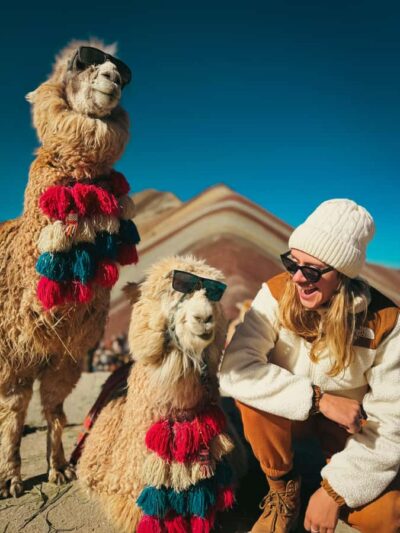
Rainbow Mountain Tour and Red Valley Hike (Optional)
Read our review →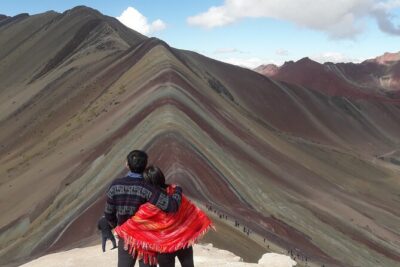
Private Rainbow Mountain Full Day Tour from Cusco
Read our review →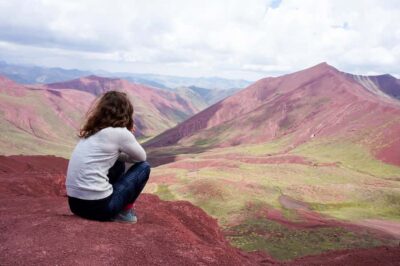
Full-Day Rainbow Mountain & Red Valley Trekking Tour
Read our review →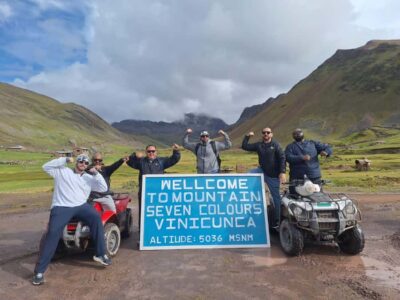
Rainbow Mountain & Red Valley Premium Tour with picnic
Read our review →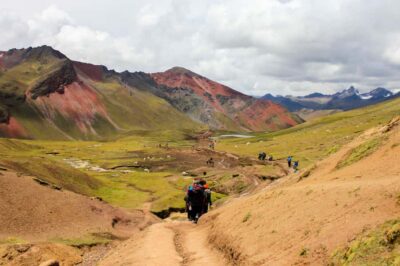
Private Palccoyo Rainbow Hike Without the Crowds
Read our review →Browse the lists this tour appears in