
Reviewed · MACHU PICCHU TOURS
5-Day: Salkantay Trek to Machupicchu and Humantay Lake
The best thing about this five-day Salkantay route is the sharp change in scenery. You start among high Andean peaks and turquoise Humantay Lake, cross the 4,600-meter Salkantay Pass, then drop through warm jungle to Machu Picchu. It feels like several Peru trips packed into one.
I like the small group limit of 15 and the practical support from guides, horses, and porters. I also like that meals, camping equipment, transport, Machu Picchu entry, and a night in Aguas Calientes are bundled into the $360 price. The main drawback is the physical strain: long days, thin air, an early start, and a final return to Cusco around 10 p.m.
In This Review
- Key points to know before you book
- What the $360 Salkantay package really gives you
- Day one: Humantay Lake at 4,200 meters
- Day two: Salkantay Pass and the long descent
- Day three: From La Playa to Santa Teresa
- Day four: Zip lines or the railway trail to Aguas Calientes
- Day five: Machu Picchu before the crowds build
- A guide, horses, and a group of up to 15
- Sleeping, eating, and packing for four nights
- Optional upgrades and the Huayna Picchu question
- Who should book this trek
- Should you book the Salkantay Trek?
- FAQ
- How long is the Salkantay trek to Machu Picchu?
- What is the highest point on the route?
- Is Humantay Lake included?
- How many nights are spent camping?
- Is a sleeping bag included?
- Are meals included?
- How much does the Cocalmayo hot spring cost?
- Can I take a train back from Machu Picchu?
Key points to know before you book
- Humantay Lake comes on day one: You reach 4,200 meters after a long transfer and a steep walk from camp.
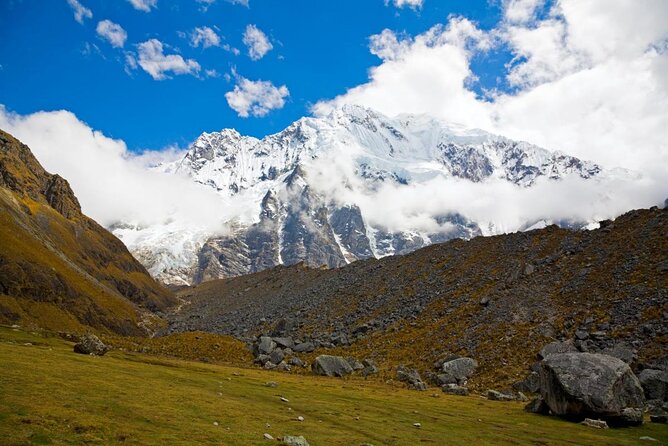
- Salkantay Pass reaches 4,600 meters: This is the trek’s highest and toughest point, with cold conditions and powerful mountain views.
- The route changes climate fast: High alpine country gives way to orchids, streams, farms, waterfalls, and warm jungle.
- Three nights are under canvas: Full camping gear is supplied, but you must bring or rent your own sleeping bag.
- Machu Picchu starts before dawn: You walk up from Aguas Calientes at about 4 a.m. for entry around 6 a.m.
- The $360 price covers a lot: Four breakfasts, lunches, and dinners, transport, guide service, four nights of lodging, and Machu Picchu entry are included.
What the $360 Salkantay package really gives you
At $360 per person, this is a strong-value route for an active visitor who wants a full trek without arranging each piece separately. The price includes a bilingual Spanish-English guide, private transportation, three camping nights, one hostel night, meals from the first lunch through the fourth dinner, and the Machu Picchu entrance fee when booked about two months ahead.
You also get horse support for the hardest first three days. The horse carries up to 5 kilograms of your backpack, which matters when you are climbing at altitude. Your personal daypack still needs to hold water, warm layers, rain protection, medication, and anything you want during the walk.
The package does not include a sleeping bag. That is a small but important detail. You need to bring one or arrange one before setting out, since nighttime temperatures at Soraypampa can drop to about 2°C.
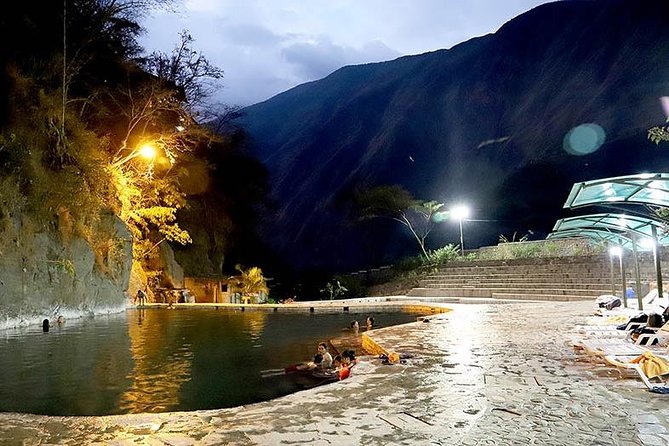
The first morning’s food is also not included, as well as lunch and dinner on the last day. The Cocalmayo hot springs cost an additional $6. Huayna Picchu is listed at an extra $30, subject to availability.
More machu picchu tours in Cusco:
- From Cusco: Full-Day Group Tour of Machu Picchu
★ 4.7 · 1,767 reviews - Machu Picchu Day Trip from Cusco
★ 4.5 · 1,644 reviews - Machu Picchu: Full-Day Tour from Cusco with Optional Lunch
★ 4.6 · 927 reviews
Day one: Humantay Lake at 4,200 meters
The day begins very early, with pickup listed around 4:30 a.m. in the route description and around 5:30 to 6 a.m. in the booking details. Confirm your exact pickup time before the morning arrives. You then spend roughly four hours in a vehicle before reaching the Mollepata area at about 2,900 meters.
Mollepata is a short rest stop, not a major sightseeing visit. After about 30 minutes, the vehicle continues to Challacancha, where horses and porters take the camping equipment. This is where the walking begins.
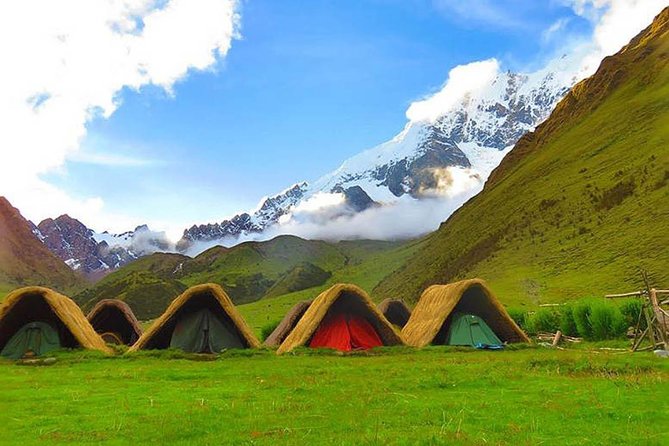
The hike to Soraypampa takes about four hours. At 3,900 meters, Soraypampa is already higher than many visitors have ever slept. The camp sits near old Inca irrigation channels, with views toward the snowy Salkantay peak. Daytime temperatures are listed around 10°C, with much colder nights.
After lunch, you walk about an hour and a half to Humantay Lake. The lake itself sits at approximately 4,200 meters, and the visit lasts around 1 hour and 30 minutes. The route is short on paper, but altitude makes every uphill section feel larger. Go slowly, drink water, and do not treat this as a casual afternoon stroll.
The camp uses a four-season tent with an additional straw roof. That setup offers shelter from the mountain weather, but you are still camping high in the Andes. Keep warm clothes and dry socks within reach, rather than buried in a bag carried by horse.
Humantay Lake is a fitting first stop because it gives you a dramatic reward before the hardest day. It also serves as an early test of how your body handles altitude. If the climb to the lake feels unusually difficult, tell your guide. The next morning goes higher.
Day two: Salkantay Pass and the long descent
The second day is the physical centerpiece. An assistant wakes the group with coca tea, intended to help with acclimatization, followed by breakfast. From camp, the ascent to Salkantay Pass takes about three hours.
At 4,600 meters, the pass is the highest point of the trip. This is not a place to rush. The air is thin, the cold can bite, and the route is surrounded by steep Andean mountains. The pause at the pass includes a traditional gesture: asking the Apus, or mountain gods, for permission to continue.
After the pass, you walk down toward Wayracpunku, also called HuayraPampa, for lunch. The descent changes the character of the day, but it does not make things easy. Long downhill stretches can be hard on knees and thighs, especially after the morning climb.
The route then moves toward the high jungle. Large trees, streams, bromeliads, and orchids replace the stark high-country setting. This change is one of the trip’s best features. You are not simply walking to Machu Picchu by one type of trail. You are crossing several ecological zones in a single journey.
The full walking day is listed at roughly eight hours, including the descent and onward route to Chaullay. You spend the night at about 2,900 meters. After the cold of Soraypampa and Salkantay Pass, the lower elevation should feel more comfortable, though you still need a good meal and a proper rest.
Day three: From La Playa to Santa Teresa
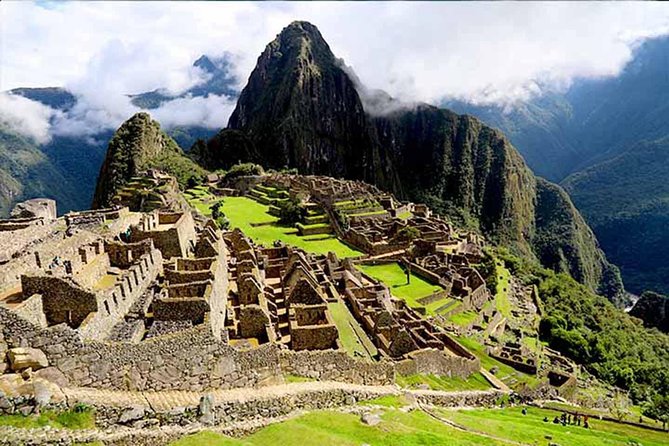
After breakfast at about 6:30 a.m., the route continues through warmer jungle country toward Sahuyaco, also called La Playa, at approximately 2,000 meters. Daytime temperatures here can reach 25°C, while nights are listed around 14°C.
The walk takes about six hours and includes a lunch stop in La Playa. This is a useful transition day. You have already crossed the highest pass, but you are not yet done with the trek. The heat changes what you carry and wear. A warm fleece that was essential near Salkantay may become uncomfortable in the afternoon.
From La Playa, transport takes you to Santa Teresa, at about 1,550 meters. The lower altitude brings a softer climate and a chance to reset before the final approach to Machu Picchu.
The optional reward is Cocalmayo, where you can soak in hot springs. The entry fee is not included and costs $6 at the time described. The visit lasts around two hours. I consider this one of the most sensible add-ons on the route, especially after the long climb and descent of day two.
You return to camp for a traditional Peruvian dinner and sleep in Santa Teresa. The night is still outdoors, but it should feel very different from the cold first camp. You have moved from high mountain terrain into the warm river and jungle zone that leads toward Aguas Calientes.
More humantay lake tours in Cusco:
- Cusco: Humantay Lake Tour with Breakfast and Buffet Lunch
★ 4.9 · 2,976 reviews - From Cusco: Excursion to Humantay lake from Cusco
★ 4.7 · 514 reviews - Humantay Lagoon Tour
★ 5.0 · 96 reviews - Humantay Lake Full Day Hike
★ 5.0 · 75 reviews
Day four: Zip lines or the railway trail to Aguas Calientes
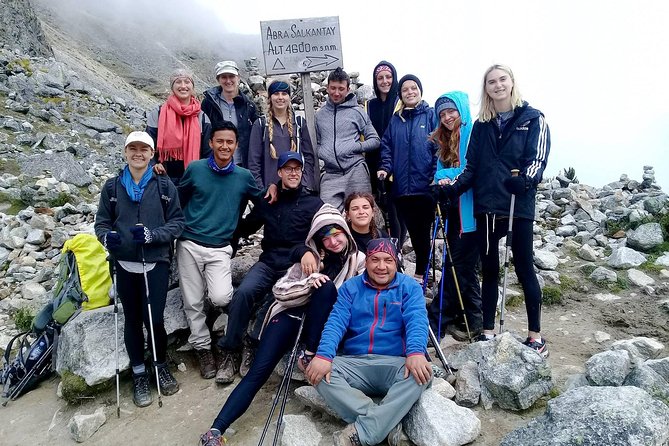
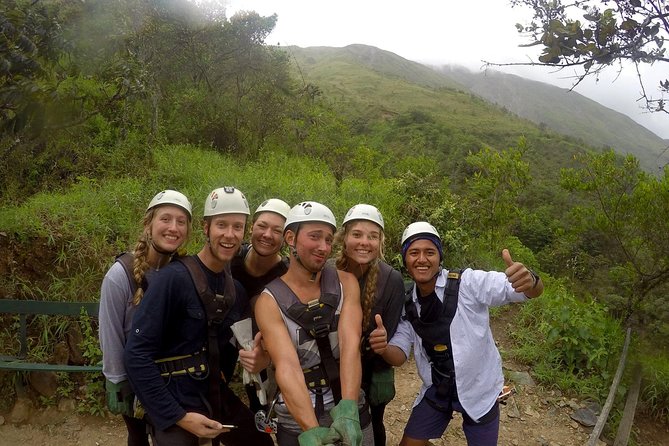
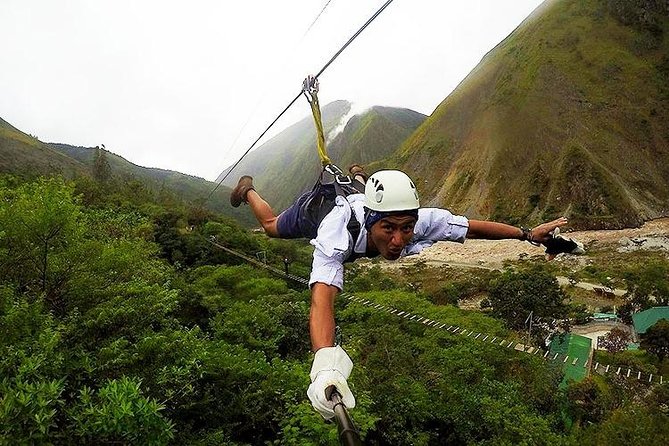
Day four gives you a choice, but the alternatives are not identical. If you book the zip line, transport collects you from camp for an activity lasting about two and a half hours. The course has more than six cables, including one about 1 kilometer long, with a listed maximum speed of 70 kilometers per hour. It also includes a climbing rock and suspension bridge.
If you skip the zip line, you walk for about two hours from Santa Teresa to the hydroelectric station. The two groups meet there for lunch. After the meal, everyone follows the railway toward Aguas Calientes.
The railway walk takes about three hours. The route passes waterfalls, ecological farms, and jungle vegetation. You might also see wildlife, though sightings are not promised. This section is less about exertion at altitude and more about the slow approach to Machu Picchu through the warm valley.
You reach Aguas Calientes around 5 p.m. and spend the night in a hostel. The included room is described as private for couples, which is useful to clarify if you are booking as a solo visitor or with friends.
At dinner, the guide explains the next morning’s Machu Picchu plan. Pay attention here. The final day begins before sunrise, and your entry timing, walking route, and return plan all matter.
Day five: Machu Picchu before the crowds build
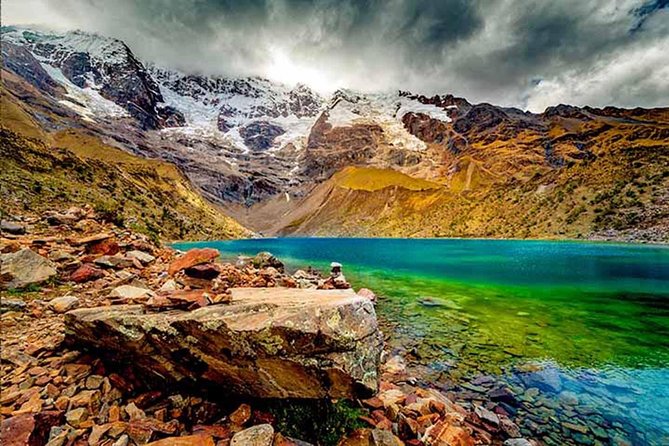
The final morning starts at about 4 a.m. You climb from Aguas Calientes through the high jungle to Machu Picchu, reaching the entrance control around 6 a.m. The goal is to arrive in time for sunrise.
This is a demanding finish. You have already walked for four days, and the stone steps rise steadily. The reward is the first view of the Inca citadel after approaching on foot rather than arriving by train. The guide then leads a private two-hour visit through Machu Picchu.
After the guided portion, you have free time inside the site. The schedule is tight, however. The stated plan has you leaving around 11:30 a.m. and walking approximately 3.5 hours back to the hydroelectric station, where the bus waits until 3 p.m.
The bus then returns to Cusco, arriving around 10 p.m. This is a very long final day. You should not plan an important early appointment or flight the next morning without allowing for delays and fatigue.
You can add a train for the return instead. With that option, you may stay at Machu Picchu until 5 p.m. at the latest, then take the train from Aguas Calientes to Ollantaytambo, a ride of about 1 hour and 40 minutes. A vehicle meets you there and drops you near San Francisco Square in Cusco around 10 p.m.
The train costs extra, but it buys more time at Machu Picchu and avoids the long walk back to hydroelectric. If your budget allows, I would consider it for comfort alone. If the walk is a central part of why you chose the Salkantay route, the included bus plan keeps the price down.
A guide, horses, and a group of up to 15
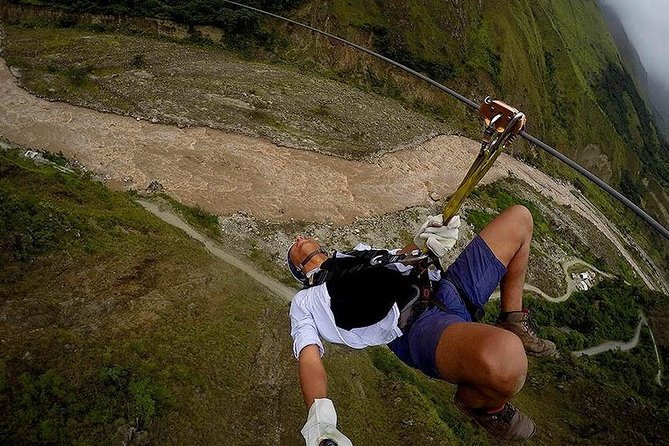
The guide is central to this experience. The route includes high altitude, changing weather, rough trail conditions, and several transport handoffs. A bilingual guide should explain the pace, help the group manage the pass, and keep the schedule moving.
Roger is specifically associated with this experience and is described as especially helpful and friendly. You cannot assume he will lead every departure, so ask who your guide will be at the briefing.
The group limit is 15 people. That is small enough for a more personal feel than a large coach-based outing, while still being large enough that walking speeds may vary. You should be comfortable hiking at a moderate fitness level and adjusting to the group’s pace.
Horses carry equipment and up to 5 kilograms of your backpack during the first three days. This is welcome support, but it does not turn the route into an easy walk. You still climb to 4,600 meters and spend long hours on your feet.
Sleeping, eating, and packing for four nights
Three nights are spent camping and one night in a hostel. Four breakfasts, four lunches, and four dinners are included, beginning with breakfast on day two. Bring money for the first morning’s food, the final day’s lunch and dinner, hot springs, and any optional train or mountain ticket.
Your packing list should focus on temperature changes. You need cold-weather layers for Soraypampa and Salkantay Pass, lighter clothing for Santa Teresa, sturdy walking shoes, rain protection, sunscreen, water, and a sleeping bag.
The route description gives daytime temperatures of about 10°C at Soraypampa and 25°C in the jungle. That range is why one bulky outfit will not work. Pack clothing you can add and remove easily.
Optional upgrades and the Huayna Picchu question
Huayna Picchu costs an additional $30 and must be checked for availability. It is best considered only if you have enough time and energy after the main Machu Picchu visit.
You can also add one more night in Machu Picchu town for $30. This is particularly useful if you want to climb Huayna Picchu or Machu Picchu Mountain without squeezing another demanding ascent into an already long day.
The standard schedule gives you a guided visit and free time, but the return plan begins early. A paid extra night changes the rhythm and gives you more breathing room. It is not necessary for everyone, yet it may be the smartest addition for visitors focused on exploring the site rather than keeping the base price as low as possible.
Who should book this trek
I would choose this route if you want an active way to reach Machu Picchu and like the idea of changing from snowy mountains to tropical forest. It suits hikers who can handle long days, basic camping, early mornings, and altitude.
I would think twice if you want a relaxed holiday, dislike sleeping outdoors, or need a flexible schedule. The 4 a.m. finish, the 10 p.m. return to Cusco, and the 4,600-meter pass are serious commitments.
The perfect fit is someone who values variety and value more than comfort. You receive a lot for $360, but the price works because the itinerary is physically demanding and the final return is long.
Should you book the Salkantay Trek?
Book it if your priority is a full mountain-to-jungle route with Humantay Lake, Salkantay Pass, hot springs, and Machu Picchu in one organized trip. The small group, horse support, meals, guide, and included lodging make the price attractive.
Before paying, confirm the pickup time, Machu Picchu entry arrangements, guide assignment, sleeping bag plan, and availability of Huayna Picchu if you want it. I would also decide in advance if the included return bus is acceptable or if the train is worth the extra cost.
The cancellation terms are strict: the experience is non-refundable and cannot be changed. If poor weather cancels the trip, you are offered another date or a full refund. With those conditions understood, this is a demanding but well-packed choice for an active visit to Machu Picchu.
FAQ
How long is the Salkantay trek to Machu Picchu?
The experience lasts approximately five days, beginning in Cusco and ending with a return to Cusco after visiting Machu Picchu.
What is the highest point on the route?
Salkantay Pass is the highest point, at approximately 4,600 meters, or 15,091 feet.
Is Humantay Lake included?
Yes. Humantay Lake is visited on the first day after the group reaches its Soraypampa camp.
How many nights are spent camping?
The package includes three nights of camping and one night in a hostel in Aguas Calientes.
Is a sleeping bag included?
No. Full camping equipment is included except for the sleeping bag, which you must provide personally.
Are meals included?
Four breakfasts, four lunches, and four dinners are included. Breakfast on the first day, plus lunch and dinner on the final day, are not included.
How much does the Cocalmayo hot spring cost?
The hot springs are not included. The listed entry price is $6 per person, payable at the site.
Can I take a train back from Machu Picchu?
Yes. A train return can be added for an extra charge. It allows you to stay at Machu Picchu until a maximum of about 5 p.m., then travel by train to Ollantaytambo before continuing by vehicle to Cusco.
More Hiking & Trekking in Cusco
- From Cusco: 7 Lakes Ausangate Trek with Breakfast and Lunch
★ 4.8 · 360 reviews - Cusco: Rainbow Mountain Tour and Red Valley Hike (Optional)
★ 4.7 · 149 reviews - Cusco: Full-Day Rainbow Mountain & Red Valley Trekking Tour
★ 4.5 · 121 reviews - From Cusco: Rainbow Mountain Trek
★ 4.5 · 98 reviews
More Salkantay Trek in Cusco
- Salkantay Trek Challenge – 3 Days / 2 Nights
★ 5.0 · 101 reviews - Small Group 5 Days Salkantay and Machu Picchu by Llactapata Tour
★ 5.0 · 88 reviews - Machu Picchu: 5-Day Salkantay Trek with Panoramic Train
★ 5.0 · 79 reviews - Salkantay Trek 4 Days to Machu Picchu by Glamping Sky Lodge Dome
★ 5.0 · 68 reviews
Just added around Cusco
- Waqrapukara 1 day trekking + meals★ 3.9 · 3 reviews
- Zipline over the Sacred Valley Trip★ 5.0 · 11 reviews
- Valle Sur Cusco | half day★ 4.3 · 3 reviews
- Visit to the Cochahuasi Animal Sanctuary with rescued animal★ 4.1 · 4 reviews
- Visit Pisac from Cusco: Private Transport★ 4.6 · 9 reviews
- Maras and Huaypo lagoon by ATV from Cuzco | Local Operator★ 4.7 · 4 reviews
- Trek to Humantay Lake from Cusco★ 4.9 · 8 reviews
- Trek to Choquequirao 4 days★ 3.8 · 4 reviews
Machu Picchu Tours, compared.



4-Day Inca Trail to Machu Picchu with Accommodation
Read our review →
2-Day Trip to the Sacred Valley and Machu Picchu
Read our review →
Machu Picchu 2-Day Inca Trail with Panoramic Train
Read our review →
Browse the lists this tour appears in