
Reviewed · SACRED VALLEY TOURS
Super Sacred Valley
The Super Sacred Valley tour packs an impressive sweep of Inca sites into one long day. You’ll see the circular terraces at Moray, the bright salt ponds of Maras, Ollantaytambo’s massive stonework, and Pisac’s hilltop ruins, with Chinchero added at the start.
I like the four major archaeological stops and the included buffet lunch in Urubamba. I also like the chance to meet local artisans and shop at Pisac’s indigenous market. The catch is the pace: pick-up is about 7:00 am, return is around 7:00 pm, and some departures may include three craft-shop stops.
In This Review
- Key points at a glance
- A very full day across the Sacred Valley
- Chinchero begins with Inca walls and living craft
- Moray turns farming into a giant stone experiment
- Maras reveals more than 3,000 working salt ponds
- Urubamba provides a needed midday pause
- Ollantaytambo feels like a town built around Inca stone
- Pisac combines a market with finely assembled ruins
- What the $50 price really covers
- The guide can shape the whole experience
- Who should choose this one-day route
- Should you book the Super Sacred Valley?
- FAQ
- How long does the Super Sacred Valley tour last?
- Which places does the tour visit?
- Is lunch included?
- Are entrance tickets included?
- What languages does the guide speak?
- Is hotel pick-up included?
- Can I cancel the booking for a refund?
Key points at a glance
- Moray’s circular terraces show how the Incas shaped farmland into a dramatic bowl of stone and earth.
- Maras includes more than 3,000 salt ponds, spread across a steep mountainside.
- Ollantaytambo and Pisac bring some of the Sacred Valley’s finest Inca masonry into one day.
- Chinchero combines Inca walls, a colonial church, and a textile-center visit.
- A buffet lunch in Urubamba is included, which makes the packed schedule easier to manage.
- The PEN 80 entrance cost is extra, bringing the listed $50 price closer to a full tour cost.
A very full day across the Sacred Valley
This is the tour for you if you want to see the Sacred Valley’s main sights in one sweep rather than spread them over two days. It is not a slow, lingering outing. The bus begins around 7:00 am and aims to return to Cusco at about 7:00 pm.
That twelve-hour window covers several stops, road time, lunch, shopping, and guided visits. I see the appeal: you get a broad first look at the region without arranging separate transport. But you should set your expectations correctly. You will see a lot, and you will spend much of the day moving between sites.
The tour includes hotel pick-up, round-trip transport, an English and Spanish-speaking guide, buffet lunch, a first-aid kit, and an oxygen bottle for emergencies. A guide named Emil received particular praise for explaining the sites and Inca civilization clearly. Another English-language group had information repeated in Spanish, which may help mixed-language groups follow the commentary.
The vehicle can be a small bus with about 17 seats. That keeps the group smaller than a large coach, but one account found the legroom tight. If you are tall or dislike long rides in compact vehicles, this is worth considering before booking.
More sacred valley tours in Urubamba:
- Cusco:Sacred Valley Pisaq,Ollantaytambo,Chinchero with Lunch
★ 4.8 · 183 reviews - From Cusco: Chinchero, Moray, Maras and Ollantaytambo
★ 4.5 · 83 reviews - from Urubamba & Ollantaytambo:Sacred Valley Full-Day Private
★ 4.9 · 31 reviews
Chinchero begins with Inca walls and living craft
The first stop is Chinchero, a town known here for its Inca wall constructions and colonial church. This pairing gives you an early lesson in how older Inca foundations and later Spanish buildings occupy the same place.
The church preserves a lot of local history, while the stonework shows the precise construction for which the Incas are famous. The stop is not only about ruins. You also take part in a short visit to a textile center, where local people demonstrate traditional textile work.
I like this opening because it connects architecture with present-day life. You are not simply looking at abandoned walls. You also get a brief encounter with local craft traditions. Still, the textile-center portion may feel short, and some tours use these visits as shopping opportunities. If your main goal is archaeological time, ask your guide how long you will have at each stop.
Moray turns farming into a giant stone experiment
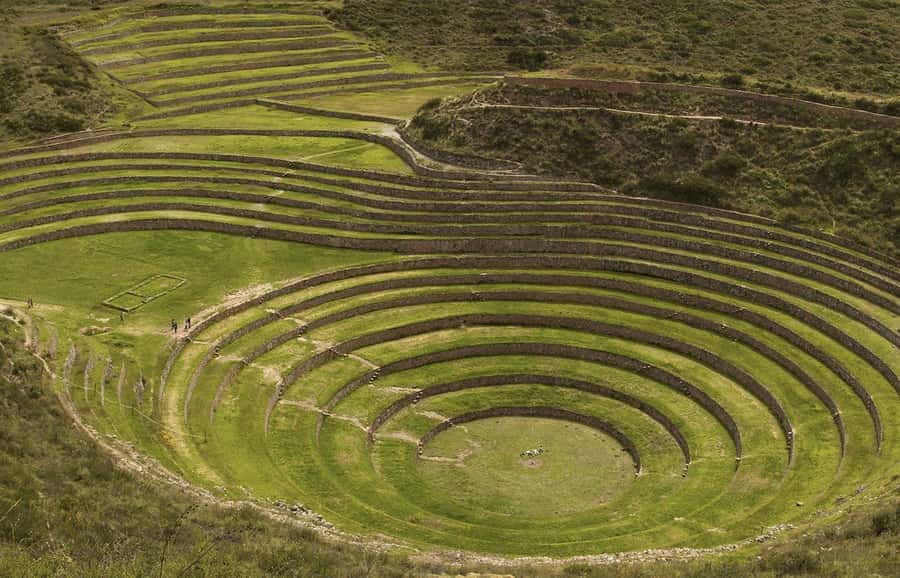
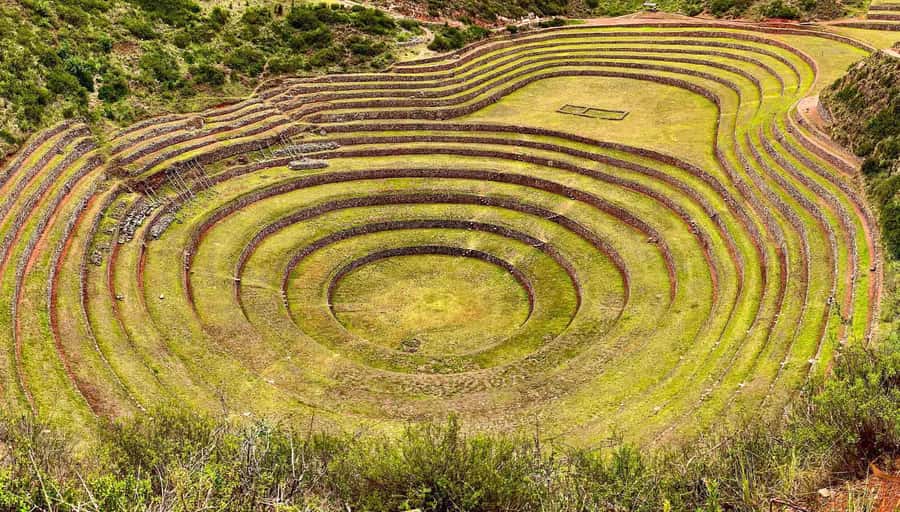
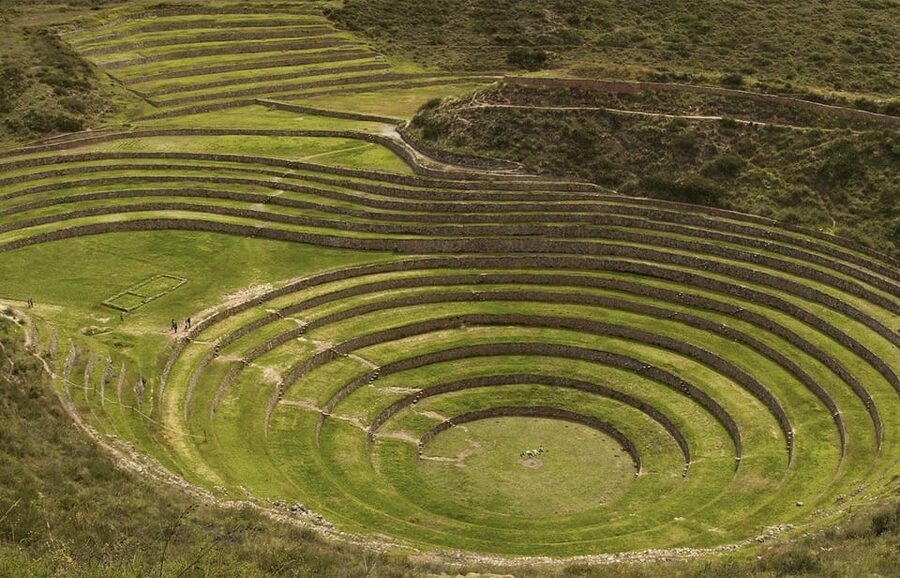
At Moray, the famous circular terraces form a series of rings dropping into the earth. The site mattered to Inca agriculture, and its shape makes it one of the easiest places in the Sacred Valley to remember.
From above, the terraces look almost like a natural crater fitted with carefully built steps. The design shows the practical side of Inca engineering. This is not a fortress or temple. It is a place linked to farming, food, and the hard work of adapting to mountain conditions.
Moray is one of the strongest reasons to choose this particular route. You get a clear change of subject after Chinchero: from walls and church art to agricultural planning. The visit also gives your guide a useful chance to explain how the Incas organized production.
Take your time looking across the full shape of the terraces. The value is not just in standing at the edge and taking a quick photograph. Try to notice the repeated curves, the changing levels, and the way the site sits among the surrounding mountains.
Maras reveals more than 3,000 working salt ponds
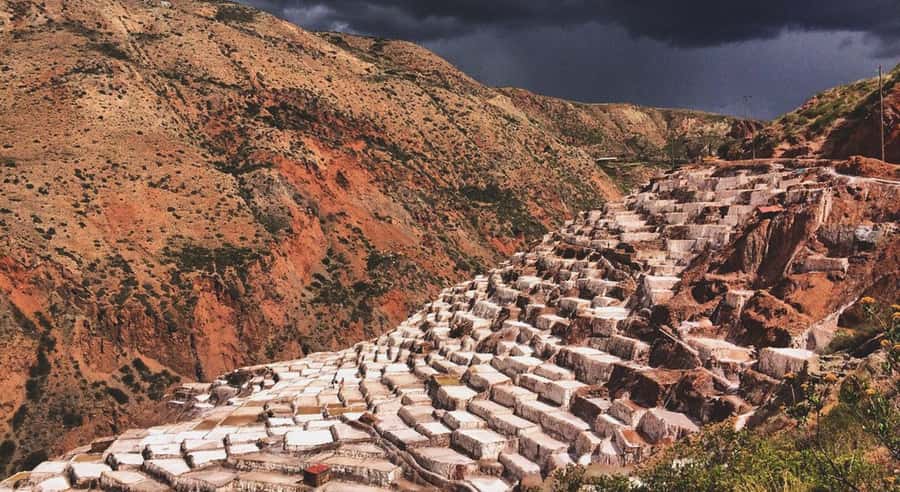
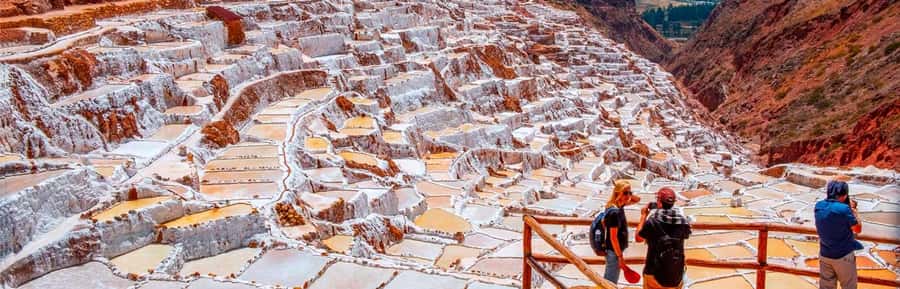
The road then descends to the Maras Salt Mines, one of the most distinctive stops of the day. More than 3,000 salt wells spread across the slope, creating a striking pattern of small pools and narrow channels.
The salt was used by the Incas for consumption. That detail gives the stop a direct link to everyday life. Moray shows how food could be grown in difficult terrain. Maras shows how a basic product could be gathered from a mountain spring and managed across thousands of ponds.
The scenery here is a major part of the experience. Depending on conditions, the ponds can show different tones as water, salt, and light change across the site. You will also see how much labor goes into a place that can look simple from a distance.
The Maras entrance ticket is not included. It costs PEN 10. The separate charge is modest, but you should know about it when comparing the tour price with cheaper options.
Same valley, a completely different kind of day:
- Machu Picchu: Group Guided Tour
★ 4.7 · 102 reviews - Machu Picchu: Tour Guide Service & Entrance Ticket Circuit-2
★ 4.6 · 90 reviews - Cusco: One Day Tour to Machu Picchu with Train Transfers
★ 4.8 · 28 reviews - Machu Picchu: historical and photographic guided tour
★ 4.9 · 27 reviews
Urubamba provides a needed midday pause
The tour continues to Urubamba for a buffet lunch. After a morning of early departure, walking, and road travel, a proper meal is useful rather than decorative.
The restaurant received strong praise, so this is one part of the day where the package offers real convenience. You do not have to search for a place to eat while trying to stay with the group. The buffet format also gives you some choice, though the exact dishes are not specified.
Urubamba breaks the day into two halves. That matters because the afternoon contains two major archaeological areas, Ollantaytambo and Pisac. I would use lunch to rest, drink water, and prepare for more walking. The schedule is full, and this may be your best chance to reset.
Ollantaytambo feels like a town built around Inca stone
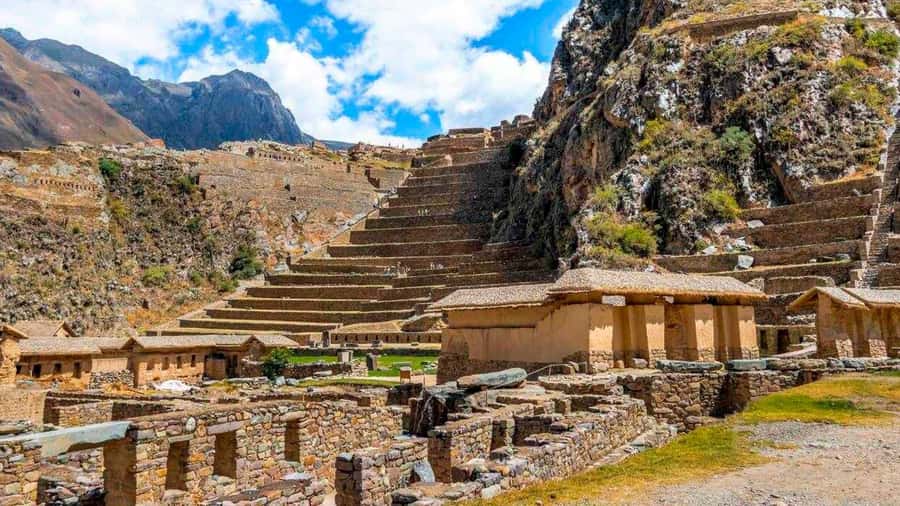
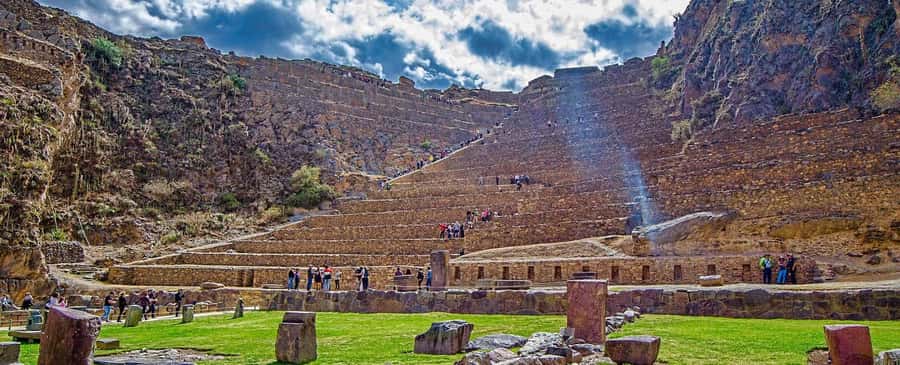
After lunch, you go to Ollantaytambo, often called The Last Living Inca City. The name points to its unusual character: this is not simply an isolated archaeological park. The town itself is part of the experience, with old Inca foundations and stonework integrated into a living settlement.
The archaeological center is one of the day’s major highlights. The finely fitted stones show the same care found elsewhere in the Sacred Valley, but the setting gives the visit a different feel from Moray or Maras. Here, you are looking at defensive, civic, and ceremonial construction rather than farming terraces or salt production.
Ollantaytambo also helps explain the scale of the Inca world. Its mountain setting and heavy stone structures make the site feel substantial. A good guide can turn those stones into a story about the people who planned, moved, and assembled them. Emil’s explanations of Inca civilization were singled out as a strength, and this is one of the stops where clear guidance can make a real difference.
The drawback is time. You will not have the freedom of a private visit with no schedule. Keep track of your meeting point and return time, especially if you are tempted to pause for photographs.
Pisac combines a market with finely assembled ruins
The final major stop is Pisac, located on the slopes of Intihuatana hill, a name translated here as Place where the Sun is moored. The visit has two parts: the indigenous market and the Archaeological Park of Pisac.
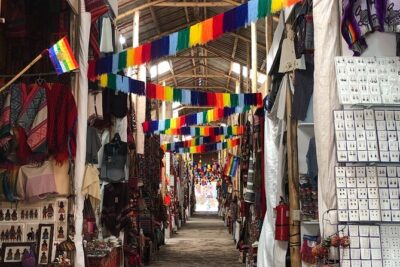
The market is presented as the best place on this route to buy crafts. That makes it useful if you want textiles or small handmade items without spending extra time finding a market on your own. Bargaining customs and product quality can vary, so look carefully and buy only what you genuinely want. The visit may also be one of the craft-focused stops that some passengers find excessive.
After the market, you visit the archaeological park. Pisac is known for Inca buildings made with finely assembled, polished stone. Its position on the hillside adds another kind of drama to the day, with views across the Sacred Valley and a clear sense of how the Incas used slopes for settlement and construction.
Pisac is a fitting final site because it brings several themes together: stonework, mountain geography, agriculture, and present-day craft. By this point, you may be tired, but the contrast between the market and the ruins keeps the stop from feeling like another repeat of the morning.
What the $50 price really covers
The advertised price is $50 per person. That includes transport, hotel pick-up, the guide, and buffet lunch. Those inclusions make the cost reasonable for a full-day route with several distant stops, especially if you want someone else handling the driving and sequence.
The important extra is the tourist ticket. You pay PEN 70 for entry to Chinchero, Moray, Ollantaytambo, and Pisac, plus PEN 10 for Maras. That is PEN 80 beyond the tour price. Add those fees before comparing this outing with less expensive Sacred Valley options.
Value depends on your priorities. If you want four archaeological sites, local craft contact, a market, and lunch in one day, the package is efficient. If you care most about avoiding shopping stops or having long, quiet visits at each ruin, the value becomes less clear.
One French passenger chose this tour expecting fewer tourist shops and more time at the sites, but found three craft-oriented stops and no better service than cheaper tours. That is a useful warning. The itinerary includes a textile-center visit and the Pisac market, and the day may include additional shopping stops. Ask about this before paying if shopping is not your interest.
The guide can shape the whole experience
This route contains a lot of information. Without explanation, Moray is a set of circles, Maras is a field of salt ponds, and the Inca sites are impressive walls. A strong guide ties those pieces together.
Emil was praised for explaining the sites and Inca civilization very well. One guide also repeated information in Spanish for an English-speaking group, showing an effort to serve people across languages. The tour is listed with English and Spanish guiding, so confirm your preferred language when booking.
I would pay close attention during Chinchero, Moray, and Ollantaytambo. Each site answers a different question about Inca life: how communities built, how farmers worked, and how authorities organized mountain settlements. That context is where a guided tour earns its keep.
The guide also controls the pace. You want clear meeting instructions, honest timing, and practical help at each stop. Since the day ends around 7:00 pm, a guide who keeps the group moving without rushing every explanation matters.
Who should choose this one-day route
I would recommend the Super Sacred Valley tour to you if:
- You have only one day for the Sacred Valley.
- You want the main archaeological sites in a single outing.
- You prefer included transport and lunch.
- You enjoy combining ruins with markets, crafts, and local contact.
- You are comfortable with an early start and a long return to Cusco.
- You want a guide to explain the Inca sites rather than visit them on your own.
I would hesitate if you want a slow day, dislike shopping stops, or need generous legroom. The route is ambitious, and the smaller bus may feel cramped on the long day. A two-day plan would give you more breathing room, but this tour is designed for maximum coverage.
Free cancellation up to 24 hours before departure and reserve-now, pay-later terms make planning less risky. Starting times should be checked when you choose your date.
Should you book the Super Sacred Valley?
Book it if your goal is see the big four sites in one day. Moray, Maras, Ollantaytambo, and Pisac offer enough variety to justify the packed schedule, and the included lunch plus guide make the day simple to organize.
Before booking, budget the extra PEN 80 entrance fees and ask directly how many craft-shop stops are planned. If you can accept that tradeoff, this is a practical introduction to the Sacred Valley, with especially strong value for visitors who cannot spare two days.
FAQ
How long does the Super Sacred Valley tour last?
The tour lasts one day. Pick-up is planned for about 7:00 am, and the return to Cusco is expected at approximately 7:00 pm.
Which places does the tour visit?
The route includes Chinchero, Moray, the Maras Salt Mines, Urubamba, Ollantaytambo, and Pisac.
Is lunch included?
Yes. A buffet lunch in Urubamba is included in the tour price.
Are entrance tickets included?
No. You need to pay PEN 70 for Chinchero, Moray, Ollantaytambo, and Pisac, plus PEN 10 for the Maras Salt Mines.
What languages does the guide speak?
The tour provides a professional guide who speaks English and Spanish.
Is hotel pick-up included?
Yes. Hotel pick-up and round-trip transportation are included.
Can I cancel the booking for a refund?
Yes. You can cancel up to 24 hours in advance for a full refund. The tour also offers reserve-now, pay-later booking.
Just added around Urubamba
- Sun and Moon Tour★ 4.5 · 3 reviews
- Sacred Valley Tour 1 Day★ 5.0 · 3 reviews
- Peru in 5 days: Lima, Cusco, Machupicchu & Rainbow Mountain★ 5.0 · 3 reviews
- Machu Picchu: 1-day tour by Vistadome Panoramic train★ 4.7 · 15 reviews
- Machupicchu 2025: The best ticket Circuit 2★ 3.5 · 6 reviews
- Machu Picchu: historical and photographic guided tour★ 4.9 · 27 reviews
- Guided tour of Cusco and its 4 ruins★ 3.8 · 3 reviews
- Private Guide in Machu Picchu for 3 Hours★ 4.2 · 17 reviews
Sacred Valley Tours, compared.

Sacred Valley & Maras Salt Mines Tour with Lunch
Read our review →
Moray, Maras Salt Mines & Chinchero Weavers Tour
Read our review →
Sacred Valley, Pisac, Ollantaytambo, Salt Mines Moray
Read our review →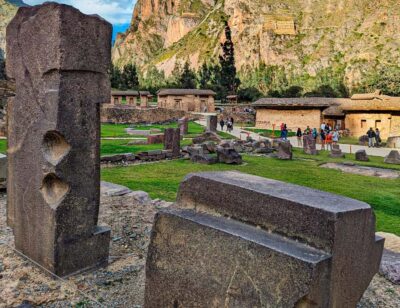
Chinchero,Moray & Salt Mines drop-off in Ollantaytambo
Read our review →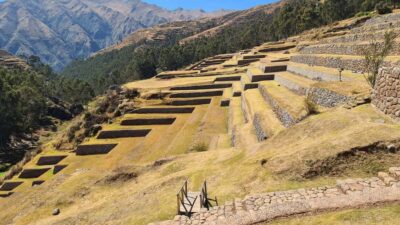

Pisac Indian Market and Ollantaytambo Fortress with Lunch
Read our review →
2-Day Trip to the Sacred Valley and Machu Picchu
Read our review →Browse the lists this tour appears in