
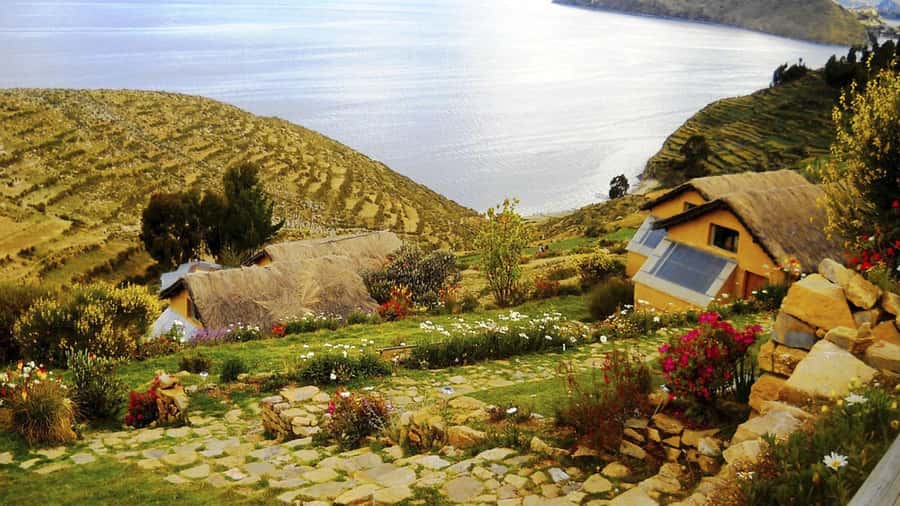
Reviewed · CUSCO TOURS
Sun and Moon Tour
The best part of this tour is its sweep: in one day, you visit both the Sun and Moon Islands and connect Inca ruins with living Andean myths. The route takes you from the southern tip of the Sun Island to its northern sites, then across to the Moon Island before returning to Copacabana.
I like the visit to Pikokaina, the Temple of the Sun, because it gives the day a clear historical starting point. I also like the mix of boat time, ruins, stairs, gardens, and sacred places. The main drawback is the pace. You have a lot to see before the planned return around 17:00, and the Yumani stairs and island walks require steady footing and energy.
In This Review
- Key points to know before booking
- A full day across Lake Titicaca
- Pikokaina, the Temple of the Sun
- Yumani stairs, eternal youth, and the Inca garden
- Challapampa and the Sacred Rock
- The Moon Island and the Temple of the Moon
- What the guide adds to the day
- Is $120 a fair price?
- Who will enjoy this tour most?
- Practical advice for the day
- My verdict: book it for coverage, not for a slow day
- FAQ
- Where does the Sun and Moon Island Tour start?
- How long does the tour last?
- Which languages are available for the guide?
- What transport is included?
- Which sites are visited on the Sun Island?
- Which sites are visited on the Moon Island?
- Are entrance tickets included?
Key points to know before booking
- Two islands in one day: The route covers the southern and northern parts of the Sun Island, followed by the Moon Island.
- Pikokaina begins the history lesson: You visit the Temple of the Sun soon after crossing the lake.
- Yumani adds a physical challenge: The Inca-era stairs lead past the fountain of eternal youth and an Inca garden.
- Myth and archaeology come together: The Sacred Rock and Chinkana are tied to Andean origin stories.
- Shared speedboat transport: Boat travel is included, along with entrance tickets and an English or Spanish-speaking guide.
- Strong guide feedback: The guide has been praised for being friendly, well-informed, and helpful with Inca culture.
A full day across Lake Titicaca
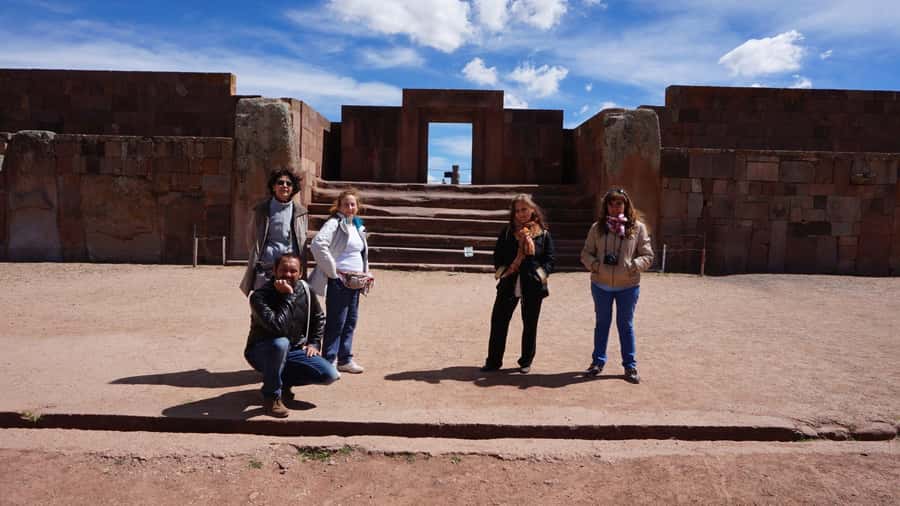
This is not a quick photo stop at the lakeshore. You leave your hotel in Copacabana at 08:00 and head to the pier for a full day on the water and islands.
The shared speedboat is included in the $120 price, so you do not need to arrange separate transport between the sites. That matters here. The two islands are the reason to book the tour, and the boat connects them without forcing you to organize several local transfers on your own.
The day ends with a boat ride back to Copacabana, with an approximate arrival at 17:00. That makes this a substantial outing, not a short morning trip. You should keep the rest of the evening fairly open, especially if you prefer not to rush after a day of walking and sightseeing.
Other Urubamba days worth putting on the list:
- Cusco:Sacred Valley Pisaq,Ollantaytambo,Chinchero with Lunch
★ 4.8 · 183 reviews - Machu Picchu: Group Guided Tour
★ 4.7 · 102 reviews - Machu Picchu: Tour Guide Service & Entrance Ticket Circuit-2
★ 4.6 · 90 reviews
Pikokaina, the Temple of the Sun
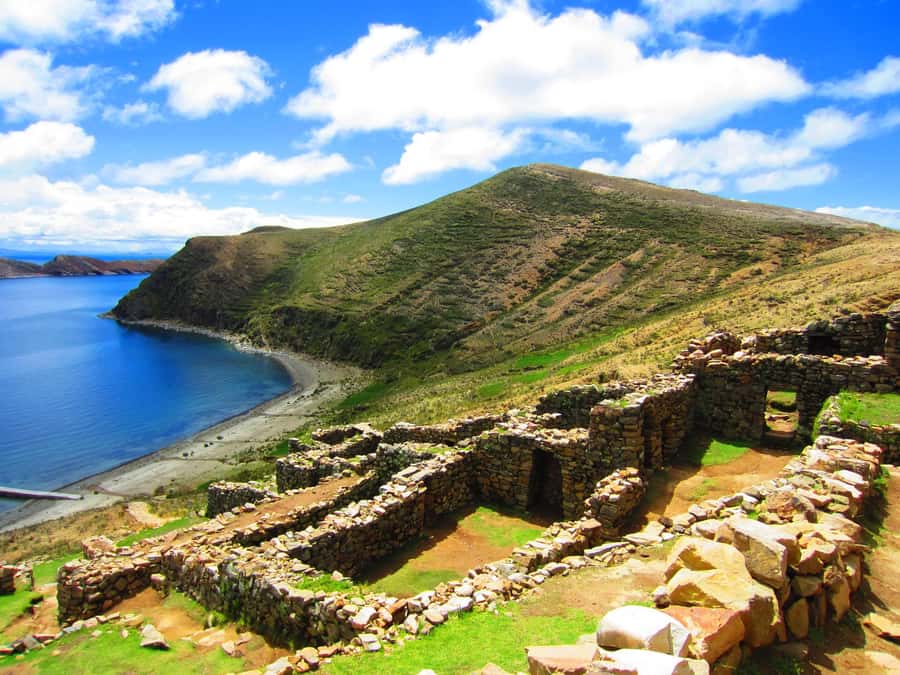
The first major stop is Pikokaina, an archaeological site on the southern part of the Sun Island. It is also called the Temple of the Sun, so this is where the tour first links the island scenery to Inca belief and ceremony.
I like this early stop because it gives your guide a useful setting for explaining the culture connected to the island. You are not simply looking at old stonework without context. The English or Spanish guide leads the visit and helps connect the remains to the wider stories of the Sun Island.
The exact amount of time at each place is not specified, so do not expect a self-paced museum visit. This is a guided day with several stops, and the schedule has to keep moving. If one ruin interests you deeply, take your photos and listen closely while you are there, since the next boat or walking section will follow.
Yumani stairs, eternal youth, and the Inca garden
After Pikokaina, you explore the southern part of the Sun Island and descend the Yumani stairs. These steps date back to the Inca era and lead to two of the more memorable details on the route: the fountain of eternal youth and an Inca garden.
The stairs give this part of the tour a physical character that you will not get from a boat-only excursion. You move through an old route rather than viewing the island from a dock. The fountain and garden also add variety, breaking up the archaeological visits with features tied to water, cultivation, and traditional island life.
You should treat the stairs as a real part of the itinerary, not a minor walk between attractions. Wear shoes that feel secure and allow enough time for careful steps. The tour description does not give a difficulty rating or explain the surface in detail, so anyone with limited mobility should ask the provider for current guidance before booking.
Once you reach the pier, you board the boat again and continue to Challapampa. This repeated pattern of walking, returning to the water, and boarding again is central to the day. It is efficient, but it also means you need to keep track of your belongings each time you change from land to boat.
Challapampa and the Sacred Rock
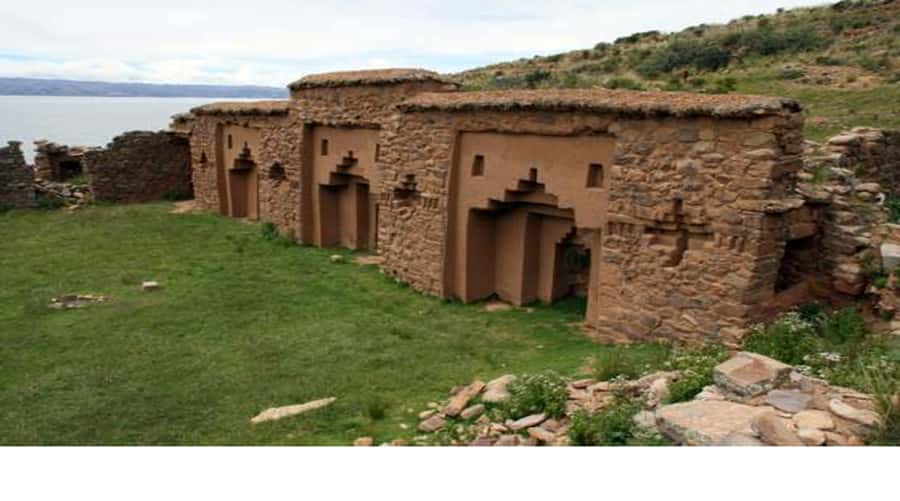
At Challapampa, the focus shifts toward the northern part of the Sun Island. You visit Chinkana and the Sacred Rock, both important stops in the island’s religious and mythological tradition.
The Sacred Rock is linked to stories about the birth of the sun star and the founders of Andean culture. That makes it more than an archaeological object. Your guide can explain how the site fits into the stories associated with the origins of Andean civilization.
Chinkana adds another archaeological stop to the northern section. Together, these sites show why the Sun Island is important beyond its views over Lake Titicaca. The value is in seeing physical places alongside the stories that give them meaning.
The route includes both the southern and northern parts of the Sun Island. That is an important detail when comparing this excursion with a shorter island visit. You are not limited to one end of the island, though the wider coverage also helps explain why the day runs from 08:00 until late afternoon.
Same valley, a completely different kind of day:
- From Cusco: Chinchero, Moray, Maras and Ollantaytambo
★ 4.5 · 83 reviews - from Urubamba & Ollantaytambo:Sacred Valley Full-Day Private
★ 4.9 · 31 reviews - Cusco: One Day Tour to Machu Picchu with Train Transfers
★ 4.8 · 28 reviews - Machu Picchu: historical and photographic guided tour
★ 4.9 · 27 reviews
The Moon Island and the Temple of the Moon
After the Sun Island visits, the boat takes you to the Moon Island. Here you visit the archaeological remains of the Temple of the Moon and the house of the Virgins of the Sun.
This final island adds another layer to the itinerary. The day is not built around a single famous ruin. Instead, it gives you a sequence of sites connected with the religious world of the Inca period, first on the Sun Island and then on the Moon Island.
The Temple of the Moon is presented as archaeological remains, while the Virgins of the Sun site offers another chance to learn about the social and religious structures associated with the period. The guide is especially important here, since the remains may not explain themselves at a glance.
A verified booking from June 2025 described the schedule as well planned and said the group visited the southern and northern ends of the Sun Island as well as all the listed sites on the Moon Island. That is useful confirmation of the tour’s broad coverage, though you should still allow for normal changes caused by boat timing or local conditions.
What the guide adds to the day
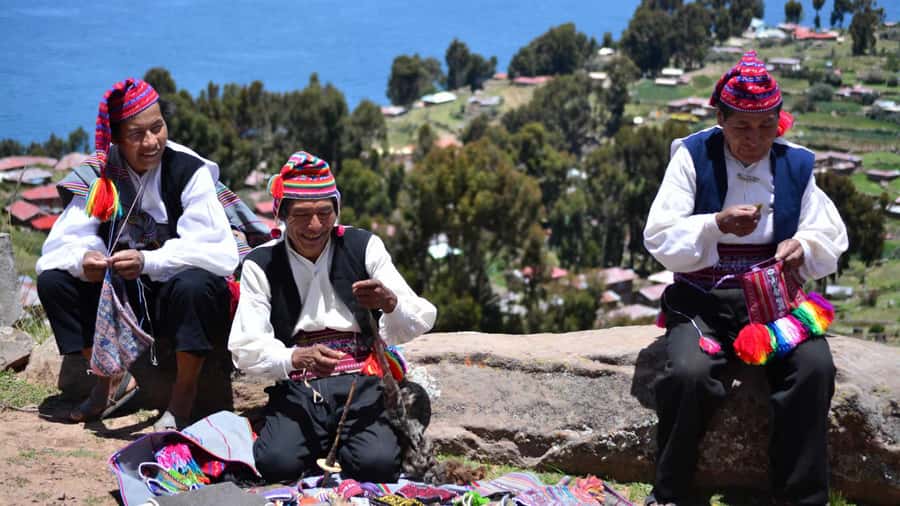
Guiding is one of the strongest parts of this experience. The tour includes a professional English or Spanish guide, and the guide feedback has been particularly positive.
One recent account described the guide as friendly, helpful, and well informed about Inca culture. Another gave the guide full marks for excellent knowledge. No guide name is supplied, so you should not book expecting a particular person. The important point is that the guide is not just there to lead you from the pier to the ruins.
That matters on the Sun and Moon Islands. You will see temples, stairs, rocks, gardens, and old structures, but their importance depends on explanation. The guide helps turn separate stops into a connected story about the Sun Island, the Moon Island, sacred places, and Andean origin traditions.
The language choice is English or Spanish. If you have a strong preference, confirm it when booking, since the experience is offered in both languages and the available guide may vary by departure.
Is $120 a fair price?
At $120 per person, this is not the cheapest way to spend a day around Lake Titicaca. But the price includes the shared speedboat, entrance tickets to each visited place, the island excursion, and a professional guide.
That package has practical value. You are covering two islands, several archaeological sites, and a full return trip to Copacabana. Buying tickets and arranging boat movements separately could be awkward, particularly when the itinerary depends on reaching the correct pier and transferring between the Sun and Moon Islands.
The value is strongest if you want a structured cultural day rather than only time on the lake. You are paying for coverage and coordination. You are also paying for explanations at places where the ruins and sacred sites may be difficult to understand without a guide.
The value is weaker if you mainly want a slow boat ride or a short island stroll. This tour has a fixed route and many stops. You will get more from the price if you care about archaeology, Inca culture, and seeing both islands in one outing.
Who will enjoy this tour most?
I would choose this excursion if you have one available day in Copacabana and want the widest island coverage offered here. It suits you if you like a mix of boat travel, ruins, mythology, and walking rather than one single attraction.
It is also a good match if you prefer having entrance fees and transport handled together. The included speedboat and tickets make the day easier to follow, while the guide provides the cultural setting for each stop.
You may want a different plan if your priority is a relaxed, unhurried schedule. The route includes the southern and northern parts of the Sun Island, the Yumani stairs, Challapampa, and the Moon Island. That is a lot to fit into one day.
The itinerary also involves walking and descending historic stairs. If that is a concern, ask for current details before reserving. The supplied information does not state whether the route can be modified or how much assistance is available.
Practical advice for the day
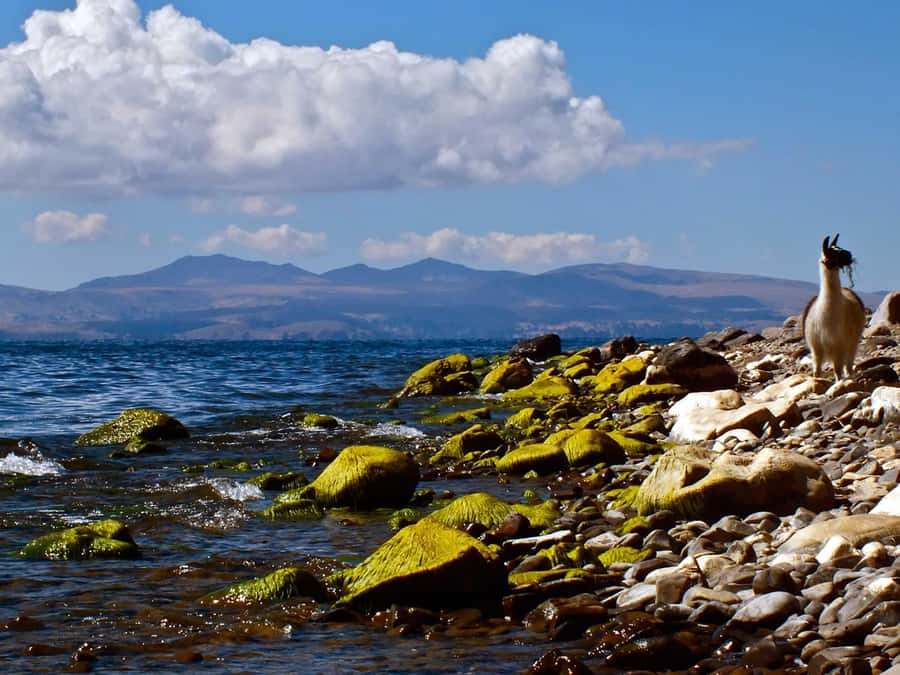
Start with comfortable shoes. The Yumani stairs are specifically part of the route, and the tour includes walking between the pier and archaeological sites.
Keep your day bag light. You will board and leave the shared speedboat more than once, so a small bag is easier to manage than bulky luggage.
Plan around the full schedule. Pickup begins at 08:00, and the expected return to Copacabana is around 17:00. Do not schedule another fixed activity too close to the return time.
Listen closely at the Sacred Rock and the temples. These stops carry much of the tour’s cultural meaning, and the guide’s explanations are a major part of what you are paying for.
The experience offers free cancellation up to 24 hours before departure for a full refund. You can also reserve now and pay later, which helps if you are still arranging your Peru or Bolivia plans.
My verdict: book it for coverage, not for a slow day
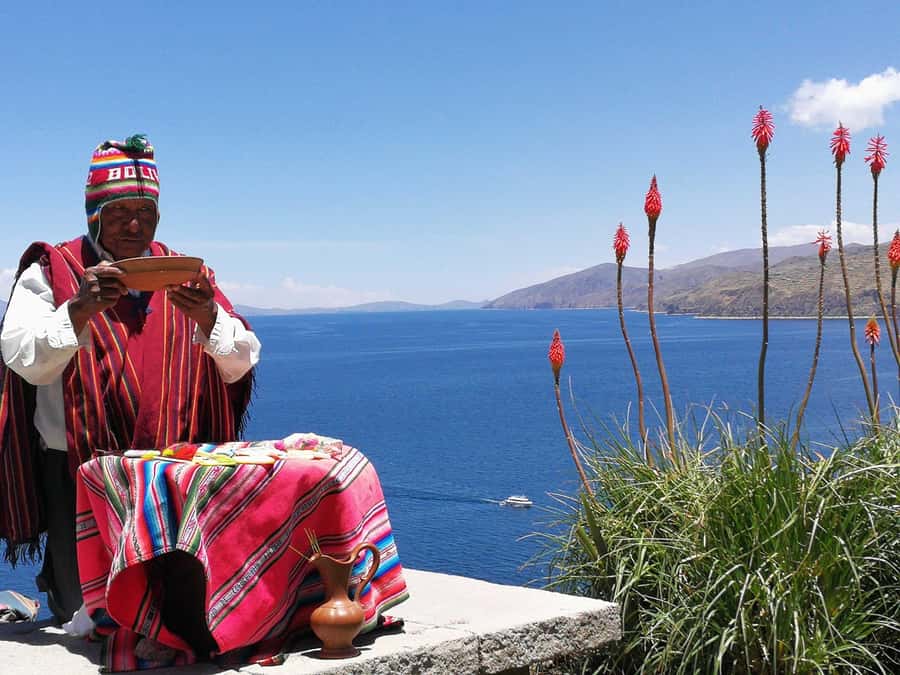
I would book the Sun and Moon Tour if you want to see a lot of Lake Titicaca in one well-organized day. The two-island route is the main selling point, and the combination of Pikokaina, Yumani, Chinkana, the Sacred Rock, the Temple of the Moon, and the Virgins of the Sun site gives the day real substance.
I would skip it only if you want a gentle schedule with long pauses. The 08:00 start, historic stairs, multiple boat transfers, and 17:00 return make this an active outing.
For most people with limited time in Copacabana, the $120 price is reasonable because transport, tickets, and guiding are bundled together. Book it for broad coverage and cultural context, and arrive ready to walk.
FAQ
Where does the Sun and Moon Island Tour start?
The tour starts with hotel pickup in Copacabana at 08:00. You then go to the pier to begin the boat trip on Lake Titicaca.
How long does the tour last?
It is a full-day tour. The approximate return time to Copacabana is 17:00.
Which languages are available for the guide?
The live guide is available in English or Spanish.
What transport is included?
A shared speedboat is included for travel between Copacabana, the Sun Island, the Moon Island, and the return journey.
Which sites are visited on the Sun Island?
The route includes Pikokaina, also called the Temple of the Sun, the southern part of the island, the Yumani stairs, the fountain of eternal youth, the Inca garden, Chinkana, and the Sacred Rock.
Which sites are visited on the Moon Island?
You visit the archaeological remains of the Temple of the Moon and the house of the Virgins of the Sun.
Are entrance tickets included?
Yes. Entrance tickets to each of the places visited are included in the tour price.
Just added around Urubamba
- Sacred Valley Tour 1 Day★ 5.0 · 3 reviews
- Super Sacred Valley★ 3.8 · 6 reviews
- Peru in 5 days: Lima, Cusco, Machupicchu & Rainbow Mountain★ 5.0 · 3 reviews
- Machu Picchu: 1-day tour by Vistadome Panoramic train★ 4.7 · 15 reviews
- Machupicchu 2025: The best ticket Circuit 2★ 3.5 · 6 reviews
- Machu Picchu: historical and photographic guided tour★ 4.9 · 27 reviews
- Guided tour of Cusco and its 4 ruins★ 3.8 · 3 reviews
- Private Guide in Machu Picchu for 3 Hours★ 4.2 · 17 reviews
Cusco Tours, compared.
Humantay Lake Tour with Breakfast and Buffet Lunch
Read our review →
Sacred Valley & Maras Salt Mines Tour with Lunch
Read our review →
Moray, Maras Salt Mines & Chinchero Weavers Tour
Read our review →

Half-Day City Tour with Sacsayhuaman and Q’enco
Read our review →
Sacred Valley, Pisac, Ollantaytambo, Salt Mines Moray
Read our review →