Reviewed · GUIDED
Guided tour of Cusco and its 4 ruins
Cusco’s past comes at you in layers on this tour: Spanish cathedral over Inca foundations, the gold-lined Qoricancha beside colonial stonework, then huge Inca walls and water shrines above town. For $20, you cover a lot of ground without arranging separate taxis or guides.
I like the strong mix of city sights and hilltop ruins, and I like that the guide brings context to places that can otherwise look like piles of old stone. One exceptional guide, described as a university professor called Doctor, made the history especially engaging. The catch is timing: the advertised six-hour activity conflicts with a stated four-and-a-half-hour finish, and Sundays may change the order.
In This Review
- Key points to know before booking
- Why this half-day route works in Cusco
- Plaza de Armas and the Cusco Cathedral
- Qoricancha, the Temple of the Sun
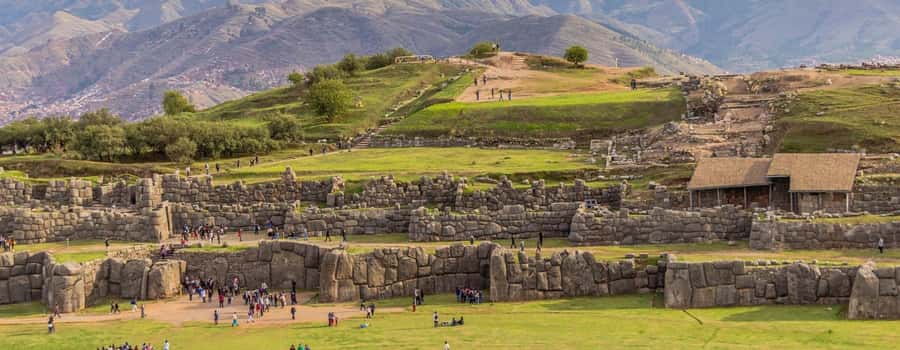
- Sacsayhuamán and the scale of Inca stonework
- Qenqo, a sanctuary carved into stone
- Puca Pucara, the Red Fortress
- Tambomachay and the worship of water
- The guide matters more than the vehicle
- Timing problems and the Sunday warning
- What you will pay and what you receive
- Who should choose this Cusco tour?
- Should you book it?
- FAQ
- How long does the tour last?
- What places are visited?
- Is transportation included?
- Is a guide included?
- Are entrance tickets included?
- How much are the listed entrance fees for a foreign adult?
- How much are the listed entrance fees for a local adult?
- Can the tour order change on Sundays?
- Can I cancel the booking?
Key points to know before booking
- Qoricancha joins Inca worship and Spanish church architecture in one compact visit.
- Sacsayhuamán provides the tour’s biggest visual moment, with massive fitted stones and broad views over Cusco.
- Four ruins are covered by minibus, saving you the trouble of organizing transport uphill.
- Entry tickets are extra, adding about $33.50 for a foreign adult at the listed rates.
- Sunday departures need special care, since the route may begin with the ruins and end with the city sights.
- The guide can make or break the day, and the strongest reported experience came from Doctor, a university professor with a passion for history.
Why this half-day route works in Cusco
Cusco is not a place you understand from one square or one ruin. Its meaning comes from seeing how Inca engineering, religion, and Spanish colonial power overlap. This tour gives you that broad picture in one outing, starting in the center and then climbing into the hills around the city.
The $20 price covers the meeting-point pickup, minibus, guide, and return transfer to central Cusco. That is a fair base price, especially if you want transportation to all four ruins. You need to budget separately for admission, though, so the real cost is higher than the headline figure.
For a foreign adult, the listed entry charges are 40 soles for the Cathedral, 15 soles for Qoricancha, and 70 soles for the four ruins. That totals 125 soles, or about $33.50 at the supplied conversion rates. A local adult pays 67.50 soles in total. Check the exact current exchange rate and ticket rules when booking, but use these figures to compare the tour honestly with other options.
The route is also useful early in a Cusco visit. You get a quick introduction to the city’s religious center, Inca sacred space, military architecture, ceremonial sites, lookout points, and water worship. Afterward, you can decide which places deserve a slower return visit.
A few more Urubamba trips to weigh up
- Machu Picchu: Group Guided Tour
★ 4.7 · 102 reviews - Machu Picchu: Tour Guide Service & Entrance Ticket Circuit-2
★ 4.6 · 90 reviews - Machu Picchu: historical and photographic guided tour
★ 4.9 · 27 reviews
Plaza de Armas and the Cusco Cathedral
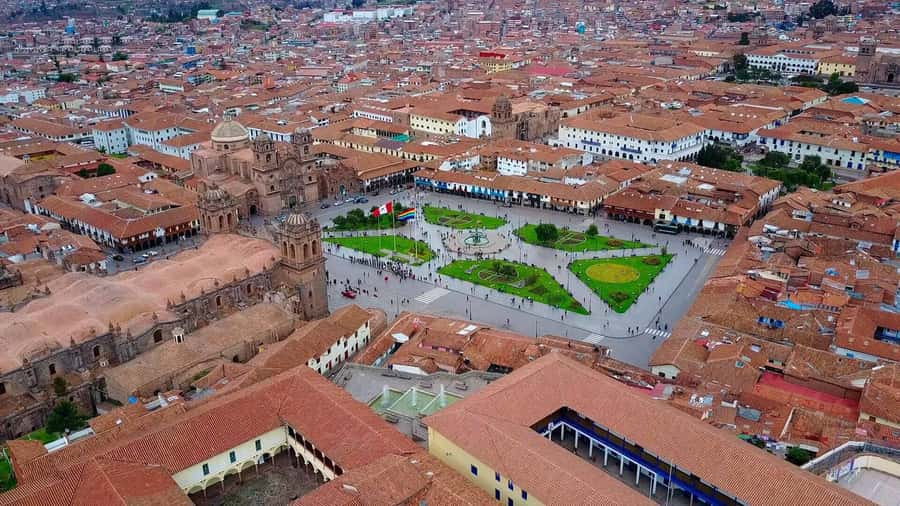
The tour begins at the Plaza de Armas, Cusco’s central square and the natural starting point for understanding the city. The Cathedral sits here, and the visit takes you inside one of the city’s major churches.
The attraction is not only the building itself. The Cathedral contains a large collection of religious art and decorative work, including elements described as being made with Inca gold. That detail points to the complicated relationship between the Spanish church and the Inca world it replaced. You are not just looking at colonial decoration. You are seeing materials and artistic traditions folded into a new religious setting.
The Cathedral is an important stop for anyone interested in the meeting of cultures. It also helps you read the rest of Cusco. After seeing Spanish religious power in the main square, Qoricancha gives you a sharper sense of the Inca religious center that came before it.
There is one practical issue here: the Cathedral ticket is not included. At 40 soles for a foreign adult, it is the most expensive of the two city admissions. If your main interest is Inca engineering rather than colonial art, you may want to weigh that cost before booking.
Qoricancha, the Temple of the Sun
From the Plaza de Armas, you walk to nearby Qoricancha. This short city walk is a welcome change from sitting in the minibus and keeps the central part of the tour compact.
Qoricancha was one of the most important religious centers of the Inca Empire. Its exact construction date remains uncertain, but its importance is clear. The site was dedicated to the sun, and its surviving stonework shows the precision of Inca building methods.
What makes Qoricancha particularly valuable is the way Inca and Spanish elements occupy the same place. The Spanish built the Santo Domingo church and convent over the Inca temple, creating one of Cusco’s clearest examples of cultural collision and adaptation. You can see how colonial construction sits on, around, and above Inca foundations.
The entry fee is listed as 15 soles per person, separate from the tour price. That is a modest addition compared with the Cathedral and the four-ruins ticket. If you care about architecture, religion, or the way Cusco’s past survives beneath its colonial center, Qoricancha is likely one of the most worthwhile paid stops.
The timing matters here. One verified booking from a Sunday did not reach Qoricancha until after the planned four-and-a-half-hour period had nearly passed. If Qoricancha and the Cathedral are your main goals, confirm the Sunday order before setting aside the day.
Sacsayhuamán and the scale of Inca stonework
After the central sights, the minibus travels for about half an hour to the ruins above Cusco. Sacsayhuamán is the main architectural draw of this section.
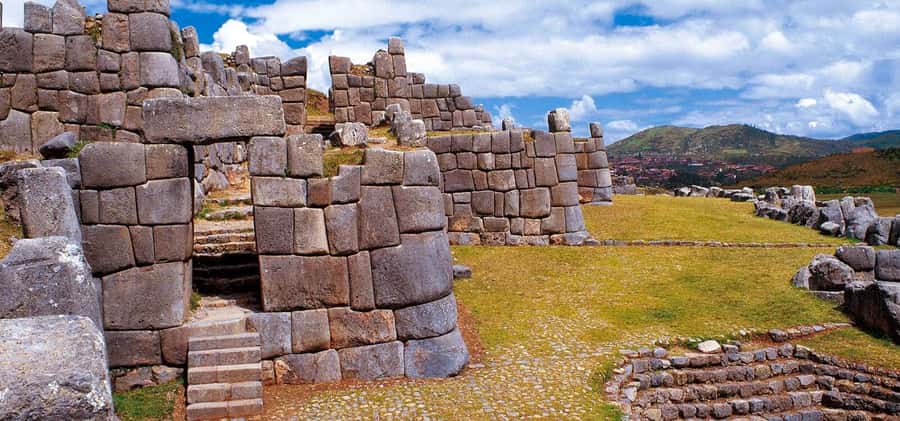
The fortress is known for enormous stones fitted together with remarkable precision. Even without a long explanation, the scale gives you a sense of the labor and planning involved. With a guide, you can better understand why the site is considered one of the greatest Inca building projects.
This is the place where the tour’s transport earns its keep. Sacsayhuamán lies outside the central walking route, and combining it with three more sites would be tiring and inefficient without a vehicle. The minibus also lets you see the ruins as part of one connected ceremonial and defensive zone rather than as isolated stops.
Your experience will depend on how long the guide can spend at each site. Since the route tries to include four ruins plus the Cathedral and Qoricancha, expect an overview rather than a slow archaeological study. That is a fair trade for seeing so much in one morning or afternoon, but it may frustrate you if Sacsayhuamán is the reason you came to Cusco.
Same valley, a completely different kind of day:
- Cusco:Sacred Valley Pisaq,Ollantaytambo,Chinchero with Lunch
★ 4.8 · 183 reviews - From Cusco: Chinchero, Moray, Maras and Ollantaytambo
★ 4.5 · 83 reviews - from Urubamba & Ollantaytambo:Sacred Valley Full-Day Private
★ 4.9 · 31 reviews - Cusco: One Day Tour to Machu Picchu with Train Transfers
★ 4.8 · 28 reviews
Qenqo, a sanctuary carved into stone
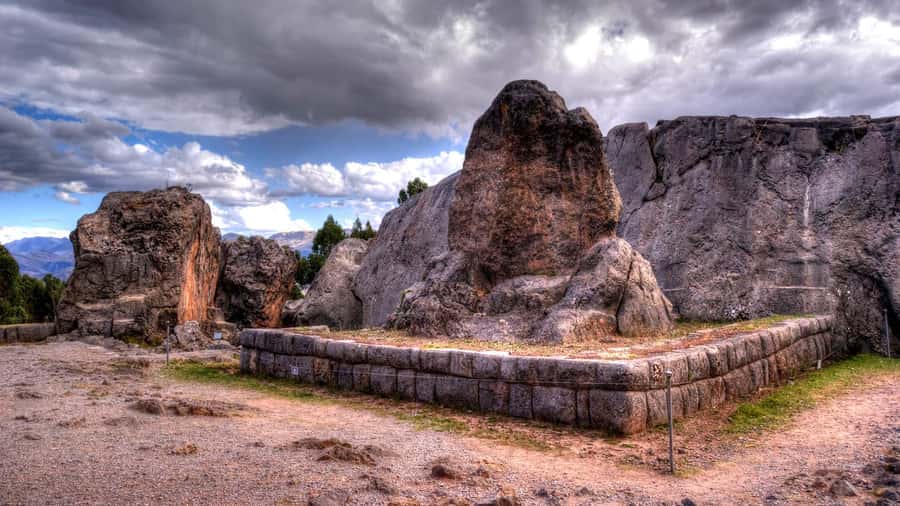
The next stop is Qenqo, described as one of the most important sanctuaries of its period. Compared with Sacsayhuamán, Qenqo is less about giant walls and more about sacred use, carved surfaces, and ritual meaning.
This stop helps balance the itinerary. You move from a site associated with large-scale construction to a place connected with ceremony and worship. A guide is useful here because the remains may not explain themselves at a glance. The value comes from learning how the spaces were used and why the site mattered.
Qenqo also shows why a four-ruins tour can be more useful than visiting only the largest monument. Cusco’s surrounding sites served different roles. Seeing several in one outing gives you a better sense of how the Incas organized sacred, military, and practical spaces around the city.
Puca Pucara, the Red Fortress
Puca Pucara is known as the Red Fortress and served as a watchtower. It is a shorter, more focused stop in the sequence, giving you another view of how the Inca road and settlement system worked around Cusco.
The name is easy to remember, and the site’s position adds variety after the sanctuary at Qenqo. You can think of it as part of the city’s outer network rather than a single grand monument. Its role was tied to observation and control, so the guide’s explanation matters more than the size of the remains.
Do not expect every stop to have the same visual impact as Sacsayhuamán. Puca Pucara is valuable because it adds a practical side to the story. The Incas needed places to watch movement and manage access, not only temples and ceremonial centers.
Tambomachay and the worship of water
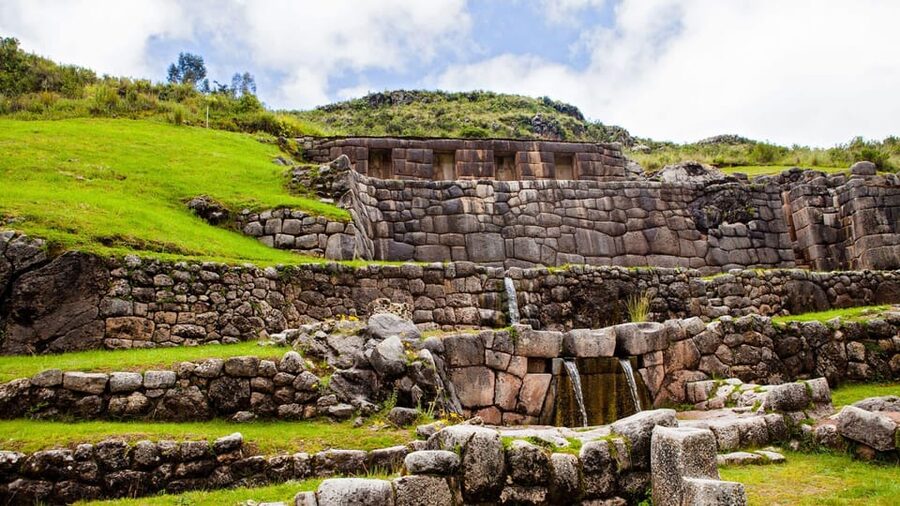
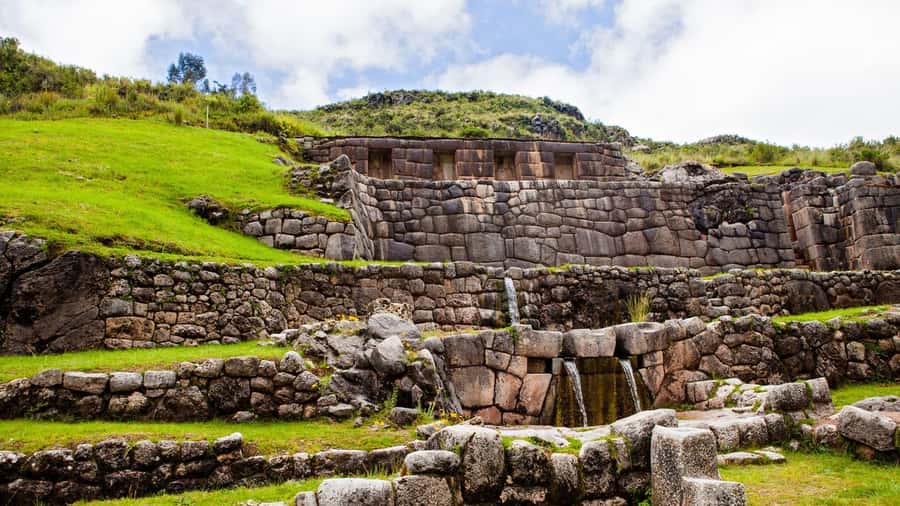
The final ruin is Tambomachay, also called the Inca Bath. Here, the focus shifts to water. The site is described as a place where the Incas worshiped water, making it a fitting end to the ruins portion.
Tambomachay gives the tour a quieter religious theme after the military associations of Sacsayhuamán and Puca Pucara. It also reminds you that Inca sacred life was tied to natural forces, not only to buildings and rulers.
The stop is important for the way it completes the story. Qoricancha presents solar worship in the city. Qenqo presents sanctuary space. Tambomachay turns your attention to water and ritual. Those connections make the four ruins feel more purposeful than a simple checklist of monuments.
The guide matters more than the vehicle
The minibus is practical, but the guide is the heart of this experience. The tour is offered in Spanish and English, and the guide is expected to explain both the city sights and the four ruins.
The best reported guiding came from Doctor, described as a university professor who was deeply passionate about history and his work. That sort of guide can turn a quick stop into a clear lesson, especially at Qenqo and Tambomachay, where interpretation adds much of the value.
At the same time, you should treat the guide quality as variable unless a specific guide is confirmed for your departure. The tour’s structure covers many locations, so clear time management is just as important as historical knowledge. A good guide needs to explain the sites while keeping the group moving.
The transport itself is not presented as a special attraction. It is simply the tool that makes the route possible. That is fine. You are paying for access, coordination, and explanations rather than a luxury vehicle or a private tour.
Timing problems and the Sunday warning
The supplied details give two different durations: six hours in the activity information and four and a half hours in the description of the day. That difference is not minor. It affects museum planning, meals, return transport, and any afternoon booking you make.
One Sunday booking exposed a real risk. The pickup arrived at 9:30, later than expected, and the route began with the ruins. By 2:00, Qoricancha, the Cathedral, and the Plaza de Armas had not yet been visited. The guest had to leave before reaching the city sights, which were the main reason for choosing the tour.
The practical lesson is simple: ask about Sunday ordering and the actual end time before you pay. Sundays may reverse the route, with the ruins first, followed by Qoricancha and the Cathedral. If those central sights matter most to you, do not assume the written order will apply.
You should also avoid scheduling a tight connection or fixed afternoon activity after the tour. The advertised times have not been fully consistent, and a late pickup can reduce the time available at the final stops.
What you will pay and what you receive
At $20 per person, the tour is priced as a budget introduction rather than a complete ticket package. The included minibus and guide make the base price useful, particularly if you are traveling alone or with a small group and do not want to negotiate separate rides.
The additional 125 soles for a foreign adult changes the calculation. You are paying roughly $53.50 in total using the listed conversions. That remains reasonable for a guided route covering six major places, but it is no longer a $20 outing.
The value is strongest if you want breadth. You get the Cathedral, Qoricancha, Sacsayhuamán, Qenqo, Puca Pucara, and Tambomachay in one organized trip. The value is weaker if you want long visits, careful photography time, or complete control over the order.
Cancellation is flexible up to 24 hours before departure for a full refund, and you can reserve now and pay later. Starting times depend on availability. Those terms help if your Cusco schedule is still shifting, but they do not remove the need to clarify the Sunday plan.
Who should choose this Cusco tour?
I would recommend it to you if this is your first stay in Cusco and you want a broad introduction without spending a full day arranging taxis. It also fits visitors who enjoy historical explanation and prefer a guide to connect the sites.
It suits budget-conscious visitors who are comfortable paying entrance fees separately. It is also a good match for anyone who wants both the central city monuments and the surrounding ruins, rather than choosing between them.
I would be more cautious if your schedule is tight, if Qoricancha and the Cathedral are your top priorities, or if you need a firm finish time. Sunday departures deserve extra checking, and the four-and-a-half-hour versus six-hour discrepancy should not be ignored.
This is not the right format if you want a private, slow-paced archaeological visit. You will be moving between several locations, and each stop receives only part of the day. Its strength is coverage, not leisurely detail.
Should you book it?
Book this tour if you want an affordable first look at Cusco’s main religious and archaeological sites, and if you value having transport and a live Spanish or English guide arranged for you. Sacsayhuamán, Qoricancha, and the cultural contrast between them make the outing worthwhile.
Before booking, confirm three points: the real duration, the Sunday route order, and the total entrance cost. If the operator can give you a clear answer and your schedule has some slack, the tour offers solid value. If you need the Cathedral and Qoricancha at a fixed time, choose a plan with more control.
FAQ
How long does the tour last?
The activity information gives a duration of six hours, while the description says the tour leaves you near the Plaza de Armas after four and a half hours. Confirm the current timing before booking.
What places are visited?
The route includes the Cusco Cathedral, Qoricancha, Sacsayhuamán, Qenqo, Puca Pucara, and Tambomachay.
Is transportation included?
Yes. Pickup at the meeting point, minibus transportation, and a return transfer to central Cusco are included.
Is a guide included?
Yes. A live guide is included, with Spanish and English offered.
Are entrance tickets included?
No. Cathedral, Qoricancha, and four-ruins admission are paid separately.
How much are the listed entrance fees for a foreign adult?
The Cathedral is 40 soles, Qoricancha is 15 soles, and the four ruins cost 70 soles. The listed total is 125 soles.
How much are the listed entrance fees for a local adult?
The Cathedral is 12.50 soles, Qoricancha is 15 soles, and the four ruins cost 40 soles. The listed total is 67.50 soles.
Can the tour order change on Sundays?
Yes. On Sundays, the route may begin with the four ruins and finish with Qoricancha, the Cathedral, and the Plaza de Armas. Confirm the order before departure.
Can I cancel the booking?
You can cancel up to 24 hours in advance for a full refund. The activity also offers a reserve-now-and-pay-later option.
Just added around Urubamba
- Sun and Moon Tour★ 4.5 · 3 reviews
- Sacred Valley Tour 1 Day★ 5.0 · 3 reviews
- Super Sacred Valley★ 3.8 · 6 reviews
- Peru in 5 days: Lima, Cusco, Machupicchu & Rainbow Mountain★ 5.0 · 3 reviews
- Machu Picchu: 1-day tour by Vistadome Panoramic train★ 4.7 · 15 reviews
- Machupicchu 2025: The best ticket Circuit 2★ 3.5 · 6 reviews
- Machu Picchu: historical and photographic guided tour★ 4.9 · 27 reviews
- Private Guide in Machu Picchu for 3 Hours★ 4.2 · 17 reviews
Guided, compared.
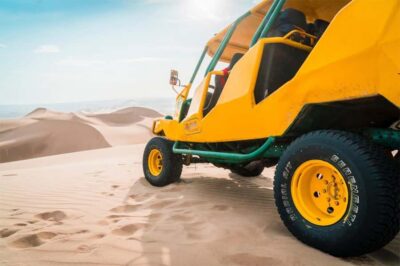
Paracas and Huacachina Oasis Full Day Guided Tour
Read our review →
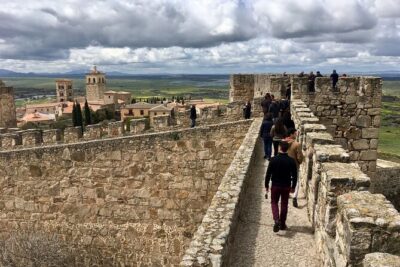
Guided Tour of Historic and Monumental Trujillo
Read our review →
Paracas and the Huacachina Oasis Guided Day Tour
Read our review →
Pachacamac Ruins & Barranco Half-Day Guided Tour
Read our review →