
Reviewed · MACHU PICCHU TOURS
4 days/3 nights: Inka Jungle Trek to Machu Picchu
The best part of this four-day Inka Jungle Trek is the changing pace. You bike down from Abra Málaga, walk beside the Urubamba River, cross by an old-style cable platform, soak at Cocalmayo, and reach Machu Picchu on foot before touring the ruins. It feels less like a single hike and more like an active route through several worlds.
I like the small groups of up to 15 and the wide mix of activities. I also like the local feel of family-run hostels, simple restaurants, fruit plants, and village roads. The main caution is that Day 2 is a long 7 to 8-hour walk, and Day 3 can be uncomfortable if you carry a full backpack instead of a small day bag.
In This Review
- Key points to know before booking
- Why this route feels different from a standard Machu Picchu trip
- Day 1: Abra Málaga to Santa María by bike
- Day 2: Santa María, the Inca road, and Cocalmayo
- Day 3: Zip lining, Hidroeléctrica, and the railway walk
- Day 4: Walking up to Machu Picchu
- The physical effort, plainly explained
- What the USD 420 price really covers
- Guide support and group experience
- What to pack for four active days
- Who should book the Inka Jungle Trek?
- Should you book it?
- FAQ
- How long is the Inka Jungle Trek?
- What languages does the guide speak?
- How large is the group?
- Is Machu Picchu entrance included?
- Are the Machu Picchu shuttle buses included?
- Is Wayna Picchu included?
- Is rafting guaranteed?
Key points to know before booking
- 3 to 4 hours of downhill biking: The first day begins high in the mountains and drops toward Santa María through changing scenery.
- A demanding second day: Expect long walking hours, repeated climbs and descents, and uneven parts of an old Inca road.
- Rafting and zip lining are built into the plan: Both are subject to conditions and operational details, so confirm what is running.
- Cocalmayo hot springs: The soak is a welcome break, but the entrance fee is extra.
- Three different ways to reach Aguas Calientes: You walk to Hidroeléctrica, then follow the railway for about three hours.
- Machu Picchu entry and guide included: Bus tickets up and down are not included, and Wayna Picchu costs an additional USD 65.
Why this route feels different from a standard Machu Picchu trip
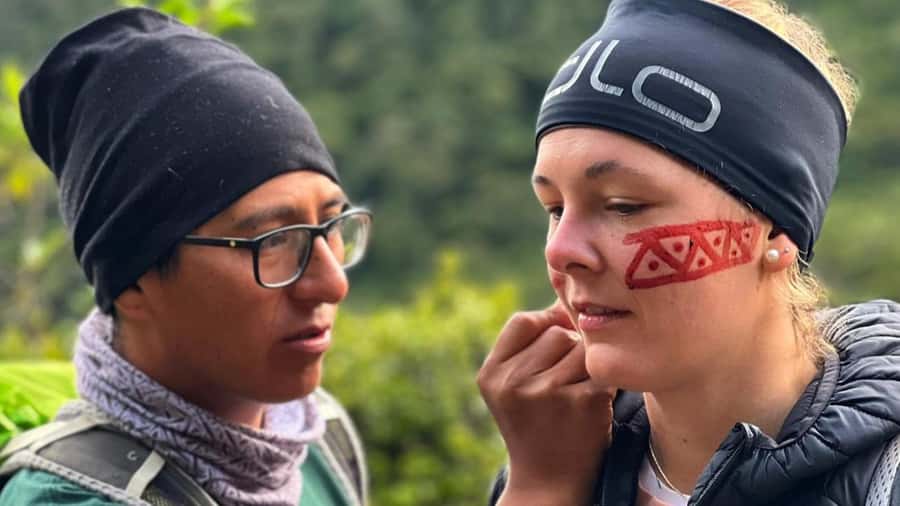
Many visits to Machu Picchu are mostly about transport: a train, a hotel, a guided visit, and a train back. This route makes the journey part of the main event. You move from cold mountain air near Abra Málaga toward the warmer Inka jungle, with bicycles, river paths, village roads, hot springs, and railway tracks filling the days between Cusco and the ruins.
The price is USD 420 per person, which is strong value if you want several activities and most meals arranged in one package. It includes three nights of accommodation, three breakfasts, three lunches, three dinners, the Machu Picchu entrance, the guide, transport from Cusco to the starting point, the return train to Ollantaytambo, and the bus onward to Cusco.
It is not a luxury trip. The hostels are described as simple, and one account raised concerns about the final hotel room and the level of support after a knee injury. You should view this as an active budget-to-midrange adventure, not a polished lodge-to-lodge holiday.
More machu picchu tours in Urubamba:
- Machu Picchu: Group Guided Tour
★ 4.7 · 102 reviews - Machu Picchu: Tour Guide Service & Entrance Ticket Circuit-2
★ 4.6 · 90 reviews - Cusco: One Day Tour to Machu Picchu with Train Transfers
★ 4.8 · 28 reviews
Day 1: Abra Málaga to Santa María by bike
Pickup is scheduled for 6:30 a.m. from your hotel in Cusco. A private vehicle takes about four hours to reach the Abra Málaga area, followed by the transfer to San Luis, where the cycling portion begins.
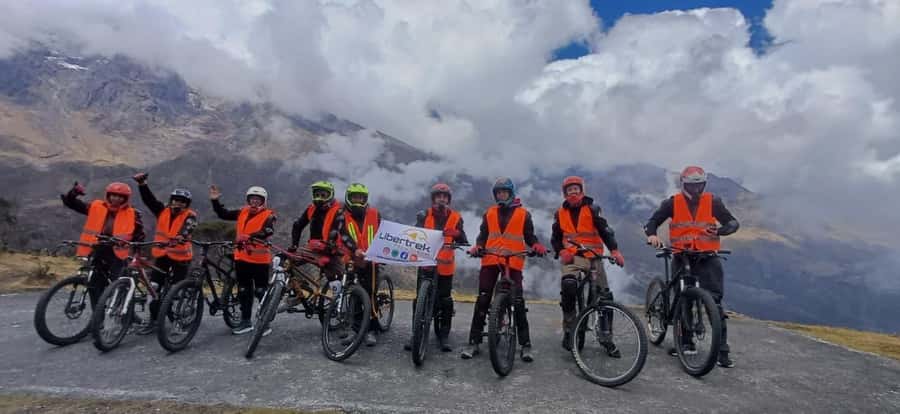
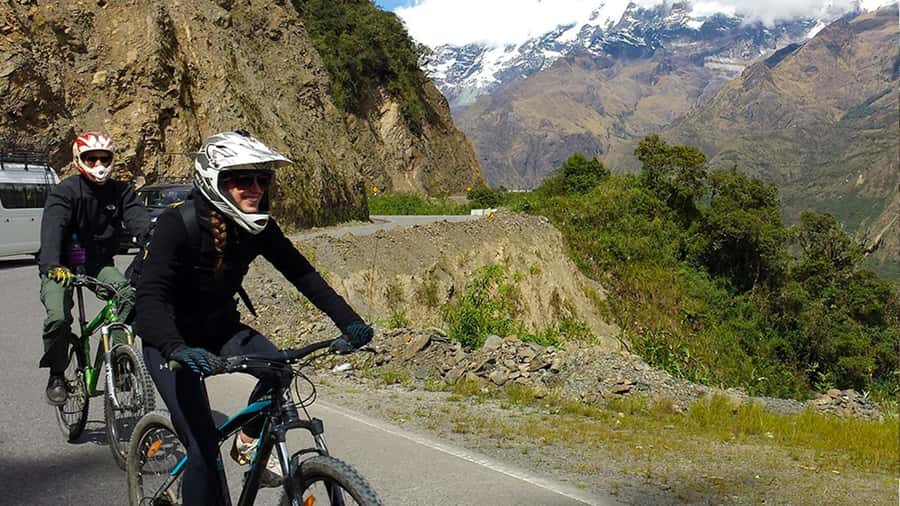
The ride lasts roughly three to four hours and is mainly a descent. That matters because the distance may sound easy, but you still need control, balance, and comfort on a bicycle for a sustained period. You receive biking equipment, though you should still check the bike fit before setting off.
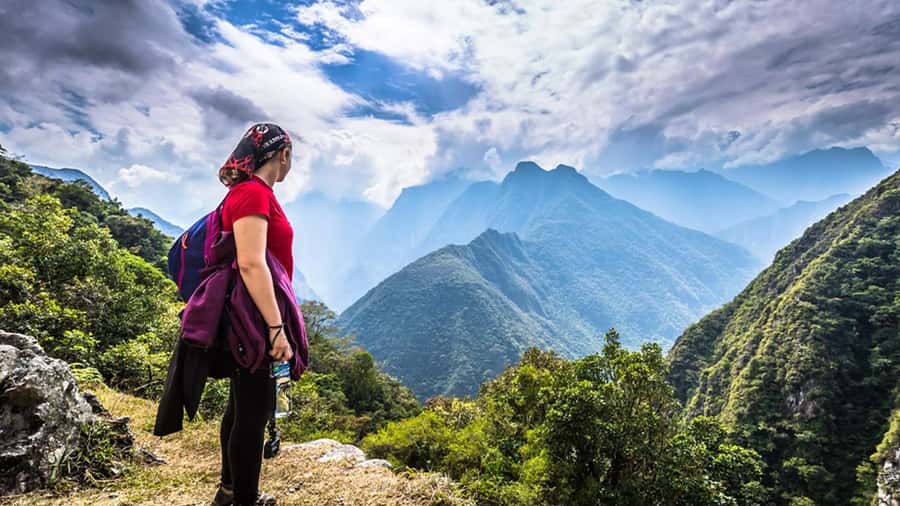
The views change quickly as you drop from the mountain pass toward warmer country. You pass mountain scenery, jungle vegetation, and the archaeological center of Huamanmarca. This first day gives you the route’s clearest sense of movement, from high slopes to the humid valley.
Santa María is your base for the night. The hostel is included, along with dinner. Breakfast on this first morning is not included, so plan to eat before pickup or bring something with you.
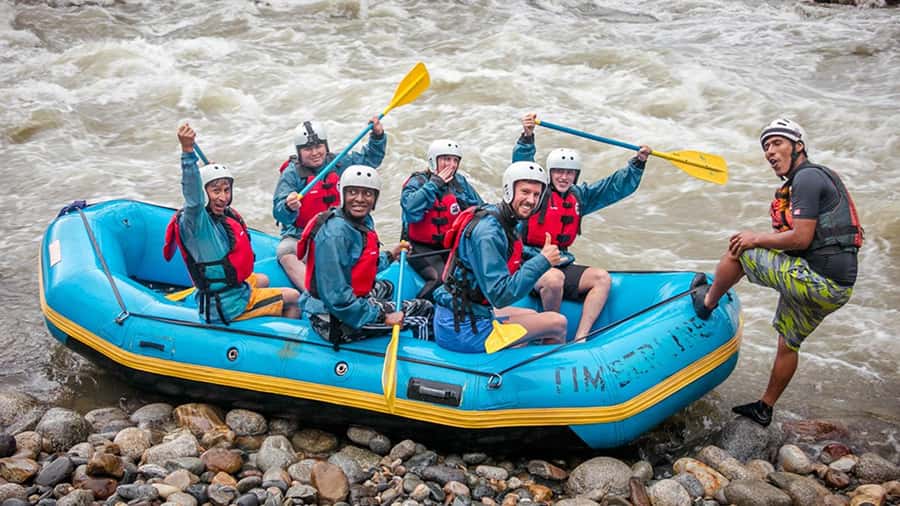
An optional rafting outing is scheduled around 3 p.m. on the Urubamba River. The rapids are listed as Class III and IV, which is a serious recreational level rather than a gentle float. The activity is subject to river and weather conditions from January 1 through March 31. If high water prevents it from running, there is no refund, so treat rafting as a possible extra rather than the central reason to book.
Day 2: Santa María, the Inca road, and Cocalmayo
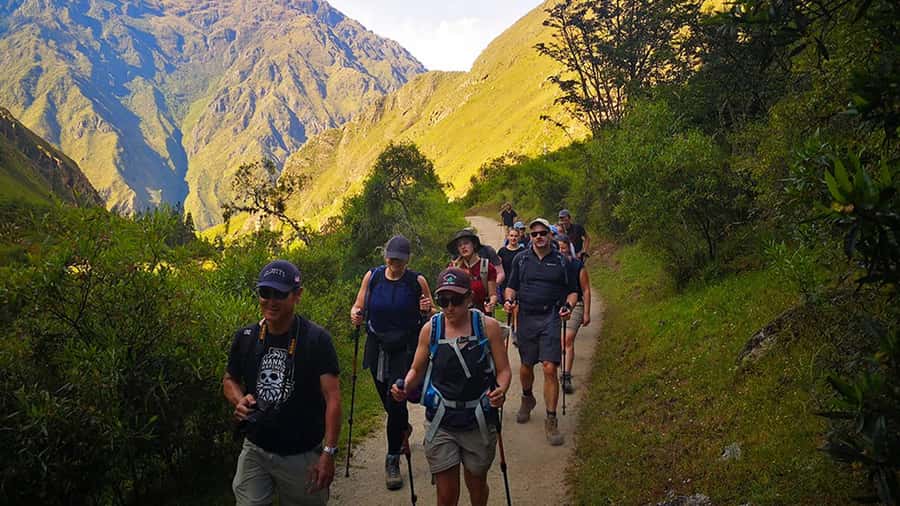
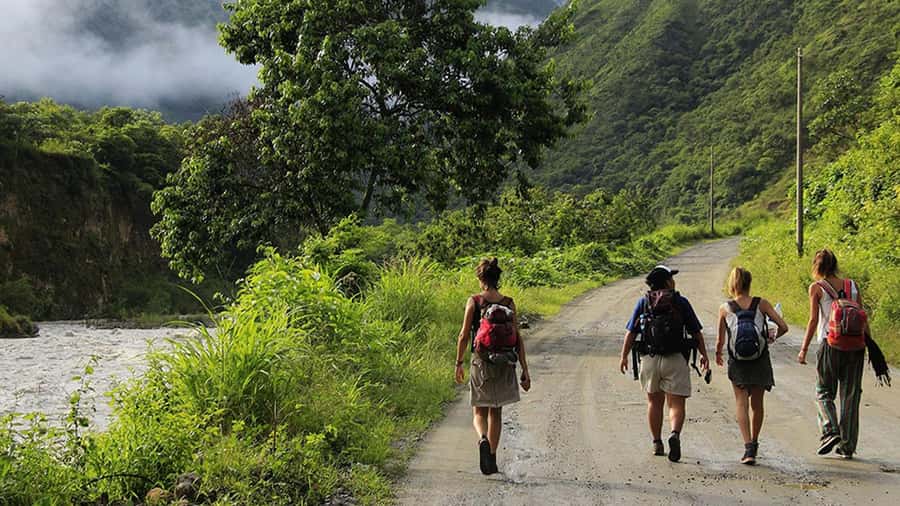
Day 2 is the physical test. After an early breakfast, you walk for about seven to eight hours along the Urubamba River, with regular ascents and descents.
The appeal is the old Inca road, described as well preserved in parts. You also pass fruit and medicinal plants used by local communities, with birds such as parrots in the surrounding vegetation. This is the day that gives the tour its strongest connection to the older route network and present-day village life.
The drawbacks are practical. Seven to eight hours is a long time on foot, and the route is not simply flat riverside walking. You should expect heat, humidity, uneven ground, and repeated uphill sections. Comfortable hiking shoes, hiking pants, sunscreen, insect repellent, water, and personal medication are all sensible choices.
A key packing tip is to use a small backpack for the active part of the journey. One poor experience came from not being told this clearly during the briefing, leaving a participant to carry a heavy pack for about 11 kilometers. Ask before departure which luggage will be transported and what you must carry yourself.
Later, you cross the Urubamba River by oroya, a small suspended platform pulled across the water. It is a memorable piece of local transport and a reminder that this route is not just a marked tourist path. You then reach the Cocalmayo hot springs near Santa Teresa.
The springs are a natural reward after the long walk, but admission is not included. Bring swimwear and a towel, two items specifically recommended for this trip. Santa Teresa is your second overnight stop.
Day 3: Zip lining, Hidroeléctrica, and the railway walk
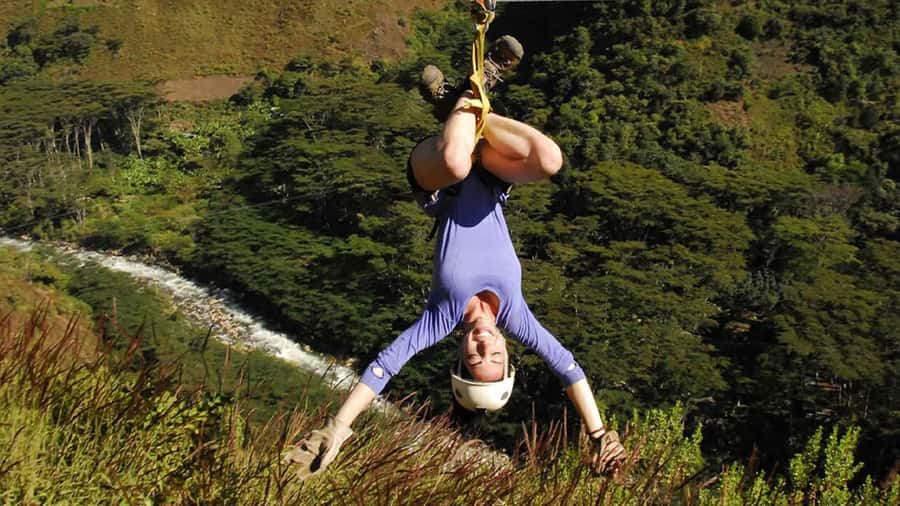
You can choose an optional zip line at Cola de Mono in the morning. The tour information also lists zip lining among the inclusions, so clarify before departure whether the activity is included in your particular departure or treated as an optional add-on. That small point is worth settling early.
After breakfast, you walk toward Hidroeléctrica through a narrow canyon. The climate is described as pleasant, and this is where you may first get a clear view of Machu Picchu Mountain. Lunch is planned at Hidroeléctrica.
From there, you follow the railway tracks for about three hours to Aguas Calientes. This section is less adventurous than the bike descent or the long Inca-road walk, but it is still a substantial walk. The trackside route gives you a gradual approach to the Machu Picchu area rather than a quick arrival by train.
This is also the day when luggage planning matters most. If you are carrying a large pack, three hours beside the tracks can feel much longer. Use a light daypack with water, rain protection, sunscreen, insect repellent, a camera, and any medication you need during the day.
Aguas Calientes is your third overnight stop. The accommodation is included, but standards can vary. One account described the final room as poor and said a room change was not possible. That is not a reason to reject the whole tour, but it is a good reminder to keep expectations modest and report problems promptly to the guide or agency.
A few more Urubamba trips to weigh up
- From Cusco: Salkantay trek 5 days/4 nights meals included
★ 4.0 · 3 reviews - From Arequipa: Sillar Route Trek
★ 4.2 · 461 reviews - From Cusco: 7 Lakes Ausangate Trek with Breakfast and Lunch
★ 4.8 · 360 reviews - From Arequipa: 2-Day Colca Canyon Trekking Tour
★ 4.8 · 243 reviews
Day 4: Walking up to Machu Picchu
After breakfast, you walk from Aguas Calientes toward Machu Picchu. The plan is to arrive early and possibly be among the first groups inside for morning light. The walk lets you enter under your own power, but you can also buy the optional bus tickets, listed at USD 24 for the trip up and down.
The entrance to Machu Picchu is included. A guide is also meant to lead a visit covering major points such as Inti Watana, the Temple of the Condor, and the Sacred Rock.
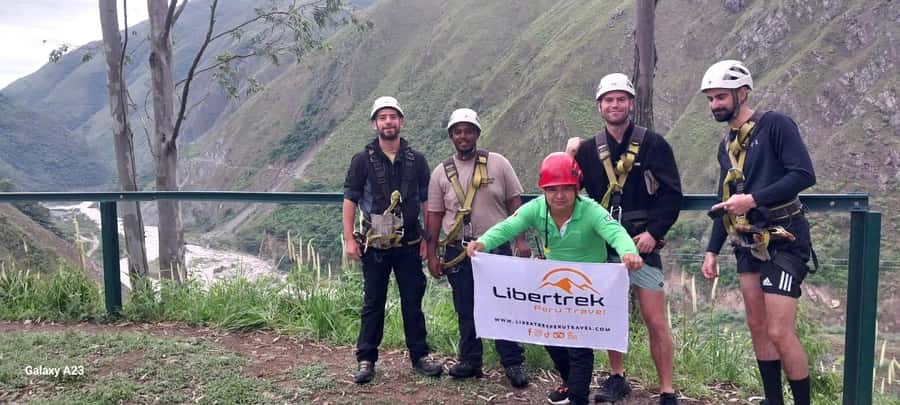
Guide quality can shape this final day. Gustavo Candia receives especially strong praise for his English, personal attention, and explanations of the route, its dangers, and local history. Several high ratings single him out as a major reason the trip worked well. At the same time, one participant reported receiving a different ticket group and not receiving the promised full guided visit at Machu Picchu. Confirm your ticket group and guide arrangements during the briefing, not at the gate.
You return to Aguas Calientes at the appropriate time to catch the tourist train to Ollantaytambo. A tourist bus then takes you to Cusco. The package also lists private transport from your hotel to Cusco airport, which can be useful if your departure plans line up with the agency’s schedule.
Lunch in Aguas Calientes is not included. This is one of the few meals you must arrange yourself, so budget for it before the train.
The physical effort, plainly explained
This is not a gentle sightseeing package. Day 1 gives you a long bike descent. Day 2 is the hardest walking day, with seven to eight hours and frequent elevation changes. Day 3 includes the three-hour railway walk, and Day 4 begins with another uphill walk before Machu Picchu.
You do not need to be an elite athlete, but you should be comfortable with a full day of walking in warm conditions. If you have knee problems, ask detailed questions before booking. One participant suffered a serious knee injury on Day 3 and felt unsupported when the guide moved ahead with the group.
A small group helps communication, especially when the guide is attentive. Still, a group of up to 15 people will naturally move at different speeds. Ask how the guide handles slower walkers, where the meeting points are, and what emergency support is available if mobile service fails.
What the USD 420 price really covers
The package is good value because it bundles the expensive and complicated pieces of the route. You receive:
- Transport from Cusco to Abra Málaga and San Luis
- A qualified adventure guide
- Machu Picchu entrance
- Three nights of hostel or hotel accommodation
- Three breakfasts, three lunches, and three dinners
- Biking equipment
- The return train from Aguas Calientes to Ollantaytambo
- Tourist transport from Ollantaytambo to Cusco
- A first aid kit
- Listed rafting and zip line activities
You still need money for the first day’s breakfast, lunch in Aguas Calientes, Cocalmayo admission, the optional Wayna Picchu ticket at USD 65, and Machu Picchu bus tickets at USD 24. You should also carry cash for small purchases, as requested in the packing list.
Book early if Machu Picchu tickets are important to you. The route depends on securing suitable entry tickets, and an insufficient ticket arrangement can force an earlier arrival in Aguas Calientes or shorten the planned visit.
Guide support and group experience
The guide can make or break an active tour. Gustavo Candia is repeatedly praised for clear English, strong explanations, attention to safety, and a warm connection with the group. One account even jokes about his unusual midnight transformation, which gives you a sense of the friendly spirit he can bring to the trip.
That praise should not make you ignore the less positive account. A guide should keep track of every person, explain luggage expectations, help with injuries, and deliver the guided Machu Picchu visit that was promised. Ask direct questions about these points before setting out.
The small-group format is a real advantage. With no more than 15 people, you have a better chance to speak with the guide and ask about plants, local customs, trail safety, or the Inca route. It also means you should be ready to share transport, meal times, and walking decisions with the group.
What to pack for four active days
Bring your passport, comfortable clothes, hiking shoes, sunglasses, a hat, sunscreen, insect repellent, swimwear, a towel, a camera, hiking pants, cash, and personal medication.
I would keep your main luggage as light as possible and carry a small backpack each day. Include water, a dry layer, rain protection if needed, snacks, and valuables. The supplied information does not promise luggage transfer, so confirm that detail before leaving Cusco.
The weather can change as you move from the high pass into the warmer jungle zone. Layers are more useful than one heavy outfit. Shoes matter most: you need secure footing for the Inca-road sections and enough comfort for the long railway walk.
Who should book the Inka Jungle Trek?
Book this if you want Machu Picchu wrapped inside an active four-day route rather than reached by train in a single morning. It suits people who like variety, can manage long walking days, and enjoy simple lodging and local meals more than polished facilities.
It is also a good fit if you want several activities for one price. Biking, possible rafting, a hot-spring stop, zip lining, a jungle walk, and Machu Picchu make this feel full without adding separate bookings for every day.
Think twice if you need highly consistent hotel standards, dislike carrying a daypack, have a sensitive knee, or want a slow and predictable schedule. The route is demanding, the rafting may be canceled in high water without compensation, and the final Machu Picchu arrangements deserve careful confirmation.
Should you book it?
I would book the Inka Jungle Trek if the active route matters as much to you as Machu Picchu itself. The combination of downhill biking, old Inca paths, village stops, Cocalmayo, the railway walk, and a guided visit to the ruins offers far more variety than a simple train package for USD 420.
Before paying, confirm four things: your Machu Picchu ticket group, the exact guide arrangement, what luggage you must carry, and whether the zip line is included or optional. If those details are clear and you are ready for a hard second day, this is a lively, good-value way to reach the Inca citadel.
FAQ
How long is the Inka Jungle Trek?
The experience lasts four days and three nights.
What languages does the guide speak?
The tour is offered with live guidance in English and Spanish.
How large is the group?
The group is limited to 15 participants.
Is Machu Picchu entrance included?
Yes, the entrance to Machu Picchu is included.
Are the Machu Picchu shuttle buses included?
No. Bus tickets up and down to Machu Picchu are optional and listed at USD 24.
Is Wayna Picchu included?
No. Entry to Wayna Picchu is optional and listed at USD 65.
Is rafting guaranteed?
No. Rafting depends on weather and river conditions from January 1 through March 31. If the river is too high and the activity is canceled, there is no refund.
More 4-Day Experiences in Urubamba
- Cusco: 4-Day Inca Trail to Machu Picchu with Accommodation
★ 4.8 · 432 reviews - Puerto Maldonado: 4-Day Tambopata Rainforest Tour
★ 4.6 · 213 reviews - Puerto Maldonado: Sandoval Lake 4-Day, 3-Night Guided Tour
★ 4.5 · 90 reviews - 4 Day Tour to the Manu National Park
★ 5.0 · 81 reviews
Just added around Urubamba
- Sun and Moon Tour★ 4.5 · 3 reviews
- Sacred Valley Tour 1 Day★ 5.0 · 3 reviews
- Super Sacred Valley★ 3.8 · 6 reviews
- Peru in 5 days: Lima, Cusco, Machupicchu & Rainbow Mountain★ 5.0 · 3 reviews
- Machu Picchu: 1-day tour by Vistadome Panoramic train★ 4.7 · 15 reviews
- Machupicchu 2025: The best ticket Circuit 2★ 3.5 · 6 reviews
- Machu Picchu: historical and photographic guided tour★ 4.9 · 27 reviews
- Guided tour of Cusco and its 4 ruins★ 3.8 · 3 reviews
Machu Picchu Tours, compared.
4-Day Inca Trail to Machu Picchu with Accommodation
Read our review →
2-Day Trip to the Sacred Valley and Machu Picchu
Read our review →
Machu Picchu 2-Day Inca Trail with Panoramic Train
Read our review →
Browse the lists this tour appears in