
Reviewed · COOKING CLASSES
Cooking class and market tour with a local chef
San Pedro Market is the real starting point here, not a token walk past a few stalls. Chef Ronal, a Cusco native, introduces you to local fruits, cheeses, herbs, meats, and potatoes before you return to the kitchen to cook with those ingredients. I especially like the market tasting and the chance to hear how food connects to Cusco’s daily life.
I also like the hands-on format. You chop, mix, season, cook, and make your own drink, rather than simply watching a chef work. The class can adapt to vegetarian diets, allergies, gluten intolerance, dairy-free needs, and other food restrictions. The main drawback is value: at $57 for four hours, it costs more than a basic cooking demonstration, and the package includes only one cocktail.
In This Review
- Key points to know
- From San Pedro Market to a Peruvian kitchen
- Tasting fruits, cheeses, and local ingredients
- Cooking rocoto relleno and causa rellena
- Choosing between ceviche and lomo saltado
- Mixing a Pisco sour or fruit cocktail
- A small-group class with room for questions
- Dietary changes and food safety questions
- Is $57 a fair price?
- Who should book this Cusco cooking class?
- Should you book it?
- FAQ
- How long does the cooking class and market tour last?
- Where is the meeting point?
- Who leads the experience?
- Which dishes can I prepare?
- Which drinks are available?
- Can the menu accommodate vegetarian diets and allergies?
- Is transportation included?
- Can I cancel the booking?
Key points to know
- San Pedro Market comes first: Taste Peruvian fruits and cheeses while collecting ingredients and learning how Cusco shops for food.
- Chef Ronal leads the class: He explains cooking methods, local food traditions, knife work, and the background of the dishes.
- You choose your main dish and cocktail: Pick between lomo saltado or ceviche, then choose a Pisco sour, passion fruit sour, or a nonalcoholic fruit drink.
- The starter is rocoto relleno: This traditional stuffed pepper includes meat, vegetables, peanuts, raisins, and local cheese, with adaptations available.
- Dietary needs receive real attention: Vegetarian versions and other adjustments can be made if you explain your needs before cooking begins.
- The location is central but easy to miss: Find Calle San Juan de Dios 264, opposite the Aranwa Boutique Hotel, behind an unmarked glass and wooden door.
From San Pedro Market to a Peruvian kitchen
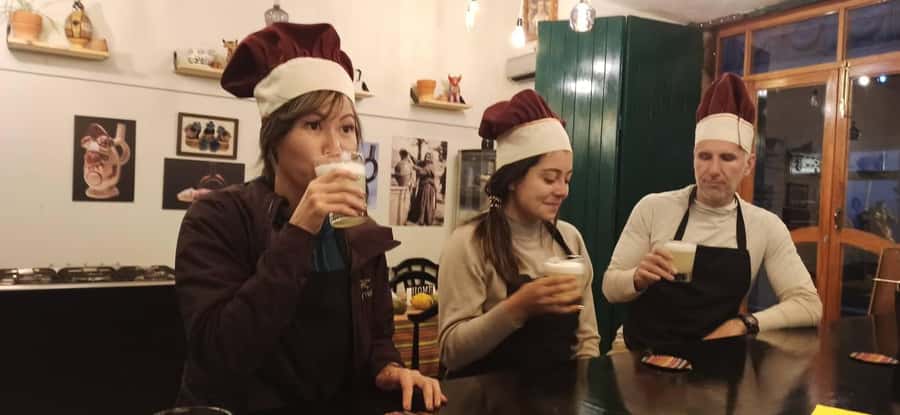
The four-hour experience begins at 264 San Juan de Dios Street, in front of the Aranwa Boutique Hotel. Look for the glass and wooden door across the street. There is no large sign, so the address matters more than the appearance of the workshop.
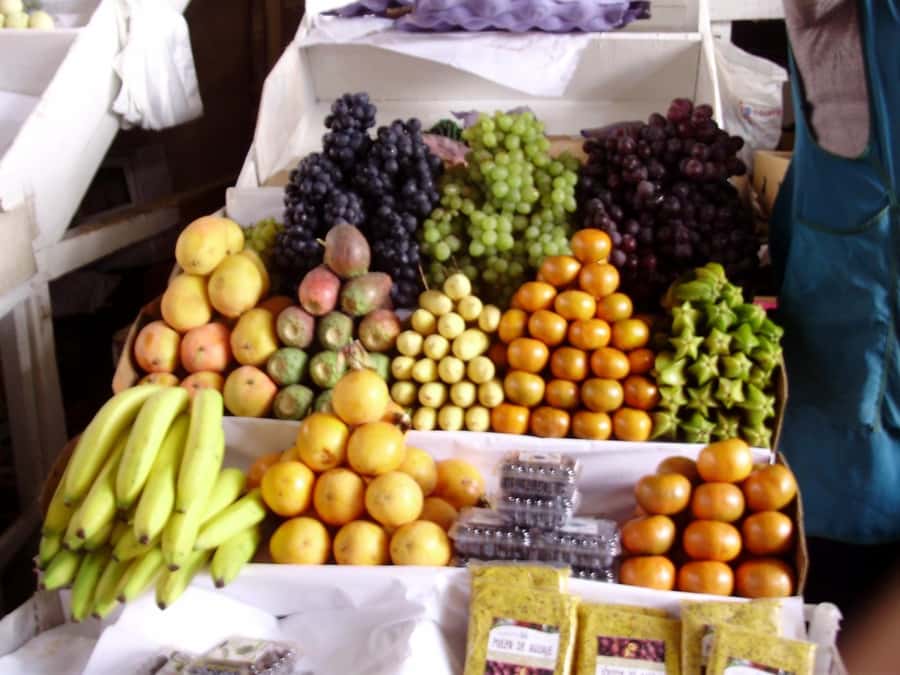
From there, Chef Ronal takes you through the nearby market area. This is where the class gains much of its local flavor. You are not just buying ingredients from a list. You can taste fresh fruit, see the range of produce used in Cusco cooking, and learn about cheeses, herbs, meats, and other market foods.
The market visit is useful for anyone who has only seen Peruvian food on a restaurant menu. It gives you a clearer sense of the ingredients behind the dishes, especially the many kinds of potatoes and the fruit grown in different parts of Peru. The food is connected to place here, and Ronal adds cultural and historical context as you walk.
Morning and afternoon visits may feel different. One morning class was described as quieter, with more time to look at the fruit, vegetable, meat, and cheese stalls. If you prefer a calmer market visit, an earlier start may be worth choosing when available. Starting times vary, so check the schedule before booking.
A few more Cusco trips to weigh up
- Cusco: Peruvian Cooking Class, Cocktails & Local Market Tour
★ 4.9 · 512 reviews - Private Andean Cooking Class, Pachamanca
★ 5.0 · 54 reviews - Vegan Peruvian Cooking Class Cocktails and Local Market in Cusco
★ 5.0 · 46 reviews
Tasting fruits, cheeses, and local ingredients
The market is not only a shopping stop. Tasting is part of the experience. You may try local fruits, cheese, and bread, with the fruit tasting singled out as one of the most enjoyable parts of the class.
This is a good feature for curious eaters. You can ask what an ingredient is, how it is used, and how it differs from food you know at home. Ronal also shares practical tips about herbs and natural remedies used in the Andes. Natural medicine for altitude discomfort and digestive teas may be offered if needed, although these should not replace proper medical care.
The market can also make you more aware of the limits of a four-hour class. You will see more ingredients than you can cook, and the visit is an introduction rather than a full food tour. The focus is on gathering ideas and ingredients for the class, not on visiting every part of the market.
Cooking rocoto relleno and causa rellena
The shared starter is rocoto relleno, a famous Peruvian dish made from a stuffed chili pepper. The filling combines meat, onions, peas, carrots, peanuts, and raisins, then the pepper is topped with local cheese and baked.
Rocoto peppers are known for their heat, so this dish may be the one to ask about if you are sensitive to spicy food. The cooking format makes the dish less intimidating because Ronal can explain the preparation and adjust ingredients when required.
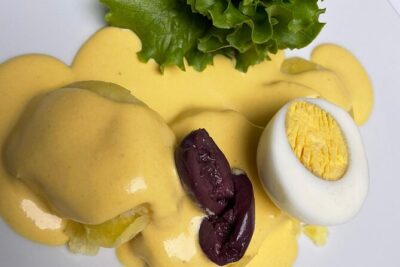
The other listed starter is causa rellena, a potato cake mixed with yellow chili sauce and filled with avocado, fish tartare, mayonnaise, and spices. Potatoes are central to Peruvian cooking, and causa gives you a chance to work with a cold potato preparation rather than only a hot dish.
The written menu describes the starter as the same for everyone, while the class also allows dietary changes. Ask about the exact adaptation before the session begins, particularly if you avoid fish, eggs, mayonnaise, dairy, or spicy peppers.
Choosing between ceviche and lomo saltado
You choose your main dish before the cooking starts. The two standard options show two very different sides of Peruvian food.
Lomo saltado uses beef tenderloin, rice, onions, tomatoes, soy sauce, oyster sauce, vinegar, and native potato fries. It is a hearty stir-fry style dish with Chinese-Peruvian influence, and it is a good choice if you want a hot meal with familiar ingredients and a strong savory taste.
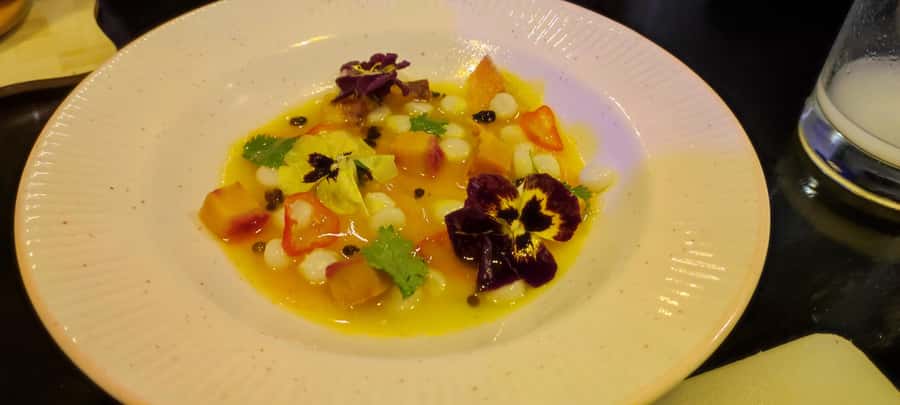
Ceviche is the lighter, sharper option. The class version uses trout, mango, avocado, lime juice, onions, celery, ginger, corn, and sweet potato. Trout makes sense for a Cusco setting, while mango and avocado add sweetness and richness to the citrus-marinated fish.
The ceviche is prepared as part of the class, so tell the chef if you have concerns about raw or lightly cured fish. If you do not eat fish, a vegetarian adaptation is available. The exact substitute should be confirmed when you choose your menu.
Cooking both dishes gives you practical lessons beyond the recipes. You learn how to cut ingredients, balance acid and seasoning, and combine textures. The class is beginner-friendly, but experienced home cooks can still pick up useful techniques and ideas for making the dishes at home.
Same valley, a completely different kind of day:
- Cusco: Humantay Lake Tour with Breakfast and Buffet Lunch
★ 4.9 · 2,976 reviews - From Cusco: Sacred Valley & Maras Salt Mines Tour with Lunch
★ 4.8 · 2,227 reviews - From Cusco: Moray, Maras Salt Mines & Chinchero Weavers Tour
★ 4.8 · 1,925 reviews - From Cusco: Full-Day Group Tour of Machu Picchu
★ 4.7 · 1,767 reviews
Mixing a Pisco sour or fruit cocktail
The drink portion centers on Pisco, Peru’s grape-based national spirit. You choose one cocktail from the available options:
- Pisco sour with lime, syrup, and egg white
- Passion fruit sour with fresh passion fruit juice
- A nonalcoholic drink made with Peruvian fruits and honey
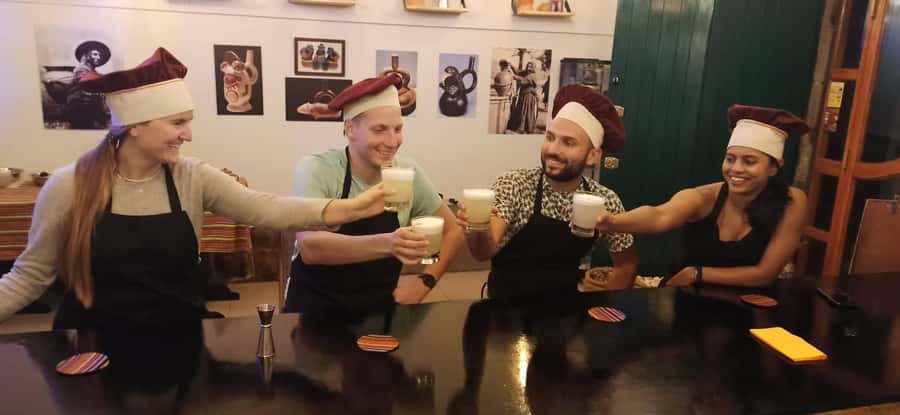
Making the drink yourself keeps the class active and gives you an easy recipe to recreate later. The classic Pisco sour also introduces a few techniques that are easy to miss when ordering one at a bar, especially the balance of citrus, sweetness, and foam.
The package includes one cocktail, water, a starter, and a main course. If you are expecting a tasting session with several drinks, this is not that. One person specifically felt a second Pisco sour would have made the price feel better, so keep that limit in mind.
Alcohol is optional, and the nonalcoholic fruit drink gives children and nondrinkers a proper alternative. Alcohol and drugs are not allowed outside the included drink experience.
A small-group class with room for questions
The class has received an overall rating of 5 from 186 reviews, and the praise is remarkably consistent around the chef, the food, and the market visit. I would place the strongest emphasis on Ronal’s teaching style. He explains what to do, helps with cutting, answers questions, and checks the food as it develops.
Group size can vary. Some sessions have been small enough to become private lessons, including classes with only one participant or two people. Other sessions bring solo visitors together with several participants, which can be a pleasant way to meet people while cooking.
That variation matters. A private class gives you more direct help and lets you set the pace, while a group class adds conversation and shared energy. You should not book on the assumption that the class will always be private.
The kitchen is described as clean, cozy, and well supplied. Aprons, kitchen tools, bar equipment, and water are included. You can expect to do the work yourself, but you will not be left to guess what comes next.
Recipes are sent by email after the class. That is a useful touch because the dishes involve several ingredients, and it gives you a practical way to repeat the meal at home. Take notes during the class if you want to remember local substitutions or specific cutting advice.
Dietary changes and food safety questions
The provider says the menu can be adapted to all dietary restrictions, and the class has accommodated vegetarian, gluten-free, dairy-free, allergy-related, and other food preferences. This is one of the strongest reasons to choose the experience over a fixed-menu food activity.
Still, tell the provider about your needs before the class begins. Do not wait until the food is already being prepared. Ask specifically about cross-contact if you have a serious allergy, and confirm the replacement for fish, meat, dairy, egg, or gluten.
The menu includes meat, fish, peanuts, mayonnaise, cheese, and egg white. The market may also display meat from animals eaten by local people. That can be part of the cultural lesson, but it is worth knowing in advance if you are sensitive to seeing meat products.
The workshop offers altitude-related natural medicine and digestive teas if needed. Cusco sits at high altitude, and anyone already dealing with altitude sickness may not be suitable for the class. Treat the stated restriction seriously, since a four-hour cooking session may be tiring when you are unwell.
Is $57 a fair price?
At $57 per person, the cost is not bargain-basement, but it includes more than a recipe lesson. You receive a market visit, ingredient tastings, a professional chef and guide, fresh ingredients, a hands-on workshop, kitchen and bar tools, an apron, water, one cocktail, a starter, and a main course.
The value is strongest if you care about food and want context as well as lunch or dinner. You are paying for the market orientation, the instruction, the meal, and the chance to ask detailed questions about Peruvian cooking.
The price is less compelling if you only want to sample food or watch someone cook. You may also feel the limit of one cocktail, especially if you were expecting a full drink tasting. For most people, though, the four-hour length and included meal make this a substantial half-day activity rather than a short demonstration.
Transportation is not included. The central meeting point means you need to make your own way to San Juan de Dios Street. Because the doorway has no advertising, allow a little time to identify the location.
Who should book this Cusco cooking class?
I would recommend this class to first-time visitors who want an accessible introduction to Peruvian food. It works particularly well early in a Cusco stay, since the market visit and cooking session can help you understand restaurant menus and local ingredients for the rest of your trip.
It also suits solo visitors, couples, families with older children, and people who enjoy active food experiences. A family with children aged 11 and 13 found the format suitable, but the activity is not intended for very young children. The restrictions list children under 2, 3, 5, and 6, plus babies under 1, so confirm the policy if you are booking for a child.
You should skip it if you have significant altitude sickness, if a four-hour kitchen session sounds tiring, or if you are over 70. The information also lists weight limits in several overlapping forms, including 297, 309, and 331 pounds. Since those figures conflict, ask the provider to confirm the applicable limit before paying.
English and Spanish instruction is available. Free cancellation is allowed up to 24 hours before the start time, and you can reserve now and pay later, which helps if your Cusco schedule is still shifting.
Should you book it?
Book this experience if you want to understand Cusco through ingredients, not just monuments. The best parts are the San Pedro Market visit, the tasting of local produce, Ronal’s patient instruction, and the freedom to choose a main dish and drink.
I would book it early in your stay, tell the chef about dietary needs in advance, and choose a morning session if you prefer a quieter market. Skip it if you want a very cheap meal, several alcoholic drinks, or a passive food tour. For curious eaters who can manage the altitude and enjoy doing the work themselves, $57 buys a useful and satisfying four hours.
FAQ
How long does the cooking class and market tour last?
The experience lasts four hours. Check availability for the exact starting time.
Where is the meeting point?
Meet at 264 San Juan de Dios Street in Cusco, opposite the Aranwa Boutique Hotel. The workshop has a glass and wooden door with no advertising.
Who leads the experience?
A professional chef and guide leads the activity. The chef is identified as Ronal, a Cusco native who speaks English and Spanish.
Which dishes can I prepare?
The menu includes rocoto relleno as the starter, with causa rellena also listed in the menu details. For the main course, you choose between lomo saltado and ceviche.
Which drinks are available?
You can choose a classic Pisco sour, a passion fruit sour, or a nonalcoholic drink made with Peruvian fruits and honey.
Can the menu accommodate vegetarian diets and allergies?
Yes. Vegetarian options are available, and the provider says the menu can be adapted to dietary restrictions. Tell the provider about your needs before the class begins.
Is transportation included?
No. Transportation to and from the meeting point is not included.
Can I cancel the booking?
Yes. You can cancel up to 24 hours in advance for a full refund. Reserve now and pay later is also available.
More Workshops in Cusco
- The First Class Machu Picchu Train by Inca Rail
★ 4.0 · 182 reviews - The Textile Workshop Experience in Cusco Region
★ 5.0 · 118 reviews - Sacred Valley Textile Workshop – Dyeing & Weaving in Cusco
★ 5.0 · 92 reviews - Chocolate Workshop in Cusco with Premium Organic Cacao
★ 5.0 · 75 reviews
More Shopping Tours in Cusco
- Pisac Indian Market and Ollantaytambo Fortress with Lunch
★ 4.5 · 395 reviews - Cusco City Sightseeing, San Pedro Market, Cathedral and Qorikancha Temple
★ 4.5 · 139 reviews - Cusco: Peruvian Cooking Class & Market Tour
★ 4.9 · 19 reviews - Lima: Historic Center Street Food, Market, and Eateries Tour
★ 4.9 · 216 reviews
Just added around Cusco
- Waqrapukara 1 day trekking + meals★ 3.9 · 3 reviews
- Zipline over the Sacred Valley Trip★ 5.0 · 11 reviews
- Valle Sur Cusco | half day★ 4.3 · 3 reviews
- Visit to the Cochahuasi Animal Sanctuary with rescued animal★ 4.1 · 4 reviews
- Visit Pisac from Cusco: Private Transport★ 4.6 · 9 reviews
- Maras and Huaypo lagoon by ATV from Cuzco | Local Operator★ 4.7 · 4 reviews
- Trek to Humantay Lake from Cusco★ 4.9 · 8 reviews
- Trek to Choquequirao 4 days★ 3.8 · 4 reviews
Cooking Classes, compared.
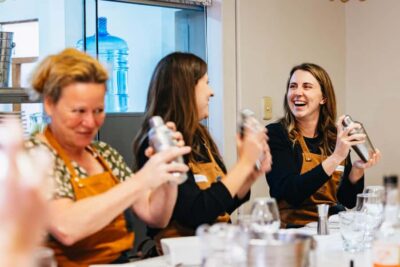
Peruvian Cooking Class, Cocktails & Local Market Tour
Read our review →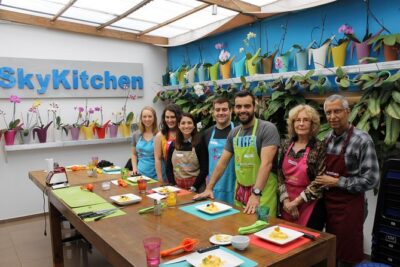
Market Tour, Tasting of 35 Fruits, and 4-Course Peruvian Cooking Class in Lima
Read our review →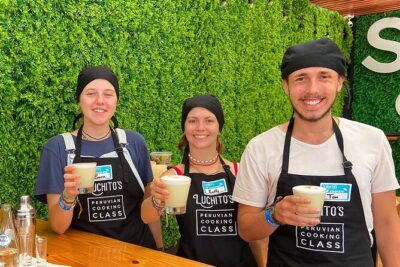
#1 Rated Cooking Classes with Local Market Tour & Pickup
Read our review →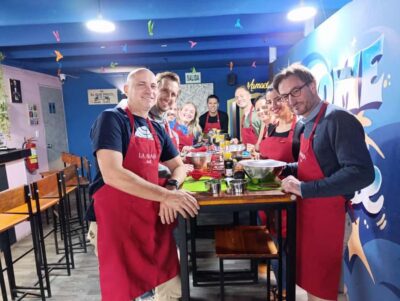
Amazing Peruvian Cooking Class Ceviche Seafood and Pisco Sour
Read our review →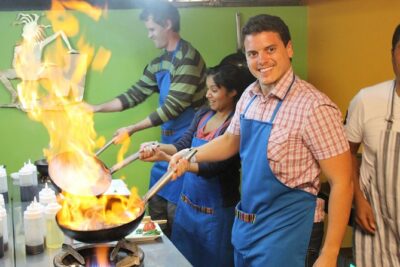
Private Cooking + Market with Maido’s Former Creative Chef (+trasportation)
Read our review →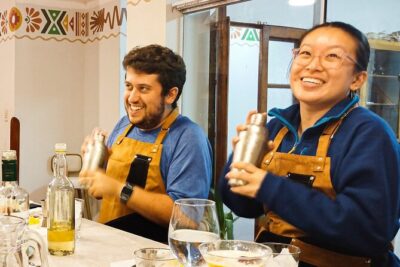
Vegan Peruvian Cooking Class Cocktails and Local Market in Cusco
Read our review →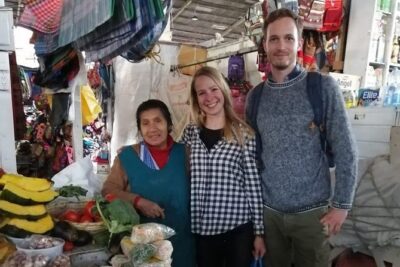
Browse the lists this tour appears in