
Reviewed · COOKING CLASSES
Cusco: Peruvian Cooking Class & Market Tour
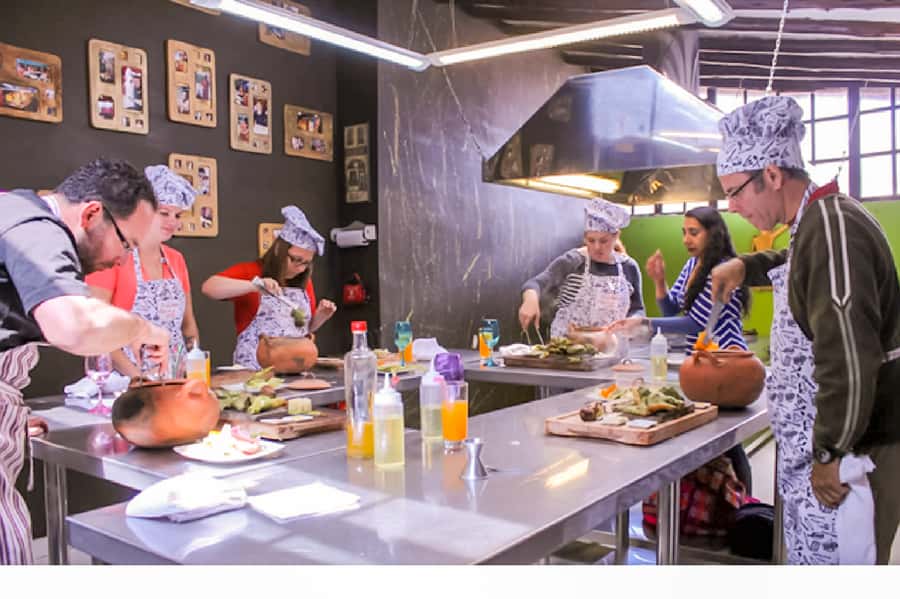
San Pedro Market is the real starting point here, not a quick photo stop. You spend about 45 minutes to an hour seeing the fruits, produce, and ingredients that will later land on your cutting board. I like that link between market and kitchen, and I like the hands-on cooking rather than a demonstration where you only watch.
I also like the chance to choose between familiar Peruvian favorites such as ceviche, lomo saltado, ají de gallina, and Chilcano soup. The main consideration is the drink policy: the experience includes a pisco explanation and toast, but alcoholic drinks are also listed as an extra cost, so confirm what is included before you order.
In This Review
- Key Points at a Glance
- Why This Cusco Cooking Class Works
- Starting at San Pedro Market
- Learning the Ingredients Behind the Dishes
- A Short Introduction to Pisco
- Cooking Ceviche and Chilcano Soup
- Choosing Lomo Saltado or Ají de Gallina
- Sitting Down to Eat What You Made
- Is $65 a Fair Price?
- Timing, Meeting Point, and Comfort
- Who Should Book This Experience?
- Should You Book the San Pedro Market Cooking Class?
- FAQ
- How long does the Cusco cooking class and market tour last?
- Where does the experience begin and end?
- What dishes can I prepare?
- Are drinks included in the price?
- What languages does the chef speak?
- Can I cancel the booking?
Key Points at a Glance
- San Pedro Market first: Spend roughly 45 minutes to one hour learning about the local ingredients used in class.
- Four classic dishes: Prepare ceviche and Chilcano soup as an appetizer, then choose lomo saltado or ají de gallina as your main course.
- Chef-led instruction: The class is taught in English or Spanish, with Chef Ronald receiving especially warm praise for his relaxed approach.
- Lunch is part of the experience: Sit down to eat the food you helped prepare, instead of leaving with only a recipe sheet.
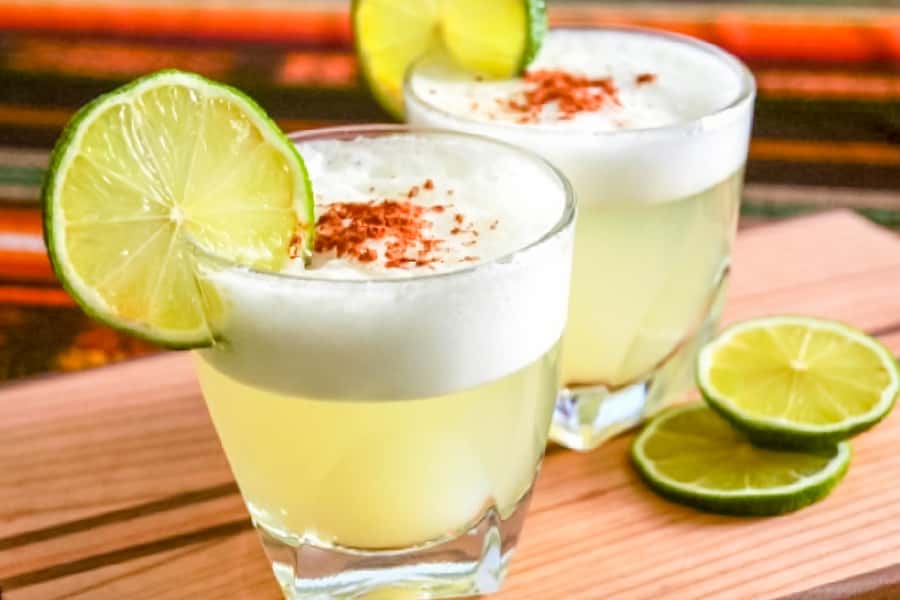
- Pisco takes center stage: Learn about pisco grapes and different qualities before the cooking begins.
- Good booking flexibility: You can cancel up to 24 hours before the start for a full refund and reserve now without paying immediately.
Why This Cusco Cooking Class Works
Peruvian food can look simple on the plate, but its character comes from sharp contrasts: fresh seafood with citrus, savory meat with soy sauce, creamy sauces with aji peppers. This class gives you a useful introduction to those contrasts without asking you to spend a full day in a professional kitchen.
The structure is sensible. You first see ingredients at San Pedro Market, then return to the restaurant and use them in a cooking lesson. That makes the market visit more than a sightseeing detour. You have a reason to pay attention to the produce, spices, and local fruits.
I see this as a good choice for someone who wants an activity with food, conversation, and a little local context. It is also a practical way to fill half a day in Cusco, especially if you have already visited the major ruins and want something less centered on monuments.
The format is bilingual, with instruction in English or Spanish. That matters in a cooking class, where small details about texture, timing, and seasoning can get lost. You should still check the available start time when booking, since the class is offered at set times rather than as an open drop-in session.
A few more Cusco trips to weigh up
- Cusco: Peruvian Cooking Class, Cocktails & Local Market Tour
★ 4.9 · 512 reviews - Cooking class and market tour with a local chef
★ 5.0 · 186 reviews - Private Andean Cooking Class, Pachamanca
★ 5.0 · 54 reviews
Starting at San Pedro Market
You meet at the water fountain in the square. From there, the group begins the market walk, which is described as approximately 45 minutes and elsewhere as about an hour. In practical terms, plan for roughly an hour around San Pedro Market before heading to the restaurant.
The market is the key to the class. You learn about the fruits and ingredients selected for the meal, and you get to see them in their everyday setting rather than only arranged on a cooking-school counter. I like this because it gives you a better sense of how Peruvian cooking begins, with shopping and selection, not just recipes.
Expect a sensory stop. San Pedro is a working local market, so it may feel crowded, noisy, and active. That is part of its appeal, but it also means you should wear comfortable clothes and keep your belongings secure. The experience asks you to bring a camera, though you should be respectful when photographing vendors and shoppers.
The market portion may be less appealing if you dislike busy indoor markets or want a polished food tour. It is not presented as a long cultural lecture. Its main job is to introduce the ingredients you will use later, and it does that efficiently.
Learning the Ingredients Behind the Dishes
The market visit helps explain why the recipes work. You are not simply told to add an ingredient because a recipe says so. You first see the raw materials, then return to the kitchen to turn them into recognizable Peruvian dishes.
That connection is especially useful for first-time visitors to Peru. A cooking class can otherwise feel like a generic international activity, but the San Pedro stop gives this one a Cusco setting. The focus remains on traditional Cusqueña and Peruvian cooking rather than on a broad, unfocused menu.
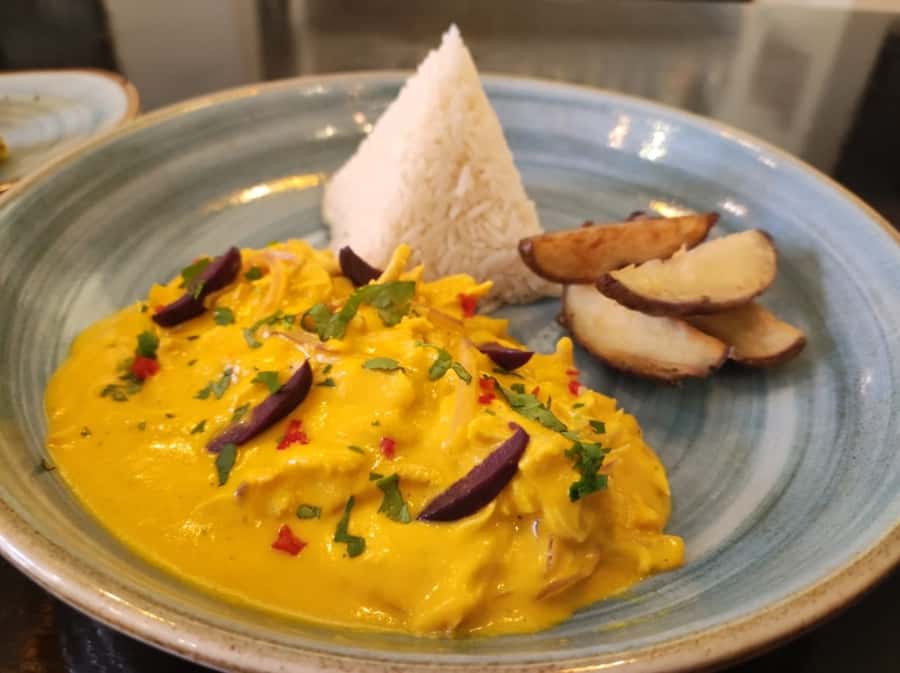
The available dishes offer a good range. Ceviche brings freshness and acidity. Chilcano soup gives you a warm appetizer option. Lomo saltado combines meat with a savory sauce, while ají de gallina offers a creamy, pepper-based preparation. You will not be making every possible dish, so ask the chef what the class will prepare and what choices are available that day.
A Short Introduction to Pisco
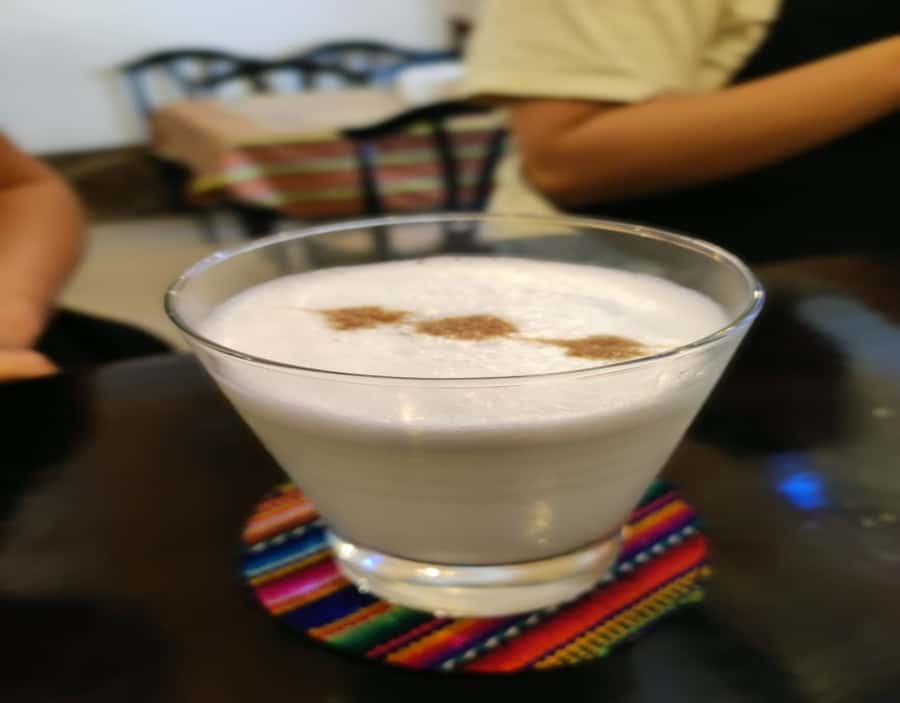
Back at the restaurant, the class begins with Peru’s best-known spirit. You receive an explanation of pisco grapes and the different qualities of pisco, followed by a tasting and toast as described in the experience.
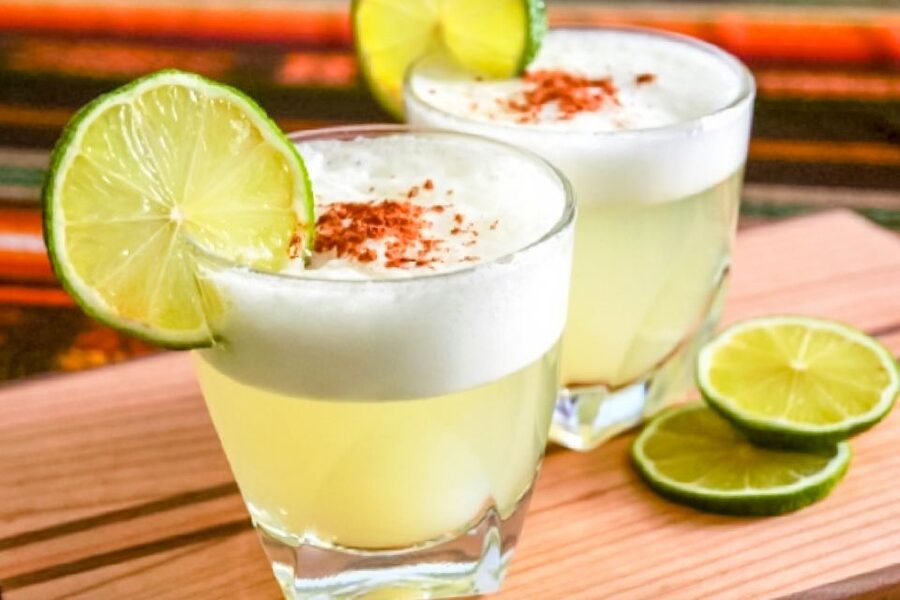
This is a useful addition because pisco is not just a drink placed beside the meal. The class gives you a basic way to understand what you are tasting before you move on to the Pisco Sour. For many visitors, it will be their first guided introduction to the spirit.
There is one point to clear up before you go. The experience description presents pisco tasting and Pisco Sours as part of the flow, while the inclusions section says alcoholic drinks are not included and can be purchased separately. I would budget for an extra charge and confirm the exact drink arrangement at booking or on arrival.
If you do not drink alcohol, ask how you can take part in the cooking class without ordering it. The listed activity centers on the food lesson, so the alcohol should not be the sole reason to book.
Same valley, a completely different kind of day:
- Cusco: Humantay Lake Tour with Breakfast and Buffet Lunch
★ 4.9 · 2,976 reviews - From Cusco: Sacred Valley & Maras Salt Mines Tour with Lunch
★ 4.8 · 2,227 reviews - From Cusco: Moray, Maras Salt Mines & Chinchero Weavers Tour
★ 4.8 · 1,925 reviews - From Cusco: Full-Day Group Tour of Machu Picchu
★ 4.7 · 1,767 reviews
Cooking Ceviche and Chilcano Soup
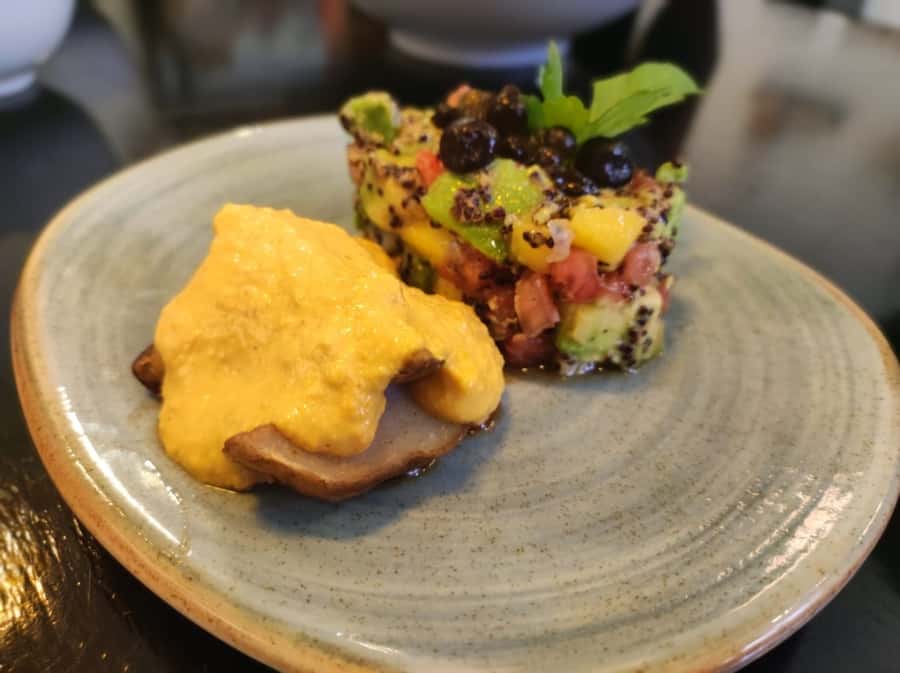
The appetizer choices include ceviche and Chilcano soup. These dishes make a good pair for teaching because they show two different sides of Peruvian cooking: one cold and bright, one warm and brothy.
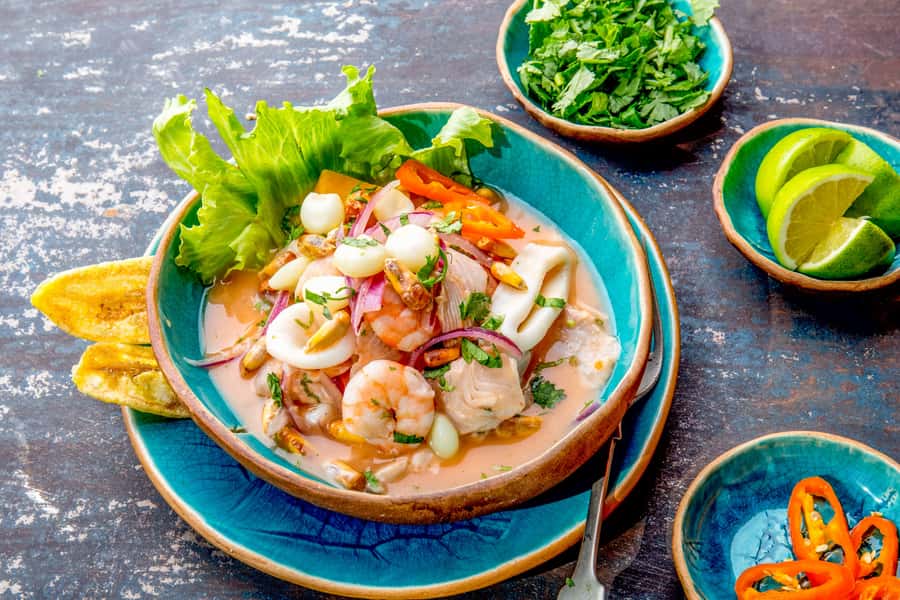
Ceviche is likely to be the most eagerly anticipated dish. You learn how the ingredients come together, and the market visit gives the lesson a stronger sense of place. The class is not simply about eating ceviche at a restaurant. You participate in making it, then taste the result as part of lunch.
Chilcano soup gives the menu a different rhythm. It is a traditional Peruvian preparation that lets you work with a cooked dish rather than focusing only on raw ingredients and citrus. Having both choices helps keep the lesson from feeling one-note.
The supplied details do not specify exact recipes, seafood types, spice levels, or substitutions. If you have allergies or a strong dislike of a particular ingredient, tell the chef before the class begins. Do not assume every ingredient can be changed, but an early question is better than a last-minute surprise.
Choosing Lomo Saltado or Ají de Gallina
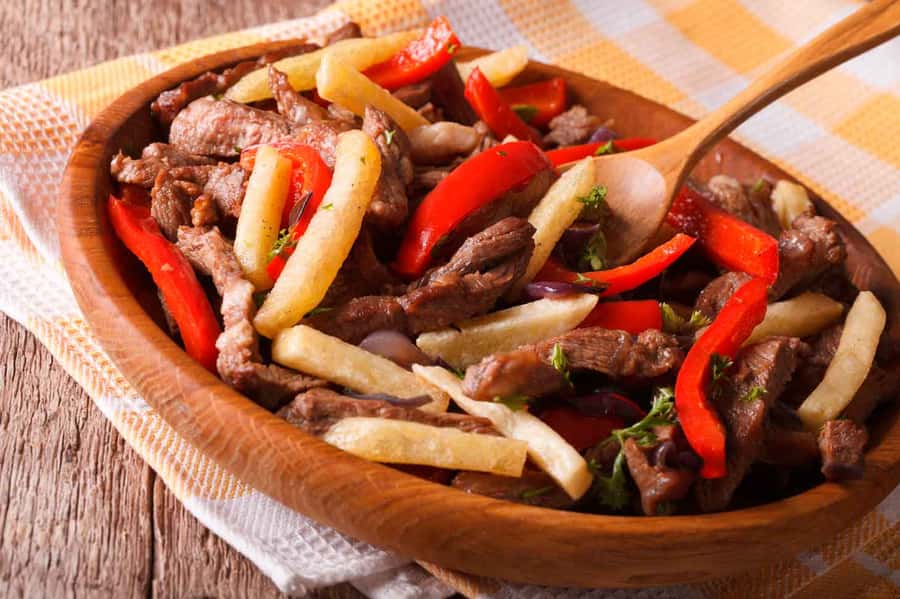
For the main course, you choose between lomo saltado and ají de gallina. This is a useful choice because the two dishes have distinct styles.
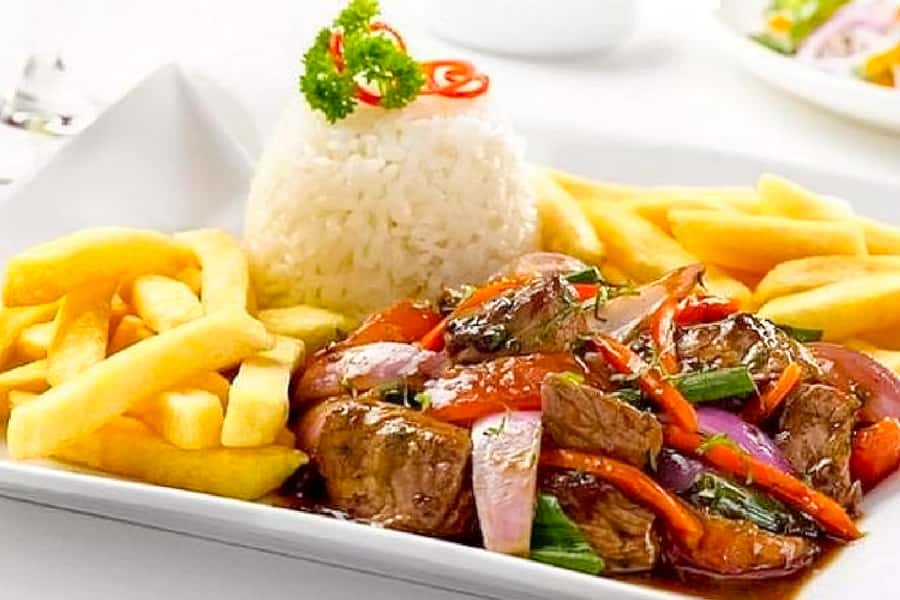
Lomo saltado is the more immediately familiar option for many diners: a hearty meat dish with a savory profile. Ají de gallina is a creamy Peruvian preparation with aji pepper flavor. You can choose based on what you want to learn, not just what sounds safest.
The class is led by a chef with extensive experience in traditional Peruvian cuisine. That should give you more than a set of instructions. You can expect explanations while you work, along with the chance to ask questions about technique and ingredients.
One especially praised instructor is Chef Ronald. If he is leading your session, you can expect a relaxed class with plenty of information and direct guidance. The calm pace matters because cooking in an unfamiliar kitchen is more enjoyable when you have time to follow each step instead of racing to keep up.
The exact group size is not provided, so I would not assume an intimate private lesson. Ask about the size of your scheduled class if personal attention is important to you. The bilingual format and chef-led structure make the activity accessible, but individual attention can vary with the number of participants.
Sitting Down to Eat What You Made
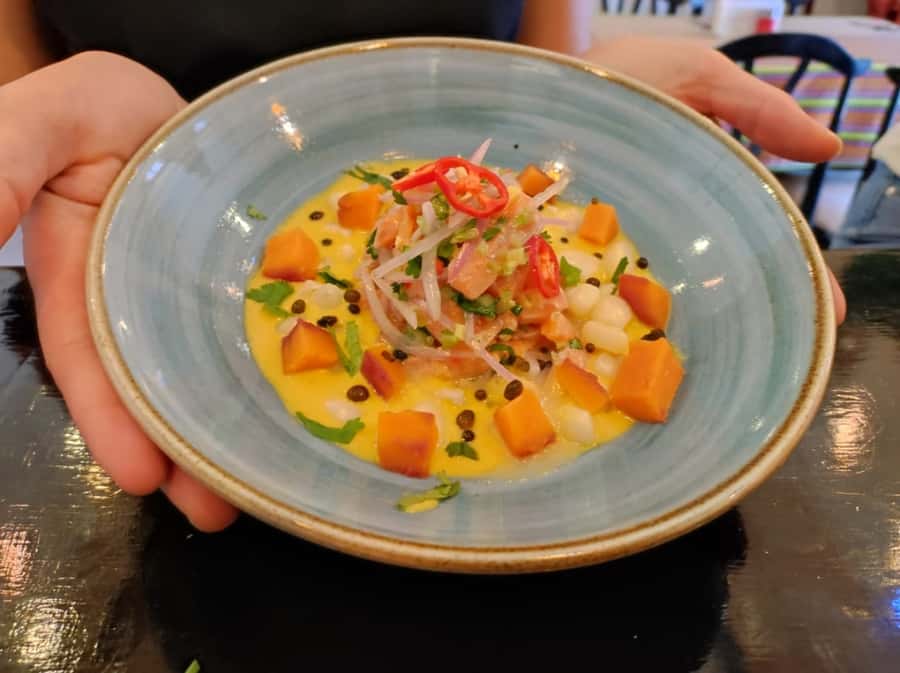
After the cooking, you eat the dishes you prepared for lunch. This is where the class earns its place in a Cusco itinerary. You are not left holding a recipe while the chef takes over the meal. The food you worked on becomes the central part of the experience.
The meal also gives you time to compare the dishes. You can think about the difference between ceviche and soup, or between lomo saltado and ají de gallina, while the techniques are still fresh in your mind.
The strongest praise for this class centers on the food being fresh and delicious, along with the relaxed way the session is run. That combination is important. A cooking lesson can be informative but stressful, or easygoing but thin on content. This one aims for both useful instruction and a pleasant lunch.
Alcoholic drinks and extra orders are not included in the listed price. Lunch and cooking equipment are included, so the $65 cost covers the main activity rather than only the instruction. Your final spending may rise if you purchase Pisco Sours, additional pisco, or other drinks.
Is $65 a Fair Price?
At $65 per person, this is not the cheapest way to eat lunch in Cusco. You could order a local meal for much less. The value comes from the combined experience: a San Pedro Market walk, bilingual chef instruction, equipment, several traditional dishes, and lunch.
I consider the price reasonable for someone who wants an organized food activity rather than a restaurant meal. You are getting about three to four hours of programming, with the market and kitchen connected by a clear theme. The class also saves you from arranging a market visit and cooking lesson separately.
The price is less attractive if you mainly want to see San Pedro Market or simply taste Peruvian food. In that case, a market visit and restaurant lunch may offer better value. You should book this class for participation, not just consumption.
Remember to allow extra money for alcoholic drinks. The conflicting drink information is the one part of the value calculation that needs clarification. Lunch is included, but extra orders are not.
Timing, Meeting Point, and Comfort
The total experience lasts about four hours, though the detailed schedule describes the tour as three to four hours. Check the available start times before booking and leave enough room around the activity for the market walk, cooking, lunch, and return to the meeting point.
You wait at the water fountain in the square at the start. The activity ends back at that meeting point, which keeps the arrangement simple. No separate end location or transportation service is specified, so do not plan on being dropped at your hotel.
Wear comfortable clothes. You will walk through the market and then take part in kitchen work, so this is not the time for restrictive clothing or delicate outfits. Bring a camera if you want to record the market and meal, but keep it out of the way while handling food.
The activity is listed as wheelchair accessible. Since the market and kitchen are both part of the route, I would still contact the provider in advance with specific mobility needs. Accessibility can depend on the exact path and setup on the day.
Pets are not allowed, and smoking is prohibited. These rules are standard for a food activity but worth noting if you are planning a larger day out with a pet.
Who Should Book This Experience?
I would recommend it to food-focused visitors, couples, families with older children, and anyone who wants a social activity in Cusco. It works particularly well early in a trip because you can learn several dishes and then recognize them on menus elsewhere in Peru.
It is also a good fit if you prefer doing something active. You walk through the market, taste pisco, prepare food, and sit down for lunch. The four-hour length gives you substance without taking an entire day away from Cusco sightseeing.
You may want to skip it if you have a very limited schedule, dislike markets, or want a highly technical culinary course. The experience is informative and hands-on, but the available details do not promise advanced training, a recipe book, or a specialty focus such as pastry or regional highland cooking.
Ask about the day’s menu if dietary restrictions are important. The advertised choices are specific, and no vegetarian, vegan, gluten-free, or allergy substitutions are listed.
Should You Book the San Pedro Market Cooking Class?
Book this if you want to understand Peruvian food by seeing the ingredients, preparing the dishes, and eating the result. The market-to-kitchen format is the main reason to choose it, and Chef Ronald’s relaxed teaching style is a welcome bonus if he leads your class.
At $65, it offers fair value for a four-hour food experience with lunch and equipment included. Just confirm the cost of the pisco and other alcoholic drinks, and check the menu if you need substitutions. With free cancellation up to 24 hours ahead and a reserve-now, pay-later option, it is a flexible choice for a Cusco itinerary.
FAQ
How long does the Cusco cooking class and market tour last?
The activity lasts about four hours. The detailed description gives a total range of three to four hours, with approximately 45 minutes to one hour at San Pedro Market.
Where does the experience begin and end?
You meet at the water fountain in the square. The activity ends back at the same meeting point.
What dishes can I prepare?
The appetizer options include ceviche and Chilcano soup. For the main course, you can choose between lomo saltado and ají de gallina.
Are drinks included in the price?
Lunch and cooking equipment are included, but alcoholic drinks are listed as not included and available to purchase. The experience also describes a pisco explanation and tasting, so confirm the exact drink inclusions before ordering.
What languages does the chef speak?
The cooking class is offered in English and Spanish.
Can I cancel the booking?
You can cancel up to 24 hours in advance for a full refund. The activity also offers a reserve-now, pay-later option.
More Workshops in Cusco
- The First Class Machu Picchu Train by Inca Rail
★ 4.0 · 182 reviews - The Textile Workshop Experience in Cusco Region
★ 5.0 · 118 reviews - Sacred Valley Textile Workshop – Dyeing & Weaving in Cusco
★ 5.0 · 92 reviews - Chocolate Workshop in Cusco with Premium Organic Cacao
★ 5.0 · 75 reviews
More Shopping Tours in Cusco
- Pisac Indian Market and Ollantaytambo Fortress with Lunch
★ 4.5 · 395 reviews - Cusco City Sightseeing, San Pedro Market, Cathedral and Qorikancha Temple
★ 4.5 · 139 reviews - Vegan Peruvian Cooking Class Cocktails and Local Market in Cusco
★ 5.0 · 46 reviews - Lima: Historic Center Street Food, Market, and Eateries Tour
★ 4.9 · 216 reviews
Just added around Cusco
- Waqrapukara 1 day trekking + meals★ 3.9 · 3 reviews
- Zipline over the Sacred Valley Trip★ 5.0 · 11 reviews
- Valle Sur Cusco | half day★ 4.3 · 3 reviews
- Visit to the Cochahuasi Animal Sanctuary with rescued animal★ 4.1 · 4 reviews
- Visit Pisac from Cusco: Private Transport★ 4.6 · 9 reviews
- Maras and Huaypo lagoon by ATV from Cuzco | Local Operator★ 4.7 · 4 reviews
- Trek to Humantay Lake from Cusco★ 4.9 · 8 reviews
- Trek to Choquequirao 4 days★ 3.8 · 4 reviews
Cooking Classes, compared.
Peruvian Cooking Class, Cocktails & Local Market Tour
Read our review →
Cooking class and market tour with a local chef
Read our review →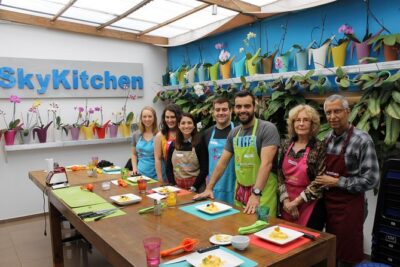
Market Tour, Tasting of 35 Fruits, and 4-Course Peruvian Cooking Class in Lima
Read our review →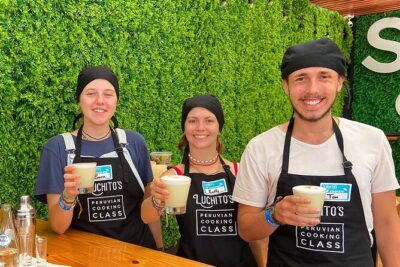
#1 Rated Cooking Classes with Local Market Tour & Pickup
Read our review →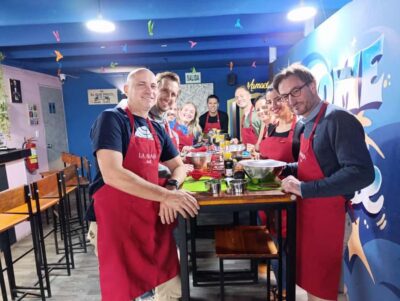
Amazing Peruvian Cooking Class Ceviche Seafood and Pisco Sour
Read our review →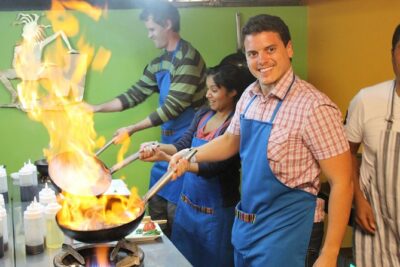
Private Cooking + Market with Maido’s Former Creative Chef (+trasportation)
Read our review →
Vegan Peruvian Cooking Class Cocktails and Local Market in Cusco
Read our review →Browse the lists this tour appears in