
Reviewed · COOKING CLASSES
Private Andean Cooking Class, Pachamanca
Pachamanca cooking gives this Cusco class its strongest hook: food is prepared with Andean ingredients and traditional clay pots, not just demonstrated on a counter. You’ll work through marinated meats, corn tamales, uchucuta pepper sauce, chicha, and a final meal with your own private group.
I like the hands-on format and the chance to taste products from across Peru before cooking with them. I also like the flexibility: Chef Alejandro, Fernando, José, and Christina have taught classes here, with English or Spanish instruction available by request. The main thing to consider is the $150-per-person price, which is fair for a private three-hour class but high if you only want a quick local meal.
In This Review
- Key points to know
- Why Pachamanca Makes This Class Different
- Starting With Marination at 9:00 a.m.
- Making Andean Tamales From Corn
- Browsing a Private Andean Market
- Grinding Uchucuta, a Traditional Pepper Sauce
- Tasting Chicha, the Drink of the Incas
- Clay Pots and the Final Meal
- The Chefs and Teaching Style
- Is $150 Per Person a Good Deal?
- Who Will Enjoy It Most
- Practical Details Before You Book
- Should You Book This Cusco Cooking Class?
- FAQ
- Where does the cooking class begin?
- What time does the experience start?
- How long does the class last?
- Where does the activity end?
- Is this a private experience?
- Is the class offered in English?
- Is a vegetarian option available?
- Can I report dietary requirements?
- What food is included?
- Do I need to bring my passport?
- Can I cancel for a full refund?
Key points to know
- Clay-pot Andean cooking: The final tasting focuses on ingredients cooked in traditional pots, tying the meal to Pachamanca traditions.
- A private class: Only your group participates, so the chef can adjust the pace and help with individual cooking tasks.
- More than recipes: You’ll learn about corn, ancient grains, superfoods, peppers, fruit, meats, and the role of food in Andean life.
- Tamales and uchucuta: The class includes two distinctive regional preparations that are less common in standard tourist cooking lessons.
- Chicha tasting: You’ll sample the ancestral corn drink and learn about its place in Inca-era food culture.
- Good family option: Mocktails, kid-friendly help, and a relaxed teaching style have made the class work well for groups with children and grandparents.
Why Pachamanca Makes This Class Different
Many cooking lessons in Cusco focus on familiar Peruvian favorites such as ceviche, lomo saltado, and pisco sours. Those are worthwhile dishes, and this school has taught them as well. The Pachamanca format takes a different path by placing more attention on Andean cooking methods and native ingredients.
Pachamanca is associated with cooking food in the earth using heated stones and natural coverings. This experience uses clay pots for the final cooking and tasting, so you should not expect a full outdoor earth-oven ceremony based on the details provided. Still, the method gives the class a clear link to the soil, crops, and cooking traditions of the Andes.
That matters in Cusco. Food here is not separate from place. Corn, potatoes, peppers, grains, herbs, and meats reflect the high-altitude region and the long history of farming in Peru. A class that explains those links gives you more than a recipe card to take home.
A few more Cusco trips to weigh up
- Cusco: Peruvian Cooking Class, Cocktails & Local Market Tour
★ 4.9 · 512 reviews - Cooking class and market tour with a local chef
★ 5.0 · 186 reviews - Vegan Peruvian Cooking Class Cocktails and Local Market in Cusco
★ 5.0 · 46 reviews
Starting With Marination at 9:00 a.m.
The meeting point is C. Palacio 135 in central Cusco, and the class begins at 9:00 a.m. You return to the same place after roughly three hours. That morning timing works well if you want lunch soon after class and still have part of the day free for another activity.
The first step is marination. You’ll prepare meat and other ingredients in a special sauce designed to build flavor before cooking. This is a useful lesson because marination is not just a list of ingredients. The timing, balance of seasonings, and choice of meat all affect the result.
The chef leads the work, then helps you put it into practice. That balance is important in a private lesson. You are not simply watching a professional move quickly while trying to keep up. You can ask questions and get help with the parts that feel less familiar.
Some class formats at this cooking school have included ceviche and lomo saltado, along with pisco cocktails. The specific Pachamanca program centers on the Andean preparations described here, so ask at booking if a particular dish matters to you.
Making Andean Tamales From Corn
Next comes the preparation of Andean tamales. Corn is central to Peruvian food, and tamales show how a simple staple can become a carefully seasoned dish wrapped and cooked through an old regional technique.
This is one of the most useful parts for home cooks because it involves more than chopping and stirring. You work with texture, wrapping, filling, and cooking time. The chef can show you how the corn mixture should feel and how the preparation fits into Andean food customs.
Tamales also give the class a strong cultural focus. The point is not to present Peruvian food as a collection of exotic ingredients. You learn how an important local crop becomes a dish connected to family cooking, farming, and celebrations.
If you are new to cooking, the private setting should make the process less intimidating. If you already cook often, the tamale technique gives you something less routine to practice. It is also a practical dish to recreate later, provided you can find suitable corn products and wrapping materials at home.
Browsing a Private Andean Market
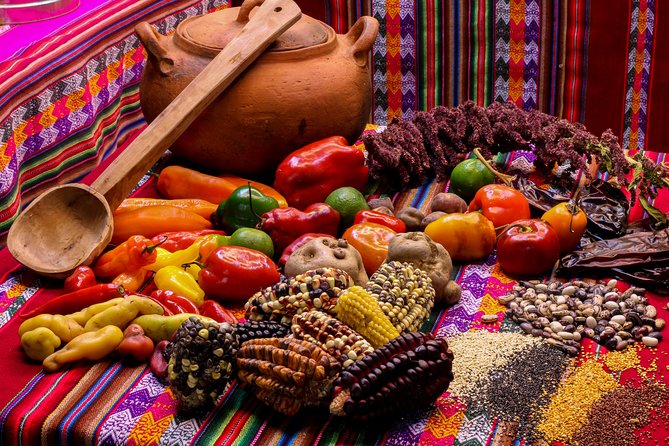
The class then moves to a private market area with Andean products. The selection includes ancient grains, superfoods, fruit, vegetables, herbs, peppers, and other ingredients used in Peruvian cooking.
This part adds context before the meal. Instead of meeting a grain or pepper only after it has been chopped and mixed into a sauce, you can see and taste ingredients on their own. That helps you understand the flavors you are working with and why they matter in the regional diet.
The tasting element has been a major part of the school’s broader classes. Students have sampled local fruits, different potatoes, vegetables, condiments, and pisco. You might find familiar flavors beside ingredients that are new to you, which makes this section useful even if you already know Peruvian food from restaurant menus.
I especially like the market stop for anyone planning to shop for food in Peru. It gives you a better sense of what you are seeing in local stalls and menus. Just keep in mind that the word market here refers to a private part of the cooking experience, not a separate public market tour through Cusco.
Same valley, a completely different kind of day:
- Cusco: Humantay Lake Tour with Breakfast and Buffet Lunch
★ 4.9 · 2,976 reviews - From Cusco: Sacred Valley & Maras Salt Mines Tour with Lunch
★ 4.8 · 2,227 reviews - From Cusco: Moray, Maras Salt Mines & Chinchero Weavers Tour
★ 4.8 · 1,925 reviews - From Cusco: Full-Day Group Tour of Machu Picchu
★ 4.7 · 1,767 reviews
Grinding Uchucuta, a Traditional Pepper Sauce
Uchucuta is a spicy Andean sauce made with traditional techniques. The preparation gives you a closer look at how peppers, herbs, and other local ingredients are combined to create a sauce with heat and character.
This is not a mild, generic condiment added at the end. Uchucuta has a clear connection to Andean cooking and is described as a sauce consumed by the Incas. The chef explains the ingredients and method as you prepare it, so you can adjust your understanding of Peruvian flavor beyond the better-known ceviche and lomo saltado.
The practical lesson is simple: taste as you work. Spicy sauces change quickly depending on the pepper, herbs, and balance of seasoning. In a private class, you can ask how to make the sauce stronger or gentler, though the available details do not promise a customized spice level.
If you are sensitive to heat, tell the chef when you book and again at the start of class. The experience offers vegetarian food on request and asks you to provide dietary details in advance, but no specific promise is given about every ingredient in the uchucuta.
Tasting Chicha, the Drink of the Incas
The chicha tasting is the class’s drink-focused cultural lesson. Chicha is an ancestral fermented drink made from corn and linked to Inca-era food traditions. You will taste it while learning about its place in Andean life.
This is a different experience from the pisco lessons offered in other class formats. Pisco cocktails, including pisco sours and Chilcanos, have appeared in the school’s cooking sessions, and some students have made drinks alongside ceviche and lomo saltado. The Pachamanca outline specifically highlights chicha, so do not assume that a full cocktail workshop is included unless the provider confirms it.
Beverages are included, along with bottled water. If you prefer not to drink alcohol, ask about the available options before starting. A family class has included mocktails for children, but that does not establish a standard mocktail menu for every booking.
Clay Pots and the Final Meal
The last stage is the payoff: you taste the ingredients cooked in clay pots, along with one appetizer and one main course. This is lunch, not merely a demonstration sample, and the class lasts about three hours from welcome to final tasting.
The clay pots matter because they reinforce the connection between the ingredients and Andean cooking traditions. You can taste the food after taking part in the work, which makes the meal feel more satisfying than a standard restaurant stop.
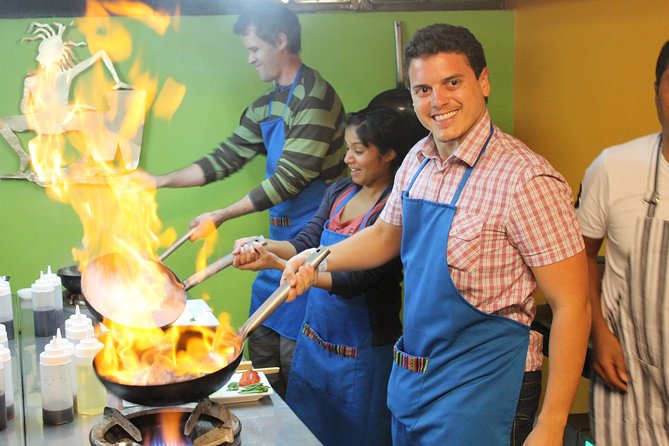
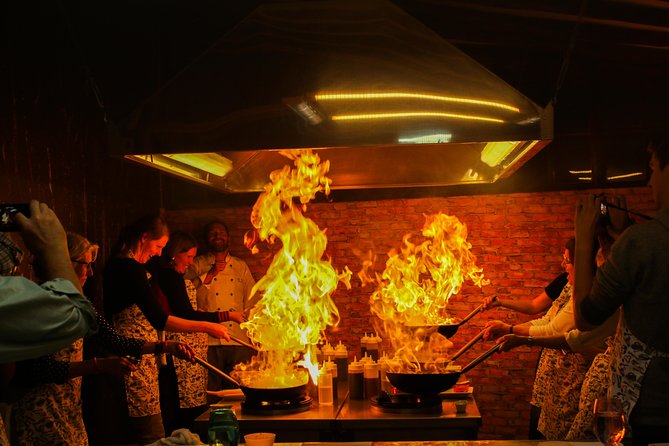
The school’s other class formats have served dishes such as ceviche and lomo saltado, sometimes with alpaca lomo saltado and a dramatic wok flambé. Those details show the chefs can handle lively demonstrations and familiar Peruvian dishes, but the published Pachamanca program is the better guide for what you should expect here: tamales, uchucuta, chicha, and clay-pot cooking.
Recipes have been sent after some classes, which is a useful extra if you want to repeat the dishes at home. Ask whether recipes will be provided for your particular session, especially if recreating the tamales or sauce is one of your main goals.
The Chefs and Teaching Style
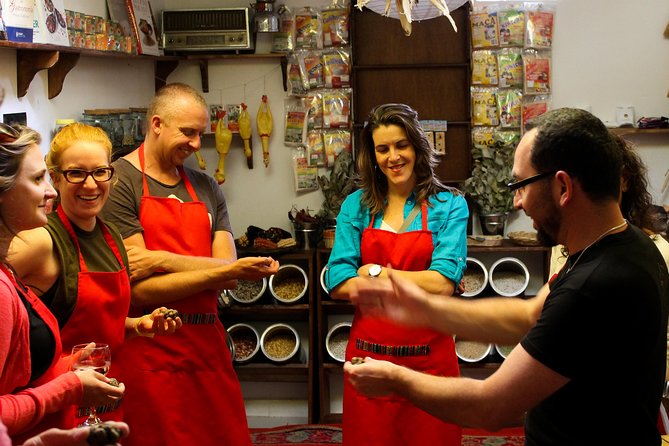
The instructors named in the class feedback include Alejandro, Fernando, José, José Luis, and Christina. Their teaching styles have been described as warm, funny, patient, and clear, with strong attention to Peruvian ingredients and food traditions.
That variety is worth noting. Your experience may feel different depending on who leads the session, even though the general format remains the same. Chef Alejandro has explained the evolution of Peruvian cooking and coached students through ceviche, lomo saltado, local meats, vegetables, grains, herbs, and pisco drinks.
Chef Fernando has worked especially well with families, using children’s music, mocktails, and extra assistance at the cooking station. Christina has taught history alongside recipes and has followed up with recipes and help after class. José and Christina have also led sessions together, combining cooking instruction with a relaxed social tone.
You can request English or Spanish when booking. Because this is private, the language choice should be easier to manage than in a large mixed group. Still, confirm the language in advance if clear instruction is important to you.
Is $150 Per Person a Good Deal?
At $150 per person, this is not a budget lunch. You are paying for a private three-hour class, a professional chef, beverages, bottled water, an appetizer, and a main course. You also receive instruction, ingredient tastings, and access to a private group setting.
I think the price makes the most sense for couples, families, honeymooners, and small groups who want a personal activity rather than a cheap meal. The private format is especially valuable if one person cooks often, another is a beginner, or children and older adults need a slower pace.
The value is weaker if you mainly want to sample Peruvian food. Cusco has many less expensive ways to eat local dishes. This booking earns its price through participation, cultural explanation, and time with the chef.
For a three-hour activity between ruins, museums, or other Cusco outings, the class also gives your schedule a useful change of pace. You leave with a meal in you, new techniques, and a better understanding of ingredients you may see elsewhere in Peru.
Who Will Enjoy It Most
I would choose this class if you want food to be part of your cultural sightseeing. You do not need advanced skills. The program is designed for all levels, and the private format lets the chef provide more direct help.
It suits families particularly well because a previous class format accommodated children and grandparents. The same flexibility may not apply in exactly the same way to every Pachamanca session, so mention children when booking.
Vegetarians can participate if they request the option in advance. You should also provide any allergies or dietary needs at booking. The tour includes meat marination in its main outline, so do not wait until the morning of the class to ask for major changes.
This is less suited to someone who dislikes spicy food, fermented drinks, hands-on cooking, or a structured three-hour activity. It may also disappoint you if you expect an outdoor Pachamanca cooked underground. The provided format uses clay pots and focuses on preparation and tasting.
Practical Details Before You Book
Bring your original passport at the beginning of the course. It is required for tax purposes. Confirmation is provided at booking, and the experience ends back at the meeting point on C. Palacio 135.
The activity is private, so only your group participates. That gives you a more relaxed setting than a large class and makes it easier to ask for help. It also means the price is calculated per person, rather than being spread across a big room of participants.
Free cancellation is available if you cancel at least 24 hours before the 9:00 a.m. start time. Changes or cancellations inside that window are not accepted for a refund. The experience also requires a minimum number of participants, and if the operator cancels for that reason, you can receive a full refund or choose another option.
Should You Book This Cusco Cooking Class?
Book it if you want a private, food-centered look at the Andes, especially if tamales, uchucuta, chicha, and traditional clay-pot cooking sound more appealing than another sightseeing stop. It is a strong choice for families, couples, honeymooners, and curious home cooks.
Think twice if you want the lowest-cost lunch, a public market tour, or a guaranteed menu of ceviche, lomo saltado, and pisco cocktails. Ask which chef will teach, which dishes are planned, and whether mocktails or specific dietary adjustments are available.
For the right group, the class offers a pleasant balance of cooking, tasting, and cultural background. At $150 per person, it is a splurge, but a sensible one when you value private instruction and an experience you can carry home in your own kitchen.
FAQ
Where does the cooking class begin?
The class begins at C. Palacio 135, Cusco 08002, Peru.
What time does the experience start?
The scheduled start time is 9:00 a.m.
How long does the class last?
The experience lasts approximately three hours.
Where does the activity end?
The class ends back at the meeting point.
Is this a private experience?
Yes. Only your group participates in the activity.
Is the class offered in English?
Yes. The class can operate in English or Spanish depending on your request.
Is a vegetarian option available?
Yes. A vegetarian option is available, but you must request it when booking.
Can I report dietary requirements?
Yes. You should advise the provider of any specific dietary requirements at the time of booking.
What food is included?
The experience includes lunch with one appetizer and one main course, along with beverages and bottled water.
Do I need to bring my passport?
Yes. You must provide your original passport at the beginning of the course for tax purposes.
Can I cancel for a full refund?
Yes, if you cancel at least 24 hours before the experience start time. Cancellations or changes made less than 24 hours in advance are not accepted for a refund.
Just added around Cusco
- Waqrapukara 1 day trekking + meals★ 3.9 · 3 reviews
- Zipline over the Sacred Valley Trip★ 5.0 · 11 reviews
- Valle Sur Cusco | half day★ 4.3 · 3 reviews
- Visit to the Cochahuasi Animal Sanctuary with rescued animal★ 4.1 · 4 reviews
- Visit Pisac from Cusco: Private Transport★ 4.6 · 9 reviews
- Maras and Huaypo lagoon by ATV from Cuzco | Local Operator★ 4.7 · 4 reviews
- Trek to Humantay Lake from Cusco★ 4.9 · 8 reviews
- Trek to Choquequirao 4 days★ 3.8 · 4 reviews
Cooking Classes, compared.
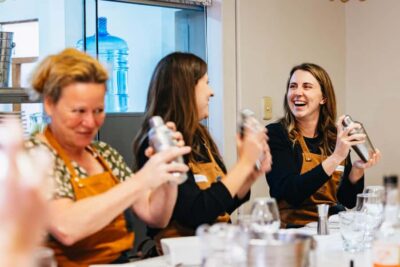
Peruvian Cooking Class, Cocktails & Local Market Tour
Read our review →
Cooking class and market tour with a local chef
Read our review →
Market Tour, Tasting of 35 Fruits, and 4-Course Peruvian Cooking Class in Lima
Read our review →
#1 Rated Cooking Classes with Local Market Tour & Pickup
Read our review →
Amazing Peruvian Cooking Class Ceviche Seafood and Pisco Sour
Read our review →
Private Cooking + Market with Maido’s Former Creative Chef (+trasportation)
Read our review →
Vegan Peruvian Cooking Class Cocktails and Local Market in Cusco
Read our review →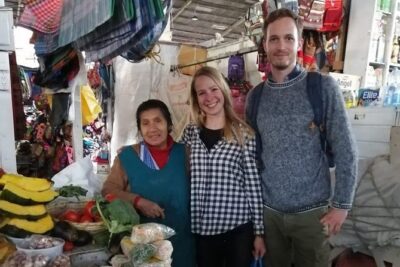
Browse the lists this tour appears in