
Reviewed · COOKING CLASSES
Cusco Cooking Class by ChocoMuseo in Cusco
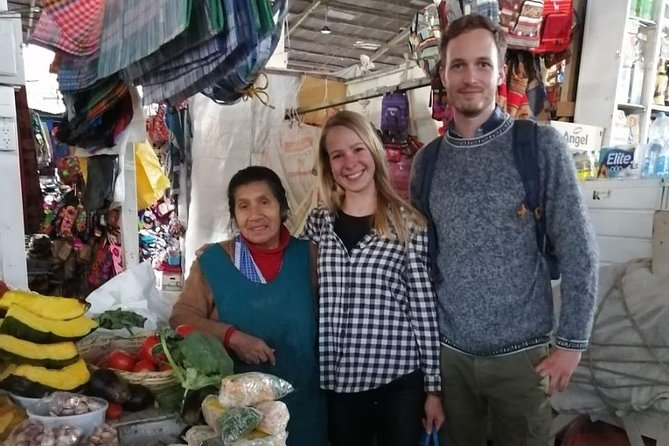
Cusco’s food story begins in San Pedro Market, where potatoes, fruits, cheeses, meats, breads, and other local ingredients fill the stalls. This class uses that market visit as a doorway into Peruvian cooking, then puts you to work in the kitchen.
I like the hands-on format and the way dinner is part of the lesson, not an afterthought. I also like that your pisco sour is made during class and that printed recipes let you repeat the dishes at home. The main consideration is timing: the market visit may not happen on every schedule, since one class held on a Wednesday found the market closing early for cleaning.
In This Review
- Key points before you book
- Why this Cusco cooking class works so well
- San Pedro Market: your first taste of local cooking
- From ingredients to ceviche
- Making a pisco sour from scratch
- Dinner is part of the lesson
- What the guides add to the experience
- Who will get the most from this experience
- What may not suit you
- Practical details, price, and cancellation
- Should you book the Cusco cooking class?
- FAQ
- Where does the Cusco cooking class begin?
- Where does the experience end?
- How long does the cooking class last?
- Does the class visit San Pedro Market?
- Is ceviche included?
- Are food and drinks included?
- Are recipes provided?
- What is the cancellation policy?
Key points before you book
- San Pedro Market comes first: See how local ingredients look before you cook with them.
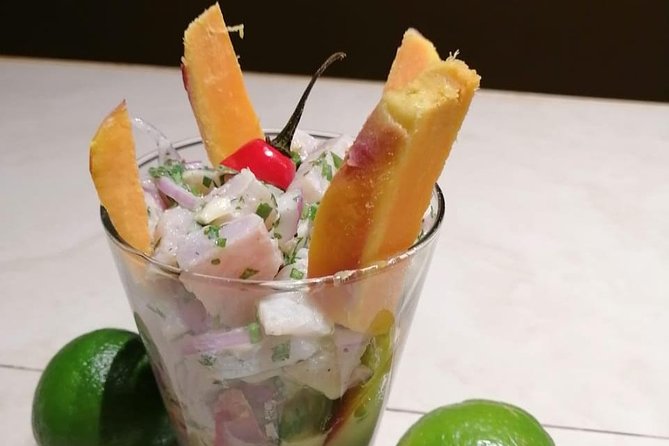
- Ceviche is part of the lesson: You prepare one of Peru’s best-known dishes rather than simply ordering it.
- The chef teaches in two languages: This helps with cooking methods, ingredients, and cultural context.
- Your class ends with dinner: You eat a typical Peruvian meal made during the session.
- A pisco sour is included: You mix the national cocktail and raise a glass at the end.
- The group can reach 25 people: Smaller groups may feel more personal, while a full class will be less intimate.
Why this Cusco cooking class works so well
Many food activities in Cusco give you a plate and a short explanation. This one gives you a market, a work surface, a recipe, and a meal. That sequence matters. You first see unfamiliar ingredients in their everyday setting, then learn how they fit into Peruvian cooking.
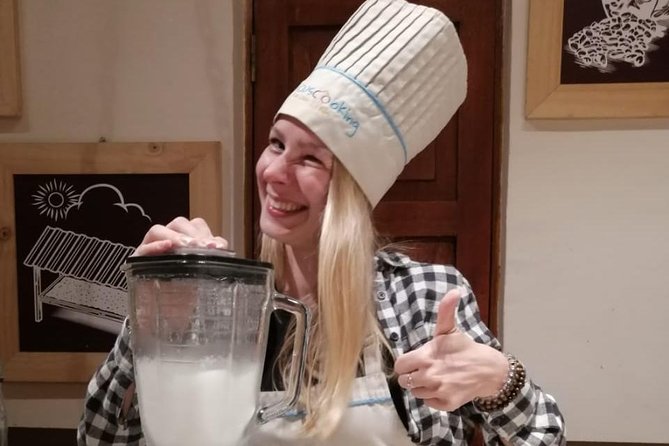
I especially like the shift from observation to participation. At San Pedro Market, you can look at local fruits, vegetables, meats, cheeses, and breads. In the kitchen, those ingredients become part of a meal you helped prepare. You are not just collecting food facts. You are learning how ingredients move from stall to table.
The class lasts about four hours, so it takes a good part of an afternoon or evening. That is longer than a quick demonstration, but the extra time gives the experience room to include shopping, cooking, cocktails, and dinner without feeling like a rushed tasting.
The provider is ChocoMuseo SAC, and the meeting point is its location at Plaza Regocijo. The company also runs chocolate classes in Cusco, so check your booking carefully to make sure you have selected the cooking experience rather than a chocolate-focused session. Some available feedback concerns chocolate classes, which are separate activities.
A few more Cusco trips to weigh up
- Cusco: Peruvian Cooking Class, Cocktails & Local Market Tour
★ 4.9 · 512 reviews - Cooking class and market tour with a local chef
★ 5.0 · 186 reviews - Private Andean Cooking Class, Pachamanca
★ 5.0 · 54 reviews
San Pedro Market: your first taste of local cooking
The visit to Mercado Central de San Pedro is the most important cultural part of the class. Instead of beginning with a recipe card, you begin where many ingredients are bought and sold.
You can expect to see familiar produce beside foods that may be new to you. The stated focus includes fruits, vegetables, meats, cheeses, and breads, including products unique to Peru. That range gives the chef a useful chance to explain not just what an ingredient is, but how it is used.
This is also where the class connects food with daily life. You see ingredients before they are cleaned, chopped, seasoned, or plated. For someone who wants to understand Peruvian cuisine beyond restaurant menus, that context is valuable.
There is one practical wrinkle. Market hours can affect the itinerary. A Wednesday class did not include the market because it closed early for cleaning, but the cooking and meal still went ahead. If the market matters most to you, ask about the day’s schedule before booking, especially for a Wednesday visit.
The experience description names San Pedro Market as the planned stop, though one family class also visited another local market. Do not count on a second market, but know that the exact market route can vary with the guide and conditions.
From ingredients to ceviche
After the market, a bilingual chef guides you through several popular Peruvian dishes. Ceviche is the headline dish for many people, and rightly so. It is one of the clearest examples of how Peruvian cooking uses fresh ingredients, sharp flavors, and careful preparation.
You will not simply watch the chef make ceviche. The experience is designed as a working class, so you take part in preparing the food. That makes the lesson more useful after you return home, particularly when you receive printed recipes at the end.
The exact menu can vary, and the supplied details do not name every dish. What is clear is that you prepare several traditional dishes and then eat a typical Peruvian dinner. The class therefore suits curious eaters who want an introduction rather than a narrow lesson on one recipe.
A private-feeling class is possible if enrollment is small. One session had only two people, giving it the feel of a personal lesson. At the other end, the maximum group size is 25. That is still manageable for an organized class, but you should expect less individual attention if it fills.
Dietary needs are worth raising before you arrive. One solo participant had unusual dietary concerns, and the chef adjusted ingredients and suggested alternatives. That is encouraging, but the experience information does not promise every modification, so contact the provider in advance rather than relying on a last-minute request.
Making a pisco sour from scratch
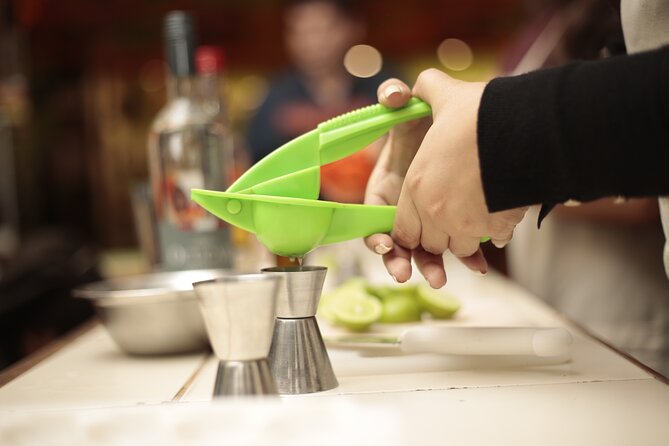
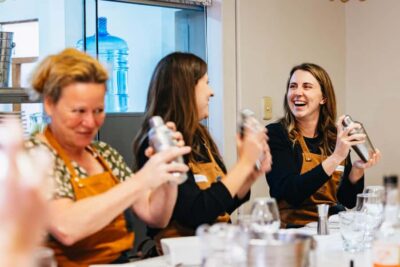
The cocktail portion adds a welcome social break to the cooking. You make your own pisco sour, using pisco and soft drinks supplied as part of the experience, then toast your holiday in Cusco.
Pisco is Peru’s famous national spirit, and the pisco sour is one of the country’s best-known drinks. Making it yourself gives the cocktail more meaning than simply ordering one at a bar. It also makes the class feel like a meal with a host, rather than a technical cooking seminar.
Alcohol is included, but you do not have to treat the drink as the center of the evening. Soft drinks are also included. Wine or local craft beer can be added for an extra charge, so ask about that option if you want something different with dinner.
Because alcohol is part of the class, consider the timing if you are adjusting to Cusco’s altitude or planning an early start the next day. The supplied information does not give a special altitude warning, but pacing yourself is sensible anywhere you are drinking at high elevation.
Same valley, a completely different kind of day:
- Cusco: Humantay Lake Tour with Breakfast and Buffet Lunch
★ 4.9 · 2,976 reviews - From Cusco: Sacred Valley & Maras Salt Mines Tour with Lunch
★ 4.8 · 2,227 reviews - From Cusco: Moray, Maras Salt Mines & Chinchero Weavers Tour
★ 4.8 · 1,925 reviews - From Cusco: Full-Day Group Tour of Machu Picchu
★ 4.7 · 1,767 reviews
Dinner is part of the lesson
The best value here comes from eating the meal you helped prepare. The included dinner is described as a great typical Peruvian meal, with the cooking process leading directly to the table.
That means the price is not just paying for instruction. You are also receiving a market visit, food, an alcoholic drink, soft drinks, recipes, and roughly four hours of activity. At $54.06 per person, the value is strongest if you would otherwise pay separately for dinner and a guided food experience.
The meal also gives you a chance to see how the separate recipes work together. A cooking class can be less satisfying when you prepare one small dish and leave hungry. Here, the stated plan is to finish with a traditional Peruvian meal, and one class produced plenty of food.
The setting has received praise for being clean, attractive, warm, and inviting. I would still keep expectations practical: this is a teaching kitchen and restaurant-style experience, not a formal fine-dining event. Its appeal is participation, conversation, and learning what you are eating.
What the guides add to the experience
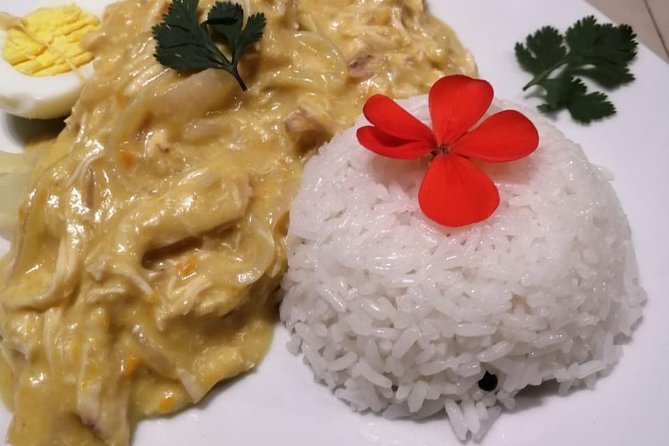
The chef is central to this class. You are not only learning how to chop or season food. You are also getting explanations of ingredients, food customs, cooking techniques, presentation, and local culture.
The bilingual format is useful in Cusco, particularly when a dish depends on a precise texture or method. Clear instruction matters with ceviche, cocktails, and any recipe where timing affects the result.
Several guides have been praised by name in past classes, including Jil, Yil, and Hadelly. Jil was noted for taking a family through local markets, helping with food preparation, and adding chocolate-covered strawberries bought at the market. Yil was praised for adapting a meal for dietary needs and for sharing information about Cusco and local foods. Hadelly successfully handled a group of children and college students.
Guide assignments can change, so these names are not a guarantee for your date. Still, if you have a chance to request a particular instructor, Jil or Yil are names worth asking about.
Who will get the most from this experience
This is a good pick for you if food is one of your main ways to understand a place. It gives you direct contact with local ingredients, then teaches you how those ingredients are used.
Families should take a close look at it. The format has worked well for children, and related ChocoMuseo classes have kept children aged 9 to 12 engaged. The cooking class itself is different from the chocolate classes, so parents should confirm the exact activity and menu before booking.
It also suits a couple or solo visitor. A small class can feel almost like a private lesson, while a larger group may bring more energy and shared conversation. Solo participants should know that the maximum is 25, so the atmosphere depends on the day’s enrollment.
I would choose this for an evening when you want more than a restaurant meal, but less than a full-day excursion. It is also a sensible recovery-day activity after hiking, provided you feel ready for a four-hour session and alcohol at altitude.
What may not suit you
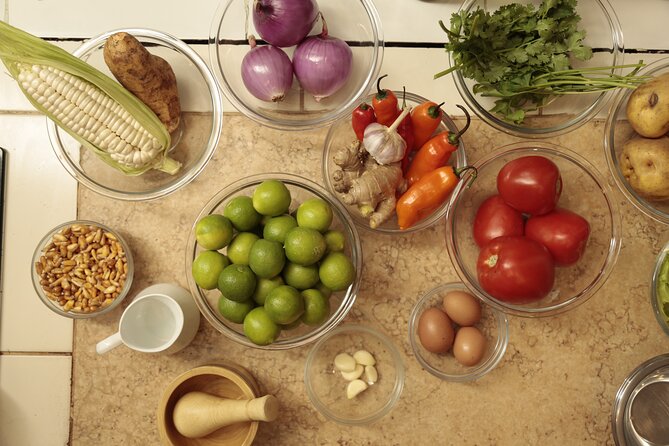
The market visit is a key selling point, but it is not fully within the class’s control. Cleaning schedules and market hours can interfere, particularly on Wednesdays. If you mainly want to shop and walk through San Pedro Market, plan a separate visit so you are not disappointed.
The group maximum of 25 is another consideration. A full group may mean waiting your turn at certain stages and less time with the chef. If close instruction is essential, ask how many people are booked.
The menu is described broadly rather than listed dish by dish. Ceviche is specifically included, but you should not assume a particular soup, main course, dessert, or level of spice. Ask ahead if you have strong food preferences.
Finally, the online material includes many positive comments about ChocoMuseo chocolate classes. Those comments show that the staff can work well with children and different group types, but they should not be taken as a precise description of this cooking menu.
Practical details, price, and cancellation
The class starts at ChocoMuseo, Plaza Regocijo, Cusco 08000, and ends back at the same meeting point. It is near public transportation, and service animals are allowed.
Confirmation is provided when you book. The experience is often reserved about 29 days ahead, so I would not leave it until the last moment if your Cusco schedule is fixed.
At $54.06 per person, the price is fair for a four-hour activity that combines a market visit, instruction, dinner, pisco, soft drinks, and recipes. The value improves if you enjoy active experiences and would count the meal as part of your evening budget. It is less compelling if you only want a quick market walk or a cheap dinner.
Free cancellation is available if you cancel at least 24 hours before the start time. Cancellations or changes made less than 24 hours ahead are not refunded or accepted, and the cut-off uses Cusco local time.
Should you book the Cusco cooking class?
I would book it if you want to understand Peruvian food by handling ingredients, preparing ceviche, mixing a pisco sour, and eating a meal you helped make. The market visit gives the class local context, and the printed recipes make it useful after your trip.
Book with two checks in mind: confirm the market timing, especially on Wednesday, and ask about the expected group size or dietary adjustments. If those details work for you, this is one of the better ways to turn a Cusco dinner into a practical cultural experience.
FAQ
Where does the Cusco cooking class begin?
It begins at ChocoMuseo in Plaza Regocijo, Cusco 08000, Peru.
Where does the experience end?
The class ends back at the meeting point at ChocoMuseo.
How long does the cooking class last?
The experience lasts approximately four hours.
Does the class visit San Pedro Market?
Yes. The planned itinerary includes Mercado Central de San Pedro, where you see local fruits, vegetables, meats, cheeses, and breads. Market hours can affect the visit.
Is ceviche included?
Yes. Preparing ceviche is specifically listed as part of the Peruvian cooking lesson.
Are food and drinks included?
Yes. A typical Peruvian dinner, pisco, and soft drinks are included. Wine or local craft beer can be added for an extra charge.
Are recipes provided?
Yes. Printed recipes are included for you to take home.
What is the cancellation policy?
You can cancel for a full refund up to 24 hours before the experience starts. Cancellations or changes made less than 24 hours before the start time are not accepted or refunded.
Just added around Cusco
- Waqrapukara 1 day trekking + meals★ 3.9 · 3 reviews
- Zipline over the Sacred Valley Trip★ 5.0 · 11 reviews
- Valle Sur Cusco | half day★ 4.3 · 3 reviews
- Visit to the Cochahuasi Animal Sanctuary with rescued animal★ 4.1 · 4 reviews
- Visit Pisac from Cusco: Private Transport★ 4.6 · 9 reviews
- Maras and Huaypo lagoon by ATV from Cuzco | Local Operator★ 4.7 · 4 reviews
- Trek to Humantay Lake from Cusco★ 4.9 · 8 reviews
- Trek to Choquequirao 4 days★ 3.8 · 4 reviews
Cooking Classes, compared.
Peruvian Cooking Class, Cocktails & Local Market Tour
Read our review →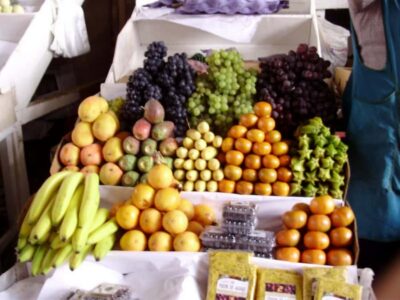
Cooking class and market tour with a local chef
Read our review →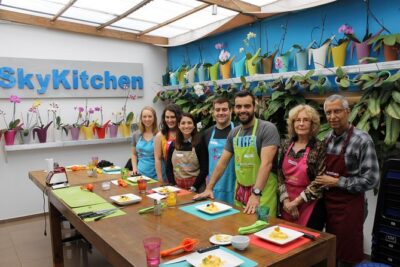
Market Tour, Tasting of 35 Fruits, and 4-Course Peruvian Cooking Class in Lima
Read our review →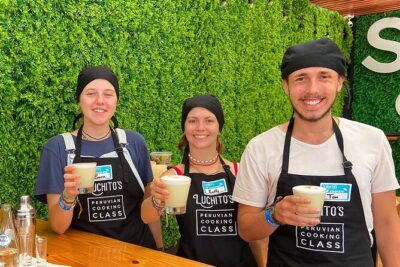
#1 Rated Cooking Classes with Local Market Tour & Pickup
Read our review →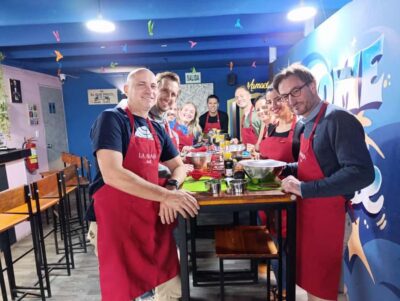
Amazing Peruvian Cooking Class Ceviche Seafood and Pisco Sour
Read our review →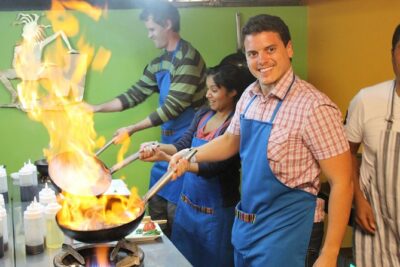
Private Cooking + Market with Maido’s Former Creative Chef (+trasportation)
Read our review →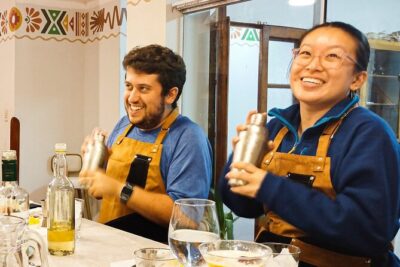
Vegan Peruvian Cooking Class Cocktails and Local Market in Cusco
Read our review →Browse the lists this tour appears in