
Reviewed · COOKING CLASSES
Vegan Peruvian Cooking Class Cocktails and Local Market in Cusco
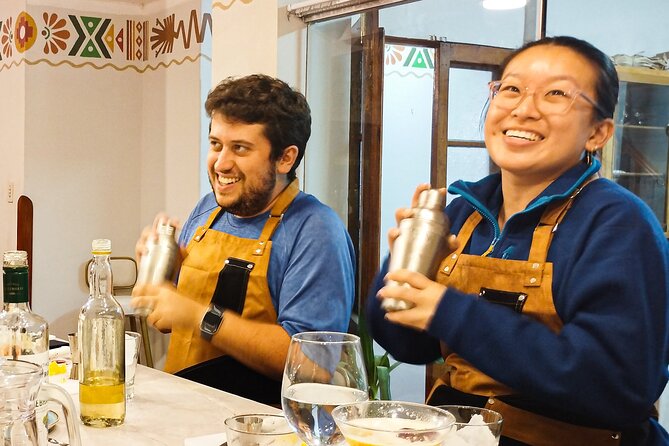
Cusco’s best food lesson may begin before you touch a knife. This four-hour experience starts inside San Pedro Market, where you learn about Peruvian fruits, grains, roots, spices, and other local ingredients before using them in a cooking studio downtown. The menu includes vegan ceviche, causa limeña, and quinoa tamales, plus two cocktails.
I like the direct connection between the market and the kitchen. You see the ingredients first, then learn how they become a meal. I also like the small maximum of 10 people, which gives you a better chance to ask questions and get hands-on time with the chef.
One point needs clearing up: the experience is promoted as vegan, but one account describes it as a general class with vegan alternatives. Tell the chef about your diet or allergies at the beginning, even if you booked the vegan option.
In This Review
- Key details to know before you book
- Why San Pedro Market is the right starting point
- From market ingredients to a central Cusco kitchen
- Vegan ceviche without the fish
- Causa limeña and the practical side of Peruvian cooking
- Quinoa tamales and Peru’s highland ingredients
- Two cocktails, with pisco and non-alcoholic choices
- The chefs make a real difference
- What the $69 price really buys you
- Who will enjoy this Cusco cooking class most
- A practical four-hour plan
- Should you book it?
- FAQ
- Where does the cooking class begin?
- Where does the activity end?
- How long does the experience last?
- What dishes do you prepare?
- How many cocktails are included?
- Can people under 18 drink alcohol during the class?
- Can the class accommodate allergies or food restrictions?
Key details to know before you book
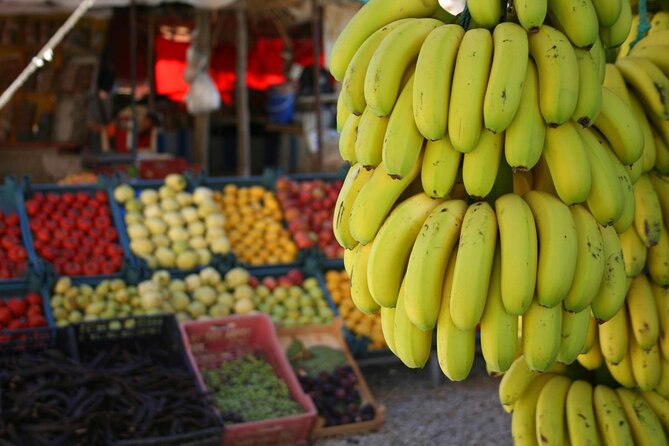
- San Pedro Market comes first: You begin at Cusco’s traditional central market, not at the cooking studio.
- Three Peruvian dishes are prepared: The class covers vegan ceviche, causa limeña, and quinoa tamales.
- Two cocktails are included: Pisco and fresh fruit feature in the drinks, with non-alcoholic replacements for anyone under 18.
- Chefs may include Jorge or Jesus: Alvaro is also mentioned in the class feedback, so the exact instructor can vary.
- The class is capped at 10 people: That is a useful size for a practical lesson rather than a large demonstration.
- Recipes are sent afterward: You leave with a way to repeat the meal at home.
Why San Pedro Market is the right starting point
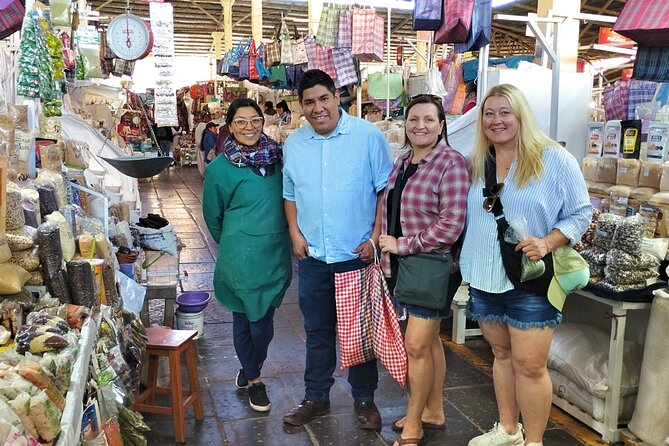
Meeting at Mercado Central de San Pedro, at Thupaq Amaru 477, gives the class a useful beginning. Instead of treating Peruvian food as a list of recipes, the tour introduces the raw materials first. You can expect to see the ingredients used in the cooking lesson, along with other foods that help explain Peru’s broad food culture.
The market portion covers local fruits, vegetables, grains, roots, spices, and Peruvian superfoods. One especially useful detail is the chance to compare different kinds of passion fruit. You may also learn about traditional Peruvian bread and how vendors present their goods.
This is where the class gains much of its local character. A recipe for causa or tamal is more interesting when you understand the ingredients behind it. You also have a guide who can explain what you are seeing and help with Spanish-language exchanges at the stalls.
Allow yourself a little patience at the meeting point. The entrance can be confusing, and the class has been described as meeting at door number one, marked on the lower part of a green entrance door. Arrive with enough time to find it without turning the start of your food lesson into a scavenger hunt.
A few more Cusco trips to weigh up
- Cusco: Peruvian Cooking Class, Cocktails & Local Market Tour
★ 4.9 · 512 reviews - Cooking class and market tour with a local chef
★ 5.0 · 186 reviews - Private Andean Cooking Class, Pachamanca
★ 5.0 · 54 reviews
From market ingredients to a central Cusco kitchen
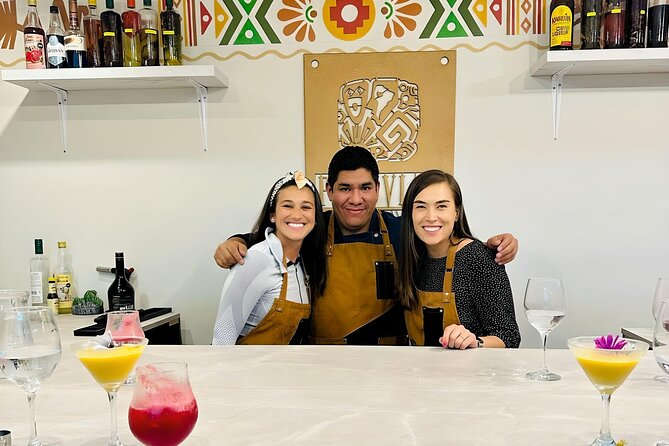
After the market visit, you go to a cooking studio in central Cusco. The distance is described as only a few blocks, so this is mainly a walking transition rather than a separate sightseeing stop. The studio is presented as a comfortable, well-equipped place where you prepare and eat the food as the class progresses.
All cooking equipment and cocktail-making tools are included. So are the ingredients, bottled water, and the dishes prepared during the class. That makes the $69 price easier to judge: you are paying for a guided market visit, an instructor-led lesson, a full meal, two drinks, equipment, and recipes for later use.
For a cooking class in a major visitor center, the value is strongest if you want participation. You are not simply watching a chef plate small samples. You work through several dishes and can ask how to adapt them at home.
The group limit of 10 matters here. Cooking stations and instructor attention can become thin in a large class. A group of this size should give you a reasonable chance to take part, though the exact amount of individual instruction will depend on attendance and the pace of the group.
Vegan ceviche without the fish
Ceviche is one of Peru’s signature dishes, so making a vegan version gives the class a clear purpose. The lesson shows how the familiar ceviche style can be adapted without fish, using plant-based ingredients and the seasonings that give the dish its sharp, fresh character.
The exact ingredients are not specified in advance, which is sensible in a market-based class. What is available may depend on the day, and your chef can explain which produce works best. The important point is that you prepare the dish yourself rather than receiving a fixed plate with no explanation.
This is also a good place to ask questions about substitutions. If you have allergies or other restrictions, notify the chef at the start. The experience states that food restrictions can be accommodated, but clear communication is still essential when several dishes are prepared in one kitchen.
Causa limeña and the practical side of Peruvian cooking
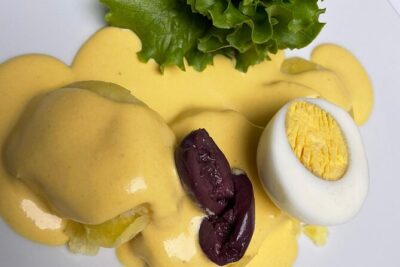
Causa limeña is another classic Peruvian preparation on the menu. The dish is built around seasoned potato and traditionally includes fillings, so the vegan version offers a useful lesson in replacing dairy, egg, or other animal products while keeping the dish satisfying.
One class account specifically describes using vegan mayonnaise. That detail is helpful if you want to recreate the dish at home. You can learn not only what goes into the recipe, but also how a familiar Peruvian dish can be adjusted for a plant-based diet.
Causa is also a good home-cooking choice because it can be prepared ahead of time and served in a neat form. The class is not only about unusual ingredients. It teaches dishes you can reasonably imagine making for friends after returning home.
Same valley, a completely different kind of day:
- Cusco: Humantay Lake Tour with Breakfast and Buffet Lunch
★ 4.9 · 2,976 reviews - From Cusco: Sacred Valley & Maras Salt Mines Tour with Lunch
★ 4.8 · 2,227 reviews - From Cusco: Moray, Maras Salt Mines & Chinchero Weavers Tour
★ 4.8 · 1,925 reviews - From Cusco: Full-Day Group Tour of Machu Picchu
★ 4.7 · 1,767 reviews
Quinoa tamales and Peru’s highland ingredients
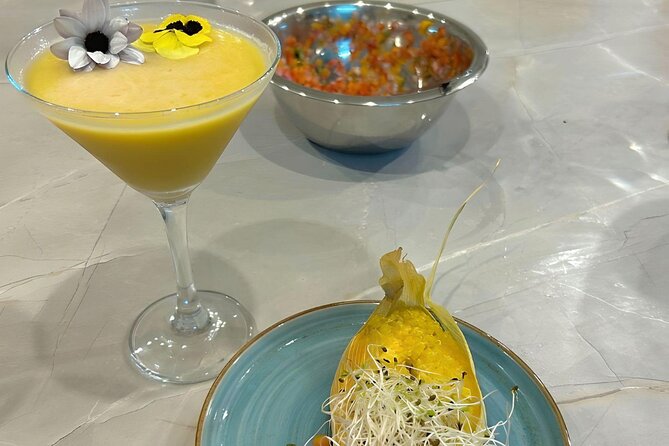
The quinoa tamal brings a clear Cusco connection to the menu. Quinoa is closely associated with the Andes and is one of the ingredients often presented as a Peruvian superfood. Here, it becomes part of a hands-on dish rather than a token ingredient added for decoration.
Tamales reward careful instruction. You need to understand the mixture, the wrapping, and the cooking process. The class gives you a chance to work through those steps with a chef nearby, which is much more useful than trying to guess from a recipe later.
Expect a generous amount of food overall. The three dishes, cocktails, and any additional course can be more than some people want in one sitting. If you become full before dessert, the class has allowed food to be taken away in at least one reported case, but you should confirm current arrangements with the operator.
Two cocktails, with pisco and non-alcoholic choices
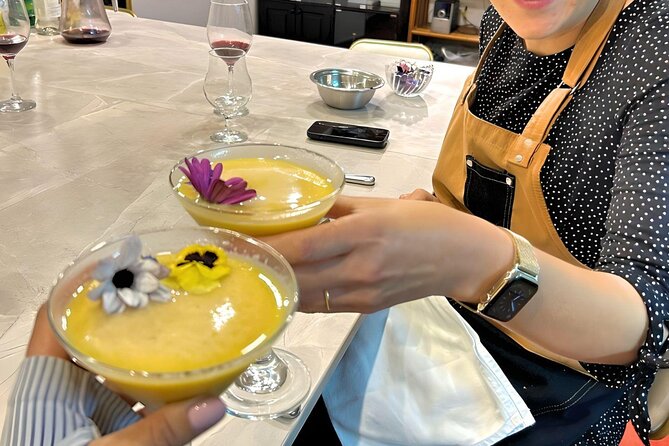
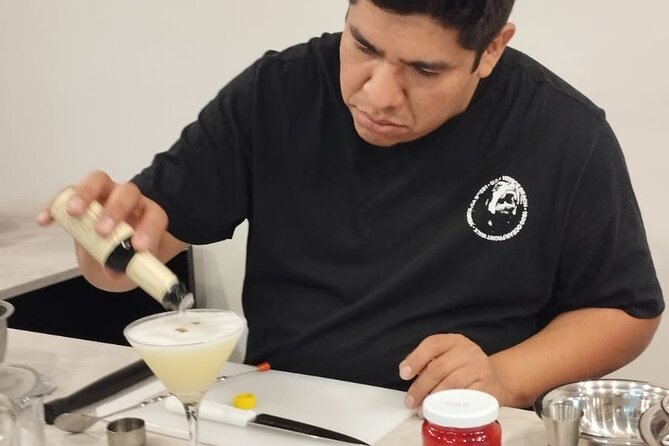
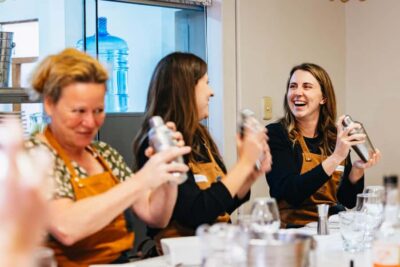
The drinks are part of the class, not an afterthought. You prepare two cocktails using representative Peruvian ingredients, including pisco and fresh fruit. Examples described during the experience include a pisco sour and chicha morada, while another participant made a whisky sour without alcohol.
The exact drinks may vary, so do not book expecting one fixed cocktail list unless the operator confirms it. The useful part is learning the method and seeing how local fruit, spirits, and traditional beverages fit into the meal.
Peruvian law permits alcohol from age 18. Anyone under 18 receives non-alcoholic drinks, with pisco replaced by bottled water. That rule is clear and makes the activity workable for mixed-age groups, though the class is still presented as including alcoholic cocktails for adults.
If you do not drink, say so at the start. The experience can provide non-alcoholic alternatives, and the cooking remains the main event.
The chefs make a real difference
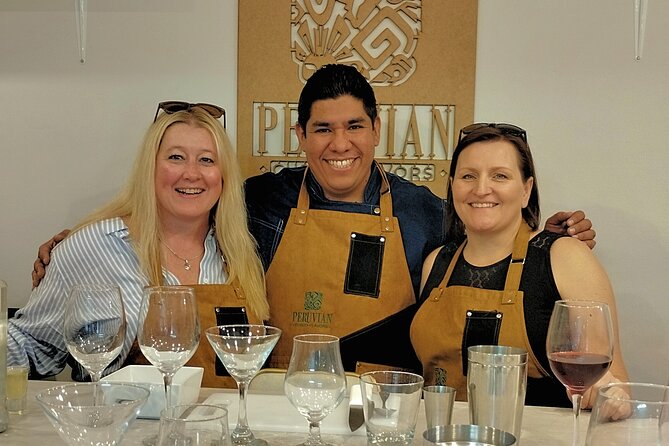
The names most closely associated with the class are Chef Jesus and Chef Jorge. Chef Jesus is described as leading market visits and explaining Peruvian food and culinary traditions in English. Chef Jorge is also praised for clear instructions, a friendly manner, and introducing each course as it was prepared.
Alvaro is mentioned as part of the cooking team as well. Since more than one chef appears to lead the activity, the person teaching your session may not be the same person described in every account. That is not necessarily a drawback, but it is worth knowing if you are booking with a particular instructor in mind.
The strongest part of the teaching seems to be its usefulness. You are shown how to make the dishes, not just told what they are. The recipes are sent after the class, which helps you remember quantities and steps once the smells and market colors have faded.
The class also suits curious cooks who want context. You can ask about ingredients, local food customs, and the role of Peruvian produce in the national cuisine. If you do not speak much Spanish, having an English-speaking chef can make the market visit far easier.
What the $69 price really buys you
At $69 per person, this is not the cheapest way to eat in Cusco. You could certainly spend less on a market snack or a simple local meal. But this is a four-hour activity with a market visit, instruction, ingredients, equipment, a substantial meal, bottled water, two cocktails, and recipes.
I think the price works best for you if you value an activity with a lasting payoff. A restaurant meal ends when the plate is cleared. This class gives you a set of dishes and techniques you can use again, along with a better sense of what you saw at San Pedro Market.
The value is less clear if you want a quick tasting tour or a strictly plant-based professional kitchen. The class takes time, and the marketing may not always make the vegan format perfectly clear. Confirm your dietary needs before cooking begins, especially if you are attending with people who eat differently.
The perfect five-star rating from 46 ratings and a 100 percent recommendation record suggest a strong track record. Still, one four-star account raises a fair concern about the difference between a dedicated vegan class and a standard class that offers vegan alternatives. Treat that as a booking question, not a reason to dismiss the experience.
Who will enjoy this Cusco cooking class most
I would recommend it most strongly to:
- Vegans who want to learn plant-based versions of Peruvian dishes
- Couples looking for a shared activity beyond sightseeing
- Solo visitors who enjoy meeting a small group while learning a skill
- Home cooks who want recipes they can repeat after returning home
- Food-focused visitors who want market context before sitting down to eat
- People who like cocktails and want to try pisco in a guided setting
It is less suited to you if you dislike market environments, do not want alcohol or cocktail preparation, or prefer a short and quiet meal. It may also disappoint if you expect every class to be entirely separate from non-vegan cooking. State your requirements early and ask for confirmation.
The tour is near public transportation, and the activity ends back at the meeting point. Service animals are allowed. Confirmation is provided when you book, and the maximum group size is 10 people.
A practical four-hour plan
Your morning or afternoon begins at San Pedro Market. Start by finding the marked meeting entrance, then follow the guide through the market as you learn about produce, grains, roots, fruit, bread, spices, and other ingredients.
Next, walk to the central cooking studio. The chef introduces the equipment and the recipes, then guides you through the cocktails and three dishes. The class is hands-on, so expect to chop, mix, assemble, and prepare food rather than simply watch.
The meal is eaten as each course is finished. This lets you see the result of each stage and keeps the lesson tied to what you have just made. At the end, you receive the recipes so you can try the dishes at home.
The full activity lasts about four hours. Free cancellation is available if you cancel at least 24 hours before the start time. Inside that window, you do not receive a refund, and late changes are not accepted.
Should you book it?
Book this class if you want your Cusco food experience to include both a local market and real kitchen work. The strongest reasons are the small group size, the three substantial Peruvian dishes, the two cocktails, and the chance to ask Chef Jesus, Jorge, Alvaro, or the assigned instructor how to repeat the recipes at home.
Before paying, send a clear note about vegan requirements, allergies, or alcohol preferences. If the operator confirms the correct menu, $69 is a fair price for four hours of food, teaching, drinks, and market access.
If you want a purely plant-based lesson with no possibility of a mixed menu, get that point confirmed first. If you are comfortable with vegan adaptations and want an engaging half-day activity in central Cusco, this is an easy choice to consider.
FAQ
Where does the cooking class begin?
The activity begins at Mercado Central de San Pedro, at Thupaq Amaru 477, Cusco 08002, Peru.
Where does the activity end?
The class ends back at the meeting point.
How long does the experience last?
It lasts approximately four hours.
What dishes do you prepare?
You prepare vegan ceviche, causa limeña, and a quinoa tamal.
How many cocktails are included?
Two class cocktails are included. Pisco and fresh fruit are among the ingredients used.
Can people under 18 drink alcohol during the class?
No. Under Peru’s law, alcohol is available from age 18. People under 18 receive non-alcoholic drinks, with pisco replaced by bottled water.
Can the class accommodate allergies or food restrictions?
Yes. Options are available for allergies and food restrictions, but you should tell the chef at the beginning of the class.
More Markets in Cusco
- Pisac Indian Market and Ollantaytambo Fortress with Lunch
★ 4.5 · 395 reviews - Cusco City Sightseeing, San Pedro Market, Cathedral and Qorikancha Temple
★ 4.5 · 139 reviews - Cusco: Peruvian Cooking Class & Market Tour
★ 4.9 · 19 reviews - Lima: Historic Center Street Food, Market, and Eateries Tour
★ 4.9 · 216 reviews
More Food in Cusco
- Food and Culture Full day Tour in the Sacred Valley
★ 5.0 · 144 reviews - The 10 Tastings of Cusco With Locals: Private Food Tour
★ 4.5 · 71 reviews - Cusco street food tour
★ 4.4 · 9 reviews - Lima: Ultimate Peruvian Food Tour
★ 4.9 · 700 reviews
Just added around Cusco
- Waqrapukara 1 day trekking + meals★ 3.9 · 3 reviews
- Zipline over the Sacred Valley Trip★ 5.0 · 11 reviews
- Visit to the Cochahuasi Animal Sanctuary with rescued animal★ 4.1 · 4 reviews
- Valle Sur Cusco | half day★ 4.3 · 3 reviews
- Visit Pisac from Cusco: Private Transport★ 4.6 · 9 reviews
- Maras and Huaypo lagoon by ATV from Cuzco | Local Operator★ 4.7 · 4 reviews
- Trek to Humantay Lake from Cusco★ 4.9 · 8 reviews
- Trek to Choquequirao 4 days★ 3.8 · 4 reviews
Cooking Classes, compared.
Peruvian Cooking Class, Cocktails & Local Market Tour
Read our review →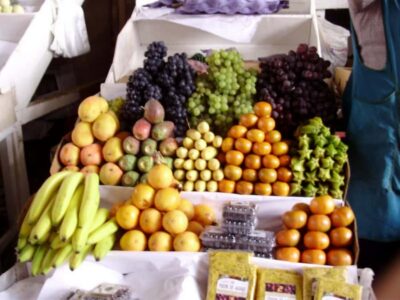
Cooking class and market tour with a local chef
Read our review →
Market Tour, Tasting of 35 Fruits, and 4-Course Peruvian Cooking Class in Lima
Read our review →
#1 Rated Cooking Classes with Local Market Tour & Pickup
Read our review →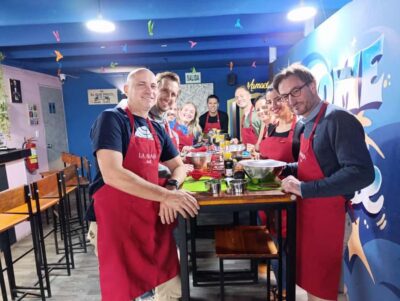
Amazing Peruvian Cooking Class Ceviche Seafood and Pisco Sour
Read our review →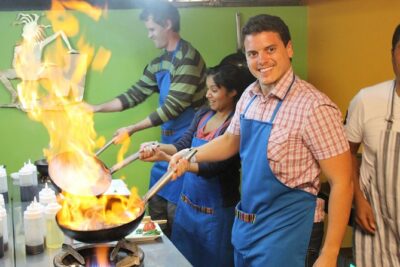
Private Cooking + Market with Maido’s Former Creative Chef (+trasportation)
Read our review →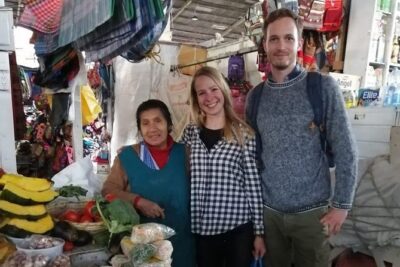
Browse the lists this tour appears in