
Reviewed · MARKETS
Cusco City Sightseeing, San Pedro Market, Cathedral and Qorikancha Temple
Cusco’s best short city tour links daily market life with the city’s grandest monuments. In about three and a half hours, you move from San Cristóbal Plaza’s high view over the rooftops to San Pedro Market, Qorikancha, the Twelve-Angled Stone, and the Cathedral on Plaza de Armas.
I like the small-group limit of 15, which should make it easier to ask questions and keep a steady pace. I also like the mix of food, Inca stonework, colonial painting, and local streets, rather than a tour made up only of churches and plazas.
The main caution is timing. Some outings have finished well before the advertised duration, and bilingual tours can give English speakers shorter explanations if most of the group speaks Spanish. Confirm the pickup time and language balance before you set dinner plans.
In This Review
- Key points to know before booking
- Why this afternoon route works in Cusco
- San Cristóbal Plaza gives you the right opening view
- San Pedro Market puts history on the shopping list
- Qorikancha explains Inca power better than any postcard
- Hatun Rumiyoc and the Twelve-Angled Stone
- The Cathedral brings colonial Cusco into view
- Vehicle transfers save effort, but traffic can cost time
- Altitude, walking, and practical comfort
- What the guide adds to the $59 price
- Who should book this Cusco city tour
- Should you book it?
- FAQ
- How long does the Cusco city tour last?
- What sights are included?
- Are entrance tickets included?
- Is the tour offered in English?
- Is hotel pickup included?
- How many people can join the tour?
- Can I cancel for a full refund?
Key points to know before booking
- San Pedro Market gives the tour a local pulse: See potatoes, Andean corn, cheese, bread, produce, handicrafts, and the everyday shopping life of Cusco.
- Qorikancha is the historical centerpiece: The former Temple of the Sun reveals how Inca stonework was reused in the Santo Domingo church and convent.
- The route covers Cusco’s major contrasts: Look from San Cristóbal Plaza, walk through San Blas, inspect Inca masonry, and enter the Cathedral.
- The guide can make or break the afternoon: Past guides praised by name include Henry, José Marie, Gabriel, Marcelo, Manuel, Robin, and others.
- It is not a pure walking tour: Hotel pickup and a vehicle are used, though much of the central route is explored on foot.
- Altitude and pacing matter: Cusco sits high, so a leisurely schedule is useful, especially if you have just arrived.
Why this afternoon route works in Cusco
At $59 per person, this is not the cheapest way to see Cusco’s center. You can walk between several stops on your own. The value comes from having transport arranged, entrance tickets covered for Qorikancha and the Cathedral, and a guide explaining why the same stones and buildings represent both Inca and Spanish Cusco.
The tour starts at 2 p.m. and lasts about three and a half hours. That makes it a handy first or second-day activity, provided you are not trying to squeeze it between a late arrival and a fixed dinner reservation. One solo participant described it as a good way to get oriented soon after landing, while another found that a delayed pickup turned the planned visit into a rushed version.
That contrast tells you what to watch. The route itself is well chosen, but the afternoon depends on pickup coordination, traffic, and how long the group spends at each site. Ask for a clear start time if you have evening plans.
The group maximum is 15 people. That is small enough for a personal feel in theory, though the bilingual format can affect the experience. If the group is mainly Spanish-speaking, the guide may explain in Spanish first and then give a shorter English version. One English-speaking solo participant found this disappointing. Other English-speaking couples had a very good experience, so the language issue is worth confirming rather than assuming.
A few more Cusco trips to weigh up
- Cusco: Peruvian Cooking Class, Cocktails & Local Market Tour
★ 4.9 · 512 reviews - Pisac Indian Market and Ollantaytambo Fortress with Lunch
★ 4.5 · 395 reviews - Cooking class and market tour with a local chef
★ 5.0 · 186 reviews
San Cristóbal Plaza gives you the right opening view
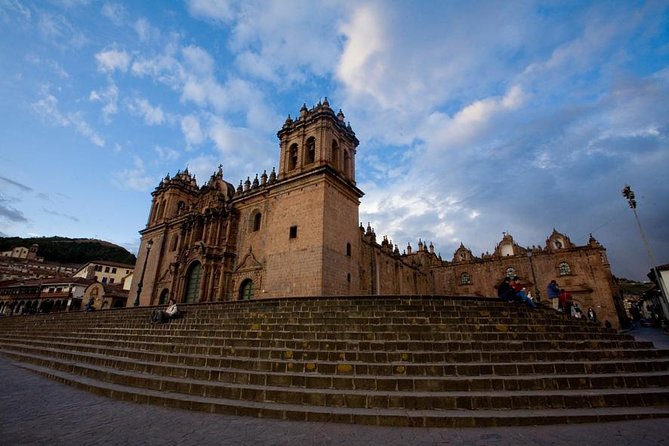
The first stop is San Cristóbal Plaza, in the San Blas area. From here, you get a broad view across Cusco, with the historic center spreading below and the surrounding hills rising beyond it.
This is a smart opening because it gives you a map in your head. After seeing the city from above, the streets, churches, and central plaza make more sense. You also get time for photographs, although the length of this stop depends on the group and the guide.
The nearby artisans’ quarter of San Blas adds a different feel. Its church is noted for carved woodwork, and the district is associated with workshops and small craft businesses. The tour does not treat San Blas as a long shopping session. Instead, you get a short look at its church and streets before moving toward the center.
I would pay attention here to the guide’s explanation of how Cusco’s districts connect. This is one of the places where a good guide adds real value. A quick view alone is pleasant, but a sense of direction helps you return later on your own.
San Pedro Market puts history on the shopping list
San Pedro Market is the most grounded stop on the route. It is not a polished museum. It is a working central market where you can see produce, potatoes, Andean corn, cheese, bread from Oropesa, local foods, and handicrafts.
You may find the market crowded, aromatic, and visually busy. That is part of the point, but it also means this stop may not suit you if you want a quiet, carefully arranged cultural visit. Keep an eye on your belongings and stay close enough to hear the guide.
The market offers something the monuments cannot: a look at how people shop and eat in Cusco today. A good guide can explain the foods and products instead of simply leading you through the aisles. Several positive accounts singled out the combination of food, culture, and history as one of the afternoon’s strengths.
You have time to browse and shop, but this is not presented as a dedicated food tour. Do not expect a long tasting program. Think of it as a guided introduction to local ingredients and daily routines, with a chance to buy something if you wish.
For me, San Pedro is especially useful early in a Cusco visit. It gives you context for the region’s food and offers a more ordinary view of the city before the grand religious buildings take over. If the market is your top interest, plan a separate return visit because 45 minutes can pass quickly.
Qorikancha explains Inca power better than any postcard
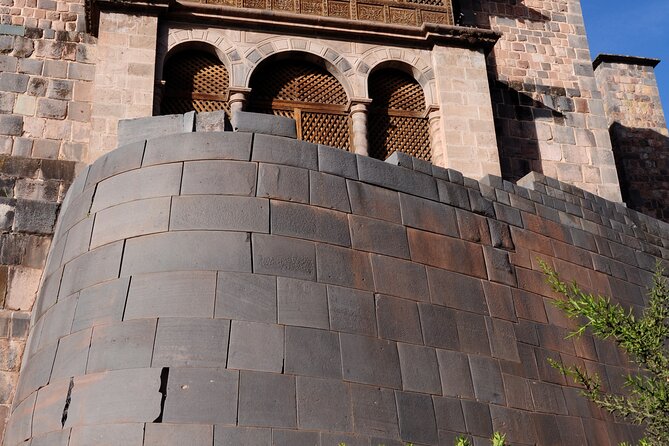
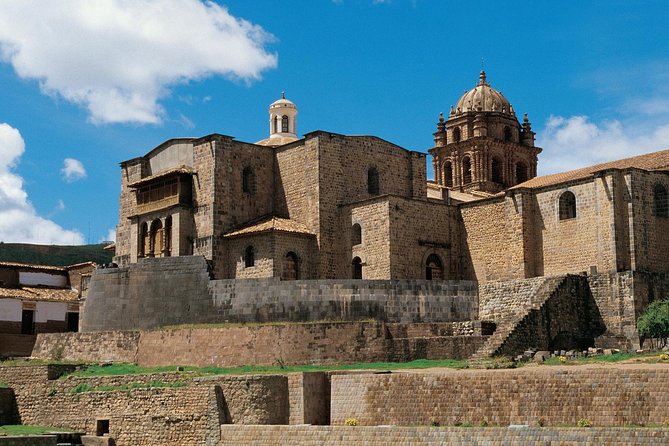
Qorikancha, also called the Temple of the Sun, is the strongest historical stop on the tour. Its earlier names included Intikancha and Intiwasi, and it was dedicated to Inti, the Inca sun deity.
The site was largely destroyed after the Spanish conquest, but its stonework did not disappear. Much of it became the foundation for the Santo Domingo church and convent. That physical layering is what makes Qorikancha so important. You are not simply looking at an old ruin beside a colonial building. You are seeing how Spanish construction was placed over a major Inca religious center.
The former temple was associated with great wealth and was once covered in gold. The surviving masonry shows the precision of Inca construction even after the original buildings and decoration were lost.
The planned visit is about an hour, though one account describes roughly 30 minutes inside. That difference matters. Qorikancha rewards a guide who can point out the construction, explain the site’s religious role, and connect it to the later church. Several guides received strong praise for making this stop clear and engaging, including Henry, José Marie, and Marcelo.
If you have limited time in Cusco, this is the stop I would protect. One less favorable experience found the Temple of the Sun far more interesting than the rest of the route. That does not make the other stops pointless, but it shows where the tour’s strongest historical payoff usually lies.
Same valley, a completely different kind of day:
- Cusco: Humantay Lake Tour with Breakfast and Buffet Lunch
★ 4.9 · 2,976 reviews - From Cusco: Sacred Valley & Maras Salt Mines Tour with Lunch
★ 4.8 · 2,227 reviews - From Cusco: Moray, Maras Salt Mines & Chinchero Weavers Tour
★ 4.8 · 1,925 reviews - From Cusco: Full-Day Group Tour of Machu Picchu
★ 4.7 · 1,767 reviews
Hatun Rumiyoc and the Twelve-Angled Stone
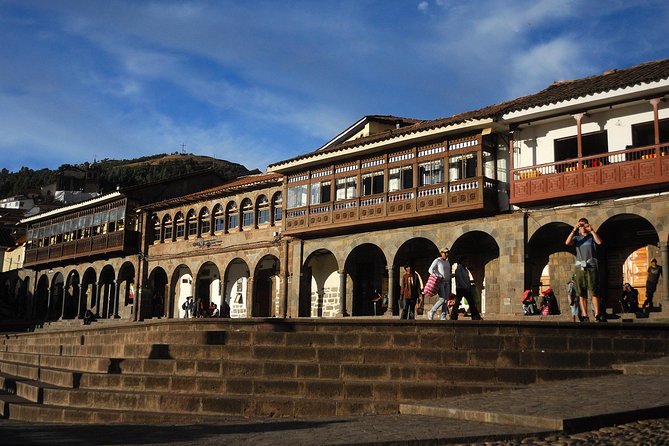
After Qorikancha, the route continues through the historic center and along Hatun Rumiyoc Street. The famous Twelve-Angled Stone is set into an Inca wall here.
The stone is a small feature, but it is a useful lesson in Inca masonry. Its carefully cut sides fit into the surrounding stones without the need for modern-looking mortar. The stop is brief, yet it helps you notice the quality of the walls you might otherwise pass without a second glance.
The route also passes the former Inca Roca Palace, now associated with the Archbishop’s Palace. This is another place where the city’s layers sit side by side: Inca foundations, Spanish colonial institutions, and modern Cusco life all occupy the same streets.
Do not expect a long archaeological lecture at every wall. This is a walking connection between the larger visits. The guide’s commentary is most useful when it points out details and explains their setting without keeping you stationary for too long.
The Cathedral brings colonial Cusco into view
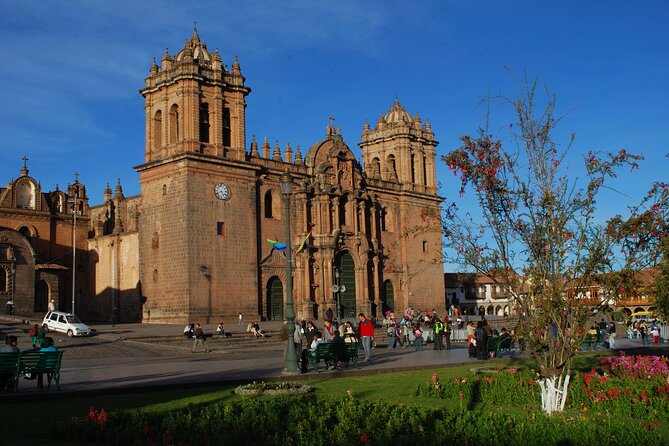
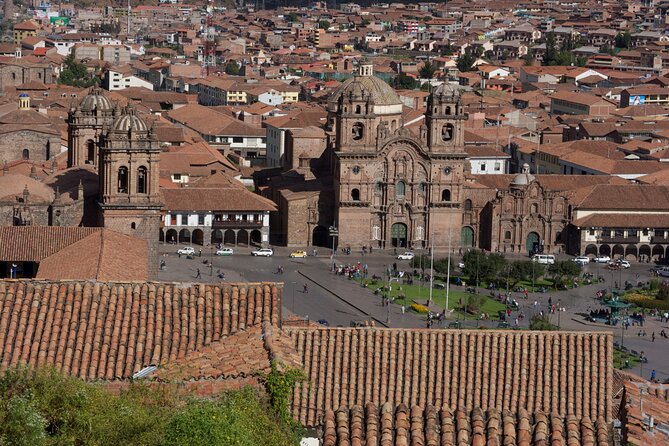
Cusco Cathedral dominates Plaza de Armas and is officially the Cathedral Basilica of the Assumption of the Virgin. Construction took place between 1560 and 1654.
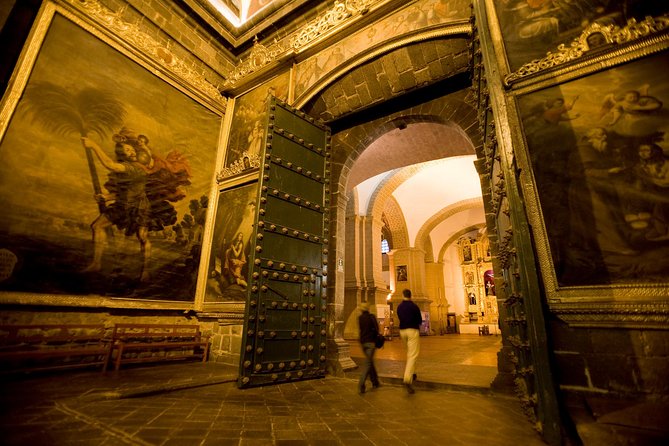
Inside, the emphasis is on carved woodwork and colonial-era paintings. The building is grand, formal, and very different from Qorikancha, yet the two sites make more sense together. The Cathedral represents the Spanish Catholic order established in Cusco, while Qorikancha lets you see the Inca religious center that came before it.
The visit is listed at about an hour, but several accounts describe the Cathedral portion as quick. One less satisfied participant felt it seemed optional, while others considered the church a key part of the afternoon. Your experience will depend heavily on how much time remains after transport and earlier stops.
I would listen for explanations of the paintings and woodwork rather than trying to inspect every object at speed. The Cathedral contains valuable colonial art, but a short visit cannot cover everything. If church interiors are your main reason for booking, you may want additional time in Cusco to return to the square and explore nearby religious sites independently.
The tour usually finishes around Plaza de Armas. That is convenient. You can remain in the square, find a café or restaurant, continue walking, or make your own way back to the hotel.
Vehicle transfers save effort, but traffic can cost time
Although the central sights are close enough to connect on foot, the tour uses a vehicle for hotel pickup and some transfers. This can be a real benefit in Cusco, where steep streets, high altitude, and tired legs can turn a short walk into hard work.
A careful driver was praised in one account, and other participants liked the efficient use of a van. The vehicle also helps when your hotel is not near the historic center. Hotel pickup and drop-off are included from select hotels, though vehicles cannot reach every street. Some hotels sit in areas where vehicle access is restricted, so you may need to meet the guide nearby.
The drawback is traffic. One very poor experience spent too much of the short tour moving through Cusco traffic and waiting for late pickups. A shared tour may also collect people at more than one hotel. If the schedule slips, the walking portion can feel hurried.
I would build a buffer after the tour. The advertised finish should be around 5:30 p.m., but pickup delays and traffic can affect the day. Do not place an important dinner reservation immediately afterward unless the operator gives you a firm, realistic end time.
Altitude, walking, and practical comfort
Cusco’s altitude is not a minor footnote. One participant became sick throughout the outing and wished they had allowed a full day to adjust before sightseeing. The route is described as leisurely, but you still move between plazas, streets, market aisles, and historic interiors.
If you have just arrived, take the advice seriously: give yourself time to acclimatize, drink fluids, and keep the first afternoon easy. Coca tea and soup were suggested as practical choices, while avoiding heavy red meat may help some people feel more comfortable. Advice about medication should come from a local pharmacy or medical professional.
Carry a little Peruvian currency. Bathroom use can cost one or two soles, and free facilities are not always available. That is a small detail, but it is exactly the sort of thing that prevents an awkward stop during a market and monument tour.
Most people can take part, and the activity is near public transportation. The information provided does not promise a fully step-free route, so ask about your needs before booking if stairs, uneven streets, or long periods of walking are a concern.
What the guide adds to the $59 price
The best reason to pay $59 is the explanation. You can photograph San Cristóbal Plaza, walk to the Twelve-Angled Stone, and enter the Cathedral without a guide. What you cannot easily recreate is a clear story linking Inca religion, Spanish conquest, colonial art, market food, and modern city life in one afternoon.
Past guides praised by name include Henry, José Marie, Gabriel, Marcelo, Marco the driver, Manuel, and Robin. The repeated strengths are clear storytelling, cultural context, patience, safe driving, and help with photographs for solo participants.
The bilingual format is the chief value risk. The service is offered in English and Spanish, but a mixed group may not receive equal time in each language. If detailed English commentary is important to you, contact the provider before booking and ask how the group will be handled.
The second risk is duration. At its best, the tour efficiently covers the main sights without making you arrange taxis or study a map. At its worst, delays can reduce a three-and-a-half-hour plan to a shorter, rushed circuit. The $59 price is fair if the schedule runs properly and you value the guide. It is less attractive if you already know Cusco and prefer to explore slowly on foot.
Who should book this Cusco city tour
I would recommend it to a first-time visitor who wants a structured introduction before exploring alone. It is also a good fit for solo visitors who prefer a guide and driver, couples with one free afternoon, and anyone who wants Qorikancha and the Cathedral tickets handled in advance.
It suits you best if you enjoy a broad overview rather than a specialist tour. You get food, religion, Inca engineering, colonial art, views, and neighborhood streets, but no single subject receives an entire afternoon.
I would hesitate if you are highly sensitive to delays, need a guaranteed English-only group, or want long visits inside each monument. I would also avoid scheduling it on the day you arrive if you are already feeling the altitude.
Cancellation is free up to 24 hours before the local start time. Changes or cancellations inside that window are not refundable.
Should you book it?
Book this tour if you want a useful first look at Cusco’s past and present with transport, a bilingual guide, and the two main entrance tickets included. The route is strong, especially Qorikancha, San Pedro Market, and the contrast between Inca stonework and colonial buildings.
Before paying, confirm hotel pickup access, the English-Spanish arrangement, and the expected finish time. If those details are clear, $59 buys a convenient orientation and a solid historical framework. If you already know the center or prefer slow independent visits, save the money and walk the same streets at your own pace.
FAQ
How long does the Cusco city tour last?
The tour is advertised as approximately 3 hours and 30 minutes, beginning at 2 p.m. Some experiences have ended earlier, so confirm the expected duration if you have evening plans.
What sights are included?
The route includes San Cristóbal Plaza, San Blas, Hatun Rumiyoc Street, the Twelve-Angled Stone, the former Inca Roca Palace area, San Pedro Market, Qorikancha Temple, Plaza de Armas, and Cusco Cathedral.
Are entrance tickets included?
Entrance tickets to Cusco Cathedral and Qorikancha Temple are included. Admission to the other listed stops is free according to the tour details.
Is the tour offered in English?
Yes. The tour uses a live bilingual English and Spanish service. In a mixed-language group, the amount of explanation in English may vary.
Is hotel pickup included?
Hotel pickup and drop-off are included from select hotels. Some streets do not permit vehicle access, so certain hotels may require you to meet the vehicle elsewhere.
How many people can join the tour?
The maximum group size is 15 participants.
Can I cancel for a full refund?
Yes, if you cancel at least 24 hours before the experience start time. Cancellations or changes made less than 24 hours before the local start time are not refunded.
Just added around Cusco
- Waqrapukara 1 day trekking + meals★ 3.9 · 3 reviews
- Zipline over the Sacred Valley Trip★ 5.0 · 11 reviews
- Valle Sur Cusco | half day★ 4.3 · 3 reviews
- Visit to the Cochahuasi Animal Sanctuary with rescued animal★ 4.1 · 4 reviews
- Visit Pisac from Cusco: Private Transport★ 4.6 · 9 reviews
- Maras and Huaypo lagoon by ATV from Cuzco | Local Operator★ 4.7 · 4 reviews
- Trek to Humantay Lake from Cusco★ 4.9 · 8 reviews
- Trek to Choquequirao 4 days★ 3.8 · 4 reviews
Markets, compared.

Peruvian Cooking Class, Cocktails & Local Market Tour
Read our review →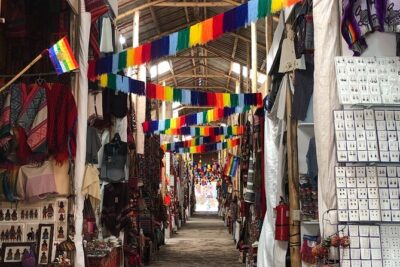
Pisac Indian Market and Ollantaytambo Fortress with Lunch
Read our review →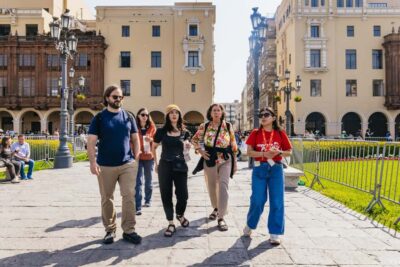
Historic Center Street Food, Market, and Eateries Tour
Read our review →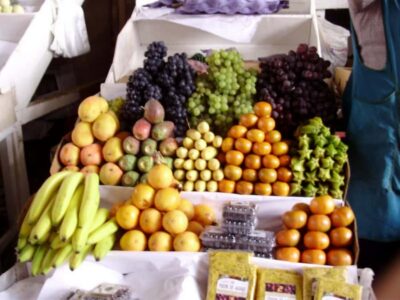
Cooking class and market tour with a local chef
Read our review →
Market Tour, Tasting of 35 Fruits, and 4-Course Peruvian Cooking Class in Lima
Read our review →
Belen Market and La Venecia Loretana Tour With A Local Guide
Read our review →
#1 Rated Cooking Classes with Local Market Tour & Pickup
Read our review →
Private Cooking + Market with Maido’s Former Creative Chef (+trasportation)
Read our review →Browse the lists this tour appears in