
Reviewed · MACHU PICCHU TOURS
5 Day – Salkantay trek to Machu Picchu – Group Service
The big appeal of this five-day Salkantay trek is the change in scenery. You begin among snow-covered Andean peaks, cross a 15,200-foot mountain pass, then walk through cloud forest and warm jungle before reaching Machu Picchu. It feels like a journey, not simply a way to get to the ruins.
I like two things in particular: the strong support system, with cooks, horsemen, mules, and gear transport, and the guides, including Aldo, Victor, Ruben, and Claudio, who are praised for their humor, Inca knowledge, and steady encouragement. The main caution is simple: this is a serious high-altitude hike, and the camps on Days 2 and 3 may feel more basic than the polished description suggests.
In This Review
- Key points to know before booking
- What the $650 price really covers
- Day 1: Mollepata, Cruzpata, and the first night at Soraypampa
- Day 2: The Salkantay Pass at 4,650 meters
- Day 3: River valleys, tropical plants, and hot springs
- Day 4: Llactapata and the first view of Machu Picchu
- Day 5: Sunrise at Machu Picchu
- Guides, cooks, and the value of group support
- How difficult is the Salkantay trek?
- Camping, packing, and comfort
- Who should book this five-day route?
- Should you book it?
- FAQ
- How long is the Salkantay trek to Machu Picchu?
- What time does pickup begin?
- How high is the Salkantay Pass?
- Are meals included?
- Is camping equipment provided?
- Can I request vegetarian meals?
- Is accommodation included in Aguas Calientes?
- Is Huayna Picchu included?
- How many people are in the group?
- Is the return train included?
Key points to know before booking
- The 4,650-meter Salkantay Pass is the physical test: Expect cold air, steep walking, and the possibility of snow before a long descent.
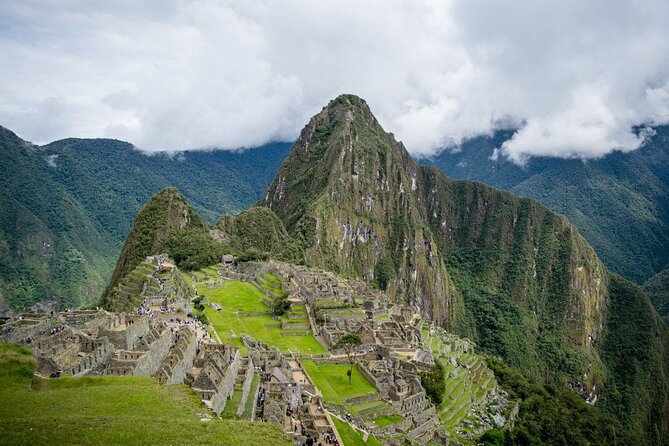
- Four very different climate zones arrive in five days: You move from icy mountain country to cloud forest, tropical valleys, and Machu Picchu.
- Your bags are partly supported: Horsemen and mules carry camping equipment and up to 8 kilograms of your belongings, while 7 kilograms of personal porter service is listed among the inclusions.
- The food is a real strength: A cook prepares four breakfasts, lunches, and dinners, plus snacks, with vegetarian meals available if requested in advance.
- The final night is in Aguas Calientes: You sleep in a superior three-star hotel instead of a tent before the early bus to Machu Picchu.
- This is a group trek, not a private escape: The maximum group size is 16, and campsite quality, pace, and train times can vary.
What the $650 price really covers
At $650 per person, this trip offers good value if you want a supported trek rather than a do-it-yourself route. The price includes hotel pickup, the bus to the trailhead, a bilingual professional guide, an assistant guide, camping equipment, mattresses, a dining tent, a cook, porters, entrance fees, the Aguas Calientes hotel, and the tourist train back toward Ollantaytambo.
That is a lot of moving parts to arrange on your own. The horsemen and mules are especially useful because you do not need to carry all your camping gear over the pass. The listed baggage allowance needs clarification before departure, though: the inclusions refer to both 8 kilograms carried by the horsemen and 7 kilograms of personal porter service.
The price does not cover flights, drinks, insurance, laundry, or meals in Aguas Calientes. You also pay an additional $112 if you want single accommodation. Huayna Picchu tickets are not included, so do not assume you can add that mountain climb at the last minute.
The trip is non-refundable and cannot be changed after booking. That makes travel insurance worth considering, even though insurance itself is not included.
More machu picchu tours in Cusco:
- From Cusco: Full-Day Group Tour of Machu Picchu
★ 4.7 · 1,767 reviews - Machu Picchu Day Trip from Cusco
★ 4.5 · 1,644 reviews - Machu Picchu: Full-Day Tour from Cusco with Optional Lunch
★ 4.6 · 927 reviews
Day 1: Mollepata, Cruzpata, and the first night at Soraypampa
The day starts early, with a 5 a.m. pickup and a bus ride to Mollepata. You will want a packed sense of humor and a ready breakfast, because the first morning meal is not included.
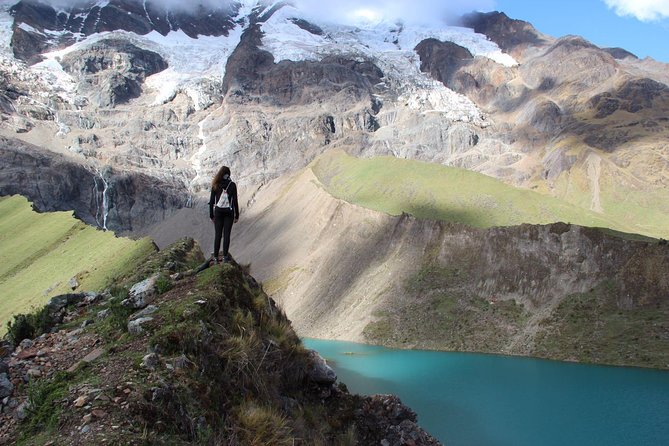
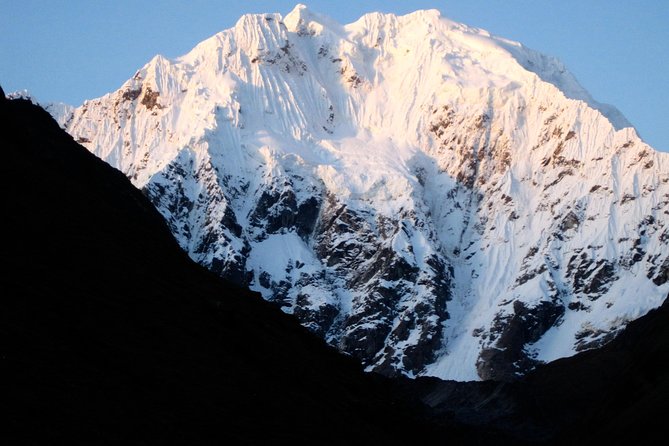
From Cruzpata, the route takes about three hours to the lunch stop. This is your first big scenic reward, with views toward Humantay at about 4,120 meters and Salkantay at 6,271 meters. The two snow-capped peaks give the opening day a grand scale, even before you reach the highest point of the trek.
After lunch, you walk for roughly two more hours toward Soraypampa. The route is already high, so the combination of altitude and a long first day can catch you off guard. Move slowly, drink water, and treat the afternoon as a steady introduction rather than a race.
The first night is camping. A four-person tent is shared by two people, and mattresses are supplied. The dining tent, tables, chairs, and cook make this much more comfortable than carrying a small tent and stove yourself, but it remains a mountain camp. Bring warm layers and keep essentials close at hand.
Day 2: The Salkantay Pass at 4,650 meters
Day 2 is the hardest and most dramatic part of the route. Breakfast is planned for about 5:30 a.m., followed by a climb toward the Salkantay Pass, the highest point at 4,650 meters, or 15,200 feet.
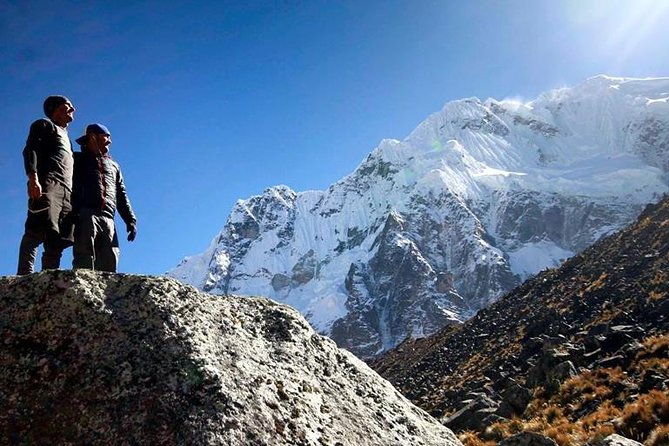
At the pass, Salkantay Mountain rises on one side and Tucarhuay on the other. Snow is possible here, and the cold can be sharp. This is the point where a good guide matters. Guides such as Victor and Aldo are praised for keeping people motivated and helping the group manage difficult sections.
The full morning hike takes about seven hours, including the descent toward Huayracpunku, also called Huayracmachay, where lunch is served. The route changes quickly after the pass. High alpine conditions give way to a dramatic cloud forest, with a warmer and more sheltered feel.
After lunch, you continue downhill for around three hours toward Colcapampa, at roughly 3,000 meters. Depending on the group’s pace, the overnight camp may instead be at Challway or Andenes.
That flexibility is practical, but it means you should not expect every night to match the printed plan exactly. The camping areas on Days 2 and 3 have been a weak point for some people, so pack with basic conditions in mind. A sleeping bag is not listed among the included items, so confirm that detail before you go.
Day 3: River valleys, tropical plants, and hot springs
The third morning begins around 6:30 a.m. The route now enters the upper jungle, crossing the Lluskamayo River and a series of small creeks. You pass waterfalls, tropical fruit plants, and thick greenery as the temperature rises.
This is one of the trek’s best features. You are not looking at the same mountain view for five days. The change from cold, exposed slopes to warm river valleys gives the journey a sense of movement and reward.
After about six hours of walking, you reach La Playa, at around 2,500 meters. The camp is in a warmer climate, and the route feels less severe than the high pass. Still, the trail can be tiring because this is the third consecutive day of walking.
A visit to the hot springs is offered after you reach camp. It is optional, and the supplied plan does not specify the entrance price for this stop. Use it as a chance to rest if your legs need it, but ask your guide about the timing and cost before committing.
The strongest praise for this part of the trip often centers on the crew and food. Cooks such as Cirilo, Gregorio, and Wilfredo are singled out for hearty meals and flexible preparation, including vegetarian options. That matters on a trek where you are burning energy all day.
More salkantay trek in Cusco:
- Salkantay Trek Challenge – 3 Days / 2 Nights
★ 5.0 · 101 reviews - Small Group 5 Days Salkantay and Machu Picchu by Llactapata Tour
★ 5.0 · 88 reviews - Machu Picchu: 5-Day Salkantay Trek with Panoramic Train
★ 5.0 · 79 reviews - Salkantay Trek 4 Days to Machu Picchu by Glamping Sky Lodge Dome
★ 5.0 · 68 reviews
Day 4: Llactapata and the first view of Machu Picchu
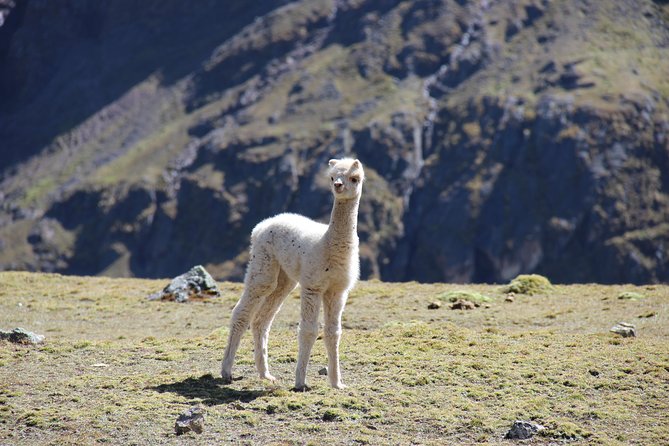
Day 4 begins with breakfast at about 6:30 a.m. The morning climb to Llactapata takes around three hours. This Inca site offers a first view of Machu Picchu, which is a fine way to build anticipation before the final day.
Llactapata is not just a photo stop. It gives you a different setting from the classic postcard view, with Machu Picchu seen across the surrounding peaks. Your guide can add context about the Inca world and the route itself, which is one reason the bilingual guide is more useful than a simple trail escort.
After time for photos and rest, you descend for about two hours through plantations producing coca, bananas, and other crops. You then reach the Hydroelectric dam for lunch.
The final walk to Aguas Calientes takes another couple of hours. This stretch follows the rail corridor area and gives you a gradual transition from wilderness walking to the busy gateway town below Machu Picchu.
You spend the night in a superior three-star hotel in Aguas Calientes. That bed and private-town base are welcome after three camping nights. You can also visit the town’s hot springs, where admission is listed at 10 soles, though that expense is not included.
Lunch and dinner in Aguas Calientes are not included. Set aside money for both, along with drinks, since the package covers meals only through the trekking days.
Day 5: Sunrise at Machu Picchu
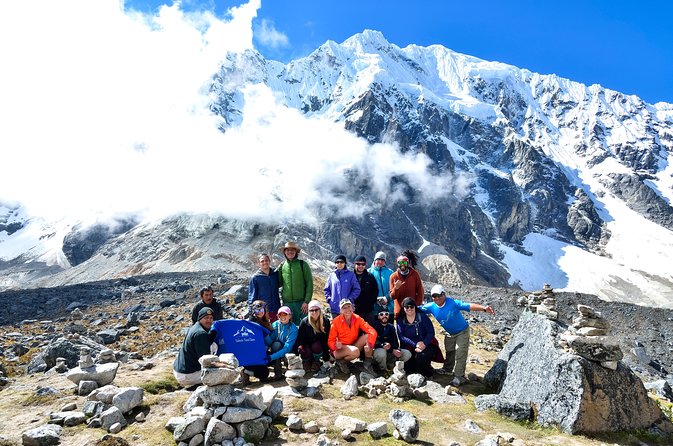
The final morning starts early. Your guide picks you up at the hotel around 5:40 a.m., and you take the short bus ride to the entrance gates.
The early start is designed to give you a sunrise visit. Conditions can vary, and clouds may block the first light, but arriving early gives the day a dramatic beginning and helps you avoid wasting time on the approach.
Inside Machu Picchu, your guide leads an approximately two-hour walking tour of the citadel. This is where the cultural background you have heard along the route becomes useful. Guides such as Aldo, Victor, Claudio, and Ruben have received strong praise for explaining Inca culture, local customs, and the meaning of the places you pass.
After the guided portion, you have free time to explore within the rules and time limits of your admission. The package includes Machu Picchu entrance fees, but Huayna Picchu tickets are not included. If that extra mountain is important to you, arrange it separately and confirm availability well ahead of time.
The return journey uses tourist train transport toward Ollantaytambo. Train times can change because of schedules and availability. A Vistadome upgrade with larger windows may be possible for an extra cost if organized in advance.
Guides, cooks, and the value of group support
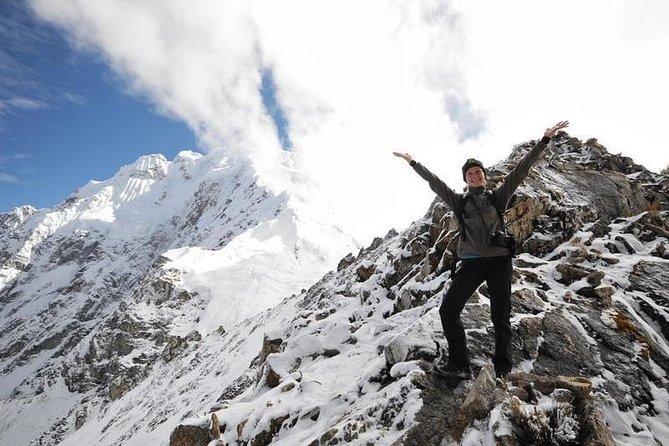
The people running the trek are a major part of its appeal. Aldo is praised for adjusting parts of the route to suit a group, explaining Inca culture, and keeping the mood upbeat. Victor is described as personable, funny, direct, and helpful during hard sections. Ruben and Claudio also receive strong praise for care, encouragement, and local knowledge.
Those names may not be the guides assigned to your departure, so treat them as examples rather than a promise. The package includes both a main guide and an assistant guide, which is useful for a group of up to 16 people.
The cook and support crew are not just background staff. They set up the dining area, carry supplies, prepare meals, and help keep the schedule moving. The food has been one of the most consistently praised parts of the experience, with some people finding the portions too generous to finish.
You should also understand the human labor behind the price. Horsemen, mules, cooks, porters, and guides make the route possible without asking you to haul every item yourself. Pack responsibly, respect the weight limit, and plan to tip the support crew if that is customary for your group.
How difficult is the Salkantay trek?
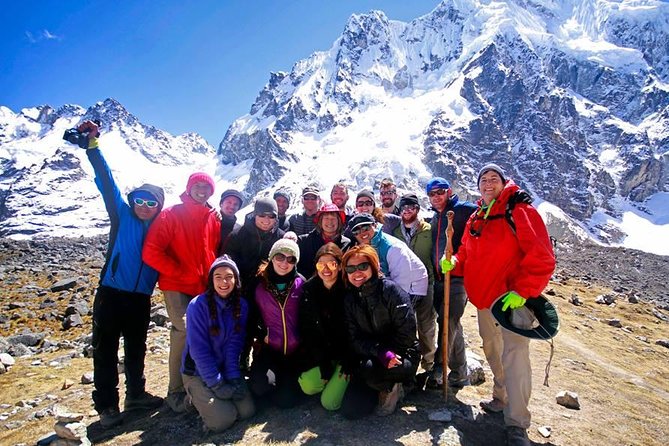
The tour requires a strong physical fitness level. The challenge comes from several sources: high altitude, early starts, long walking days, steep climbs, and repeated descents.
Day 2 is the clear test because you climb to 4,650 meters. The altitude may affect you even if you exercise regularly at home. Fitness does not remove the need to acclimatize in Cusco, and the supplied tour information does not promise a short or easy route.
The trail is not hard in exactly the same way every day. Day 1 combines transport, a three-hour walk, lunch, and another two hours toward camp. Day 2 brings the highest pass. Day 3 is warmer but still long. Day 4 includes the climb to Llactapata followed by a long descent and walk to Aguas Calientes.
The group pace matters. A faster group may reach a different campsite from a slower group, and the plan already allows for alternate camping locations. Ask the operator how pace is managed and what happens if you need extra support.
Camping, packing, and comfort
Three nights are spent camping, with two people sharing a four-person tent. Tents, mattresses, a dining tent, tables, chairs, and cooking services are included.
The camping is supported, but it is not luxury camping. Bring warm clothing for the high sections, comfortable hiking footwear, rain protection, a water bottle, sunscreen, and a headlamp. The supplied details do not list every personal item, so ask the company to confirm the sleeping bag arrangement and baggage rules.
The climate changes sharply. You may begin the trek in cold mountain air and end a few days later in hot, humid jungle conditions. Pack layers rather than one heavy coat, and keep a dry set of clothes protected from rain.
The camps on Days 2 and 3 deserve realistic expectations. You might find them more basic or less scenic than expected. That does not erase the fine mountain and jungle route, but it does affect comfort, especially if you are new to multi-day camping.
Who should book this five-day route?
I would choose this trek if you want Machu Picchu to be the finish line of a demanding outdoor journey. It suits hikers who value changing scenery, cultural explanations, group camaraderie, and practical support more than a soft bed every night.
It is also a strong choice if you want many costs bundled together. The $650 price covers the parts that are hardest to arrange independently, including permits, meals, camp equipment, staff, hotel accommodation, and train transport.
I would think twice if you dislike early mornings, basic camps, long downhill walks, or unpredictable train and campsite details. It is also not the right fit if you want a private, quiet route. A maximum of 16 people is manageable, but this is still a group service.
Should you book it?
Book this Salkantay trek to Machu Picchu if you are fit, comfortable with basic camping, and excited by the route’s sharp change from glaciers to jungle. The guides and cooks appear to be the strongest part of the operation, and the support crew adds real value at this price.
Before paying, confirm the sleeping bag, baggage allowance, exact campsite locations, train schedule, hot spring costs, and the guide assigned to your group. If you accept those moving parts, the trip offers a memorable and demanding way to reach Machu Picchu, with far more scenery than the famous citadel alone.
FAQ
How long is the Salkantay trek to Machu Picchu?
The experience lasts approximately five days and includes four nights, with three nights camping and one night in Aguas Calientes.
What time does pickup begin?
Pickup begins at 5 a.m. on the first day.
How high is the Salkantay Pass?
The highest pass reaches about 4,650 meters, or 15,200 feet.
Are meals included?
Four breakfasts, four lunches, and four dinners are included, along with snacks. Breakfast on Day 1 and lunch and dinner in Aguas Calientes are not included.
Is camping equipment provided?
Yes. The package includes four-person tents shared by two people, sleeping mattresses, a dining tent, tables, chairs, and a cook.
Can I request vegetarian meals?
Yes. Vegetarian food is available, but you should request it when booking.
Is accommodation included in Aguas Calientes?
Yes. One night in a superior three-star hotel in Aguas Calientes is included. A single supplement costs $112.
Is Huayna Picchu included?
No. Huayna Picchu tickets are not included in the package.
How many people are in the group?
The group can have a maximum of 16 people.
Is the return train included?
Yes. Return transportation includes the tourist train back toward Ollantaytambo. Train times may change, and a Vistadome upgrade may be available for an additional cost.
More 5-Day Experiences in Cusco
- Ausangate Trek 5 Days
★ 5.0 · 74 reviews - Classic Choquequirao Trek – 5 Days / 4 Nights
★ 5.0 · 52 reviews - Ultimate Lares Trek & Inca Trail 5 days
★ 5.0 · 47 reviews - Wonderful Cusco 5-Day Tour with Entrance to Machupicchu
★ 5.0 · 46 reviews
More Hiking & Trekking in Cusco
- From Cusco: 7 Lakes Ausangate Trek with Breakfast and Lunch
★ 4.8 · 360 reviews - Cusco: Rainbow Mountain Tour and Red Valley Hike (Optional)
★ 4.7 · 149 reviews - Cusco: Full-Day Rainbow Mountain & Red Valley Trekking Tour
★ 4.5 · 121 reviews - From Cusco: Rainbow Mountain Trek
★ 4.5 · 98 reviews
Just added around Cusco
- Waqrapukara 1 day trekking + meals★ 3.9 · 3 reviews
- Zipline over the Sacred Valley Trip★ 5.0 · 11 reviews
- Valle Sur Cusco | half day★ 4.3 · 3 reviews
- Visit to the Cochahuasi Animal Sanctuary with rescued animal★ 4.1 · 4 reviews
- Visit Pisac from Cusco: Private Transport★ 4.6 · 9 reviews
- Maras and Huaypo lagoon by ATV from Cuzco | Local Operator★ 4.7 · 4 reviews
- Trek to Humantay Lake from Cusco★ 4.9 · 8 reviews
- Trek to Choquequirao 4 days★ 3.8 · 4 reviews
Machu Picchu Tours, compared.



4-Day Inca Trail to Machu Picchu with Accommodation
Read our review →
2-Day Trip to the Sacred Valley and Machu Picchu
Read our review →
Machu Picchu 2-Day Inca Trail with Panoramic Train
Read our review →
Browse the lists this tour appears in