
Reviewed · COLCA CANYON TOURS
3-day trek to the Colca Canyon from Arequipa ending in Puno
Colca Canyon is best understood on foot, and this three-day route takes you from the famous Cruz del Cóndor into the canyon itself, then onward to Puno. You watch condors ride the morning air, walk between small canyon villages, sleep in basic family-run lodgings, and finish with a long ride across the highlands.
I like the local feel of the overnight stays and the way the trip combines walking with a transfer to Puno. I also like the variety: condors, terraces, an oasis pool, hot springs, alpacas, vicuñas, and high mountain passes all fit into three days. The main caution is the schedule. The final climb starts at 5:00 a.m., and one past departure ran late, cutting short time at the viewpoints.
In This Review
- Key points to know before booking
- Why this route makes sense for a Colca Canyon visit
- Day one: condors, Cabanaconde, and the descent to San Juan
- Day two: village paths to Sangalle Oasis
- Day three: the 5:00 a.m. climb out
- Chivay and the road to Puno
- What the $175 price really includes
- Who will get the most from this trek
- Should you book the three-day Colca Canyon trek?
- FAQ
- How long is the tour?
- Where does the tour begin?
- Where does the tour end?
- Is the Colca tourist ticket included?
- Are meals included?
- Where do you sleep?
- How difficult is the walking?
- Are the hot springs included?
- What languages does the guide speak?
- Can I cancel the tour?
Key points to know before booking
- Cruz del Cóndor comes early: You leave Arequipa at 3:00 a.m. for the canyon’s best-known condor viewpoint.
- The trek uses basic local lodging: San Juan de Chuccho is a family home with simple dormitory rooms, while Sangalle is an oasis stop with pools.
- The walking is short but demanding: Day one takes about three and a half hours downhill, day two about three hours, and day three about three hours uphill.
- You finish in Puno: The tour is useful if you want to connect southern Peru without returning to Arequipa.
- The final breakfast comes late: Bring food for the early climb, since breakfast is served after reaching Cabanaconde.
- The price leaves some costs out: The Colca tourist ticket, final lunch, and optional hot springs require extra money.
Why this route makes sense for a Colca Canyon visit
At $175 per person, this is not just a canyon walk. It is a three-day transport plan linking Arequipa and Puno, with two nights of lodging, five included meals, a guide, and the main road transfers. That makes the price fairly useful if you already plan to visit both cities.
The value is strongest for people who want a walking experience rather than a quick viewpoint stop. Many Colca trips remain on the road, but this one takes you down into the canyon and through villages such as Cosñirhua and Malata. You get a closer look at terraces, local homes, and the changing climate between the rim and Sangalle.
The tradeoff is comfort. This is not a polished lodge-to-lodge trek. You sleep in basic accommodation, walk on a fixed schedule, and spend part of the final day in a tourist bus toward Puno. I would choose it for access and scenery, not for pampering.
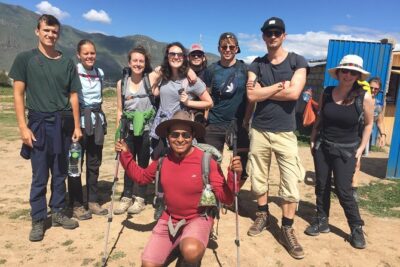
The trip is offered with a live guide in English or Spanish. One guide named in the feedback was José, who was praised for explaining Peru’s wildlife, plants, and culture clearly. Guide quality matters here because the walking itself is only part of the experience. A good guide helps you understand why the canyon villages are where they are and keeps the group moving during a long day.
More colca canyon tours in Chivay:
- 2-Day Tour Colca Canyon in Arequipa with end in Puno
★ 4.6 · 248 reviews - Turist Bus Colca Canyon (Chivay) To Puno
★ 5.0 · 83 reviews - From Puno to Arequipa: 2 Days/1 Night Colca Canyon Tour
★ 3.6 · 83 reviews
Day one: condors, Cabanaconde, and the descent to San Juan
The first morning begins at 3:00 a.m. in Arequipa. That is brutally early, but it serves a purpose. You travel toward Chivay, stop for breakfast, and continue to Cruz del Cóndor while the morning air is still suitable for the great birds.
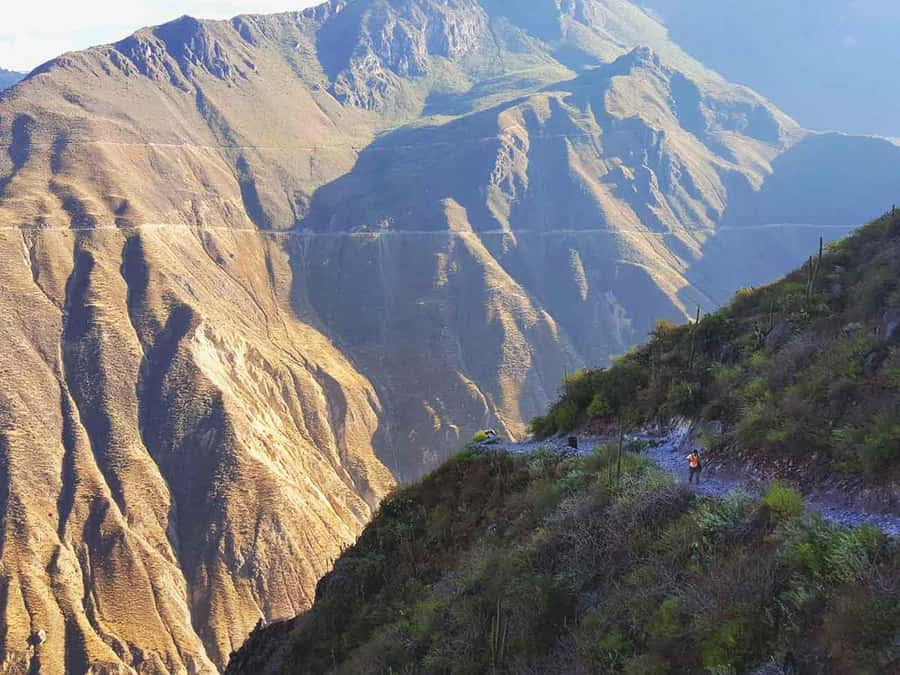
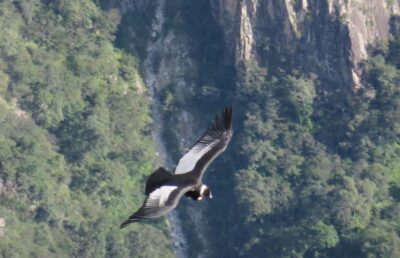
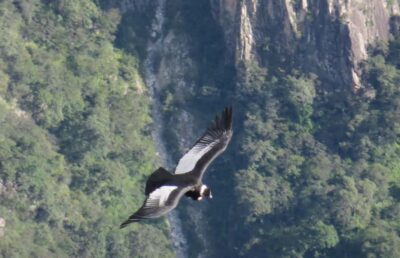
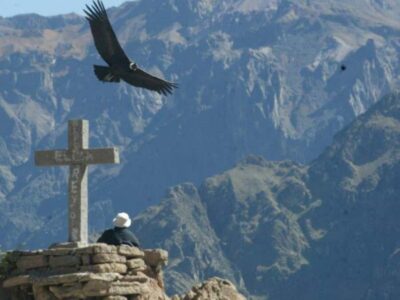
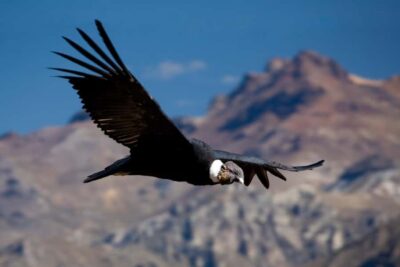
Cruz del Cóndor is the signature stop. From the viewpoint, you look into the canyon and watch Andean condors rise on warm air currents below the rim. The birds may appear close, then drift across the canyon with almost no wing movement. The depth of the gorge becomes easier to grasp here than from any road sign or viewpoint description.
Time is important at this stop. A delayed departure once led to a shorter visit at Cruz del Cóndor and the loss of a planned stop at Mirador de los Volcanos. If your pickup is running late, ask the guide early about the schedule. You cannot control road delays, but you can make sure you know what may be cut.
From Cruz del Cóndor, the vehicle continues to Cabanaconde. This town is the starting point for the walk, so you should use the stop to check your water, sun protection, and snacks. The route then leaves the road and descends toward San Juan de Chuccho.
The first walk lasts about three and a half hours. The descent can feel easy at first, but downhill walking works your knees and the canyon heat may build as you lose altitude. You will want sturdy shoes, a hat, and enough water for the day.
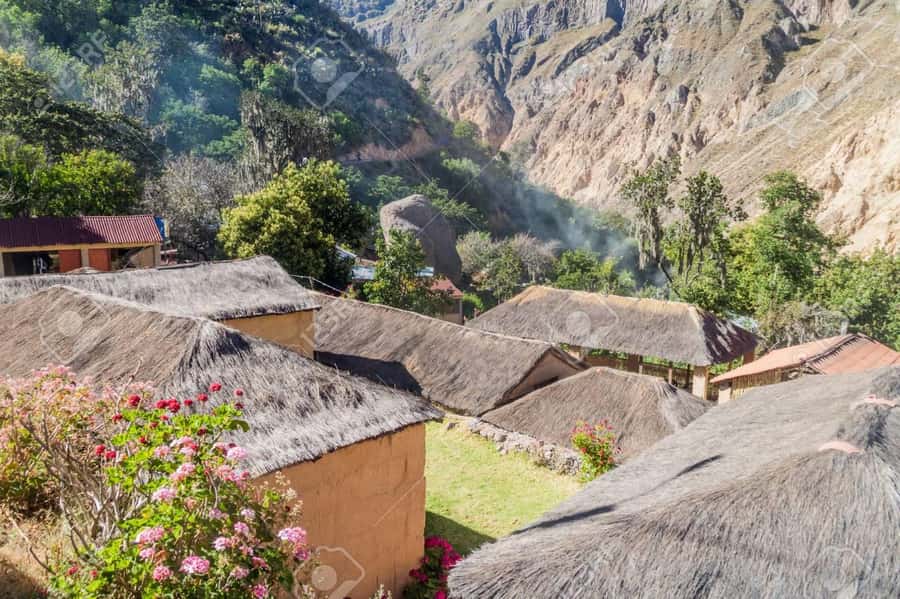
San Juan de Chuccho gives you a welcome change from the viewpoints. You have free time to visit local people, look at the terraces, and see how farming fits into the steep canyon walls. The terraces are not just scenery. They show how communities have made usable farmland from difficult ground over many generations.
Your overnight stay is in a local family home, with basic dormitory rooms. That means you should expect simple facilities rather than hotel comforts. The included dinner and the chance to stay in the canyon make this one of the most personal parts of the trip.
Water prices can vary sharply in remote areas. One past participant found bottled water at the first accommodation much more expensive than at a nearby shop. I would carry enough water from Cabanaconde or ask the guide where to buy it at a fair price before settling in for the night.
Day two: village paths to Sangalle Oasis
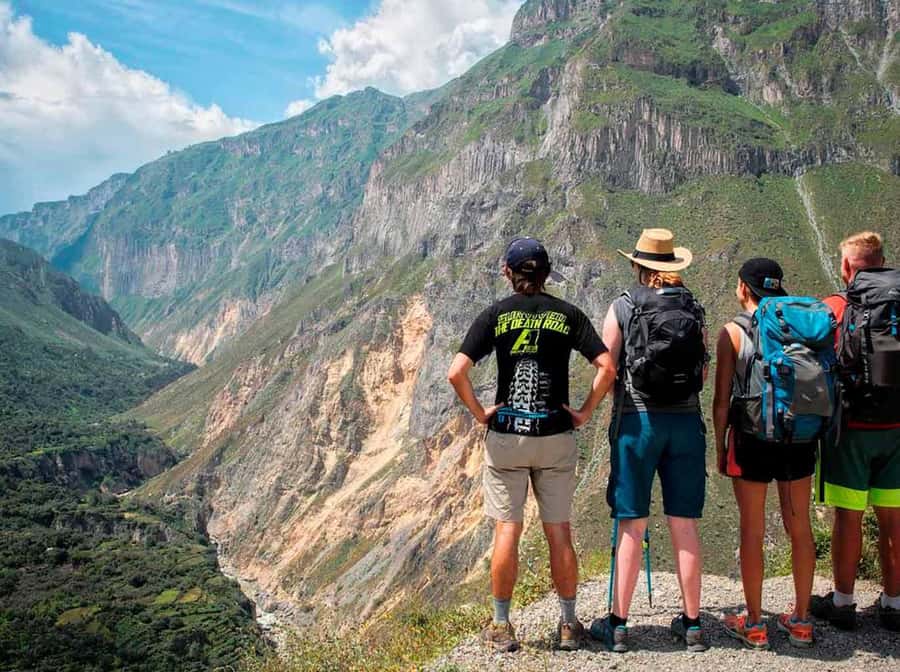
After breakfast in San Juan, the route continues toward Sangalle. The walk takes about three hours and passes through Cosñirhua and Malata. These settlements help break up the walking and give you a look at the lived-in side of Colca Canyon.
This day is less about one grand viewpoint and more about the rhythm of the canyon. You walk between small communities, see cultivated terraces, and watch the surroundings change as you approach Sangalle. The trip description allows free time along the way and at the destination, which gives you more room to notice details than a rushed day tour.
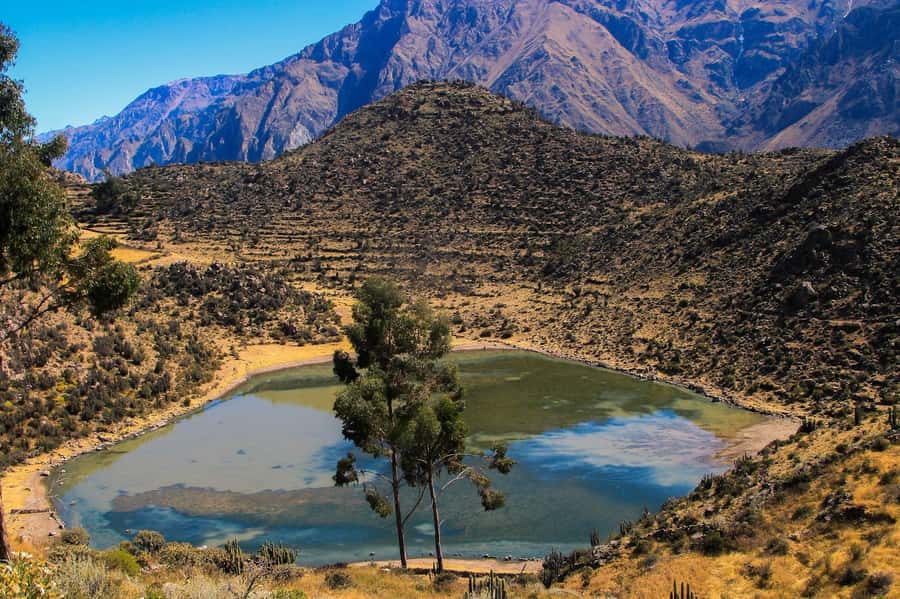
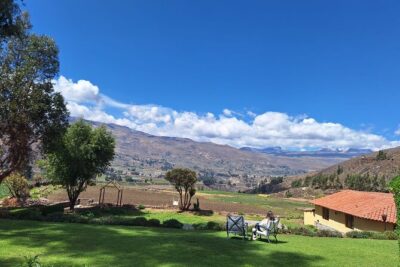
Sangalle is often called an oasis because of its palms, pools, and lower setting inside the canyon. After the previous day’s descent and the morning walk, the pools are the obvious reward. You have lunch, a free afternoon, dinner, and an overnight stay there.
The pools are included as part of the stop, but accommodation remains simple. Pack swimwear, a small towel, and sandals if you have room. Keep your day bag light, since you will carry it on the trail and need space for water and basic clothing.
The second night is also where the three-day format earns its place. A shorter visit may show you the canyon, but spending the night in Sangalle lets you enjoy the oasis without immediately turning around. I like that slower pace, especially for people who want the canyon to feel like a place rather than a roadside attraction.
Still, three days is not automatically better for everyone. One past participant felt two days would have been enough, especially after a late start and missed viewpoints. If your priority is simply seeing the canyon and reaching Puno quickly, the extra night may feel like too much. If you value village walks and time at Sangalle, it is the better fit.
Day three: the 5:00 a.m. climb out
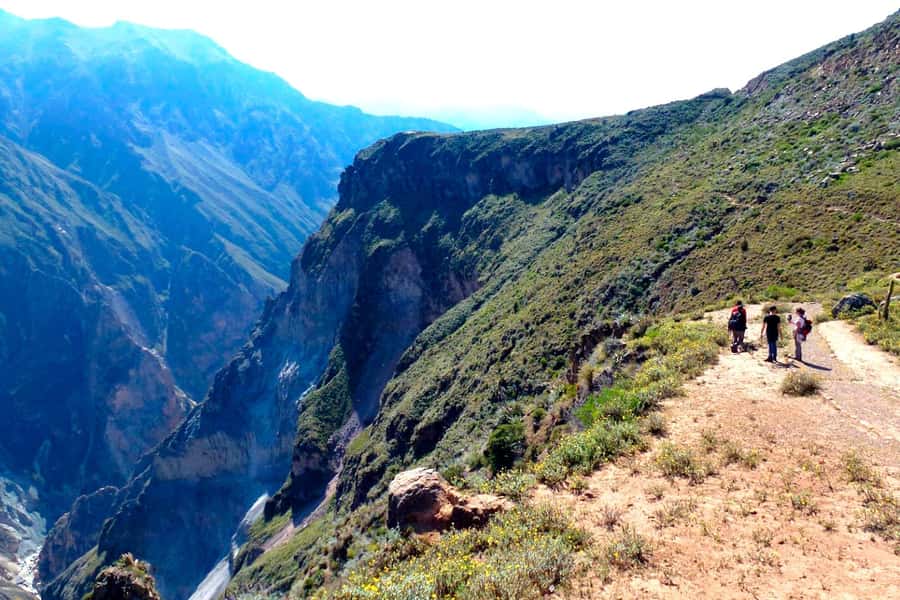
The hardest section begins at 5:00 a.m. You climb from Sangalle to Cabanaconde, with the ascent taking roughly three hours. This is a serious uphill walk, even though it is not especially long on paper.
Starting before sunrise helps avoid some of the heat, but it means you need to be ready quickly. The schedule says breakfast comes after you reach Cabanaconde. Bring a snack for the climb, along with water. One past participant specifically found the late breakfast difficult and advised carrying food.
The guide’s care and punctuality matter most on this morning. A previous group reported beginning the climb late and losing time. I would confirm the departure time the evening before and be ready at the agreed meeting point. The climb itself is part of the attraction, but a late start makes it harder.
Once you reach Cabanaconde, breakfast gives you a chance to recover. You then board transport toward Chivay, with stops in towns, at viewpoints, and at the Chacapi thermal baths.
Chacapi gives you about 40 minutes in the hot springs. The entrance fee is not included. The supplied information lists the cost as 15 soles, while another part gives an approximate $5 figure, so carry small local currency and confirm the current fee with the guide.
The baths are optional, but they make sense after the early climb. Do not count on a long spa visit. Forty minutes is enough for a soak, not a leisurely morning. If you skip the baths, you may prefer to use the time for a snack or a quiet rest.
A few more Chivay trips to weigh up
- From Arequipa Trek : 2-Days of Hiking in the Colca Canyon
★ 4.5 · 35 reviews - Arequipa: 2-day Colca Canyon Trekking, Ending in Puno
★ 4.8 · 8 reviews - 2 day 1 night trek / Colca Canyon
★ 3.0 · 3 reviews - From Arequipa: Sillar Route Trek
★ 4.2 · 461 reviews
Chivay and the road to Puno
Chivay is the main lunch stop and a transport change point. The final lunch is not included, so budget separately for it. Afterward, the guide transfers you to another tourist bus heading toward Puno.
The road portion gives you a broad view of the highlands after the close-up canyon walking. At Pampas Apachetas de Patapampa, you stop at the highest point to look toward the mountains and volcanoes. The air can feel thin and cold there, so keep a warm layer accessible rather than buried in your luggage.
Toccra Pampa is used for viewing alpacas and vicuñas in their natural area. This is a good contrast with the condor stop. Condors dominate the sky, while alpacas and vicuñas bring your attention back to the open high plateau.
There is also a stop at Patahuasi for bathroom facilities. Lagunillas Lagoon offers a chance to look for migratory birds. These stops are brief road-trip breaks, not full excursions, but they make the transfer to Puno less tiring.
The tour reaches Puno at about 7:00 p.m. That arrival time matters. You will have had an early climb, a bus transfer, and several stops, so plan a simple evening rather than an ambitious night out. The final stop is listed as Fist, marking the end of the tour.
What the $175 price really includes
The $175 price covers tourist transport, hotel pickup, an official guide, two nights of lodging, three breakfasts, two lunches, two dinners, and transfer to Puno. For a three-day route with a cross-region connection, that is a reasonable package.
You still need to pay the mandatory Colca tourist ticket, listed at 70 soles. The final lunch in Chivay is also extra, as is entry to the hot springs. Set aside money for water and snacks as well, especially for the last morning.
The included meals reduce planning, but do not remove the need for backup food. The early climb is the key example. Since breakfast comes only after Cabanaconde, bring something compact that you can eat while walking.
The accommodations are part of the price, but you should book with the right expectations. San Juan uses a local family home with basic dormitories, and Sangalle is also a simple overnight stop. I see this as a fair exchange: less comfort, more contact with the canyon communities.
Who will get the most from this trek
I would recommend this trip to you if you want to walk into Colca Canyon, prefer local lodging to a standard hotel, and need a practical route from Arequipa to Puno. It suits hikers who can manage a long descent and an early three-hour uphill climb.
It is also a good choice if you want more than the condor viewpoint. The villages, terraces, family stay, and Sangalle pools give the canyon a human scale. José, one of the named guides, received particularly warm feedback for sharing information about Peruvian plants, animals, and culture.
I would hesitate if you dislike basic accommodation, need a relaxed start, or want plenty of time at every viewpoint. A delayed departure can affect the first day, and the final day is demanding. The schedule works best when everyone is punctual.
Pickup details deserve a quick check. The trip includes hotel pickup, but the meeting instructions also say to wait half an hour before the tour at the main square. Confirm the exact pickup point and time with Exploor Trip E.R.L. before departure so you are not waiting in the wrong place at 3:00 a.m.
Free cancellation is available up to 24 hours before departure, and you can reserve while paying later. Those terms help if your Arequipa plans are still shifting, but they do not change the physical demands of the route.
Should you book the three-day Colca Canyon trek?
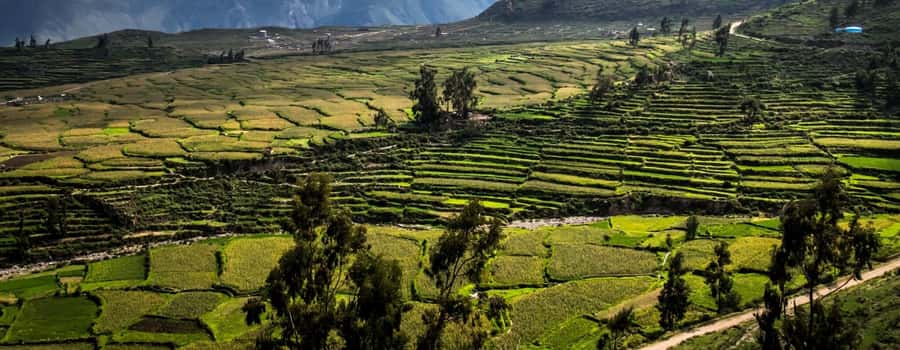
Book it if you want the canyon on foot, a local overnight experience, and a direct finish in Puno. The combination of condors, village paths, Sangalle pools, hot springs, and highland stops gives you a lot for $175, provided you accept simple lodging and extra costs.
Choose a shorter option if your main goal is only the condor viewpoint or if you would rather avoid the 5:00 a.m. climb. For the full canyon experience, this route has real value, but pack snacks, guard your schedule, and confirm the pickup details before you go.
FAQ
How long is the tour?
The tour lasts three days and ends in Puno at approximately 7:00 p.m. on the third day.
Where does the tour begin?
The tour begins with pickup in Arequipa at about 3:00 a.m. The meeting instructions also ask passengers to wait half an hour before departure at the main square, so confirm the exact pickup location.
Where does the tour end?
The tour ends in the city of Puno after the road journey from Chivay.
Is the Colca tourist ticket included?
No. The mandatory Colca tourist ticket costs 70 soles.
Are meals included?
The tour includes three breakfasts, two lunches, and two dinners. Lunch in Chivay on the final day is not included.
Where do you sleep?
The first night is in San Juan de Chuccho at a local family home with basic dormitory rooms. The second night is at Sangalle Oasis.
How difficult is the walking?
Day one includes about three and a half hours of walking from Cabanaconde to San Juan de Chuccho. Day two takes about three hours to Sangalle. Day three starts at 5:00 a.m. and requires about three hours of uphill walking to Cabanaconde.
Are the hot springs included?
No. The Chacapi thermal baths are optional and require a separate entrance payment. The listed price is 15 soles, with another supplied figure giving an approximate $5 cost.
What languages does the guide speak?
The live guide service is available in English and Spanish.
Can I cancel the tour?
You can cancel up to 24 hours in advance for a full refund. The tour also allows you to reserve now and pay later.
More 3-Day Experiences in Chivay
- Tambopata Peruvian Amazon Jungle for Three Days/Two Nights
★ 4.5 · 329 reviews - Salkantay Trek Challenge – 3 Days / 2 Nights
★ 5.0 · 101 reviews - 3-Day All Inclusive Guided Jungle Tour from Iquitos at Maniti Eco-Lodge
★ 4.5 · 74 reviews - Eco Jungle 3 Days – 2 Nights
★ 4.0 · 62 reviews
Just added around Chivay
- Tour Fullday Colca Canyon with Breakfast and Typical Lunch★ 4.3 · 35 reviews
- Offer Price: Colca Canyon One Day in Arequipa with Breakfast★ 4.5 · 4 reviews
- Full Day Trip to Colca Canyon from Arequipa ending in Puno★ 4.5 · 4 reviews
- Full day excursion to Colca Canyon★ 4.2 · 6 reviews
- From Puno: 2-Day Tour to Colca Canyon ending in Arequipa★ 4.1 · 4 reviews
- From Arequipa: Tour Colca Canyon 2 Days with End in Puno★ 4.2 · 12 reviews
- From Arequipa Trek : 2-Days of Hiking in the Colca Canyon★ 4.5 · 35 reviews
- From Arequipa: One Day Trip to Colca Canyon Ending in Puno★ 4.0 · 14 reviews
Colca Canyon Tours, compared.
2-Day Tour Colca Canyon in Arequipa with end in Puno
Read our review →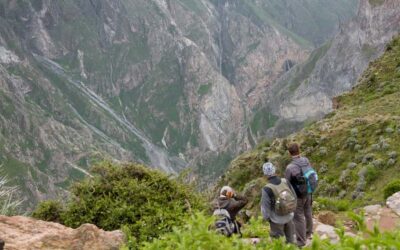
Browse the lists this tour appears in