
Reviewed · COLCA CANYON TOURS
Full Day Trip to Colca Canyon from Arequipa ending in Puno
Colca Canyon is the star here, but the clever part is the route: you see the canyon in the morning, then continue straight to Puno instead of returning to Arequipa. I like the time-saving one-day plan and the chance to watch condors, vicuñas, alpacas, and llamas without arranging separate buses.
I also like that you can bring your luggage and finish in central Puno. The main drawback is the punishing schedule: pickup begins around 2:30 a.m., the trip lasts about 16 hours, and high altitude can make the final stretch tiring. One important warning: vehicle comfort and English guiding may vary between the Arequipa and Puno portions.
In This Review
- Key points to know before booking
- Why this Arequipa to Puno route is useful
- Leaving Arequipa before dawn
- Breakfast near Yanque or Chivay
- The Cross of the Condor and Colca Canyon
- Maca, Caylloma, and the valley villages
- The optional hot spring stop
- Lunch and the vehicle change in Chivay
- Patapampa at 4,800 meters
- Wildlife in Pampa Cañahuas and Pampa de Toccra
- Patahuasi, Lagunillas, and the final road to Puno
- Comfort, communication, and what to pack
- Is this $83 trip right for you?
- FAQ
- What time does pickup begin in Arequipa?
- Where does the tour finish in Puno?
- Is the Colca Canyon entrance ticket included?
- Are lunch and the hot springs included?
- Can I bring my luggage?
- Is the tour available in English?
Key points to know before booking
- A one-way route from Arequipa to Puno: You visit Colca Canyon without spending a night in the canyon area.
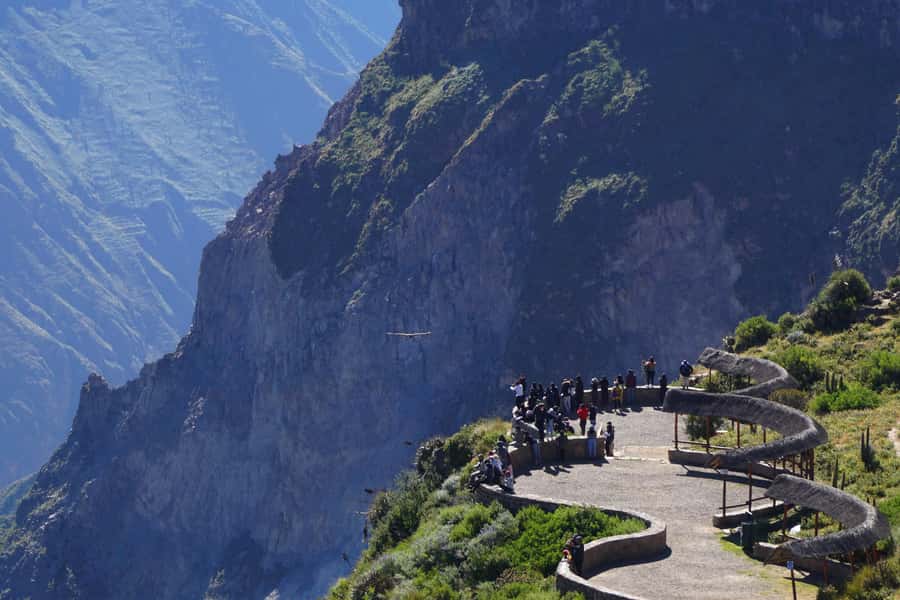
- Condors at the Cross of the Condor: Allow about an hour for the canyon rim, bird watching, and mountain views.
- A very early start: Downtown pickup runs roughly from 2:30 to 3:05 a.m.
- A split transport arrangement: You change to another tourist vehicle in Chivay for the ride to Puno.
- High-altitude stops: Patapampa reaches about 4,800 meters, or 15,000 feet, so altitude symptoms are a real concern.
- Extra costs to plan for: The mandatory tourist ticket is listed at $19, while lunch and hot springs cost extra.
Why this Arequipa to Puno route is useful
I see this trip as a practical piece of route planning, not just a sightseeing outing. Arequipa and Puno are connected by a long road through the Andes, and this tour turns that transfer into a full day of stops.
At $83 per person, the price covers tourist transport, an official guide, breakfast, hotel pickup in central Arequipa, and transfer to central Puno. You still need to add the $19 tourist entrance ticket, lunch, and the optional hot spring fee. Even so, the package can be good value if you already need to reach Puno and would otherwise pay separately for transport and a Colca visit.
I would not choose it if you want a relaxed canyon stay. You leave before sunrise, spend much of the day in vehicles, and reach Puno around 7 p.m. or earlier. This is a long-haul sightseeing day with a useful destination at the end, not a gentle holiday outing.
The route suits you best if your Peru schedule is tight. It is also helpful if you have luggage, since the tour allows you to bring it without stated restrictions. Pickup is limited to the central downtown area, with the Alfredo Rodriguez Ballon International Airport and a central Arequipa meeting point listed as the two pickup choices. Confirm the exact meeting place before departure.
More colca canyon tours in Chivay:
- 2-Day Tour Colca Canyon in Arequipa with end in Puno
★ 4.6 · 248 reviews - Turist Bus Colca Canyon (Chivay) To Puno
★ 5.0 · 83 reviews - From Puno to Arequipa: 2 Days/1 Night Colca Canyon Tour
★ 3.6 · 83 reviews
Leaving Arequipa before dawn
The first pickup begins around 2:30 a.m., with collection continuing until about 3:05 a.m. I would be ready at 2:30, even if your assigned time is later. The operator sends pickup details by WhatsApp the day before, which matters at this hour when hotel desks, streets, and meeting points can be hard to sort out.
The first drive takes about three hours toward Chivay, the main settlement associated with the Colca Canyon area. The road heads northwest behind snow-covered Chachani. In the dark, you will not see much at first, so the best use of this stretch is sleep, if the vehicle allows it.
Transport is by shared tourist minibus or minivan. One part of the trip has been described as cramped and noisy, with an uncomfortable small bus and engine noise making guiding hard to follow. The second vehicle, used for the journey toward Puno, may be more spacious. I would bring a small pillow, water, and a warm layer, but keep larger luggage stored safely.
Breakfast near Yanque or Chivay
The first proper stop is in Yanque or Chivay, where breakfast is served after the opening drive. It is described as a continental breakfast, so expect a simple morning meal rather than a long local food tasting.
This pause is useful for two reasons. You can eat before the canyon stops, and you get a chance to stretch after several hours on the road. The exact timing and village can depend on the day’s pickup schedule, so I would not count on a leisurely visit.
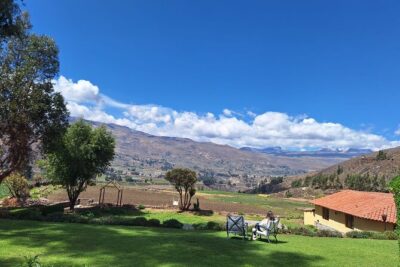
Yanque and nearby Maca offer a glimpse of the settled Colca Valley. You may see colonial churches, people in traditional needlework clothing, and old agricultural terraces still used for crops such as corn, quinoa, and kiwicha. These details give the canyon more meaning than a quick viewpoint alone. The valley is a working place, not simply a backdrop for photographs.
The Cross of the Condor and Colca Canyon
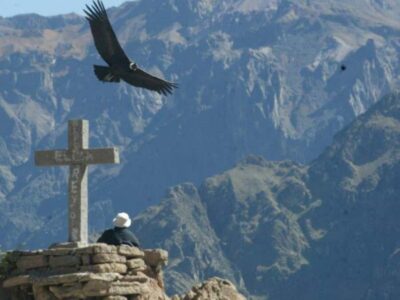
After breakfast, the vehicle continues for about an hour and a half to the Cross of the Condor, the most important stop of the day. You have about an hour here for views, a short walk, and wildlife watching.
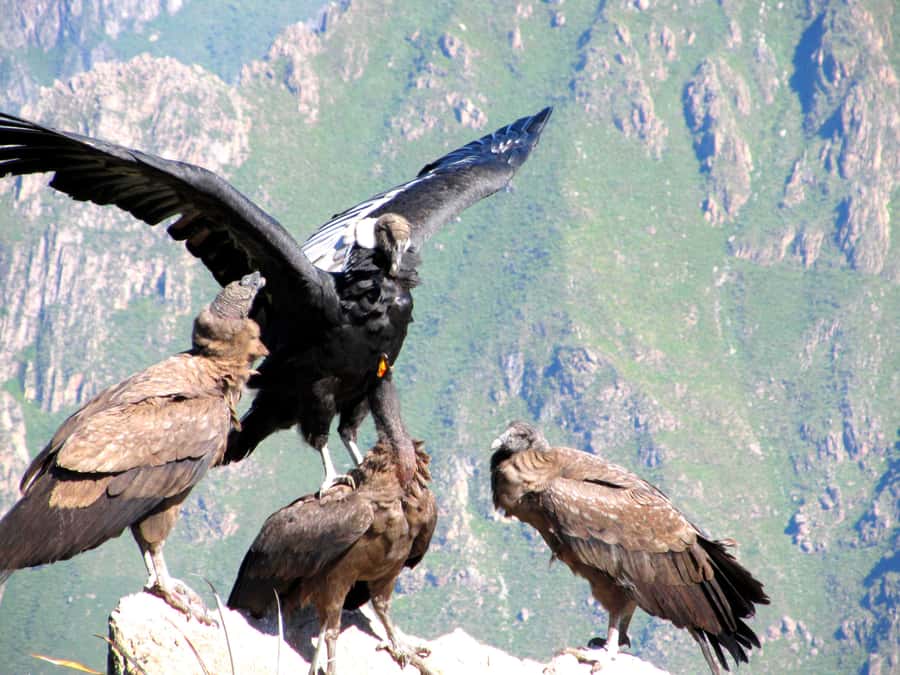
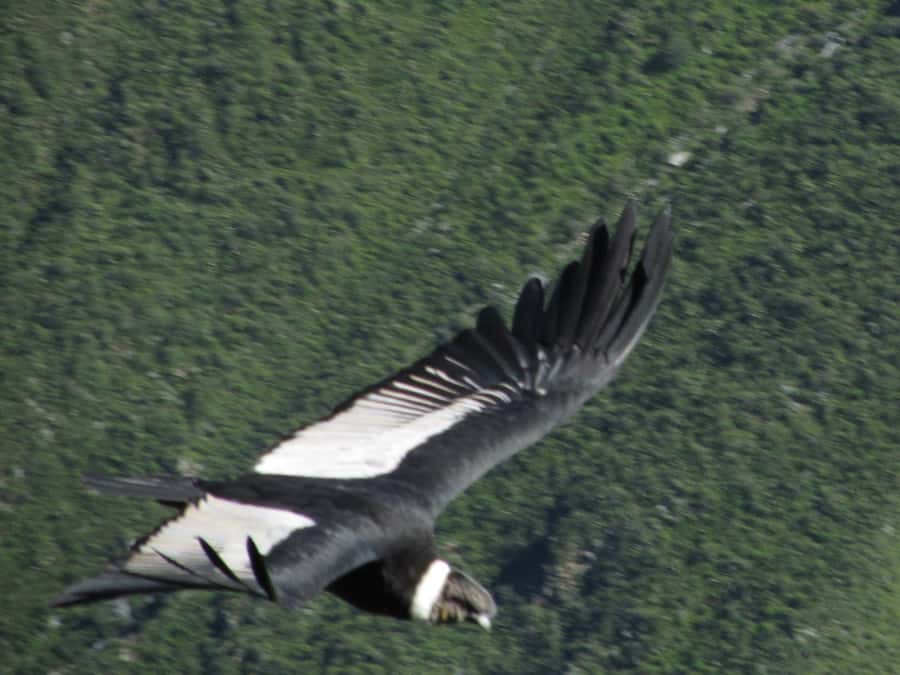
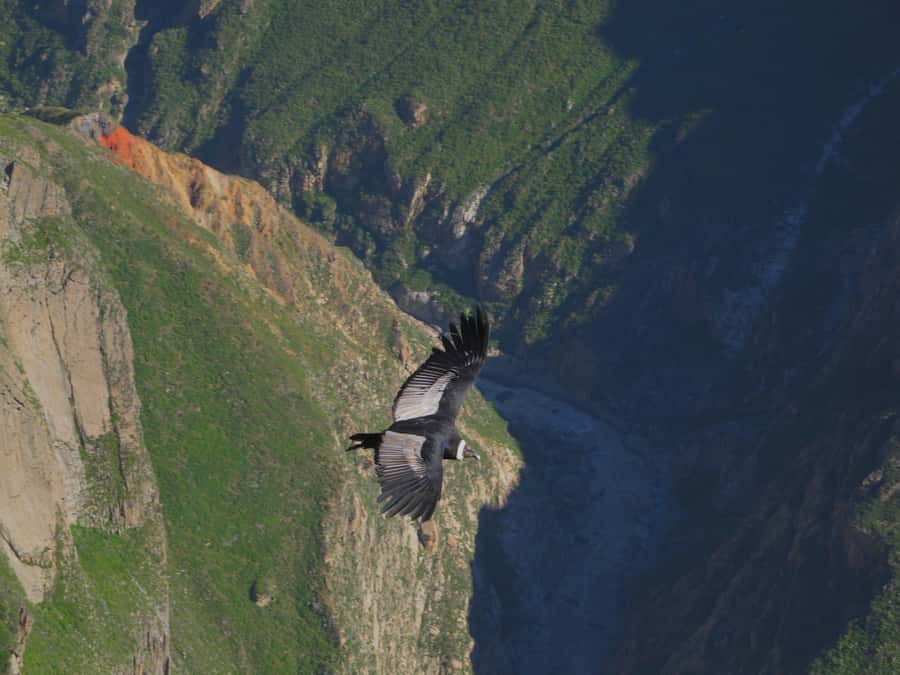
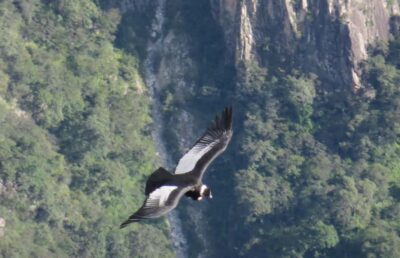
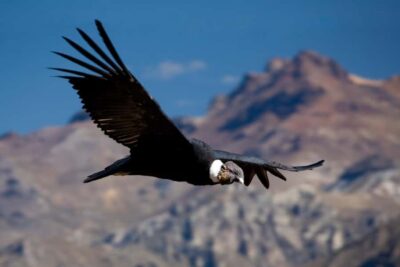
The viewpoint lets you see the canyon’s depth and watch Andean condors riding air currents below and around the cliffs. Their appearance is not guaranteed at a precise minute, but this is the part of the route built around seeing them. Keep your eyes open and your camera ready, since the birds can appear suddenly and move across a wide area.
I like that this stop gives you time rather than just a quick roadside pause. Still, the timing is not generous if you want a long walk or many photographs. One detailed account of the trip complained that there were no useful photo stops at the canyon, so I would treat this as your main photography window and stay close to the guide’s meeting instructions.
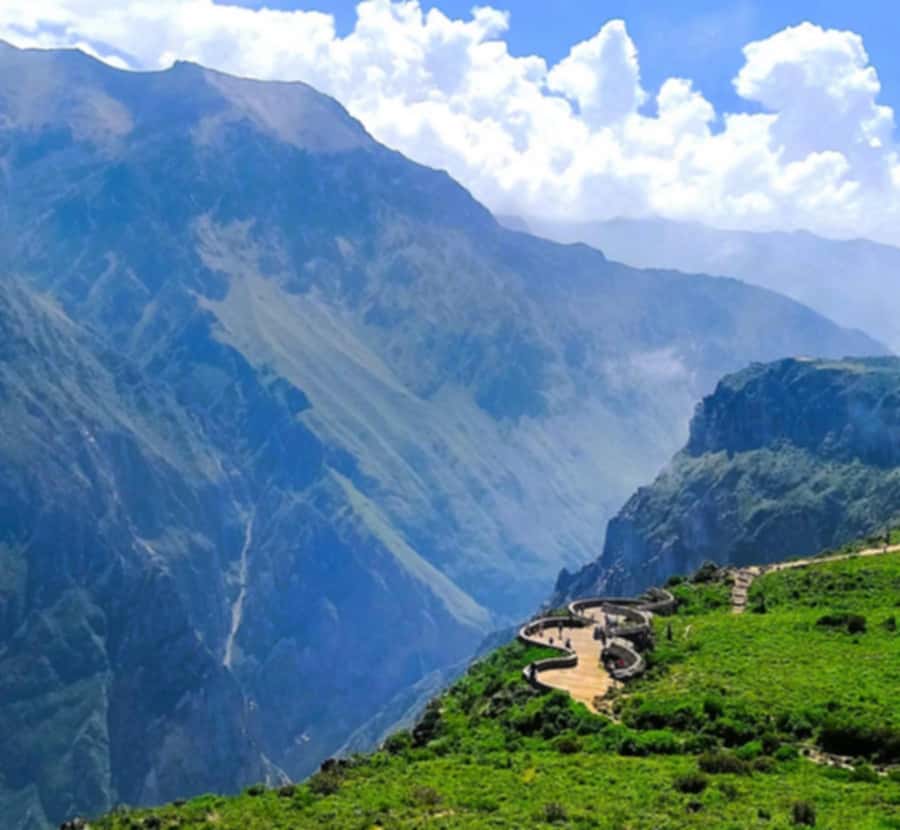
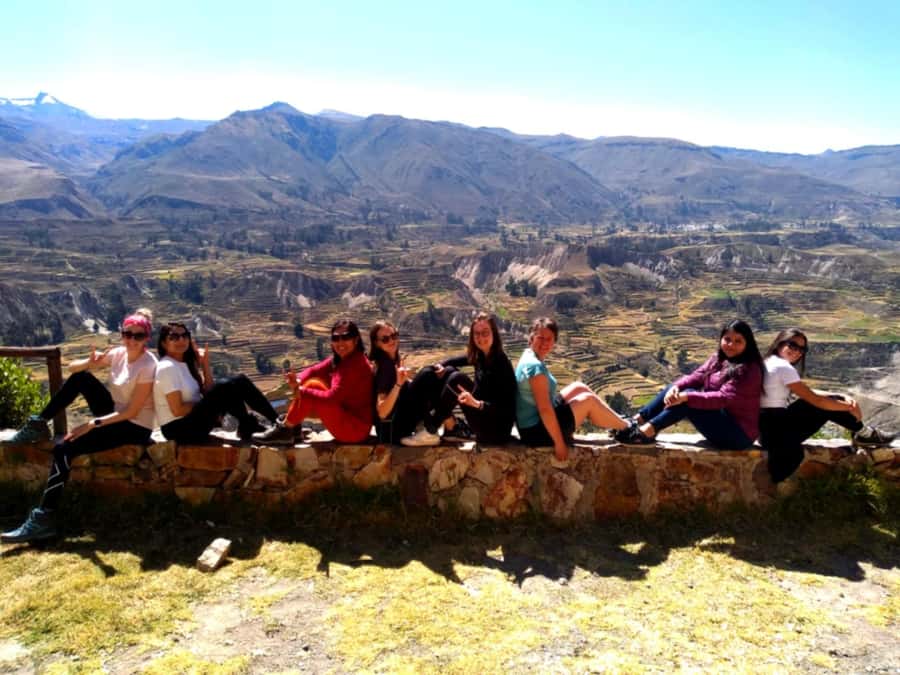
The canyon itself is the visual high point. You see steep walls, deep ravines, high Andean peaks, and terraces cut into the valley. The precise view depends on the stop and weather, but the scale is hard to grasp from a photograph. Bring sun protection and a warm layer. Conditions can change quickly at altitude.
A few more Chivay trips to weigh up
- Full day excursion to Colca Canyon
★ 4.2 · 6 reviews - From Arequipa: Colca Canyon Full-Day Tour with Breakfast
★ 3.3 · 4 reviews - From Lima: Paracas and Huacachina Oasis Full Day Guided Tour
★ 4.7 · 1,780 reviews - From Cusco: Full-Day Group Tour of Machu Picchu
★ 4.7 · 1,767 reviews
Maca, Caylloma, and the valley villages
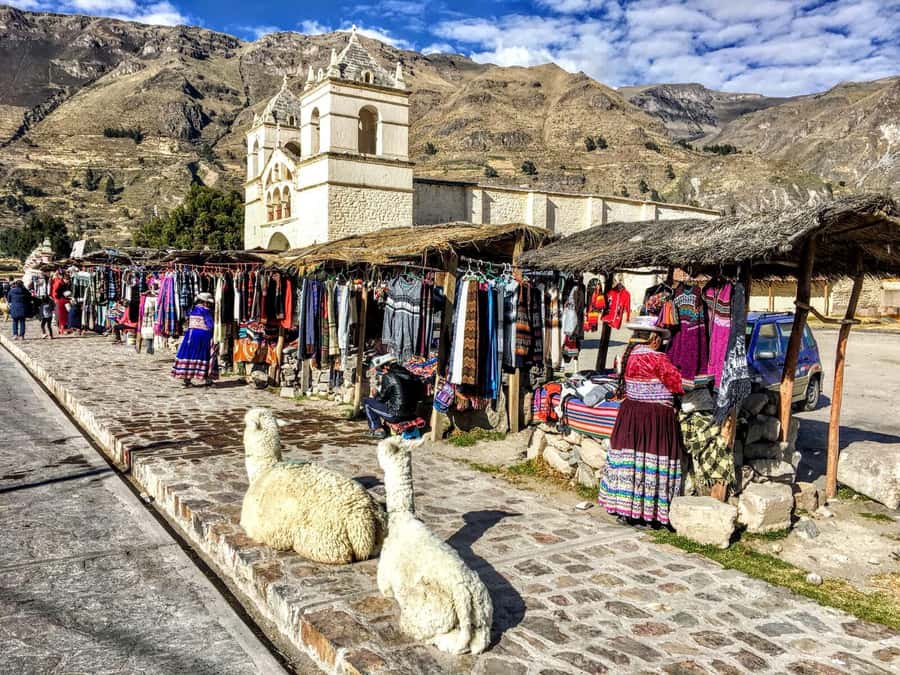
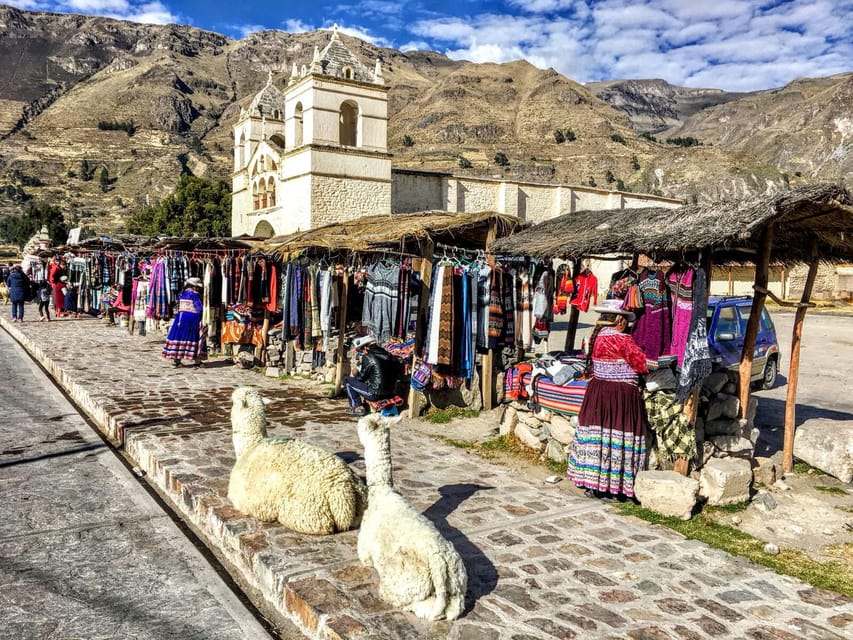
The route includes a stop around Maca in the Caylloma area for photographs, sightseeing, and a guided visit. Maca is one of the traditional settlements along the canyon route, and the village setting adds human detail to the mountain scenery.
You may see church architecture, local clothing, and cultivated terraces. I find these short village stops valuable because they break up the canyon drive and show how people use difficult mountain terrain. The tradeoff is that the schedule leaves little room for an independent village walk.
The tour description also points to Yanque and Maca as places with traditional churches and local needlework. If buying anything is part of your plan, ask about prices and carry small notes. The supplied details do not promise a market visit or shopping time, so do not book this tour expecting a craft-focused outing.
The optional hot spring stop
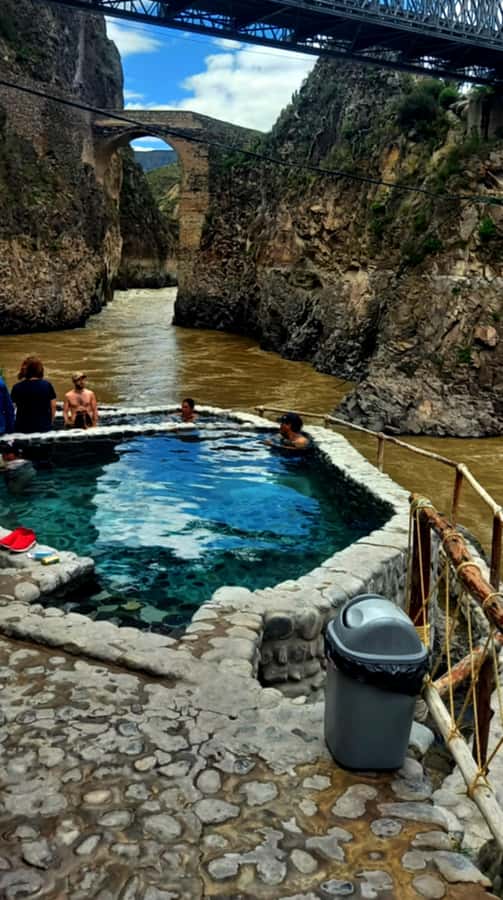
The group spends about 40 to 45 minutes at hot spring pools. The entrance fee is not included, so you decide if the extra cost suits you.
I see the hot springs as a pleasant break after the cold morning and repeated vehicle rides. They also give you a chance to loosen up before lunch. But the short stop means changing, bathing, and drying off all take a meaningful part of the available time. Bring a swimsuit, towel, and dry clothes only if you are sure you want to use the pools.
The pools are optional, so you may be able to remain nearby if you prefer not to pay or do not want to change. Confirm the exact arrangement with the guide before separating from the group.
Lunch and the vehicle change in Chivay
Around 12:50 p.m., the group reaches Chivay for lunch and free time. Lunch is not included, so budget separately. The stop lasts about an hour, which is enough for a straightforward meal, but not for a slow restaurant experience.
Chivay is also the key logistics point. After lunch, the guide transfers you to another tourist vehicle heading to Puno. This split is worth understanding before booking. You are not staying with one small group and one bus for the entire day.
The second portion may feel more comfortable, with a roomier bus and a more serious guide reported on that segment. Still, guiding quality can vary. English and Spanish are offered, but one English-speaking passenger found the first guide difficult to understand, especially with engine noise, and felt the guide mainly addressed Spanish speakers. If your Spanish is limited, sit near the guide when possible and ask for meeting times and safety instructions to be repeated clearly.
Patapampa at 4,800 meters
The road to Puno climbs to Patapampa, the highest pass on the route. The viewpoint is listed at about 4,800 meters, or 15,000 feet. You stop to see volcanoes and snow-covered mountains, and the view can feel huge and exposed.
This is also where you should take altitude seriously. The day began near Arequipa, but the bus climbs much higher before reaching Puno. A previous passenger reported that a group of five developed mountain sickness and received no assistance until reaching their hotel, where oxygen was available.
The tour excludes children under six, pregnant women, people with heart problems, and people over 95. Those limits do not remove the need for personal caution. If you have a known altitude concern, ask a medical professional before booking. At Patapampa, walk slowly, avoid sudden exertion, and tell the guide immediately if you feel unwell.
I would not treat the pass as a place for a long hike. This is a viewpoint stop, and the cold, thin air can make even a short walk feel demanding.
Wildlife in Pampa Cañahuas and Pampa de Toccra
After the high pass, the route continues through open Andean areas, including Pampa Cañahuas National Reserve and Pampa de Toccra. These stops focus on wildlife viewing rather than buildings or formal attractions.
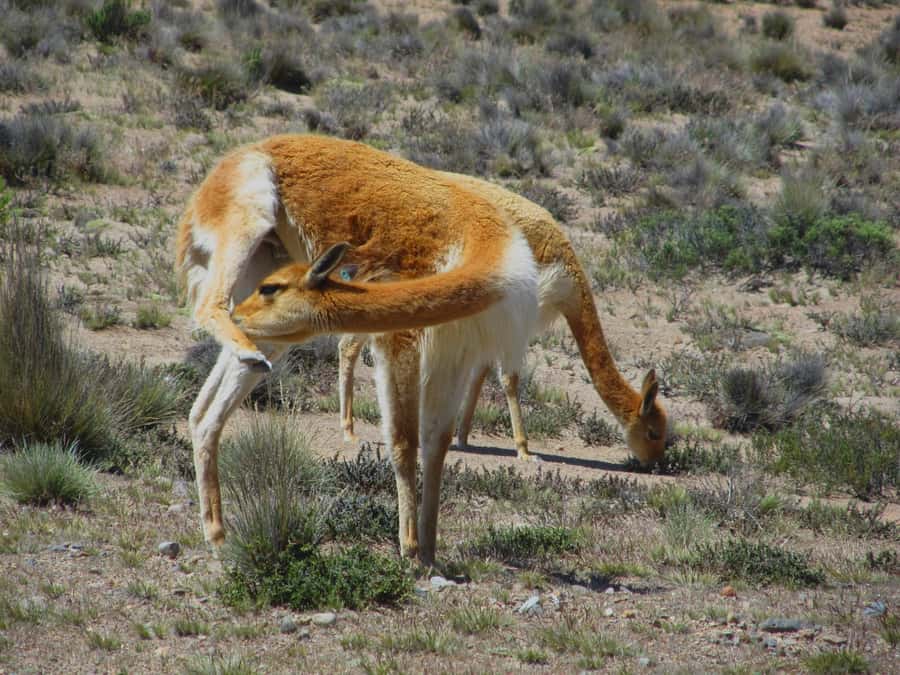
You may see wild vicuñas, alpacas, and llamas. The route also lists flamingoes, ibis, Andean geese, ducks, and the Andean eagle known as kara kara. Sightings depend on conditions, so I would carry binoculars if you have them, but I would not expect a wildlife guide or a dedicated birding excursion.
These stops are especially useful after the canyon because they show a different side of southern Peru. The canyon is about cliffs and condors. The reserve is about broad high plains, grazing animals, and hardy bird life. Keep your distance from animals and follow the guide’s instructions at roadside stops.
Patahuasi, Lagunillas, and the final road to Puno
The later drive includes stops at Patahuasi and Lagunillas, along with another viewpoint identified by a map location near Japutaña. The schedule allows sightseeing and scenic views, with some stops listed at about an hour and a later segment at up to two hours.
These pauses help break up the long transfer, but they also explain why the tour takes a full 16 hours. You are not simply riding from one city to another. You are stopping at mountain passes, wildlife areas, and high-altitude viewpoints along the way.
Lagunillas is the last named scenic stop before Puno. The final arrival is at Plaza Mayor de Puno, usually around 7 p.m. or earlier. A central drop-off is convenient if your hotel is near the main square. If you are staying elsewhere, arrange your next short transfer in advance, since the tour ends at the plaza rather than promising hotel delivery.
Comfort, communication, and what to pack
The biggest practical question is not the scenery. It is how well you handle a very long day in shared transport.
I would pack:
- Water and small snacks for the road
- A warm jacket, hat, and sun protection
- Comfortable shoes for viewpoint walks
- A swimsuit and towel if you want the hot springs
- Medication you normally use for altitude or motion sickness
- A phone charger and a small bag for valuables
- Your luggage clearly labeled and kept with you during vehicle changes
The tour uses English and Spanish guides. The operator sends WhatsApp details before departure, and that is helpful. Still, I would confirm which language your guide will use and make sure you understand the meeting time after every stop.
The feedback is not uniformly positive. Two short accounts praised communication before departure and the guide, while one detailed account raised serious concerns about an uncomfortable first bus, unclear English, limited assistance with altitude sickness, and a lack of photo stops. I would book with realistic expectations: the route is valuable, but service quality and comfort may not be identical on every departure.
Is this $83 trip right for you?
I would book this tour if you have one free day, need to reach Puno, want the Cross of the Condor, and prefer one organized route over several separate bookings. The included transfer, breakfast, guide, and luggage allowance make the $83 base price sensible, even after adding the $19 entrance ticket and optional meals or hot springs.
I would skip it if you dislike overnight-style departures, get sick easily in buses, need polished English interpretation, or want time for quiet walks in Colca Canyon. A slower itinerary with an overnight stay would be better for those priorities.
For the right person, this is an efficient Andes crossing with a strong morning payoff and plenty of changing scenery afterward. Just protect your energy, take the altitude seriously, and confirm the pickup and guide details before you go.
FAQ
What time does pickup begin in Arequipa?
Pickup starts at about 2:30 a.m. and continues until approximately 3:05 a.m. You should be ready at 2:30 a.m. The pickup area is limited to central downtown, with the airport and a central Arequipa meeting point listed as options.
Where does the tour finish in Puno?
The tour finishes at Plaza Mayor de Puno, in the city center. Arrival is expected around 7:00 p.m. or earlier.
Is the Colca Canyon entrance ticket included?
No. The mandatory tourist entrance ticket costs $19 per person according to the supplied tour details.
Are lunch and the hot springs included?
No. Lunch in Chivay and entrance to the hot spring pools are optional extras and are not included in the tour price.
Can I bring my luggage?
Yes. The tour allows you to bring your luggage without stated restrictions. You change vehicles in Chivay for the transfer to Puno.
Is the tour available in English?
Yes. Live guiding is offered in English and Spanish. The quality of English explanation may vary between vehicle sections, so confirm your language arrangement before departure.
More 1-Day Tours in Chivay
- From Arequipa: One Day Trip to Colca Canyon Ending in Puno
★ 4.0 · 14 reviews - Offer Price: Colca Canyon One Day in Arequipa with Breakfast
★ 4.5 · 4 reviews - From Arequipa: Colca Canyon and Condor Watching Day Trip
★ 3.7 · 3 reviews - From Arequipa: 1 Day Tour to the Colca Canyon + Buffet lunch
★ 4.2 · 3 reviews
Just added around Chivay
- Tour Fullday Colca Canyon with Breakfast and Typical Lunch★ 4.3 · 35 reviews
- Offer Price: Colca Canyon One Day in Arequipa with Breakfast★ 4.5 · 4 reviews
- Full day excursion to Colca Canyon★ 4.2 · 6 reviews
- From Puno: 2-Day Tour to Colca Canyon ending in Arequipa★ 4.1 · 4 reviews
- From Arequipa: Tour Colca Canyon 2 Days with End in Puno★ 4.2 · 12 reviews
- From Arequipa Trek : 2-Days of Hiking in the Colca Canyon★ 4.5 · 35 reviews
- From Arequipa: One Day Trip to Colca Canyon Ending in Puno★ 4.0 · 14 reviews
- From Arequipa: Fullday Tour Colca Canyon + Transfer To Puno★ 4.4 · 17 reviews
Colca Canyon Tours, compared.
2-Day Tour Colca Canyon in Arequipa with end in Puno
Read our review →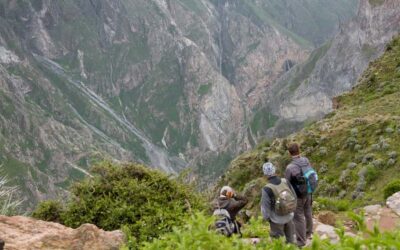
Browse the lists this tour appears in