
Reviewed · COLCA CANYON TOURS
From Arequipa Trek : 2-Days of Hiking in the Colca Canyon
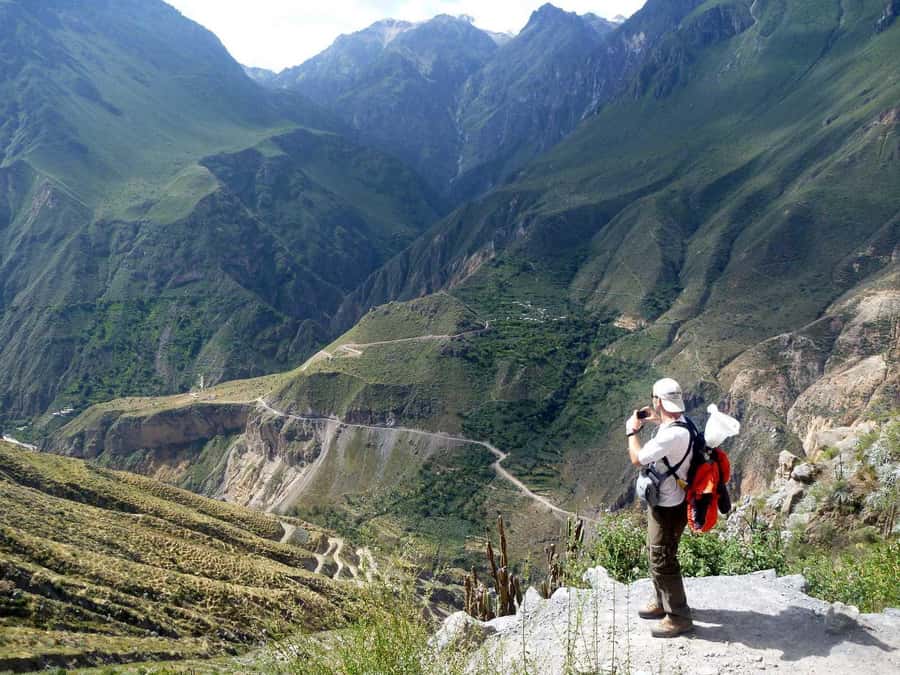
Colca Canyon is not a place you simply look at from a roadside viewpoint. This two-day trip takes you from the rim down into the canyon, past old Collagua terraces and the community of San Juan de Chuccho, then back up before sunrise. The views are superb, but the climb out is a serious test.
I like the small-group format, limited to 18 people, and the way the trip combines hiking with Cruz del Cóndor, Chivay’s hot springs, and high Andean viewpoints. I also like the overnight stop at Sangalle Oasis, where a pool offers welcome relief after the first day.
The catch is simple: this is a hard trek, especially in heat and at altitude. Some people found the difficulty poorly explained, and the basic overnight accommodation has no bathroom, shower, or bedroom outlets. Bring proper shoes, plenty of water, snacks, a headlamp, and toilet paper.
In This Review
- Key points to know before booking
- What this Colca Canyon trip is really like
- Breakfast in Chivay and the first condor viewpoint
- From San Miguel down to San Juan de Chuccho
- Sangalle Oasis and a basic overnight stay
- The pre-dawn climb to Cabanaconde
- Terraces, hot springs, and the ride back to Arequipa
- Guide quality and group management
- What to pack for two demanding days
- Who should choose this trek?
- Is the $21 price good value?
- Should you book the Colca Canyon trek?
- FAQ
- Where does the Colca Canyon trek start?
- How long is the trek?
- Where do I spend the night?
- Is breakfast included?
- Is the Cruz del Cóndor viewpoint included?
- Do I need to pay extra during the tour?
- What languages does the guide speak?
- Who should avoid this trek?
Key points to know before booking
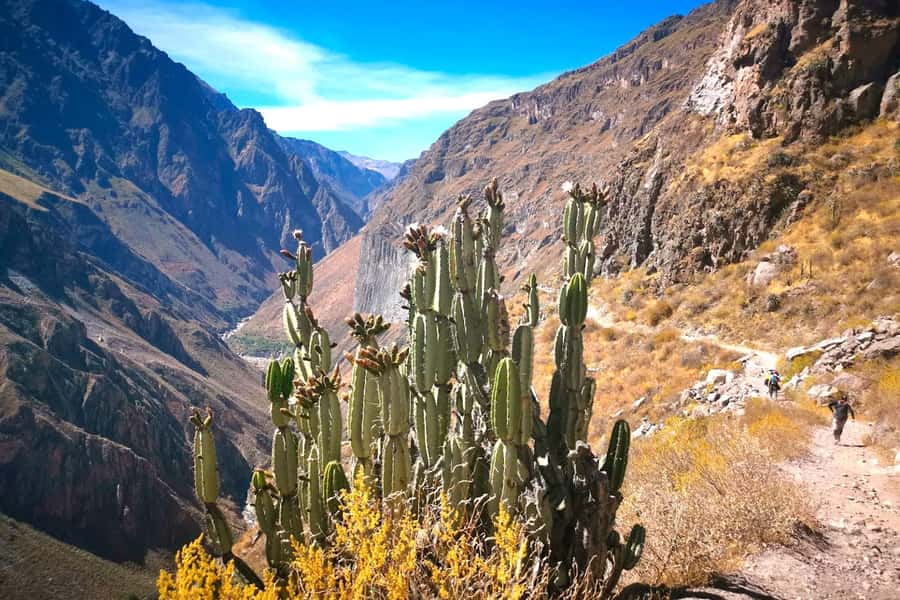
- Three to four hours of uphill walking on day two: You start in darkness and climb from Sangalle to Cabanaconde before breakfast.
- Cruz del Cóndor comes before the trek: The 3,600-meter viewpoint offers about 40 to 50 minutes for condors, canyon views, and photographs.
- Sangalle is a simple overnight stop: You get dinner, a place to sleep, and access to pools, but the accommodation is very basic.
- The cash supplement matters: The advertised $21 price does not cover food, lodging, or the entrance ticket. You need $90 or 320 soles in cash at the start.
- The hike is steep and uneven: People with low fitness, vertigo, mobility problems, or back trouble should not choose this route.
- The second day begins before sunrise: Pack a headlamp and keep snacks and water accessible, since breakfast comes after the main climb.
What this Colca Canyon trip is really like
The schedule begins around 3:00 in the morning at your hotel in Arequipa. That early departure is not a small detail. You spend roughly three and a half hours in a tourist van before reaching the Colca area, so the first part of the day is mostly about sleep, breakfast, and getting ready to walk.
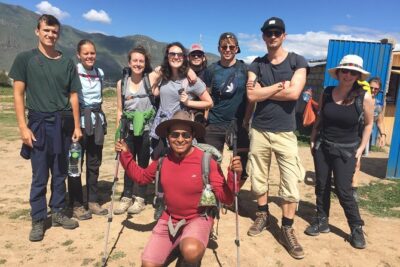
The tour uses English and Spanish guides and keeps groups to a maximum of 18 people. That is small enough to make group movement manageable, though it is still large enough for fitness levels to vary. Your guide may need to balance a strong hiker with someone who is less prepared for steep terrain, so stay aware of the group and do not assume you can simply set your own pace.
The $21 headline price looks strikingly low, but it is not the full cost. At the start, you need to pay another $90 or 320 soles in cash for food, lodging, and the entrance ticket. Hot springs admission is optional and costs another $5 or 15 soles. Add these costs before comparing this trip with other Colca tours.
More colca canyon tours in Chivay:
- 2-Day Tour Colca Canyon in Arequipa with end in Puno
★ 4.6 · 248 reviews - Turist Bus Colca Canyon (Chivay) To Puno
★ 5.0 · 83 reviews - From Puno to Arequipa: 2 Days/1 Night Colca Canyon Tour
★ 3.6 · 83 reviews
Breakfast in Chivay and the first condor viewpoint
After the long early-morning drive, you stop in Chivay for breakfast for about 50 minutes. This is your first chance to eat properly, use the facilities, and prepare mentally for the walk. I would not treat breakfast as a formality. The first day includes about six hours on foot, and the second day starts with the hardest climb before breakfast.
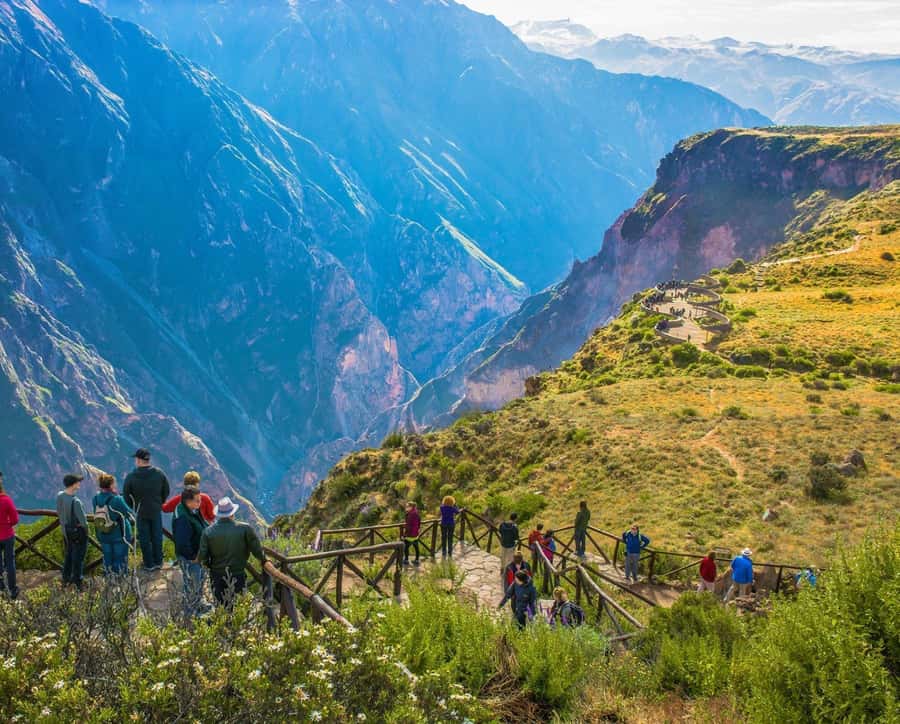
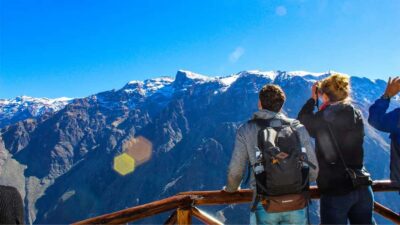
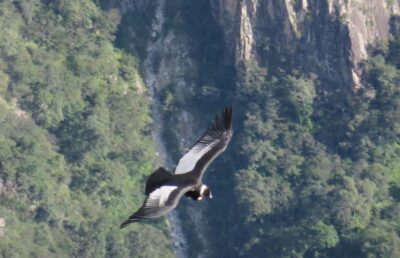
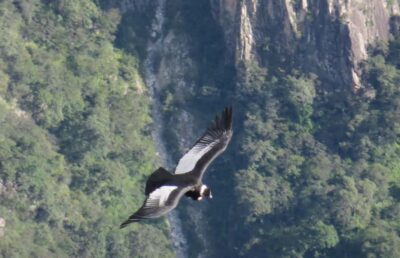
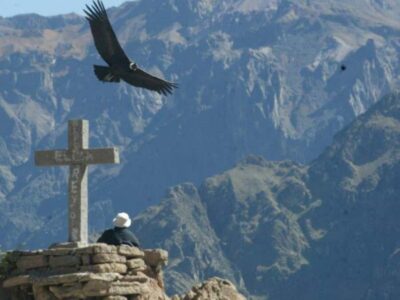
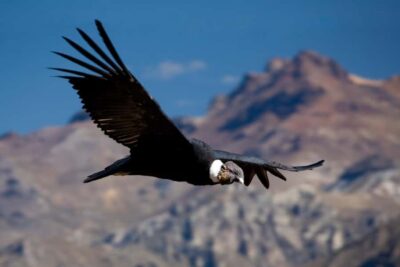
From Chivay, the van continues to Mirador Cruz del Cóndor at about 3,600 meters. You have roughly 40 to 50 minutes here. The viewpoint is one of the trip’s main rewards, since Andean condors can rise on the warm air above the canyon while you look across the immense gorge.
The high altitude can make this stop feel more tiring than expected, especially if you have just arrived in the Arequipa region. Acclimatization is recommended, and this is not a good first activity after flying into Peru if you are sensitive to altitude. Keep your camera ready, but do not spend the whole stop staring at the screen. The scale of the canyon is easier to understand with your own eyes.
From San Miguel down to San Juan de Chuccho
The van then takes you to the starting point near San Miguel, at about 3,200 meters. You get a short break to finish organizing your daypack before setting off. Pack carefully at this point, because you will need to carry your essentials through the canyon and overnight at Sangalle.
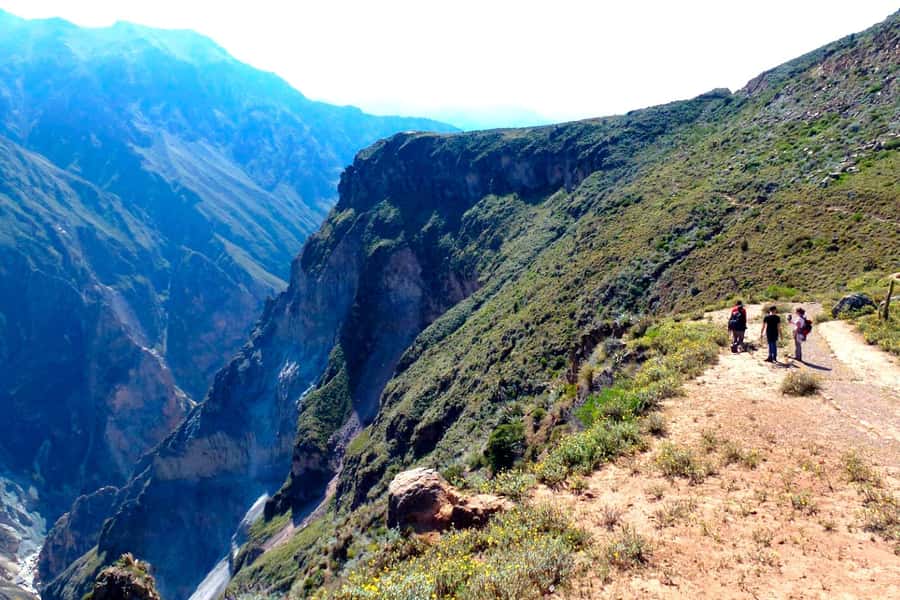
The first walking section lasts about three hours and descends sharply. You see the canyon opening below you, along with local plants and wildlife. The route uses steep, uneven paths, and some sections run beside exposed drop-offs. That makes sturdy trekking shoes more important than fashionable footwear.
The descent can fool you. Going down often feels easier than climbing, but it puts pressure on your knees and leaves you with a long second walking section still ahead. Use the first hours to find a steady pace. There is no prize for racing to the bottom.
After crossing a bridge, you reach San Juan de Chuccho at roughly 2,230 meters. Lunch is served at the home of a local family, which gives the trip a more personal connection to canyon communities than a standard viewpoint tour. The meal also provides a useful rest after the first three hours.
You then walk for another three hours toward Sangalle. This section is not all downhill, so tired legs begin to matter. Carry water where you can reach it and use sunscreen even if the morning began cold. The canyon can become very hot as the day progresses.
Sangalle Oasis and a basic overnight stay
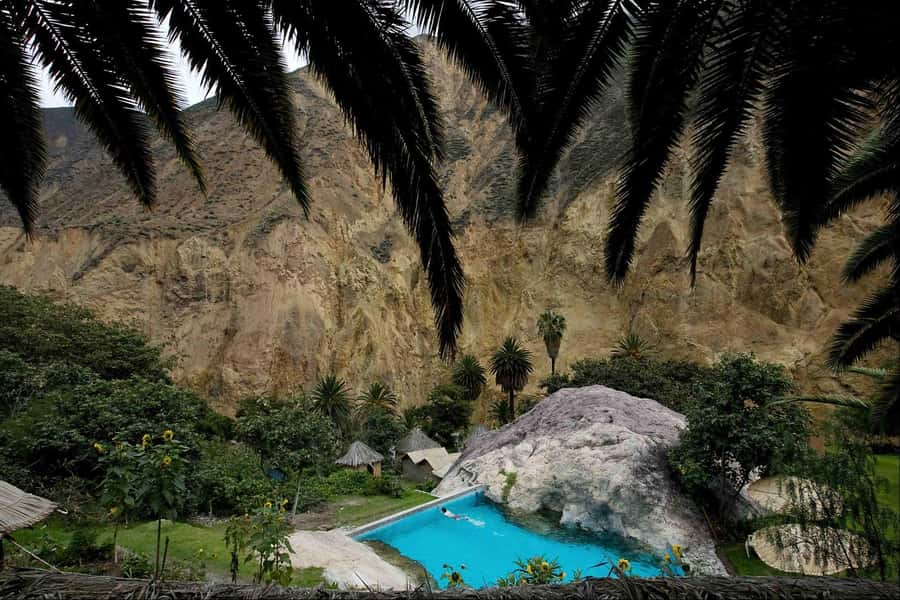
Sangalle, at about 1,900 meters, is known as an oasis inside the canyon. The stop gives you time to rest, enjoy the natural setting, and use the pools. After six hours of walking, the chance to swim or cool off is one of the most appealing parts of the trip.
Dinner is included in the organized package, and the overnight stay lasts about 10 hours. Still, keep your expectations practical. The accommodation is basic, with no bathroom, shower, or electrical outlets in the rooms according to the available details. This is a place to sleep before the climb, not a comfortable hotel.
Bring a small overnight bag rather than carrying unnecessary luggage. You will appreciate having dry clothes, a warm layer, and basic toiletries ready without rummaging through a large pack. Since the route can be hot and dusty, toilet paper and snacks are worth packing even if you expect meals to be provided.
The pool is a pleasant bonus, but do not let it make you forget the next morning. You need to wake very early for the climb to Cabanaconde. A relaxed afternoon at Sangalle can turn into a painful morning if you stay up late or fail to drink enough water.
A few more Chivay trips to weigh up
- Arequipa: 2-day Colca Canyon Trekking, Ending in Puno
★ 4.8 · 8 reviews - 2 day 1 night trek / Colca Canyon
★ 3.0 · 3 reviews - 3-day trek to the Colca Canyon from Arequipa ending in Puno
★ 4.2 · 3 reviews - From Arequipa: Sillar Route Trek
★ 4.2 · 461 reviews
The pre-dawn climb to Cabanaconde
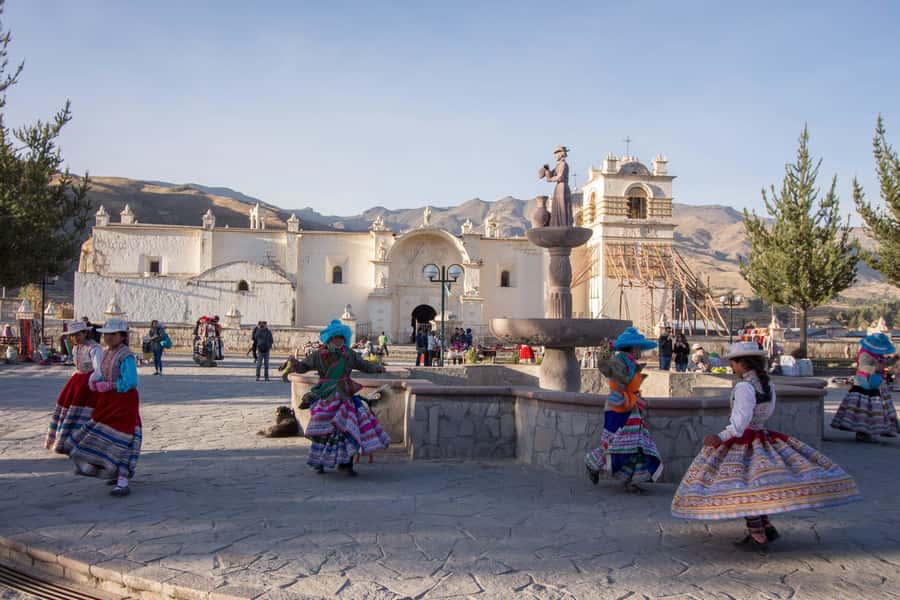
Day two is the deciding factor for most people. The route from Sangalle rises to the top of the canyon and takes about three to four hours. You begin in darkness, then watch the first light spread across the canyon as you climb.
The sunrise is a memorable reward, but the timing also makes the climb harder. You are walking on tired legs, often in cooler early conditions that become hotter as the morning advances. The path is steep, and the ascent demands a steady pace rather than bursts of speed.
Breakfast comes after you reach the upper section and continue to Cabanaconde, at about 3,300 meters. This timing is important. Do not count on breakfast to fuel the climb. Keep an energy snack in your pocket and carry enough water for the ascent.
Some people may choose to use a mule for the return climb, but you should not treat that as a guaranteed solution unless the provider confirms the arrangement for your departure. The safest approach is to book this tour only if you are prepared to complete a steep three-to-four-hour ascent on foot.
At the top, you have time to rest and take in what you have just done. The physical change is striking: you begin among the warmer lower reaches of the canyon and finish back on the high rim, where the air and vegetation feel different.
Terraces, hot springs, and the ride back to Arequipa
Once you reach Cabanaconde and eat breakfast, the van takes over again. You visit viewpoints such as Antahuilque, where old cultivation terraces spread across the canyon walls. These terraces were built by the Collaguas, and they show how communities adapted farming to steep mountain terrain.
This is one of the more meaningful stops because it adds human history to the scenery. The canyon is not just a dramatic geological cut. It is also a working cultural area shaped by irrigation, farming, and generations of Andean knowledge.
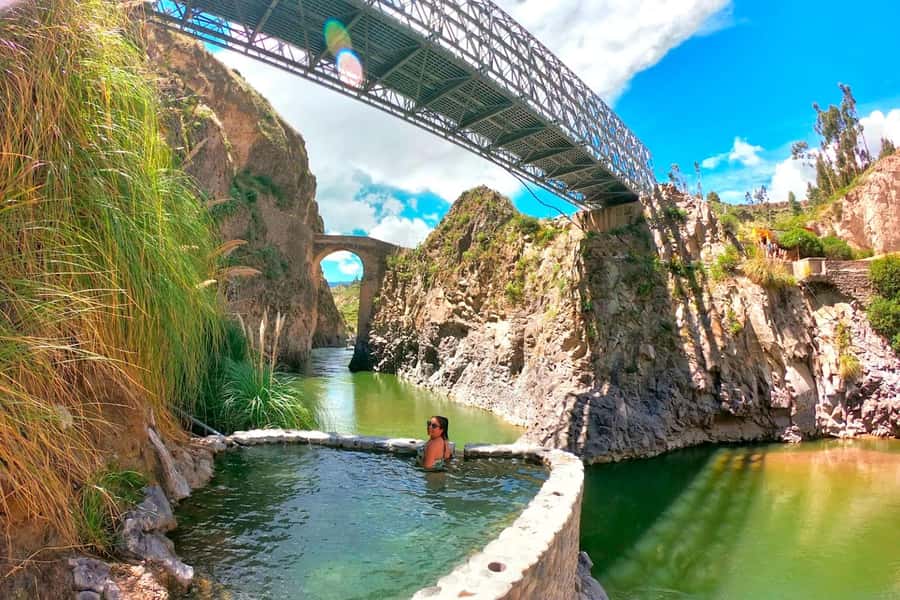
The trip then continues to the hot springs. Admission is optional and costs $5 or 15 soles. After the previous day’s descent and the morning climb, a soak can be exactly what your legs need. Bring the extra cash if you want this part, and remember that the entrance is not included in the main package.
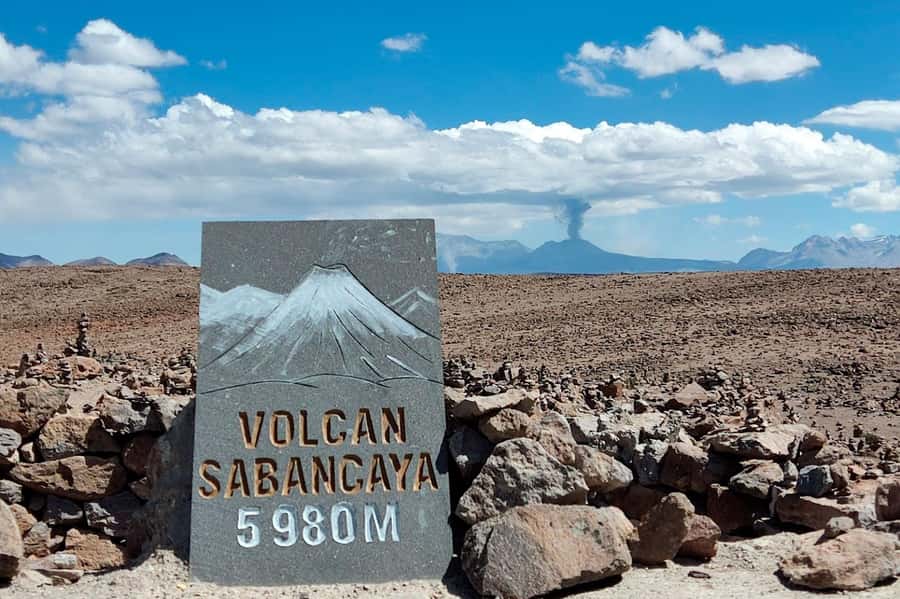
Lunch in Chivay follows the hot springs. From there, the return drive includes a stop at a high volcano viewpoint at about 4,190 meters. That altitude can feel cold and windy even after a warm afternoon in the canyon, so keep a jacket accessible rather than buried in your luggage.
The route also includes a brief stop in a traditional village before the final drive to Arequipa. You finish near Avenida La Marina in central Arequipa around 5:30 in the afternoon. It is a full return day, so do not plan an important evening activity that depends on arriving early.
Guide quality and group management
The guide is a major part of a trek like this. A good guide keeps the group informed, watches different walking abilities, and explains what to expect before the difficult sections. The tour is offered in English and Spanish, but the quality of communication can vary by guide.
One guide named in the feedback was Fernando. A complaint about his handling of introductions, toilet stops, and differing fitness levels shows why clear communication matters on this route. Another account described a good guide and generally solid organization, while also pointing out that a group member needed help after a fall and the guide was ahead at the time.
You should not read these details as a prediction about your guide, but they do suggest a practical habit: ask at the start where to regroup, how to signal for help, and what the plan is if someone cannot maintain the pace. Carry your own basic supplies. A small first-aid kit, water, snacks, and a headlamp make you less dependent on the group.
The overall rating of 4.5 from 35 ratings reflects a strong experience with some real caveats. The most consistent praise goes to the scenery, the challenge, the condors, and the guide when communication and support are handled well.
What to pack for two demanding days
The supplied packing advice is sensible, but I would take it seriously rather than treating it as a general checklist.
Bring:
- Comfortable trekking shoes with good grip
- A hat and sunscreen
- Plenty of water
- High-energy snacks, especially for the second-day climb
- A camera
- A headlamp for the pre-dawn ascent
- Toilet paper
- Clothing for both hot canyon conditions and cold high-altitude viewpoints
The route passes through major changes in altitude, from around 1,900 meters at Sangalle to about 4,190 meters at the volcano viewpoint. Weather can change as quickly as the elevation, so layers are more useful than one heavy garment.
Pack light, but do not cut essentials to save a few grams. The night at Sangalle is basic, and the walk is long enough that small comforts matter. Drink regularly, but do not follow advice to restrict water simply to avoid toilet stops. Hydration is important in heat and at altitude.
Who should choose this trek?
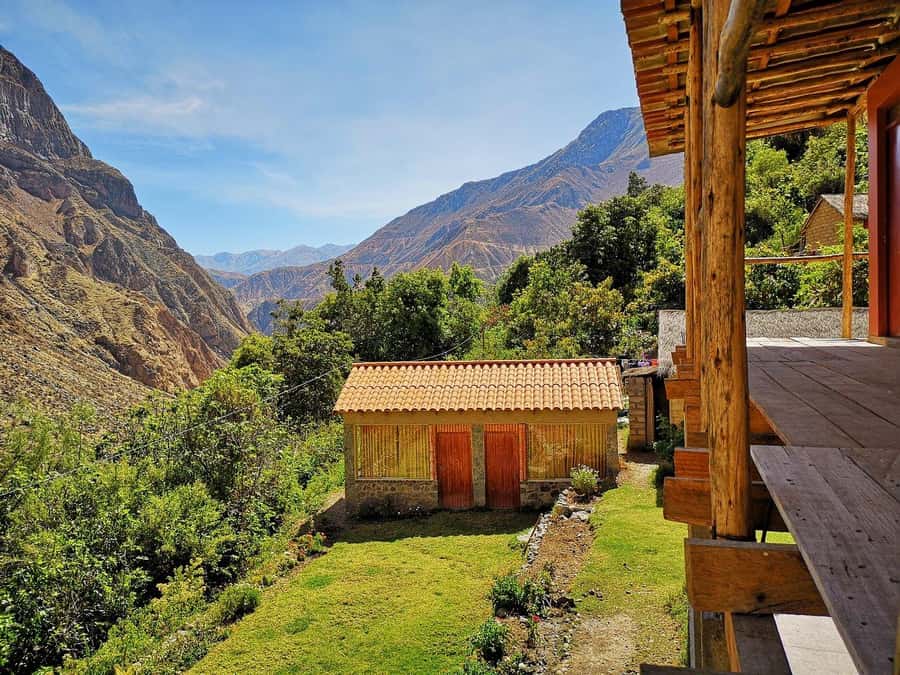
This trip suits you if you already enjoy hiking and want a physical way to experience Colca Canyon rather than viewing it only from the road. You should be comfortable with steep, uneven paths, long walking days, heat, and an early start.
It is a good fit for someone who values variety. In two days, you get a canyon descent, a local-family lunch, an oasis pool, a pre-dawn ascent, condors, terraces, hot springs, village scenery, and high mountain viewpoints.
It is not a good choice if you have back problems, mobility limitations, vertigo, or a low fitness level. It is also a poor match if you want a gentle sightseeing trip with a little walking. The scenery is beautiful, but the physical effort is not a side note.
Acclimatization matters. The tour reaches 3,600 meters at Cruz del Cóndor and about 4,190 meters later in the journey. Give yourself time in the region before attempting this trek if you are not used to high altitude.
Is the $21 price good value?
The price is attractive only when you understand what it covers. Transport from Arequipa to the Colca area and back, plus an English or Spanish professional guide, are included. The food, lodging, and entrance ticket require an additional $90 or 320 soles in cash, and the hot springs cost extra if you enter.
That puts the real price well above $21. Even so, the package offers a lot in two days: long-distance transport, a guide, meals, an overnight stop, major viewpoints, and a route through the canyon. The value is reasonable for an active trip, but the basic sleeping arrangements explain why you should not expect polished comfort.
I would choose this tour for its route and range of stops, not because the advertised price looks like a bargain. Before paying, make sure you are comfortable with the cash requirement and simple accommodation.
Should you book the Colca Canyon trek?
Book it if you want a demanding, scenic hike and you like the idea of earning the canyon views with your legs. The condors, Collagua terraces, Sangalle pools, and sunrise climb give the trip more substance than a quick drive through Colca.
Skip it if you are new to hiking, uneasy around exposed paths, or hoping for a restful two-day excursion. For the best chance of enjoying it, arrive acclimatized, wear real trekking shoes, carry water and snacks, and bring a headlamp.
The strongest part of this experience is the route itself. The weakest parts are the demanding climb, basic lodging, and the need for clearer guidance about fitness and safety. For a prepared hiker, that balance can work very well. For an unprepared one, the canyon can feel less like a sightseeing stop and more like an endurance exam.
FAQ
Where does the Colca Canyon trek start?
The activity starts with hotel pickup in Arequipa at about 3:00 in the morning. The walking portion begins near San Miguel, at approximately 3,200 meters above sea level.
How long is the trek?
The first day covers about 15 kilometers and takes around seven hours on foot. The second day covers about seven kilometers and takes approximately three to four hours of walking.
Where do I spend the night?
You spend the night at Sangalle Oasis, at approximately 1,900 meters. The stay includes dinner and access to pools, but the accommodation is basic.
Is breakfast included?
Breakfast is provided in Chivay on the first morning and in Cabanaconde after the main climb on the second day. You should still bring snacks because the second-day ascent begins before breakfast.
Is the Cruz del Cóndor viewpoint included?
Yes. The tour stops at Mirador Cruz del Cóndor, about 3,600 meters above sea level, for roughly 40 to 50 minutes to see condors and take photographs.
Do I need to pay extra during the tour?
You need to bring $90 or 320 soles in cash at the start for food, lodging, and the entrance ticket. Entry to the hot springs is optional and costs $5 or 15 soles.
What languages does the guide speak?
The tour provides a live guide in English or Spanish.
Who should avoid this trek?
The route is not suitable for people with back problems, mobility impairments, vertigo, or a low level of fitness. Acclimatization to altitude is recommended.
More 2-Day Experiences in Chivay
- From Arequipa: Tour Colca Canyon 2 Days with End in Puno
★ 4.2 · 12 reviews - Arequipa: 2-Day Colca Canyon Classic Tour return to Arequipa
★ 4.6 · 10 reviews - From Puno: 2-Day Tour to Colca Canyon ending in Arequipa
★ 4.1 · 4 reviews - Arequipa : Colca Canyon 2-Day Adventure
★ 5.0 · 3 reviews
Just added around Chivay
- Tour Fullday Colca Canyon with Breakfast and Typical Lunch★ 4.3 · 35 reviews
- Offer Price: Colca Canyon One Day in Arequipa with Breakfast★ 4.5 · 4 reviews
- Full Day Trip to Colca Canyon from Arequipa ending in Puno★ 4.5 · 4 reviews
- Full day excursion to Colca Canyon★ 4.2 · 6 reviews
- From Puno: 2-Day Tour to Colca Canyon ending in Arequipa★ 4.1 · 4 reviews
- From Arequipa: Tour Colca Canyon 2 Days with End in Puno★ 4.2 · 12 reviews
- From Arequipa: One Day Trip to Colca Canyon Ending in Puno★ 4.0 · 14 reviews
- From Arequipa: Fullday Tour Colca Canyon + Transfer To Puno★ 4.4 · 17 reviews
Colca Canyon Tours, compared.
2-Day Tour Colca Canyon in Arequipa with end in Puno
Read our review →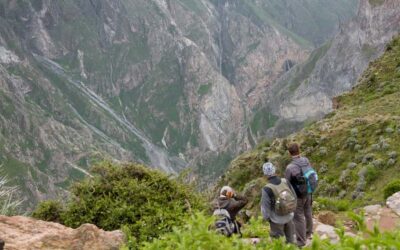
Browse the lists this tour appears in