
Reviewed · MACHU PICCHU TOURS
Salkantay trek to Machu Picchu – 5D/4N – Premium
The Salkantay route gives you a hard-earned approach to Machu Picchu, not a quick ride to the famous ruins. You hike from high mountain country past Humantay Lake, spend a night at SalkantayPampa, then descend toward coffee country and Aguas Calientes. I like the changing scenery and the fact that three nights are spent at a real camp rather than in a string of hotels. I also like that the $510 price includes food, a chef, camping gear, Machu Picchu admission, buses, and the train back.
The main concern is organization. One booking produced three different guides, a changed schedule, and serious frustration when illness forced a participant to leave the route. Ask clear questions before paying, and treat the non-refundable policy as a real commitment.
In This Review
- Key points to know before booking
- Why choose Salkantay instead of the Inca Trail?
- Day 1: Humantay Lake and SalkantayPampa
- Day 2: SalkantayPampa to Chaullay
- Day 3: Chaullay to Lucmabamba
- Day 4: Lucmabamba, Llactapata, and the walk to Aguas Calientes
- Day 5: Machu Picchu and the return to Cusco
- What the $510 price really covers
- Camping, food, and what to carry
- Guide quality and group size
- Who should book this trek?
- Should you book the Salkantay Premium trek?
- FAQ
- How long is the Salkantay trek?
- Where does the trek begin?
- Where does the trek finish?
- How difficult is the route?
- Is camping included?
- Is a hotel night included?
- Are meals included?
- Is the Machu Picchu entrance included?
- Are Huayna Picchu and Machu Picchu Mountain included?
- What language is the guided tour in?
Key points to know before booking
- 64 kilometers in four hiking days: Expect long days of roughly six to seven hours, with a moderate to challenging level of effort.
- Humantay Lake comes first: The opening day combines a major scenic stop with 16 kilometers of walking, so you begin at full speed.
- SalkantayPampa means genuine camping: The basecamp includes a dining tent and kitchen, giving the trip a more traditional trekking feel.
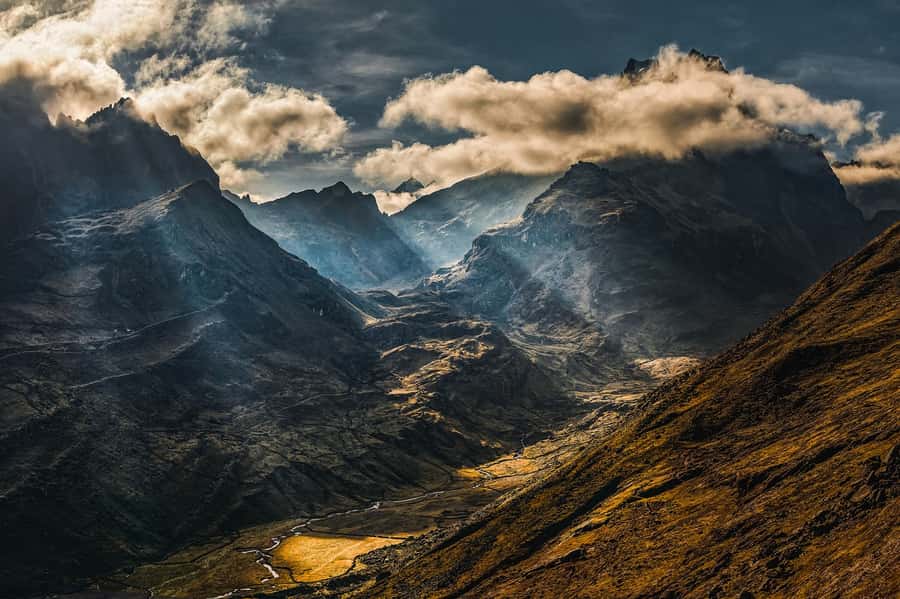
- The route changes character quickly: High mountain scenery gives way to warmer valleys, Lucmabamba, and the final walk beside the railway to Aguas Calientes.
- The package covers most major costs: Meals, entrance fees, camping, a sleeping bag, buses, and the return train are included.
- Guide continuity needs checking: The planned service is led in English by a professional bilingual guide, but one booking involved three different guides.
Why choose Salkantay instead of the Inca Trail?
Salkantay is the best-known alternative to the Inca Trail, and its appeal is easy to understand. You get a multi-day walk through very different parts of the Cusco Region, finishing at Machu Picchu rather than simply arriving by train.
The route is not just a long approach road. It begins with a high-altitude lake and mountain scenery, then drops into a warmer zone with a different feel. That change gives the five days a clear story: cold heights first, camp life in the middle, and a greener valley before the ruins.
I also like the balance between adventure and convenience. You sleep outdoors for three nights, but the package supplies a sleeping bag, cooks meals, provides a dining tent, and gives you a hotel night in Aguas Calientes. You are not carrying every part of the trip yourself.
Still, this is not a gentle sightseeing walk. The total distance is about 64 kilometers, and the daily distances range from 14 to 18 kilometers. The tour labels the effort moderate to challenging, which is a fair warning. You need to be comfortable walking for about six or seven hours a day.
More machu picchu tours in Machu Picchu:
- From Cusco: Full-Day Group Tour of Machu Picchu
★ 4.7 · 1,767 reviews - Machu Picchu Day Trip from Cusco
★ 4.5 · 1,644 reviews - Machu Picchu: Full-Day Tour from Cusco with Optional Lunch
★ 4.6 · 927 reviews
Day 1: Humantay Lake and SalkantayPampa
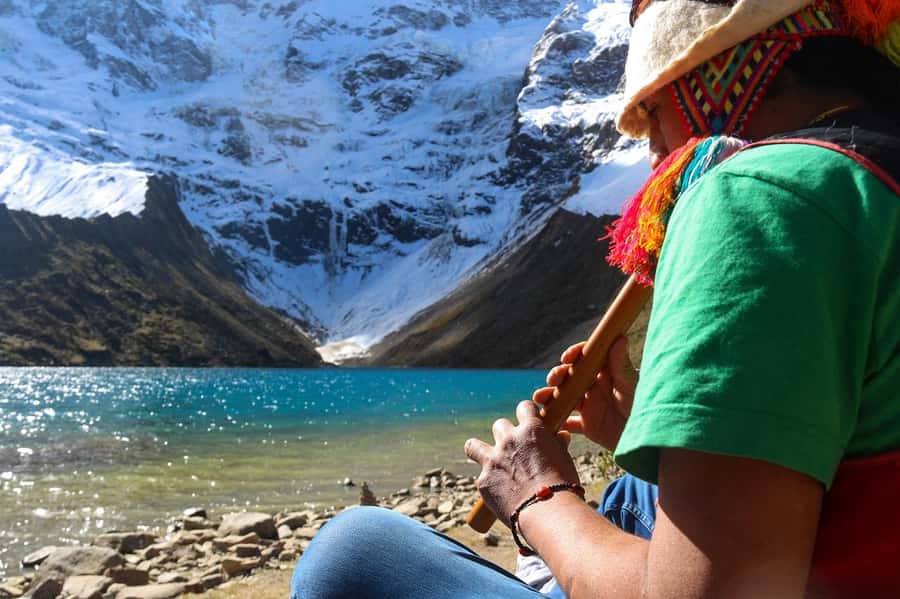
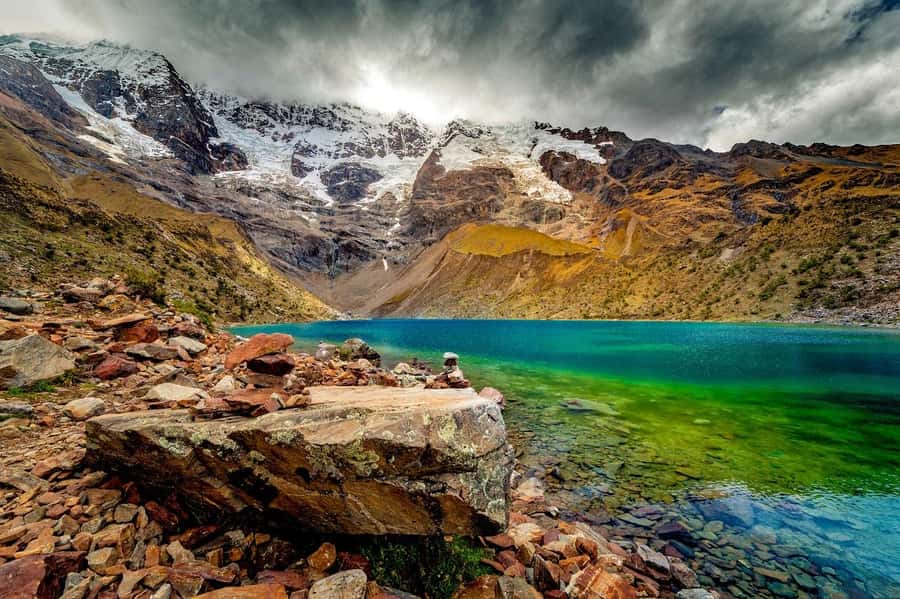
The first day covers about 16 kilometers in roughly seven hours. That is a demanding introduction, especially because Humantay Lake is one of the day’s main goals rather than a small roadside stop.
Humantay Lake is the scenic prize of the opening stage. Its mountain setting gives you an immediate sense of why people choose this route. You are not easing into the trip with a short walk and a long lunch. You begin with a serious outing that sets the pace for the days ahead.
After the lake, you continue toward SalkantayPampa, the basecamp for the night. The camp is one of the more appealing parts of the package because it promises an authentic camping experience, supported by a spacious dining tent and kitchen. A chef and assistants prepare the included food, and vegetarian options are available.
That setup matters. After seven hours on foot, having a proper place to eat is far better than relying only on snacks from your daypack. You should still bring cash and personal care items, since those are not included.
The first day also brings the most important practical question: how will the team respond if you become ill? One participant became sick on this opening day and reported that there was no emergency radio available. The package includes a professional guide and assistants, but you should ask what communication and evacuation support exist before departure. Do not assume that a long mountain route has the same backup systems as a city tour.
Day 2: SalkantayPampa to Chaullay
Day two runs about 18 kilometers and takes roughly seven hours. It is the longest listed day, so you should expect the distance to matter more than the timetable suggests.
Leaving SalkantayPampa, you continue through the high part of the route before heading toward Chaullay. The strength of this stage is the sense of progress. You have moved from the first lake and basecamp into a full day of mountain walking, with a village stop waiting at the end.
The overnight location in Chaullay marks a change in the trip. You are still camping, but the route is moving toward warmer country. Bring layers that you can remove as the temperature changes. The packing list specifically calls for snow clothing, comfortable clothing, closed-toe shoes, a hat, and a change of clothes. That is sound advice for a route that shifts between cold and warmer conditions.
Day two is also where pacing becomes important. A 15-person maximum is small enough for a guide to keep a group together, but people will still walk at different speeds. If you are unsure about the effort, ask how the group handles rest stops and slower walkers. The supplied information does not promise a private guide or a flexible schedule.
Day 3: Chaullay to Lucmabamba
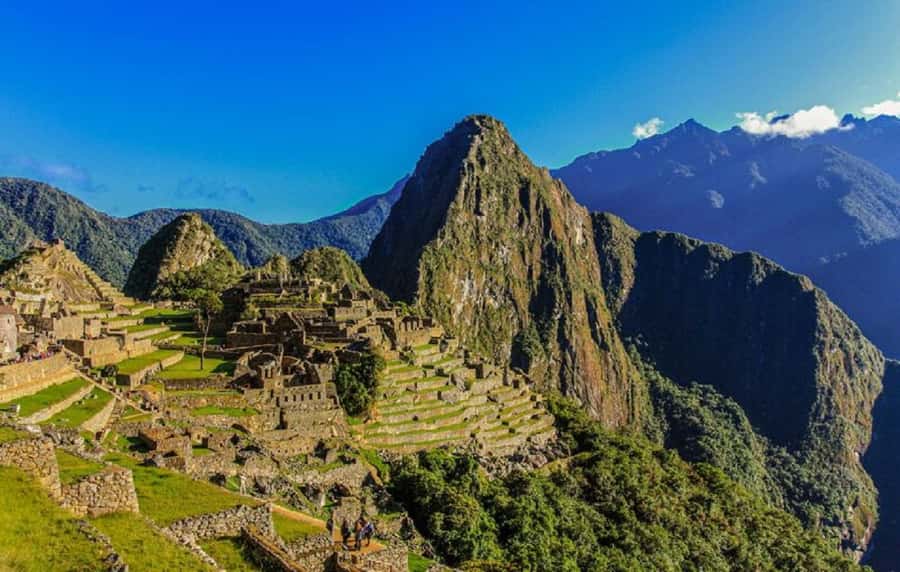
The third day covers approximately 16 kilometers in about six hours. Compared with the first two days, the shorter duration may feel welcome, but it is still a full day on foot.
Lucmabamba is valuable because it shows the route’s warmer side. The Salkantay trek is not a single type of mountain walk. As you lose altitude, the setting changes, and the route takes on a different rhythm from the cold, high sections.
This is the night to appreciate the trip’s mix of camping and support. You continue with the outdoor element, but the chef, assistants, kitchen, and dining tent take some of the strain out of camp life. You will want a charged smartphone and a flashlight, both listed among the required items. A garbage bag is also required, so plan to carry out your own waste.
The guide can add a lot here. A German participant singled out Eduardo for explaining nature, local traditions, and the people of the area, and for making the group feel well cared for. That is exactly the kind of guiding that improves a trek. You are spending five days walking through a region, not just checking off a route, so clear explanations give the scenery more meaning.
At the same time, do not book on the assumption that Eduardo will be your guide. His name is connected to one particularly positive experience, but the service is sold with an English-speaking professional guide rather than a guaranteed named leader.
More salkantay trek in Machu Picchu:
- Small Group 5 Days Salkantay and Machu Picchu by Llactapata Tour
★ 5.0 · 88 reviews - Machu Picchu: 5-Day Salkantay Trek with Panoramic Train
★ 5.0 · 79 reviews - Salkantay Trek 4 Days to Machu Picchu by Glamping Sky Lodge Dome
★ 5.0 · 68 reviews - Salkantay Trek to Machu Picchu in 4 days
★ 4.5 · 50 reviews
Day 4: Lucmabamba, Llactapata, and the walk to Aguas Calientes
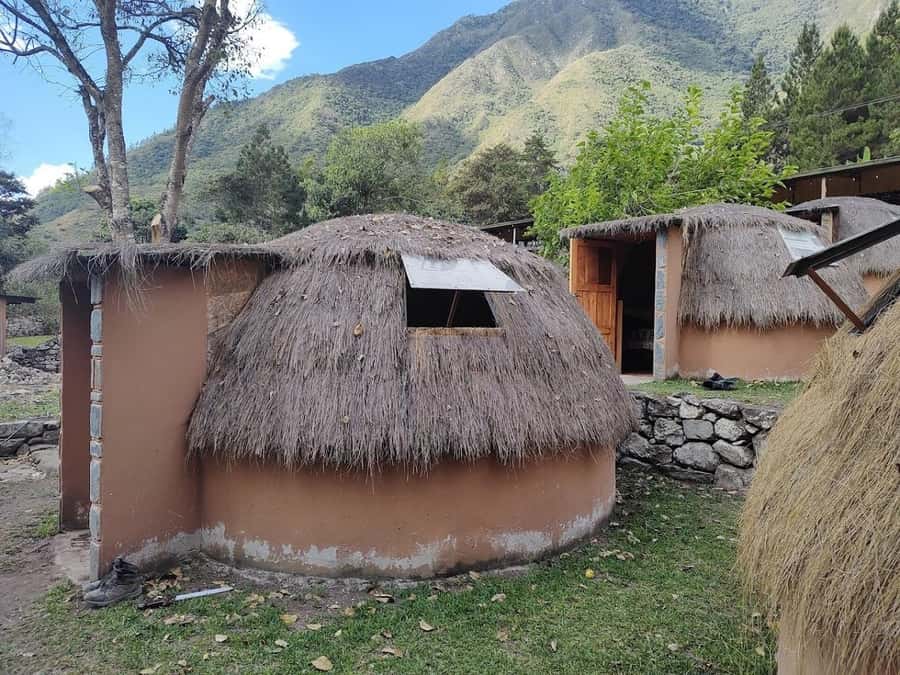
The fourth day covers about 14 kilometers in roughly six hours. It is the shortest hiking day listed, and it brings together several distinct stops: Llactapata, Hydroelectric, and Aguas Calientes.
Llactapata gives the day a historical and scenic focus before the route continues toward the railway area. The exact amount of time at each stop is not specified, so you should think of this as a full transfer day with several important moments, not a slow day built around long visits.
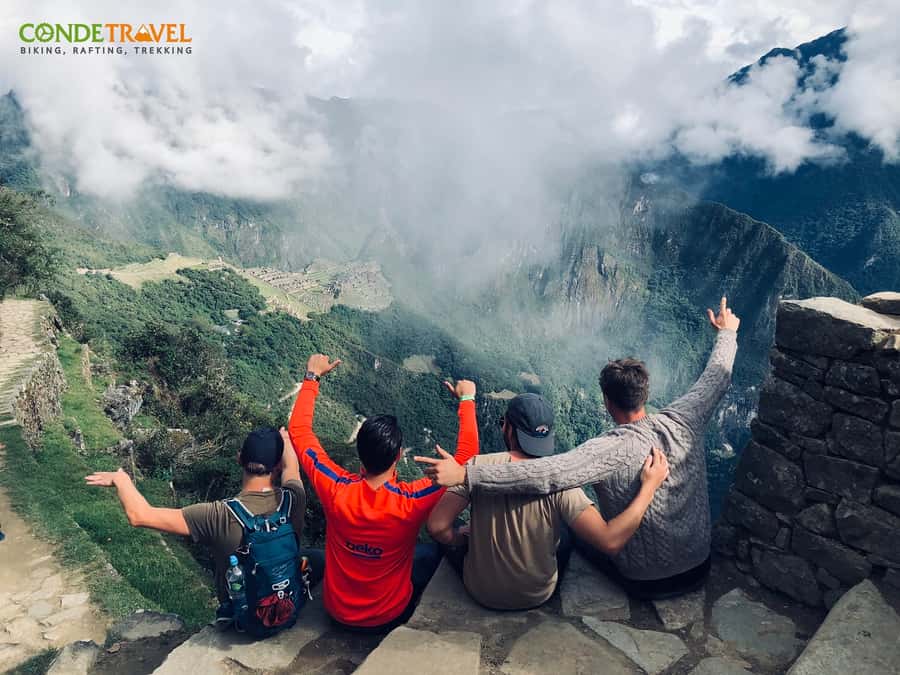
The walk from Hydroelectric to Aguas Calientes is a memorable way to approach Machu Picchu. You finish the trekking section on foot, then sleep in a hotel in Machu Picchu Pueblo. After three nights at campsites, that hotel night is a useful comfort break before the early visit to the citadel.
The package includes one hotel night, but it does not identify the hotel or describe its facilities. If room standards matter to you, ask for that information before booking. The same applies to luggage handling. Oversize luggage is not allowed, so take a daypack and pack light.
One serious scheduling issue deserves attention. A participant reported losing two days in Machu Picchu Pueblo while dealing with tickets. That is not consistent with a smooth five-day plan, and it raises questions about how permits and entry arrangements are managed. Ask the operator to confirm exactly when you receive your Machu Picchu ticket, when the citadel visit is scheduled, and how delays are handled.
Day 5: Machu Picchu and the return to Cusco
The final day is built around Machu Picchu citadel. Admission to Machu Picchu is included, as is the round-trip bus between Aguas Calientes and the citadel.
The bus is a practical inclusion. After four days of walking, you do not need another steep approach before visiting the ruins. You can reach the site by bus, take the guided visit, and return to Aguas Calientes for the onward journey.
The package includes the train from Aguas Calientes to Ollantaytambo, followed by transport from Ollantaytambo to Cusco. That combination makes the final return much easier than arranging separate tickets and transfers yourself.
Huayna Picchu and Machu Picchu Mountain are not included. If you want either additional climb, you must arrange and pay for the relevant entrance separately. Do not treat the basic Machu Picchu ticket as access to every mountain route.
The first breakfast and the final day’s lunch and dinner are also excluded. The food plan covers meals mentioned in the itinerary, but you should budget for those final meals and carry cash.
What the $510 price really covers
At $510 per person, this is not simply a guided walk. The price includes transport services, Machu Picchu entry, the Mollepata to Salkantay route entrance, three campsite nights, one hotel night, meals as scheduled, a chef and assistants, a sleeping bag, buses at Machu Picchu, the return train, and transport back to Cusco.
That is a useful bundle. Buying each major part separately could make the trip harder to manage, especially the train, Machu Picchu entry, and transfers. The included chef and dining tent also add value for a trek of this length.
The price is less attractive if the operation does not deliver the schedule clearly. A low package cost cannot make up for missing activities, confused ticket arrangements, or unclear responsibility when someone becomes ill. The strongest way to protect the value is to get the daily plan and inclusions confirmed in writing before you commit.
The tour is non-refundable. That makes travel insurance especially sensible, though insurance itself is not included. You should also understand that personal care items, special mountain entrances, and several final meals cost extra.
Camping, food, and what to carry
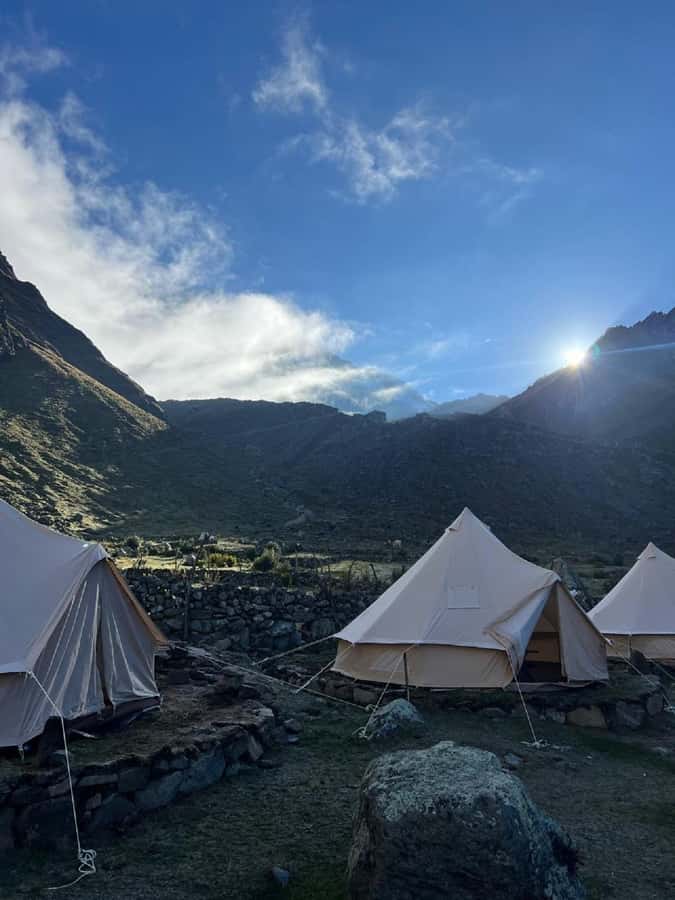
The camping element is central to the experience. You spend three nights at campsites, with SalkantayPampa specifically presented as a basecamp. A sleeping bag is supplied, along with a dining tent and kitchen.
You still need the right personal kit. Bring your passport, daypack, flashlight, charged smartphone, medication, cash, camera, hat, biodegradable sunscreen, and closed-toe shoes. Pack comfortable clothes plus warm or snow clothing, and carry a change of clothes.
The packing limits are strict enough to affect your planning. Oversize luggage is not allowed, and open-toed shoes are prohibited. Alcohol and drugs are not permitted, and the tour also excludes baby strollers, electric wheelchairs, crutches, and nudity.
Food is included as described in the itinerary, with vegetarian choices available. The first breakfast and the last day’s lunch and dinner are not included. If you have dietary needs beyond vegetarian food, the supplied information does not confirm what can be provided, so ask before departure.
Guide quality and group size
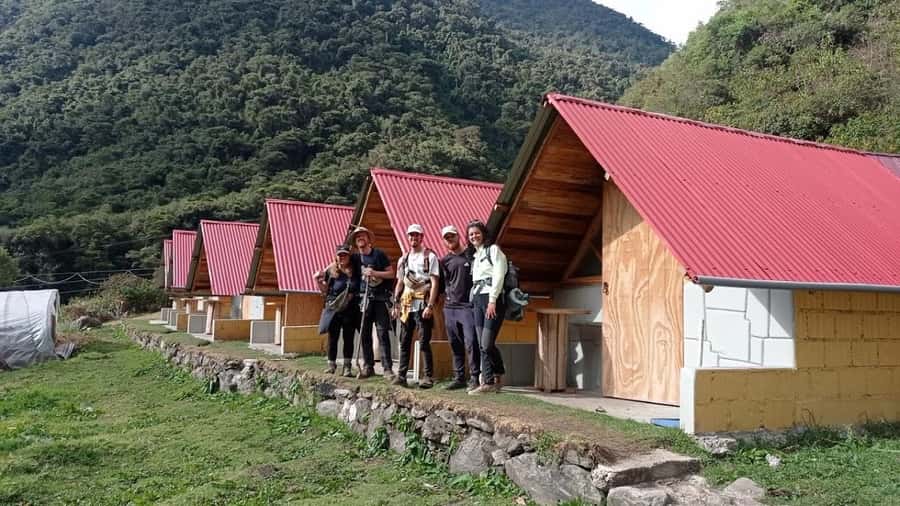
The group is limited to 15 participants, which is a reasonable size for a long route. A smaller group usually makes it easier to hear the guide and keep track of the day, though the trip does not promise private departures.
The official language is English, and pickup is included from your hotel. You are asked to wait in the lobby 10 minutes before pickup. The driver carries a sign with your surname and the company logo.
The strongest guide experience came from Eduardo, who explained local nature, traditions, and people while helping the group feel cared for. That kind of personal attention is worth seeking on a route where the scenery changes quickly.
But guide continuity is not guaranteed in practice. One booking began with the expectation of keeping the same guide and instead involved three different guides. If a consistent leader matters to you, ask directly whether the same guide will stay with the group from Cusco through Machu Picchu.
Who should book this trek?
I would recommend this trip to fit hikers who want a camping adventure and prefer an organized package over arranging every ticket themselves. It suits you best if you enjoy long walking days, changing temperatures, and a route that feels more demanding than a standard Machu Picchu excursion.
It is not suitable for children under five, pregnant women, people with back or heart problems, people with mobility impairments, wheelchair users, or people over 70. Anyone with a medical condition should take the restrictions seriously. The route covers long distances far from the comfort of Cusco.
I would also be cautious if you need polished logistics, fixed guide assignments, or strong emergency communication. Those concerns do not erase the route’s appeal, but they make pre-trip questions essential.
Should you book the Salkantay Premium trek?
Book it if you want the Salkantay route’s big scenery, real camping, cooked meals, and a practical Machu Picchu finish for a single $510 package. The route is varied, the included transport is useful, and Eduardo’s guiding style shows how good the experience can be with the right leader.
Before paying, confirm the daily schedule, the Machu Picchu ticket timing, the hotel name, the guide assignment, and the emergency communication plan. If the operator gives clear answers and you are ready for 64 kilometers of hiking, this can be a strong-value adventure.
If you are looking for a carefree holiday with short walks and guaranteed logistical polish, choose a different format. The Salkantay route rewards preparation, fitness, and flexibility.
FAQ
How long is the Salkantay trek?
The experience lasts five days and four nights, with about 64 kilometers, or 39 miles, of hiking.
Where does the trek begin?
The trip departs from Cusco in Peru’s Cusco Region.
Where does the trek finish?
The destination is Machu Picchu citadel, followed by transport back to Cusco on the fifth day.
How difficult is the route?
It is rated moderate to challenging. The hiking days cover about 14 to 18 kilometers and take roughly six to seven hours.
Is camping included?
Yes. The package includes three nights at campsites, including a basecamp at SalkantayPampa.
Is a hotel night included?
Yes. One night in Machu Picchu Pueblo, also called Aguas Calientes, is included.
Are meals included?
Food is included as stated in the itinerary, and vegetarian options are available. The first breakfast and the final day’s lunch and dinner are not included.
Is the Machu Picchu entrance included?
Yes. The Machu Picchu entrance ticket and round-trip bus service to the citadel are included.
Are Huayna Picchu and Machu Picchu Mountain included?
No. Entrance to Huayna Picchu and Machu Picchu Mountain is not included.
What language is the guided tour in?
The live tour guide service is in English. The tour uses a small group limited to 15 participants.
More Hiking & Trekking in Machu Picchu
- Ancascocha Trek To Machu Picchu 4 Days And 3 Nights
★ 5.0 · 77 reviews - 4 Day Inca Trail Trek to Machu Picchu Multi day tour
★ 5.0 · 70 reviews - 2 Day Hiking Short Inca Trail to Machu Picchu
★ 5.0 · 66 reviews - Short Inca Trail 2 Day Hike to Machu Picchu with Permits & Train
★ 5.0 · 51 reviews
Just added around Machu Picchu
- Inca Trail Machu Picchu 4 Days★ 5.0 · 39 reviews
- Machupicchu Guide Service★ 5.0 · 42 reviews
- Private Tour Guide in Machupicchu from Aguas Calientes.★ 5.0 · 40 reviews
- Machu Picchu, Cusco & Lima 7-Day Tour★ 5.0 · 30 reviews
- 7 Days: Lima, Ica, Cusco & Machupicchu with local flights★ 5.0 · 52 reviews
- Machu picchu one day by train all included★ 4.5 · 53 reviews
- Exclusive Huayna Picchu Tour in 1 Day from Cusco★ 5.0 · 31 reviews
- Wonderful Cusco 5-Day Tour with Entrance to Machupicchu★ 5.0 · 46 reviews
Machu Picchu Tours, compared.



4-Day Inca Trail to Machu Picchu with Accommodation
Read our review →
2-Day Trip to the Sacred Valley and Machu Picchu
Read our review →
Machu Picchu 2-Day Inca Trail with Panoramic Train
Read our review →
Browse the lists this tour appears in