
Reviewed · MACHU PICCHU TOURS
4 Day Inca Trail Trek to Machu Picchu Multi day tour
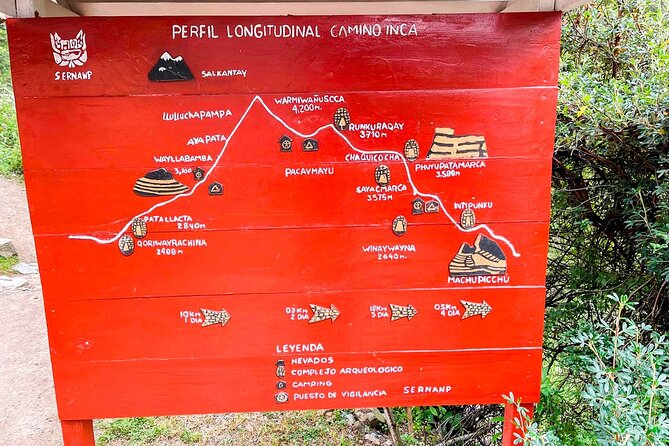
The best thing about this 4-day Inca Trail trek is the way Machu Picchu becomes the reward for a real journey, not just a stop reached by train. You walk 42 kilometers through mountain passes, cloud forest, and jungle, passing ruins such as Sayacmarca and Wiñay Wayna before entering through the Sun Gate. I especially like the small group limit of 16 and the strong support team, including porters and a dedicated trekking chef.
I also like that the price covers the major pieces that can make a trek expensive: permits, camping, meals, transport, a guide, porters, and the return train. The main consideration is the altitude and physical demand. Dead Woman’s Pass reaches 4,215 meters, and the route includes long climbs and steep descents. This is a serious hike with a beautiful finish, not a gentle walk to Machu Picchu.
In This Review
- Key points to know before booking
- Why this Inca Trail route is worth four days
- Day 1: Km 82, the Vilcanota River, and Huayllabamba
- Day 2: The hard climb to Dead Woman’s Pass
- Day 3: Runkurakay, Sayacmarca, and Wiñay Wayna
- Day 4: The Sun Gate and Machu Picchu
- Camping, food, and the people carrying the load
- Fitness, altitude, weather, and what to pack
- Is $930 a fair price?
- Who should book this trek?
- Should you book the 4-day Inca Trail trek?
- FAQ
- How long is the Inca Trail trek?
- Where does the trek begin?
- What time is pickup in Cusco?
- How high is Dead Woman’s Pass?
- How many nights do you camp?
- Is food included?
- Is a sleeping bag included?
- Are hiking poles included?
- How much luggage can the personal porter carry?
- How many people can join the group?
- Is transportation back to Cusco included?
- Is the tour refundable?
Key points to know before booking
- Dead Woman’s Pass reaches 4,215 meters: Day 2 is the hardest section, with a long climb followed by a descent into Pacaymayo Valley.
- The Sun Gate arrival is on foot: You get your first broad view of Machu Picchu from Inti Punku before touring the citadel.
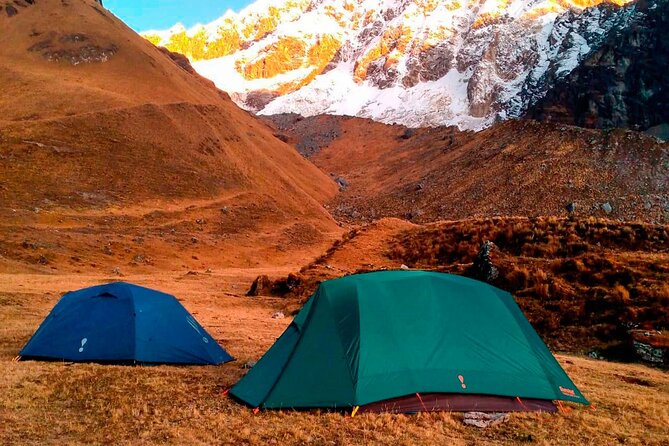
- Three nights of supported camping are included: Tents, dining equipment, a toilet tent, mattresses, water, and cooking gear are supplied.
- Porter support makes the trek more manageable: A personal porter carries up to 7 kilograms of your belongings, while other porters handle group gear.
- The food gets unusually strong praise: The chef prepares plentiful meals, and past departures have included baked cake at camp.
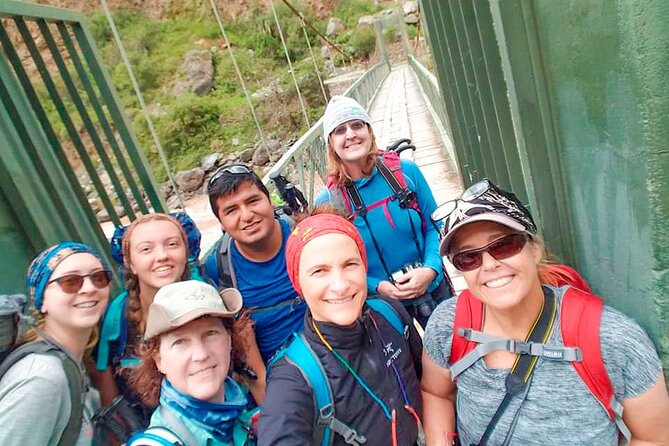
- The group is capped at 16 people: That is small enough for a more personal walking pace and easier communication with the guide.
Why this Inca Trail route is worth four days
The Inca Trail is famous for good reason, but the appeal is not simply getting a photograph at Machu Picchu. The route gives you changing scenery and several archaeological sites along the way, so the destination feels connected to the road that leads there.
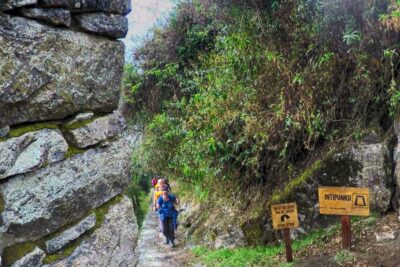
You begin at Kilometer 82, cross the Vilcanota River, and follow an ancient Inca road toward the mountains. The trail moves from river valleys and dry highland scenery to exposed passes, then into cooler cloud forest and lower, more humid country near Machu Picchu.
At $930 per person, this is not a cheap way to visit the citadel. Still, the cost includes the Inca Trail permit, Machu Picchu entrance, three nights of camping, three breakfasts, three lunches, and three dinners. It also includes transport from Cusco to the trailhead, the bus down to Aguas Calientes, the tourist train to Ollantaytambo, and the bus onward to Cusco.
Those inclusions matter. The permit is essential for this route, and carrying your own tent, kitchen, food, and group equipment would make the walking far harder. You are paying for a managed expedition, not just a guide who points out the path.
More machu picchu tours in Cusco:
- From Cusco: Full-Day Group Tour of Machu Picchu
★ 4.7 · 1,767 reviews - Machu Picchu Day Trip from Cusco
★ 4.5 · 1,644 reviews - Machu Picchu: Full-Day Tour from Cusco with Optional Lunch
★ 4.6 · 927 reviews
Day 1: Km 82, the Vilcanota River, and Huayllabamba
The day begins early, with pickup listed for 4:30 am from your hotel in Cusco. That start is rough, but it allows the group to reach Kilometer 82 and begin walking while the day is still young.
The drive passes through the Urubamba Valley before you reach the trailhead. After crossing the Vilcanota River, you start along the old Inca route. The first day covers about 12 kilometers, or 7.5 miles, and is described as moderate rather than extreme.
This opening section follows the river and gives you time to settle into the rhythm of walking. You pass through Huayllabamba, where you may have the chance to interact with local people. The views begin with broad Andean valleys and mountain slopes, then gradually feel more remote as the trail turns toward the higher country.
The first day is useful as an introduction. You are not thrown straight into the hardest climb, but you still need to take the route seriously. Eight hours of walking can feel long if you arrive without preparation, especially after the early pickup.
Your support team is already doing much of the work behind the scenes. Porters carry the food, tents, cooking equipment, and other camp supplies. A personal super porter can carry up to 7 kilograms of your belongings in a duffel bag, which leaves you with a daypack rather than a full camping load.
Day 2: The hard climb to Dead Woman’s Pass
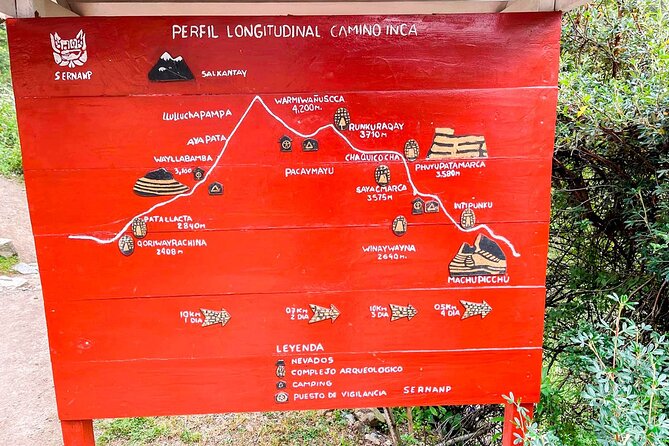
Day 2 is the physical test. After breakfast and an early start, you climb toward Warmiwañusca, better known as Dead Woman’s Pass. At 4,215 meters, or 13,828 feet, it is the highest point on the route.
The climb is gradual in the sense that the trail gains height over time, but gradual does not mean easy. High altitude can make every step feel shorter and slower. You should expect this to be the day that requires the most patience. A guide who manages the walking pace well can make a major difference here.
The reward is the view from the pass, with high Andean peaks and valleys spreading around you. After a short rest, you descend into the Pacaymayo Valley, where the camp is located. The day takes roughly eight hours.
The change in scenery is one of the route’s great pleasures. You begin among high-altitude grasslands, then move toward cloud forest, where orchids and bromeliads appear. The contrast is striking, but the descent can be hard on tired knees. Hiking poles are not included, though they can be rented for $20, and they may be worth considering if you are more concerned about downhill sections than uphill ones.
The camp experience is more organized than many first-time hikers expect. The package includes Eureka tents, with two people using each four-person tent. That arrangement gives you more space than a tightly packed two-person shelter. Kitchen and dining tents, tables, chairs, cooking equipment, a toilet tent, and a comfort sleeping-roll mattress are also supplied.
A sleeping bag is extra at $25. An inflatable rest mattress costs another $20. Those costs are easy to overlook when comparing tour prices, so add them to your budget if you do not plan to bring your own equipment.
Day 3: Runkurakay, Sayacmarca, and Wiñay Wayna
Day 3 covers about six hours, but it is packed with ruins and varied terrain. The route climbs to the second pass, Runkurakay, at 3,970 meters. The site and the surrounding stonework feel especially dramatic because the trail runs through high mountain country before descending again.
From Runkurakay, you go down through cloud forest to Sayacmarca, set at about 3,624 meters. The ruins sit high above the surrounding valleys, and the approach gives you a good sense of how carefully the Inca road was built into steep terrain.
The trail continues through the forest, passing smaller ruins along the way. You then reach the third pass, Phuyupatamarca, at 3,670 meters. This section includes repeated climbs and descents, so do not assume that Day 3 will feel easy simply because it is shorter than Day 2.
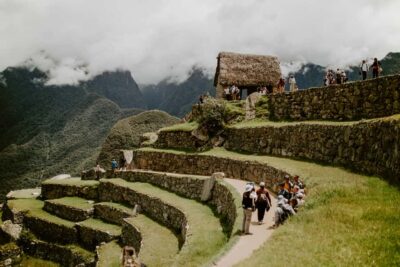
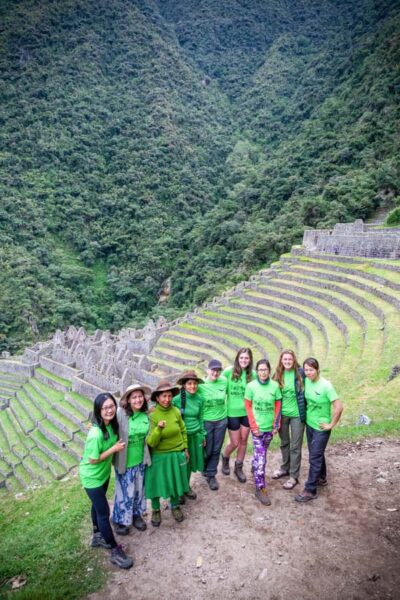
The final approach brings you to Wiñay Wayna, one of the most impressive sites on the route. Its terraces and ritual baths are set above the forest, with broad views toward the mountains. The campsite is at about 2,650 meters, lower than the previous night and generally more sheltered in feel.
This is often the day when the trek becomes more than a physical challenge. You are walking through a chain of engineered paths, terraces, stairways, and ceremonial sites. The guide’s historical explanations matter here. Guides including Nico Raul, César Pérez, César Coavoy, Josias, and Plinio have led departures associated with this experience, and the strongest guiding style described is attentive, encouraging, and able to adjust the pace to the group.
The food also becomes part of the experience. The trekking chef prepares breakfast, lunch, and dinner, with meals described as generous and surprisingly polished for a mountain camp. One chef even produced a cake in the Andes. That sounds like a small detail, but a warm, substantial dinner can change your mood after a long day on stone steps.
More inca trail treks in Cusco:
- Cusco: 4-Day Inca Trail to Machu Picchu with Accommodation
★ 4.8 · 432 reviews - Cusco: Machu Picchu 2-Day Inca Trail with Panoramic Train
★ 4.9 · 260 reviews - From Cusco: 2-Day Inca Trail to Machu Picchu
★ 4.2 · 244 reviews - Machu Picchu: Inca Trail 2-Day Overnight Guided Tour
★ 4.9 · 203 reviews
Day 4: The Sun Gate and Machu Picchu
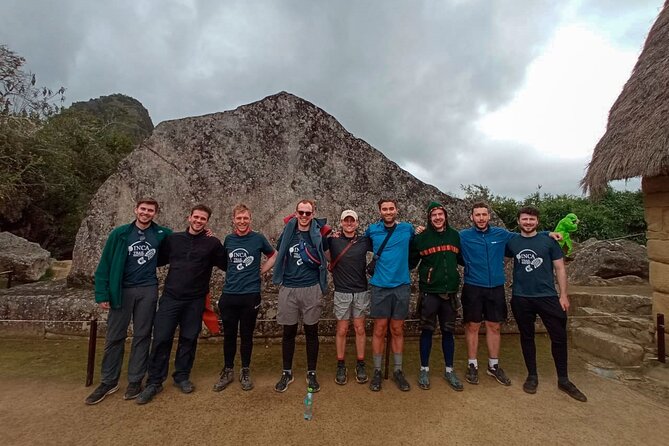
The final morning begins early with breakfast and the walk to the checkpoint. From there, you take the last stretch of the Inca Trail to Inti Punku, the Sun Gate.
This is one of the most satisfying arrivals in South America. Instead of approaching Machu Picchu by bus, you reach the citadel from above and see it spread across the mountains below. Weather can affect the view, so the panorama is not guaranteed, but the route itself gives the arrival a sense of occasion.
After the Sun Gate, you continue to Machu Picchu for a guided visit of the ruins. The tour includes the entrance fee and a guide-led visit, which is important because the stones alone do not explain the site’s purpose, design, or connection to the wider Inca road system.
The fourth day takes about six hours. At the end, you take the shuttle bus down to Aguas Calientes. Lunch in town is not included, so plan to pay for that separately. You then board the tourist train to Ollantaytambo, followed by a tourist bus back to Cusco.
This final transport chain is practical, but it makes for a long day. You finish the trek, visit Machu Picchu, ride a bus, take a train, and then continue by road. The upside is that you do not need to arrange separate transport or spend another night organizing your return.
Camping, food, and the people carrying the load
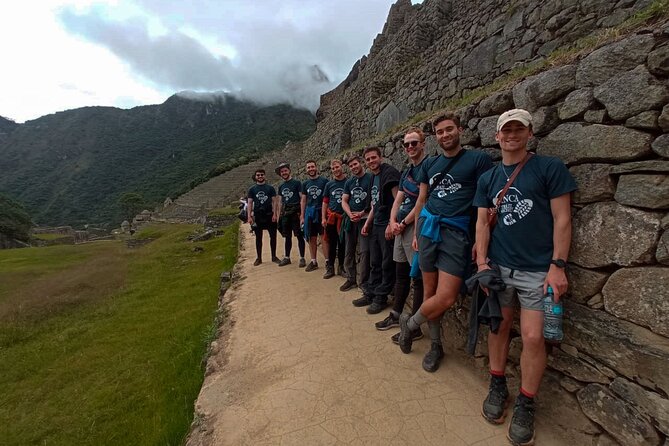
The support system is one of the strongest reasons to consider this tour. You have an experienced guide, a professional trekking chef, a personal porter for your duffel, and additional porters for group equipment.
The personal porter allowance is up to 7 kilograms, or 11 pounds, for your belongings. You still carry your own daypack, water, rain layer, camera, and anything you need during the day. Pack lightly and use the porter allowance for warm clothing and sleep gear rather than unnecessary extras.
Water is provided at each campsite by the chef. Meals include three breakfasts, three lunches, and three dinners. A first breakfast before the trek and the final lunch in Aguas Calientes are not included.
The camping setup includes a dining tent and kitchen tent, tables, chairs, cooking utensils, gas, a toilet tent, and a sleeping-roll mattress. A plastic rain poncho is supplied, as are a first-aid kit and emergency oxygen bottle. These items do not remove the need for personal preparation, but they show that the trek is supported rather than improvised.
The human side matters, too. Past departures have praised guides for encouragement, historical explanations, and personal care during difficult stretches. One guide, Juve, was especially noted for helping carry day bags when people struggled. That kind of practical help is valuable, but you should still choose this trek only if you have a strong fitness level.
Fitness, altitude, weather, and what to pack
The tour specifically calls for strong physical fitness. That is the right warning. The route includes about 42 kilometers of walking, a pass above 4,200 meters, long days of up to eight hours, and repeated stone stairways.
You should prepare for both climbing and descending. Many people focus on Dead Woman’s Pass and forget that downhill walking can be just as demanding. Hiking poles cost $20 to rent, and a sleeping bag costs $25 if you need one. An inflatable mattress is listed at $20.
Weather can change quickly across the route. The supplied rain poncho is useful, but you should also bring suitable layers and shoes for wet conditions. The trail moves between exposed high country, cloud forest, and subtropical sections, so one outfit will not cover every temperature.
Altitude is the issue you cannot train for fully at home. The information provided does not state a required acclimatization period, so you should ask the operator about your own schedule before committing. If you already know that high altitude affects you strongly, this is a reason to seek medical advice and plan carefully.
The early start also deserves attention. A 4:30 am pickup means you should organize your bags and clothing the night before. The tour offers pickup, but the exact hotel arrangements should be confirmed when you book.
Is $930 a fair price?
I consider the price reasonable for a permitted, supported 4-day Inca Trail trek, provided you value comfort and convenience. You are not only buying four days of guiding. You are also covering camping equipment, labor from porters, cooking, permits, Machu Picchu entry, the final bus, train, and road transport to Cusco.
The included 7-kilogram porter allowance is particularly useful. Without it, you would need to carry more clothing and sleeping equipment over the passes. The two-person use of a four-person tent also gives you more room than a basic shared camping arrangement.
Your extra costs are clear: sleeping bag, hiking poles, inflatable mattress, tips, souvenirs, the first breakfast, the final lunch, and travel insurance. The trek is non-refundable and cannot be changed after booking, so do not treat it as a casual last-minute purchase. Confirm your dates, fitness, equipment needs, and permit availability first.
A group discount is available, which may improve the value for people booking together. The group limit of 16 keeps the trip from feeling like a huge procession, though it is still a group trek rather than a private walk.
Who should book this trek?
I would recommend it to you if reaching Machu Picchu by the historic trail matters as much as seeing the ruins. It suits fit hikers who are comfortable camping, early starts, steep climbs, and changing weather.
It is also a good choice if you want help with the heavy equipment and meals. The porter and chef system lets you focus on walking and the scenery rather than carrying a tent or cooking after eight hours on the trail.
I would hesitate if you want a relaxed Machu Picchu visit, dislike camping, or are not ready for high altitude. The train-only visit is far easier physically. This trek earns its price through effort, scenery, archaeological sites, and the approach through the Sun Gate.
Should you book the 4-day Inca Trail trek?
Book it if you want the full journey and are prepared for the hardest walking day. The combination of Dead Woman’s Pass, cloud forest ruins, Wiñay Wayna, and the arrival through Inti Punku gives you a much fuller experience than simply riding to Aguas Calientes.
Before paying, confirm permit availability, the guide assigned to your departure, sleeping equipment, pickup details, and the exact items you need to carry yourself. If the $930 price fits your budget and you can handle the altitude, this is a well-supported way to walk into Machu Picchu rather than merely visit it.
FAQ
How long is the Inca Trail trek?
The route covers approximately 42 kilometers, or 26 miles, over four days.
Where does the trek begin?
The trek begins at Kilometer 82 after a transfer from Cusco through the Urubamba Valley.
What time is pickup in Cusco?
The listed start time is 4:30 am.
How high is Dead Woman’s Pass?
Dead Woman’s Pass, or Warmiwañusca, reaches 4,215 meters, or 13,828 feet.
How many nights do you camp?
You camp for three nights. Camping equipment, kitchen and dining tents, a toilet tent, and a sleeping-roll mattress are included.
Is food included?
Three breakfasts, three lunches, and three dinners are included. Your first breakfast and final lunch in Aguas Calientes are not included.
Is a sleeping bag included?
No. A sleeping bag can be rented for $25.
Are hiking poles included?
No. Hiking poles can be rented for $20.
How much luggage can the personal porter carry?
The personal porter can carry a duffel bag with up to 7 kilograms, or 11 pounds, of personal belongings.
How many people can join the group?
The maximum group size is 16 people.
Is transportation back to Cusco included?
Yes. The package includes the shuttle bus from Machu Picchu to Aguas Calientes, the tourist train to Ollantaytambo, and a tourist bus from Ollantaytambo to Cusco.
Is the tour refundable?
No. The experience is non-refundable and cannot be changed for any reason after cancellation or an amendment request.
More 4-Day Experiences in Cusco
- 4 Day Tour to the Manu National Park
★ 5.0 · 81 reviews - Choquequirao Trek 4 days and 3 nights
★ 5.0 · 81 reviews - Cusco Sacred Valley and Machupicchu 4 Days
★ 5.0 · 80 reviews - Ancascocha Trek To Machu Picchu 4 Days And 3 Nights
★ 5.0 · 77 reviews
More Hiking & Trekking in Cusco
- From Cusco: 7 Lakes Ausangate Trek with Breakfast and Lunch
★ 4.8 · 360 reviews - Cusco: Rainbow Mountain Tour and Red Valley Hike (Optional)
★ 4.7 · 149 reviews - Cusco: Full-Day Rainbow Mountain & Red Valley Trekking Tour
★ 4.5 · 121 reviews - Salkantay Trek Challenge – 3 Days / 2 Nights
★ 5.0 · 101 reviews
Just added around Cusco
- Waqrapukara 1 day trekking + meals★ 3.9 · 3 reviews
- Zipline over the Sacred Valley Trip★ 5.0 · 11 reviews
- Valle Sur Cusco | half day★ 4.3 · 3 reviews
- Visit to the Cochahuasi Animal Sanctuary with rescued animal★ 4.1 · 4 reviews
- Visit Pisac from Cusco: Private Transport★ 4.6 · 9 reviews
- Maras and Huaypo lagoon by ATV from Cuzco | Local Operator★ 4.7 · 4 reviews
- Trek to Humantay Lake from Cusco★ 4.9 · 8 reviews
- Trek to Choquequirao 4 days★ 3.8 · 4 reviews
Machu Picchu Tours, compared.
4-Day Inca Trail to Machu Picchu with Accommodation
Read our review →
2-Day Trip to the Sacred Valley and Machu Picchu
Read our review →
Machu Picchu 2-Day Inca Trail with Panoramic Train
Read our review →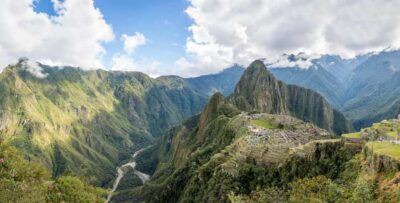
Browse the lists this tour appears in