
Reviewed · SACSAYHUAMAN TOURS
Sacsayhuaman Temple, Tambomachay and Puca Pucara Half-Day Tour
Sacsayhuaman is the star here: huge fitted stones, high terraces, and wide views over Cusco make it one of the most striking archaeological sites near the city. This tour adds three smaller Inca sites, so you can cover a lot without arranging taxis or sorting out admission.
I like the early 8 a.m. start, which can mean cooler air, fewer people, and better access to Sacsayhuaman. I also like the small group of no more than 14, plus hotel pickup and a bilingual Spanish-English guide. The catch is time. The tour is advertised at about three hours, while many departures run closer to four, and some guides move too quickly or make room for an unplanned alpaca shop stop.
In This Review
- Key points to know before you book
- Why these four sites make a smart Cusco morning
- Sacsayhuaman: massive stones above Cusco
- Q’enqo: a carved rock with a serious purpose
- Puca Pucara: a lookout with open views
- Tambomachay: sacred springs and flowing water
- The early start is one of the tour’s best features
- Small-group transport and bilingual guiding
- The textile shop issue
- Weather, walking, and what to bring
- Should you book this half-day tour?
- FAQ
- What time does the tour start?
- How long does the tour last?
- Which archaeological sites are included?
- Is hotel pickup and drop-off included?
- Is transportation provided between the sites?
- Is the tour offered in English?
- How large is the group?
- Are admission tickets included?
- Can I cancel for a full refund?
Key points to know before you book
- Sacsayhuaman gets the most time: Plan on about 90 minutes there, though some departures spend nearly two hours.
- Four sites fit into one morning: Q’enqo, Puca Pucara, and Tambomachay are shorter visits, but each adds a different piece of Inca life.
- The 8 a.m. departure matters: An early start helps you reach Sacsayhuaman before the biggest lines and crowds.
- Transport saves effort: An air-conditioned minivan links the sites above Cusco and returns you to your hotel.
- Shopping may enter the picture: Some departures include an alpaca or textile shop that is not part of the stated sightseeing plan.
- Guide quality shapes the day: Guides including Ana, Jose Aguilar, Yuber, Robinson, Alex, River, and Marínés have received warm praise, but the experience can vary.
Why these four sites make a smart Cusco morning
Cusco gives you two very different types of sightseeing. In the center, you can walk among colonial churches, Inca foundations, and busy streets. Above the city, these four sites show how the Inca organized ceremony, defense, water, stonework, and movement through the hills.
That makes this excursion a useful companion to Machu Picchu. Machu Picchu may be the headline, but the sites around Cusco explain more about the practical world behind the empire. You see the scale of the stonework at Sacsayhuaman, sacred water at Tambomachay, ritual carving at Q’enqo, and military control at Puca Pucara.
At $69 per person, the price is fair if you value convenience and a live guide. Your fee includes transportation between sites, hotel pickup and drop-off, admission to the four archaeological sites, and bilingual guiding. A taxi could give you more control, but it would not automatically provide site explanations or prebooked tickets. A private tour would offer a slower pace, but this small-group format costs less.
The value drops if your main goal is detailed archaeology. Four places in one morning is an efficient overview, not a slow study of every wall and carving. I would book it to get oriented, then return independently to Sacsayhuaman if that site captures your imagination.
More sacsayhuaman tours in Cusco:
- Cusco: Half-Day City Tour with Sacsayhuaman and Q’enco
★ 4.6 · 1,129 reviews - City Tour Cusco Qoricancha Sacsayhuaman y Tambomachay
★ 4.7 · 617 reviews - Cusco City Sightseeing and Sacsayhuaman Archeological Park Tour
★ 4.5 · 101 reviews
Sacsayhuaman: massive stones above Cusco
Sacsayhuaman deserves the longest stop, usually about 90 minutes. Some well-paced departures have spent close to two hours here, which is much better for a site this large.
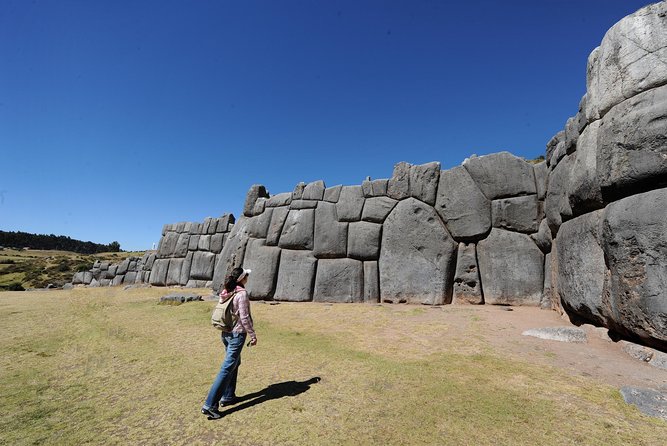
The first thing you notice is scale. The zigzag terraces use enormous stones fitted together with remarkable care. The walls are not just broad and heavy. Their angled design helped create a powerful defensive position, and the site extends across open ground with Cusco below.
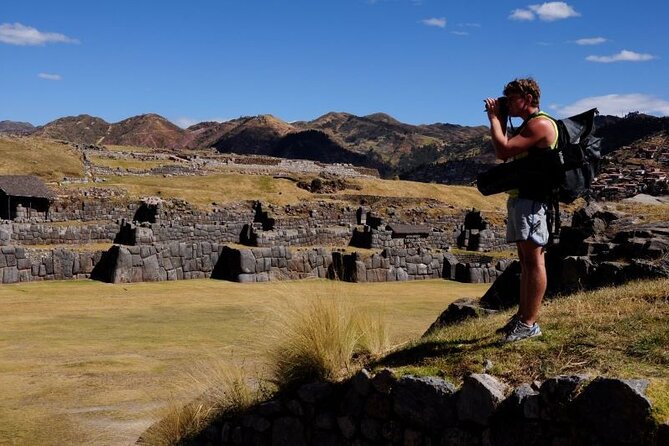
Your guide should help you read the place rather than simply point at big rocks. Look for the three levels of terraces, remains of towers, sacred paths, and shapes associated with animals in the Inca view of the universe. The stones can seem almost abstract until someone explains how the site worked as a ceremonial and defensive center.
The views are a major part of the appeal. You can look down toward Cusco while standing in what feels like open countryside, even though the city is close by. Several people have also used the short walk to the Cristo Blanco statue, about 10 minutes from the viewpoint, though that walk is not listed as a formal stop.
Here is where guide quality matters most. A strong guide such as Jose Aguilar, Yuber, Ana, Alex, or Marínés can connect the stonework to Inca society and explain the Spanish-Inca battle associated with the site. A rushed guide may give you only a quick photo stop and leave much of the complex unexplored.
Take your time with photographs, but do not spend the whole visit at the main viewpoint. The best part of Sacsayhuaman is walking along the terraces and seeing how the site changes as you move through it.
Q’enqo: a carved rock with a serious purpose
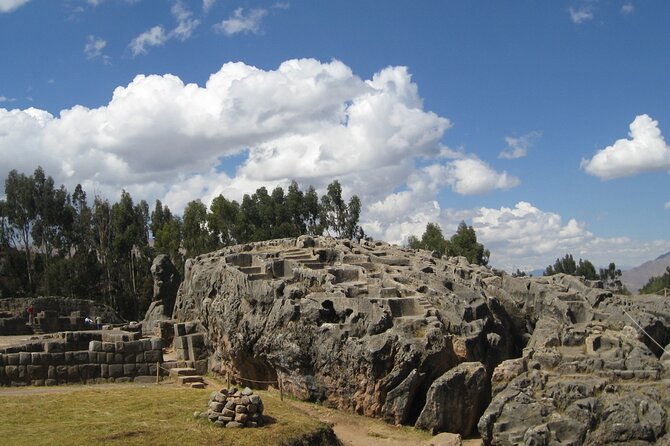
Q’enqo usually gets about 30 minutes. It is smaller than Sacsayhuaman, but the setting feels more intimate and mysterious.
The site centers on carved rock, winding passages, channels, stairways, and a central altar connected with Inca ceremonies. The main altar area is currently not accessible according to the tour information, so you may need to view parts of the complex from above or from the open areas.
That limitation matters. Q’enqo is not a place where you need a long walk to understand the basic layout, but the stop depends heavily on explanation. Without a good guide, you may see a carved stone and a maze of surfaces without grasping how the site was used.
I would treat Q’enqo as a focused half-hour visit, not a reason to book the tour by itself. It adds an important ceremonial note to the morning, especially after the grand scale of Sacsayhuaman. If your guide is willing to explain the channels, chambers, and altar clearly, the short stop works well.
Puca Pucara: a lookout with open views
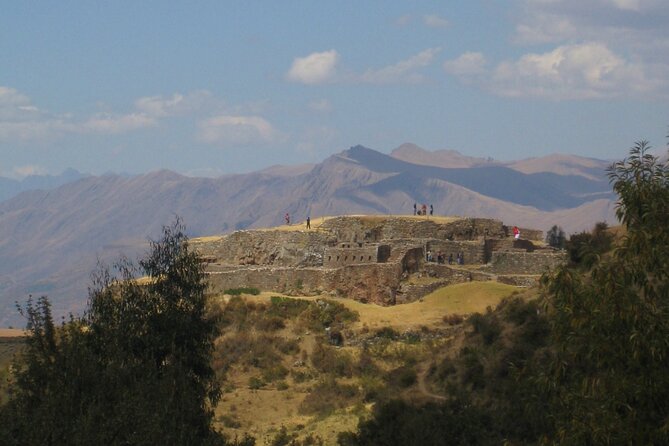
Puca Pucara means red fortress in Quechua. This hilltop complex served as a military post and checkpoint connected with the defense of Cusco and Sacsayhuaman.
Expect roughly 30 minutes here. You will see stone walls, water features, and aqueducts, with a broad view of the surrounding hills. The site is less monumental than Sacsayhuaman, but its position helps you understand how the Inca controlled movement through the area.
Puca Pucara can feel like a quick photo stop, especially if the tour is running late. That is unfortunate because its value lies in the setting. Stand back from the walls and consider the sight lines. The complex makes more sense when you picture it as a lookout and resting point along a route, not as a standalone fortress with massive towers.
If you enjoy military history, ask your guide about the checkpoint role and how Puca Pucara related to nearby sites. The published visit is short, so a direct question can help you get more from the stop.
A few more Cusco trips to weigh up
- Cusco: City Tour | Half-Day Tour to 4 Archaeological Sites
★ 4.6 · 206 reviews - Cusco: Half-Day City Tour
★ 4.2 · 129 reviews - From Cusco: Moray, Maras Salt Mines & Chinchero Weavers Half-Day
★ 5.0 · 126 reviews - Cusco: Half-Day Horseback Riding at Devil’s Balcony
★ 4.9 · 89 reviews
Tambomachay: sacred springs and flowing water
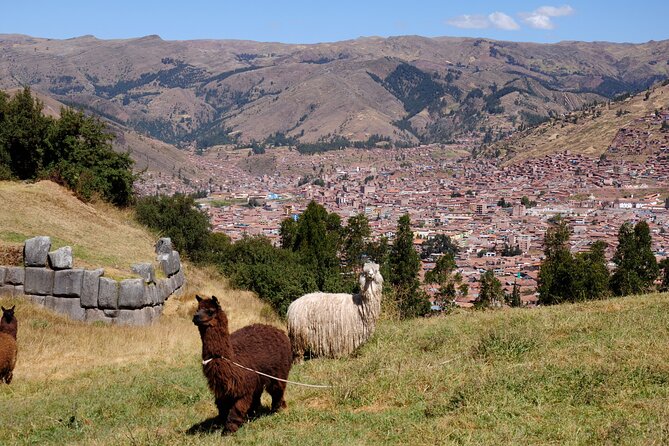
Tambomachay usually receives about 45 minutes. Its spring water and channels make it one of the most graceful stops on the route.
Water rises from inside the mountain and runs through carefully built stone channels and fountains. The site was connected with ceremony, youth, luck, and the Andean view of the world. Here, the Inca achievement is not about giant blocks. It is about directing natural water with precision and giving it spiritual meaning.
Tambomachay also offers a different mood from Sacsayhuaman. You are looking at a smaller complex shaped around flowing water and natural surroundings. The stop gives the morning some balance: Sacsayhuaman shows power through stone, while Tambomachay shows care through water.
The paths and stone steps can be slippery in rain. One departure became especially memorable in wet weather, but rain can also make footing harder and photos less predictable. Wear shoes with a firm sole, and bring a light rain layer during the rainy season.
The early start is one of the tour’s best features
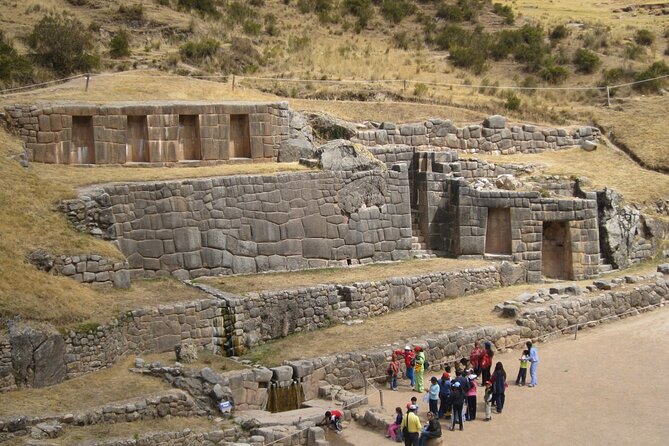
The meeting time is 8 a.m., with hotel pickup included where vehicles can reach your hotel. Some streets in central Cusco do not allow vehicle access, so you may need to walk to a nearby pickup point if your accommodation sits in a restricted area.
Starting early is not just a scheduling detail. Sacsayhuaman can draw long lines during busy periods, and the first part of the morning is often the most comfortable time for the major site. You also have the rest of the day free for lunch, shopping, Korikancha, or Cusco Cathedral.
The advertised duration is about three hours, while the site schedule adds up to roughly three hours and 15 minutes before driving time. Some people have finished around noon, making it a practical last-day activity before an evening flight. Others have had a shorter departure, around two and a half hours, because the guide moved quickly.
That range is worth keeping in mind. Do not schedule a tight connection immediately afterward. If you want a calm visit, tell the guide early that you prefer site time over shopping or a rushed return.
Small-group transport and bilingual guiding
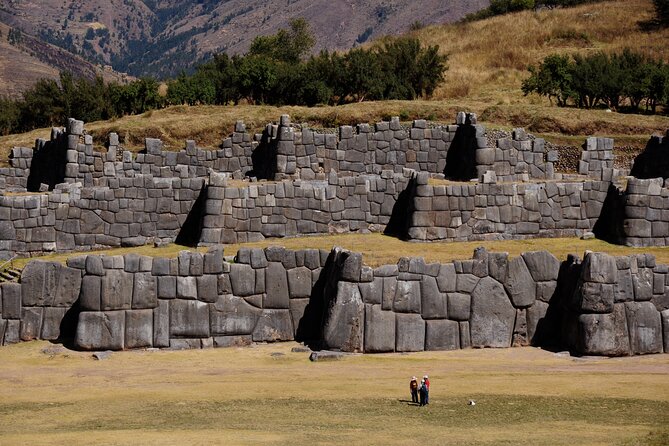
The vehicle is an air-conditioned minivan, and the maximum group size is 14. That is a useful middle ground. You get shared-tour pricing without the scale of a large coach, and the vehicle can move directly between the archaeological sites.
The guide provides live service in English and Spanish. Several departures have been especially praised for clear explanations and personal attention. Henry reportedly handled a group with one non-Spanish speaker by giving extra explanations, while guides such as Ana, Jose Aguilar, Yuber, Robinson, Alex, River, and Marínés have been singled out for friendly, informative service.
Still, do not assume every departure will feel the same. A small group does not guarantee a slow pace or strong historical commentary. If your guide spends more time posing people for photographs than explaining the site, ask direct questions. This is particularly important at Sacsayhuaman, where a few extra minutes can change the visit.
The prebooked admission is another practical plus. You avoid standing in ticket lines and can move through the four included sites as a planned route. Bring your passport, since the admission information identifies the ticket as a passport ticket for the Sacsayhuaman Archaeological Park.
The textile shop issue
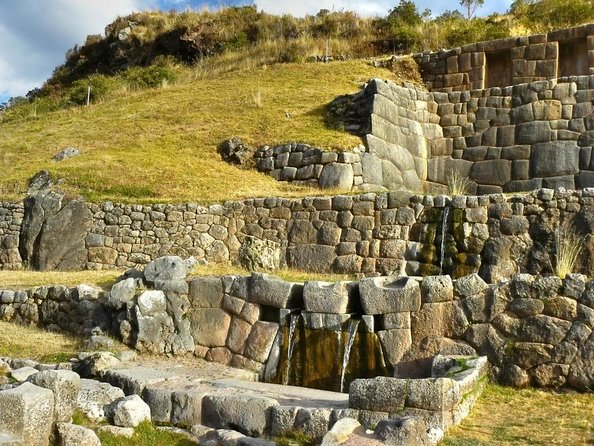
The stated sightseeing plan ends with the four archaeological sites and a return to Cusco. Yet some departures have included a 20 to 30 minute stop at an alpaca or textile shop.
There is a useful side to this visit. You may learn how alpaca, baby alpaca, vicuña, llama, wool, and synthetic fibers differ. But the stop can also involve a hard sell, and it takes time away from Sacsayhuaman or Puca Pucara. One traveler also reported an unexpected card surcharge when buying a scarf.
My advice is simple: ask at the start if a shop stop is planned. If shopping is not your aim, say so politely and ask whether the time can be used at an archaeological site instead. Do not feel that you must buy anything. If you do shop, confirm the price and any card fee before paying.
This is the main reason I would not choose the tour for someone who wants every minute devoted to ruins. It is also the clearest point to settle before departure.
Weather, walking, and what to bring
You will walk on uneven stone paths, steps, and open ground. The tour is suitable for most people, but rain can make the rocks slick and the climbs more demanding.
Cusco’s strong sun can catch you off guard, even when the air feels cool. Bring sunscreen and a hat. A rain jacket or compact umbrella is useful in wet weather, and comfortable shoes matter more than stylish footwear.
Keep water with you and allow a little patience for the altitude. The tour information does not give a specific altitude figure, but the sites sit in the mountains around Cusco. Move at a steady pace, and tell your guide if you need a short pause.
Should you book this half-day tour?
Book it if you want a convenient first look at four important sites, prefer hotel transport, and value a bilingual guide. The early start, included tickets, small vehicle, and strong potential at Sacsayhuaman make $69 a reasonable price for a short morning.
Choose another option if you want detailed history at every stop, complete control over timing, or no shopping detour. A taxi and separate site visits can give you more freedom, while a private guide may be better for serious archaeology.
My best use of this tour would be early in a Cusco stay. You get a clear introduction to the sites, learn what deserves a return visit, and still have the afternoon free. Before you set off, confirm the 8 a.m. pickup, ask about the shop stop, and make clear that you want real time among the ruins. With a good guide, this is an easy and worthwhile introduction to the Inca sites above Cusco.
FAQ
What time does the tour start?
The scheduled start time is 8 a.m.
How long does the tour last?
The experience is advertised at about three hours. The listed site visits total roughly three hours and 15 minutes, and some departures have lasted closer to four hours.
Which archaeological sites are included?
The tour includes Sacsayhuaman, Q’enqo, Puca Pucara, and Tambomachay.
Is hotel pickup and drop-off included?
Yes. Hotel pickup and drop-off are included, but some hotels are in areas where vehicles are not permitted. In that case, pickup may require meeting at an accessible nearby point.
Is transportation provided between the sites?
Yes. You travel between the sites in an air-conditioned minivan.
Is the tour offered in English?
Yes. Live guiding is provided in both English and Spanish.
How large is the group?
The tour has a maximum of 14 participants.
Are admission tickets included?
Yes. Admission to the four archaeological sites in the Sacsayhuaman Archaeological Park is included.
Can I cancel for a full refund?
You can cancel at least 24 hours before the experience start time for a full refund. Changes or cancellations made less than 24 hours in advance are not accepted for a refund.
Just added around Cusco
- Waqrapukara 1 day trekking + meals★ 3.9 · 3 reviews
- Zipline over the Sacred Valley Trip★ 5.0 · 11 reviews
- Valle Sur Cusco | half day★ 4.3 · 3 reviews
- Visit to the Cochahuasi Animal Sanctuary with rescued animal★ 4.1 · 4 reviews
- Visit Pisac from Cusco: Private Transport★ 4.6 · 9 reviews
- Maras and Huaypo lagoon by ATV from Cuzco | Local Operator★ 4.7 · 4 reviews
- Trek to Humantay Lake from Cusco★ 4.9 · 8 reviews
- Trek to Choquequirao 4 days★ 3.8 · 4 reviews
Sacsayhuaman Tours, compared.
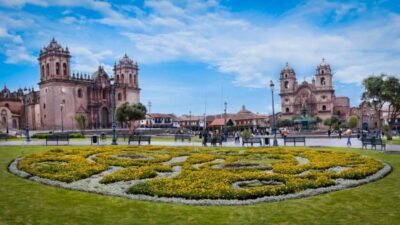
Half-Day City Tour with Sacsayhuaman and Q’enco
Read our review →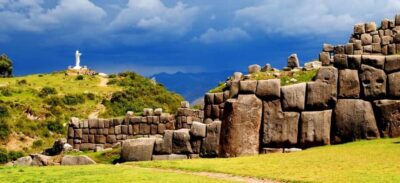
City Tour Cusco Qoricancha Sacsayhuaman y Tambomachay
Read our review →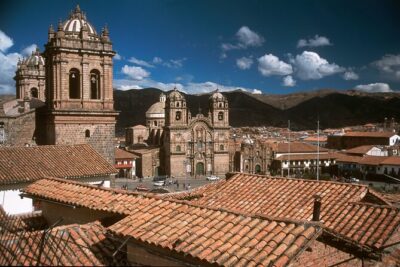
Cusco City Sightseeing and Sacsayhuaman Archeological Park Tour
Read our review →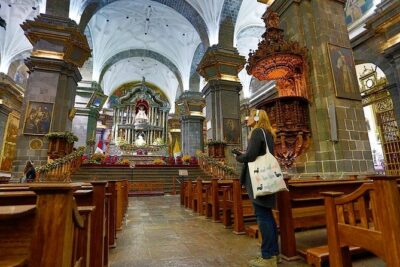
Cusco 4-Hour Private Tour Including Sacsayhuaman and Qenqo
Read our review →
Private Cusco City Tour with Sacsayhuaman & Inca Sites
Read our review →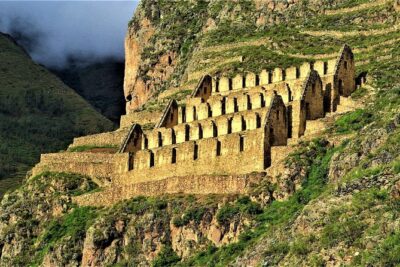
Cusco City Tour with Sacsayhuaman & Inca Sites – Small Group
Read our review →
Horseback Riding Plus Tour to Sacsayhuaman, Quenqo, Puka Pucara and Tambomachay
Read our review →
Half day Horseback Riding tour around Sacsayhuaman park
Read our review →Browse the lists this tour appears in