
Reviewed · SACSAYHUAMAN TOURS
City Tour Cusco Qoricancha Sacsayhuaman y Tambomachay
Cusco’s best introduction may be its old stones, and this tour strings together the city’s key Inca sites in one half-day. You begin at Qorikancha, the former Temple of the Sun, then ride uphill to Sacsayhuamán, Qenqo, Puka Pukara, and Tambomachay. It gives you the big picture fast, before you spend days sorting out Inca walls from Spanish churches.
I like the mix of serious archaeology and sweeping Cusco views, and I like that the guides, including Nilo, Erick, Manuel, Sergio, and others, often add local stories, photos, music, or help with group pictures. The main catch is cost clarity: the $13 tour price does not include Qorikancha’s S/20 entrance or the S/70 Cusco Tourist Ticket, and bilingual commentary may lean more heavily toward Spanish.
In This Review
- Key points at a glance
- Why this five-hour route works in Cusco
- Qorikancha, where Inca gold met Spanish stone
- Sacsayhuamán and the great fitted blocks
- Qenqo’s altars and carved rock
- Puka Pukara, the watch post beside the road
- Tambomachay and the continuing water
- The walk back to Cusco’s historic center
- Guide quality and language balance
- What the $13 price really means
- Practical advice for a smoother outing
- Who should book this Cusco tour?
- Should you book it?
- FAQ
- How long does the Cusco city tour last?
- Where does the tour meet?
- Where does the tour finish?
- Which sites are included?
- Are entrance tickets included?
- What languages are available?
- Can I cancel or pay later?
Key points at a glance
- Qorikancha connects two eras: See the Inca Temple of the Sun and the Santo Domingo Convent built over its foundations.
- Sacsayhuamán brings the famous stonework: Huge fitted blocks and broad views make this the visual high point of the tour.
- Four outlying sites come by shared vehicle: Qenqo, Puka Pukara, and Tambomachay are easier to visit together than independently.
- Guides shape the experience: Nilo, Erick, Manuel, Sergio, and other guides have been praised for clear explanations, energy, and patience with questions.
- The timing works well early in your stay: You get a useful orientation to Cusco before choosing later walks and day trips.
- Budget carefully for admissions: The advertised $13 price excludes the main site tickets.
Why this five-hour route works in Cusco
Cusco is not a city you understand from one plaza or one museum. Its Inca foundations, Spanish churches, steep streets, and surrounding ceremonial sites all form one story. This route lets you see those layers in a sensible order.
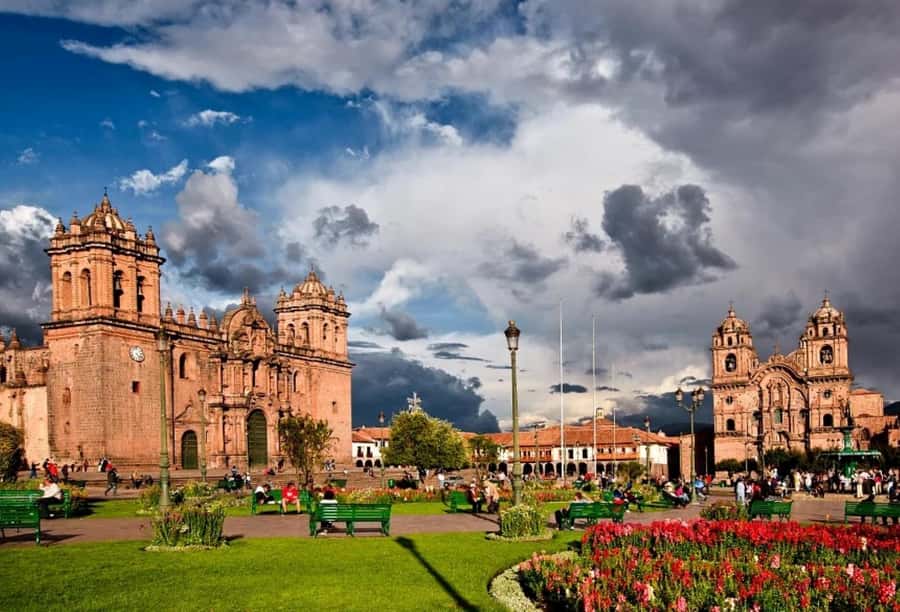
The morning departure runs from 9:00 AM to about 2:00 PM. The afternoon option begins at 1:00 PM and ends around 6:30 PM. You meet beside the fountain in the Plaza de Armas, next to the Inca monument, at coordinates -13.516772, -71.9787231. Arrive 10 minutes early, since the group starts with an introduction and then walks through the square.
I would book this near the start of a Cusco visit. It helps you recognize the city’s main landmarks, understand why the old streets are laid out as they are, and spot places worth returning to on foot. One guide, Condor, was praised for giving the group a lively introduction, while another guide, Eric, added a stop at a musical instrument shop and played several instruments. Those touches can make the route feel less like a string of ruins and more like an introduction to present-day Cusco.
The route includes shared tourist transport. That matters because the four outer sites sit uphill and outside the compact historic center. You still walk at each stop, but you do not have to arrange separate taxis or work out the order yourself.
More sacsayhuaman tours in Cusco:
- Cusco: Half-Day City Tour with Sacsayhuaman and Q’enco
★ 4.6 · 1,129 reviews - Cusco City Sightseeing and Sacsayhuaman Archeological Park Tour
★ 4.5 · 101 reviews - Cusco 4-Hour Private Tour Including Sacsayhuaman and Qenqo
★ 5.0 · 77 reviews
Qorikancha, where Inca gold met Spanish stone
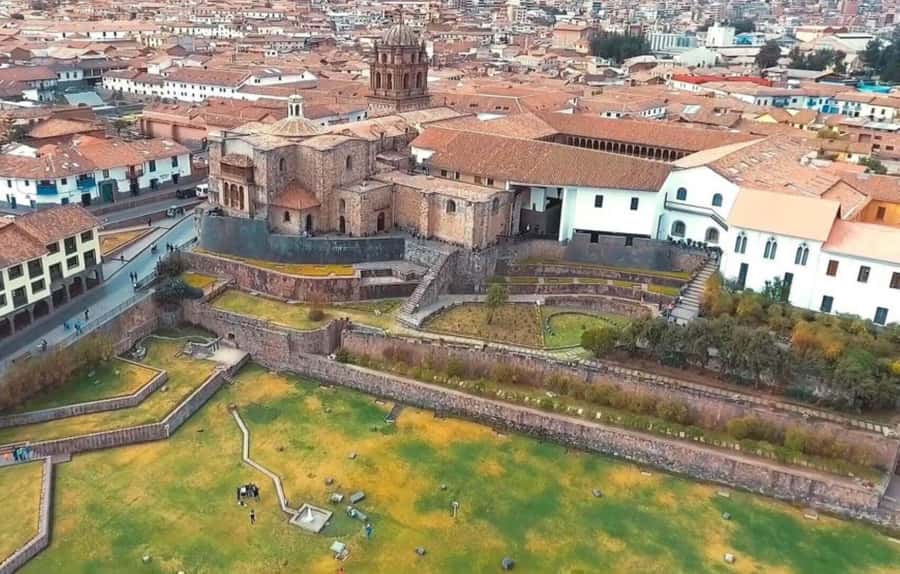
The first major stop is Qorikancha, also spelled Coricancha or Qoricancha. The visit lasts about 40 minutes, including a guided explanation, sightseeing, and time for photographs.
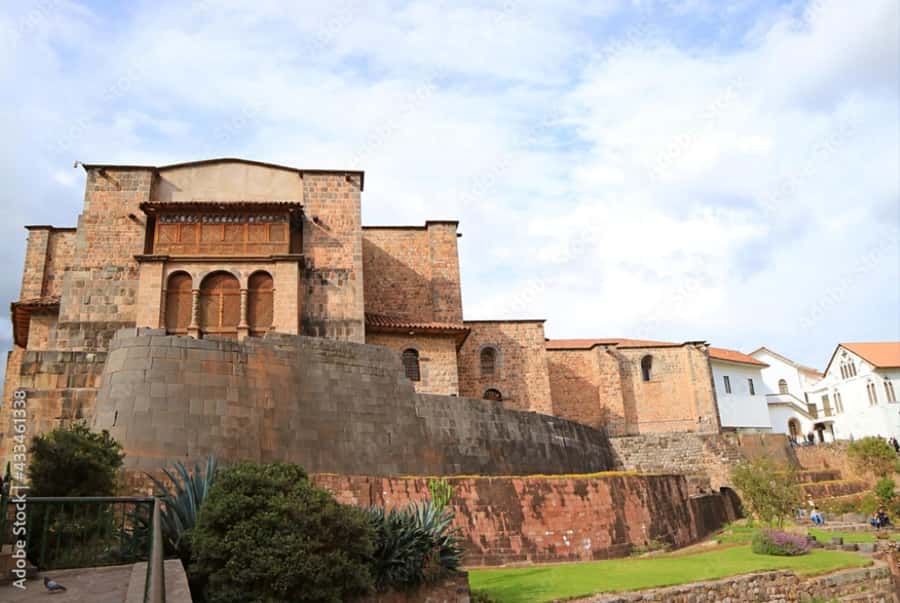
This was the most important religious center of the Inca Empire and was dedicated to the worship of the sun. Your guide explains its ceremonial role and points out the finely worked stone walls. The key lesson here is not simply that the stones fit tightly. It is that the Inca built a sacred center whose importance was later reused by the Spanish.
The Santo Domingo Convent now occupies the site and was built on the Inca foundations. That pairing gives Qorikancha its special force. You are not looking at an untouched Inca temple, but at a place where conquest, religion, architecture, and memory are all visible at once.
The admission is extra. Budget S/20 for Qorikancha. Your guide can explain the site, but the ticket still comes from your own pocket, so include it when comparing the tour price with other Cusco options.
Sacsayhuamán and the great fitted blocks
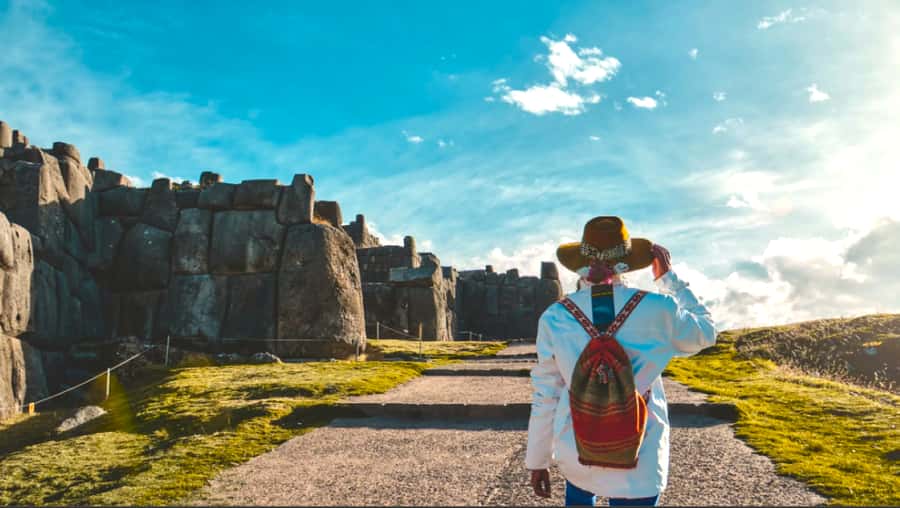
After Qorikancha, the group rides for about 25 minutes to Sacsayhuamán. You have roughly 40 minutes there for the visit, guided talk, photographs, free time, and a short walk.
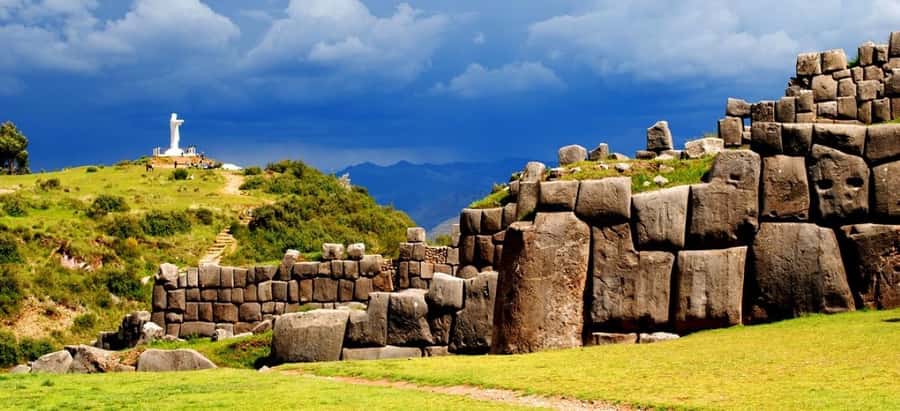
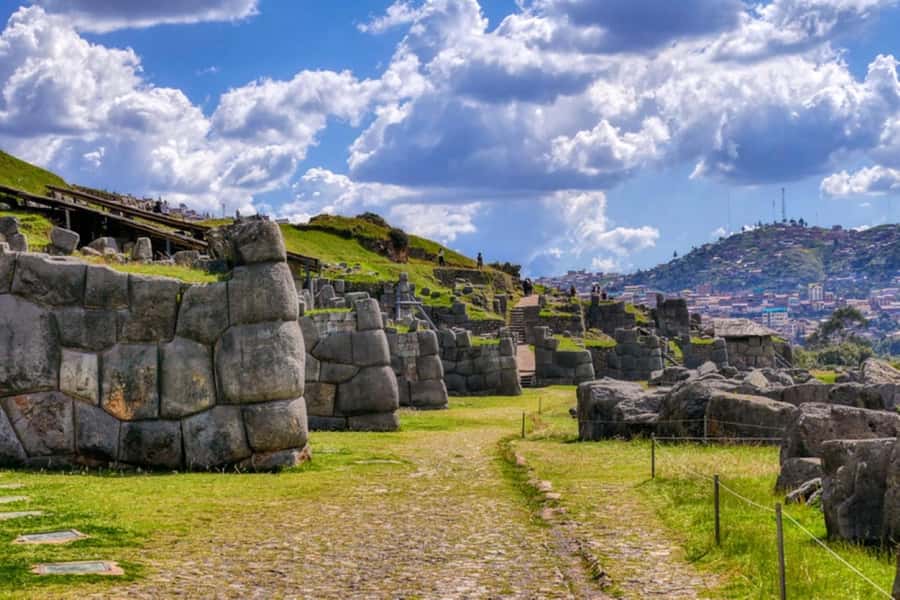
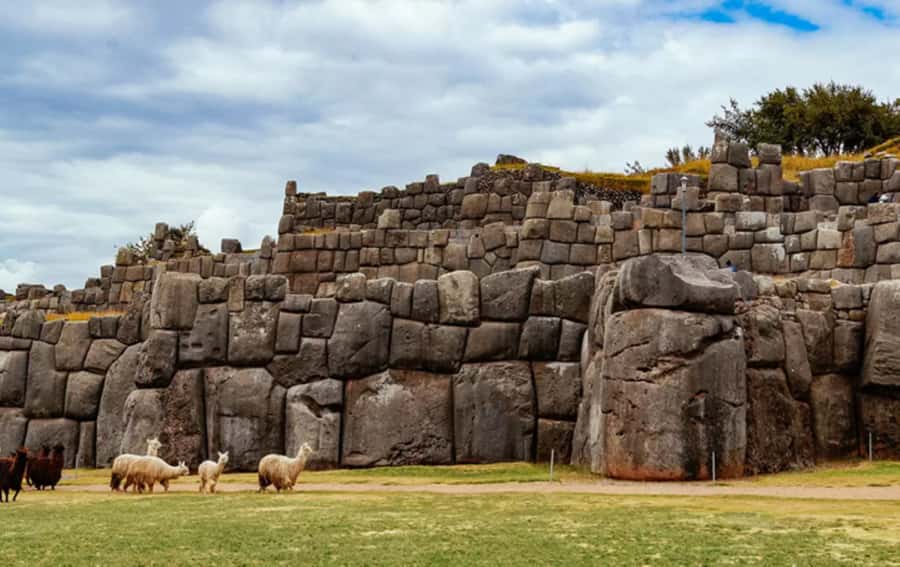
This is the stop most likely to make you reach for your camera. The fortress and ceremonial complex is known for immense blocks fitted together with remarkable precision. Your guide also explains its strategic and ceremonial roles, which helps you see beyond the familiar postcard view.
The site sits above Cusco, so the outlook back toward the city is one of the tour’s rewards. It also means you should take the altitude seriously. Cusco is high, and this route includes uphill sites, walking, and open areas under strong sun. Go at a steady pace, drink water, and keep your first day’s expectations sensible.
The 40-minute stop is enough for the main explanation and photographs, but not for a slow, detailed exploration of every path. If you are fascinated by Inca engineering, you may want to return later with more time. For a first visit, the short stop works well because the tour still has three more archaeological sites ahead.
The S/70 Cusco Tourist Ticket is also not included. The supplied details list it as an additional cost, so check the current ticket rules and carry cash. Do not assume the $13 covers entry to every ruin.
Qenqo’s altars and carved rock
The next drive takes about 10 minutes, followed by a 25-minute visit to the Qenqo Archaeological Complex. Here the focus shifts from huge defensive-looking walls to ritual spaces, rock formations, altars, and underground passages.
Qenqo can be harder to understand at a glance. Much of its meaning comes from how the stone was shaped and used, not from towering buildings. This is where a strong guide makes a real difference. Guides such as Nilo and Manuel have been praised for explaining Inca culture with patience and clear stories, while other guides have used picture books to connect the surviving remains with historical images and interpretations.
Expect a guided walk and time for photographs, but not a long archaeological study. Wear shoes you can walk in and keep your daypack light. The route includes several stops, and you will enjoy it more if you are not carrying a heavy bag or trying to manage loose clothing in the wind.
A few more Cusco trips to weigh up
- Cusco: Sightseeing Tour of the City on an Open-Top Bus
★ 4.0 · 481 reviews - Open Bus Cusco City Tour
★ 4.5 · 219 reviews - Cusco: City Tour | Half-Day Tour to 4 Archaeological Sites
★ 4.6 · 206 reviews - City Tour in Cusco & visit Museum South American Camelid Private.
★ 5.0 · 147 reviews
Puka Pukara, the watch post beside the road
Puka Pukara follows a 15-minute ride from Qenqo. The visit lasts about 20 minutes and includes a guided explanation, photographs, and views along the route.
Puka Pukara is described as a military and control post, as well as a resting place for Inca travelers. Its terraces and defensive structures make more sense when you think of the site as part of a wider road system. It was not an isolated ruin. It helped manage movement through the region.
This is a shorter stop, so expect a focused visit rather than a long wander. The compact timing is useful if you want to see all five major locations in one outing. It is less satisfying if you prefer to sit quietly at one site and study every wall.
The journey itself adds value. The road links these places physically, and the views on the way help you see how the sites relate to Cusco. Your guide may also point out details you would miss from a taxi window.
Tambomachay and the continuing water
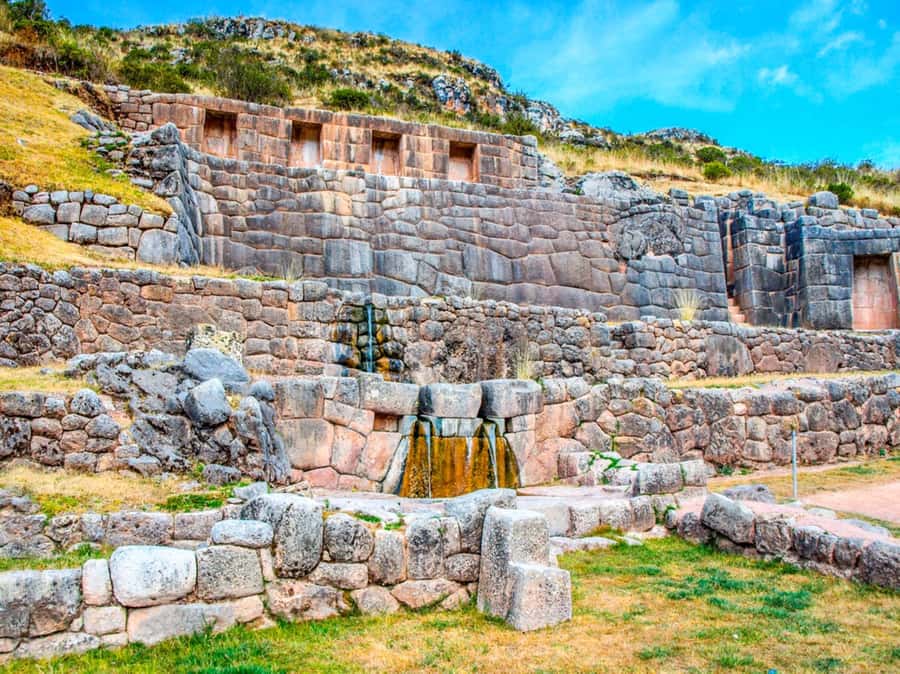
The route reaches Tambomachay after about five minutes on the road from Puka Pukara. You have around 20 minutes for the visit, photographs, a guided talk, free time, and scenic views.
Tambomachay is known as the Inca Baths and was devoted to the worship of water. Channels and fountains still flow through the site. That running water gives it a different mood from Sacsayhuamán and Qenqo, where the stonework is the main subject.
I like this as the final archaeological stop because it rounds out the story. You have seen religion at Qorikancha, power and construction at Sacsayhuamán, ritual spaces at Qenqo, and road control at Puka Pukara. Tambomachay adds the Inca respect for water and the natural setting.
The 20-minute visit is enough to see the fountains and hear the explanation. Again, it is not a private, slow-paced archaeological tour. You are covering a lot of ground, and the benefit is range.
The walk back to Cusco’s historic center
After Tambomachay, the vehicle ride back takes about 30 minutes, and the tour ends at Plaza Regocijo or a nearby point in the historic center. This is useful because you finish close to restaurants, hotels, and the central streets rather than at the final ruin.
The published route includes a short walk in the Plaza de Armas, a 25-minute drive to Sacsayhuamán, then shorter rides between the other sites. The actual day may feel more like a blend of walking, sitting in the vehicle, and standing at viewpoints than a nonstop walking tour.
Some guides have added small extras, such as a Pisco sour at the end, a llama keychain, chocolate, or a brief local product stop. These additions are not stated as guaranteed inclusions, so treat them as possible extras rather than part of the core package. One useful caution: a few outings included shops, and not every visitor wanted those stops. If shopping is not your interest, ask your guide what is planned.
Guide quality and language balance
The strongest part of this experience is the guide. Names that appear repeatedly in the supplied feedback include Nilo, Erick or Eric, Manuel, Sergio, Condor, Rudy, Kali, Ernesto, and Emanuel. You may not receive a particular guide, but the pattern is clear: the experience depends heavily on who leads your group.
Nilo has been praised for excellent English, patience, enthusiasm, photographs, and detailed explanations. Erick is described as funny, energetic, and easy to understand. Sergio helped one visitor use the outing as a first orientation to Cusco, while Rudy kept a group spanning three generations engaged. Those are useful clues if you are choosing a general city tour rather than a specialist archaeology visit.
English and Spanish are offered, with audio guides in both languages. Still, bilingual tours can split the group’s attention. One English-speaking couple felt the commentary ran about 65 percent Spanish and 35 percent English. If you need equal language coverage, confirm this before booking and stay near the guide.
The guide may use photographs or a picture book to explain buildings and customs. That can help when only foundations, walls, or carved rock remain. You should also feel free to ask questions. The strongest accounts describe guides who made time for them rather than rushing from one stop to the next.
What the $13 price really means
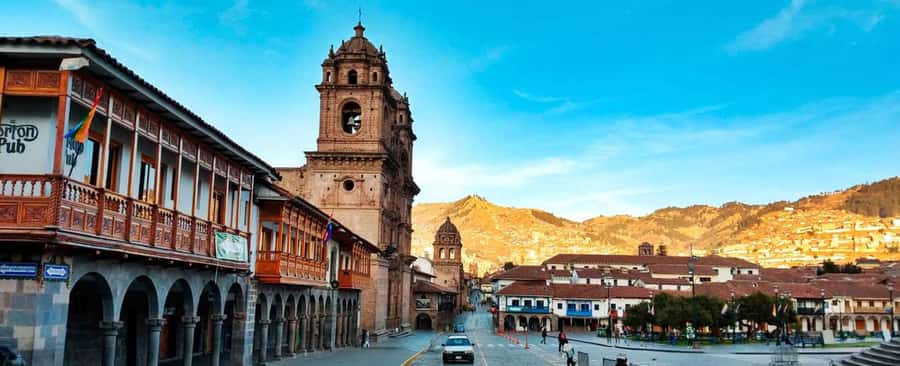
At $13 per person, the tour looks inexpensive for five hours, a guide, shared transport, and several major sites. It can be a very good deal if you want a broad first look at Cusco without arranging taxis and admissions yourself.
But the headline price is not your full spend. Add S/20 for Qorikancha and S/70 for the Cusco Tourist Ticket, according to the supplied details. Carry cash in soles. The final amount remains reasonable for the amount of ground covered, but you should compare the total, not just the booking price.
There is also some confusing language around the experience being free or tip-based. Several people described a free walking tour and said a voluntary contribution of around 30 to 35 soles was expected or commonly given. The product information here gives a $13 price and includes vehicle transport to the outer sites. Confirm the exact payment structure and what your booking includes before you commit, especially if the same operator offers more than one Cusco tour.
Free cancellation up to 24 hours before departure and reserve-now, pay-later booking make the plan easier to adjust. Those policies are useful when altitude, weather, or a changing Machu Picchu schedule affects your time in Cusco.
Practical advice for a smoother outing
Meet beside the central fountain in the Plaza de Armas 10 minutes early. Bring your passport or ID, sunglasses, a sun hat, sunscreen, a camera, comfortable clothing, cash, and a daypack.
The rules prohibit weapons, sharp objects, drones, alcohol, drugs, fireworks, fires, littering, nudity, and disruptive noise. Loose clothing and crutches are also listed as not allowed. If any of those restrictions affect you, ask the provider before departure rather than arriving with an item that cannot enter a site.
The information is inconsistent about wheelchair access. One section says the activity is wheelchair accessible, while another says it is not suitable for wheelchair users. The route includes archaeological complexes, walks, uneven ground, and uphill locations, so you should confirm current conditions directly before booking if accessibility is important.
You should also carry identification with at least six months of passport validity, as stated in the booking information. Follow the departure time shown on your confirmation, since morning and afternoon schedules are fixed.
Who should book this Cusco tour?
I would choose it for a first or second day in Cusco, especially if you want context before tackling the Sacred Valley or Machu Picchu. It suits solo visitors, couples, families, and mixed-age groups who want an organized route with a live guide and transport.
It is also a good fit if you enjoy stories, architecture, and cultural background more than long stretches of independent exploration. The guides are often praised for energy and for answering questions, and some add local music, drinks, or small treats.
I would hesitate if you want a quiet private tour, equal English and Spanish commentary, or a long time at each ruin. The group format, shared vehicle, short site visits, extra admissions, and possible shop stops may feel limiting. Visitors with mobility concerns should get a clear answer about access before paying.
Should you book it?
Book this tour if you want an efficient orientation to Cusco and its Inca sites at a low starting price. The best reasons are the broad route, strong guide reports, shared transport, and the chance to see Qorikancha, Sacsayhuamán, Qenqo, Puka Pukara, and Tambomachay in one half-day.
Before booking, confirm the final cost, language balance, meeting instructions, and accessibility. If those points suit you, this is a practical way to get your bearings fast and leave with a much clearer sense of how Cusco’s city center connects to the ruins above it.
FAQ
How long does the Cusco city tour last?
The listed duration is five hours. The morning shift runs from 9:00 AM to approximately 2:00 PM, and the afternoon shift runs from 1:00 PM to approximately 6:30 PM.
Where does the tour meet?
The meeting point is beside the fountain in Cusco’s Plaza de Armas, next to the Inca monument. The listed coordinates are -13.516772, -71.9787231.
Where does the tour finish?
The tour ends at Plaza Regocijo or at a nearby point in Cusco’s historic center.
Which sites are included?
The route includes the Plaza de Armas, Qorikancha, Sacsayhuamán, Qenqo, Puka Pukara, and Tambomachay.
Are entrance tickets included?
No. Qorikancha costs S/20, and the Cusco Tourist Ticket costs S/70 according to the supplied information.
What languages are available?
The live guide and audio guide are available in English and Spanish. Bilingual commentary may not always be split equally, so confirm the language arrangement if you need it.
Can I cancel or pay later?
You can cancel up to 24 hours in advance for a full refund. Reserve-now, pay-later booking is also available, subject to the booking conditions.
Just added around Cusco
- Waqrapukara 1 day trekking + meals★ 3.9 · 3 reviews
- Zipline over the Sacred Valley Trip★ 5.0 · 11 reviews
- Valle Sur Cusco | half day★ 4.3 · 3 reviews
- Visit to the Cochahuasi Animal Sanctuary with rescued animal★ 4.1 · 4 reviews
- Visit Pisac from Cusco: Private Transport★ 4.6 · 9 reviews
- Maras and Huaypo lagoon by ATV from Cuzco | Local Operator★ 4.7 · 4 reviews
- Trek to Humantay Lake from Cusco★ 4.9 · 8 reviews
- Trek to Choquequirao 4 days★ 3.8 · 4 reviews
Sacsayhuaman Tours, compared.
Half-Day City Tour with Sacsayhuaman and Q’enco
Read our review →
Cusco City Sightseeing and Sacsayhuaman Archeological Park Tour
Read our review →
Cusco 4-Hour Private Tour Including Sacsayhuaman and Qenqo
Read our review →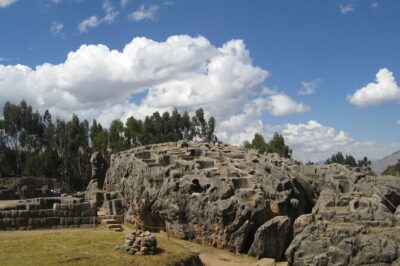
Sacsayhuaman Temple, Tambomachay and Puca Pucara Half-Day Tour
Read our review →
Private Cusco City Tour with Sacsayhuaman & Inca Sites
Read our review →
Cusco City Tour with Sacsayhuaman & Inca Sites – Small Group
Read our review →
Horseback Riding Plus Tour to Sacsayhuaman, Quenqo, Puka Pucara and Tambomachay
Read our review →
Half day Horseback Riding tour around Sacsayhuaman park
Read our review →Browse the lists this tour appears in