
Reviewed · SACSAYHUAMAN TOURS
Cusco City Tour with Sacsayhuaman & Inca Sites – Small Group
Cusco’s best first lesson is written in stone. This half-day tour links the Plaza de Armas, Coricancha, and Sacsayhuaman with four nearby Inca sites, giving you a clear picture of how the city grew from imperial capital to Spanish colonial center.
I like the small maximum of 16 people, which should make it easier to hear the guide and ask questions. I also like the efficient mix of walking and vehicle travel: you see the old city on foot, then reach the hilltop ruins without trying to sort out local transport yourself. The main consideration is pace. Six stops in four to five hours means you get an excellent overview, but not a slow, detailed visit at every site.
In This Review
- Key points to know
- Why this route works for a first look at Cusco
- Starting in the Plaza de Armas and Loreto Street
- Coricancha, where gold and stone meet
- Sacsayhuaman and the great zigzag walls
- Qenko, a ceremonial site carved from rock
- Puka Pukara, the small checkpoint above Cusco
- Tambomachay and the sound of running water
- What the $98 price really covers
- Timing, fitness, and the afternoon light
- How the guiding can shape the day
- Who should book this Cusco tour?
- Should you book it?
- FAQ
- How long does the Cusco City Tour last?
- What time does the tour start?
- Where does the tour begin?
- Where does the tour end?
- Is hotel pickup included?
- What entrances are included?
- Is the Cusco cathedral included?
- How large is the group?
- Can I cancel for a full refund?
Key points to know
- Coricancha reveals two layers of Cusco: the Inca Sun Temple and the Santo Domingo convent built above it.
- Sacsayhuaman supplies the tour’s biggest visual moment, with huge zigzag walls and wide views over Cusco.
- Qenqo, Puka Pukara, and Tambomachay add ritual, military, and water-related sites to the city tour.
- The group is capped at 16 people, a useful middle ground between a private tour and a large bus outing.
- The $98 price includes several important admissions and transport help, but not the cathedral or food.
- The listed start time is 1:00 pm, although the description also refers to morning or afternoon choices, so confirm your departure when booking.
Why this route works for a first look at Cusco
Cusco can feel confusing at first. Colonial churches sit over Inca foundations, old stone lanes rise and twist away from the main square, and the major ruins are scattered on the hills above town.
This tour gives you the framework before you tackle longer trips into the Sacred Valley or Machu Picchu. In roughly half a day, you see the city center, the most important surviving Inca temple in Cusco, and the four sites covered by the first tourist-ticket circuit.
I especially like the order. You begin in the Plaza de Armas, where the history is layered in plain sight. Then you move through Coricancha before heading uphill to Sacsayhuaman and the smaller ruins nearby.
The route is not designed for long independent exploration. At each stop, expect about 30 minutes. That is enough for an explanation, photographs, and a quick look around, but you may want a separate return visit to the sites that interest you most.
More sacsayhuaman tours in Cusco:
- Cusco: Half-Day City Tour with Sacsayhuaman and Q’enco
★ 4.6 · 1,129 reviews - City Tour Cusco Qoricancha Sacsayhuaman y Tambomachay
★ 4.7 · 617 reviews - Cusco City Sightseeing and Sacsayhuaman Archeological Park Tour
★ 4.5 · 101 reviews
Starting in the Plaza de Armas and Loreto Street
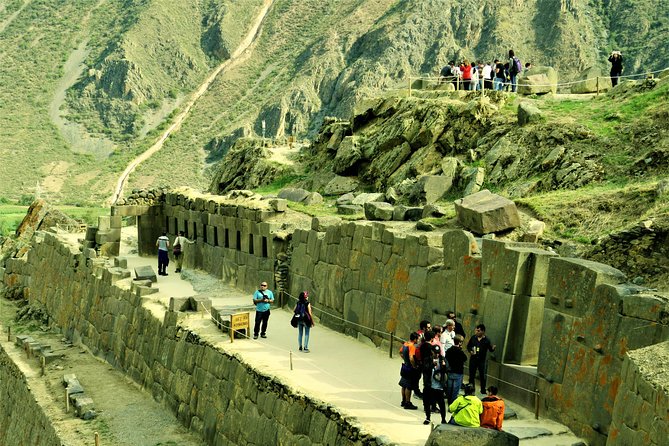
The tour begins at 1:00 pm in Cusco’s main square. The Plaza de Armas was once the central ceremonial area of the Inca capital, and your guide points out the colonial and Inca buildings around it.
This opening stop helps you read Cusco properly. The square is not simply a pretty colonial plaza. It sits at the heart of a city planned by the Incas and later reshaped by Spanish rule.
From there, you walk to the famous 12 Angled Stone. Its carefully fitted edges show the precision of Inca masonry, where stones were shaped to lock together without mortar.
The walk continues along Loreto Street, one of the clearest places to see original Inca walls running beneath later buildings. This is a short but valuable introduction to Cusco’s urban design.
The practical drawback is foot traffic and uneven streets. The tour requires a moderate level of fitness, so wear shoes with a firm grip and expect some walking on stone surfaces.
Coricancha, where gold and stone meet
Coricancha was the Inca Empire’s most important temple dedicated to the Sun. The Spanish built the Santo Domingo convent directly over its foundations, creating one of Cusco’s most striking examples of architectural conflict and adaptation.
Inside, you can compare the exact Inca stonework with the colonial structure above it. The contrast is the point. The Inca walls are tightly fitted and slightly angled, while the later buildings reflect Spanish religious design.
Your guide explains Coricancha’s role in ceremony, worship, and astronomy. The temple was once covered in gold, though the surviving attraction today is the stonework and the evidence of how the original complex was used.
Admission to Coricancha is included, which strengthens the tour’s value. The visit also gives you context for other Inca sites you may see later in Peru. You are not just looking at impressive stones. You are learning how religion, power, and city planning were tied together.
Allow about 30 minutes here. That is a brisk visit, especially if you want photographs, but a guide can help you focus on the most important rooms and details.
Sacsayhuaman and the great zigzag walls
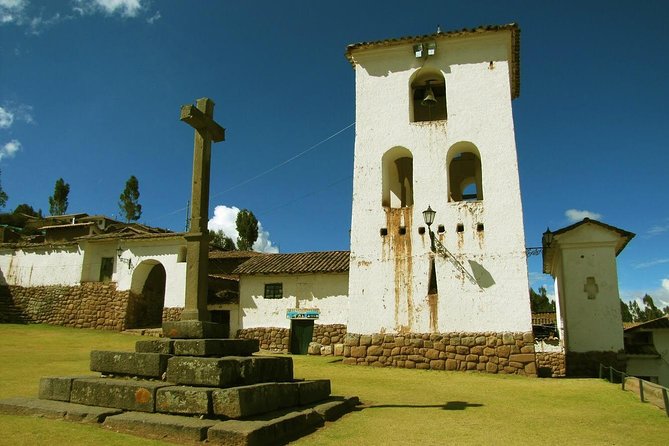
A vehicle takes you uphill to Sacsayhuaman, the largest and most dramatic ruin on this route. The site overlooks Cusco, so the trip also gives you a useful change in altitude and broad views of the city and surrounding mountains.
The enormous zigzag walls are the main event. Massive stones fit together with remarkable accuracy, and the scale is difficult to grasp from photographs. Your guide covers the site’s role in battles, ceremonies, and the annual Inti Raymi festival.
Sacsayhuaman is also the place where the tour feels most open. After the lanes and walls of central Cusco, you have room to look across the city and understand its position in the Andes.
You get about 30 minutes here. I would prefer longer, since this is the site most people will remember, but the time allows the tour to continue to four additional locations.
The partial tourist ticket for Circuit I is included. It covers Sacsayhuaman, Qenko, Puka Pukara, and Tambomachay. That saves you the trouble of arranging separate admissions and makes the $98 cost easier to assess.
A few more Cusco trips to weigh up
- Cusco: Sightseeing Tour of the City on an Open-Top Bus
★ 4.0 · 481 reviews - Open Bus Cusco City Tour
★ 4.5 · 219 reviews - Cusco: City Tour | Half-Day Tour to 4 Archaeological Sites
★ 4.6 · 206 reviews - City Tour in Cusco & visit Museum South American Camelid Private.
★ 5.0 · 147 reviews
Qenko, a ceremonial site carved from rock
Qenko is smaller and more puzzling than Sacsayhuaman. Its name means zigzag in Quechua, and the site includes carved rock, narrow passages, channels, and hidden altars.
The exact purpose of Qenko is explained through several theories. It may have served ceremonial functions, and the carved spaces suggest rituals connected with the spiritual world. Your guide’s job here is especially useful because the site does not announce its meaning as clearly as a fortress wall or water channel.
The route through Qenko can feel tight. If you dislike narrow passages, take your time and follow the guide’s instructions. The half-hour stop is enough for the main features, though it is not a full archaeological study.
This is a good example of why a guide adds value. Without context, Qenko can look like a collection of carved rocks. With an explanation of the channels, altars, and possible ritual use, the site becomes easier to picture.
Puka Pukara, the small checkpoint above Cusco
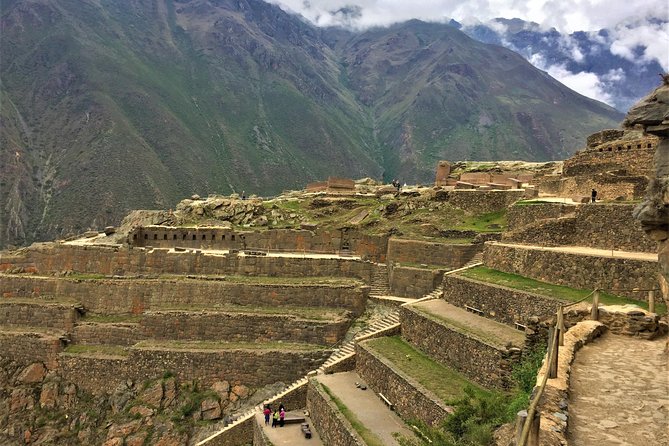
Puka Pukara means Red Fortress in Quechua. The site likely served as a military checkpoint and resting place along the route connecting Cusco with the Sacred Valley and the jungle.
It is less monumental than Sacsayhuaman, but that is part of its appeal. The terraces, walls, rooms, and lookout points show the practical side of Inca control. Roads needed checkpoints, messengers needed places to stop, and the capital needed protection.
The open position provides another chance to look across the surrounding countryside. This is a quick stop, so listen for the guide’s explanation of how the site fitted into the wider road system.
Admission is listed as free for this stop, while the partial tourist ticket covers the circuit overall. Either way, you do not need to buy a separate entry during the tour.
Tambomachay and the sound of running water
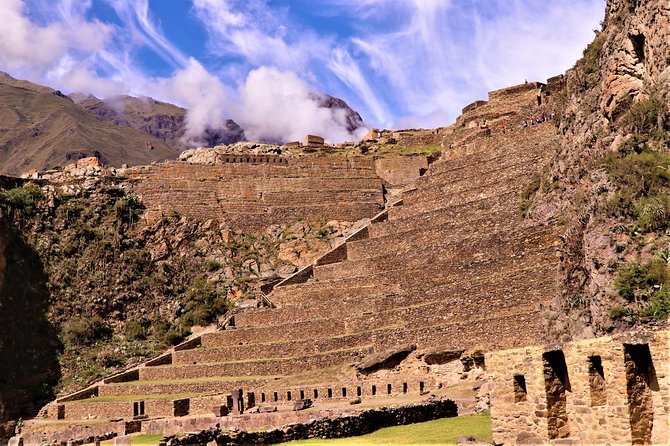
Tambomachay is the calmest stop. It is known for clear fountains, canals, aqueducts, and carefully built stonework that still carries water.
The site is often called the Inca Baths. It may have been a resting place for Inca nobility and a ceremonial site connected with water. The fountains give the stop a different mood from the military walls at Puka Pukara and the monumental blocks at Sacsayhuaman.
I like ending here. The sound of water and the open air provide a quiet final look at Inca engineering and the culture’s respect for natural forces.
Again, expect about 30 minutes. You have time for photographs and a guide’s explanation, but do not plan on lingering for a long picnic or extended walk. Meals and snacks are not included, and the tour is not built around a food stop.
What the $98 price really covers
At $98 per person, this is not the cheapest way to see Cusco. The value comes from combining a guide, transport between the city and hilltop sites, Coricancha admission, and the partial tourist ticket for Circuit I.
You are also paying for route planning. Sacsayhuaman, Qenko, Puka Pukara, and Tambomachay are close enough to combine but awkward to visit efficiently if you do not know the area. A vehicle saves time and removes the need to arrange each leg yourself.
The group limit of 16 is important. It is not a private experience, but it is small enough to keep the commentary more useful than on a large coach tour. If you want a completely flexible pace, private touring would suit you better, though it would likely cost more.
The cathedral is not included. If seeing the interior matters to you, budget for that separate entrance and confirm whether you want to visit it before or after the tour. The itinerary includes the Plaza de Armas, but not the cathedral visit itself.
Hotel pickup and drop-off are included within Cusco’s Historic Center. The stated meeting point is the Plaza de Armas, and the activity ends back there, so confirm the exact pickup arrangement if your hotel is nearby.
Timing, fitness, and the afternoon light
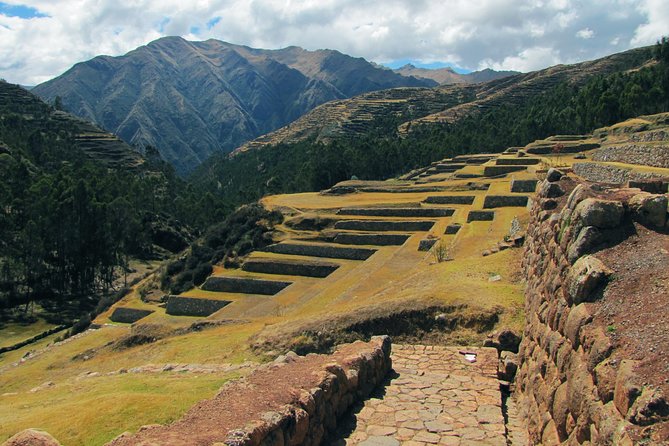
The listed start is 1:00 pm, with a total duration of about four to five hours. The description also refers to morning or afternoon departures, so check your selected time carefully.
An afternoon departure can work well if you have just arrived in Cusco and want a gentle orientation rather than a full-day outing. It also leaves the morning free for rest, especially since altitude can affect how energetic you feel.
Do not treat this as a completely easy walk. You move through central streets, visit elevated ruins, and spend time on uneven archaeological ground. A moderate fitness level is requested, and that is a fair description.
Bring water, sun protection, and a light layer. These are practical suggestions for a high-altitude city and open ruins, though food is not provided. The tour does not include travel insurance, so arrange your own coverage if needed.
How the guiding can shape the day
The sites are strong, but the guide makes the difference between a sequence of ruins and a connected story. You want clear explanations of Inca engineering, Quechua terms, colonial changes, ceremonies, and the practical role of roads and checkpoints.
TreXperience’s wider guiding team includes names such as Katia, Jennifer, Roger, and Leo, who are associated with tours covering Inca history and Quechua culture. Your assigned guide for this departure is not named in the supplied details, so do not book expecting one particular person.
What you can reasonably expect is a professional guide and a group format that permits questions. The strongest guiding approach here will explain not only what each building is, but why it was placed there and how the sites related to Cusco.
Who should book this Cusco tour?
This tour suits you if you have one or two days in Cusco and want the major city sights organized into one manageable outing. It is especially useful before a Sacred Valley trip because it gives you basic context for Inca construction, religion, and road networks.
It also suits first-time visitors who do not want to negotiate transport to the hilltop ruins. Families and couples may appreciate the four to five-hour length, while people with a strong interest in archaeology may want more time at Sacsayhuaman and Coricancha.
You should think twice if you dislike fixed schedules or prefer to explore each site at your own pace. Six stops in half a day is efficient, not leisurely.
Free cancellation is available up to 24 hours before the start time for a full refund. Changes or cancellations made less than 24 hours in advance are not accepted for a refund.
Should you book it?
Book this tour if you want a well-organized introduction to Cusco that combines the historic center with all four sites on the Sacsayhuaman circuit. The included admissions, vehicle transport, and small-group limit make $98 reasonable for a visitor who values structure and guidance.
Skip it if the cathedral is your main priority, since that entrance is extra, or if you want a private and unhurried archaeological visit. For most first-time visitors with limited time, though, this is a smart way to get your bearings and see the major Inca sites before exploring Peru on a larger scale.
FAQ
How long does the Cusco City Tour last?
The tour lasts approximately four to five hours.
What time does the tour start?
The stated meeting time is 1:00 pm at the Plaza de Armas in Cusco. The description also refers to morning or afternoon departures, so confirm your selected departure time when booking.
Where does the tour begin?
It begins at the Plaza de Armas, Cusco 08000, Peru.
Where does the tour end?
The activity ends back at the meeting point.
Is hotel pickup included?
Hotel pickup and drop-off are included for hotels in Cusco’s Historic Center. The listed meeting point is still the Plaza de Armas, so confirm the exact arrangement for your hotel.
What entrances are included?
Entrance to Coricancha is included. The partial tourist ticket for Circuit I covers Sacsayhuaman, Qenko, Puka Pukara, and Tambomachay.
Is the Cusco cathedral included?
No. Cathedral entrance and the cathedral visit are not included.
How large is the group?
The tour has a maximum of 16 travelers.
Can I cancel for a full refund?
Yes. You can cancel at least 24 hours before the experience start time for a full refund. Cancellations or changes made less than 24 hours before the start time are not accepted for a refund.
Just added around Cusco
- Waqrapukara 1 day trekking + meals★ 3.9 · 3 reviews
- Zipline over the Sacred Valley Trip★ 5.0 · 11 reviews
- Valle Sur Cusco | half day★ 4.3 · 3 reviews
- Visit to the Cochahuasi Animal Sanctuary with rescued animal★ 4.1 · 4 reviews
- Visit Pisac from Cusco: Private Transport★ 4.6 · 9 reviews
- Maras and Huaypo lagoon by ATV from Cuzco | Local Operator★ 4.7 · 4 reviews
- Trek to Humantay Lake from Cusco★ 4.9 · 8 reviews
- Trek to Choquequirao 4 days★ 3.8 · 4 reviews
Sacsayhuaman Tours, compared.
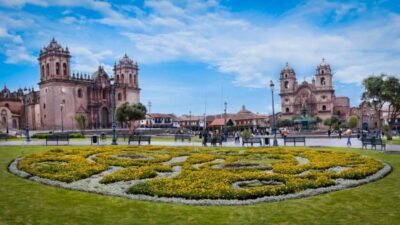
Half-Day City Tour with Sacsayhuaman and Q’enco
Read our review →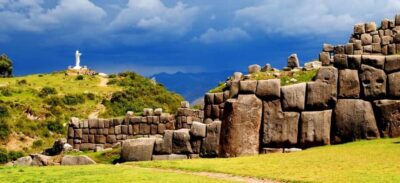
City Tour Cusco Qoricancha Sacsayhuaman y Tambomachay
Read our review →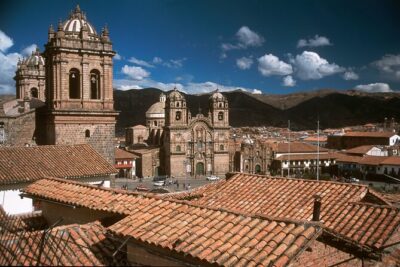
Cusco City Sightseeing and Sacsayhuaman Archeological Park Tour
Read our review →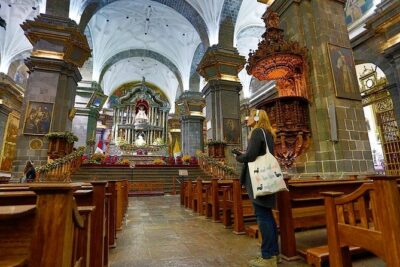
Cusco 4-Hour Private Tour Including Sacsayhuaman and Qenqo
Read our review →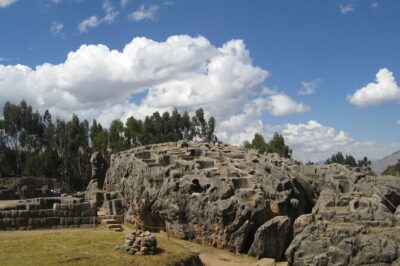
Sacsayhuaman Temple, Tambomachay and Puca Pucara Half-Day Tour
Read our review →
Private Cusco City Tour with Sacsayhuaman & Inca Sites
Read our review →
Horseback Riding Plus Tour to Sacsayhuaman, Quenqo, Puka Pucara and Tambomachay
Read our review →
Half day Horseback Riding tour around Sacsayhuaman park
Read our review →Browse the lists this tour appears in