
Reviewed · SACSAYHUAMAN TOURS
Horseback Riding Plus Tour to Sacsayhuaman, Quenqo, Puka Pucara and Tambomachay
The best part of this Cusco outing is the contrast: you inspect massive Inca stonework, then ride a calm Peruvian horse through open mountain country. I like the small-group feel, with a maximum of 15 people, and I like that guides such as Benni, Jenny, and Hogler bring clear explanations of Inca customs and architecture to each stop. The horses are matched to your riding ability, so beginners can feel secure while experienced riders may get a little more speed.
The main thing to understand is that this is not a four-hour horseback ride. Riding takes about one hour to one and a half hours, depending on the group, while a private car carries you between the archaeological sites. The Cusco Tourist Ticket is also extra, and one rider specifically found the tour expensive for what was included.
In This Review
- Key points before you book
- Why this combination works so well in Cusco
- Sacsayhuaman: huge stones above Cusco
- Puka Pukara, a smaller site with a wide view
- Tambomachay and its carefully managed water
- Qenqo, stone, ritual, and questions
- What the horseback ride is really like
- Transport, timing, and group size
- The extra cost of the Cusco Tourist Ticket
- What to wear and bring
- Who will enjoy this half-day outing
- Should you book it?
- FAQ
- How long does the horseback riding last?
- Which archaeological sites are included?
- Do the horses ride into the archaeological sites?
- Is the tour suitable for beginners?
- What is included in the $95 price?
- Is the Cusco Tourist Ticket included?
- What is the minimum age and maximum weight?
Key points before you book
- Four major sites in one half-day: Sacsayhuaman, Qenqo, Puka Pukara, and Tambomachay are visited in one organized route.
- Horse riding lasts about an hour: You ride through the hills and may see smaller ruins, but horses do not enter the main archaeological sites.
- Good for first-time riders: The horses are chosen to match your confidence and experience, with a guide and muleteer present.
- Strong guiding is a major asset: Benni, Jenny, and Hogler are praised for clear English explanations of Inca history, religion, and architecture.
- Bring money for admission: The Cusco Tourist Ticket is not included and must be paid separately.
- Pack for high-altitude weather: Wear long pants and closed shoes, carry water and sun protection, and bring a rain jacket when rain is possible.
Why this combination works so well in Cusco
Cusco’s nearby ruins are easy to visit by car, but seeing them only from the road can make the day feel like a string of quick photo stops. This tour adds a practical outdoor element. You ride along mountain paths, look back toward Cusco, and get a sense of the open country around the old Inca capital.
The cultural side is not an afterthought. Your guide accompanies you at the sites and explains how the Incas used them, including their religious customs and building methods. The best guides make space for questions and adjust their explanations to the group. Benni, in particular, is praised for answering even awkwardly phrased questions in clear English, while Hogler is noted for his grasp of Inca archaeology and Jenny for making the day feel special.
I would choose this outing if you want more than a standard city tour but do not have time for a full-day excursion into the Sacred Valley. It gives you four important places, mountain views, transport, and a riding session in roughly four hours.
More sacsayhuaman tours in Cusco:
- Cusco: Half-Day City Tour with Sacsayhuaman and Q’enco
★ 4.6 · 1,129 reviews - City Tour Cusco Qoricancha Sacsayhuaman y Tambomachay
★ 4.7 · 617 reviews - Cusco City Sightseeing and Sacsayhuaman Archeological Park Tour
★ 4.5 · 101 reviews
Sacsayhuaman: huge stones above Cusco
Sacsayhuaman is usually the most visually powerful stop. Its enormous fitted stones show the precision of Inca masonry, and its high position gives you broad views over Cusco and the surrounding mountains.
Your guide provides the historical and cultural context here, which matters because the site can be hard to understand from stone walls alone. You will hear about the Inca world, religious customs, and the role of the complex in the old capital.
Allow for walking on uneven ground and remember that Cusco sits at high altitude. Even a short visit can feel tiring if you have just arrived in Peru. Move at an easy pace, drink water, and do not treat this as a quick sprint between photo points.
Sacsayhuaman is also one reason the horseback portion must be kept separate. Horses do not ride through the main archaeological areas, since their hooves could damage the soil and historic remains. You visit the ruins on foot, then ride in the surrounding countryside.
Puka Pukara, a smaller site with a wide view
Puka Pukara is a more compact ruin, but it adds variety to the route. Its position near the old road network makes the site useful for understanding how the Inca organized movement around Cusco.
This stop is often shorter than Sacsayhuaman, which is a good thing on a four-hour schedule. You get time to look at the walls and hear the explanation without spending so long at one site that the riding portion gets squeezed.
The views are part of the appeal. Puka Pukara sits in open highland country, so you can connect the ruin with the hills, fields, and roads around it. A guide who explains the site rather than simply naming it will help you see why its location mattered.
Tambomachay and its carefully managed water
Tambomachay is known for its water channels and fountains. The site gives you a different look at Inca engineering, one based on water control rather than huge defensive-looking walls.
This is a useful stop for anyone interested in how the Incas worked with the natural setting. Your guide explains the site’s religious and practical meaning, helping you see the water features as part of a larger cultural system.
The order of the sites may vary with the day’s operations, but the stated route includes Tambomachay among the four archaeological stops. Since transport links the locations, you are not expected to walk between all of them.
A few more Cusco trips to weigh up
- Cusco: 3-Hour Horse Riding Tour to the Temple of the Moon
★ 5.0 · 105 reviews - Cusco: Half-Day Horseback Riding at Devil’s Balcony
★ 4.9 · 89 reviews - Horse Riding Chacan Mountain And Temple Of The Moon
★ 5.0 · 78 reviews - Horseback Tour in cusco to Temple of the Moon & Hidden temples
★ 5.0 · 54 reviews
Qenqo, stone, ritual, and questions
Qenqo is a carved rock complex with a more mysterious feel than the broad terraces at Sacsayhuaman. Its stone surfaces and enclosed areas invite questions about ceremony and ritual.
This is where a good guide makes a real difference. The remains do not explain themselves, and a rushed description can leave you with little more than a name. Guides on this tour explain the Inca religious setting and respond to questions, so you can place Qenqo within the wider group of sacred sites around Cusco.
Qenqo is included as a separate stop, but the whole excursion is still compact. You should expect focused visits rather than long, leisurely archaeological study. If you want hours at each location with extensive time for sketching or detailed photography, a private archaeological tour would suit you better.
What the horseback ride is really like
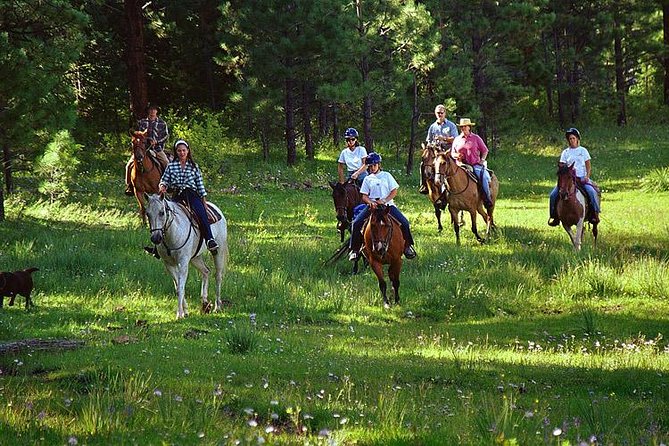
The riding session is the heart of the active part of the day. The ranch, identified as Vieja Estancia Ranch, provides the horse, saddle, and safety helmet. A riding guide leads the group, and a muleteer handles the care of the horses.
You do not need previous riding experience. The activity is suitable for beginners, and the horses are matched to each rider’s ability and confidence. That matching is important in a mixed group. A first-time rider can stay at a comfortable pace while a more experienced rider may be allowed to stretch out a little when conditions and the group permit.
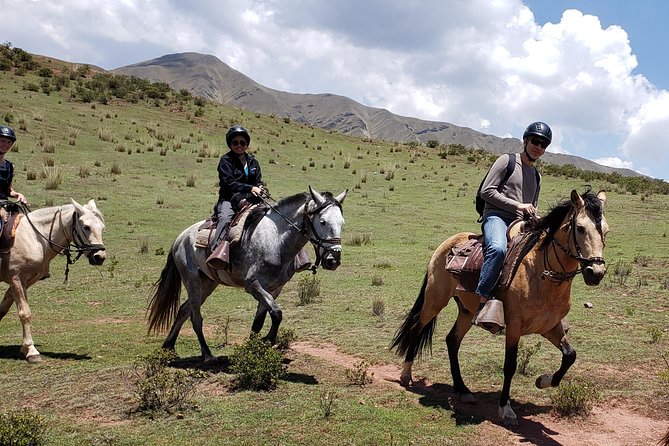
The ride generally lasts about one hour, though some descriptions from the day put it closer to an hour and a half. Plan around one hour so you are not disappointed. The trail passes through mountain scenery, fields, and areas where smaller ruins may be visible. You get the feeling of riding through the country around Cusco, not of riding directly into the principal monuments.
The horses are Peruvian, and their comfortable gait is a real advantage for a short ride. A smooth mount makes a difference when you are new to horseback riding or already feeling the effects of Cusco’s altitude. The horses are described as calm and well cared for, but you should still listen closely to the guide and avoid bringing loose valuables or jewelry.
Experienced riders should set expectations properly. This is a guided group ride, not a free gallop across the hills. One experienced rider was able to ride faster for a short time, but the group travels at the pace of the least experienced rider. That is the fair and safe way to run this kind of outing.
Transport, timing, and group size
Round-trip transport from your hotel is included in a private car. That removes the trouble of arranging separate taxis between four sites and the ranch, and it keeps the half-day schedule moving.
The experience lasts about four hours. Some of that time is spent in the car, since the sites are spread around the area near Cusco. This is not a flaw, but you should know what you are buying: it is a combined sightseeing and riding tour, not a long trail ride.
The maximum group size is 15 people. That is small enough for the guide to handle questions and for the riding staff to keep track of the group, though the feel can vary depending on how many people book that day. The horse ride itself works best when everyone respects the pace and instructions.
The tour is near public transportation, though the included private pickup is more useful for most people. Confirmation is provided at booking, and most people can take part. The minimum age is six, but a parent should still consider the child’s comfort with horses, uneven ground, and a high-altitude setting.
The extra cost of the Cusco Tourist Ticket
The listed price is $95 per person. That is not the cheapest way to see these ruins, especially because the Cusco Tourist Ticket is not included.
The separate admission charge is frustrating if you compare the tour with packages that advertise a single all-in price. The operator explains that the archaeological sites are managed by the Peruvian government, and the entrance fee is paid directly to preserve the public sites. You should confirm the current ticket amount before booking, since the supplied information gives an approximate figure of about $20 from one account rather than a fixed official price.
Still, the $95 covers more than a basic car ride. You are paying for a guide, private transport, a horse, saddle, helmet, muleteer support, and water. The ranch also requires staff and ongoing horse care. If you value a well-run riding experience and want the history explained in English, the price can be reasonable.
If your only goal is to see the ruins as cheaply as possible, this is not the best value. A standard city sightseeing option may cost less. If you want to combine four sites with a safe first horseback ride and do not want to arrange the pieces yourself, the cost makes more sense.
What to wear and bring
Your clothes can make or break the riding portion. Wear long pants, preferably jeans, and closed shoes with rubber soles or walking shoes. Shorts and open sandals are poor choices for a saddle and for uneven archaeological paths.
Cusco weather can change quickly. Bring a rain jacket if the forecast gives a significant chance of rain. Also use sunscreen even on cloudy days. One rider learned this the hard way after skipping sun protection during an overcast outing.
A small day bag should include:
- Water, even though mineral or natural water is supplied
- Sunscreen and a hat
- A rain jacket when needed
- A phone or camera secured in a pocket or small bag
- No jewelry or unnecessary valuables
Snacks are described as part of the experience, but one rider did not receive them. I would treat the included water as dependable and carry a small personal snack if you need food at a particular time.
The maximum rider weight is 200 pounds, or 90 kilograms. This limit is firm and should be checked before booking. The guide carries a first aid kit for emergencies, but is not authorized to provide medication outside the limits of first aid.
Who will enjoy this half-day outing
This is a strong choice for families with older children and teenagers, couples, solo visitors, and first-time riders. It breaks up a day of looking at ruins with an active hour outdoors, and the short length works well if you have other plans in Cusco.
It is especially useful for families who want culture without asking teenagers to spend an entire day walking from one archaeological site to another. The combination of horses, ruins, and mountain views gives the day a natural rhythm.
You should think twice if you want a serious riding trip. The horse portion is limited, and most transport between the sites is by car. Strong riders may enjoy the chance to ride a little faster, but the group remains suitable for beginners.
You should also allow yourself time to adjust to Cusco’s altitude. The tour is not described as strenuous, but walking around ruins at elevation, climbing uneven paths, and riding can still take energy.
Should you book it?
I would book this tour if you want a well-organized half-day that combines Cusco’s major nearby ruins with a gentle horseback ride. The strongest reasons are the clear guiding, the attractive mountain routes, the calm horses, and the convenience of private transport.
I would skip it if you mainly want hours in the saddle, a low-cost ruin tour, or a slow archaeological study of each site. Remember to budget separately for admission, expect only about an hour of riding, and bring sun protection, long pants, sturdy shoes, and rain gear when needed.
For the right person, this is a smart Cusco mix: four important Inca sites, a pleasant ride through the hills, and enough structure to make a half-day feel full without becoming exhausting.
FAQ
How long does the horseback riding last?
The horseback riding lasts about one hour, with some outings taking around one and a half hours. The rest of the approximately four-hour experience includes transport and visits to the archaeological sites.
Which archaeological sites are included?
The tour includes Sacsayhuaman, Qenqo, Puka Pukara, and Tambomachay.
Do the horses ride into the archaeological sites?
No. The archaeological sites are visited on foot, and the horseback riding takes place on trails and countryside near the ruins. Horses are kept out of the sites to help protect the ground and remains.
Is the tour suitable for beginners?
Yes. The activity is suitable for people with little or no riding experience. Horses are matched to riders according to experience and confidence, and a guide and muleteer accompany the group.
What is included in the $95 price?
The price includes a professional guide, saddle, safety helmet, muleteer support, mineral or natural water, and private-car transport. Hotel transport is also provided as part of the experience.
Is the Cusco Tourist Ticket included?
No. The Cusco Tourist Ticket is not included and must be paid separately.
What is the minimum age and maximum weight?
The minimum age is six years. The maximum rider weight is 200 pounds, or 90 kilograms.
Just added around Cusco
- Waqrapukara 1 day trekking + meals★ 3.9 · 3 reviews
- Zipline over the Sacred Valley Trip★ 5.0 · 11 reviews
- Valle Sur Cusco | half day★ 4.3 · 3 reviews
- Visit to the Cochahuasi Animal Sanctuary with rescued animal★ 4.1 · 4 reviews
- Visit Pisac from Cusco: Private Transport★ 4.6 · 9 reviews
- Maras and Huaypo lagoon by ATV from Cuzco | Local Operator★ 4.7 · 4 reviews
- Trek to Humantay Lake from Cusco★ 4.9 · 8 reviews
- Trek to Choquequirao 4 days★ 3.8 · 4 reviews
Sacsayhuaman Tours, compared.
Half-Day City Tour with Sacsayhuaman and Q’enco
Read our review →
City Tour Cusco Qoricancha Sacsayhuaman y Tambomachay
Read our review →
Cusco City Sightseeing and Sacsayhuaman Archeological Park Tour
Read our review →
Cusco 4-Hour Private Tour Including Sacsayhuaman and Qenqo
Read our review →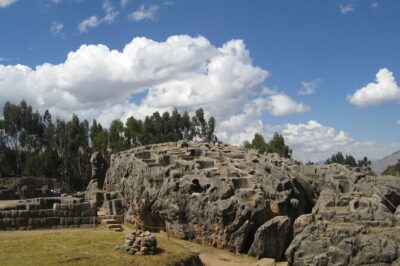
Sacsayhuaman Temple, Tambomachay and Puca Pucara Half-Day Tour
Read our review →
Private Cusco City Tour with Sacsayhuaman & Inca Sites
Read our review →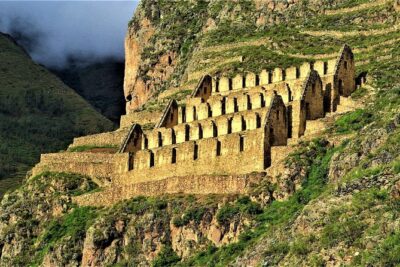
Cusco City Tour with Sacsayhuaman & Inca Sites – Small Group
Read our review →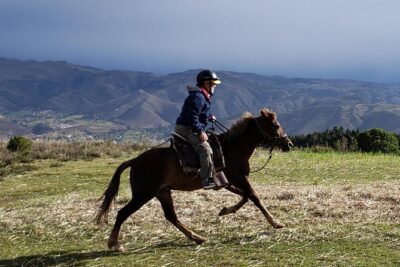
Half day Horseback Riding tour around Sacsayhuaman park
Read our review →Browse the lists this tour appears in