
Reviewed · CITY TOURS
Cusco: Half-Day City Tour
Cusco’s best first look may be its ancient stonework, and this tour puts you beside some of the city’s finest examples in one long half-day. I like the $17 price and the chance to see four Inca sites without arranging several taxis. I also like that guides such as Silvia, Clara, Janet, and Wally have been praised for their stories, patience, and clear explanations.
The main catch is that the entrance fees are not included, and the morning and afternoon versions are different. You’ll need extra cash, comfortable shoes, and a little patience for a possible textile-shop stop that some people find unnecessary.
In This Review
- Key points at a glance
- Four Inca sites above Cusco in one half-day
- Qenqo and the mystery of the carved rock
- Puca Pucara, the red fortress
- Tambomachay and the Inca connection to water
- Sacsayhuaman and the huge limestone blocks
- Coricancha, the Inca temple beneath colonial Cusco
- Cusco Cathedral and the colonial heart of the city
- What the $17 price really covers
- Group size, vehicles, and the shopping stop
- How to prepare for the altitude, sun, and weather
- Who will like this Cusco tour most
- Should you book it?
- FAQ
- How long does the Cusco City Tour last?
- What language is the guided tour offered in?
- Where does hotel pickup take place?
- Where does the tour finish?
- Which archaeological sites are visited on a morning tour?
- Are Coricancha and the cathedral included on morning departures?
- Are entrance fees included in the tour price?
- What should I bring?
- Can I bring luggage or a pet?
- Can I cancel the booking?
Key points at a glance
- Sacsayhuaman is the star stop: See enormous limestone blocks fitted with remarkable precision above Cusco.
- Morning and afternoon tours differ: Morning departures visit four archaeological sites; afternoon departures also include Coricancha and the cathedral.
- The low price has limits: The $17 fee covers transport and a bilingual guide, but site tickets cost extra.
- Hotel pickup is limited to central Cusco: Hotels in the historic center qualify, with a nearby meeting point used when vehicles cannot reach your lodging.
- Good guides make the difference: Clara, Silvia, Janet, Wally, and José have been singled out for energy, patience, stories, and answers to questions.
- Plan for sun and rain: Bring water, sunscreen, a hat, long pants, and a waterproof jacket.
Four Inca sites above Cusco in one half-day
This is a practical way to get your bearings in Cusco. The van collects you from a hotel in the historic center, then carries you uphill and beyond the city to a chain of ceremonial, military, and water sites.
The order can vary, but the main archaeological circuit includes Qenqo, Puca Pucara, Tambomachay, and Sacsayhuaman. Each stop lasts about 40 minutes, enough for a guided explanation and a look around, but not enough for a slow, independent visit.
That pace is the tradeoff. I like the efficient route, especially if you have only one free day in Cusco. You’ll see more than you could easily manage on foot. But if you want quiet time with every stone, this schedule may feel brisk.
The drive between stops also matters. The listed plan allows about 40 minutes in the van at the start, and the sites are spread around the hills outside central Cusco. Transport saves your legs and avoids haggling over separate rides, though the vehicle time means this is not six hours of walking through ruins.
A few more Cusco trips to weigh up
- Cusco: Half-Day City Tour with Sacsayhuaman and Q’enco
★ 4.6 · 1,129 reviews - Cusco: City Tour | Half-Day Tour to 4 Archaeological Sites
★ 4.6 · 206 reviews - From Cusco: Moray, Maras Salt Mines & Chinchero Weavers Half-Day
★ 5.0 · 126 reviews
Qenqo and the mystery of the carved rock
Qenqo is a natural rock formation shaped into a ceremonial center. Its appeal is less about grand walls and more about the way the Incas worked with the stone already there.
Your guide will point out carved surfaces, channels, and ritual spaces. The site gives you an early sense of how Inca builders treated rock as more than raw material. They cut, polished, and arranged it for religious use.
The 40-minute stop is enough to understand the layout. Wear shoes with a firm sole, since archaeological sites around Cusco can involve uneven ground. You should also keep your passport with you, as it is listed among the items to bring.
Puca Pucara, the red fortress
Puca Pucara is associated with military use. Its remains include guard posts, staircases, streets, houses, and courtyards, giving you a more everyday and defensive view of the Inca world.
The site is not presented as one complete fortress. Instead, you’ll read its purpose through the surviving walls and position along the route into Cusco. A good guide helps connect those fragments, and José has been praised for explaining the sites clearly to English speakers.
You’ll have around 40 minutes here. That makes the stop useful as part of a wider circuit, but you should not expect a long, self-directed exploration. Listen closely to the guide before walking off, because the short visit moves quickly.
Tambomachay and the Inca connection to water
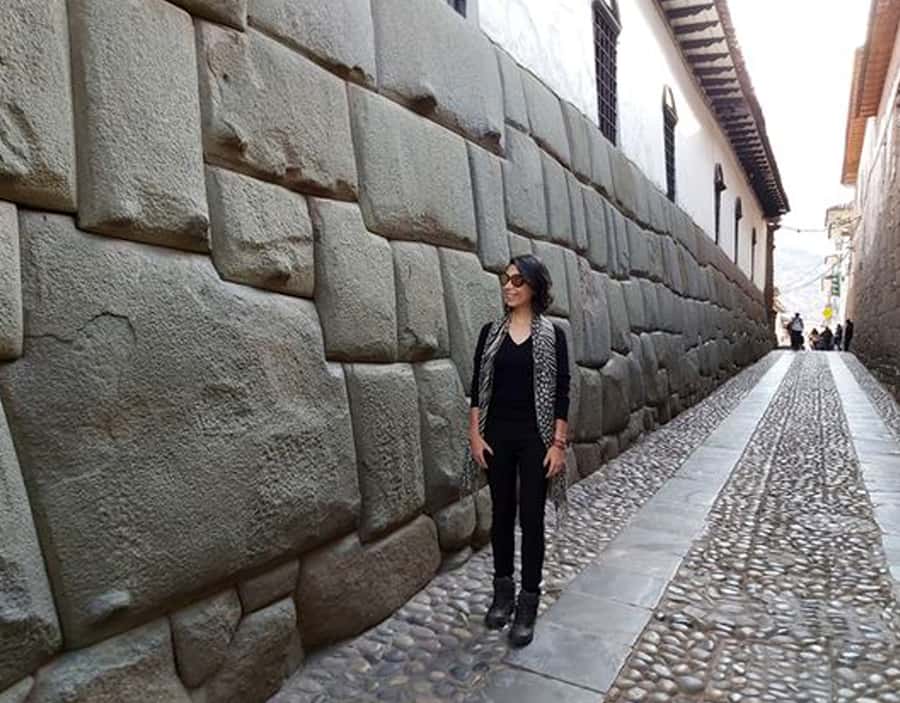
Tambomachay sits about nine kilometers outside Cusco and is known as the Baths of the Incas. Its water source and channels are the focus, though the site may also have served as a temple connected with water and purification.
This is one of the more pleasant stops for travelers interested in Inca engineering. The water features show how carefully the builders controlled flow and shaped stone around it. The site is smaller than Sacsayhuaman, so the guide’s explanation gives the place much of its meaning.
Bring a raincoat or waterproof jacket even if the morning looks clear. The information specifically recommends one, along with sunscreen of at least SPF 30, a sun hat, and water. Cusco’s weather can shift quickly, and there is little point spending the afternoon uncomfortable.
Same valley, a completely different kind of day:
- Cusco: Humantay Lake Tour with Breakfast and Buffet Lunch
★ 4.9 · 2,976 reviews - From Cusco: Sacred Valley & Maras Salt Mines Tour with Lunch
★ 4.8 · 2,227 reviews - From Cusco: Moray, Maras Salt Mines & Chinchero Weavers Tour
★ 4.8 · 1,925 reviews - From Cusco: Full-Day Group Tour of Machu Picchu
★ 4.7 · 1,767 reviews
Sacsayhuaman and the huge limestone blocks
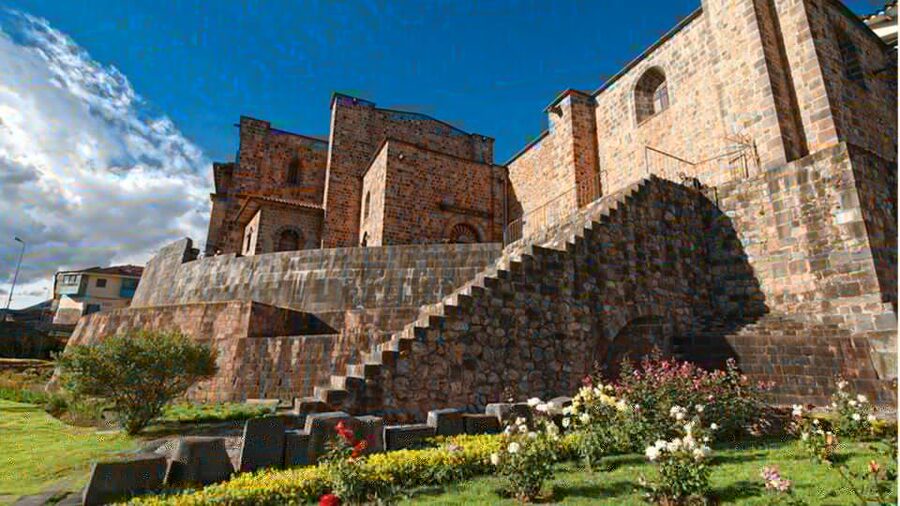
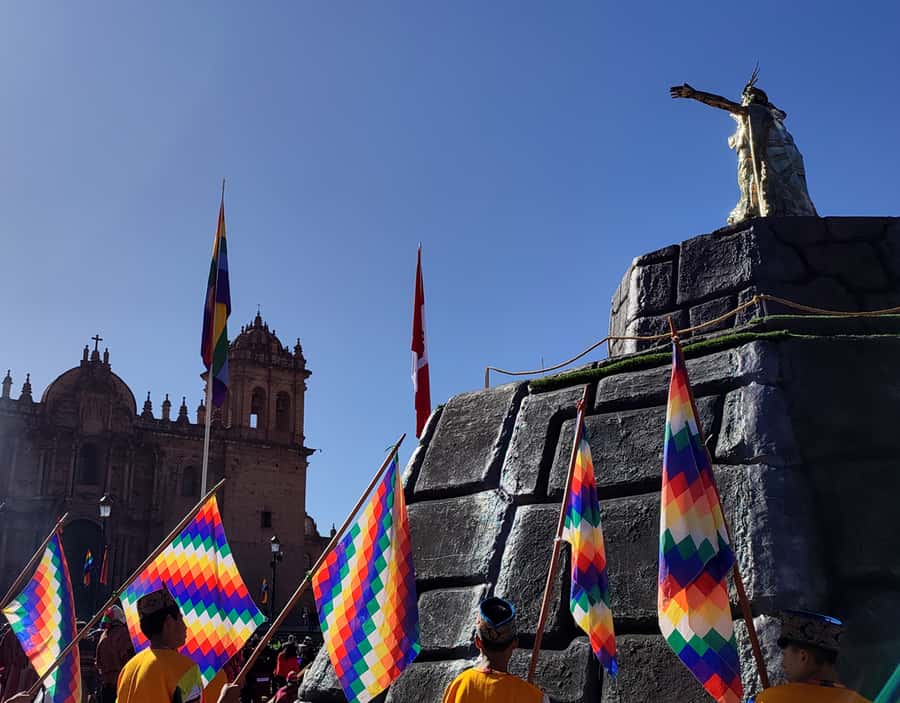
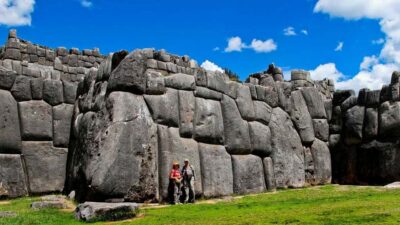
Sacsayhuaman is the main event for many people. Chroniclers believed it was a solar shrine built by the last Inca dynasties, while its massive walls also helped protect Cusco from attacks from the east, or Antis.
The limestone blocks are the reason to pay attention. Some are enormous, yet the joints are fitted so tightly that the construction looks almost impossible at first glance. Your guide should explain the engineering and the site’s place in the defense and ceremonial life of the Inca capital.
You get about 40 minutes here, which is enough for an introduction and the principal viewpoints. It is not necessarily enough to wander every section at your own pace. One useful caution comes from the way the stop is organized: your guide may explain the site at one point and ask you to meet near the exit later. If you want more help understanding the walls, stay close during the initial explanation and ask questions before separating.
Sacsayhuaman is also where time can feel short. The site is large compared with the other stops, and you may wish for a longer visit. Still, seeing it as part of a guided circuit is good value when your time in Cusco is limited.
Coricancha, the Inca temple beneath colonial Cusco
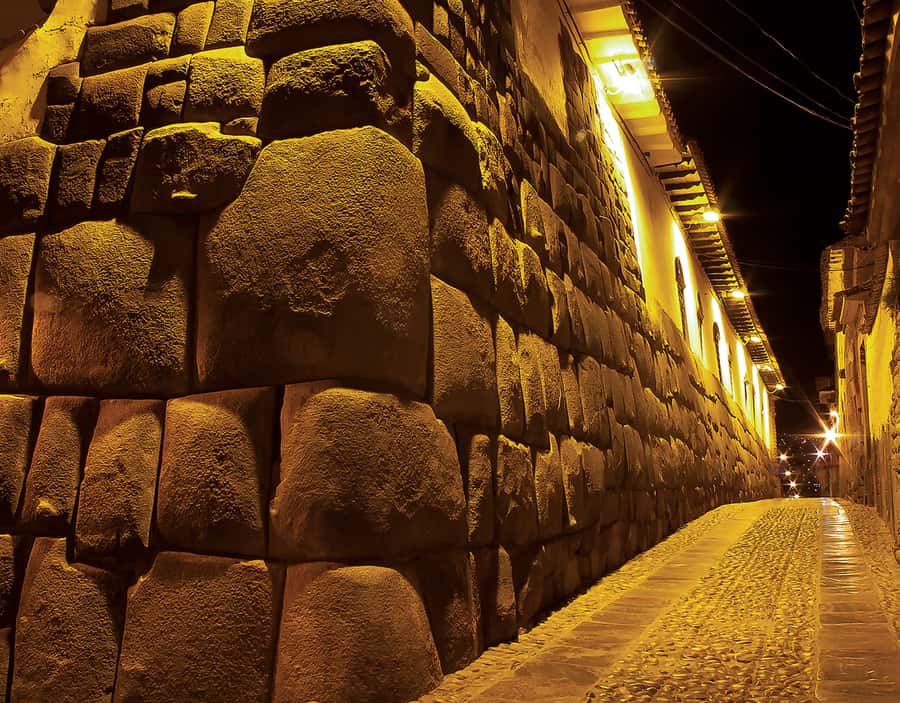
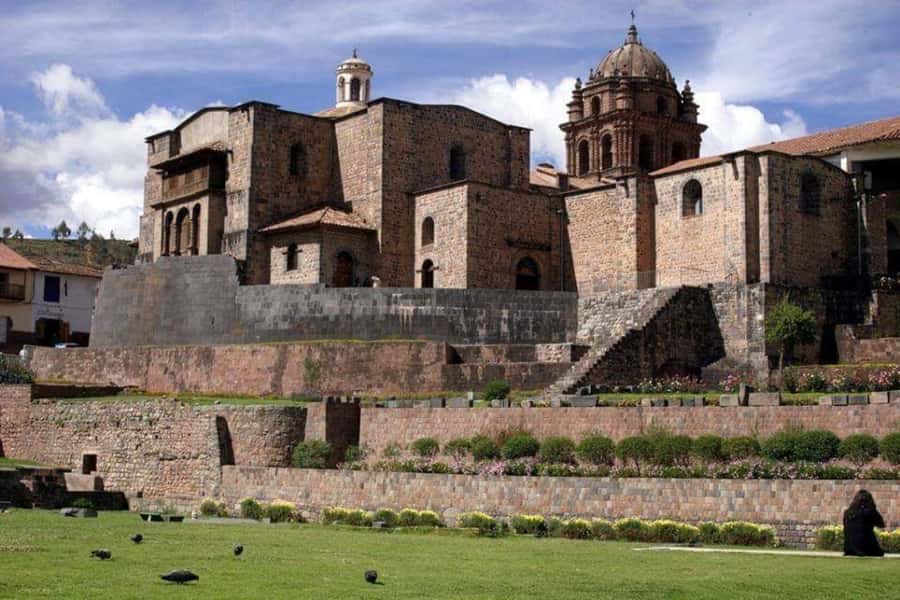
Afternoon departures add Coricancha, the temple that once held the highest religious importance in the Inca Empire. Its precise stone construction is the key attraction.
Coricancha also helps you understand Cusco’s layered past. Inca foundations and walls sit within a later colonial setting, so the visit connects imperial architecture with the city that developed afterward. The guide has about one hour here, the longest individual stop in the schedule.
The entrance fee is 15 soles, and it is not part of the $17 tour price. Keep cash ready. The tour description recommends bringing cash, and paying these fees separately can make the day easier.
If Coricancha is a priority, choose an afternoon departure. Morning tours visit only Sacsayhuaman, Qenqo, Puca Pucara, and Tambomachay. This distinction is easy to miss when comparing departure times, so check the schedule before booking.
Cusco Cathedral and the colonial heart of the city
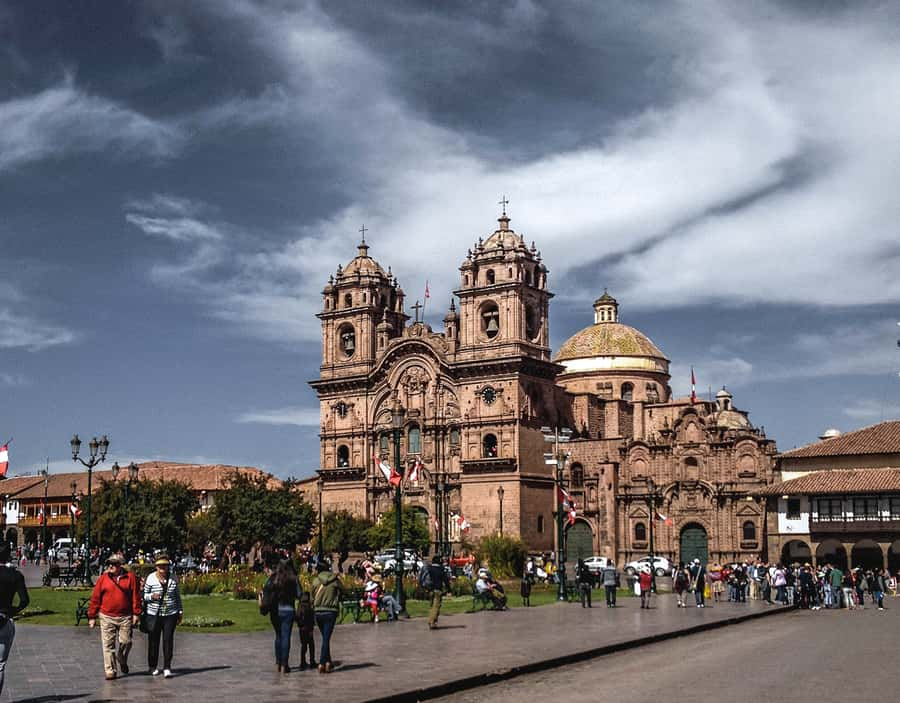
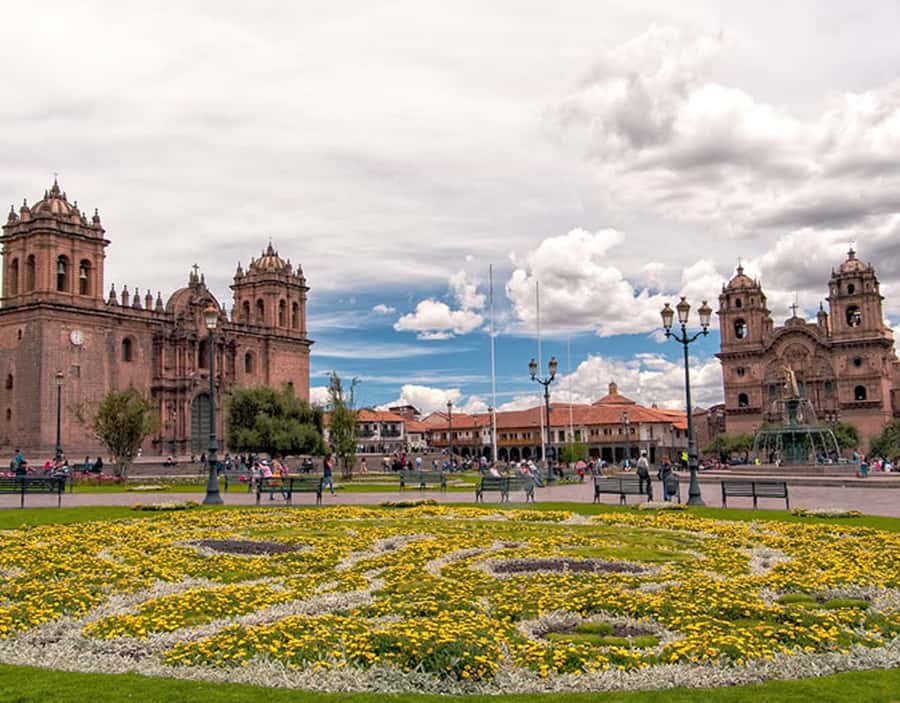
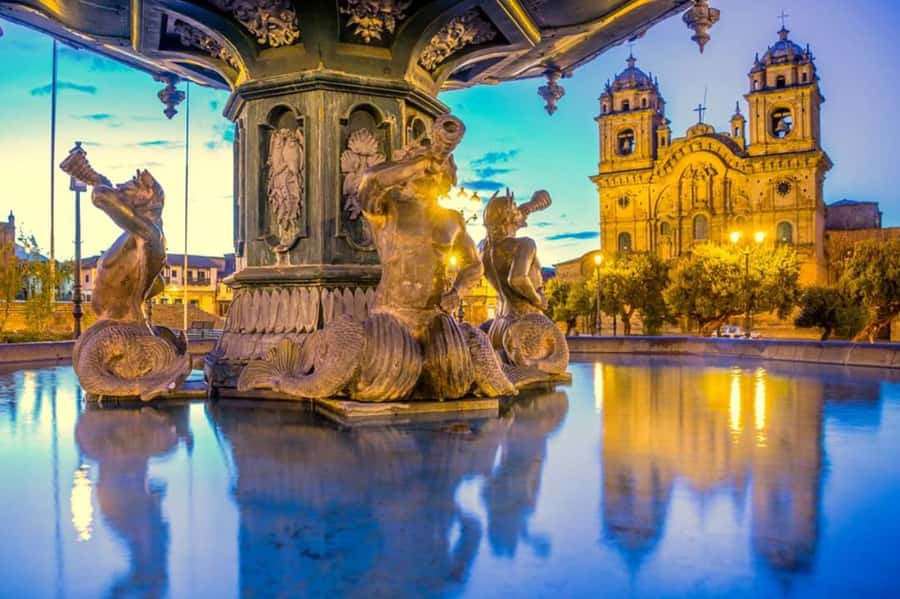
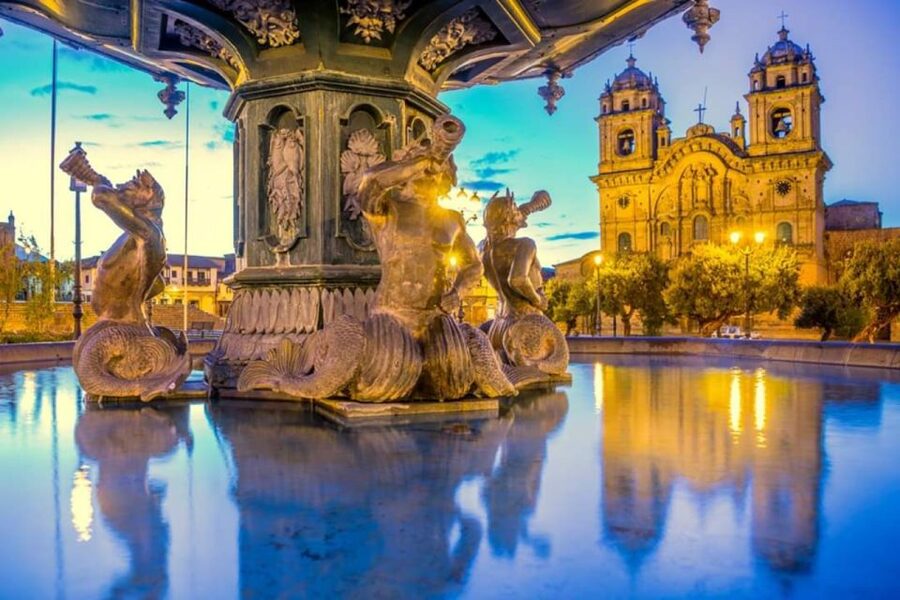
The afternoon route finishes its city visits at the Basilica Cathedral, built in 1560, before ending in the Plaza Mayor del Cusco. The cathedral adds a colonial and religious counterpoint to the earlier Inca sites.
You’ll have about 40 minutes with the guide. This is a useful stop if you want more than ruins, since it places Cusco’s Spanish-era center into the same six-hour story. The cathedral fee is 40 soles, also paid separately.
The tour ends at the Plaza Mayor rather than returning you to your hotel. That is convenient for continuing an evening in central Cusco, but remember to collect anything you left in the vehicle and plan your walk back to your lodging.
What the $17 price really covers
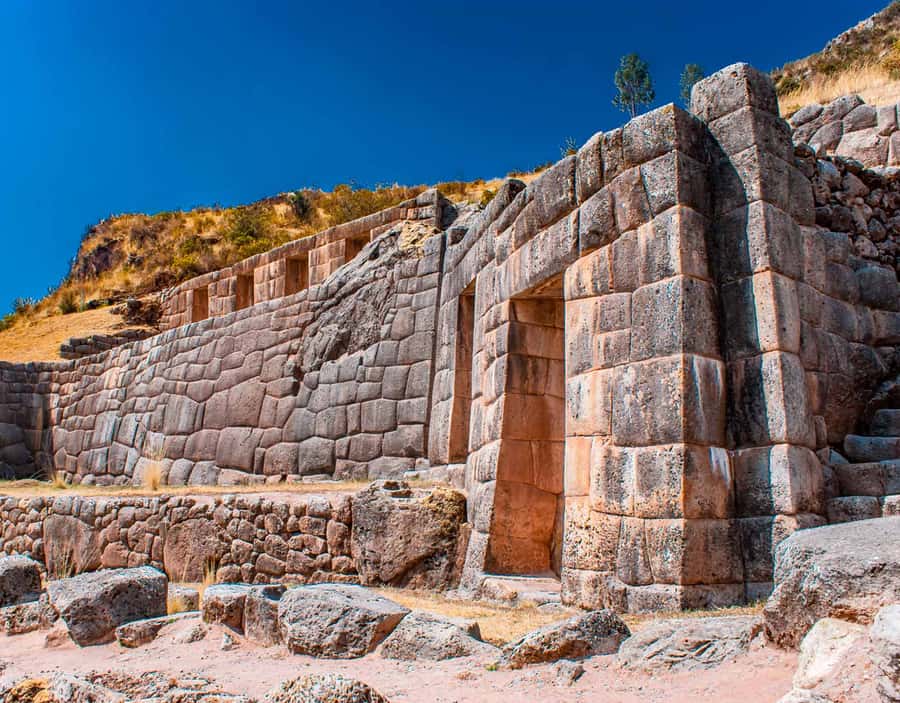
At $17 per person, this is an inexpensive way to arrange transport, a route, and a bilingual guide in one booking. The included tourist transportation is the largest practical benefit. Without it, visiting four outlying sites would require separate rides and more time.
The professional guide speaks English and Spanish. The strongest guide experiences have come from people such as Clara, Silvia, Janet, Wally, and José. Clara has been praised for her energy and detailed explanations of Cusco and Inca life. Silvia has been noted for patience with children. Janet has been described as especially strong, while Wally helped make a good introduction to the city. Your guide is assigned by the operator, so these names are examples, not a guarantee.
Add the required entrance fees to your budget:
- Cathedral: 40 soles
- Coricancha: 15 soles
- Archaeological sites outside the city: 70 soles
That is 125 soles in listed admission charges if you take the afternoon route and visit every included site. The morning version still requires the 70-sol archaeological ticket. The low headline price is therefore best understood as transport and guiding, not the full cost of sightseeing.
One advantage is flexibility. You can cancel up to 24 hours before departure for a full refund, and you can reserve now and pay later. Pickup applies to hotels in Cusco’s historic center. If your hotel is not reachable by vehicle, or you are staying in private accommodation, you’ll receive a nearby meeting point.
Group size, vehicles, and the shopping stop
The available information does not promise a fixed group size, but one strong experience came from a small group. That can make a difference at archaeological sites, since a guide can answer more questions and keep the walking instructions clear.
Transportation has sometimes involved two vehicles. That need not cause trouble if the guide keeps everyone together and explains the change, but it is worth knowing that the ride may not be one continuous vehicle from pickup to finish.
A textile-shop stop may be included. If you want alpaca clothing or woven goods, this can be a useful chance to browse. If you booked the tour strictly for archaeology, the stop may feel like lost time. You do not need to treat it as a required part of your day’s purpose, and it is reasonable to keep your shopping brief.
The tour also prohibits pets, luggage, and large bags. Video recording is not allowed according to the activity information. Bring only what you need for the six hours.
How to prepare for the altitude, sun, and weather
The practical packing list is simple:
- Comfortable walking shoes
- Water
- Passport
- Cash for entrance fees
- Long pants
- Sun hat
- Sunscreen with SPF 30 or higher
- Waterproof jacket or raincoat
Do not arrive in sandals just because the tour is called a half-day city tour. Four archaeological sites involve walking over uneven ground, and Sacsayhuaman rewards sturdy footwear.
The sun can be strong, even when the air feels cool. Apply sunscreen before pickup and carry water with you. A waterproof layer is equally sensible, since the instructions specifically call for one.
Who will like this Cusco tour most
I would choose this tour if you have a short stay, want an overview before exploring independently, or prefer not to arrange transport to the hilltop ruins. Families may appreciate the organized route, and Silvia’s patience with children is a useful sign that the experience can work for younger visitors, though every child handles the six-hour schedule differently.
It also suits history-minded visitors who want a guide to connect ceremonial sites, defenses, water engineering, Inca religion, and colonial architecture. The guides are the key value. Ask questions, stay engaged, and you’ll get more than a ride between viewpoints.
I would hesitate if you dislike fixed schedules, shopping stops, or paying entrance fees separately. I would also think twice if you want extended time at Sacsayhuaman or a quiet visit to each site. This is an efficient introduction, not a private archaeological study day.
Should you book it?
Book it if you want four major ruins plus optional Coricancha and the cathedral for a low starting price, with transport and an English or Spanish guide arranged for you. The tour’s best qualities are its efficient route, strong guide potential, and access to places that are awkward to connect on your own.
Choose the afternoon departure if Coricancha and the cathedral matter to you. Choose the morning only if the four outer archaeological sites are enough. Budget the entrance fees, carry water and rain protection, and expect a brisk schedule. For $17 before admissions, this is a sensible Cusco orientation, as long as you understand what the price does and does not include.
FAQ
How long does the Cusco City Tour last?
The tour lasts six hours.
What language is the guided tour offered in?
The live guide speaks English and Spanish.
Where does hotel pickup take place?
Pickup is available from hotels in the historic center of Cusco. If your hotel cannot be reached by vehicle, or you are staying in private accommodation, you’ll receive the nearest meeting point.
Where does the tour finish?
The tour finishes at Plaza Mayor del Cusco.
Which archaeological sites are visited on a morning tour?
Morning tours visit Sacsayhuaman, Qenqo, Puca Pucara, and Tambomachay.
Are Coricancha and the cathedral included on morning departures?
No. The cathedral and Coricancha are included with afternoon departures, not morning tours.
Are entrance fees included in the tour price?
No. The cathedral costs 40 soles, Coricancha costs 15 soles, and the tourist ticket for the archaeological sites outside the city costs 70 soles.
What should I bring?
Bring comfortable shoes, water, your passport, and cash. You should also bring a sun hat, sunscreen with SPF 30 or higher, and a waterproof jacket or raincoat.
Can I bring luggage or a pet?
No. Pets, luggage, and large bags are not allowed.
Can I cancel the booking?
Yes. You can cancel up to 24 hours in advance for a full refund. You can also reserve the tour and pay later.
Just added around Cusco
- Waqrapukara 1 day trekking + meals★ 3.9 · 3 reviews
- Zipline over the Sacred Valley Trip★ 5.0 · 11 reviews
- Valle Sur Cusco | half day★ 4.3 · 3 reviews
- Visit to the Cochahuasi Animal Sanctuary with rescued animal★ 4.1 · 4 reviews
- Visit Pisac from Cusco: Private Transport★ 4.6 · 9 reviews
- Maras and Huaypo lagoon by ATV from Cuzco | Local Operator★ 4.7 · 4 reviews
- Trek to Humantay Lake from Cusco★ 4.9 · 8 reviews
- Trek to Choquequirao 4 days★ 3.8 · 4 reviews
City Tours, compared.
Half-Day City Tour with Sacsayhuaman and Q’enco
Read our review →
City Tour Cusco Qoricancha Sacsayhuaman y Tambomachay
Read our review →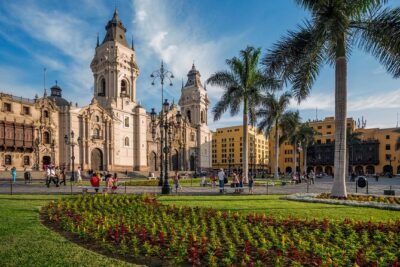
Lima’s Vibrant Heritage: Exploring the City’s Landmarks Half-day
Read our review →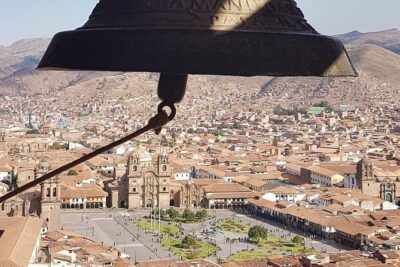
City Tour | Half-Day Tour to 4 Archaeological Sites
Read our review →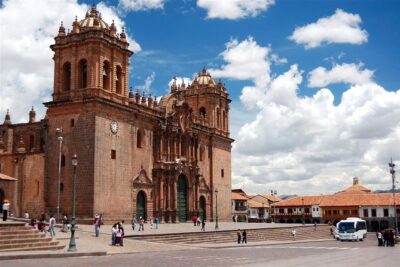
City Tour in Cusco & visit Museum South American Camelid Private.
Read our review →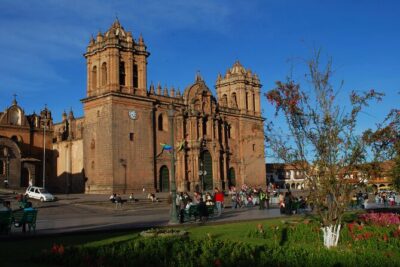
Cusco City Sightseeing, San Pedro Market, Cathedral and Qorikancha Temple
Read our review →
Browse the lists this tour appears in