
Reviewed · SACSAYHUAMAN TOURS
In Cusco: Saqsaywaman, Qenqo, Pukapukara, Tambomachay.
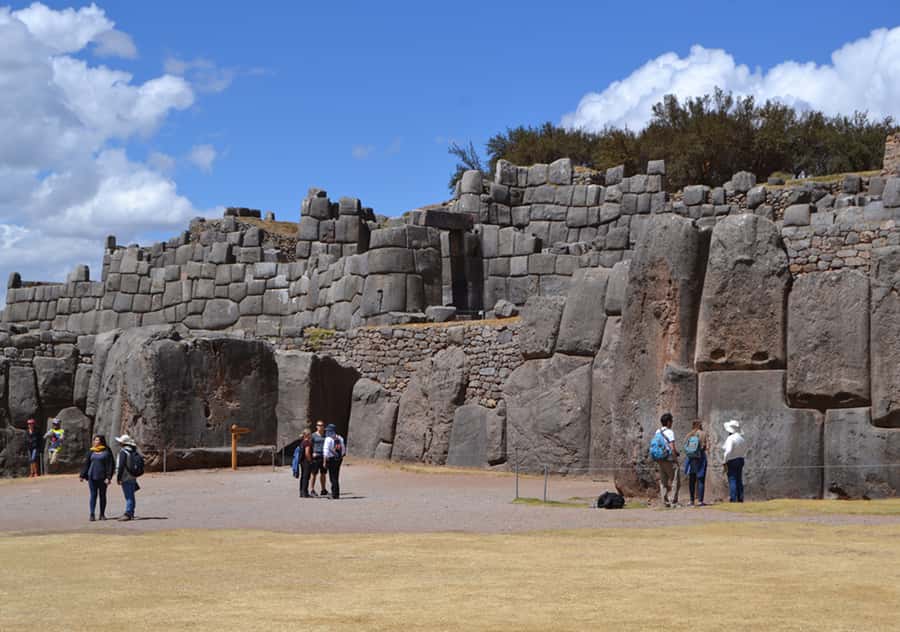
Cusco’s best introduction to Inca power begins with Qoricancha, the former Temple of the Sun, then climbs into the hills for enormous stonework at Saqsaywaman. In half a day, you see the ceremonial, military, astronomical, and water sides of the Inca capital.
I like the strong range of sites and the low $15 tour price, especially since transport and a guide are included. I also like the easy morning or afternoon schedule, which leaves room for other plans. The tradeoff is pace: shopping can take too long, while some important ruins may receive brisk explanations.
In This Review
- Key points to know
- Why this half-day route works in Cusco
- Qoricancha, Cusco’s former Temple of the Sun
- Saqsaywaman and the stones that stop conversation
- Qenqo, a sacred site with a shorter visit
- Puka Pukara, the red fortress above Cusco
- Tambomachay and the Inca water system
- The llama and alpaca stop, useful but not essential
- Timing, meals, and meeting point details
- What the guide quality means for your experience
- Who should book this Cusco city tour?
- Should you book it?
- FAQ
- How long does the tour last?
- What time does the morning tour leave?
- What time does the afternoon tour leave?
- Is Qoricancha included in every departure?
- Are entrance tickets included?
- What languages are available?
- Where does the tour meet?
- Is food included?
Key points to know
- Qoricancha sets the context: See Cusco’s most important Inca temple, with a separate 20-sol entrance fee.
- Saqsaywaman delivers the biggest visual impact: Massive fitted stones and the main setting for Inti Raymi make this the tour’s centerpiece.
- Four archaeological sites fit into one half-day: Qoricancha, Saqsaywaman, Qenqo, Puka Pukara, and Tambomachay are covered in one route.
- Choose your departure carefully: Morning groups leave around 9 or 10 a.m., while afternoon groups leave around 1 or 2 p.m., depending on Qoricancha.
- Budget for entrance tickets: The Cusco Tourist Ticket costs S/ 70 per person, and Qoricancha costs another S/ 20.
- Expect a shopping stop: You’ll have time with llamas and alpacas and a chance to buy local products, but this can reduce time at the ruins.
Why this half-day route works in Cusco
Cusco is not simply a colonial city with Inca stones scattered around it. It was the center of the Inca empire, and these stops help you see how the city worked as a ceremonial capital, fortress, sacred site, and water center.
The route is useful because the sites are spread across the city and nearby hills. Round-trip tourist transport saves you from arranging separate taxis or trying to work out the order yourself. That matters in Cusco, where steep streets, traffic, and unfamiliar names can make a simple sightseeing loop harder than it looks.
The advertised duration is 330 minutes, or about five and a half hours. The stated tour length is about five hours with Qoricancha and four hours without it. Allow extra time around the published end window, since the morning group may finish between 1:30 and 2 p.m., while the afternoon group may end between 6 and 6:30 p.m.
The $15 price is good value for the transport and live guide. It is not the full cost, though. You need to add the S/ 70 Cusco Tourist Ticket and the S/ 20 Qoricancha admission if you choose that version. Bring cash, since the operator can help you buy tickets if you have not purchased them already.
More sacsayhuaman tours in Cusco:
- Cusco: Half-Day City Tour with Sacsayhuaman and Q’enco
★ 4.6 · 1,129 reviews - City Tour Cusco Qoricancha Sacsayhuaman y Tambomachay
★ 4.7 · 617 reviews - Cusco City Sightseeing and Sacsayhuaman Archeological Park Tour
★ 4.5 · 101 reviews
Qoricancha, Cusco’s former Temple of the Sun
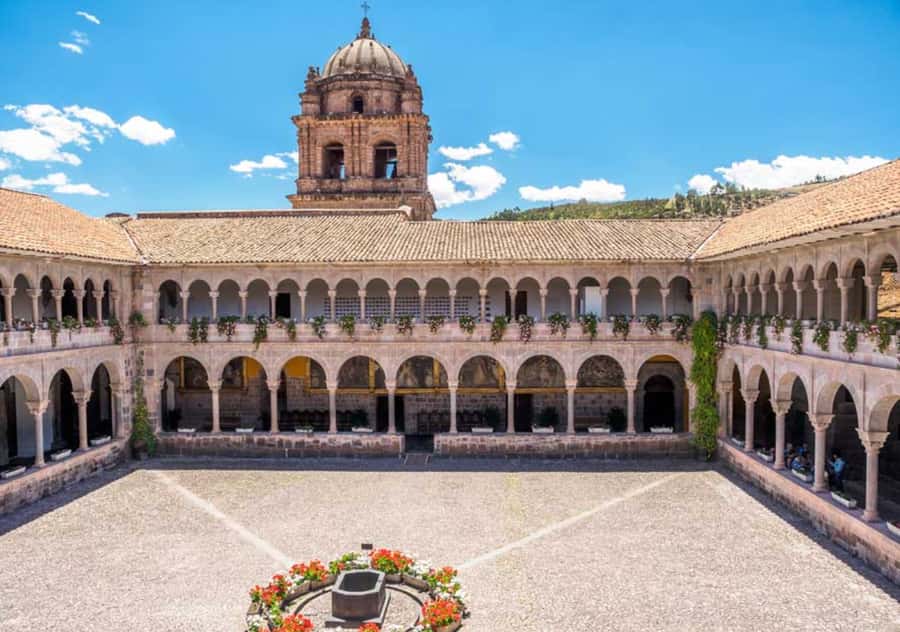
When included, Qoricancha is the first stop. The name refers to a golden wall or Temple of the Sun, and this was the principal place of worship for Inti, the Inca sun god.
You receive about 40 minutes here for a guided visit and free time. That is enough for an introduction, though not a slow museum-style visit. The importance of Qoricancha comes from its place at the heart of Inca Cusco. It helps explain why the city was more than a royal residence. It was also a carefully planned religious center.
The separate admission fee is easy to overlook. The tour price does not include it, so check that your chosen departure includes Qoricancha before booking. The information gives morning departures with Qoricancha at 9 a.m. and without it at 10 a.m. Afternoon departures are listed at 1 p.m. with Qoricancha and 2 p.m. without it. Another note refers to 9:50 and 1:50 groups that do not visit the temple, so confirm the exact time and version when you reserve.
If you have already seen Qoricancha on another Cusco visit, the option without it may suit you. If this is your first look at the city, I would pay the extra fee and choose the temple version. It gives the rest of the tour a clearer purpose.
Saqsaywaman and the stones that stop conversation
After Qoricancha, the vehicle takes about 25 minutes to reach Saqsaywaman. This is the site most likely to make you pause before the guide begins speaking.
The fortress area is famous for enormous carved stones fitted together with remarkable precision. The walls show the scale and skill of Inca construction better than any small fragment in central Cusco. You get about 40 minutes for photographs, walking, sightseeing, and explanation.
Saqsaywaman is also linked with Inti Raymi, the Festival of the Sun held at the winter solstice. It is one of Peru’s best-known celebrations, and this is the setting used for its major ceremonies. Even outside festival season, knowing that connection gives the broad stone terraces a stronger sense of purpose.
The drawback is time. Forty minutes passes quickly when you want photographs, a guide’s explanation, and a proper look at the stonework. A clear guide can make this stop worthwhile, but a general talk may leave you wanting more detail about construction, ceremony, and the way the site relates to Cusco below.
Wear shoes suited to walking and bring water. You will be outside, and the supplied advice also recommends sunglasses, a hat, and sunscreen. Keep your bag small, since large luggage is not allowed.
Qenqo, a sacred site with a shorter visit
The drive from Saqsaywaman to Qenqo takes about five minutes. The visit lasts around 40 minutes, including a guided tour, free time, and walking.
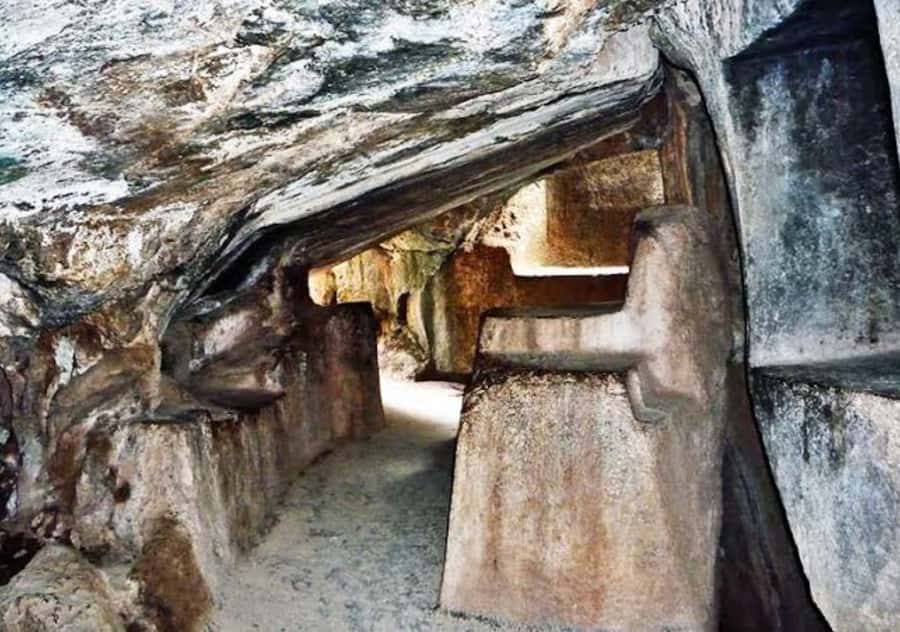
Qenqo is a different experience from Saqsaywaman. Instead of monumental defensive walls, you look at carved rock and ceremonial spaces. The stop adds variety to the route and gives the guide a chance to explain ritual practices and the sacred use of natural stone.
This is a place where a good explanation matters. The physical remains are less immediately obvious than the giant walls at Saqsaywaman, so you may get more from the site by listening closely and asking questions. The tour promises English and Spanish guiding, but bilingual groups can affect the amount of time spent in each language.
One useful caution comes from the way the tour has operated for some groups: explanations have sometimes been mostly in Spanish, with shorter English sections. If you need English throughout, tell the guide at the start. One guide made a strong effort to translate for an English and French-speaking group, but that kind of extra care may depend on the group mix and the guide on duty.
Same valley, a completely different kind of day:
- Cusco: Humantay Lake Tour with Breakfast and Buffet Lunch
★ 4.9 · 2,976 reviews - From Cusco: Sacred Valley & Maras Salt Mines Tour with Lunch
★ 4.8 · 2,227 reviews - From Cusco: Moray, Maras Salt Mines & Chinchero Weavers Tour
★ 4.8 · 1,925 reviews - From Cusco: Full-Day Group Tour of Machu Picchu
★ 4.7 · 1,767 reviews
Puka Pukara, the red fortress above Cusco
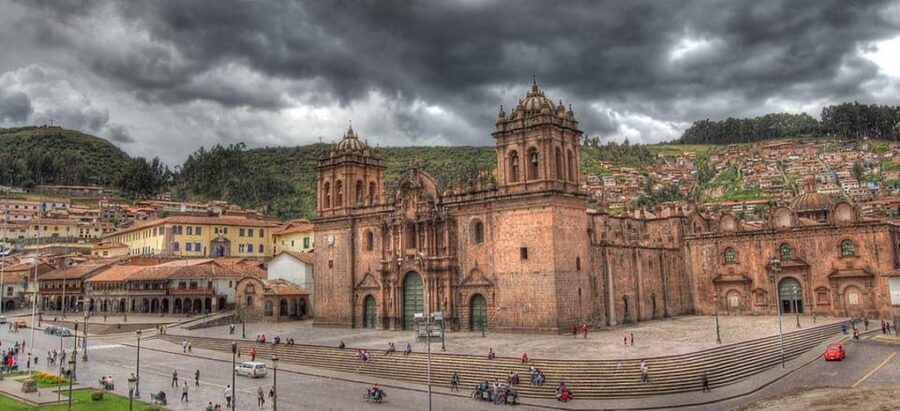
The next drive takes about 15 minutes. Puka Pukara receives roughly 35 minutes, with time for photographs, a guided visit, and walking.
The name is commonly translated as Red Fortress, and the site occupies a hill position along the route out of Cusco. It is smaller and less imposing than Saqsaywaman, but it helps you think about movement through the Inca realm. Its terraces and stone structures fit into a route that connected important places around the imperial capital.
This is also a good photography stop. You have open views and a chance to compare the site’s scale with the larger complexes already seen. Do not expect a long, quiet exploration. The visit is tightly timed, and the guide must keep the vehicle moving toward Tambomachay.
Because the four ruins are visited in succession, the tour works best if you see Puka Pukara as part of a larger system rather than as a stand-alone attraction. The guide’s job is to connect the sites. If the explanations stay too general, you may need to do extra reading later.
Tambomachay and the Inca water system
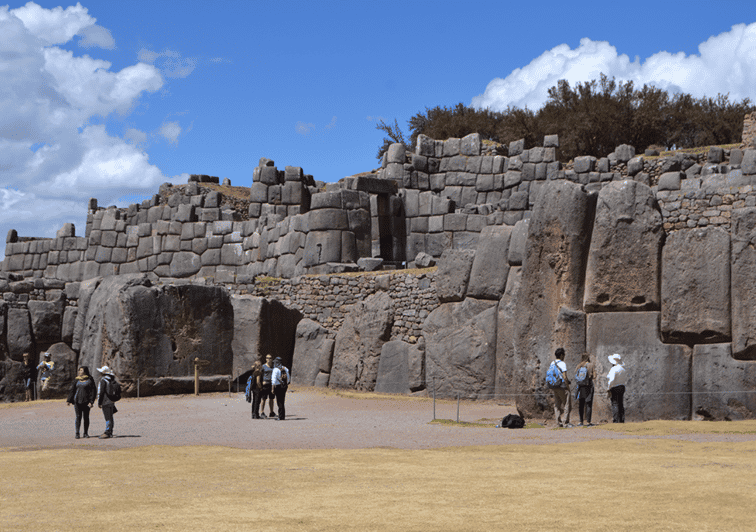
Tambomachay is only about two minutes from Puka Pukara by vehicle, making it the easiest stop of the day to reach. You get approximately 40 minutes for a visit, explanation, photographs, and free time.
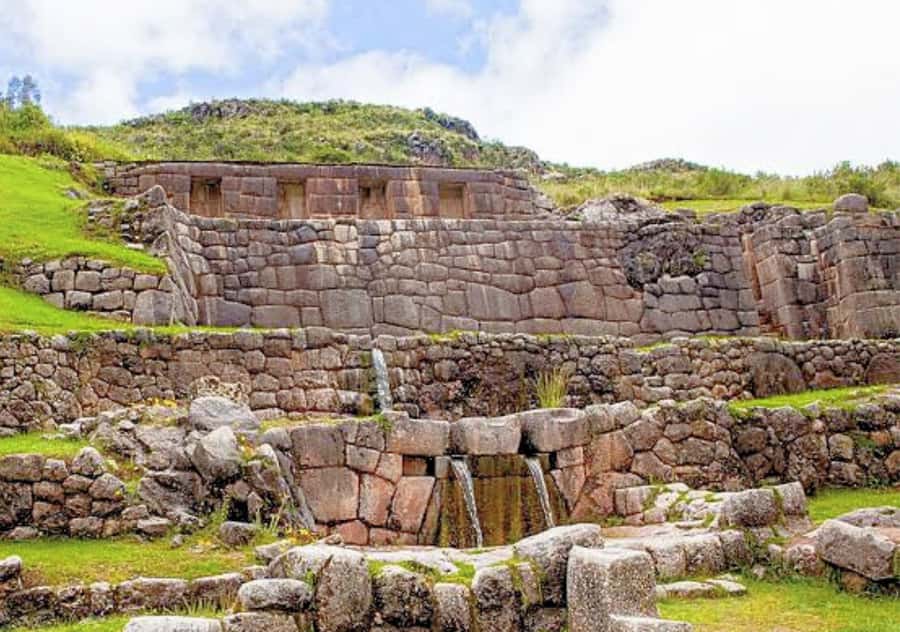
The site is known for its carefully built water channels and fountains. It is often described as the Inca shower, though its ceremonial purpose is more important than the nickname suggests. Here, the Inca skill with water, stone, and controlled flow becomes easier to see at a smaller scale than at Saqsaywaman.
Tambomachay gives the route a calm final archaeological stop. After the huge walls and carved rock, the sound and movement of water offer a different way to understand Inca design. You still need to stay aware of the schedule, since the group then faces a roughly 35-minute ride back toward the city.
The llama and alpaca stop, useful but not essential
Before returning to Cusco, the tour includes time at a place where you can see llamas and alpacas and shop for local products. This can be pleasant if you want photographs or are looking for a small Peruvian textile purchase.
It is also the part of the experience that needs the clearest expectations. The shopping time can feel almost unlimited compared with the short visits at the archaeological sites. Some people enjoy browsing and meeting the animals. I would be more cautious if your main aim is archaeology and you dislike organized shopping stops.
The time balance matters. A few extra minutes here may not seem important, but those minutes can make the difference between a relaxed look at a ruin and a rushed departure. If the group is running late, ask how much time remains at the next site rather than assuming the schedule will adjust in your favor.
Timing, meals, and meeting point details
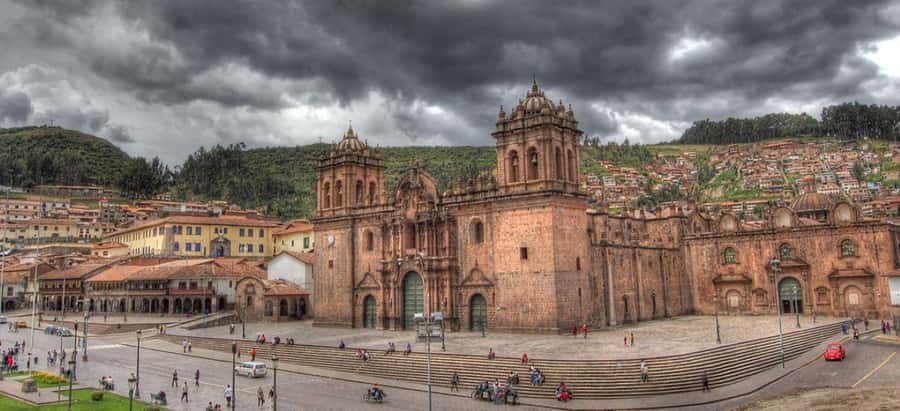
The morning version is the practical choice if you want the rest of the day free. Eat breakfast first, since breakfast is not included. The group returns to Cusco around lunchtime, but lunch is also not provided.
The afternoon version can work well after a slow morning in the city. You need to eat lunch beforehand, and you should expect to return around dinner time. Dinner is not included.
The meeting point is the Machu Picchu Jungle Trek office, Office 104, at Asociación de Artesanos Souvenir, San Andres 218. It is listed on Google Maps under Machu Picchu Jungle Trek. The office is open from 8 a.m. to 9:30 p.m. On Sundays, pickup is at Plaza de Armas, beside the Inca fountain in the main square.
The tour finishes at Plaza Regocijo. That is useful if you want to continue walking through central Cusco, but it is not the same as returning to the original office. Plan your next activity from the finish point rather than assuming door-to-door service.
The route includes several vehicle transfers: about 25 minutes to Saqsaywaman, five minutes to Qenqo, 15 minutes to Puka Pukara, two minutes to Tambomachay, and about 35 minutes back toward central Cusco. Those rides are part of the value of the tour, since the sites are not arranged as one simple city walk.
What the guide quality means for your experience
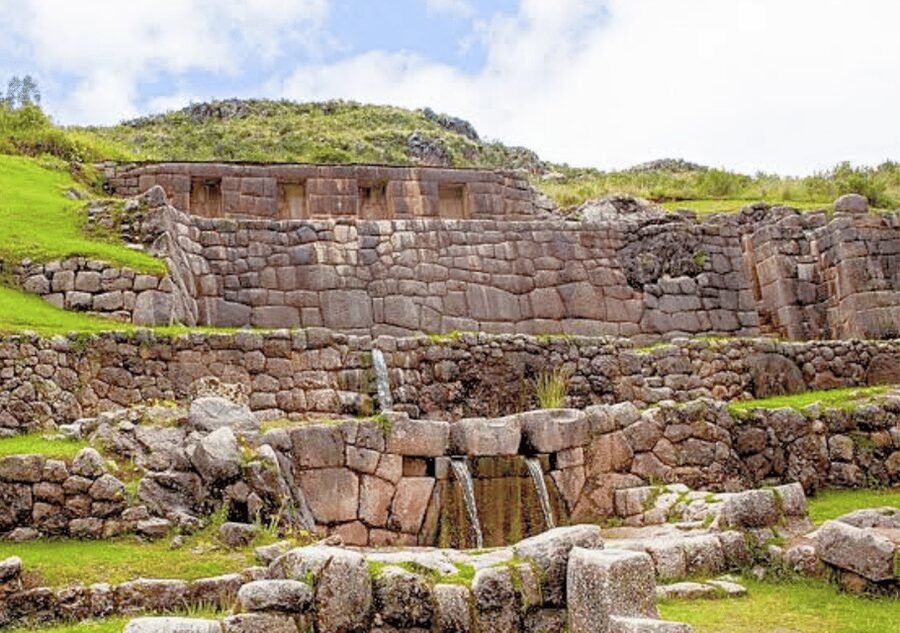
The operator provides a professional guide in English and Spanish, with permanent assistance. That sounds straightforward, but the quality of a bilingual tour depends on how the guide divides time between languages.
The strongest experience comes when the guide explains each site specifically, then leaves enough time for questions and photographs. One guide made an effort to translate everything for a small English and French-speaking group. That is the standard to hope for, but you should still say early if you need English explanations.
There have also been cases where the commentary was mostly Spanish and too general about the individual ruins. That is a real concern because Qenqo, Puka Pukara, and Tambomachay benefit from clear context. Saqsaywaman is impressive without much explanation, but the smaller sites are easier to appreciate when the guide links them to Inca religion, travel, water, and ceremony.
The pacing can be firm. A delayed departure or a slow shopping stop may lead to pressure at the archaeological sites. Stay near the guide, note the meeting times, and return promptly after free time. That simple habit protects your time at the places you came to see.
Who should book this Cusco city tour?
I would recommend it to you if you have limited time in Cusco and want to see the main nearby Inca sites without arranging separate transport. It also suits first-time visitors who want a basic framework before visiting other sites in the region.
The tour works particularly well for budget-conscious visitors. At $15, the transport and bilingual guide provide useful value, even after adding the required entrance fees. It is also a good fit if you like a planned route with several stops rather than spending a full day at one complex.
I would hesitate if you want long, detailed talks at every ruin, plenty of time for independent photography, or no shopping. You may also prefer a smaller or private tour if language clarity is essential. The group format keeps the price low, but it means the guide must serve different language needs and keep everyone moving.
Bring your passport or identity card, water, sunscreen, sunglasses, a sun hat, any student card needed for admission, and personal medication. Pets, large bags, bikes, alcohol, smoking, sharp objects, and other prohibited items are not allowed.
Should you book it?
Book this tour if you want maximum Cusco coverage for a low price and accept a brisk schedule. The combination of Qoricancha, Saqsaywaman, Qenqo, Puka Pukara, and Tambomachay gives you a useful look at the Inca capital’s religious, defensive, ceremonial, and water systems.
Choose the Qoricancha departure for a fuller first visit. Choose the no-Qoricancha version only if you have already seen the temple or want to save its S/ 20 admission. Keep your expectations realistic about bilingual guiding and the shopping stop, and this can be an efficient and worthwhile half-day introduction.
FAQ
How long does the tour last?
The version with Qoricancha lasts about five hours, while the version without Qoricancha lasts about four hours. The stated activity duration is 330 minutes, and the exact return time can vary within the published windows.
What time does the morning tour leave?
The morning group with Qoricancha leaves at 9 a.m. The morning group without Qoricancha leaves at 10 a.m. Another time note refers to a 9:50 a.m. group without Qoricancha, so confirm the exact departure when booking.
What time does the afternoon tour leave?
The afternoon group with Qoricancha leaves at 1 p.m. The afternoon group without Qoricancha leaves at 2 p.m. Another note refers to a 1:50 p.m. group without Qoricancha, so check the confirmed time.
Is Qoricancha included in every departure?
No. The Qoricancha temple is not visited on the groups listed at 9:50 a.m. and 1:50 p.m. The tour information also separates morning and afternoon departures with and without the temple.
Are entrance tickets included?
No. Qoricancha costs S/ 20 per person, and the Cusco Tourist Ticket costs S/ 70 per person. The operator can help you buy tickets if you have not purchased them, and you should bring cash.
What languages are available?
The live guide service is available in English and Spanish. The guide may need to divide explanations between languages when the group includes different language speakers.
Where does the tour meet?
The usual meeting point is Machu Picchu Jungle Trek, Office 104, at Asociación de Artesanos Souvenir, San Andres 218. On Sundays, pickup is at Plaza de Armas beside the Inca fountain.
Is food included?
No. Eat breakfast before the morning departure. If you take the afternoon group, eat lunch beforehand. The morning group returns around lunchtime, and the afternoon group returns around dinner time, but neither meal is included.
Just added around Cusco
- Waqrapukara 1 day trekking + meals★ 3.9 · 3 reviews
- Zipline over the Sacred Valley Trip★ 5.0 · 11 reviews
- Valle Sur Cusco | half day★ 4.3 · 3 reviews
- Visit to the Cochahuasi Animal Sanctuary with rescued animal★ 4.1 · 4 reviews
- Visit Pisac from Cusco: Private Transport★ 4.6 · 9 reviews
- Maras and Huaypo lagoon by ATV from Cuzco | Local Operator★ 4.7 · 4 reviews
- Trek to Humantay Lake from Cusco★ 4.9 · 8 reviews
- Trek to Choquequirao 4 days★ 3.8 · 4 reviews
Sacsayhuaman Tours, compared.
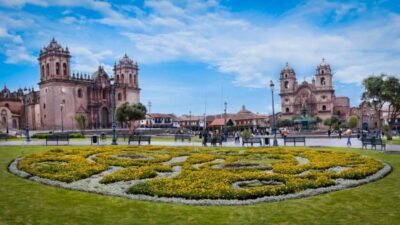
Half-Day City Tour with Sacsayhuaman and Q’enco
Read our review →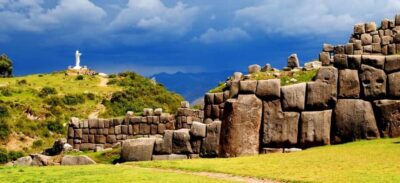
City Tour Cusco Qoricancha Sacsayhuaman y Tambomachay
Read our review →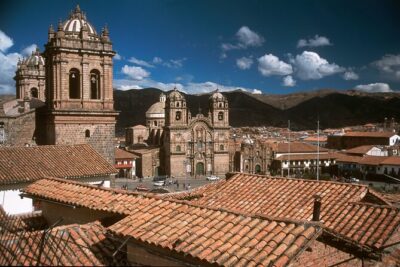
Cusco City Sightseeing and Sacsayhuaman Archeological Park Tour
Read our review →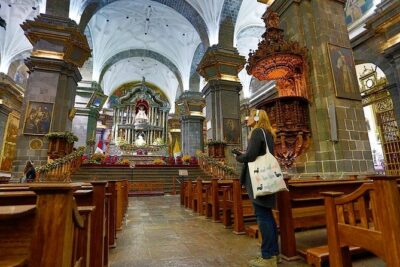
Cusco 4-Hour Private Tour Including Sacsayhuaman and Qenqo
Read our review →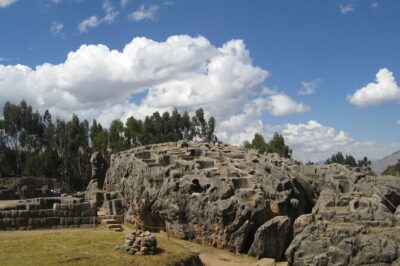
Sacsayhuaman Temple, Tambomachay and Puca Pucara Half-Day Tour
Read our review →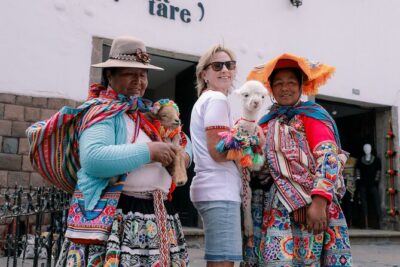
Private Cusco City Tour with Sacsayhuaman & Inca Sites
Read our review →
Cusco City Tour with Sacsayhuaman & Inca Sites – Small Group
Read our review →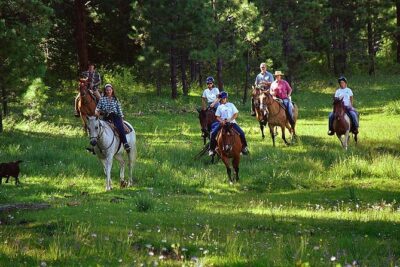
Horseback Riding Plus Tour to Sacsayhuaman, Quenqo, Puka Pucara and Tambomachay
Read our review →Browse the lists this tour appears in