
Reviewed · MACHU PICCHU TOURS
From Cusco: 5-Night Trip with Salkantay Trek & Machu Picchu
The big draw here is the changing scenery. In five days, you move from a glass cabin near the high Andes to Humantay Lake and Salkantay Pass, then down through warmer valleys, coffee country, and finally to Machu Picchu. I like the mix of mountain walking and unusual overnight stays, especially the Hobbit house with an outdoor jacuzzi. I also like that the group is capped at 16 and includes local Indigenous guides, chefs, porters, and a 7-kilogram personal porter allowance.
The main catch is that this is still a serious high-altitude trek, not a gentle sightseeing trip. Camping equipment is not included, and the itinerary includes long days with major changes in elevation and weather. You need proper hiking gear, reasonable fitness, and a willingness to sleep in simple conditions before enjoying your hotel night in Aguas Calientes.
In This Review
- Key points to know before booking
- Why this Salkantay route is worth considering
- Afternoon transfer to the Salkantay glass cabins
- Day one: Humantay Lake, Salkantay Pass, and Wayracpunko
- Day two: Wayracmachay to Chaullay and the Hobbit house
- Day three: coffee country and camp facing Machu Picchu
- Day four: Llactapata, Mandor waterfalls, and Aguas Calientes
- Day five: Machu Picchu and the return to Cusco
- What the support team adds to the price
- Packing for five nights and changing weather
- Who will enjoy this Salkantay trip most
- Should you book the $650 Salkantay Trek?
- FAQ
- How long is the Salkantay Trek and Machu Picchu trip?
- What language does the guide speak?
- Is hotel pickup included?
- How large is the group?
- What accommodation is included?
- Are meals included?
- Is the return train to Cusco included?
- Is Huayna Picchu included?
Key points to know before booking
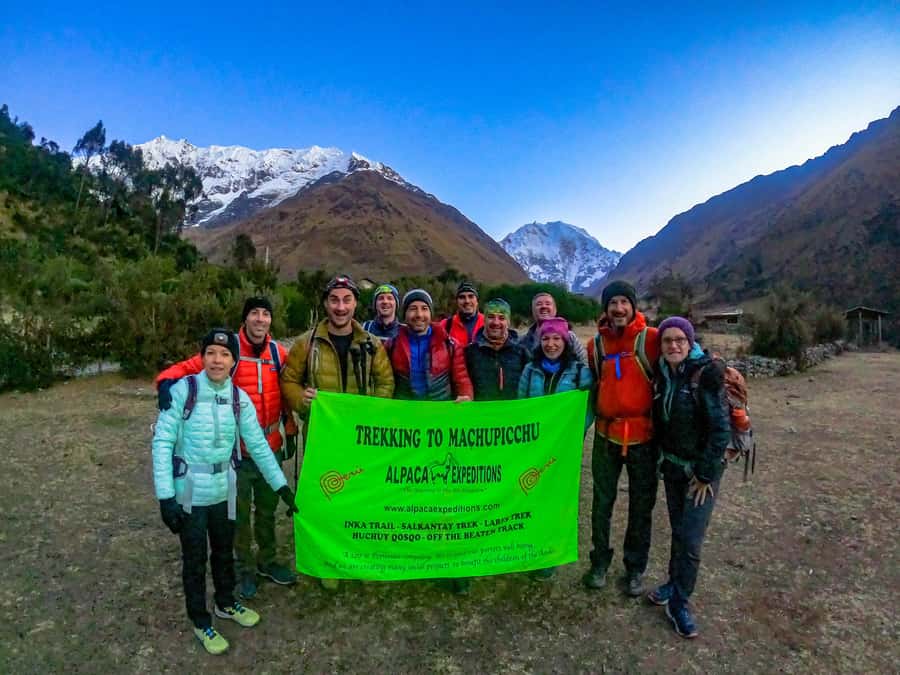
- Salkantay Pass and Humantay Lake: The first hiking day brings the trip’s biggest mountain scenery and its most demanding high-altitude walking.
- Four different types of lodging: You sleep in a glass cabin, two campsites, a Hobbit house, and a hotel.
- Coffee farm stop: The route changes from cold alpine terrain to the warmer growing area around Lucmabamba.
- Llactapata camp view: The third hiking day ends at a camp facing Machu Picchu.
- Machu Picchu on the final day: You visit the citadel after reaching Aguas Calientes, with round-trip bus tickets included.
- Strong package value at $650: Meals, entry fees, guides, porters, transport, camping, train travel, and buses are bundled, but personal gear and Huayna Picchu cost extra.
Why this Salkantay route is worth considering
The Salkantay Trek gives you a wider and wilder approach to Machu Picchu than a direct visit from Cusco. The route begins among glaciated peaks and high mountain lakes, then drops through several climate zones before reaching the railway town of Aguas Calientes.
I like that the trip is built around the journey, not just the famous final stop. Machu Picchu gets the headline, but the first days bring the strongest sense of travel: cold air, open mountain views, changing vegetation, and a route that feels far removed from city life.
The package has a rating of 4.7 from six ratings, a positive overall signal, though the sample is small. The clearest strengths in the offering are the unusual lodging, the route variety, and the practical support from guides, cooks, porters, and included transport.
At $650 per person, the price covers a lot. You receive five breakfasts, four lunches, four dinners, water, entry fees, transportation, an English-speaking guide, professional chefs and porters, a porter for up to 7 kilograms, the return Expedition train, and both bus journeys to Machu Picchu. Add the four different lodging styles, and the package has solid value for anyone who wants a supported trek rather than an independent hike.
You still need to budget for a day pack, headlamp, sleeping bag, air mattress, and trekking poles. Travel insurance is advisable. The Huayna Picchu mountain pass costs an additional $75 and must be booked ahead, so decide early if you want that extra climb.
More machu picchu tours in Cusco:
- From Cusco: Full-Day Group Tour of Machu Picchu
★ 4.7 · 1,767 reviews - Machu Picchu Day Trip from Cusco
★ 4.5 · 1,644 reviews - Machu Picchu: Full-Day Tour from Cusco with Optional Lunch
★ 4.6 · 927 reviews
Afternoon transfer to the Salkantay glass cabins
The trip begins with pickup from your hotel in Cusco. The guide comes to your hotel, and the transfer to the Salkantay glass cabins is scheduled for 3 p.m.
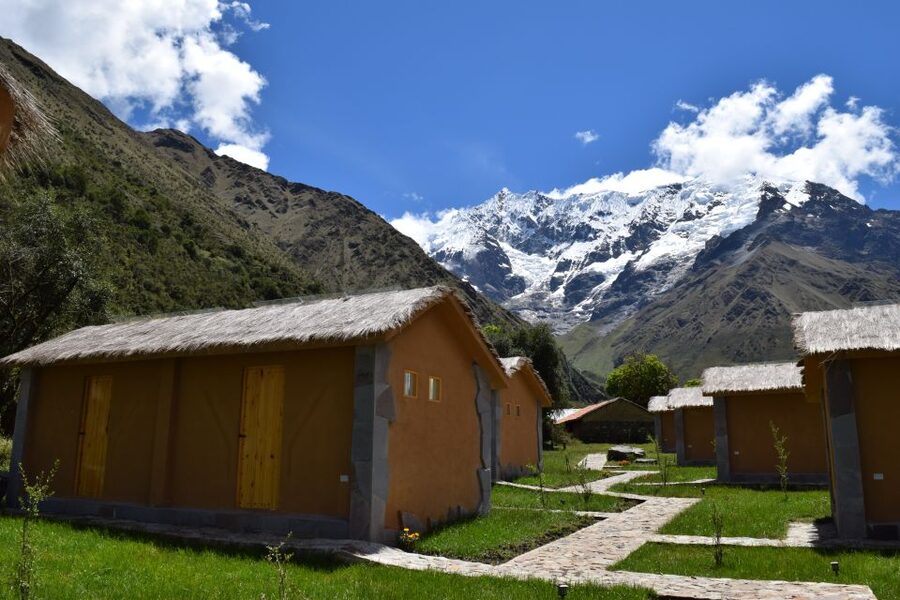
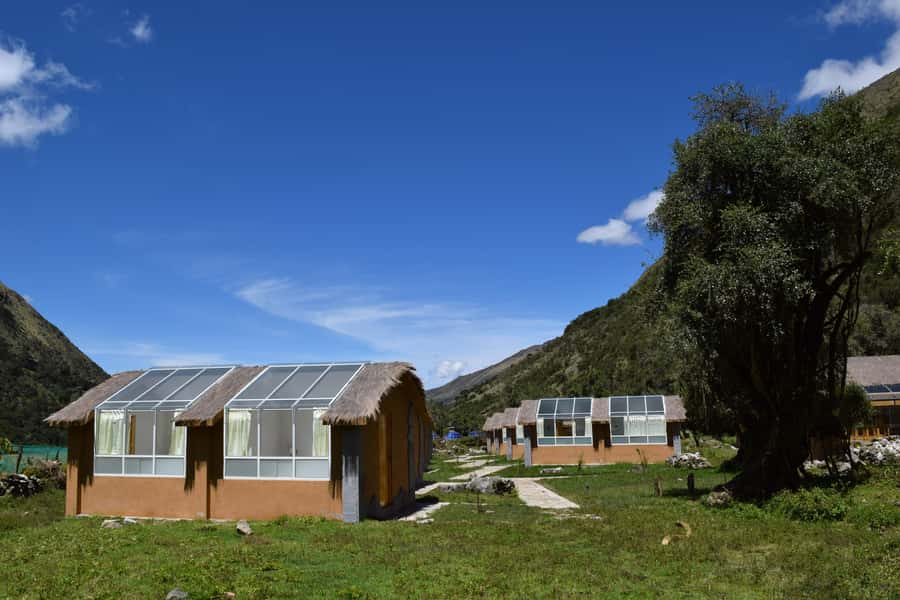
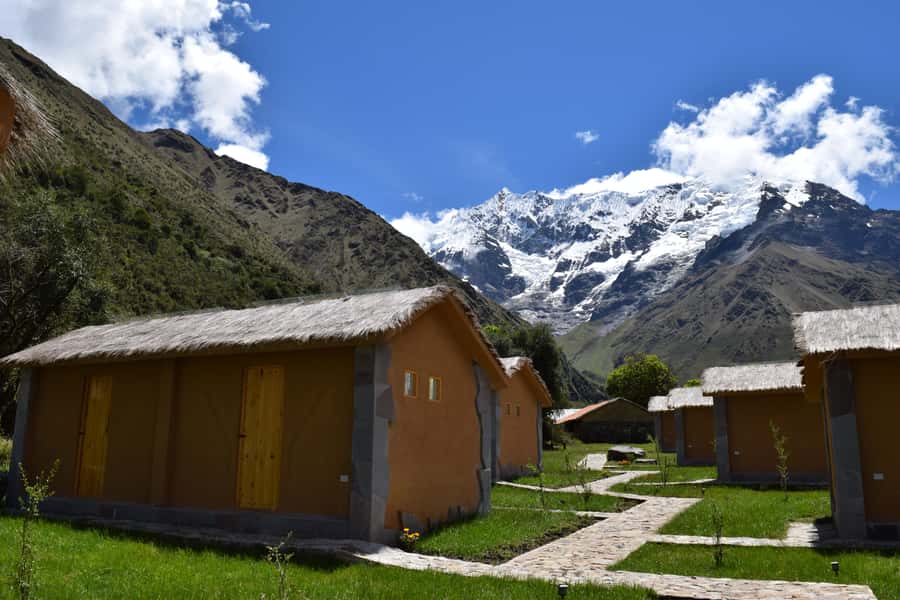
That first night is more than a place to sleep. A glass cabin gives you a chance to settle into the mountain setting before the trek begins. It also provides a more comfortable opening than starting immediately with a night in a tent.
Do not treat the glass cabin as a sign that the whole trip is soft. The next morning brings the proper hike, and the conditions can change quickly in the high Andes. Pack warm layers, rain gear, sun protection, and a towel from the start. Keep essential items accessible rather than buried in the luggage handled by the porters.
Day one: Humantay Lake, Salkantay Pass, and Wayracpunko
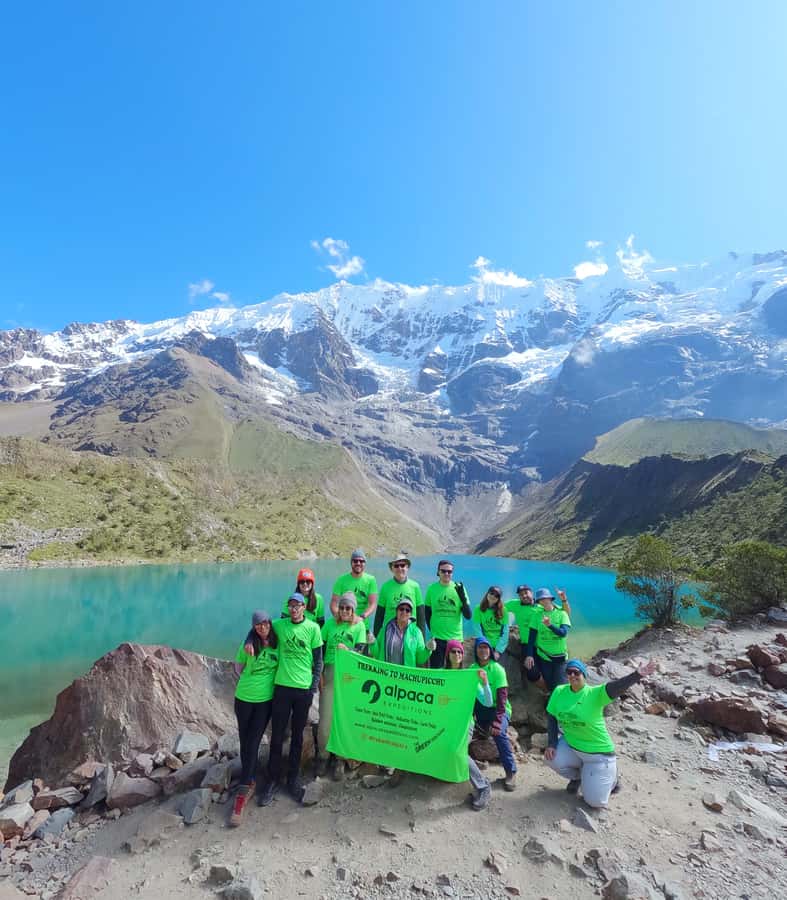
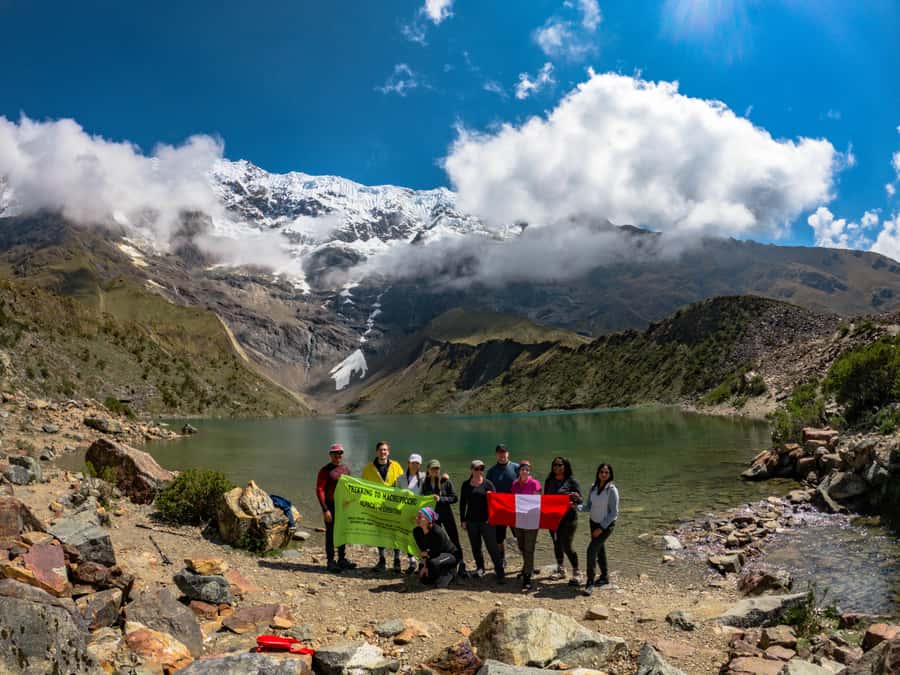
The first hiking day follows the route from Soraypampa campsite to Humantay Lagoon, then onward to Salkantay Pass and Wayracpunko. This is the day that gives the trek its biggest dose of alpine scenery.
Humantay Lake is one of the trip’s main photo stops. Its appeal comes from the setting as much as the water itself: a high mountain lagoon surrounded by steep Andean peaks. Bring sunglasses, a sun hat, sunscreen, and a camera you can use without fumbling through your pack.
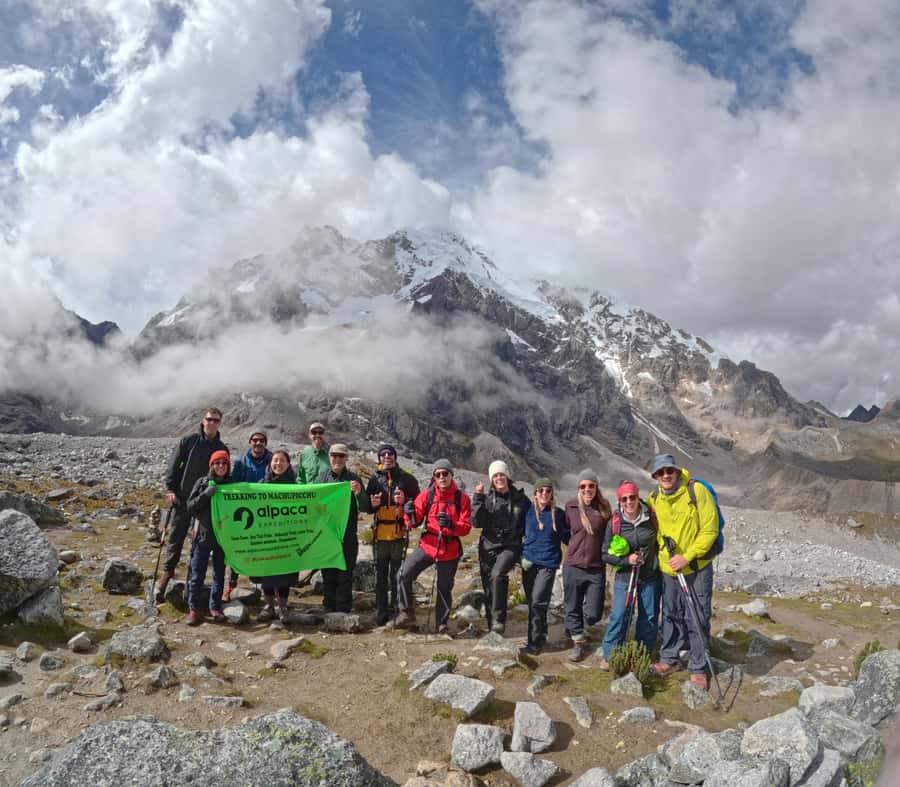
The route then reaches Salkantay Pass, beside the glaciated Salkantay Mountain. This is likely the most demanding section of the five days because you are walking at high elevation and crossing a mountain pass. The itinerary does not give exact distances or walking times, so check the starting details and ask the operator for current daily timings before you go.
The overnight stop at Wayracpunko is a campsite. That means you should expect a clear change from the glass cabin. The included chefs and porters matter here, since carrying a full camping setup, food, and several days of clothing would make the trek much harder. Your personal porter allowance is up to 7 kilograms per person, but you still carry your day pack.
Day two: Wayracmachay to Chaullay and the Hobbit house
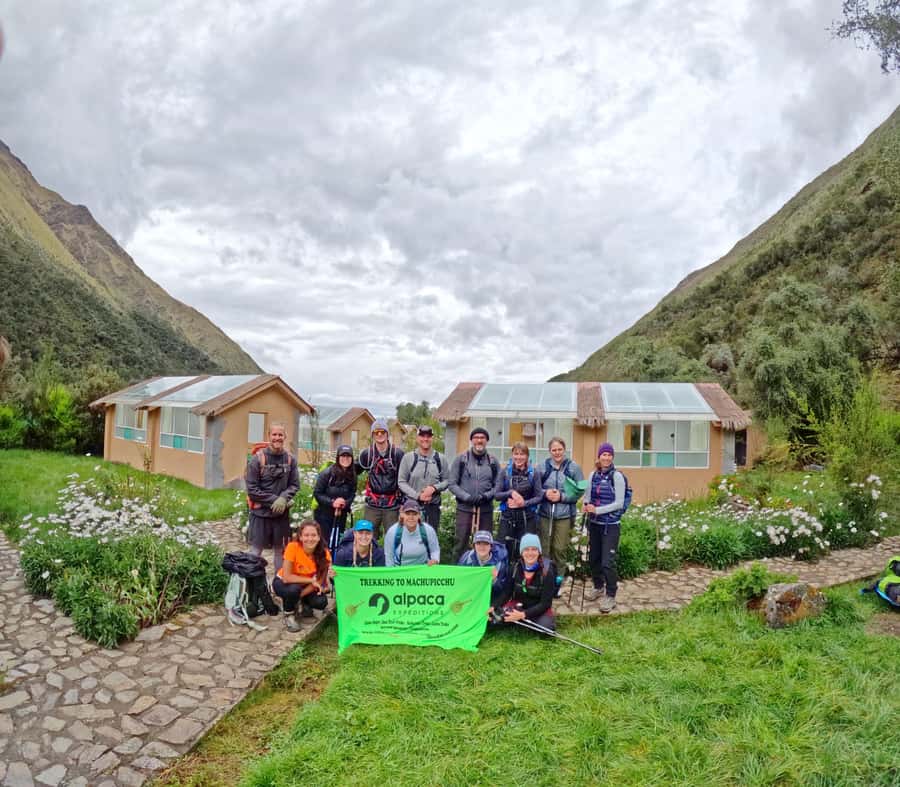
The second hiking day runs from Wayracmachay through Chaullay to Ccollpapampa Loreta, where you stay in a Hobbit house. The route shifts away from the starkest high-mountain scenery and begins the descent into warmer terrain.
I like this part of the itinerary because it gives the trek a strong sense of movement. You are not simply walking toward a landmark on similar ground each day. The air, vegetation, and feel of the route change as you leave the high pass behind.
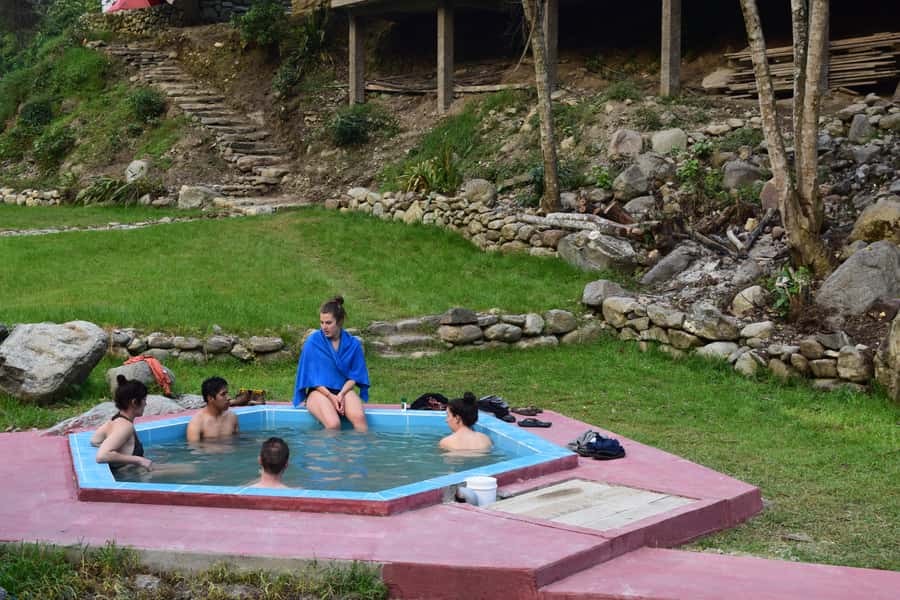
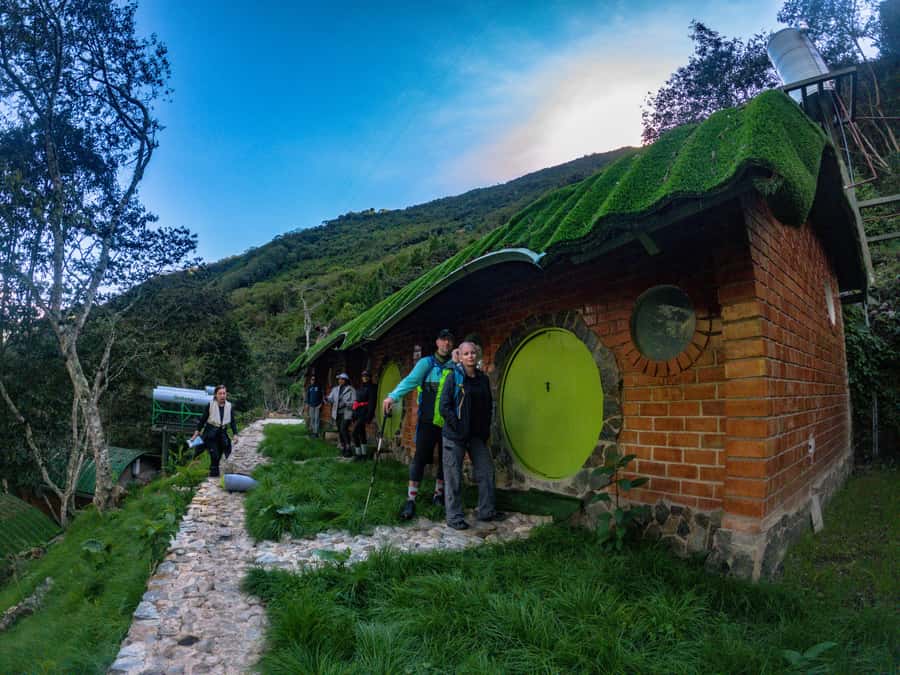
The Hobbit house is one of the trip’s most distinctive overnight stops. It includes an outdoor jacuzzi, which can be a welcome way to rest after a full day on foot. Still, do not pack as if this were a spa break. You are carrying personal items, sleeping in several different settings, and moving again the next morning.
Two camping nights are included in the overall package, along with one night in the Hobbit house, one night in a glass cabin, and one hotel night. The lodging variety is fun, but it also means you should keep your packing organized. Separate your sleeping items, clothes, and toiletries in waterproof bags so rain or a wet campsite does not turn the whole pack into a scramble.
More salkantay trek in Cusco:
- Salkantay Trek Challenge – 3 Days / 2 Nights
★ 5.0 · 101 reviews - Small Group 5 Days Salkantay and Machu Picchu by Llactapata Tour
★ 5.0 · 88 reviews - Machu Picchu: 5-Day Salkantay Trek with Panoramic Train
★ 5.0 · 79 reviews - Salkantay Trek 4 Days to Machu Picchu by Glamping Sky Lodge Dome
★ 5.0 · 68 reviews
Day three: coffee country and camp facing Machu Picchu
The third hiking day goes from Loreta through La Playa Sahuayaku and on to the Lucmabamba coffee farm. From there, the route continues to Llactapata, where you camp facing Machu Picchu.
The coffee farm is a valuable stop because it connects the trail to local agriculture. Salkantay is not only a mountain route. It also passes through places where coffee grows, and the change from cold upper slopes to a warmer growing zone helps you understand how quickly the Andes can shift.
This is also the day when the route begins to feel tied directly to Machu Picchu. Camping at Llactapata with a view toward the citadel gives you a preview before the formal visit. The setting is likely to be one of the most memorable parts of the trek, but remember that this remains a campsite, not a hotel room. A warm sleeping bag and a proper sleeping mat are essential, and neither is included.
The itinerary includes water, but you should still bring a refillable bottle or hydration system suitable for hiking. Your guide can provide the practical details for the day’s water arrangements. A headlamp is also on the list of items you must bring, which is important around camp and during early starts.
Day four: Llactapata, Mandor waterfalls, and Aguas Calientes
The fourth day begins at Llactapata lookout and continues to Mandor waterfalls before reaching Aguas Calientes, the town below Machu Picchu. This is the final major hiking day, but it is not a throwaway transfer.
The lookout gives you another chance to see Machu Picchu from outside the usual entrance route. Then the trail passes Mandor waterfalls before you arrive in town. The combination of walking and natural features keeps the day connected to the trek rather than reducing it to a simple ride toward the ruins.
Aguas Calientes brings a clear change in pace. After two nights of camping and several days on the trail, the included hotel night gives you a proper reset before the Machu Picchu visit. Use it to prepare your day pack, organize your passport, and set out only what you need for the citadel.
The package includes the train ticket for the return journey in Expedition class. It also includes the round-trip bus ticket to Machu Picchu. Those inclusions reduce the number of separate arrangements you need to make, which is useful after a tiring trek.
Day five: Machu Picchu and the return to Cusco
The final day is reserved for Machu Picchu. You travel from Aguas Calientes to the citadel by the included bus, visit the ancient site, then return toward Cusco using the planned transport and Expedition train.
The timing of the Machu Picchu visit depends on availability and the schedule assigned to your group, so check the exact departure information when booking. Keep your passport handy, since it is required for the trip.
The bus ticket is especially helpful here. The road to the entrance is steep, and after four days of hiking, most people will be glad to save their legs for the archaeological site itself. The experience ends with the return to Cusco, completing a route that began high in the mountains and passed through several distinct ecosystems.
Huayna Picchu is not part of the standard package. If you want that additional mountain pass, it costs $75 per person and must be arranged in advance. Do not assume you can add it at the last minute.
What the support team adds to the price
A guided Salkantay trek is not only about having someone point out the route. The included staff handle much of the work that makes a five-day trek practical: meals, camping support, luggage assistance, transportation, and first aid.
Professional chefs provide four lunches, five breakfasts, and four dinners. That is useful because you do not need to carry five days of food. Water is included as well, though your own bottle or hydration pack remains essential.
A personal porter can carry up to 7 kilograms per person. That is a generous help, but it does not mean you can leave your day-to-day needs in the porter bag. Keep rain gear, sunscreen, water, warm clothing, snacks if needed, and personal medication with you.
The first aid kit and oxygen tank are included. They are sensible safety provisions for a high-altitude route, but they do not replace travel insurance or an honest assessment of your health. The trip is not suitable for pregnant women, people with back or heart problems, or people with pre-existing medical conditions.
Packing for five nights and changing weather
You need to pack for several climates and four sleeping styles. The required list includes hiking shoes, thermal clothing, outdoor clothing, long sleeves, a T-shirt, rain gear, sunglasses, a sun hat, sunscreen, insect repellent, and a towel.
The most important missing items are your day pack and headlamp. You must also arrange a sleeping bag, air mattress, and trekking poles. These are not minor extras on a camping trek. A sleeping bag affects your comfort and warmth, while a sleeping mat affects your rest and recovery.
Use layers rather than one heavy coat. High mountain sun can be strong, while temperatures can drop quickly. Rain gear should be easy to reach, not packed beneath everything else. Insect repellent becomes more useful as you descend toward the warmer areas around La Playa Sahuayaku and Lucmabamba.
Your passport is required. Carry it safely and keep it dry.
Who will enjoy this Salkantay trip most
I would choose this trip if you want Machu Picchu as part of a real mountain route, not as a stand-alone day visit. It suits hikers who like changing scenery, unusual lodging, and a small group with English-language support.
It is also a good fit if you value convenience. The price takes care of meals, entry fees, porters, trains, buses, and several accommodation changes. You still have to bring or rent important gear, but you do not need to arrange each transport link yourself.
I would hesitate if you dislike camping, struggle with high-altitude walking, or want precise daily distances and walking times before committing. The itinerary includes demanding mountain sections, and the provided details do not list exact mileage or elevation figures. Ask for those specifics before booking.
The small-group limit of 16 is a practical advantage. It is large enough to keep the price reasonable but small enough for a guide to manage the group on a mountain trail. The tour is offered in English, and pickup is included from your hotel.
Should you book the $650 Salkantay Trek?
Book it if you want a supported, five-day route that combines Salkantay’s high mountain scenery with Humantay Lake, a coffee farm, a Machu Picchu lookout, and the citadel itself. The unusual sleeping arrangements give the trip more character than a standard hotel-based package, and the included staff and transport make the price sensible.
Think twice if you want a short, easy route or prefer full control over your schedule. You need to supply key camping gear, prepare for changing weather, and accept a demanding first hiking day.
For an active visitor who wants to reach Machu Picchu by walking through the Andes, this package offers a strong balance of scenery, support, and practical inclusions. Confirm the start time, daily walking details, and gear arrangements before paying, then let the route do the hard work.
FAQ
How long is the Salkantay Trek and Machu Picchu trip?
The activity lasts five days and five nights. Starting times depend on availability.
What language does the guide speak?
The live tour guide service is in English.
Is hotel pickup included?
Yes. Pickup is included from your hotel in Cusco, and the guide comes to the hotel to collect you for the hike.
How large is the group?
The tour is limited to 16 participants.
What accommodation is included?
The package includes one night in a glass cabin, two nights camping, one night in a Hobbit house, and one night in a hotel.
Are meals included?
Yes. The package includes five breakfasts, four lunches, and four dinners. Professional chefs are included.
Is the return train to Cusco included?
Yes. The return train ticket is included in Expedition class. Round-trip bus tickets to Machu Picchu are also included.
Is Huayna Picchu included?
No. The Huayna Picchu mountain pass costs $75 per person and must be booked in advance.
More Evening Experiences in Cusco
- Cusco by Night: Planetarium Cusco, Dinner, and Pisco Sour
★ 5.0 · 75 reviews - From Cusco: 2-Night Lake Titicaca Excursion
★ 3.7 · 62 reviews - Rainbow Mountain and Red Valley Hike – 2 Days / 1 Night
★ 5.0 · 41 reviews - Titicaca Lake 2 Day 1 Night from Cusco to Puno
★ 4.5 · 33 reviews
More Hiking & Trekking in Cusco
- From Cusco: 7 Lakes Ausangate Trek with Breakfast and Lunch
★ 4.8 · 360 reviews - Cusco: Rainbow Mountain Tour and Red Valley Hike (Optional)
★ 4.7 · 149 reviews - Cusco: Full-Day Rainbow Mountain & Red Valley Trekking Tour
★ 4.5 · 121 reviews - From Cusco: Rainbow Mountain Trek
★ 4.5 · 98 reviews
Just added around Cusco
- Waqrapukara 1 day trekking + meals★ 3.9 · 3 reviews
- Zipline over the Sacred Valley Trip★ 5.0 · 11 reviews
- Valle Sur Cusco | half day★ 4.3 · 3 reviews
- Visit to the Cochahuasi Animal Sanctuary with rescued animal★ 4.1 · 4 reviews
- Visit Pisac from Cusco: Private Transport★ 4.6 · 9 reviews
- Maras and Huaypo lagoon by ATV from Cuzco | Local Operator★ 4.7 · 4 reviews
- Trek to Humantay Lake from Cusco★ 4.9 · 8 reviews
- Trek to Choquequirao 4 days★ 3.8 · 4 reviews
Machu Picchu Tours, compared.



4-Day Inca Trail to Machu Picchu with Accommodation
Read our review →
2-Day Trip to the Sacred Valley and Machu Picchu
Read our review →
Machu Picchu 2-Day Inca Trail with Panoramic Train
Read our review →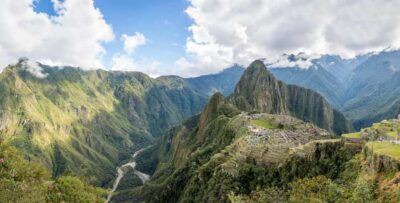
Browse the lists this tour appears in