
Reviewed · LAKE TITICACA TOURS
Titicaca Lake 2 Day 1 Night from Cusco to Puno
Lake Titicaca is the star here, but the route from Cusco gives you a full day of Andean culture before you ever reach the water. You will see the painted church at Andahuaylillas, the Temple of Wiracocha at Raqchi, high mountain views at La Raya, and the ancient site of Pukara in one long, well-organized ride.
I like the comfortable tourist buses and the way the trip links several hard-to-arrange stops. I also like that the boat fare and guiding for both the Uros Floating Islands and Taquile are included, so you are not left sorting out lake transport on your own.
The main drawback is the schedule. This is sold as two days and one night, but your return to Cusco leaves Puno at 9:15 p.m. and reaches Cusco at about 5 a.m. The second night is spent on the bus, so plan for a long, tiring finish.
In This Review
- Key points to know before booking
- What the Cusco to Puno route actually involves
- Andahuaylillas and the painted church
- Raqchi and the Temple of Wiracocha
- Sicuani lunch and the climb to La Raya
- Pukara and the end of the first day
- Lake Titicaca by boat: Uros and Taquile
- The trout lunch on Taquile
- What is included for $269
- The overnight return to Cusco
- Who will enjoy this route most
- Should you book this Cusco to Lake Titicaca tour?
- FAQ
- How long does the tour last?
- Where does pickup take place?
- Is accommodation in Puno included?
- Is the return transport to Cusco included?
- Which places are visited on the first day?
- Which islands are visited on Lake Titicaca?
- Is lunch included on the lake day?
- How high is La Raya Pass?
- What should I bring?
- How many people are in the group?
Key points to know before booking
- Two nights in practical terms: You sleep one night in Puno and a second night on the overnight bus back to Cusco.
- A full Route of the Sun day: The first day runs from 6:30 a.m. to about 5:30 p.m., with several cultural and archaeological stops.
- Two very different lake visits: The Uros islands are short and highly organized, while Taquile offers a closer look at island customs and daily work.
- High altitude matters: La Raya reaches 4,338 meters, and both Cusco and Lake Titicaca are high-altitude destinations.
- Small-group format: The maximum group size is 15 people, though the bus and boat portions involve organized transfers.
- Strong overall value at $269: Transport, a guide, accommodation, the first day’s buffet lunch, and lake boat fares are bundled together.
What the Cusco to Puno route actually involves
This is not a simple transfer from one city to another. The first day is a sightseeing route commonly called the Route of the Sun, with pickup from your Cusco hotel at 6:30 a.m. You travel by tourist bus and stop at several places before arriving in Puno around 5:30 p.m.
That arrangement is useful because the route covers more than 380 kilometers and includes stops that would be awkward to organize independently in a single day. You do not have to find separate buses, arrange site visits, or negotiate transport at each stop.
The tradeoff is a very full day. You will spend a lot of time on the bus, and the short visits can feel brisk if you prefer to linger. I would choose this tour for efficient sightseeing, not for a slow, flexible journey through the Andes.
The group limit is listed as 15 people. That is a helpful size for guide access and handoffs, although different guides may accompany different parts of the journey. The organization has received praise for comfortable vehicles, clear transfers, and attentive coordination, but communication about meeting points has not always been perfect. Keep your phone available and confirm pickup details with the local coordinator.
More Lake Titicaca Tours in Cusco
- Full Day Lake Titicaca Tour from Cusco
★ 4.5 · 91 reviews - From Cusco: 2-Day Lake Titicaca Tour
★ 4.4 · 74 reviews - From Cusco: Titicaca Lake – Full day tour with sleeper bus
★ 3.9 · 72 reviews
Andahuaylillas and the painted church
The first major stop is the Church of San Pedro de Andahuaylillas, about 40 minutes from Cusco. Built by Jesuits in the 16th century, it is often called the Sistine Chapel of America because of its elaborate interior decoration.
The church was built on a huaca, or sacred Inca place. That detail gives the stop extra weight. You are not simply looking at a Spanish colonial building. You are seeing how Catholic structures were placed within an older Andean religious setting.
Your admission is included, and the visit is short enough to fit the larger route without taking over the day. This is a good place to listen closely to the guide, since the meaning is easy to miss if you only glance at the exterior.
One practical note: the first guide sets the tone for the day. Most guide feedback has been positive, but one guide reportedly spent too much time on chakras, numerology, and aliens instead of sticking to history. If your main interest is archaeology and colonial art, you may need to politely steer questions back toward those subjects.
Raqchi and the Temple of Wiracocha
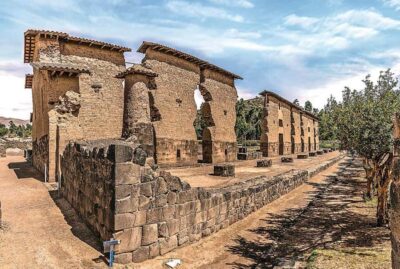
Raqchi is the next major archaeological stop, with about 50 minutes on site. The complex contains several areas with different functions, but the centerpiece is the Temple of Wiracocha, built in honor of the Inca creator god of the same name.
The site is useful for understanding that Inca centers were not just single monuments. Raqchi included separate spaces serving different purposes, and the remains help you picture a larger ceremonial and working settlement.
Admission is included. The visit is long enough for a guided explanation and a look around, but not long enough for an unhurried archaeological study. You will want walking shoes here, since the tour includes several outdoor sites and the total day involves repeated getting on and off the bus.
The route also lists Oropesa and Checacupe among its stops. The supplied schedule gives no separate visit length for those places, so expect the exact order and time allocation to be managed by the operating guide and bus crew.
Sicuani lunch and the climb to La Raya
Around midday, the bus stops in Sicuani for a buffet lunch, with about an hour allowed. This meal is included and breaks up the long morning of sightseeing.
A buffet is a sensible choice on a fixed schedule. You can eat without waiting for a made-to-order meal, then get back on the road. If you have altitude-related nausea or a sensitive stomach, keep your portion moderate and carry personal medication as advised in the preparation notes.
La Raya Pass is the highest point on the route, at 4,338 meters above sea level. The stop lasts about 10 minutes and offers views toward the snow-capped Andes, along with the regional boundary between Cusco and Puno.
Ten minutes is enough for photographs, not for a walk. Bring a warm layer even if Cusco felt mild when you left. Cold clothing, a hat, sunscreen, sunglasses, and a rain jacket or poncho are all sensible because conditions can shift quickly at this elevation.
Altitude is the serious practical issue on this tour. The advice is to acclimatize before going, drink coca tea, and have a moderate level of physical fitness. You should not treat the Taquile visit as a purely seated boat excursion. The day includes walking on an island at high altitude, so pace yourself.
Same valley, a completely different kind of day:
- Cusco: Humantay Lake Tour with Breakfast and Buffet Lunch
★ 4.9 · 2,976 reviews - From Cusco: Sacred Valley & Maras Salt Mines Tour with Lunch
★ 4.8 · 2,227 reviews - From Cusco: Moray, Maras Salt Mines & Chinchero Weavers Tour
★ 4.8 · 1,925 reviews - From Cusco: Full-Day Group Tour of Machu Picchu
★ 4.7 · 1,767 reviews
Pukara and the end of the first day
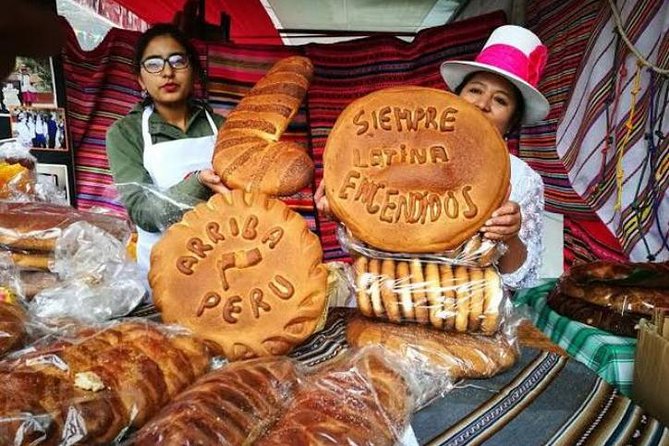
The final listed archaeological stop is Pukara, with about 30 minutes for the visit. The site is associated with monolithic sculptures showing geometric, zoomorphic, and human forms, as well as distinctive pottery in several shapes and colors.
Pukara gives the day a broader time frame. The tour is not limited to Inca sites and Spanish churches. It also introduces earlier Andean culture, which makes the route more valuable for anyone interested in how societies developed across the highlands.
After Pukara, you continue to Puno and reach the city at about 5:30 p.m. The local arrangement includes a hostel or other accommodation, but the specific property and room standard are not clearly stated. This is one point I would confirm before paying if your lodging expectations are high.
The hotel location has been viewed positively, but the accommodation description is thin. Think of the overnight stay as a practical base before the lake day, not as a featured hotel experience.
Lake Titicaca by boat: Uros and Taquile
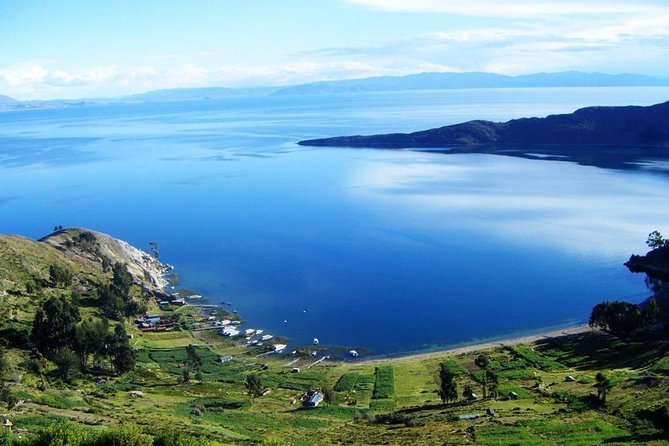
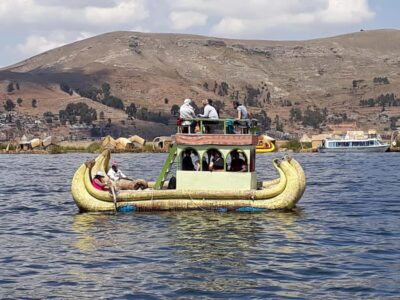
Day two begins early, with pickup from your Puno hotel at 6:45 a.m. You then board a boat for a full day on Lake Titicaca, returning to Puno around 5 p.m.
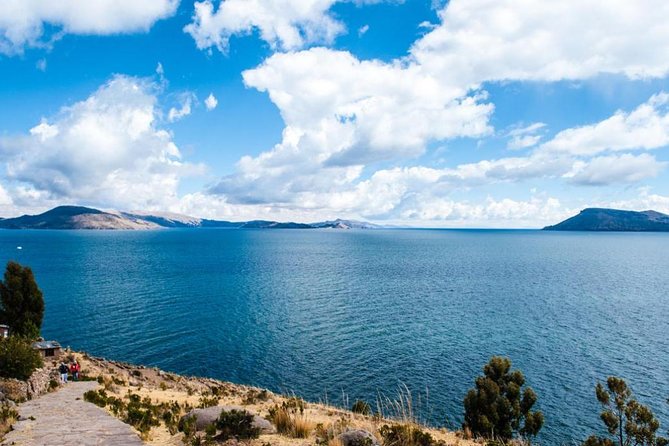
Lake Titicaca stretches across the border of Peru and Bolivia and is famous as one of the world’s highest navigable lakes. The water is often calm and reflective, but you should still bring sun protection and a rain layer. The lake portion is listed as about 10 hours, so this is not a quick photo stop.
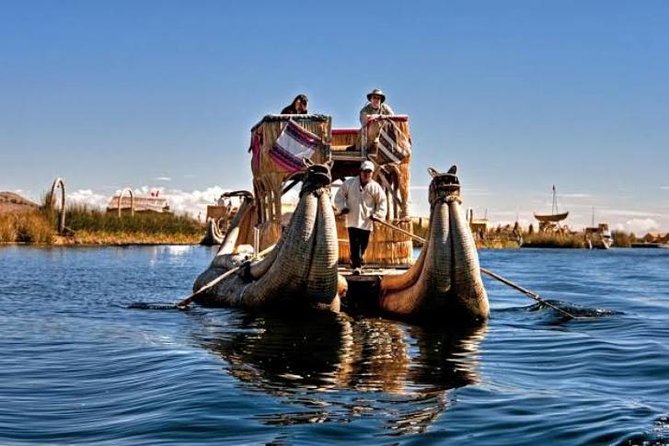
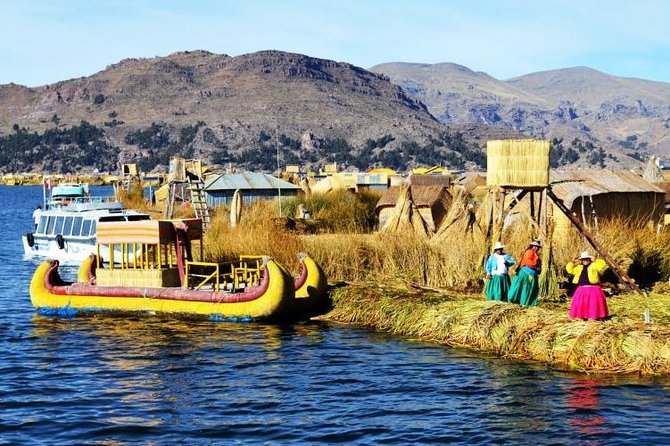
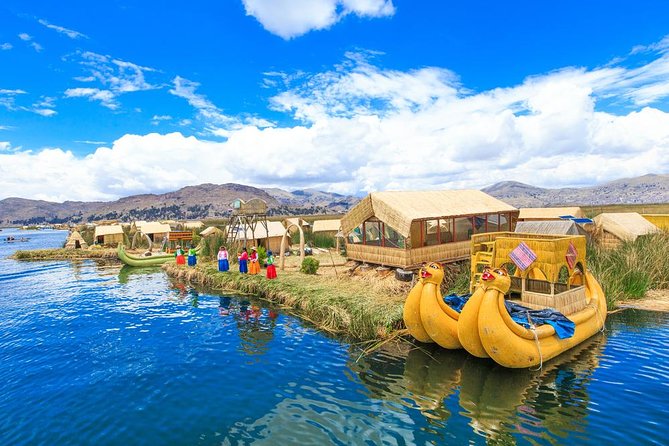
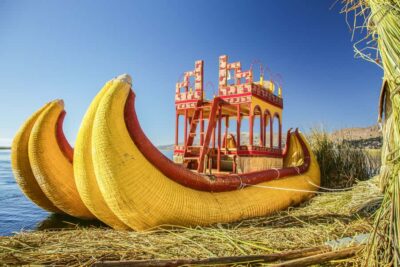
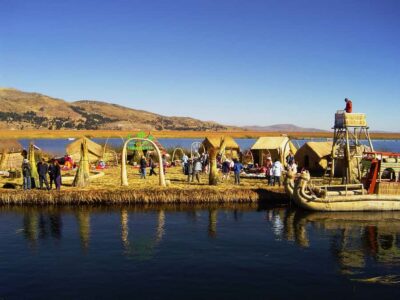
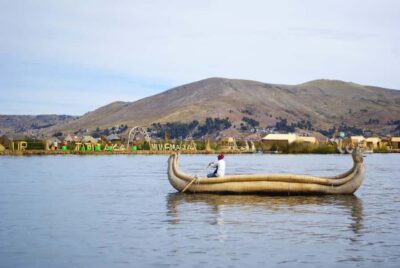
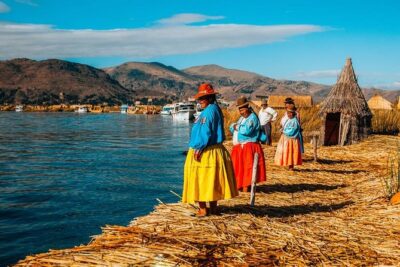
Your first island visit is the Uros Floating Islands. These are artificial, inhabited surfaces made from totora reeds, a plant that grows in the lake. Layers of woven reeds are placed over blocks of totora roots, creating platforms where the Uros people live and receive visitors.
The stop lasts about an hour. It is a striking sight, and the construction itself is worth paying attention to. Ask the guide how the reeds are maintained and how the islands function, rather than treating the visit as only a colorful backdrop for photographs.
The Uros visit is also highly organized and commercial in feel. That is not necessarily a flaw, but you should know what you are getting. It is an introduction to Uros life within a scheduled tourism route, not an unplanned encounter with a remote community.
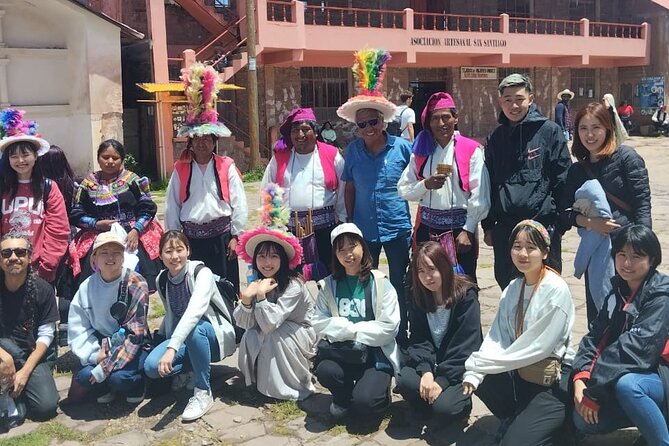
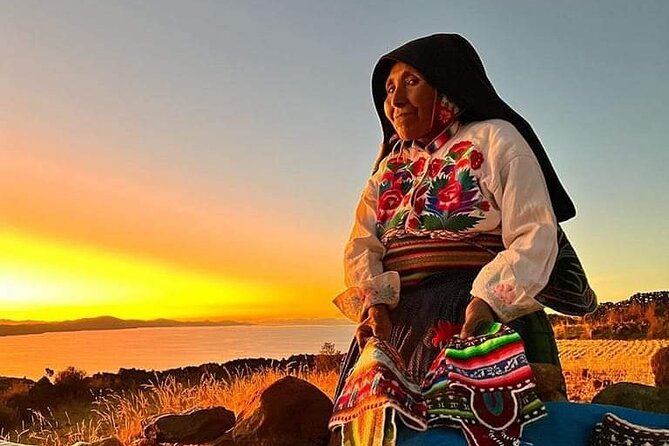
Taquile offers a different experience. The island is known for its customs, daily work, rites, beliefs, and strong connection to the surrounding hills, which residents regard as protective Apus. The visit lasts about an hour and focuses on contact with the island community and its traditions.
I would pay close attention to the guide here. Taquile is most rewarding when you learn how local practices connect to place, family, clothing, and ceremony. The island is not just another stop after Uros. It gives you a chance to see how an Andean community presents its identity through everyday life.
The trout lunch on Taquile
Lunch on Taquile is scheduled for about an hour and centers on lake trout. The meal is not included in the stated package, so carry extra money in Peruvian soles.
The lunch is a useful pause in the middle of a long boat day, but the price is not provided. Ask the coordinator or guide for the current cost if you are budgeting closely. The first day’s buffet lunch is included, while this second day meal is listed separately, so do not assume both are covered by the $269 price.
What is included for $269
At $269 per person, the price is easiest to judge as a package rather than as a single lake excursion. You receive the Cusco to Puno tourist bus, the archaeological stops, professional guiding, the first day’s buffet lunch, overnight accommodation, the boat visits to Uros and Taquile, and the return bus from Puno to Cusco.
That would be a useful deal for you if you want a point-to-point trip and would otherwise need to arrange several separate tickets. It also removes the stress of coordinating the Route of the Sun, a Puno hotel, a lake boat, and the overnight return.
The value is less clear if you already have transport and lodging arranged. In that case, the fixed schedule may cost more than booking only the parts you need. The tour is designed for convenience and coverage, not customization.
Tips are optional and not included. The Taquile trout lunch is also not included. Bring extra soles for food, tips, and any personal purchases.
The overnight return to Cusco
After returning to Puno at about 5 p.m., you have time to return to the hotel or explore Puno on your own. Pickup for the return journey is scheduled for 9:15 p.m.
The bus is due to arrive at the Cusco terminal around 5 a.m. the next day. This is why the duration needs careful reading. You have the daytime sightseeing of day one, an overnight in Puno, a full lake day, and then an overnight bus. The experience may be marketed as two days and one night, but your body experiences two nights away from a normal bed.
This schedule makes sense if you are trying to connect Cusco and Puno without losing another full day. It is not ideal if you need to be fresh for a morning activity in Cusco. I would avoid booking a demanding trek, flight, or early tour immediately after arrival.
One coordination issue deserves attention. Most transfers have been described as well managed, but there has been at least one complaint about a missed pickup at the bus station and a need to text for information. Confirm the Cusco arrival terminal and keep the provider’s contact details handy.
Who will enjoy this route most
I would recommend this trip for you if you want a broad first look at the southern Peruvian highlands and prefer a single organized booking. It suits people who value efficient transport and included guiding more than free time.
It is also a good fit if you want both archaeology and living culture. Andahuaylillas, Raqchi, and Pukara give the first day variety, while Uros and Taquile provide the main cultural focus on day two.
You should think twice if you dislike early starts, long bus rides, fixed visit times, or overnight buses. The altitude and the walking on Taquile also mean you need reasonable fitness and time to acclimatize.
The group size of up to 15 is a plus, but the route still depends on shared buses, boats, and guide changes. A few details, especially accommodation and pickup communication, deserve confirmation before departure.
Should you book this Cusco to Lake Titicaca tour?
Book it if your priority is getting from Cusco to Puno while seeing major places along the way, then visiting both Uros and Taquile without arranging the pieces yourself. The strong points are the comfortable transport, attentive coordination in most cases, helpful guides such as Manuel, and the amount of sightseeing packed into two days.
Skip it if you want a relaxed lake holiday or a guaranteed full night of sleep both ways. The overnight return is the key compromise, and the accommodation details are not specific enough for travelers who need a particular hotel standard.
At $269, the tour offers solid practical value for a tightly scheduled route. Confirm the hostel, the exact meeting points, and the Taquile lunch cost, then pack for cold weather, sun, rain, and altitude. If those conditions suit you, this is an efficient way to connect Cusco with Puno and see far more than the two cities alone.
FAQ
How long does the tour last?
The scheduled tour covers two days, but the return bus arrives in Cusco at about 5 a.m. the following day. In practical terms, you spend two days sightseeing and two nights away from a normal bed.
Where does pickup take place?
Pickup is offered from your hotel in Cusco at about 6:30 a.m. on day one and from your hotel in Puno at about 6:45 a.m. on day two.
Is accommodation in Puno included?
Yes. The package includes a hostel or other accommodation in Puno for the night between the two sightseeing days. The exact accommodation details are not specified.
Is the return transport to Cusco included?
Yes. A return bus from Puno to Cusco is included. It leaves at about 9:15 p.m. and arrives at the Cusco terminal around 5 a.m.
Which places are visited on the first day?
The route includes Oropesa, Andahuaylillas, Raqchi, Sicuani, La Raya, Checacupe, and Pukara, with a buffet lunch in Sicuani.
Which islands are visited on Lake Titicaca?
The boat trip visits the Uros Floating Islands and Taquile Island.
Is lunch included on the lake day?
The listed lunch on Taquile is lake trout, but it is not included in the package price. Bring extra money in Peruvian soles.
How high is La Raya Pass?
La Raya reaches 4,338 meters above sea level. You should acclimatize before the trip and bring warm clothing.
What should I bring?
Bring a light backpack, hiking shoes, warm clothing, a rain jacket or poncho, a hat, sunscreen, sunglasses, personal medication, energy bars, a plastic bag, a camera, and extra money.
How many people are in the group?
The activity has a maximum of 15 participants. The trip uses organized tourist buses and boats for its different sections.
More 2-Day Experiences in Cusco
- From Cusco: 2-Day Trip to the Sacred Valley and Machu Picchu
★ 4.6 · 265 reviews - Cusco: Machu Picchu 2-Day Inca Trail with Panoramic Train
★ 4.9 · 260 reviews - From Cusco: 2-Day Inca Trail to Machu Picchu
★ 4.2 · 244 reviews - Machu Picchu: Inca Trail 2-Day Overnight Guided Tour
★ 4.9 · 203 reviews
More Evening Experiences in Cusco
- Cusco by Night: Planetarium Cusco, Dinner, and Pisco Sour
★ 5.0 · 75 reviews - From Cusco: 2-Night Lake Titicaca Excursion
★ 3.7 · 62 reviews - Rainbow Mountain and Red Valley Hike – 2 Days / 1 Night
★ 5.0 · 41 reviews - From Cusco: 3-Night Lake Titicaca Excursion
★ 4.3 · 17 reviews
Just added around Cusco
- Waqrapukara 1 day trekking + meals★ 3.9 · 3 reviews
- Zipline over the Sacred Valley Trip★ 5.0 · 11 reviews
- Valle Sur Cusco | half day★ 4.3 · 3 reviews
- Visit to the Cochahuasi Animal Sanctuary with rescued animal★ 4.1 · 4 reviews
- Visit Pisac from Cusco: Private Transport★ 4.6 · 9 reviews
- Maras and Huaypo lagoon by ATV from Cuzco | Local Operator★ 4.7 · 4 reviews
- Trek to Humantay Lake from Cusco★ 4.9 · 8 reviews
- Trek to Choquequirao 4 days★ 3.8 · 4 reviews
Lake Titicaca Tours, compared.
Lake Titicaca 2-Day Tour to Uros, Amantani and Taquile
Read our review →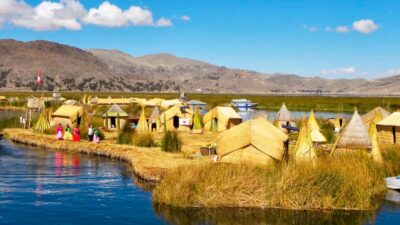
Full-Day Tour of Lake Titicaca and Uros & Taquile
Read our review →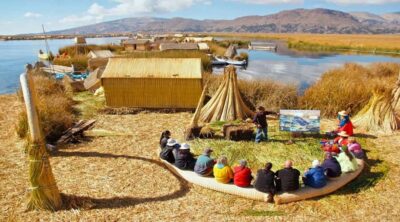
Browse the lists this tour appears in