
Reviewed · LAKE TITICACA TOURS
From Puno: Floating Islands of the Uros Half-Day Tour
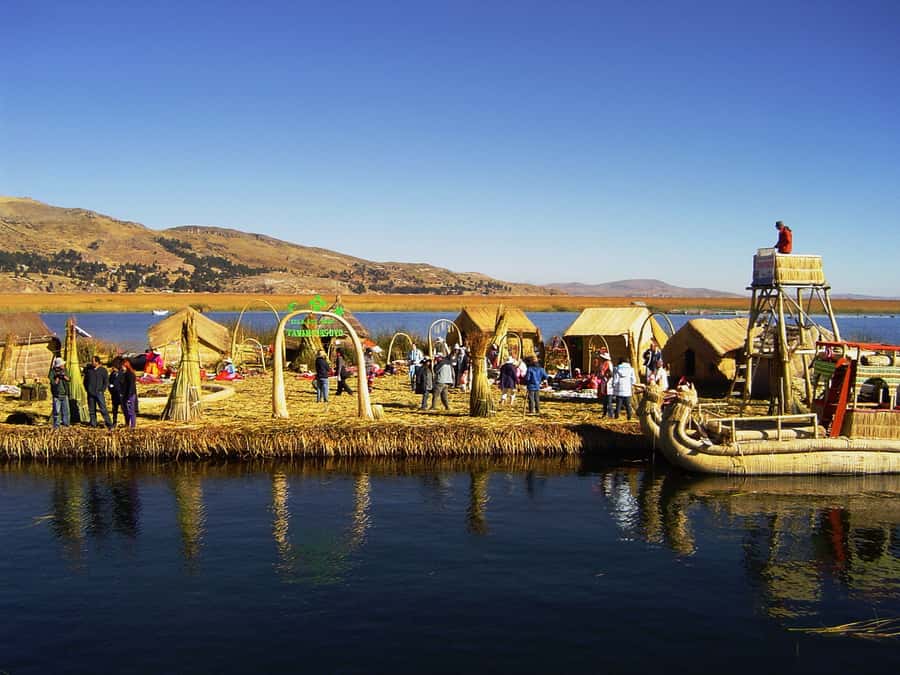
The Uros floating islands are one of Lake Titicaca’s most unusual sights: living platforms made from totora reeds, an aquatic plant that grows in the lake. This short trip shows you how the islands are layered, repaired, and used for homes, boats, cooking, and trade.
I like the three-hour format, which fits neatly into a busy day in Puno, and I like that guides such as Freddy and Roly have local ties and can explain the Uros way of life in English, Spanish, and sometimes Aymara. The main drawback is the sales element, since crafts are presented for purchase and the traditional reed boat costs an extra 15 soles.
In This Review
- Key points to know before you book
- Why the Uros islands are worth seeing
- Leaving Puno for the open water
- Walking onto a floating island
- Meeting the community and seeing everyday life
- The optional Balsa de Totora ride
- How the three-hour schedule works
- Is the $10 price good value?
- What to bring and what to leave behind
- Who will enjoy this half-day outing
- Should you book the Uros floating islands tour?
- FAQ
- How long does the Uros floating islands tour last?
- What is included in the tour price?
- Is the traditional reed boat ride included?
- Is the reed boat ride optional?
- Is hotel pickup available in Puno?
- What languages are available on the tour?
- What should I bring?
- Can I bring luggage or a large bag?
- Does the tour run if it rains?
- Is the tour suitable for people with mobility impairments?
Key points to know before you book
- Totora holds the islands together: You see how reeds are cut, woven, and placed in thick layers to form the walking surface.
- A local guide can make the difference: Freddy, Roly, Franky, Robbie, and other guides have been praised for clear explanations and, in some cases, personal ties to the islands.
- The tour lasts about three hours: It includes roughly 30 minutes by boat each way and about 105 minutes on the islands.
- The reed boat costs extra: The optional traditional Balsa de Totora ride is listed at 15 soles per person, paid locally.
- Expect shopping as part of the visit: Uros families display textiles, souvenirs, food, and drinks. Some visitors find the sales pitch too strong.
- This is not ideal for limited mobility: Boarding boats and walking on floating reed surfaces can be difficult.
Why the Uros islands are worth seeing
Puno sits beside Lake Titicaca, but the lake looks quite different once you leave the city port. The Uros islands are built on the water from totora, a reed that grows in the shallows. The result is a place that feels part village, part boatyard, and part living engineering project.
The islands are associated with an Indigenous culture that dates back more than 3,000 years, before the Inca period. Today, around 2,000 Uros people live across roughly 80 floating islands. The tour gives you a short, clear introduction to that long story without asking you to give up a full day.
I especially like the practical side of the visit. You do not just look at a strange island from a boat. You see the reed layers under your feet, learn how the surface is maintained, and hear how the same plant can serve as construction material, fuel, transport, and food.
At the same time, it helps to arrive with realistic expectations. This is a working community that receives regular organized tours. The visit is designed for sightseeing, explanation, photographs, and shopping. It is not a quiet visit to an untouched village.
More Lake Titicaca Tours in Puno
- From Puno: Uros, Amantaní & Taquile Islands 2-Day Tour
★ 4.5 · 452 reviews - Lake Titicaca 2-Day Tour to Uros, Amantani and Taquile
★ 4.4 · 199 reviews - Puno: Full-Day Tour of Lake Titicaca and Uros & Taquile
★ 4.4 · 178 reviews
Leaving Puno for the open water
If you select the pickup option, a van collects you from a hotel in central Puno. The city transfer takes about 10 to 15 minutes, depending on the pickup arrangement, and brings you to the main port.
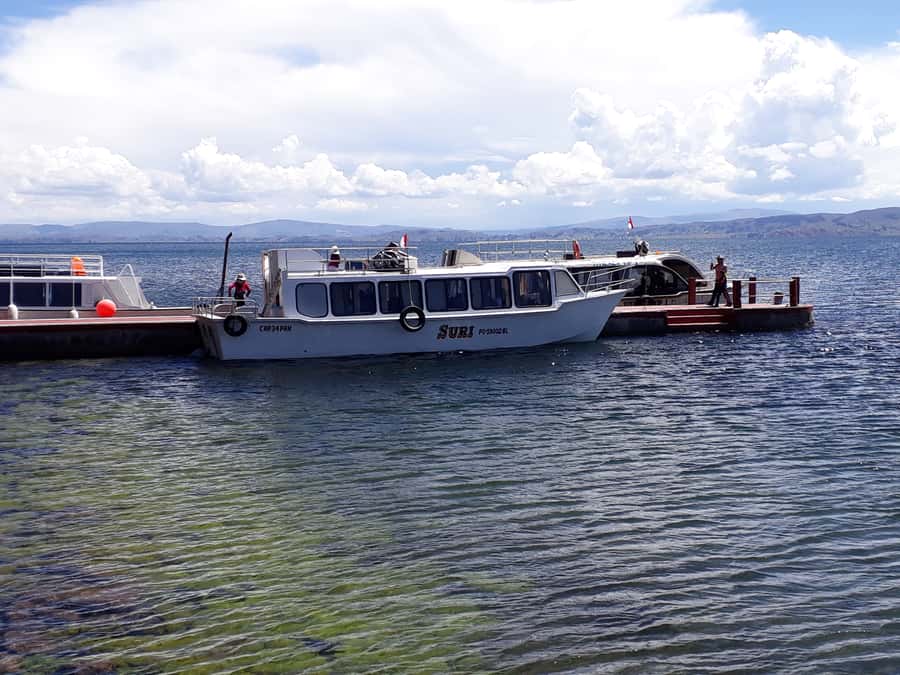
The boat trip to the islands takes around 30 minutes. That ride is part of the pleasure of the outing. You get away from Puno’s waterfront and see Lake Titicaca from the water, with wide views in every direction.
The transport is a regular motorboat rather than the traditional reed craft. Several people specifically liked the clean, comfortable boats and careful captains, including Bryan, Brian, Christian, and Christopher, though the exact crew can change.
Your guide usually begins explaining the lake and the Uros people during the transfer. Guides have included Freddy, Roly, Franky, Robbie, and others. Freddy has been especially well regarded for growing up in the Uros community and speaking English, Spanish, and native Aymara. That local connection matters because it can add detail that a guide working only from a script may not provide.
The boat ride is short enough for children and people who dislike long water crossings, but you should bring protection from sun and rain. The tour runs in both conditions, and the lake can look very different under changing weather.
Walking onto a floating island
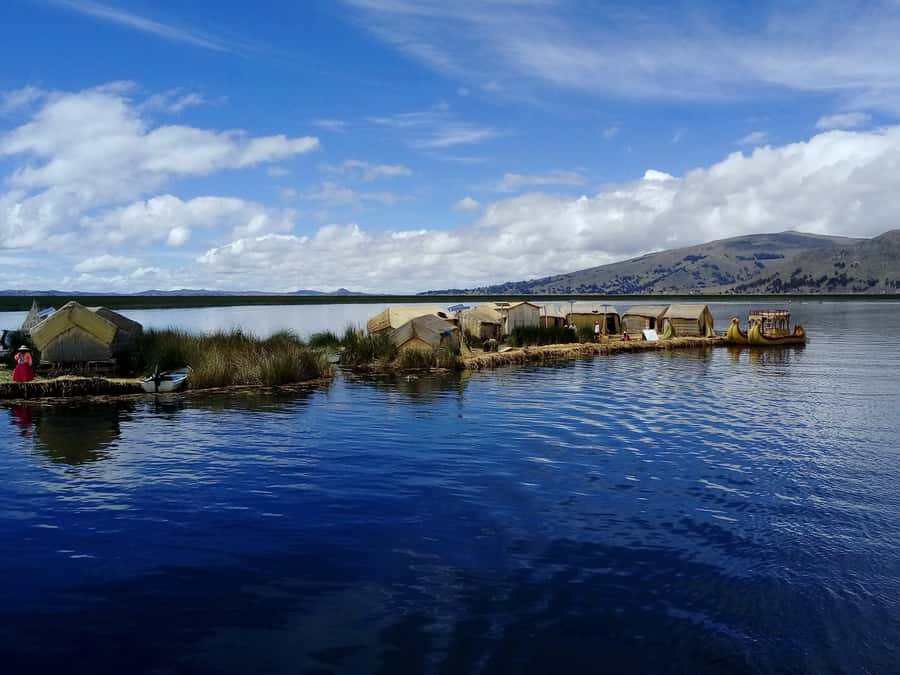
The first sight of the islands is the main event. From the boat, you see low platforms spread across the lake, with reed houses, small boats, and colorful displays. Then you step onto the island and realize that the ground is not soil or stone. It is a springy layer of totora.
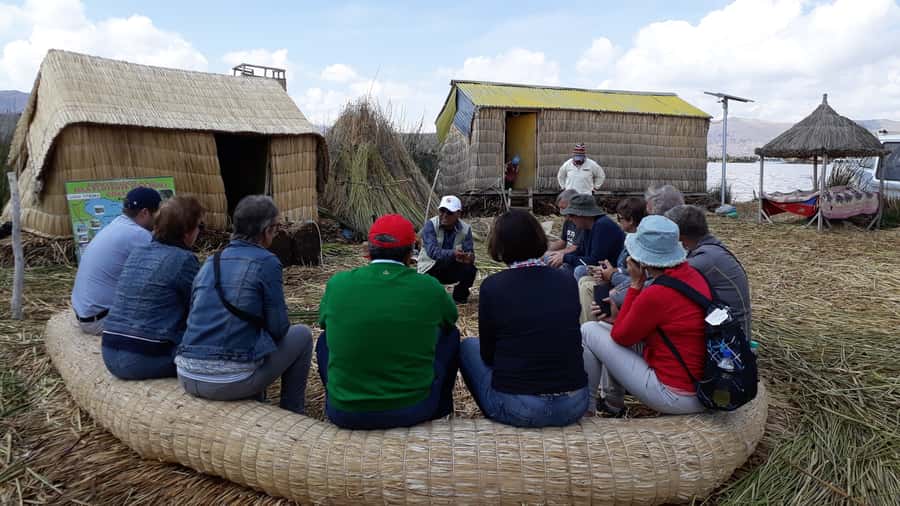
A local host explains how each island is made. Large blocks of earth and reed roots are secured together, then fresh totora is added on top in layers. The upper surface gradually breaks down, so the community must keep adding new reeds. This constant work is the simple reason the islands remain usable.
You may be shown pieces of the construction material and invited to feel the difference between older, compacted layers and fresh reeds. The demonstration is brief, but it makes the island far easier to understand than a photograph or museum display.
The Uros also use totora for houses and boats. The plant appears in local cooking and is traded as well. That range of uses is what makes the visit more than a photo stop. You are looking at a material that shapes daily life.
The surface can be uneven. Anyone with mobility problems should take the warning seriously, especially when stepping between the boat and the island or walking across a flexible reed platform.
Meeting the community and seeing everyday life
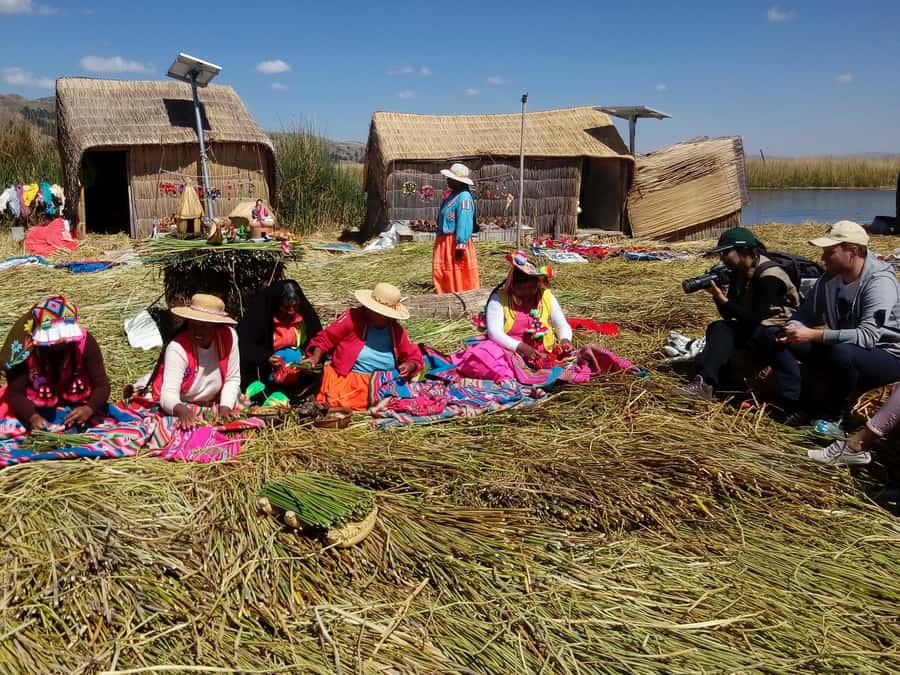
The guided portion typically includes a walk around the island and an explanation of the homes, boats, and community facilities. You have time to take photographs and look at the construction in detail.
Local women may demonstrate textiles and other handmade goods. You might also be invited to try traditional clothing for photographs. Singing and short cultural demonstrations can be part of the welcome, although the amount of English explanation from the island host can vary.
This is where a bilingual guide becomes useful. The local explanation may be short or partly in Spanish, while the main tour guide translates and fills in the background. Roly, Freddy, and Franky have all been praised for making the information easy to follow.
You should also expect a sales presentation. Textiles, souvenirs, drinks, and food may be shown to you, and purchasing something helps support the community. Still, prices can be higher than those for similar goods elsewhere in Peru, and some people find the sales pitch too persistent.
My advice is simple: decide in advance what you want to spend. Browse politely, buy only if you find something worthwhile, and do not feel obliged to purchase every item shown. Several visitors found the local families friendly even when they bought nothing, while others felt pressured. Both reactions are possible, so keep your expectations balanced.
Same valley, a completely different kind of day:
- From Cusco: Vinicunca Rainbow Mountain ATV Tour with Meals
★ 4.6 · 1,060 reviews - Puno: Full-Day Route of the Sun Tour to Cusco with Lunch
★ 4.7 · 131 reviews - Floating Islands of the Uros
★ 4.2 · 101 reviews - From Puno: full day tour to Uros and Taquile with Lunch
★ 4.6 · 95 reviews
The optional Balsa de Totora ride
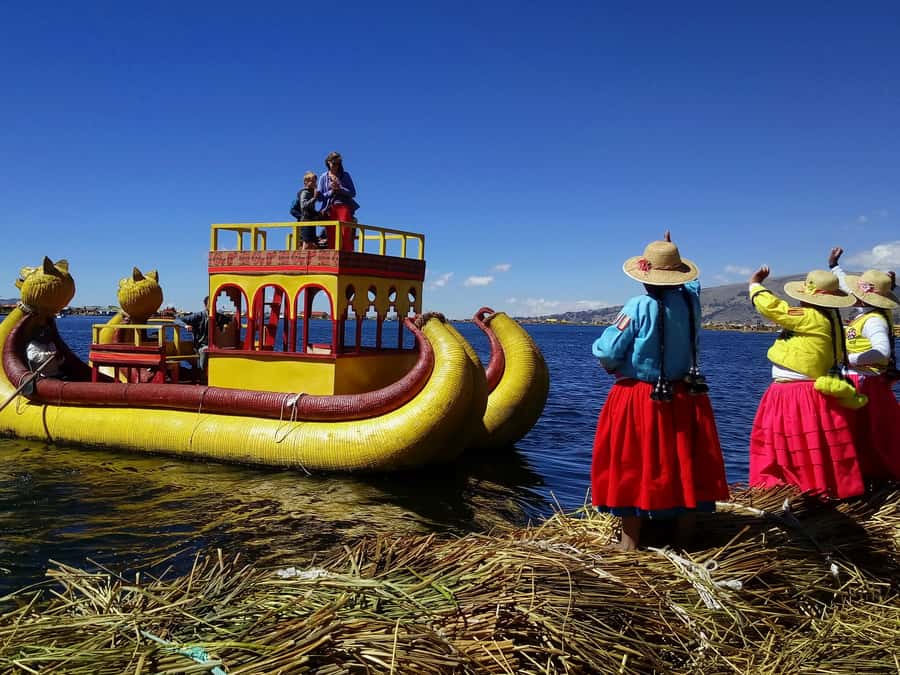
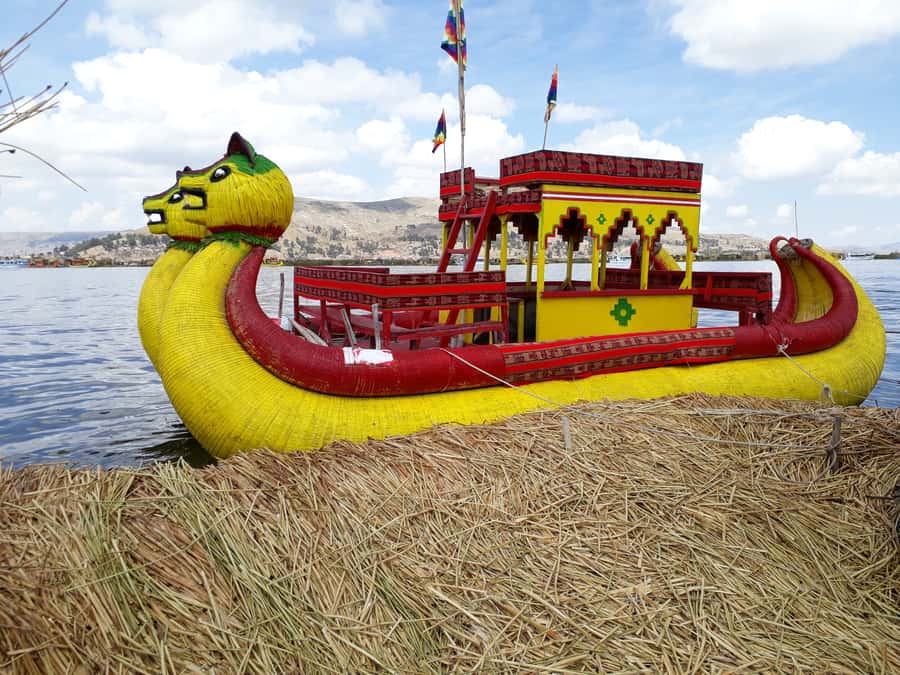
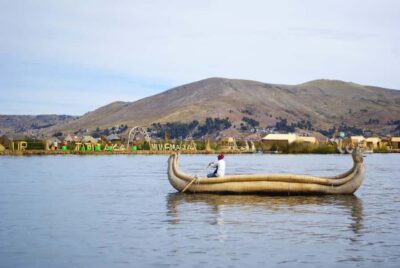
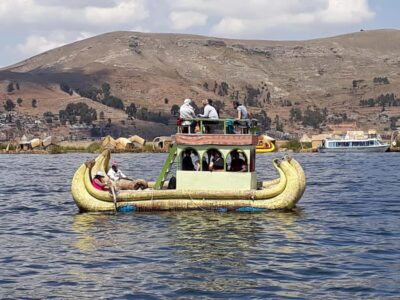
The traditional reed boat is one of the most recognizable Uros images. These boats are made from totora and resemble large, decorated bundles of reeds. You can usually pay locally for a short ride to another island or nearby landing point.
The listed price is 15 soles per person, and it is not included in the $10 tour price. The activity description calls the ride optional, but one practical warning appears repeatedly in the experience details: some groups treat the boat ride as an expected part of the visit. Ask clearly before boarding.
The extra ride can be fun and gives you another view of the islands. Some people enjoyed the boat crossing as the most playful part of the afternoon. Others felt the second stop added little, especially when it led mainly to a restaurant, toilet, or chair rather than another substantial community visit.
If your priority is seeing more families and learning about island life, ask where the reed boat goes and what the stop includes. If you simply want the classic photo and a short extra ride, 15 soles is a modest addition. You can also decline it if you prefer to keep the visit focused on the first island.
How the three-hour schedule works
The advertised duration is three hours, with the published timings adding up to slightly more than that depending on pickup and boat movement.
A typical schedule looks like this:
- About 10 to 15 minutes by van from central Puno to the port
- About 30 minutes by motorboat to the Uros islands
- About 105 minutes for the guided visit, walking, photographs, shopping, and possible reed boat activity
- About 30 minutes by boat back to Puno
- About 15 minutes by van to your central hotel
The 105 minutes on the islands is enough for a useful introduction. You should not expect a slow, private study of several communities. This is a compact visit, designed for people who want to see the islands without committing to a full-day Lake Titicaca trip.
A morning departure works well if you have afternoon plans. An afternoon departure can be especially appealing for photography. One late afternoon group returned during sunset and found the boat ride back particularly memorable.
Pickup and drop-off are available from hotels in central Puno if you choose that option. If your accommodation is outside the city center, confirm the meeting point before booking.
Is the $10 price good value?
At $10 per person, the tour offers a lot for a short outing. The price includes the main boat transfer, entrance to the Uros island, and a live guide in English and Spanish. That makes it a strong choice if your schedule in Puno is tight.
The low headline price needs one adjustment: the reed boat costs 15 soles extra, and food and drinks are not included. You may also want to buy a craft, though that is entirely your choice. Count those possible costs before comparing the tour with a more expensive package.
The value is strongest for three types of visitors:
- You have only a morning or afternoon in Puno.
- You want an introduction to the Uros islands rather than a full-day lake trip.
- You care about clear cultural explanation and easy transport from central Puno.
The value is weaker if you want a private, slow visit with no commercial activity. In that case, the scheduled shopping and optional boat ride may feel like too much of the program.
Small groups are possible, and some departures have ended up as private or nearly private trips. Group size can vary, so do not book solely on the hope of having the boat to yourself.
What to bring and what to leave behind
Bring your passport or another ID card, as this is listed as a requirement. Wear shoes that you can walk comfortably in, since the island surface can feel soft and uneven.
Sun and rain protection are sensible because the tour operates in either weather. The information provided does not list a meal, so eat beforehand if you need something substantial. Food and drinks are not included, though some island stops may offer refreshments.
Do not bring pets, luggage, or large bags. A small day bag is the practical choice, but keep it light so boarding and walking are easier.
The tour is not suitable for people with mobility impairments. Boat access and the flexible reed surface are the main concerns, and there may not be an easy alternative once you arrive.
Who will enjoy this half-day outing
I would recommend it to anyone who wants a first look at Lake Titicaca without spending an entire day on the water. The three-hour length fits well between hotel checkout, a city visit, or another Puno activity.
Families and first-time visitors can also benefit from the straightforward format. The trip combines transport, a guide, a demonstration, time to walk around, and a chance to see traditional boats and homes.
It is particularly worthwhile if you can join a guide with personal ties to the Uros community. Freddy’s background received special praise, while Roly and Franky were also appreciated for clear English and friendly explanations. The exact guide is not guaranteed, but you can ask who will lead your departure.
I would be more cautious if commercial tourism puts you off. The Uros islands are a real community, but the visit is arranged around tourism. The crafts, clothing, songs, and reed boat ride are part of the experience. That does not make the visit worthless, but it does mean you should not confuse a short public tour with an unplanned encounter with private village life.
Should you book the Uros floating islands tour?
Book it if you want an affordable, well-organized introduction to one of Lake Titicaca’s most unusual communities. The floating construction is genuinely fascinating, the lake views are broad and beautiful, and a good bilingual guide can explain how the Uros way of life has changed while preserving its distinctive traditions.
Before paying, budget another 15 soles if you are likely to take the reed boat, and accept that shopping will be part of the stop. If you want more time, less selling, or visits to several islands, choose a longer or more private outing instead.
For a short visit from Puno, this is a practical choice with real cultural interest. Go with an open mind, a small bag, and a clear limit on souvenir spending, and the tour should give you a memorable glimpse of life built from reeds on the world’s highest navigable lake.
FAQ
How long does the Uros floating islands tour last?
The advertised duration is three hours. The schedule includes about 30 minutes by boat each way, plus transfers between central Puno, the port, and the hotel.
What is included in the tour price?
The $10 price includes the boat transfer, entrance to the Uros island, and a bilingual English and Spanish guide. Hotel pickup and drop-off are included only if you select that option.
Is the traditional reed boat ride included?
No. The Balsa de Totora ride costs 15 soles per person and is paid locally to the Uros community.
Is the reed boat ride optional?
It is described as optional, but some departures may present it as part of the visit. Ask the guide what the ride includes before paying.
Is hotel pickup available in Puno?
Yes. Pickup and drop-off are available from hotels located in central Puno when that option is selected.
What languages are available on the tour?
The live guide speaks English and Spanish. Some guides also speak Aymara, including guides who grew up in the Uros community.
What should I bring?
Bring your passport or ID card. Sun or rain protection and comfortable walking shoes are also sensible for the boat ride and reed island surface.
Can I bring luggage or a large bag?
No. Luggage and large bags are not allowed. Pets are also not allowed.
Does the tour run if it rains?
Yes. The tour operates in both sunshine and rain.
Is the tour suitable for people with mobility impairments?
No. The experience is listed as unsuitable for people with mobility impairments because of boat access and walking on the floating islands.
More Half-Day in Puno
- Sillustani: Chullpas de Sillustani Afternoon Half-Day Tour
★ 5.0 · 6 reviews - Cusco: Half-Day City Tour with Sacsayhuaman and Q’enco
★ 4.6 · 1,129 reviews - Lima’s Vibrant Heritage: Exploring the City’s Landmarks Half-day
★ 4.5 · 581 reviews - Lima: Pachacamac Ruins & Barranco Half-Day Guided Tour
★ 4.6 · 296 reviews
Just added around Puno
- Uros Floating Islands Tour in Puno★ 3.7 · 9 reviews
- Two Day Lake Titicaca Tour With Homestay★ 3.7 · 6 reviews
- TRIP FROM PUNO TO CUSCO WITH THE ROUTE OF THE SUN★ 4.7 · 16 reviews
- Full-Day Tour of Uros, Taquile and Sillustani from Puno★ 5.0 · 41 reviews
- Two-Day Tour to Uros with Amantani and Taquile from Puno★ 5.0 · 44 reviews
- Full Day Lake Titicaca Tour to Uros and Taquile Islands★ 4.5 · 56 reviews
- Full Day Guided Tour of the Aymara Route from Puno★ 5.0 · 55 reviews
- Sun island and Copacabana | From Puno or La Paz / Day Trip★ 4.1 · 5 reviews
Lake Titicaca Tours, compared.
Lake Titicaca 2-Day Tour to Uros, Amantani and Taquile
Read our review →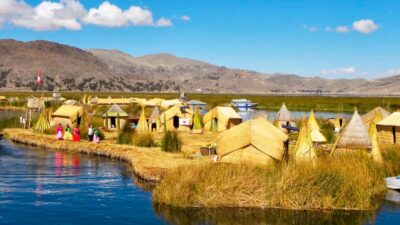
Full-Day Tour of Lake Titicaca and Uros & Taquile
Read our review →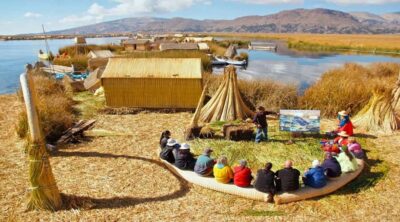

Browse the lists this tour appears in