
Reviewed · PUNO TOURS
Puno: Full-Day Route of the Sun Tour to Cusco with Lunch
The most useful thing about this Route of the Sun tour is that it turns a long transfer from Puno to Cusco into a full day of history, scenery, and village visits. Instead of sitting on a direct bus, you stop at Pucara, Abra La Raya, Raqchi, and Andahuaylillas, then arrive in Cusco by late afternoon.
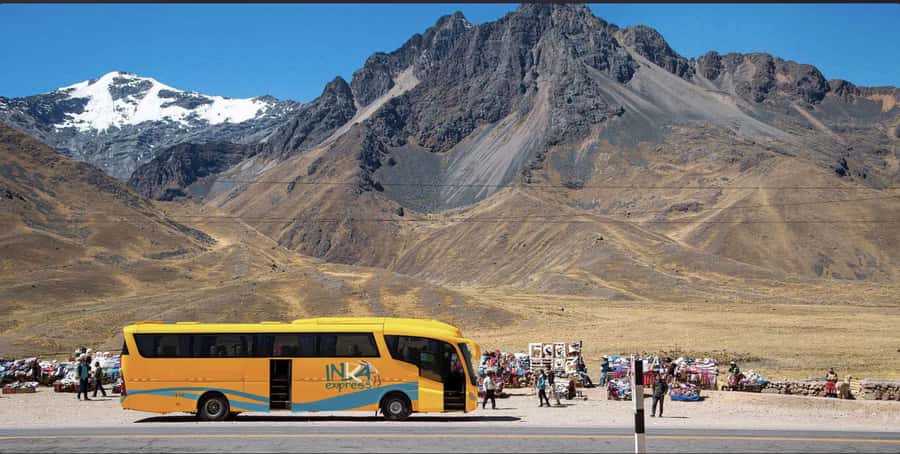
I like the comfortable bus, with wide reclining seats, a bathroom, drinks, and plenty of room for a long ride. I also like the guides, including Ellie, Manuel, and Juan Carlos, who have been praised for clear English and thoughtful explanations. The main drawback is the extra 53 soles entry fee, plus a tightly timed lunch and sightseeing schedule.
In This Review
- Key points to know before booking
- Why this bus journey makes sense
- 6:40 AM departure from Puno
- Pucara and the first Andean civilizations
- Abra La Raya and the high point of the route
- Buffet lunch near Marangani and Sicuani
- Raqchi and the Temple of Wiracocha
- Andahuaylillas and the church called the Sistine Chapel of the Andes
- Arriving in Cusco at about 5:30 PM
- Guide quality and onboard comfort
- Who should book this Route of the Sun tour
- Should you book it?
- FAQ
- How long does the Route of the Sun tour take?
- Where does the tour start in Puno?
- Where does the tour end in Cusco?
- Is hotel pickup included in Puno?
- Is hotel drop-off included in Cusco?
- What sites does the tour visit?
- Is lunch included?
- Are entrance tickets included?
- Is the bus comfortable for a long journey?
- What languages are available?
Key points to know before booking
- A practical Puno to Cusco transfer: You travel between two major Peruvian destinations while visiting several important sites along the way.
- Four worthwhile stops: Pucara, Abra La Raya, Raqchi, and Andahuaylillas each offer something different, from ancient stonework to colonial art.
- Comfort matters here: The climate-controlled bus has reclining seats, a clean bathroom, drinks, herbal infusions, and an oxygen tank.
- Lunch is included: A buffet near Marangani and Sicuani offers meat, fish, side dishes, salads, desserts, and hot infusions.
- Budget carefully: The advertised price is $44 per person, but entry tickets costing 53 soles are paid separately.
- Expect a full day: Departure is scheduled for 6:40 AM, with arrival in Cusco around 5:30 PM.
Why this bus journey makes sense
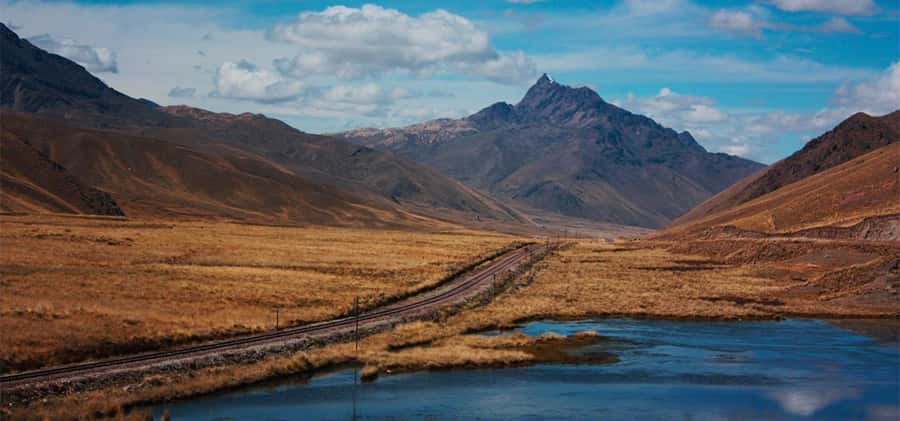
The road between Puno and Cusco is one of Peru’s classic overland routes. You cross high Andean country, pass through changing scenery, and move from the Titicaca region toward the Cusco highlands. A direct bus would get you there, but it would not give you much reason to get off the bus.
This tour adds structure to the journey. The bus leaves from Puno’s Terminal Terrestre at Jiron Primero de Mayo 703 to 705, then follows a schedule designed around four stops. You get time to walk, listen to a guide, take photographs, and return to your seat before continuing toward Cusco.
At $44, the value is strong if you already need to travel to Cusco. You are paying for transportation, a bilingual guide, lunch, drinks, and guided visits. It is also much less expensive than the train option mentioned by several people who chose this route.
Still, this is not a relaxed sightseeing day with hours at each site. The stops are short and carefully timed. You get an introduction to each place rather than a slow, independent visit. If you want detailed archaeological study or quiet photography, you may find the schedule rushed.
A few more Puno trips to weigh up
- From Puno: full day tour to Uros and Taquile with Lunch
★ 4.6 · 95 reviews - Puno: Uros and Taquile Islands Full-Day Tour with Lunch
★ 4.5 · 17 reviews - FromPuno: Uros and Amantani Islands Full-Day Tour with Lunch
★ 4.5 · 4 reviews
6:40 AM departure from Puno
Your day begins at the Terminal Terrestre Puno. You must make your own way to the meeting point, since transport from your hotel is not included. Hotel drop-off in Cusco is also not provided, so plan to continue from the Cusco bus terminal on your own.
Allow extra time to locate the correct operator and bus. The InkaExpress booth at the station can be easy to miss, and the signage may not be obvious. This is one place where arriving early pays off. Keep your booking details ready, and do not assume the first bus or counter you see is yours.
Once aboard, the long ride becomes easier. The bus is climate-controlled, has reclining seats, wide seating, power outlets according to one detailed account, and a bathroom. Drinks available during the ride include Coca-Cola, Inca Kola, mineral water, coffee, tea, and coca tea.
The onboard oxygen tank is a useful safety measure for a high-altitude journey, though the tour does not promise medical assistance. If you are sensitive to altitude, carry anything you normally use and take the day at an easy pace.
Pucara and the first Andean civilizations
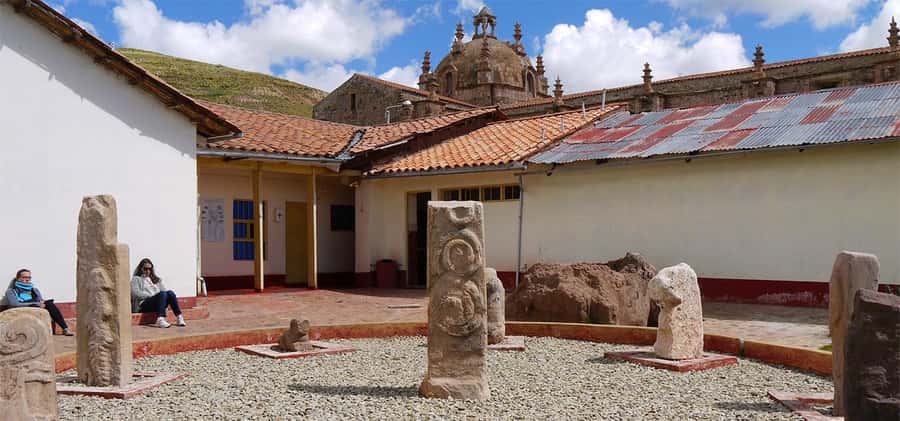
The first major stop is Pucara, reached at about 8:50 AM. The visit lasts around 45 minutes and includes the Lithic Museum of Pucará, with a guide explaining the area’s early importance.
Pucará was a major settlement in the Titicaca basin during the Late Formative Period, from about 500 BC to 200 AD. The settlement covered more than a square kilometer and supported priests, farmers, artisans, shepherds, administrators, and warriors. That makes this stop more than a quick museum visit. It introduces the long period of Andean civilization that existed before the Inca Empire.
The museum is a good opening stop because it gives you a framework for the rest of the day. You begin with early Andean society, then later see Inca architecture and Spanish colonial art. The sequence helps connect the sites rather than treating them as unrelated photo stops.
Entry to the Pucara Museum is not included. The separate fee for Pucara, Raqchi, and Andahuaylillas totals 53 soles, paid locally. You can still remain with the group without entering, but you may need to wait while others complete their visits. For most people, paying the fee makes sense because the stops are a central part of the tour.
Pucara is also a useful place to buy souvenirs. The available information points to better prices and quality here or at Raqchi than in Cusco or Aguas Calientes. That is helpful if you want a small textile, ceramic, or carved item without shopping in the busiest tourist centers.
Abra La Raya and the high point of the route
At around 11:00 AM, the bus reaches Abra La Raya, the high point between Puno and Cusco. You have roughly 10 minutes for photographs and a short walk.
This is a scenic pause, not a long hike. Abra La Raya marks the watershed between the Puno and Cusco regions, with broad Andean views around you. The air can feel cold and thin, so bring a warm layer even if the morning began comfortably in Puno.
The short stop works well after the first museum visit. You get out, stretch your legs, and see the scale of the mountains before returning to the bus. Ten minutes is enough for photographs, but not enough for wandering far from the vehicle. Stay close to the guide and watch the departure time.
One of the pleasures of this section is simply watching the view change from the bus window. Several people have praised the mountain scenery, valleys, and small settlements along the route. Keep your camera ready, but do not spend the whole ride looking down at your phone.
Same valley, a completely different kind of day:
- From Cusco: Vinicunca Rainbow Mountain ATV Tour with Meals
★ 4.6 · 1,060 reviews - From Puno: Uros, Amantaní & Taquile Islands 2-Day Tour
★ 4.5 · 452 reviews - From Puno: Floating Islands of the Uros Half-Day Tour
★ 4.4 · 394 reviews - Lake Titicaca 2-Day Tour to Uros, Amantani and Taquile
★ 4.4 · 199 reviews
Buffet lunch near Marangani and Sicuani
Lunch follows at about 11:35 AM and lasts around 50 minutes. The meal is served buffet-style near Marangani and Sicuani, with beef, chicken, fish, side dishes, warm and raw salads, desserts, and herbal infusions.
This is a practical arrangement for a group moving on a fixed schedule. You can choose what suits you, and the range of dishes should help if your group has different tastes. Coca tea and other herbal drinks are also available.
The meal received mixed impressions. Some people found it delicious and appreciated the variety, while one detailed account described the food as average, with some dishes cold or bland. The short serving period can also feel rushed when several buses arrive together. I would treat lunch as a convenient included meal, not as a reason to book the tour by itself.
You are not provided breakfast, so bring something small for the early departure. The included lunch comes early by many people’s usual schedule, and the morning drive may leave you hungry before the buffet opens.
Raqchi and the Temple of Wiracocha
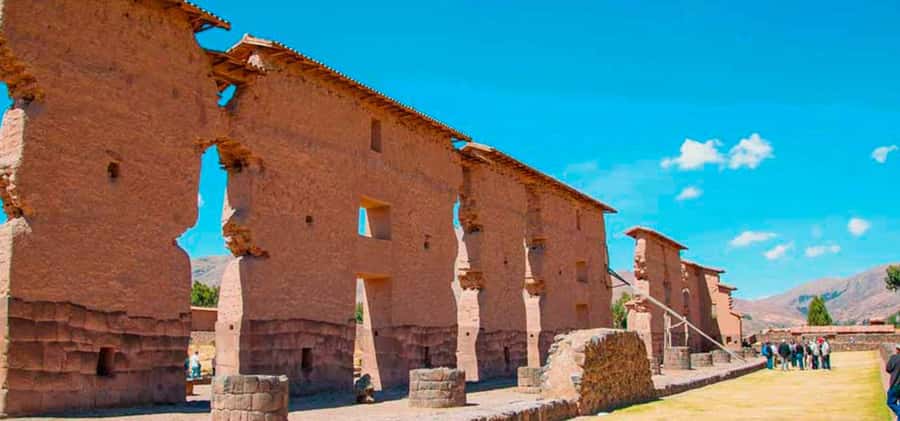
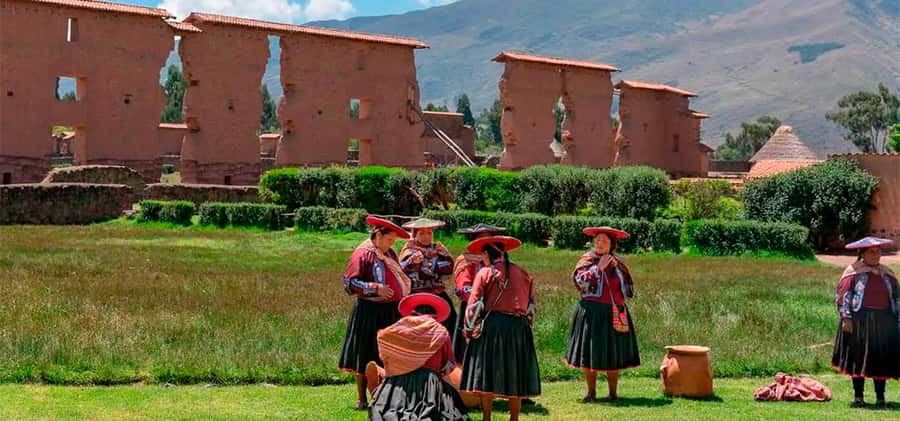
Around 1:00 PM, you reach Raqchi for a guided visit lasting about an hour and a half. For many people, this is the strongest stop of the day.
The main attraction is the Temple of Wiracocha, a large Inca structure dedicated to the invisible Superior God of the Andean people. Its walls rise about 15 meters, making the scale easy to appreciate even during a relatively short visit.
Raqchi is more than one impressive ruin. The site helps you picture the organization and ambition of the Inca world, with monumental construction set against the open highlands. A guide adds useful meaning to the stones, especially if you are not already familiar with Inca religious ideas and building methods.
The site is also recognized as one of the Best Tourism Villages. That gives the visit a local dimension beyond archaeology. You see a living community connected to the historic place, rather than only an isolated ruin.
Entry is extra, and the same 53 soles fee covers the Raqchi Complex along with Pucara and Andahuaylillas. The time here is generous compared with Abra La Raya, but you still follow the group schedule. If Raqchi is your main interest, stay near the guide so you do not miss the explanation before exploring the area.
Andahuaylillas and the church called the Sistine Chapel of the Andes
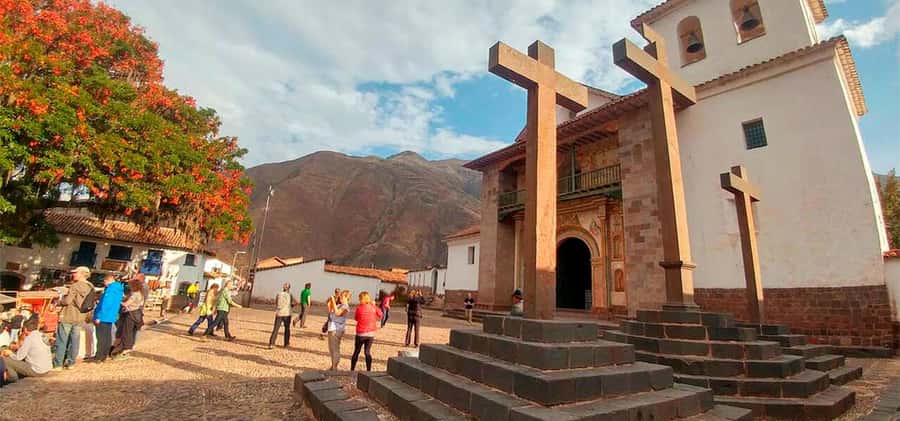
The final major stop is Andahuaylillas, reached at about 3:30 PM. The visit lasts roughly 45 minutes and focuses on the Church of Saint Peter the Apostle.
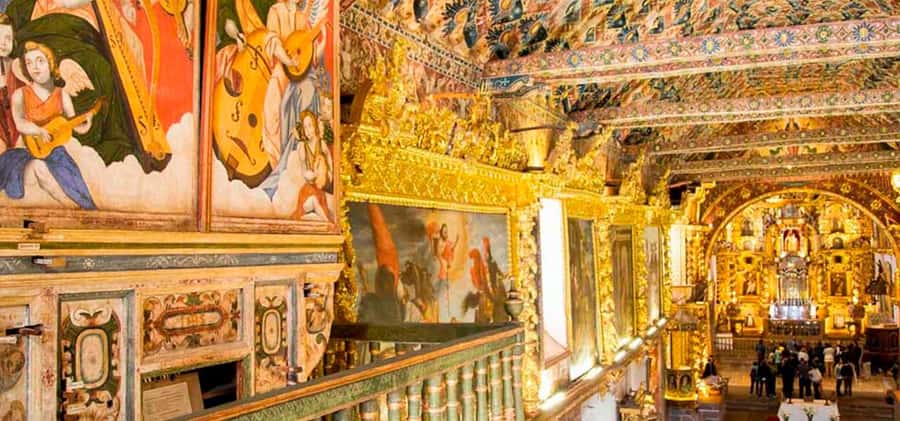
From outside, the church can look modest. Inside, the mood changes quickly. The 16th-century Jesuit church contains gold leaf, painted murals, and elaborate decoration. The contrast between the plain exterior and the ornate interior is what makes the visit memorable.
This stop shows a different chapter of Peruvian history from Pucara and Raqchi. Pucara introduces early Andean society, Raqchi presents Inca religious architecture, and Andahuaylillas reveals the colonial effort to present Christianity through local spaces and visual art.
The murals deserve your attention. You will have limited time, so listen to the guide first, then look carefully at the walls and ceiling details. Photography rules may apply inside churches, though no specific policy is provided for this tour.
Andahuaylillas is another stop requiring separate admission. If you skip the ticket, you may wait while the rest of the group visits the church. Since this is one of the most distinctive stops, I would include the fee in your budget from the start.
Arriving in Cusco at about 5:30 PM
The tour ends at the Cusco bus terminal on Alameda Pachacuteq 499-B. Arrival is scheduled for around 5:30 PM, though road conditions and group timing can affect the exact hour.
This location is useful if you are continuing by taxi or meeting someone in Cusco. It is not a hotel transfer, so arrange your next step before departure. Keep your luggage with you unless the staff specifically handles it during the stops.
The bus journey gives you a full introduction to the route, but it also uses nearly the entire day. Do not book a major evening activity in Cusco that depends on an exact arrival time. Leave a cushion for delays and for collecting your belongings.
Guide quality and onboard comfort
The guide can make or break a day built around long stretches on the road. The strongest feedback focuses on clear bilingual explanations, friendly service, and guides who answer questions rather than simply announce the next stop.
Guides named in the supplied information include Elisabeth, often called Ellie, Manuel, and Juan Carlos. Ellie was praised for strong English, enthusiasm, and frequent offers of hot drinks. Manuel was noted for helping with large luggage and answering practical questions. Juan Carlos was described as a strong guide who added extra information along the route.
Guides can change, so do not book on the expectation that one particular person will lead your departure. The important point is that the tour includes live English and Spanish commentary, not just a driver dropping you at viewpoints.
The bus itself earns high marks for comfort. Wide seats, reclining backs, air conditioning, a bathroom, drinks, and space to stretch make a real difference over 10 or 11 hours. You will still be sitting for much of the day, but the regular stops break up the ride.
Who should book this Route of the Sun tour
I would choose this tour if you need to travel from Puno to Cusco and want to make the transfer part of your holiday. It suits first-time visitors who want a guided introduction to Andean history without arranging several separate excursions.
It is also a good option if you prefer a bus to the train, want lunch included, or value a bilingual guide. The combination of transport and sightseeing keeps the price reasonable, especially when compared with paying for a direct transfer plus separate site visits.
You may prefer another plan if you want a late start, a private vehicle, long visits at each archaeological site, or a slow lunch. The early departure and fixed schedule are the tradeoff for seeing four places in one day.
Remember that the tour is not door to door. You must reach the Puno bus terminal yourself and leave from the Cusco terminal at the end. The $44 price also does not include the 53 soles in entry tickets or breakfast.
Should you book it?
Book this Route of the Sun tour if you are already moving between Puno and Cusco and want history, mountain scenery, a comfortable bus, and a useful guide along the way. Pucara and Raqchi offer the strongest archaeological interest, while Abra La Raya provides the scenic pause and Andahuaylillas supplies the day’s most surprising interior.
I would budget for the entry tickets, bring breakfast, arrive early at the Puno terminal, and keep your evening in Cusco flexible. If you can accept a long day and short visits, this is a smart, good-value way to cross the Andes.
FAQ
How long does the Route of the Sun tour take?
The tour lasts about 11 hours. It is scheduled to leave Puno at 6:40 AM and arrive in Cusco around 5:30 PM.
Where does the tour start in Puno?
It starts at Terminal Terrestre Puno, at Jiron Primero de Mayo 703 to 705.
Where does the tour end in Cusco?
The bus ends at the Cusco bus terminal at Alameda Pachacuteq 499-B.
Is hotel pickup included in Puno?
No. You must arrange your own transportation to the meeting point at the Puno bus terminal.
Is hotel drop-off included in Cusco?
No. The tour ends at the Cusco bus station, and hotel transportation is not included.
What sites does the tour visit?
The route includes the Pucara Museum, Abra La Raya, the Raqchi archaeological complex and Temple of Wiracocha, and the Church of Saint Peter the Apostle in Andahuaylillas.
Is lunch included?
Yes. A buffet lunch near Marangani and Sicuani is included, with beef, chicken, fish, side dishes, salads, desserts, and herbal infusions.
Are entrance tickets included?
No. Entry to Pucara, Raqchi, and Andahuaylillas costs 53 soles in total and is paid in person.
Is the bus comfortable for a long journey?
The tour includes a climate-controlled bus with reclining seats, a bathroom, drinks, herbal infusions, and an oxygen tank.
What languages are available?
The tour includes a live guide in English and Spanish.
Just added around Puno
- Uros Floating Islands Tour in Puno★ 3.7 · 9 reviews
- Two Day Lake Titicaca Tour With Homestay★ 3.7 · 6 reviews
- TRIP FROM PUNO TO CUSCO WITH THE ROUTE OF THE SUN★ 4.7 · 16 reviews
- Full-Day Tour of Uros, Taquile and Sillustani from Puno★ 5.0 · 41 reviews
- Two-Day Tour to Uros with Amantani and Taquile from Puno★ 5.0 · 44 reviews
- Full Day Lake Titicaca Tour to Uros and Taquile Islands★ 4.5 · 56 reviews
- Full Day Guided Tour of the Aymara Route from Puno★ 5.0 · 55 reviews
- Sun island and Copacabana | From Puno or La Paz / Day Trip★ 4.1 · 5 reviews
Puno Tours, compared.
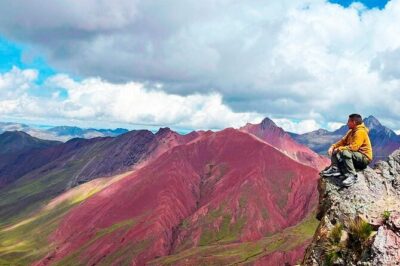
Vinicunca Rainbow Mountain ATV Tour with Meals
Read our review →
Lake Titicaca 2-Day Tour to Uros, Amantani and Taquile
Read our review →
Full-Day Tour of Lake Titicaca and Uros & Taquile
Read our review →
Browse the lists this tour appears in