
Reviewed · PUNO TOURS
Full Day Guided Tour of the Aymara Route from Puno
The most interesting part of this Aymara Route tour is what it leaves out. Instead of spending another day on Lake Titicaca’s standard circuit, you head south from Puno to small archaeological sites, old stonework, local myths, and Juli’s lakeshore. The route gives you a broader sense of the region than a boat trip alone.
I like the small group of up to 15 people, which should make the long day easier and leave room for questions. I also like the mix of places: Chucuito’s unusual fertility temple, Molloco’s pre-Inca burials, the mystical rock formations at Aramu Muru, and Juli’s beach.
The main caution is timing. The advertised length is about 7 hours and 10 minutes, but the exact day can run longer if extra stops or lunch are added. Some sites are modest rather than grand, and Juli’s optional water activities cost more.
In This Review
- Key points before you book
- Why take the Aymara Route from Puno?
- Chucuito and the strange stones of Inca Uyo
- Molloco, where Lupaca and Inca traditions meet
- Walking among the rocks at Aramu Muru
- Juli, the Rome of America and Lake Titicaca’s southern shore
- What the seven-hour day feels like
- Guide quality matters more than usual here
- Who will get the most from this trip?
- Practical booking advice for the $40 price
- Should you book the Aymara Route?
- FAQ
- How long is the Aymara Route tour from Puno?
- How much does the tour cost?
- What places does the tour visit?
- Is transportation included?
- Are entrance fees included?
- Is lunch included?
- How much do the water activities in Juli cost?
- How many people can join the tour?
- Can I cancel for a full refund?
Key points before you book
- Four very different stops: You visit Chucuito, Molloco, Aramu Muru, and Juli in one day.
- A small-group format: The vehicle carries no more than 15 people, with air conditioning included.
- A low $40 price: Admissions listed for Chucuito and Aramu Muru are included, but lunch and water activities are not.
- Strong guide potential: Pablo is one guide associated with the experience, and guide quality can shape this history-heavy day.
- A spiritual and mythical stop: Aramu Muru offers a walk among striking rock formations and time for quiet reflection.
- Plan for a flexible schedule: The tour begins at 8:00 a.m. and is described as lasting roughly seven hours, though timing may vary.
Why take the Aymara Route from Puno?
Puno is often treated as a base for Lake Titicaca, but the roads south reveal another side of the highlands. Here, the focus shifts from floating islands and boat rides to the Aymara world on the mainland: stone temples, burial towers, old settlements, local legends, and lakeshore towns.
I like this route for travelers who have already seen the main Titicaca sights or want a day with more history on dry land. You remain close to the lake, but the experience is not simply another viewpoint stop. Each place has a different character, even if none of the ruins match Peru’s largest archaeological sites.
The $40 cost is a fair deal if the day runs as described. You get round-trip transport in an air-conditioned vehicle, a guide, and the listed admissions. Lunch is separate, and the water activities at Juli cost $10. The value is strongest for anyone who wants several out-of-town stops without arranging a private car.
This is not a luxury excursion or a polished archaeological park with extensive facilities. It is a regional tour. That means some places may feel raw, quiet, or lightly interpreted. It also means the guide matters a great deal. Pablo has been singled out by name in connection with this experience, but guide assignments are not guaranteed.
A few more Puno trips to weigh up
- Puno: Full-Day Tour of Lake Titicaca and Uros & Taquile
★ 4.4 · 178 reviews - Puno: Full-Day Route of the Sun Tour to Cusco with Lunch
★ 4.7 · 131 reviews - From Puno: full day tour to Uros and Taquile with Lunch
★ 4.6 · 95 reviews
Chucuito and the strange stones of Inca Uyo
Your first stop is Chucuito, home to Inca Uyo, often called the Temple of Fertility. Inside are about eight carved stone phalluses, and local belief connects the site with fertility rituals for women who hope to conceive.
The story is part of Peru’s living folklore. It should not be treated as proven medical history, but it is worth hearing because these myths help explain how communities understand old sacred places. A good guide can separate archaeology from belief without dismissing either one.
You have about 30 minutes here, with admission included. That is enough time to see the stones, hear the story, and take a few photographs. It is not enough for a long archaeological discussion, so keep your expectations in check. The site is memorable because of its subject and symbolism, not because it is vast or visually grand.
I would approach Inca Uyo with curiosity rather than expecting a major ruin. If you enjoy unusual customs and local stories, this is a strong opening. If you prefer monumental architecture, you may find the stop brief and modest.
Molloco, where Lupaca and Inca traditions meet
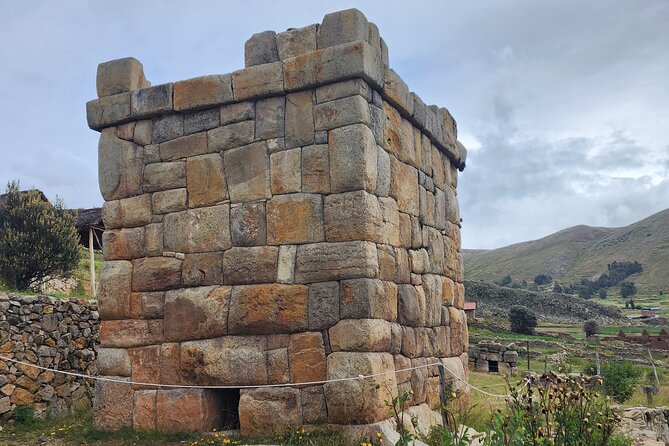
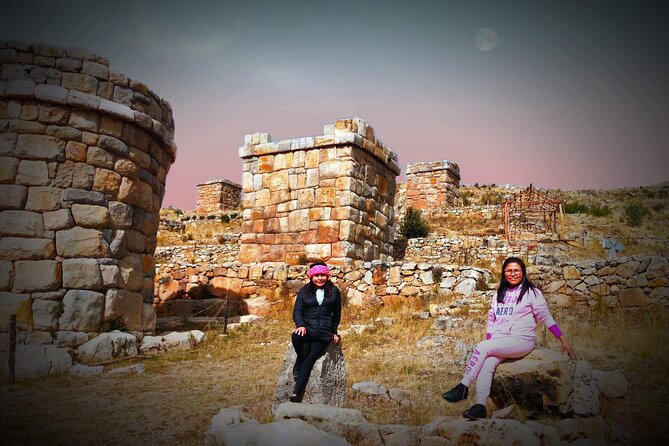
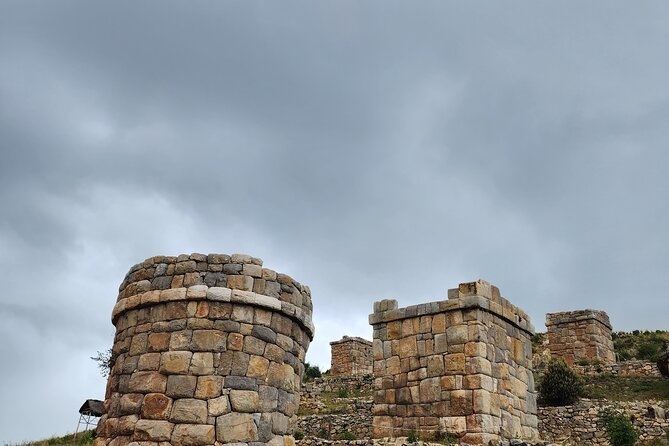
The next stop is Molloco, a pre-Inca settlement linked with the Lupaca culture. The site is especially useful for understanding cultural change. Its funerary structures show both local Lupaca traditions and later Inca influence.
You can see three square chullpas and one circular chullpa. These burial towers are the main reason to stop, and their different shapes offer a simple visual clue to the meeting of two cultures. The visit lasts about 30 minutes and has no separate admission charge.
Molloco is not a replacement for the larger and more developed archaeological sites near Puno. If you have already visited Sillustani, you may find Sillustani more impressive. Still, Molloco has value because it is quieter and more focused. You are looking closely at a small group of structures rather than moving through a major complex with many other people.
I would listen carefully to the explanation here. Without context, the chullpas can look like isolated stone towers. With context, they become evidence of burial customs, regional identity, and the way the Inca Empire absorbed existing societies.
Walking among the rocks at Aramu Muru
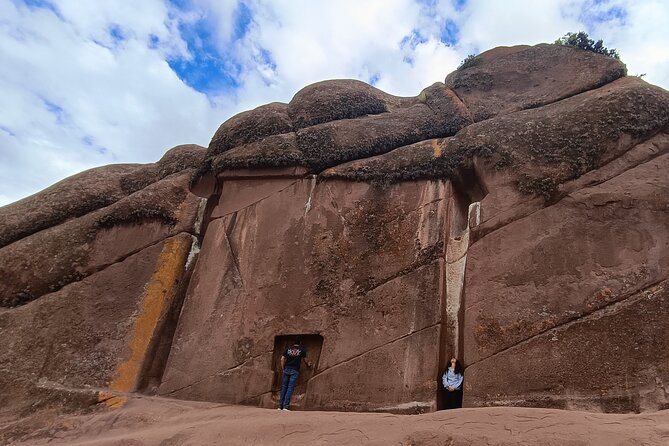
Aramu Muru is the most atmospheric stop on the route. It is a historical and mythological site near the southern end of Ilave district, between Ilave and Juli. The centerpiece is a large rock formation known as a portal, though its meaning remains tied as much to legend and spiritual belief as to established history.
You have about one hour here. The visit includes a walk among the rock formations and time to meditate or reflect. That makes it different from the quick archaeological stops earlier in the day. You are not simply stepping out of the van, taking a picture, and leaving.
Some people connect Aramu Muru with ceremonies and sacred energy. The experience may include a spiritual ceremony, but this should not be assumed as a guaranteed feature for every departure. The place has also become more commercialized than its remote setting might suggest, so you may find the atmosphere less solitary than expected.
I would bring patience and a flexible attitude. Aramu Muru works best if you enjoy places that invite questions rather than provide clear answers. If you want a fully documented archaeological monument with detailed signage, this may feel uncertain. If you appreciate myth, meditation, and unusual geology, it is likely to be the emotional center of the day.
Wear shoes suitable for walking on uneven ground. The tour information gives one hour for this stop, and the walk is an important part of it. Do not treat it as a quick photo break.
Same valley, a completely different kind of day:
- From Cusco: Vinicunca Rainbow Mountain ATV Tour with Meals
★ 4.6 · 1,060 reviews - From Puno: Uros, Amantaní & Taquile Islands 2-Day Tour
★ 4.5 · 452 reviews - From Puno: Floating Islands of the Uros Half-Day Tour
★ 4.4 · 394 reviews - Lake Titicaca 2-Day Tour to Uros, Amantani and Taquile
★ 4.4 · 199 reviews
Juli, the Rome of America and Lake Titicaca’s southern shore
After Aramu Muru, you continue to Juli. The town’s main square and cathedral are part of the visit, although the cathedral is viewed from the outside unless you choose to pay for church admission. Juli is sometimes called the Rome of America because of its religious buildings and colonial-era church tradition.
The town square itself is a short sightseeing stop. The route then heads toward Juli beach, where you can look out over Lake Titicaca and choose from optional activities. Kayaking, ATVs, and jet skis are available for an additional $10.
This is the most changeable part of the day. If you want a calm lakeshore stop, you can simply enjoy the setting. If you want action, the optional activities add something physical after a morning of ruins and walking. Since the activities cost extra, carry enough money if you plan to join in.
I would not book this tour mainly for Juli. The beach and square are supporting stops, not the central reason to make the trip. The town may appeal to you if you enjoy seeing ordinary regional places, but it can feel underwhelming if you expect a grand colonial center or a pristine resort beach.
The optional activities also depend on what is operating that day. The available information confirms that kayaking, ATVs, and jet skis are offered, but it does not promise a particular activity, schedule, or condition. Think of them as an extra possibility, not the core product.
What the seven-hour day feels like
The stated start time is 8:00 a.m., and the full experience lasts about 7 hours and 10 minutes. That makes it a full morning and afternoon outing, not a quick half-day escape. The sequence is sensible: a short cultural stop, a short archaeological stop, a longer walk and reflection period, then a lakeshore finish.
The air-conditioned vehicle matters at this price. You spend much of the day on the road, and a comfortable vehicle makes the route easier on your back and patience. The maximum group size is 15, so this is more personal than a large coach tour, though it is not private.
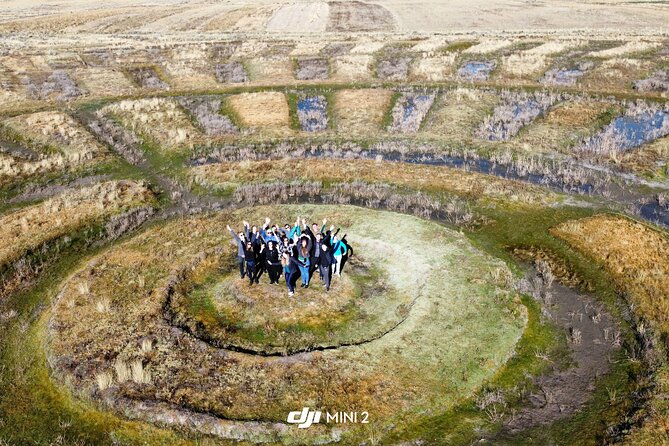
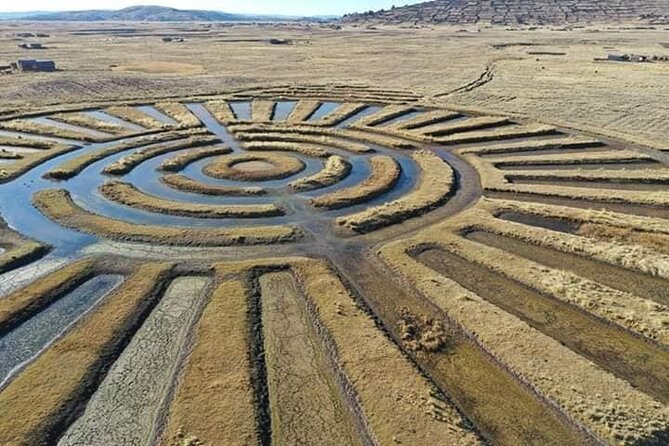
Build in some flexibility. One account of the day described an added waru waru stop, referring to an old agricultural drainage or raised-field feature. Extra stops can add interest, but they can also extend the schedule, especially if you have an evening bus, train, or dinner reservation.
Lunch is not included. A meal in Juli may be offered during the day, but you should confirm the plan and price before sitting down. If you have dietary concerns or simply prefer to choose your own food, bring snacks and water. The supplied details specifically exclude lunch and do not state that water is provided.
Guide quality matters more than usual here
This tour depends heavily on explanation. Inca Uyo needs cultural context, Molloco needs archaeological context, and Aramu Muru needs a careful distinction between documented history and local myth. A guide who can handle all three will make the day far more useful.
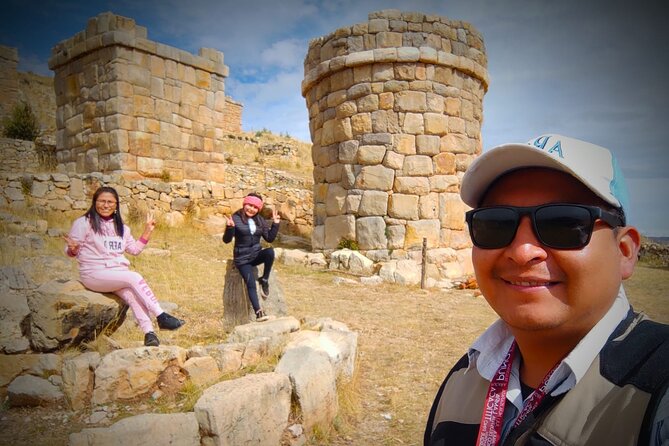
Pablo is one guide connected with the experience and has been praised for clear explanations, good pacing, and strong organization. Some departures have also included drone footage at no extra charge. That is a pleasant bonus, but it should not be treated as guaranteed. If a guide uses a drone, you may want to ask how much time it will take and whether you can opt out of repeated filming.
The best guide style here is calm and respectful. Aramu Muru is meaningful to some people, while others see it mainly as a rock formation and cultural curiosity. You should be free to observe, meditate, or simply walk without being pushed into a spiritual performance.
Who will get the most from this trip?
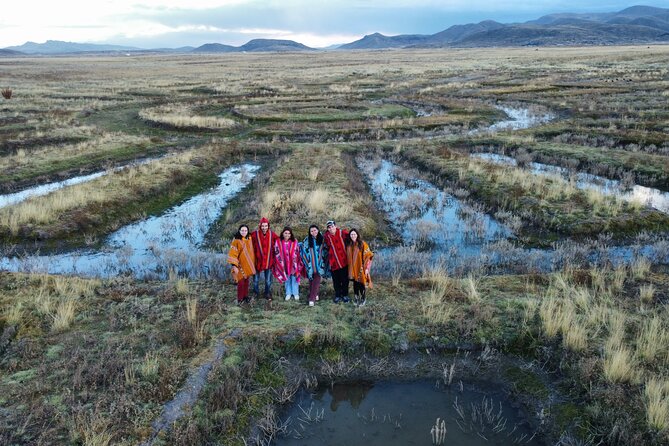
I would recommend the route to you if you:
- Have an extra day in Puno after visiting Lake Titicaca.
- Want pre-Inca and Inca sites without arranging independent transport.
- Enjoy local myths as well as formal archaeology.
- Prefer a small group to a large coach.
- Like mixing short walks, ruins, town views, and optional water sports.
- Are comfortable with a day whose exact rhythm may vary.
I would be more cautious if you want major ruins on the scale of Sillustani, a polished tourist site, or a guaranteed short schedule. You may also prefer another outing if you dislike optional add-ons, informal lunch arrangements, or places that feel less maintained.
The route is accessible to most people according to the supplied information, and service animals are allowed. It is also near public transportation, although the actual meeting arrangement should be confirmed when you book. The one-hour walk at Aramu Muru is the main part to keep in mind.
Practical booking advice for the $40 price
At $40 per person, this is priced as an affordable shared excursion. The included vehicle and site admissions cover the main costs, while lunch and water activities remain in your control. That structure works well if you want a low base price and do not mind paying separately for extras.
The tour is often reserved about 30 days ahead, so booking early is sensible if your Puno dates are fixed. Confirmation arrives at booking, and free cancellation is available up to 24 hours before the 8:00 a.m. start. Cancellations or changes made inside that window are not refunded or accepted.
Before paying, I would ask one practical question: What is the expected return time on my date? The official duration is about seven hours, but added stops or a longer lunch can change the day. This matters if you have an evening departure from Puno.
Should you book the Aymara Route?
Book it if you want an affordable, varied day beyond the usual Lake Titicaca circuit. The strongest reasons are the small group, air-conditioned transport, unusual stories at Inca Uyo, the mix of Lupaca and Inca remains at Molloco, and the chance to spend real walking time at Aramu Muru.
Skip it if you need grand monuments, a tightly fixed schedule, or a spotless beach stop. The sites are modest, and Juli may not justify the trip by itself. For the right person, though, this route gives you a useful look at southern Lake Titicaca country, with enough odd details and local belief to make the day memorable.
FAQ
How long is the Aymara Route tour from Puno?
The tour lasts approximately 7 hours and 10 minutes. It begins at 8:00 a.m.
How much does the tour cost?
The listed price is $40 per person.
What places does the tour visit?
The route includes Chucuito, Molloco in the Acora area, the Portal de Aramu Muru, and Juli.
Is transportation included?
Yes. Transportation is provided in an air-conditioned vehicle.
Are entrance fees included?
Admission is included at Chucuito’s Inca Uyo and at the Portal de Aramu Muru. Molloco has no separate admission charge. Entrance to the church in Juli is optional and not included in the listed inclusions.
Is lunch included?
No. Lunch is not included in the tour price.
How much do the water activities in Juli cost?
The listed price for water activities is $10. Activities include kayaking, ATVs, and jet skis.
How many people can join the tour?
The group has a maximum of 15 participants.
Can I cancel for a full refund?
Yes, if you cancel at least 24 hours before the experience start time. Cancellations or changes made less than 24 hours in advance are not accepted for a refund.
Just added around Puno
- Uros Floating Islands Tour in Puno★ 3.7 · 9 reviews
- Two Day Lake Titicaca Tour With Homestay★ 3.7 · 6 reviews
- TRIP FROM PUNO TO CUSCO WITH THE ROUTE OF THE SUN★ 4.7 · 16 reviews
- Full-Day Tour of Uros, Taquile and Sillustani from Puno★ 5.0 · 41 reviews
- Two-Day Tour to Uros with Amantani and Taquile from Puno★ 5.0 · 44 reviews
- Full Day Lake Titicaca Tour to Uros and Taquile Islands★ 4.5 · 56 reviews
- Sun island and Copacabana | From Puno or La Paz / Day Trip★ 4.1 · 5 reviews
- Aymara Route Mystical Cultural Tour★ 4.7 · 27 reviews
Puno Tours, compared.
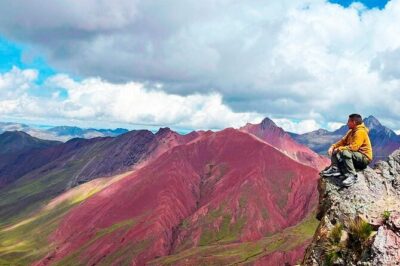
Vinicunca Rainbow Mountain ATV Tour with Meals
Read our review →
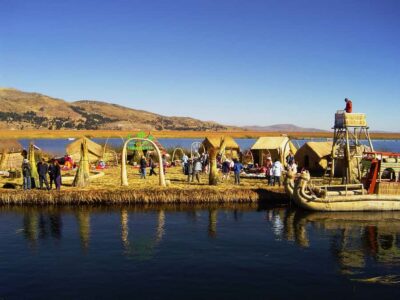
Lake Titicaca 2-Day Tour to Uros, Amantani and Taquile
Read our review →
Full-Day Tour of Lake Titicaca and Uros & Taquile
Read our review →
Full-Day Route of the Sun Tour to Cusco with Lunch
Read our review →
Browse the lists this tour appears in