
Reviewed · WORKSHOPS
Cusco: Chocolate Workshop with the Best Local Organic Cacao
The best part of this Cusco experience is that you work with Chuncho cacao, a local organic variety from the jungle of the Cusco region. You learn to turn it into Belgian-style pralines and mendiants, then pack your finished chocolates in a box to take home. I like the excellent city view from Limbus Restobar and the hands-on format, especially the chance to make ganache and choose local nuts, jams, and other toppings. The main drawback is that you do not see the cacao beans being roasted or opened, and children under 12 cannot join.
I also like the warm, social teaching style. David has led several sessions, with Marco, Alex, Ken, and Angel also named as instructors, and the class includes chocolate history, tempering, a hot chocolate tasting, and plenty of time to make your own sweets. At $47 per person, the value is good if you want an activity that combines food, local ingredients, a souvenir, and a view, but it is less useful if you only want a quick tasting.
In This Review
- Key points
- Chuncho cacao and the chocolate story
- Meeting above Cusco at Limbus Restobar
- Starting the praline and mendiant work
- Choosing ganache, jam, nuts, and toppings
- Hot chocolate with the same local focus
- The Cusco chocolate box you carry home
- Is $47 a fair price in Cusco?
- Who should book this workshop?
- Practical tips before you go
- Should you book the Cusco chocolate workshop?
- FAQ
- How long does the chocolate workshop last?
- How much does the experience cost?
- Where does the workshop meet?
- Is hotel pickup included?
- What will I make during the class?
- How many chocolates can I take home?
- Is hot chocolate included?
- Which languages are available?
- Can children join the activity?
Key points
- Local Chuncho cacao: Work with organic cacao from the Cusco region’s jungle, rather than only hearing about it.
- About 31 chocolates to take home: Make roughly 21 pralines and 10 mendiants from 300 grams of chocolate per person.
- Belgian-style technique: Learn the basics of tempering, molded bonbons, ganache, and chocolate decoration.
- Limbus Restobar setting: Meet at the reception for a workshop with a wide view across Cusco.
- A social two-and-a-half-hour activity: The class is interactive, guided in English, Spanish, or French, and includes hot chocolate.
- A few limits: No spectators, no unaccompanied minors, and no participants under 12 or people with diabetes.
Chuncho cacao and the chocolate story
This workshop begins with the ingredient that gives it a clear sense of place. Chuncho cacao comes from the jungle area of the Cusco region, linking your chocolate-making session to a local product rather than treating chocolate as a generic sweet.
You learn why Peruvian chocolate is valued around the world and why Chuncho cacao is regarded as one of the finest organic varieties. That background matters because it helps you understand what you are tasting. You are not simply melting chocolate and pushing it into a mold. You are learning how a regional crop becomes a finished confection.
The opening discussion covers the history and culture of chocolate before the practical work starts. Expect the instructors to explain the cacao bean, Peruvian chocolate, and the role of technique in the final flavor. David is known for a cheerful, funny way of teaching, and the class works best when you take part rather than sit back quietly.
The workshop does not include a full farm visit or a complete bean-to-bar demonstration. One useful criticism is that the cacao is not roasted and opened in front of you, so you will not see every stage from raw bean to chocolate. If that process is your main interest, look for a farm or chocolate-production tour instead.
A few more Cusco trips to weigh up
- Chocolate Workshop in Cusco with Premium Organic Cacao
★ 5.0 · 75 reviews - 1.5h Cusco Chocolate Workshop – Truffles & Hot Chocolate
★ 4.3 · 8 reviews - Cusco: Bean to bar chocolate workshop
★ 5.0 · 3 reviews
Meeting above Cusco at Limbus Restobar
You meet at Limbus Restobar, a popular spot with a panoramic view of the city. Go to the reception and say you are there for the chocolate workshop, or el taller de chocolate. The receptionist will direct you to the experience.
The setting gives this class more atmosphere than a plain cooking room. You can look out over Cusco while working with chocolate, which makes the two-and-a-half-hour session feel connected to the city rather than sealed away from it. The view is one of the strongest extras included in the price.
There is no hotel pickup. You need to reach Limbus Restobar yourself and arrive at the stated meeting point. Build in enough time to find the restaurant and speak with reception, especially if you are still getting used to Cusco’s streets and slopes.
The venue is also a working restobar, not a dedicated chocolate factory. That is worth knowing before you book. You get a memorable view and a central meeting place, but the setting may appeal less if you want a quiet, highly specialized pastry kitchen.
Starting the praline and mendiant work
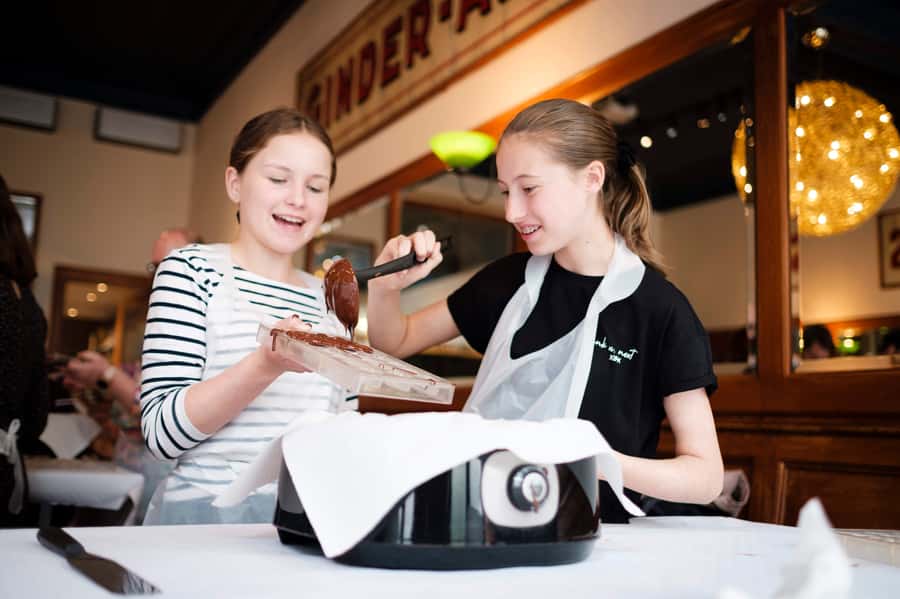
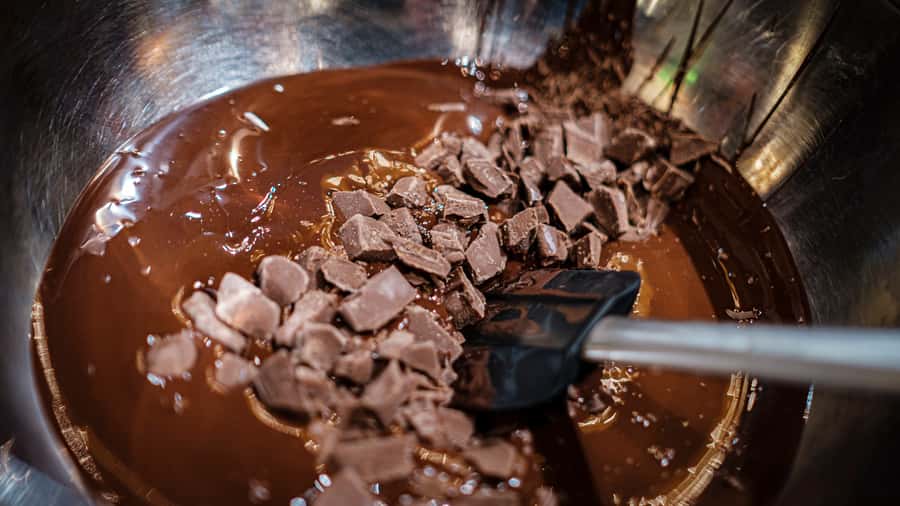
Once the introduction is complete, you begin making Belgian-style pralines and mendiants from scratch. The workshop provides the chocolate, ingredients, utensils, and help from start to finish, so you do not need to bring cooking equipment or supplies.
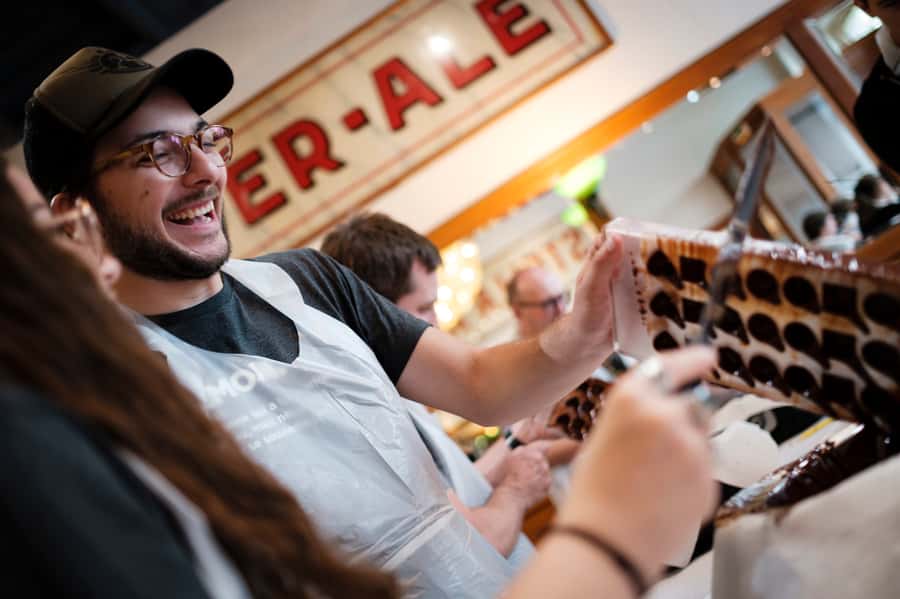
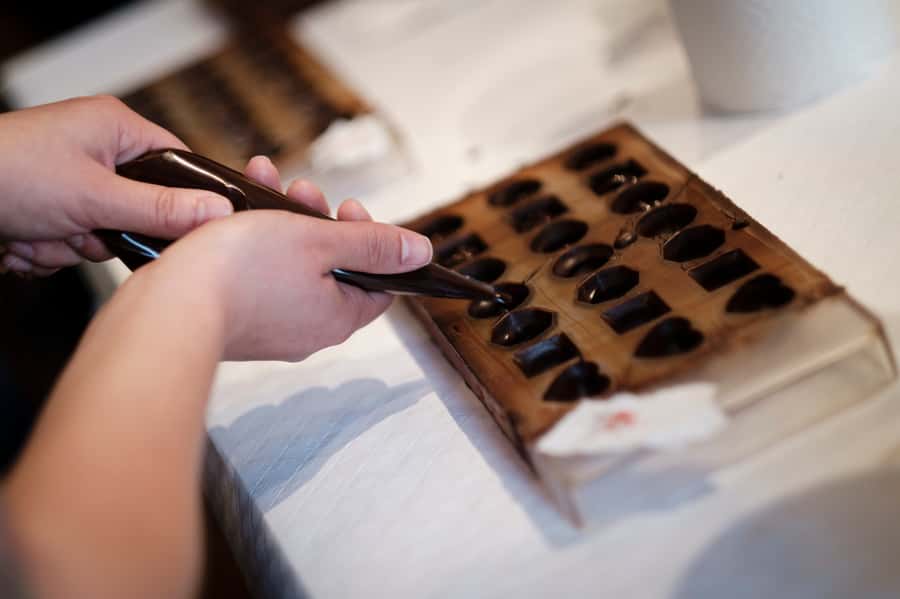
Pralines are the filled chocolates. You work with chocolate shells or molds and add fillings such as ganache and homemade local jam. Mendiants are flatter chocolate pieces finished with toppings. The two styles give you different jobs and textures, which keeps the class from feeling like the same task repeated 31 times.
The instructors demonstrate the process, then help you as you work. Tempering is part of the lesson, an important technique that helps chocolate set with a smoother finish and a better snap. The class is not just about decoration. You get a useful introduction to why temperature and handling matter.
The wording from scratch should be understood in the practical workshop sense. You are making the pralines and mendiants yourself, with supplied chocolate and ingredients. This is not a complete lesson in harvesting, fermenting, roasting, grinding, and producing couverture chocolate from raw cacao beans.
That distinction does not weaken the experience. It simply sets the right expectation. You are learning confectionery skills with a distinctive Peruvian ingredient, not taking a full chocolate-manufacturing course.
Choosing ganache, jam, nuts, and toppings
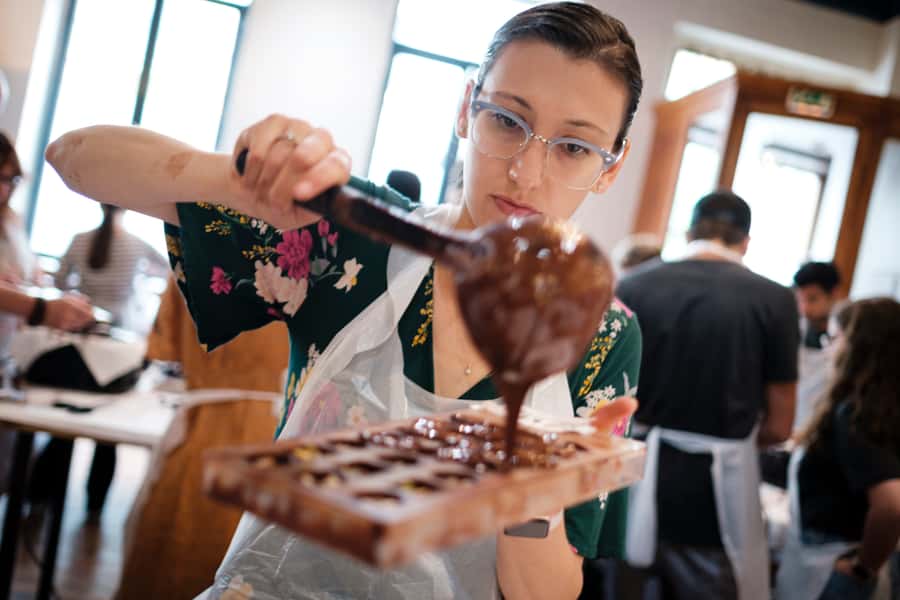
The filling and topping stage is where you get the most room for personal choice. You can prepare ganache, use homemade local jam, and select from a broad range of local and organic nuts and other toppings.
This is a smart part of the class for couples, families with older children, and small groups of friends. Everyone can make a different box, and the final sweets reflect individual choices rather than one identical recipe. You might prefer a simple nut topping, while another person may choose jam and a richer ganache.
The local ingredients also give the workshop a stronger connection to Peru. You are not only decorating sweets with standard candy-shop toppings. The available nuts, jam, and cacao help you make something tied to the region.
Do not expect the freedom of a professional pastry lab with unlimited combinations. The activity provides a set range of ingredients, and the instructors guide the process. That is a benefit for beginners, since you get direction instead of being left to guess how much filling or topping to use.
The workshop is social by design. David’s energy has been a major part of the experience for many participants, and the other named instructors, including Marco, Alex, Ken, and Angel, have also led lively sessions. You should expect conversation, demonstrations, and shared laughter rather than a silent class focused only on precise technique.
Same valley, a completely different kind of day:
- Cusco: Humantay Lake Tour with Breakfast and Buffet Lunch
★ 4.9 · 2,976 reviews - From Cusco: Sacred Valley & Maras Salt Mines Tour with Lunch
★ 4.8 · 2,227 reviews - From Cusco: Moray, Maras Salt Mines & Chinchero Weavers Tour
★ 4.8 · 1,925 reviews - From Cusco: Full-Day Group Tour of Machu Picchu
★ 4.7 · 1,767 reviews
Hot chocolate with the same local focus
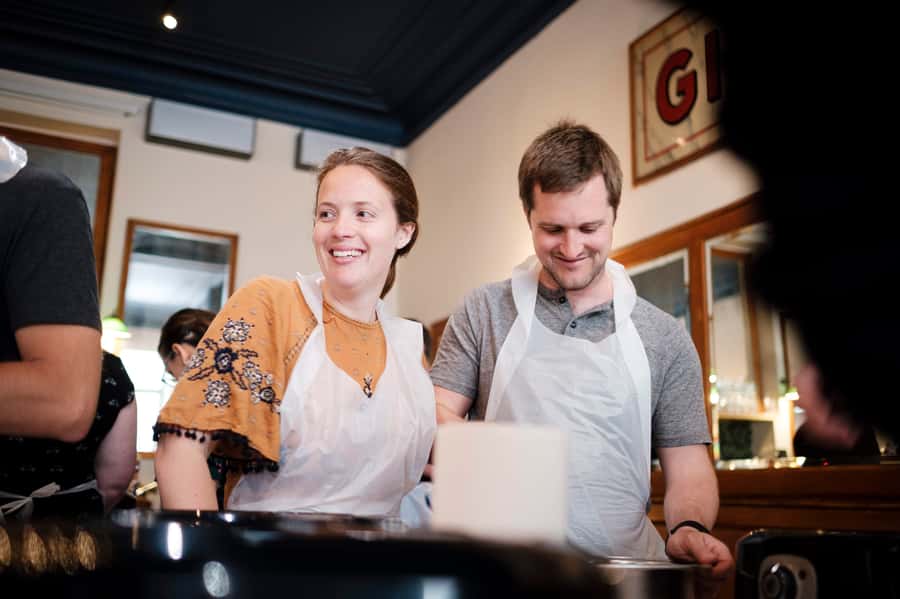
The hot chocolate tasting gives you a break from shaping and filling. You learn how to make a hot chocolate during the session, then taste it as part of the experience.
This is more useful than a free drink added at the end. It shows another way to use chocolate and lets you compare a warm, drinkable preparation with the pralines and mendiants you are making. The hot chocolate has been especially well received, so it is one part of the class I would not rush through.
The activity includes filtered water as well. That is a small practical touch during a hands-on food session, particularly when you are tasting sweet fillings and chocolate over several hours.
People with diabetes should note that the experience is specifically marked as unsuitable for them. The class centers on making and tasting chocolate, so it is not designed around low-sugar alternatives.
The Cusco chocolate box you carry home
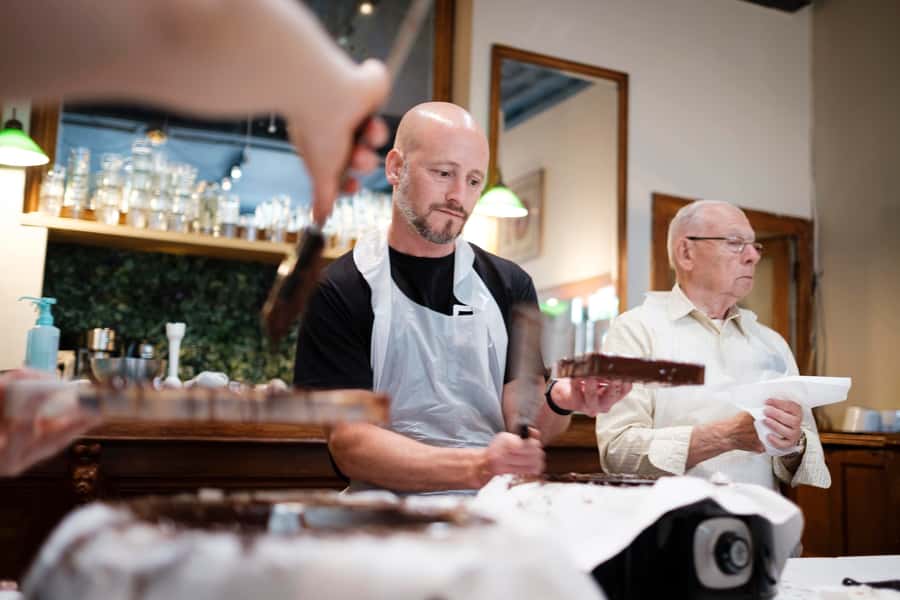
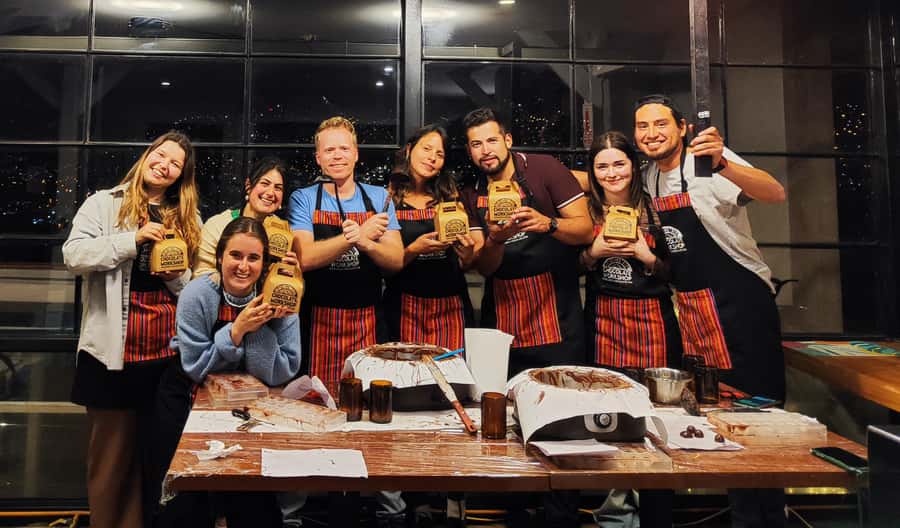
At the end, you receive a personalized box for your creations. The stated quantity is about 21 pralines and 10 mendiants, with 300 grams of chocolate provided per person.
That is a substantial souvenir. You are not leaving with one sample or a small packaged bar. You take home a box of sweets you made yourself, which can be shared with family and friends or saved for later. The box also gives you a clear way to judge the price: part of the fee pays for instruction and ingredients, and part becomes a memorable edible keepsake.
The finished pieces may not look identical to professional chocolates. That is part of the charm. The point is to learn the process, make choices, and taste the result. If you want perfect, shop-window bonbons, buy them from a chocolatier. If you want a personal souvenir with a story behind it, this workshop offers more.
Pack the box with care after the session. The activity gives you a container, but the supplied information does not promise special protection from heat or rough handling. Cusco can be sunny, and chocolate is not a souvenir you should leave in a hot vehicle or pressed under heavy luggage.
Is $47 a fair price in Cusco?
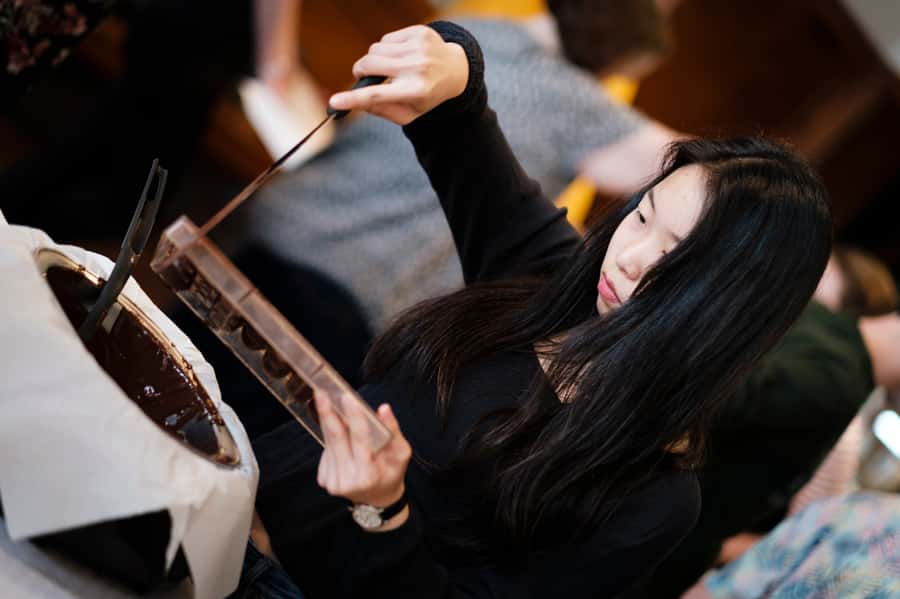
At $47 per person, this is not the cheapest food activity in Cusco. The value comes from the full package: 150 minutes of instruction, 300 grams of chocolate, all ingredients and utensils, hot chocolate, filtered water, help throughout, the city view, and a box of handmade sweets.
The quantity makes the fee easier to justify. Around 21 pralines and 10 mendiants give you enough finished chocolate to share, and you are also paying for a guided activity rather than a simple tasting. The class can fill an afternoon or evening without requiring transport outside the city.
I would call it good value for someone who enjoys cooking and wants a local food experience. It is less compelling for a person who does not eat much chocolate or who prefers a tour focused on cacao farms, roasting, or rural production.
The reserve-now-and-pay-later option can help if your Cusco schedule is still shifting. You can hold a place without paying immediately, and cancellation is allowed up to 24 hours in advance for a full refund. Still, one booking issue deserves attention: a scheduled session was cancelled shortly after one booking, and the refund had not arrived at the time of that report. That appears to be an isolated warning rather than a pattern, but you should monitor confirmation and refund status.
Who should book this workshop?
This activity suits adults, couples, friends, and families with children aged 12 or older who enjoy making food with their hands. It also works well when you want a break from archaeological sites and mountain outings without leaving Cusco.
You do not need previous chocolate experience. The ingredients, equipment, and instruction are included, and the teachers guide you through the process. A basic interest in cooking is enough.
It is a particularly good fit if you value:
- A local ingredient with a clear regional link
- A creative activity rather than a lecture
- A generous edible souvenir
- A scenic city setting
- Teaching in English, Spanish, or French
- A friendly, social class with room for conversation
It is not suitable for children under 12, unaccompanied minors, spectators, or people with diabetes. The no-spectator rule matters if one person in your group wants to watch while another participates. Everyone attending needs to book and take part.
Practical tips before you go
Wear clothing you can work comfortably in. Chocolate-making can be tidy when handled carefully, but you are filling, molding, decorating, and tasting food for much of the session.
Tell reception clearly that you are there for the chocolate workshop. The meeting point is Limbus Restobar, and the receptionist will send you to the correct part of the venue.
Allow the full 150 minutes. The class includes an introduction, chocolate instruction, pralines, mendiants, fillings, toppings, hot chocolate, and packing your finished sweets. It is not a quick demonstration you can squeeze between two tightly scheduled sights.
If you speak French, English, or Spanish, you can take part in one of those languages. The exact instructor may vary. David, Marco, Alex, Ken, and Angel have all been associated with sessions, so do not assume one particular teacher unless your confirmation states it.
Finally, plan how you will protect the box afterward. You receive a useful souvenir container, but your handmade chocolates still need sensible care during the rest of your trip.
Should you book the Cusco chocolate workshop?
Book it if you want a relaxed, hands-on Cusco activity with a strong food angle. The combination of Chuncho cacao, Belgian-style sweets, hot chocolate, a panoramic view, and a box of roughly 31 handmade pieces gives you more than a standard tasting.
Skip it if you are seeking a full cacao-farm visit, bean roasting, or a serious professional pastry course. The class starts with prepared chocolate and focuses on turning it into pralines and mendiants.
For most chocolate fans, the $47 price is reasonable because you spend two and a half hours making something and leave with plenty to share. Just remember the age restriction, the lack of pickup, the no-spectator rule, and the need to meet at Limbus Restobar.
FAQ
How long does the chocolate workshop last?
The workshop lasts 150 minutes, or two and a half hours.
How much does the experience cost?
The price is $47 per person.
Where does the workshop meet?
You meet at the reception of Limbus Restobar in Cusco. Tell the receptionist you are there for the chocolate workshop, or el taller de chocolate.
Is hotel pickup included?
No. You need to make your own way to the workshop meeting point.
What will I make during the class?
You will make Belgian-style pralines and mendiants from scratch, using chocolate, fillings, and toppings supplied during the workshop.
How many chocolates can I take home?
You can take home about 21 pralines and 10 mendiants of your own creation. The activity includes 300 grams of chocolate per person and a box for your finished chocolates.
Is hot chocolate included?
Yes. You will learn how to make hot chocolate and receive a hot chocolate tasting during the workshop.
Which languages are available?
Instruction is available in English, Spanish, and French.
Can children join the activity?
Children under 12 are not allowed to participate, and unaccompanied minors are not allowed. The activity also does not allow spectators.
Just added around Cusco
- Waqrapukara 1 day trekking + meals★ 3.9 · 3 reviews
- Zipline over the Sacred Valley Trip★ 5.0 · 11 reviews
- Valle Sur Cusco | half day★ 4.3 · 3 reviews
- Visit to the Cochahuasi Animal Sanctuary with rescued animal★ 4.1 · 4 reviews
- Visit Pisac from Cusco: Private Transport★ 4.6 · 9 reviews
- Maras and Huaypo lagoon by ATV from Cuzco | Local Operator★ 4.7 · 4 reviews
- Trek to Humantay Lake from Cusco★ 4.9 · 8 reviews
- Trek to Choquequirao 4 days★ 3.8 · 4 reviews
Workshops, compared.
Peruvian Cooking Class, Cocktails & Local Market Tour
Read our review →
Cooking class and market tour with a local chef
Read our review →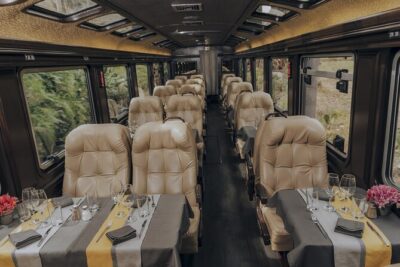
The First Class Machu Picchu Train by Inca Rail
Read our review →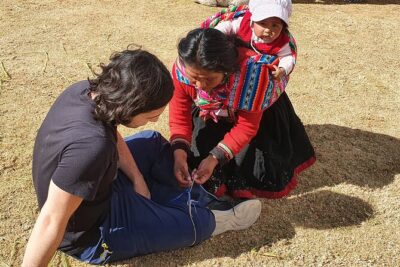
The Textile Workshop Experience in Cusco Region
Read our review →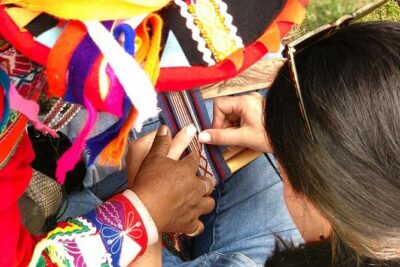
Sacred Valley Textile Workshop – Dyeing & Weaving in Cusco
Read our review →
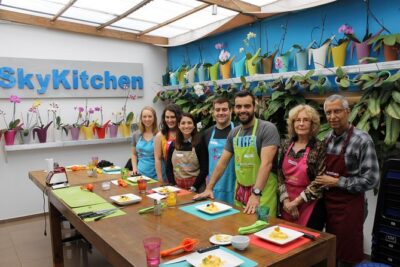
Market Tour, Tasting of 35 Fruits, and 4-Course Peruvian Cooking Class in Lima
Read our review →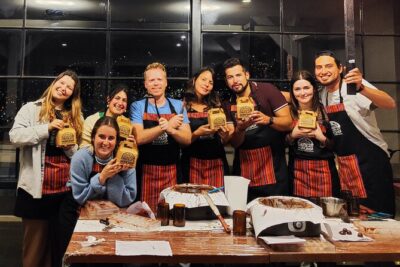
Chocolate Workshop in Cusco with Premium Organic Cacao
Read our review →Browse the lists this tour appears in