
Reviewed · SILLAR ROUTE TOURS
Arequipa: The White City Origins – Sillar Route Half Day
Arequipa’s famous white buildings begin far outside the city center, in quarries cut into the volcanic rock near Chachani Volcano. This four-hour outing takes you to the source of sillar, the pale stone that gives Arequipa its nickname, the White City, then adds a ravine marked with Wari petroglyphs.
I like the direct contact with stonecutters and the chance to see sillar being extracted with old-style tools. I also like the price: $23 includes transport, hotel pickup, and an English or Spanish guide, making it a useful half-day choice when your time in Arequipa is tight.
The main catch is that the $23 price does not cover the S/ 5 entrance fee, payment to master cutters, food, drinks, or a ride back to your hotel. If you only want the quarry and can arrange a taxi, going independently may cost less, but you would give up the guide and organized transport.
In This Review
- Key points about the Sillar Route
- Why Arequipa Is Built from White Volcanic Stone
- Morning Pickup from Central Arequipa
- Añashuayco: Where the Stonecutters Work
- The Pink Sillar View
- Culebrillas and Its Wari Rock Art
- Guides, Language, and the Human Side of the Tour
- Is $23 Good Value?
- What to Bring for a Comfortable Visit
- Who Will Like This Half-Day Route
- Booking Flexibility and Basic Planning
- Should You Book the Sillar Route?
- FAQ
- How long does the Sillar Route tour last?
- What sites does the tour visit?
- Is hotel pickup included?
- Is hotel drop-off included?
- What extra costs should I expect?
- What languages are available?
Key points about the Sillar Route
- Two very different quarries: Añashuayco shows active stonework and Pink Sillar, while Culebrillas offers a narrow eroded ravine and ancient rock art.
- Sillar’s city connection: You see the material used in Arequipa’s colonial facades, carvings, and UNESCO-listed historic center.
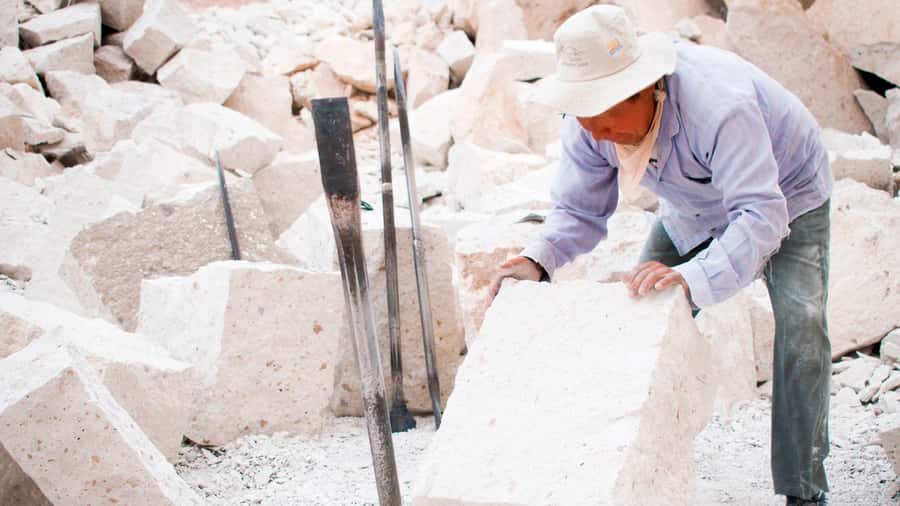
- A working craft, not just a photo stop: Master cutters demonstrate how the volcanic stone is shaped with ancestral tools.
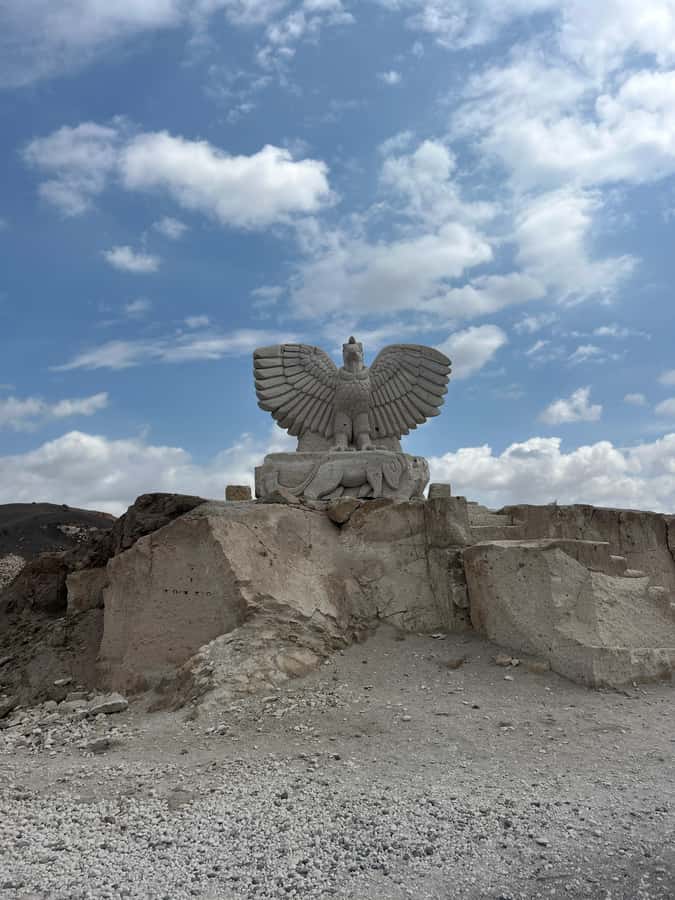
- Wari petroglyphs at Culebrillas: Animal figures, including birds, felines, and snakes, appear on ravine walls reaching about 30 meters high.
- Simple half-day planning: Morning pickup from a centrally located hotel gives you a focused outing without taking up a full day.
- Bring cash: You need it for the S/ 5 entrance fee, artisan payments, and optional handicrafts.
Why Arequipa Is Built from White Volcanic Stone
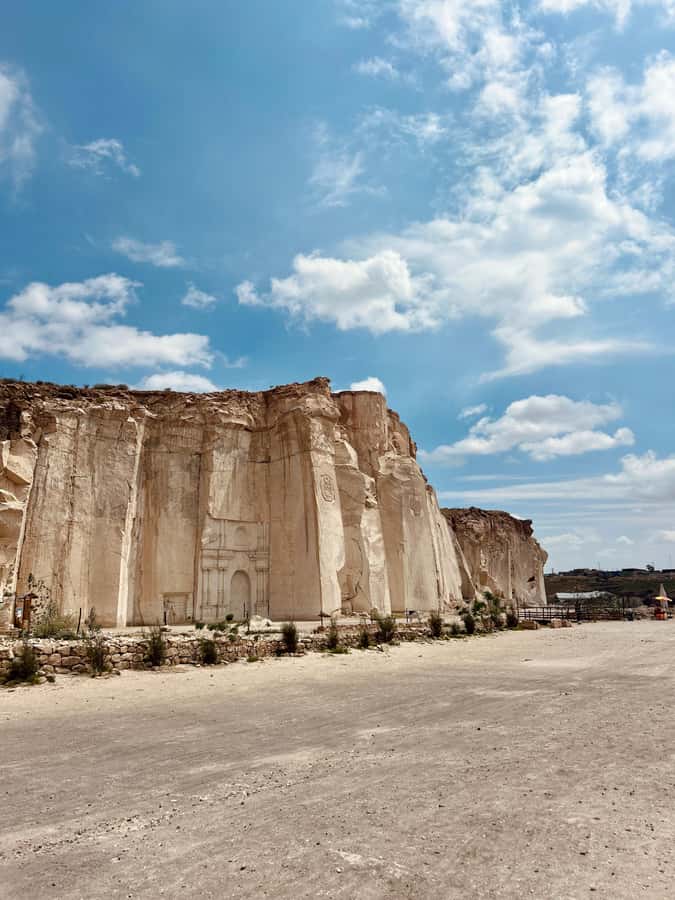
Sillar is volcanic ash and rock that hardened into a workable stone. Arequipa’s builders used it widely, and the material helped shape the city’s distinctive appearance. The historic center, recognized as a UNESCO World Cultural Heritage site, is known for its pale facades, carved details, and grand colonial buildings made from this local stone.
That connection gives the route more meaning than a standard quarry visit. You are not simply looking at a hole in the ground. You are seeing the starting point of a building tradition that continues into the streets of Arequipa.
The tour also helps explain why the stone is so useful. It can be cut and carved by hand, allowing artisans to make facades, decorative panels, and small objects. At the quarries, you can watch the process at close range and see how much physical work goes into the clean shapes that look so effortless in the city.
I find this kind of context especially helpful early in a stay. After visiting the quarries, you can look at Arequipa’s historic center with a better eye. A doorway is no longer just a pretty white entrance. You have seen the rock being removed, shaped, and turned into architecture.
More sillar route tours in Arequipa:
- From Arequipa: Sillar Route Trek
★ 4.2 · 461 reviews - Sillar Route and Culebrillas Petroglyphs
★ 4.5 · 89 reviews - Sillar Route in Arequipa and viewpoint of the Volcanoes
★ 4.0 · 71 reviews
Morning Pickup from Central Arequipa
The day begins with pickup from a centrally located hotel in Arequipa’s historic center. You should wait in the lobby 10 minutes before the scheduled time. Transport is included, which removes the need to negotiate a taxi to the quarries or work out the route yourself.
The pickup area is limited to central hotels, so this is not a door-to-door option for every address in the wider city. The tour also returns you to the city center, but hotel drop-off is not included. Plan to walk from the return point or arrange your own short ride.
The four-hour length is one of the strongest reasons to consider this outing. You can see the two quarry areas in the morning and still have much of the day available for Arequipa’s convents, plazas, museums, or a long lunch. It is a good fit if you have only a short stay or if a full-day excursion feels excessive.
The exact starting time depends on availability. When booking, check the morning departure that fits your schedule rather than assuming every day begins at the same hour.
Añashuayco: Where the Stonecutters Work
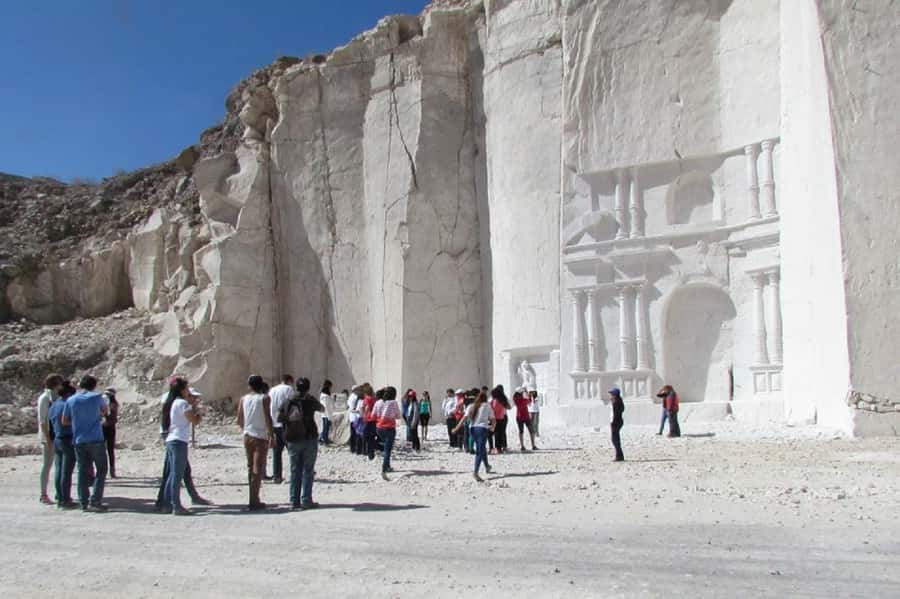
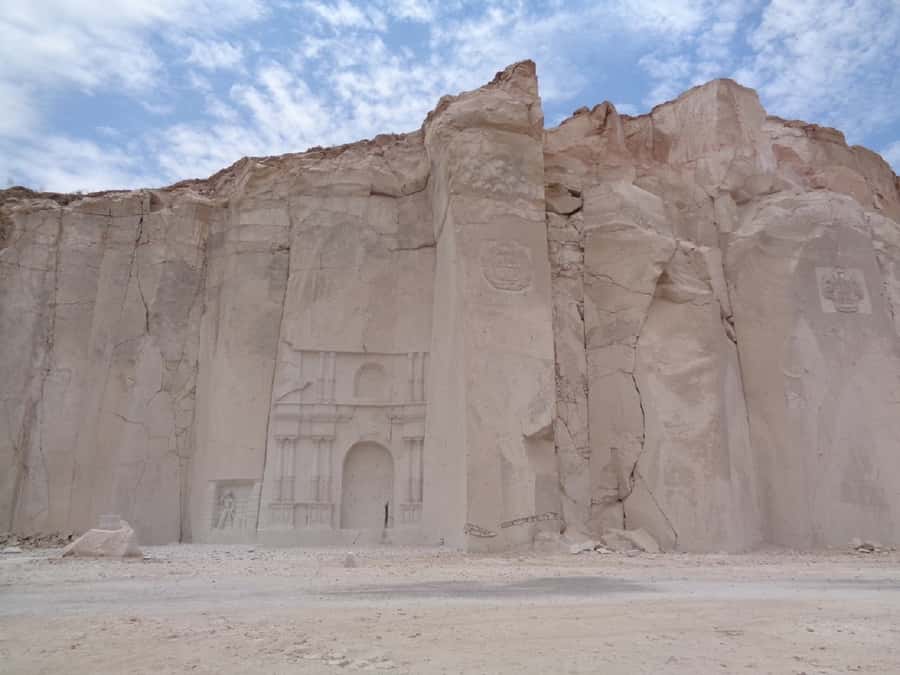
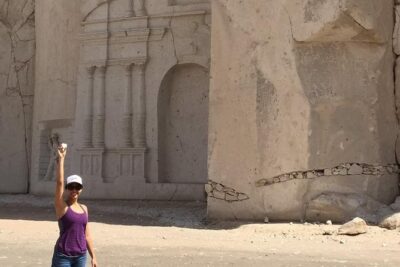
The first main stop is the Añashuayco Quarries in the district of Cerro Colorado. The quarries lie at the foot of Chachani Volcano and beside the Chili River, giving the setting a strong connection to the natural forces that shaped the stone.
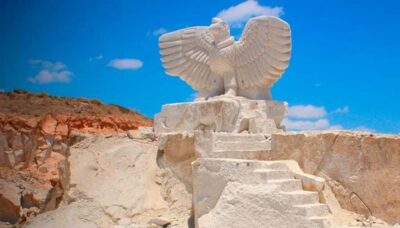
Here you walk through the area used by master stonecutters. The focus is practical and human. You can see colonial-style facades and carvings made from sillar, then visit artisan workshops to learn how the material is handled.
The most useful part for many people will be the demonstration of extraction and carving. The work is done with ancestral tools, so you can watch the stone being shaped through hand labor rather than treating the quarry as a simple scenic stop. Your guide can explain what the cutters are doing and connect their work to the finished buildings in Arequipa.
You may also have a chance to buy sillar handicrafts. Purchases are optional, and the cost is not included. Bring cash if you want to support the artisans directly or take home a small piece of the craft.
Allow yourself to look beyond the obvious white color. The stone has texture, grain, and changes in tone. The quarry walls show the material in its natural setting, while the workshops show the skill needed to make it useful.
The Pink Sillar View
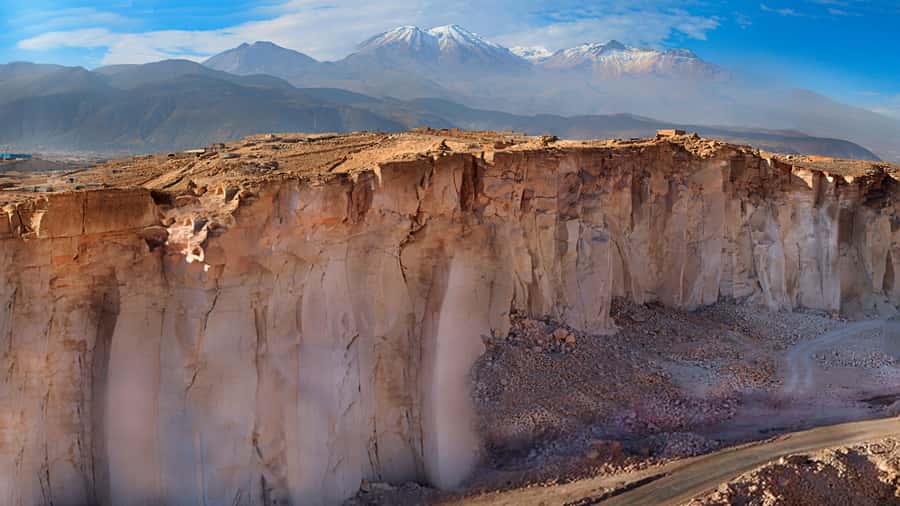
Añashuayco includes an area known as Pink Sillar. In direct sunlight, the stone takes on an intense pink tone because of the combination of sillar, sand, and rocks.
This is one of the route’s best visual surprises. Much of Arequipa’s architecture is pale and white, so the pink section gives you a different view of the same material. The color may look stronger in bright sun, so sunglasses are useful for more than comfort.
I would treat this stop as a chance to notice geology rather than only taking a quick photograph. Ask your guide to explain the color change and look at the layers and mixed materials around you. The experience works best when you give the quarry a few quiet minutes instead of rushing from one picture to the next.
The ground is a working quarry area, not a polished attraction. Wear comfortable clothes and shoes suitable for walking. The tour is described as appropriate for all ages, but every visitor should still pay attention to footing and follow the guide around active work areas.
A few more Arequipa trips to weigh up
- Arequipa: Walk through the Historic Center of the City
★ 4.9 · 87 reviews - Arequipa Walking Tour city center and drinks experience
★ 5.0 · 72 reviews - Arequipa, Historic and Colonial City and Santa Catalina Monastery
★ 4.5 · 42 reviews - Arequipa: City and Country Tour
★ 3.7 · 27 reviews
Culebrillas and Its Wari Rock Art
The second quarry area is Culebrillas, a narrow natural ravine shaped by water and wind erosion. Its tall walls can reach around 30 meters, giving the walk a more enclosed feel than the open quarry spaces at Añashuayco.
You walk along the ravine and look for petroglyphs on the walls. The drawings include birds, felines, and snakes, and they are linked to the Wari culture, an Andean civilization that flourished from the seventh to the thirteenth centuries AD.
The petroglyphs are a valuable counterpoint to the stonecutters’ workshops. Añashuayco shows a living craft tradition. Culebrillas adds an older layer of human activity, when people marked images into the rock long before Arequipa’s colonial buildings were constructed.
Do not expect a large museum-style display or an easy-to-read collection of signs. The appeal is the setting and the guide’s explanation. A guide who can point out the figures and place them in their cultural setting makes this stop much more rewarding than arriving alone and seeing only weathered marks on a wall.
The ravine also changes the pace of the morning. After the open quarry and artisan workshops, the narrow walls create a quieter walk. The height of the rock makes the stop feel dramatic without requiring a full-day trek.
Guides, Language, and the Human Side of the Tour
The tour is offered in English or Spanish with a professional live guide. The guide is important here because the route depends on interpretation. Without an explanation, you might notice white stone, tools, and carvings, but miss the connection between quarry work, Arequipa’s buildings, and the Wari images.
Andreas has been praised for giving clear information about the Sillar Route, Arequipa, Peruvian culture, local people, and the city’s districts. That wider explanation is useful because the outing is not isolated from the city. It helps you understand how the quarries fit into the place you are visiting.
Fiorella has also led the tour, bringing a friendly and upbeat manner to the morning. Guide assignments can vary, so you should not book on the assumption that one particular guide will lead your departure. Still, the experience has shown that a strong guide can add plenty of local detail beyond the basic route.
I would ask questions as you go. Find out how the stone is selected, how it is cut, and where similar carvings appear in Arequipa. The itinerary gives you access to the setting, but conversation is what turns the visit into a useful lesson.
Is $23 Good Value?
At $23 per person, this is a reasonably priced organized outing. You receive transportation, a professional English or Spanish guide, hotel pickup from the historic center, and access to two quarry areas. For a short morning activity, that package offers solid value.
The advertised price is not the full cost. You must add the S/ 5 entrance fee per person, paid in local currency. You may also want cash for payments to master cutters and optional handicrafts. Food and drinks are not included, so eat before pickup or carry what you need.
The missing hotel drop-off matters less if you are comfortable continuing your day in the center. It matters more if you have mobility concerns, a tight afternoon reservation, or luggage waiting at your hotel. Check where the tour ends and allow a little time for your own return.
One verified booking described the outing as a good choice for someone short on time. That is the clearest value argument. You can reach both Añashuayco and Culebrillas in one organized morning without spending the day arranging separate transport.
The counterargument is also fair. If your only goal is to see the quarry or canyon, a taxi may be a simpler and cheaper option. You would then need to handle transport, entrance payment, and interpretation yourself, and you may not get the same explanation of the artisan work or Wari petroglyphs.
What to Bring for a Comfortable Visit
The essentials are simple:
- Passport
- Sunglasses
- Sunscreen
- Hat
- Comfortable clothes
- Cash
The passport is specifically listed among the items to bring, so do not leave it behind. Sunglasses and sunscreen are useful in the exposed quarry areas, particularly when sunlight reflects from pale stone.
Comfortable clothing matters because the outing includes walking around quarries and along the Culebrillas ravine. The provided information does not specify a required shoe type, but practical walking footwear is sensible for uneven ground.
Cash covers the S/ 5 entrance fee, artisan payments, and optional purchases. The activity does not include food or drinks, so you should plan around that. Children aged two and younger can join free when seated on a parent’s lap.
The tour includes a first aid kit and a COVID kit. That is a helpful basic safety provision, but it does not replace personal sun protection or the need to stay alert near quarry work.
Who Will Like This Half-Day Route
I would choose this outing if you want to understand Arequipa through its materials and local work. It suits people interested in architecture, geology, traditional crafts, archaeology, and short cultural excursions.
It is also a practical option for families because the activity is listed as suitable for all ages, with children two and younger complimentary on a parent’s lap. Parents should still consider the walking portions and the open quarry setting when deciding if the pace works for very young children.
The route is a good match for first-time visitors who want something beyond the central plaza. Arequipa’s historic buildings make more sense after you see the quarries that supplied the stone. It also works well for anyone with a free morning before a later activity.
You may want a different plan if you dislike organized transport, prefer to explore at your own pace, or want a longer trek. Four hours gives you a clear introduction, not an extensive study of quarrying or Andean archaeology. The route is focused and accessible rather than rugged or all-day.
Booking Flexibility and Basic Planning
You can cancel up to 24 hours before departure for a full refund, and the reserve-now, pay-later option lets you hold a place without paying immediately. Those terms help if your Arequipa schedule may change.
Pickup is included only from centrally located hotels in the historic center. Be ready in the lobby 10 minutes early, since a late start can cut into time at both quarry sites.
The tour has a perfect rating from four verified bookings, with praise focused on the guides’ helpful explanations, good mood, and ability to discuss both the route and wider Peruvian culture. That is encouraging, but the number of ratings is small. I would put more weight on the clear itinerary and the practical value than on the score alone.
Should You Book the Sillar Route?
Book it if you want a compact, guided introduction to the material behind Arequipa’s white architecture. The combination of working stonecutters, Pink Sillar, Culebrillas ravine, and Wari petroglyphs gives you several distinct experiences for one morning.
The strongest reason to choose this tour is the guide. Andreas and Fiorella have shown how useful a lively, clear explanation can be, especially at sites where the details are easy to miss. The main reason to skip it is simple: if you only want a quick quarry visit and can arrange a taxi, independent travel may be cheaper.
For most visitors staying in central Arequipa, I see this as a good-value half-day outing. Bring cash, protect yourself from the sun, and remember that your own ride back to the hotel is not included.
FAQ
How long does the Sillar Route tour last?
The tour lasts four hours and takes place in the morning.
What sites does the tour visit?
You visit the Añashuayco Quarries and the Culebrillas Quarry. The route includes artisan workshops, the Pink Sillar area, sillar extraction, a natural ravine, and Wari petroglyphs.
Is hotel pickup included?
Yes. Pickup is included from centrally located hotels in the historic center of Arequipa. You should wait in the hotel lobby 10 minutes before the scheduled pickup time.
Is hotel drop-off included?
No. The tour returns to the city center, but hotel drop-off is not included.
What extra costs should I expect?
Food and drinks are not included. You must also pay the S/ 5 entrance fee per person, payment to master cutters, and any optional handicrafts you choose to buy.
What languages are available?
The tour offers a live professional guide in English or Spanish.
Just added around Arequipa
- Walking tour through the Historic Center of Arequipa★ 4.0 · 3 reviews
- Trek to the Route of the Sillar and Culebrillas in Arequipa★ 4.0 · 9 reviews
- 3-Day Colca Canyon trek with Professional Guide★ 5.0 · 40 reviews
- Trekking, Waterfalls and Thermal Baths★ 4.5 · 47 reviews
- Colca Full Day★ 5.0 · 57 reviews
- Full Day Tour to Colca Canyon from Arequipa★ 4.0 · 34 reviews
- Private 3 Day Colca Canyon Trekking tour (superior Service)★ 5.0 · 58 reviews
- Arequipa, Historic and Colonial City and Santa Catalina Monastery★ 4.5 · 42 reviews
Sillar Route Tours, compared.
Sillar Route in Arequipa and viewpoint of the Volcanoes
Read our review →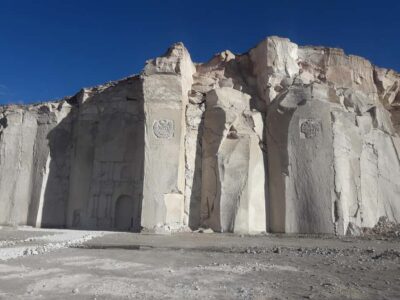
4 hours Tour: Route of Sillar with Trek in Culebrillas
Read our review →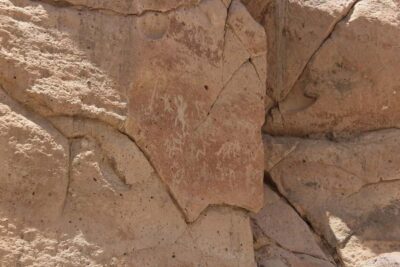
Route of the Sillar | Quarries of Añashuaycos | Half day
Read our review →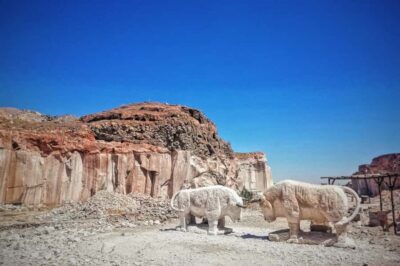
4-hour excursion: Sillar Route with Hiking in Culebrillas
Read our review →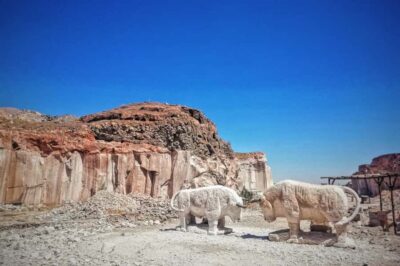
Trek to the Route of the Sillar and Culebrillas in Arequipa
Read our review →Browse the lists this tour appears in