
Reviewed · HISTORICAL TOURS
Arequipa: Walk through the Historic Center of the City
Arequipa’s best introduction may be a walk that ends above the rooftops, with the three great volcanoes in view. This two-hour tour moves from the Cathedral and colonial cloisters to old tambos, quiet corners, local stories, and a lookout with a broad view of Misti, Chachani, and Pichu Pichu.
I like the small groups of up to six, which make it easier to ask questions and keep the walk personal. I also like the practical local advice, from restaurants and bars to things worth doing elsewhere in Peru. The main caution is that one customer found some stretches too light on explanation, so this suits you best if you enjoy a relaxed walk and are willing to ask questions.
In This Review
- Key points to know before booking
- Why this is a smart first walk in Arequipa
- Starting at Campo Redondo in San Lázaro
- The Cathedral and Arequipa’s main symbols
- Colonial cloisters with space to look up
- Tambos, old lodgings with a human story
- Cobblestone streets, legends, and local corners
- The lookout finish and the volcano view
- What the guides add to the experience
- Is $15 good value?
- Who should book this Arequipa walk?
- Booking details that matter
- Should you book it?
- FAQ
- How long does the Arequipa walking tour last?
- Where does the tour meet?
- Which languages are available?
- How many people can join the tour?
- What historical places are included?
- Can I cancel or pay later?
Key points to know before booking
- The walk starts at Campo Redondo in San Lázaro, a useful location for beginning in one of Arequipa’s old quarters.
- Five historical sites are included, with the Cathedral, colonial cloisters, and tambos forming the main cultural stops.
- The group is limited to six people, and solo bookings may become private tours if others cancel.
- Joss is especially praised for local recommendations, including restaurants, bars, markets, and follow-up help after the walk.
- The finish is a lookout or rooftop terrace, with views toward Arequipa’s surrounding volcanoes and, in some cases, a pisco sour at sunset.
- The $15 price is strong value if you want orientation, local context, and useful advice rather than a simple walk past monuments.
Why this is a smart first walk in Arequipa
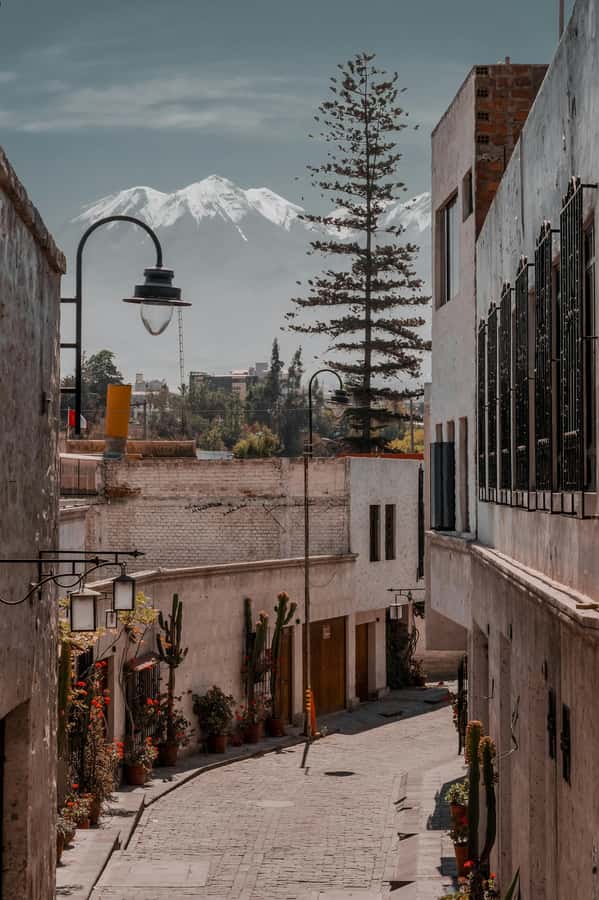
Arequipa can look simple at first glance: pale volcanic-stone buildings, sunny plazas, narrow streets, and a large volcano rising behind the city. But the details are easy to miss if you only follow the main square and a map on your phone.
This tour gives you a quick working introduction to the city. You see major buildings, step into older spaces, hear local legends, and finish with a view that helps you understand Arequipa’s setting. The walk lasts two hours, with about one and a half hours described as walking time, so it is not an all-day history lesson.
I would book it early in your stay. That timing matters because the guide also offers recommendations for restaurants, bars, museums, markets, and other things to do in and around the city. Several people specifically appreciated getting advice they could use after the tour, including direct follow-up help from Joss through WhatsApp.
The tour is offered in English or Spanish, with a small group capped at six. That is a better setup than a large walking tour if you want to ask about architecture, Peruvian customs, food, or practical details without waiting for a dozen other people to finish.
A few more Arequipa trips to weigh up
- Walking tour in the Historic Center of Arequipa
★ 4.4 · 180 reviews - Arequipa, Historic and Colonial City and Santa Catalina Monastery
★ 4.5 · 42 reviews - Walking tour through the Historic Center of Arequipa
★ 4.0 · 3 reviews
Starting at Campo Redondo in San Lázaro
The meeting point is Campo Redondo San Lázaro, at coordinates -16.3934138, -71.5336117. You should check the map carefully before setting out, since the tour does not begin at the Plaza de Armas.
Starting in San Lázaro gives the walk a more local feel from the first minutes. The area is connected to Arequipa’s older urban fabric, and the cobblestone streets help set up the story of how the city developed around traditional quarters, religious buildings, and lodgings for people arriving from elsewhere.
This is also a practical meeting point for a tour focused on more than the obvious postcard views. You will still see the main historic center, but the route also includes lesser-known corners that are easier to miss if you simply walk between the Cathedral, Santa Catalina, and the main plaza on your own.
Expect a walking tour, not a vehicle-based city circuit. Wear shoes that feel good on cobblestones, and leave room in your schedule for pauses, questions, and photographs. The tour is available in the morning or afternoon, so you can choose the slot that fits your arrival, sightseeing plans, or preferred light at the viewpoint.
The Cathedral and Arequipa’s main symbols
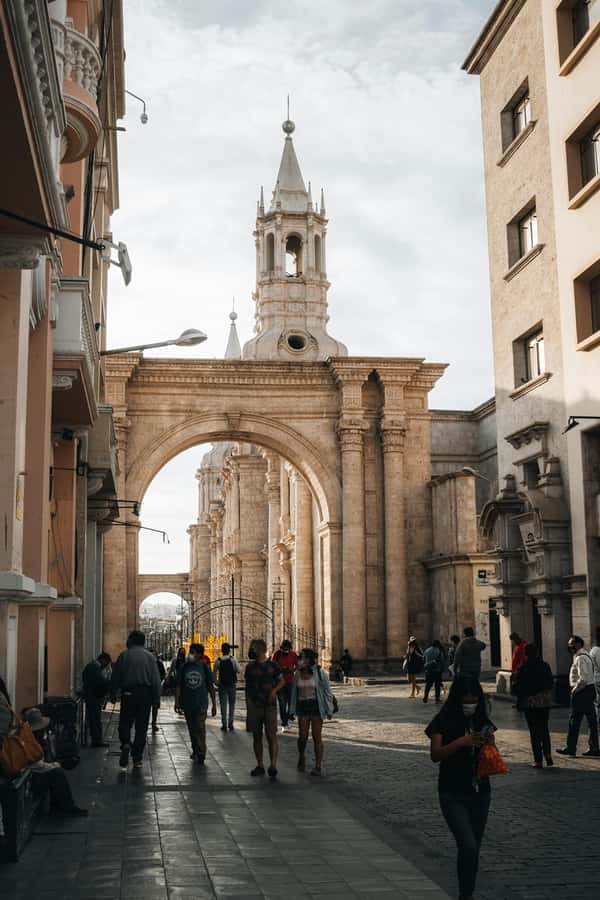
The first major stop is Arequipa’s Cathedral, one of the city’s most recognizable buildings. A visit here gives you a clear starting point for understanding the city’s religious, civic, and architectural identity.
The Cathedral is not treated as an isolated monument. The guide places it within the wider story of Arequipa, pointing out details connected to the city’s colonial past, cultural influences, and position in southern Peru. That wider setting is one of the tour’s strengths. You are not only told what a building is called. You are given reasons to notice how it fits the city around it.
The description does not promise a full guided interior tour of the Cathedral, so you should not book this expecting the depth of a specialist museum visit. One person later arranged a separate Cathedral visit on Joss’s advice, which suggests that this walking tour works best as an introduction rather than a complete treatment of every major site.
Still, the Cathedral is an important anchor. It gives you an easy point of reference as the walk shifts into smaller courtyards, old passageways, and less familiar corners.
Colonial cloisters with space to look up
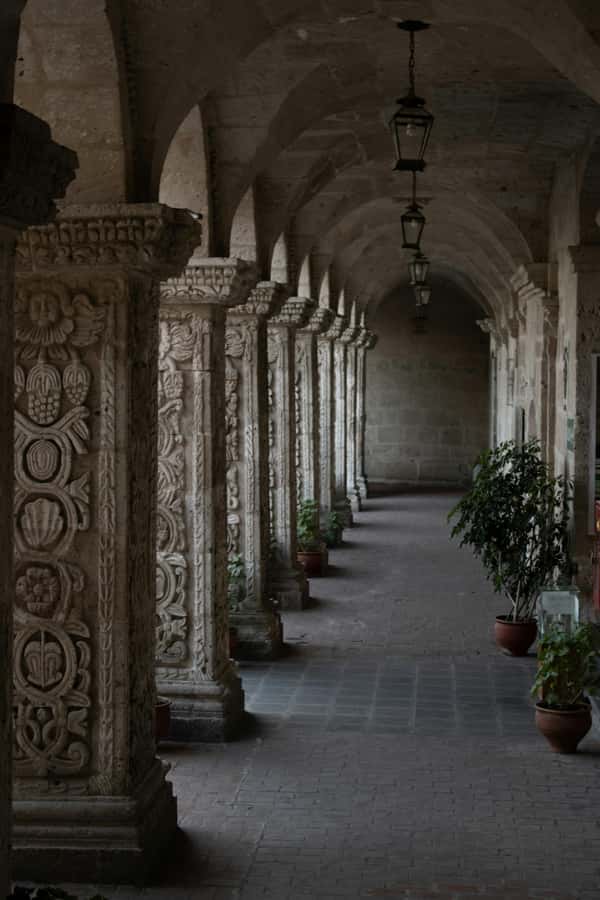
The next part takes you into colonial cloisters. These enclosed courtyards are valuable because they let you slow down and study architectural details that can disappear in the noise of central streets.
Look for the shape of the arches, the arrangement of the walkways, and the way religious buildings were designed around interior courtyards. Your guide explains the story behind these places and helps connect the architecture to the people and customs that shaped Arequipa.
This is where a local guide can add real value. A plaque may provide a name and a date, but it will not always explain why a space mattered, how it was used, or what local traditions remain attached to it. Joss is praised for explaining architecture alongside geography and cultural influences, which should make the stops feel connected rather than like a list of unrelated buildings.
You may find some portions of the walk quieter than others. One customer felt there were stretches with too much walking and not enough commentary, so ask questions when you want more detail about a street, façade, or building. The small group makes that easier.
Same valley, a completely different kind of day:
- From Arequipa: Colca Canyon Full-Day Guided Tour with Meals
★ 4.5 · 982 reviews - Tour to the Salinas Lagoon and National Reserve in Arequipa
★ 4.5 · 548 reviews - From Arequipa: Sillar Route Trek
★ 4.2 · 461 reviews - Arequipa: Chili River White Water Rafting with Hotel Pickup
★ 4.8 · 329 reviews
Tambos, old lodgings with a human story
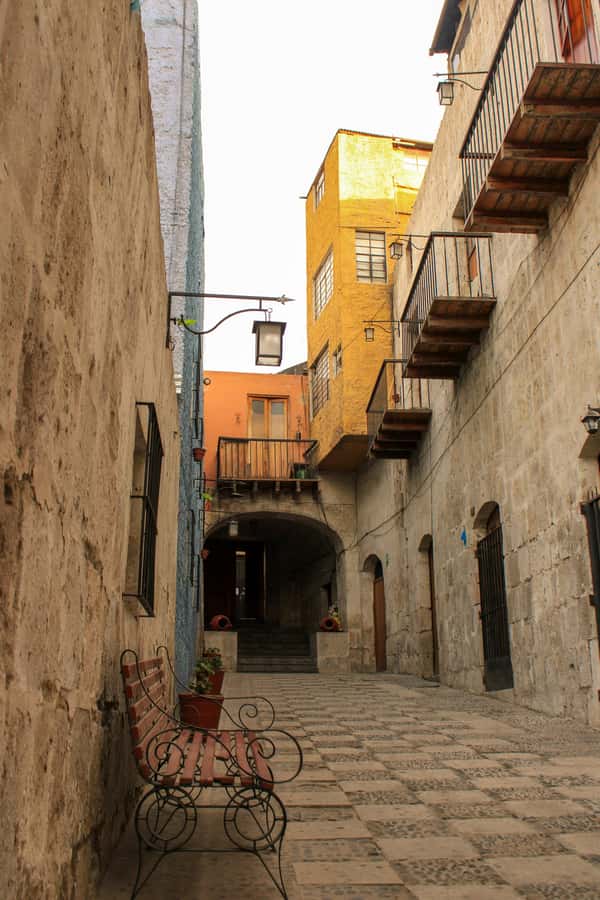
The tour also enters tambos, ancient lodgings that played an important role in life in Arequipa for centuries. This is one of the more distinctive parts of the route because it shifts attention away from grand churches and toward everyday movement through the city.
Tambos were connected with lodging and travel, giving you a glimpse of how people arrived, stayed, traded, and passed through Arequipa before modern hotels and transport. They help turn the old center from a collection of attractive stone buildings into a place shaped by ordinary routines.
I particularly like this stop because it adds social history to the architectural story. You see how the city worked for people who were not bishops, wealthy families, or famous civic figures. The guide also shares curious facts, traditions, and legends passed from one generation to the next, adding a more personal tone to the walk.
Do keep your expectations realistic. The tour offers a look at these places as part of a broader city walk, not a specialist academic study of tambos. Its appeal is the combination of setting, explanation, and local storytelling.
Cobblestone streets, legends, and local corners
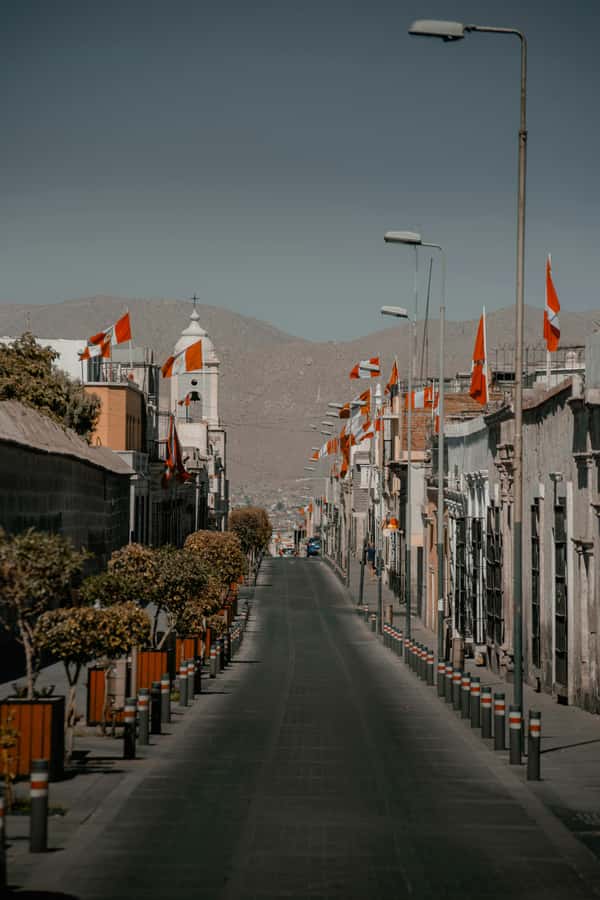
Between the main stops, the group walks through picturesque cobblestone streets and lesser-known parts of the old center. This is the section where the tour’s pace and guiding style matter most.
You will hear stories, legends, and curious facts connected with Arequipa and Peru. The guide also points out places you might not find through a standard online search, including cafés, restaurants, bars, artwork, and other local stops. Joss is particularly praised for taking groups to personal favorites rather than simply repeating the most obvious route.
That does not mean every street will have a formal explanation. A walking tour needs some time to move between sites, and one customer wanted more information about streets and buildings along the way. If you prefer nonstop commentary, this may feel uneven. If you like a little breathing room between stops, the rhythm should work better.
The cultural exchange is another useful part of the experience. You can ask about local customs, Peruvian food, Arequipa’s place in the region, and practical plans for the rest of your trip. The strongest guides on this tour appear to be warm and willing to continue helping after the formal walk ends.
The lookout finish and the volcano view
The walk ends at a viewpoint where you can see the volcanoes surrounding Arequipa. Misti, Chachani, and Pichu Pichu are the main names to look for.
This finish gives the tour a clear payoff. After walking through churches, cloisters, tambos, and narrow streets, you get a wider view of the city’s location. Arequipa is not just an old urban center. It is a city framed by major volcanic peaks, and the viewpoint makes that relationship easy to grasp.
The final stop has also been described as a rooftop terrace with a good sunset view. Some people finished with pisco sours, making it a pleasant social end to the walk. The supplied details do not guarantee that a drink is included in the $15 price, so treat the terrace and view as the main attraction and consider any food or drink an extra cost.
The afternoon departure may be the better choice if you care about sunset and evening atmosphere. The morning option may suit you if you want to continue sightseeing afterward. Since both are offered, check the available start times when you book.
What the guides add to the experience
The guides are identified in customer comments as Joss, Jose, and Joseph. The names may refer to the same guiding team or to different guides, so confirm who will lead your departure.
The most consistent praise goes to the guides’ friendliness, local knowledge, and willingness to answer questions. Joss is often singled out for explaining Arequipa’s architecture, geography, cultural influences, and food scene with enthusiasm. Jose is described as professional and attentive, including on a departure that turned into a private tour after other participants cancelled.
That small-group format is important. With no more than six people, you can usually hear the guide clearly and shape the conversation around your interests. If only one or two people book, the experience may become private without you paying for a separate private-tour rate. That happened for several customers and was seen as a pleasant surprise.
The guide’s recommendations may be as useful as the sightseeing. You can ask for restaurant and bar suggestions, ideas for places to visit, and tips for planning the rest of your time in Peru. One guide even shared contact details for later questions, which is helpful when you want to follow up on a recommendation after the walk.
Is $15 good value?
At $15 per person, this tour offers good value if you want more than a basic orientation. You get about two hours, five historical sites, a live guide in English or Spanish, stories and legends, local recommendations, and a small group.
The value is strongest for a first visit. A guide can help you decide which parts of the city deserve a longer visit and which restaurants or bars fit your plans. The experience may also save you from spending your first day wandering without context.
It is less compelling if you already know Arequipa well or want a highly detailed architectural lecture at every stop. One customer considered the price high for a basic tour and wanted more information during the walking stretches. That is a fair caution. The tour’s strength is its mix of major sights, local corners, conversation, and practical tips, not an exhaustive treatment of every building.
For the right person, the final lookout alone adds atmosphere and helps justify the price. Add the small group and the chance of a private departure, and the cost compares well with many city introductions.
Who should book this Arequipa walk?
I would recommend it to you if this is your first time in Arequipa and you want to get oriented quickly. It is especially useful if you like history explained in plain language, local stories, architecture, and recommendations you can use immediately.
It also suits solo visitors and couples who value a small group. You may end up with a private walk if other bookings cancel, as happened on some departures. Families and older walkers should note that the experience involves about one and a half hours of walking on city streets, including cobblestones.
You may want a different option if you need step-free access, a formal museum-style tour, or constant commentary between every stop. The available information does not provide specific accessibility details, so ask the provider before booking if that matters for you.
Book the afternoon if the view and possible sunset matter most. Choose the morning if you want the rest of the day for museums, markets, food, or another excursion.
Booking details that matter
The meeting point is Campo Redondo San Lázaro, not a hotel pickup. Check the exact location before leaving and allow time to reach it.
The tour costs $15 per person and lasts two hours. It is available in English and Spanish, with a live guide and a maximum of six participants. Some material may be presented in its original language.
You can cancel up to 24 hours before the tour for a full refund. The reserve-now, pay-later option lets you hold a place without paying immediately, useful when your Peru schedule is still changing.
Should you book it?
Book this tour if you want a friendly, compact introduction to Arequipa that combines the Cathedral, cloisters, tambos, old streets, local stories, and a volcano-view finish. The strongest reason to choose it is the guide’s local perspective, especially the restaurant advice, lesser-known stops, and help planning what to do next.
Skip it if you want every passing building explained in detail or if you have already explored the historic center closely. For most first-time visitors, though, $15 is a sensible price for two hours of orientation and conversation, particularly with a group of six or fewer. Start your Arequipa visit here, then return to the places that catch your interest.
FAQ
How long does the Arequipa walking tour last?
The tour lasts two hours. The walking portion is described as approximately one and a half hours, with time also used for stops, explanations, and the final viewpoint.
Where does the tour meet?
The meeting point is Campo Redondo San Lázaro in Arequipa. The listed coordinates are -16.3934138, -71.5336117.
Which languages are available?
The tour is offered in English and Spanish with a live guide. Some content may be shown in its original language.
How many people can join the tour?
The tour is limited to six participants. If other people cancel, a booking may become a private tour.
What historical places are included?
The walk includes five historical sites. The route specifically includes Arequipa’s Cathedral, colonial cloisters, ancient tambos, and other historic corners of the city.
Can I cancel or pay later?
You can cancel up to 24 hours in advance for a full refund. The reserve-now, pay-later option allows you to book without paying immediately.
Just added around Arequipa
- Walking tour through the Historic Center of Arequipa★ 4.0 · 3 reviews
- Trek to the Route of the Sillar and Culebrillas in Arequipa★ 4.0 · 9 reviews
- 3-Day Colca Canyon trek with Professional Guide★ 5.0 · 40 reviews
- Trekking, Waterfalls and Thermal Baths★ 4.5 · 47 reviews
- Colca Full Day★ 5.0 · 57 reviews
- Full Day Tour to Colca Canyon from Arequipa★ 4.0 · 34 reviews
- Private 3 Day Colca Canyon Trekking tour (superior Service)★ 5.0 · 58 reviews
- 2 Day Trek Including Transfer to Puno / Colca Canyon★ 4.5 · 38 reviews
Historical Tours, compared.
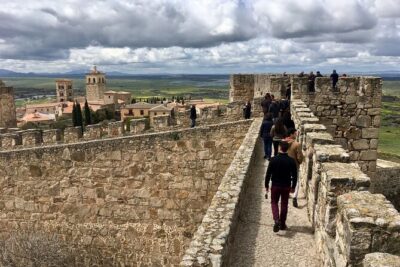
Guided Tour of Historic and Monumental Trujillo
Read our review →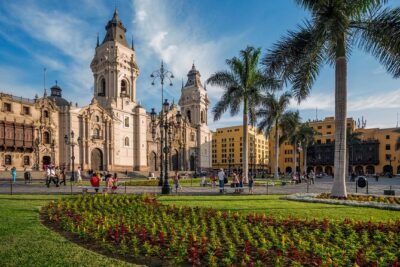
Lima’s Vibrant Heritage: Exploring the City’s Landmarks Half-day
Read our review →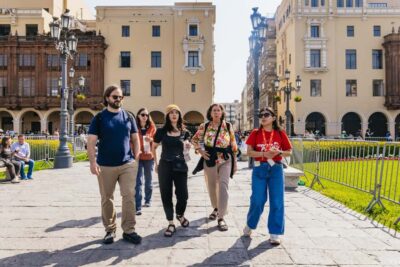
Historic Center Street Food, Market, and Eateries Tour
Read our review →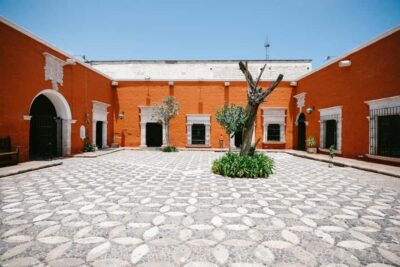
Walking tour in the Historic Center of Arequipa
Read our review →
Historic Downtown, Miraflores & Catacombs Private Tour
Read our review →
Machu Picchu Private Archaeological and Historical Guided Tour
Read our review →
Browse the lists this tour appears in