
Reviewed · COOKING CLASSES
Lima: Market Tour and Cooking Class with Pisco Sour
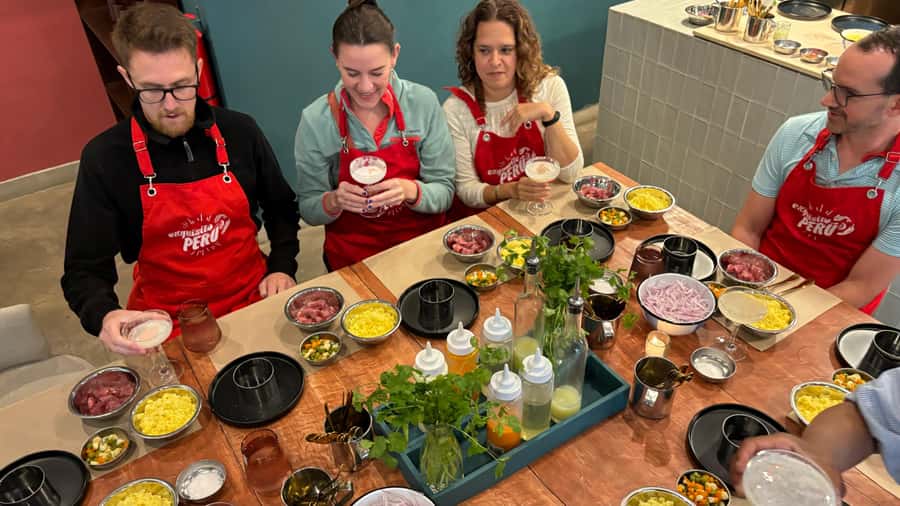
Lima’s best food lesson may begin with a fruit you have never seen before. This 150-minute market and cooking class takes you through Surquillo Market, then into a nearby restaurant to prepare ceviche, causa rellena, and a pisco sour.
I like the small group size, capped at 10, and the chance to taste four fruits while learning from market vendors. I also like the practical finish: you eat the food you prepare, then raise a glass of your own pisco sour.
The main drawback is that you will be on your feet for most of the class, and the activity is not suitable for wheelchair users, pregnant women, or people with food allergies. Check the menu carefully before booking.
In This Review
- Key points to know before booking
- Why this Lima food class works so well
- Meeting your guide outside the correct Miraflores entrance
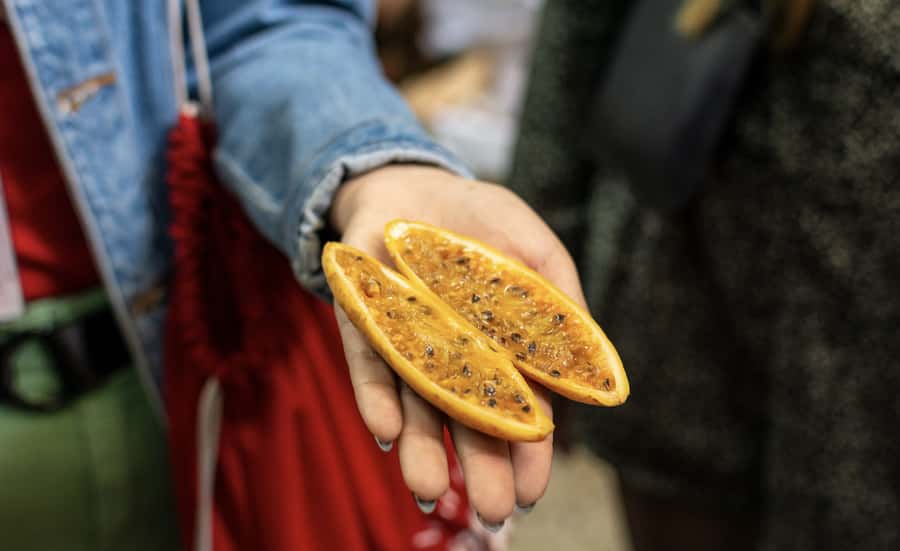
- Surquillo Market and the four-fruit tasting
- Cooking ceviche with fresh fish and citrus
- Building causa rellena layer by layer
- Shaking a pisco sour with the bartender
- Sitting down to eat what you made
- What the timing and group size mean for you
- Who will get the most from this experience
- Booking details that matter
- Should you book this Lima cooking class?
- FAQ
- Where does the activity meet?
- Is the Ricardo Palma Avenue entrance the correct meeting point?
- How will I identify the guide?
- How long does the activity last?
- What language is the tour conducted in?
- How many people can join the group?
- What dishes will I prepare?
- Is dessert included?
- Is hotel pickup included?
- Can I cancel for a refund?
Key points to know before booking
- Four fruit samples at Surquillo Market: Your guide chooses fruits for their flavor and place in Peruvian food culture.
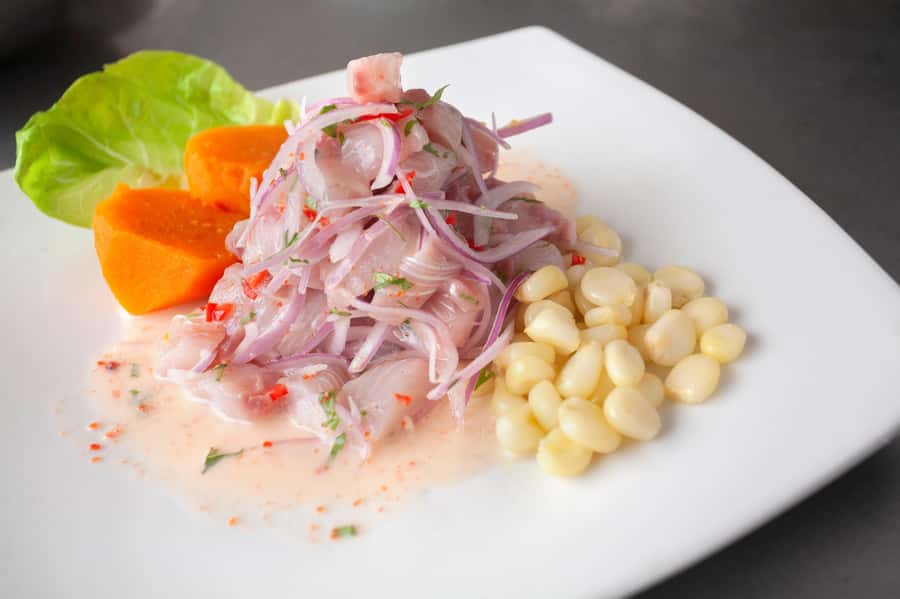
- Three hands-on recipes: You prepare ceviche, causa rellena, and a classic pisco sour with help from a local chef.
- Shayla may lead the experience: Her English translation and food knowledge were singled out as especially helpful during the class.
- A meal, not just a demonstration: You sit down to eat the ceviche and causa rellena you made, along with dessert.
- Small group setting: The maximum of 10 people allows more room for questions and cooking practice.
- Simple meeting point: Meet outside the Holiday Inn Lima Miraflores on Calle Alfonso Ugarte 117, not the entrance on Ricardo Palma Avenue.
Why this Lima food class works so well
This experience connects two parts of Peruvian cooking that are often separated. First, you see ingredients in their everyday setting at Surquillo Market. Then you use those ingredients in a restaurant kitchen, where a chef shows you how familiar staples become celebrated dishes.
That order matters. You get a better sense of Peruvian cooking when you have just seen the produce, potatoes, corn, spices, and seafood at the market. Instead of treating ceviche as a dish that appears from nowhere, the class gives you a look at the ingredients and people behind it.
I also like the scale. A group of up to 10 is large enough to feel social but small enough for the guide and chef to keep an eye on your work. This is useful when you are handling ceviche, shaping causa, or trying to get the right foam on a pisco sour.
The experience costs $59 per person. That is fair value if you want more than a meal. The price includes the market walk, fruit tasting, cooking instruction, the three preparations, and a traditional dessert. It also saves you the trouble of choosing dishes at a restaurant when you want a clear introduction to Peruvian flavors.
You are paying for instruction and context as well as food. If you only want to eat ceviche, a regular restaurant meal will likely be simpler. If you want to understand what you are eating and make it yourself, this class makes better use of your time.
More Pisco Sour Tastings in Lima
- Cook an Authentic Ceviche And Peruvian Pisco Sour!
★ 5.0 · 107 reviews - Larco Museum, Pisco Old Tavern and Magic Water Circuit Evening Tour
★ 4.5 · 66 reviews - Miraflores: Amazing Peruvian Cooking Class Ceviche Seafood and Pisco Sour
★ 4.9 · 57 reviews
Meeting your guide outside the correct Miraflores entrance
The meeting point is outside the Holiday Inn Lima Miraflores at Calle Alfonso Ugarte 117. Pay attention to the address because the hotel also has an entrance on Ricardo Palma Avenue, and that is not the meeting point.
Your guide wears a red lanyard with the Exquisito Peru logo. This small detail matters in a busy hotel area, especially if you are arriving close to the start time. I would save the street address on your phone and allow a few extra minutes to find the correct side of the building.
The tour is conducted in English. Shayla led one recent class and received especially strong praise for explaining Peruvian food facts and translating between the group and the chef. Her role is more than a quick introduction. Good translation can make a cooking lesson far easier to follow, particularly when the chef is demonstrating several steps at once.
There is no hotel pickup or drop-off. You make your own way to the hotel and leave from the restaurant after the class, so this suits visitors already staying in or visiting Miraflores.
Surquillo Market and the four-fruit tasting
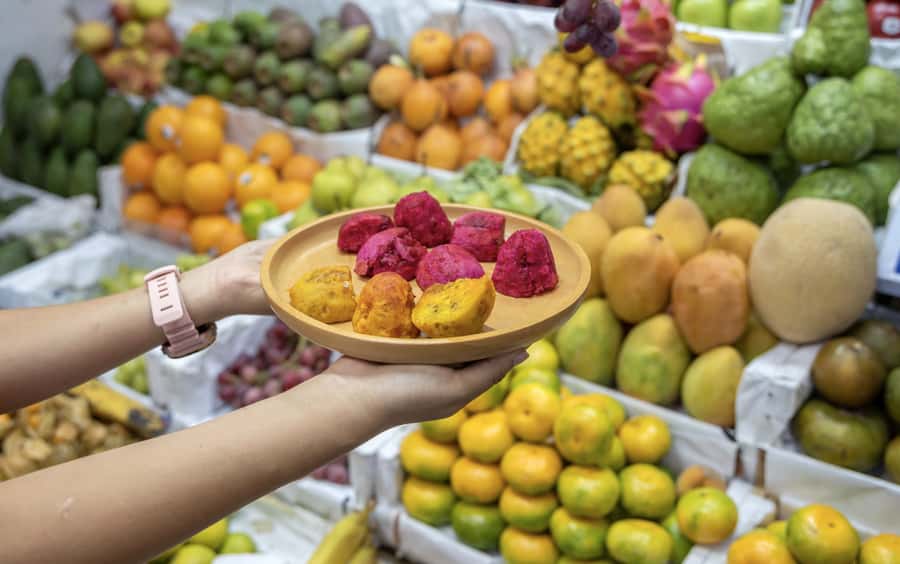
The first part takes place at Surquillo Market, one of Lima’s useful places to see ingredients in their normal setting. Stalls are packed with produce, potatoes, corn, fruit, and other foods that shape Peruvian meals.
Your guide selects four fruits for tasting. The point is not simply to sample something sweet. You also hear where the fruits come from, why they matter, and how their flavors fit into local food traditions.
This is the kind of market visit I prefer to a quick photo stop. You have a reason to look closely at the produce, and the guide can explain unfamiliar items before you taste them. The vendors also become part of the experience, since you can engage with them and hear stories about their origins.
Expect plenty of standing and walking. Markets can be crowded and noisy, and the focus is on food rather than polished sightseeing. Wear comfortable shoes and clothing that will not bother you later in the kitchen.
The market is also where the tour gives you useful food vocabulary. Potatoes and corn are not just side dishes in Peru. They are central ingredients with many forms and uses. Seeing them alongside less familiar produce helps you understand why Peruvian food has such a wide range of textures and flavors.
Cooking ceviche with fresh fish and citrus
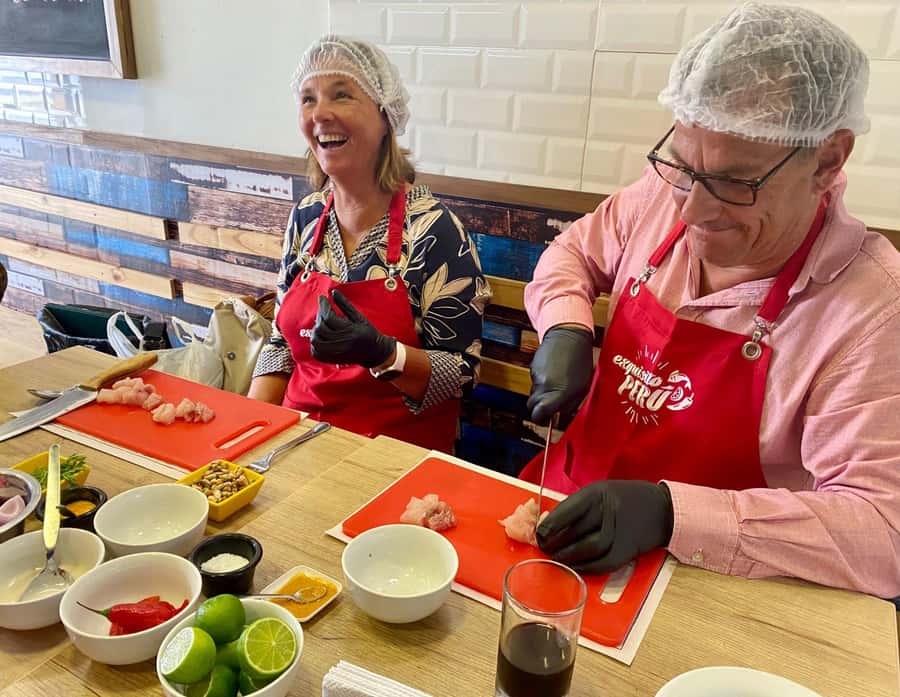
After the market, you head to a nearby restaurant for the cooking class. The chef leads you through ceviche, one of Peru’s best-known dishes.
You work with fresh fish, citrus juice, Peruvian seasoning, red onion, and garnishes such as sweet potato. The process looks simple, but the balance matters. Too much citrus can overpower the fish. Too little seasoning can leave the dish flat. The class gives you a chance to see how the ingredients are combined and how the final dish is presented.
I like ceviche as the first recipe because it introduces the bright, sharp side of Peruvian cooking. It also requires attention rather than complicated equipment, making it suitable for people with little cooking experience.
Do not expect to prepare a large restaurant-style feast by yourself. In a group class, the chef controls the main instruction and helps participants through the stages. Your role is hands-on, but it remains a guided lesson rather than an advanced culinary course.
The fish and citrus also make dietary questions important. If you have allergies or restrictions, contact the provider in advance. People with food allergies are listed as unsuitable for this activity, so do not assume substitutions will be available.
Same valley, a completely different kind of day:
- Lima: Ultimate Peruvian Food Tour
★ 4.9 · 700 reviews - Full Day Paracas Ica and Huacachina from Lima All Included
★ 4.5 · 623 reviews - Lima’s Vibrant Heritage: Exploring the City’s Landmarks Half-day
★ 4.5 · 581 reviews - From Lima: Day trip to Paracas, Ica and Oasis Huacachina
★ 4.6 · 409 reviews
Building causa rellena layer by layer
The second dish is causa rellena, a Peruvian favorite made with mashed potatoes, avocado, and a filling of chicken or seafood. It offers a very different lesson from ceviche.
Causa is soft, cool, and carefully layered. You learn how the potato mixture works with the creamy avocado and savory filling. The dish is a good example of how Peruvian cooking can turn a humble staple into something elegant without relying on difficult methods.
This part may appeal to you if you enjoy assembling food and paying attention to presentation. Causa is not just mixed together in a bowl. Its layers give the dish shape, color, and contrast.
The class information allows for a chicken or seafood filling, but it does not specify which option you will receive on a particular date. If that choice matters to you, ask ahead of time rather than assuming both will be offered.
Together, ceviche and causa give you a useful pairing. One is crisp, acidic, and seafood-focused. The other is smooth, mild, and built around potatoes. You leave with a better feel for the range of Peruvian flavors than you would from preparing two similar dishes.
Shaking a pisco sour with the bartender
The final preparation is the pisco sour. You combine pisco brandy, fresh lime, egg white, and Angostura bitters.
The egg white creates the drink’s familiar frothy top, while the lime keeps the cocktail sharp. The bitters add a small aromatic note. You get to shake the drink yourself, then toast with it after the food is ready.
This is a fun finish because it turns a national drink into a skill you can repeat at home. The bartender helps with the technique, and you get an immediate reward for doing it correctly.
The drink does contain alcohol and raw egg white is part of the listed preparation. The information provided does not specify a nonalcoholic version or an egg-free alternative. Ask in advance if either ingredient is a concern.
The pisco sour also gives the class a social ending. After standing at the market and working at the cooking station, you sit down with the group and enjoy the meal. One especially positive account praised the restaurant setting, the drink, and the ease of enjoying the prepared dishes there.
Sitting down to eat what you made
Once the cooking is finished, you eat the ceviche and causa rellena you prepared. This is where the class earns its place over a standard guided food walk.
You have tasted the ingredients, heard their stories, followed the chef’s instructions, and then get to judge the finished dishes for yourself. The result may not look exactly like a chef’s plate, and that is part of the charm. You learn by doing, not by watching a perfect demonstration from a distance.
A traditional Peruvian dessert completes the meal. The options listed are arroz con leche, a creamy rice pudding, or picarones with sweet chancaca syrup. The exact dessert may vary, so do not book this expecting one particular sweet.
The meal is substantial enough to make the experience feel complete, but this is still a short class. The total duration is two and a half hours, including the market visit, cooking, and eating. You should think of it as a focused introduction rather than a full-day food tour.
What the timing and group size mean for you
At 150 minutes, the tour fits neatly into a morning or afternoon in Lima. Check the available starting times when booking, since the schedule is not fixed in the information provided.
The small group limit of 10 is one of the strongest practical features. In a larger class, you might spend most of the session watching someone else chop or mix. Here, you have a better chance to take part and ask questions.
Still, cooking classes have a natural limit. You will share the workspace, and not every person can perform every step for the entire recipe. If you want a serious chef-training session, this will feel light. If you want a friendly introduction with real participation, the format is well judged.
The class also requires you to stand for its duration. Comfortable shoes are important, and you may want water, sunscreen, a hat, and a camera for the market and your finished dishes. Wear clothing suitable for cooking rather than something delicate or formal.
Who will get the most from this experience
I would recommend this class to first-time visitors who want a clear introduction to Peruvian food without committing to a long tour. It also suits couples, friends, and solo visitors who enjoy meeting people around a shared meal.
Food-focused visitors will appreciate the link between market ingredients and prepared dishes. Beginners should feel comfortable because no previous cooking skill is required. The chef and guide provide the instruction, so you do not need to know how to make ceviche or causa before arriving.
The activity is less suitable if you dislike seafood, alcohol, standing, or group instruction. It is also not suitable for pregnant women, wheelchair users, or people with food allergies according to the supplied restrictions.
The class may work particularly well early in your Lima stay. Afterward, you will recognize more ingredients on restaurant menus and may feel more confident ordering ceviche, causa, or a pisco sour elsewhere.
Booking details that matter
The experience is operated by Exquisito Peru, and the current score is 5 out of 5 from three verified ratings. The praise is specific: the market walk, restaurant setting, food, translation, and personal guidance all received strong approval.
You can cancel up to 24 hours before the activity for a full refund. A reserve-now, pay-later option is also available, which helps if you are still arranging your Lima plans.
Notify the provider in advance about dietary restrictions or allergies, but remember that people with food allergies are listed as unsuitable. Bring a camera if you want pictures of the market or your finished dishes, and use sun protection for the outdoor portion.
Should you book this Lima cooking class?
Book it if you want to taste and make Peruvian food in one compact experience. The market visit gives the recipes context, the chef provides practical help, and the pisco sour adds a lively finish.
I would skip it if you want a quiet meal, a private class, or a wheelchair-accessible activity. For most able-bodied food lovers staying near Miraflores, the $59 price is reasonable because it covers a guided market visit, four fruit samples, three preparations, dessert, and the meal you make.
The best reason to choose it is its balance. You get a little market culture, a little cooking instruction, and a proper sit-down meal without giving up an entire day in Lima.
FAQ
Where does the activity meet?
Meet your guide outside the entrance of the Holiday Inn Lima Miraflores at Calle Alfonso Ugarte 117.
Is the Ricardo Palma Avenue entrance the correct meeting point?
No. The guide waits outside the Calle Alfonso Ugarte 117 entrance, not the entrance on Ricardo Palma Avenue.
How will I identify the guide?
The guide wears a red lanyard with the Exquisito Peru logo.
How long does the activity last?
The experience lasts 150 minutes, or two and a half hours.
What language is the tour conducted in?
The tour is conducted in English.
How many people can join the group?
The group is limited to 10 participants.
What dishes will I prepare?
You will prepare ceviche, causa rellena, and a pisco sour.
Is dessert included?
Yes. A traditional Peruvian dessert is included, such as arroz con leche or picarones with chancaca syrup.
Is hotel pickup included?
No. Hotel pickup and drop-off are not included.
Can I cancel for a refund?
Yes. You can cancel up to 24 hours in advance for a full refund. A reserve-now, pay-later option is also available.
More Markets in Lima
- Lima: Historic Center Street Food, Market, and Eateries Tour
★ 4.9 · 216 reviews - Lima: Food Tour on Local Market
★ 5.0 · 8 reviews - Lima: Market Tour, 35 Fruits Tasting & Cooking Class
★ 5.0 · 3 reviews - Full Day Lima: Local Market+ CityTour+ Barranco & Miraflores
★ 5.0 · 3 reviews
More Cooking Classes in Lima
- Market Tour, Tasting of 35 Fruits, and 4-Course Peruvian Cooking Class in Lima
★ 5.0 · 86 reviews - #1 Rated Cooking Classes with Local Market Tour & Pickup
★ 5.0 · 69 reviews - Private Cooking + Market with Maido’s Former Creative Chef (+trasportation)
★ 5.0 · 49 reviews - Lima: Cooking Workshop and Water Circuit Tour
★ 5.0 · 16 reviews
Just added around Lima
- Lima Airport Transfers by SUV/Van★ 5.0 · 34 reviews
- Guided Tours in Colonial and Modern Lima★ 5.0 · 54 reviews
- Full Day Pilgrims★ 5.0 · 28 reviews
- Sandboarding and Off Road in Lima (National Park Lomas de Ancón)★ 5.0 · 54 reviews
- Tour Miraflores + Fotografía Profesional★ 5.0 · 47 reviews
- In Lima: Sandboarding Off Road Half Day!!★ 5.0 · 36 reviews
- Full day PRIVATE to Paracas, Ica and Huacachina from Lima All Inclusive and Lunch★ 5.0 · 55 reviews
- Lima City tour and Catacombs Museum (04 hours) Private Tour with guide in Lima★ 5.0 · 32 reviews
Cooking Classes, compared.
Peruvian Cooking Class, Cocktails & Local Market Tour
Read our review →
Cooking class and market tour with a local chef
Read our review →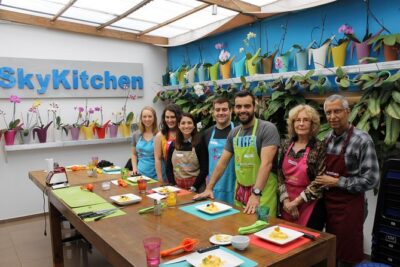
Market Tour, Tasting of 35 Fruits, and 4-Course Peruvian Cooking Class in Lima
Read our review →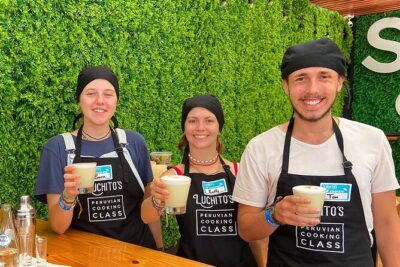
#1 Rated Cooking Classes with Local Market Tour & Pickup
Read our review →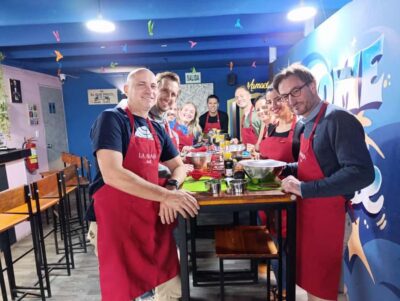
Amazing Peruvian Cooking Class Ceviche Seafood and Pisco Sour
Read our review →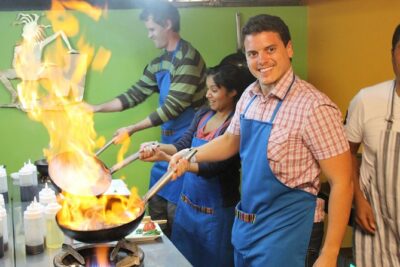
Private Cooking + Market with Maido’s Former Creative Chef (+trasportation)
Read our review →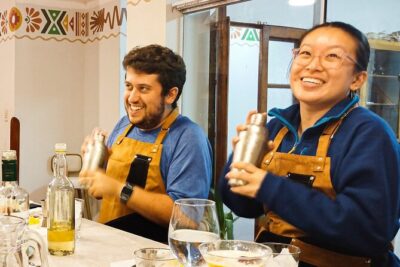
Vegan Peruvian Cooking Class Cocktails and Local Market in Cusco
Read our review →Browse the lists this tour appears in