
Reviewed · FOOD & DRINK
Lima: Food Tour on Local Market
Lima’s best introduction may come one small bite at a time. This three-hour walk takes you from Barrios Altos to Chinatown and the Central Market, with nine Peruvian snacks along the way, including ceviche, anticuchos, lucuma, picarones, and pan con chicharrón.
I like the way the tour links food with Lima’s culture, especially the Chinese-Peruvian connection in Chinatown. I also like that local vendors prepare the tastings, so you get everyday food rather than a polished restaurant version. The main drawback is the price: at $75 per person, it is not cheap for three hours, and the optional Pisco Sour costs extra.
In This Review
- Key points at a glance
- Why this Lima food walk works
- Barrios Altos: starting with familiar Peruvian comfort food
- Fresh ceviche and the place of seafood in Lima
- Chinatown and the Chinese-Peruvian connection
- Central Market: ingredients, aromas, and street food
- Chinitos for pan con chicharrón and emoliente
- Bolivarsito Bar and the optional Pisco Sour
- What the guide adds to the food
- Timing, comfort, and access
- Who will get the most from this tour
- Should you book the Lima Market Food Tour?
- FAQ
- Where does the Lima Market Food Tour start?
- Where does the tour end?
- How long does the tour last?
- What food is included?
- Is the Pisco Sour included?
- What languages are available?
- Should I eat before the tour?
- Can I share dietary restrictions?
- Is transport included?
- Can I cancel the booking?
Key points at a glance
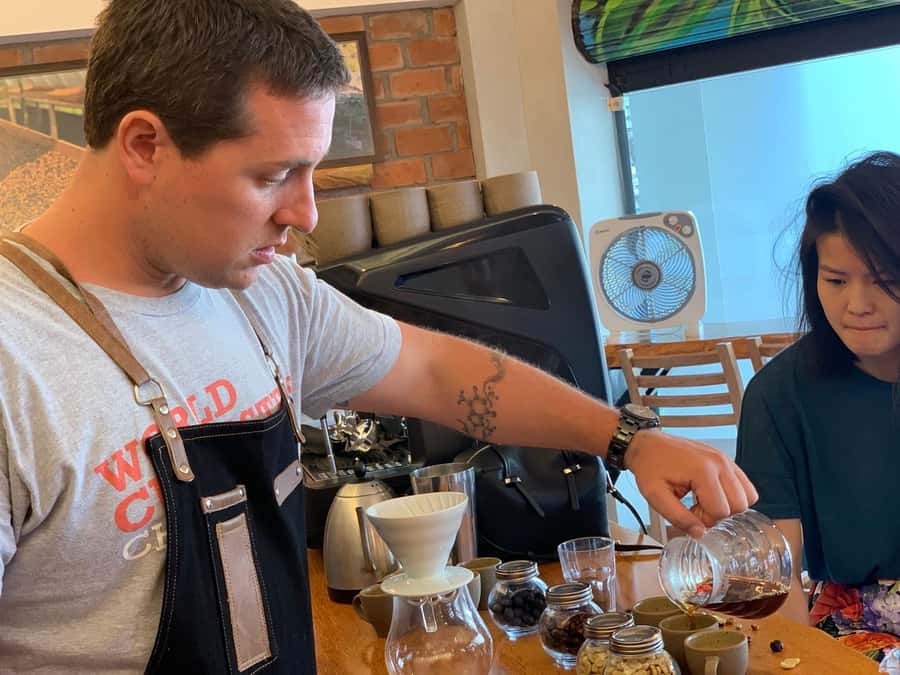
- Nine tastings in three hours: Expect seafood, potatoes, fruit, grilled meat, pastries, drinks, and Chinese-Peruvian bites.
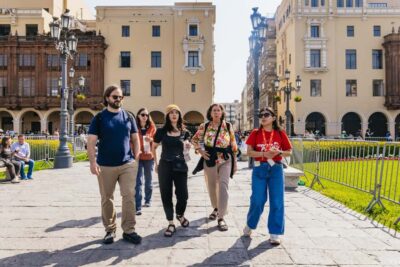
- A real city walk: The route connects Barrios Altos, Chinatown, Central Market, local stalls, and a park.
- Food carries the history: You learn how Chinese cooking became part of Peruvian life, not just what each dish contains.
- Good for first-time visitors: The tour gives you a broad taste of Lima before you choose which dishes to seek out again.
- Food is included: The $75 fee covers the planned tastings, but not the Pisco Sour or transport.
- English and Spanish guides: Giovanna has led a particularly friendly and informative version of the tour, though guide assignment can vary.
Why this Lima food walk works
Lima is a city best understood through its food. Its cooking brings together native ingredients, Spanish traditions, Chinese techniques, and the daily habits of a modern capital. This tour gives you a quick but useful introduction to that mix without asking you to commit to a long restaurant meal.
The route begins at Jr. Cusco 400 and returns to the same point. That makes the walk easy to place in a day of sightseeing, though you should allow yourself enough time to arrive at the meeting point before the start.
The tour is led in English or Spanish by a certified guide. The guide does more than hand you samples. You hear about the foods, the city, and the cultural links behind them. One especially good example comes in Chinatown, where the food shows how Chinese migration influenced Peruvian society.
The pace is built around short walks and repeated tastings. You are not sitting down for a full meal. Think of it as a moving sampler, with enough food to make lunch unnecessary for many people.
That leads to the first practical tip: eat lightly beforehand. The tour includes many snacks and drinks, and the portions add up. Arriving hungry is smart, but arriving after a large breakfast defeats the point.
A few more Lima trips to weigh up
- Lima: Ultimate Peruvian Food Tour
★ 4.9 · 700 reviews - Lima: Historic Center Street Food, Market, and Eateries Tour
★ 4.9 · 216 reviews - Lima Street Food Tour Beyond Netflix
★ 5.0 · 117 reviews
Barrios Altos: starting with familiar Peruvian comfort food
The first part of the walk takes you through Barrios Altos, an area of historic streets in central Lima. Here, the food begins with classic local comfort dishes such as choclo con queso and papa rellena.
Choclo con queso is a simple combination of large-kernel Peruvian corn and cheese. It is not flashy, but it gives you a direct taste of local ingredients. The papa rellena, a stuffed and fried potato dish, offers a heavier start and helps explain why potatoes are so central to Peruvian cooking.
This opening section is useful because it does not rush straight toward the most famous dishes. You begin with foods that connect to ordinary Lima eating, then build toward seafood, grilled meat, fruit, and sweets.
The walk through Barrios Altos also gives the guide room to explain the city beyond the plate. You will get a look at central Lima streets while moving between food stops, rather than spending all three hours inside one market.
Fresh ceviche and the place of seafood in Lima
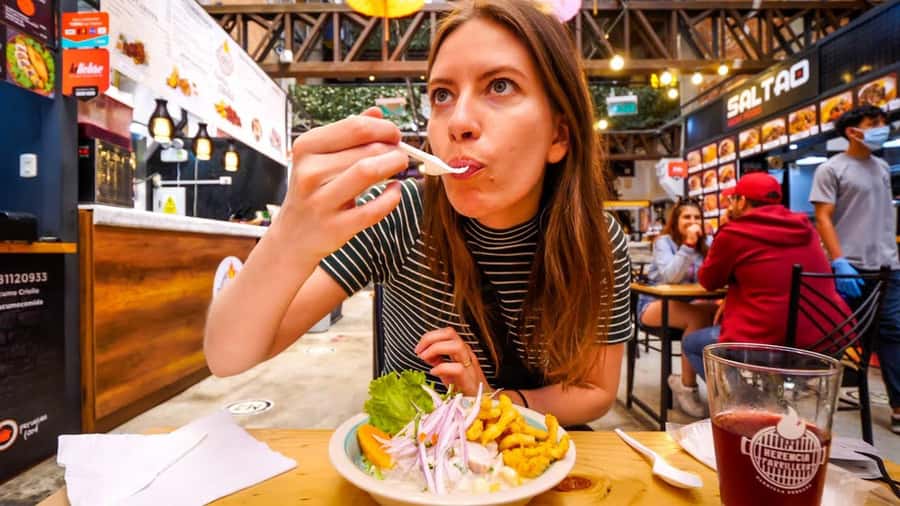
After the first snacks, the group stops for ceviche, one of Peru’s best-known dishes. The version served here is prepared fresh, and the guide explains what makes it important in Peruvian food culture.
Ceviche is a good test of how you handle strong flavors and seafood. If you already enjoy citrusy fish dishes, this may be the moment you start wishing the tasting were larger. If you are cautious about raw or lightly cured fish, ask the guide about the serving before you try it.
This is also where dietary needs matter. The tour asks you to share restrictions when booking, which is sensible because the food includes fish, meat, dairy, wheat-based items, fruit, and drinks. Do not assume every stop can be changed on the spot. Tell the company ahead of time.
The seafood stop adds variety to the route. You have started with corn and potato, then moved to fish. That progression helps you see that Peruvian food is not one single style. It is a meeting place for ingredients from different regions and cooking traditions.
Chinatown and the Chinese-Peruvian connection
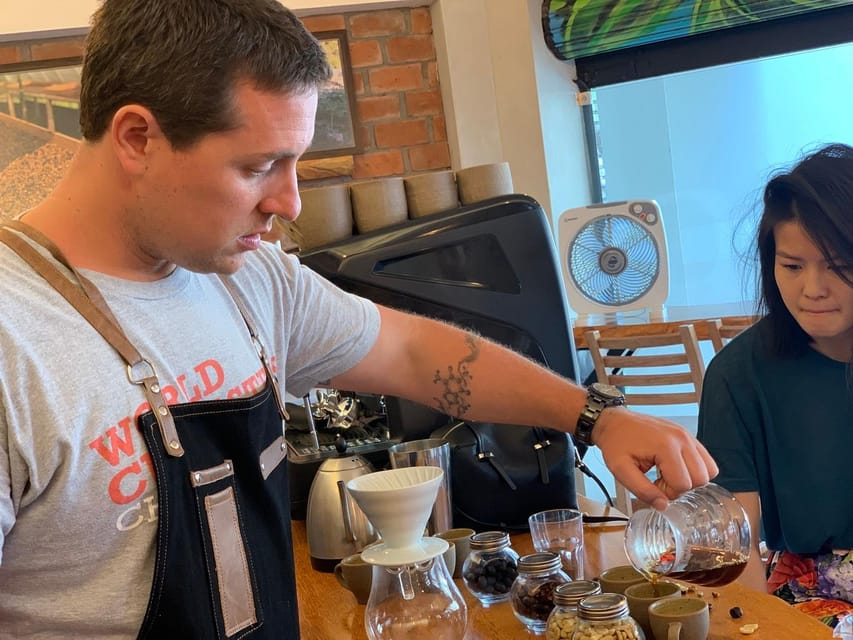
The walk into Lima’s Chinatown is one of the most worthwhile parts of the experience. You taste siu mai and min pao while learning about Chinese culture and its influence on Peru.
These dishes make the cultural lesson tangible. Instead of hearing a short talk about migration and fusion cooking, you taste how Chinese food traditions became part of Lima’s eating habits. The point is not simply that Chinatown has Chinese restaurants. It is that Peruvian cooking absorbed and reshaped outside influences.
The guide can also help you place the food in the context of the city. This is where the experience becomes more than a snack crawl. You are looking at one of Lima’s cultural meeting points, then eating examples of that exchange.
The Chinatown tastings may be unfamiliar if your experience with Peruvian food is limited to ceviche and potatoes. That is a strength, but it also means the tour works best when you arrive curious rather than determined to eat only the dishes you already know.
Same valley, a completely different kind of day:
- Full Day Paracas Ica and Huacachina from Lima All Included
★ 4.5 · 623 reviews - Lima’s Vibrant Heritage: Exploring the City’s Landmarks Half-day
★ 4.5 · 581 reviews - From Lima: Day trip to Paracas, Ica and Oasis Huacachina
★ 4.6 · 409 reviews - Private transfers from Lima Airport or to Lima Airport
★ 4.0 · 359 reviews
Central Market: ingredients, aromas, and street food
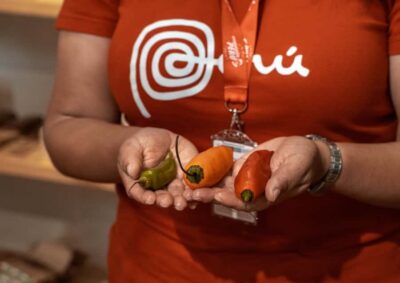
At the Central Market, you get a stronger sense of Lima’s everyday food supply. The market brings together traditional ingredients, spices, fruit, and ready-to-eat street food.
A lucuma juice is one of the planned stops. Lucuma is a Peruvian fruit with a sweet flavor often used in drinks and desserts. The juice gives you a break from the savory foods and introduces an ingredient you might not notice on a standard sightseeing tour.
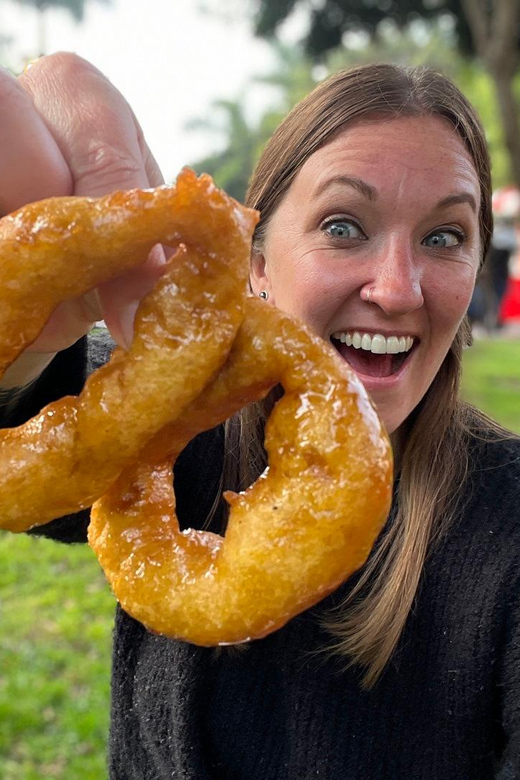
The market is also where the route includes anticuchos and picarones. Anticuchos are grilled skewers, while picarones are a typical Peruvian dessert. They create a useful contrast: smoky and savory on one side, sweet and soft on the other.
You may also get to help prepare your own anticuchos, according to the experience description. That small hands-on element is a nice change from simply receiving food. It gives you a better feel for how the dish comes together, though you should think of it as a brief activity rather than a cooking class.
Picarones are a particularly good finish to the market portion because they show another side of Peruvian street food. They are not presented as a formal dessert course. They are the kind of sweet bite that fits naturally into a city walk.
Chinitos for pan con chicharrón and emoliente
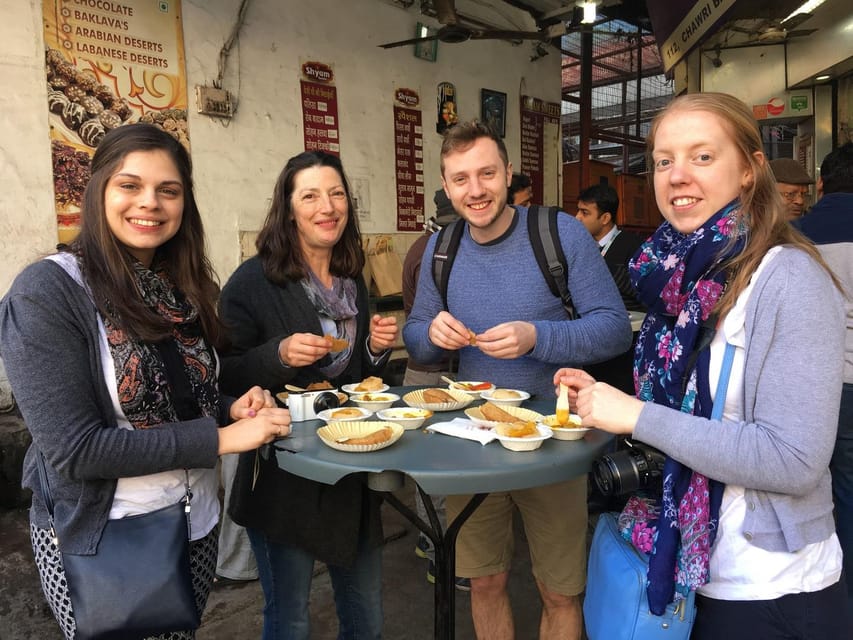
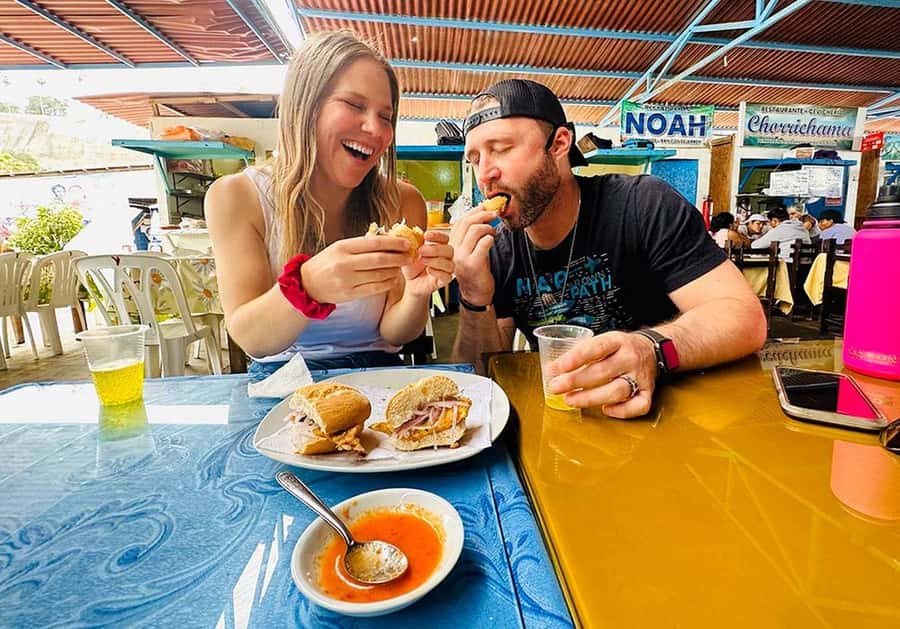
The next stop is Chinitos, a well-known restaurant where you taste pan con chicharrón with emoliente.
Pan con chicharrón is a substantial sandwich built around fried pork, traditionally served with bread and accompanying toppings. After several small tastings, this may feel less like a snack and more like a serious meal. That is another reason to avoid eating much before the tour.
Emoliente is a traditional Peruvian drink. Served alongside the sandwich, it gives you another example of how the tour uses drinks to widen the range of tastes. You are not simply eating one dish after another. You are sampling the food and drink habits that shape a day in Lima.
This stop also helps with value. A $75 food tour can feel expensive if every portion is tiny. The combination of nine tastings, drinks, market visits, and a substantial sandwich makes the price easier to assess. You are paying for food, but also for the guide’s explanations and the organized route through parts of central Lima.
Still, I would not book this tour mainly as a way to save money on meals. You can eat more cheaply in Lima. The value is in the range, the context, and the convenience of having someone guide you through foods you might otherwise overlook.
Bolivarsito Bar and the optional Pisco Sour
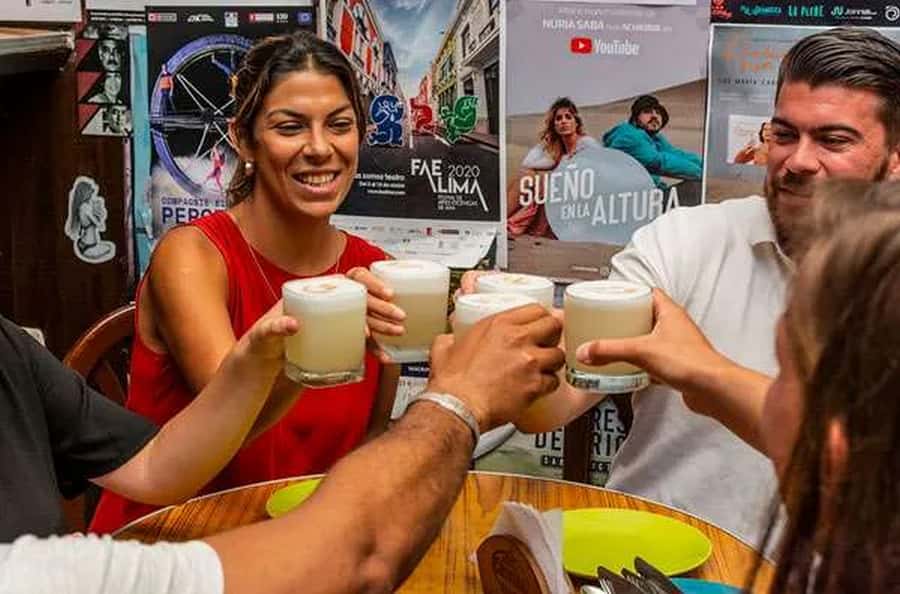
The final stop is Bolivarsito Bar. Here, you can try seasonal exotic fruits, and you have the option of ordering a Pisco Sour.
The fruit stop gives the tour a fresh ending after the heavier anticuchos and pork sandwich. Seasonal fruit can vary, so you should not expect one fixed selection every time. This is a good place to ask the guide what you are tasting and how it is normally used in Peru.
The Pisco Sour is not included in the tour price. If you want one, budget for it separately. That extra cost is easy to overlook when comparing tour prices, so keep it in mind before booking.
The tour closes in a park, where you can enjoy fruit and hear popular Peruvian music. This last pause shifts the mood from market shopping to local city life. It is a simple ending, but it gives the food walk a cultural finish rather than ending abruptly at the last stall.
What the guide adds to the food
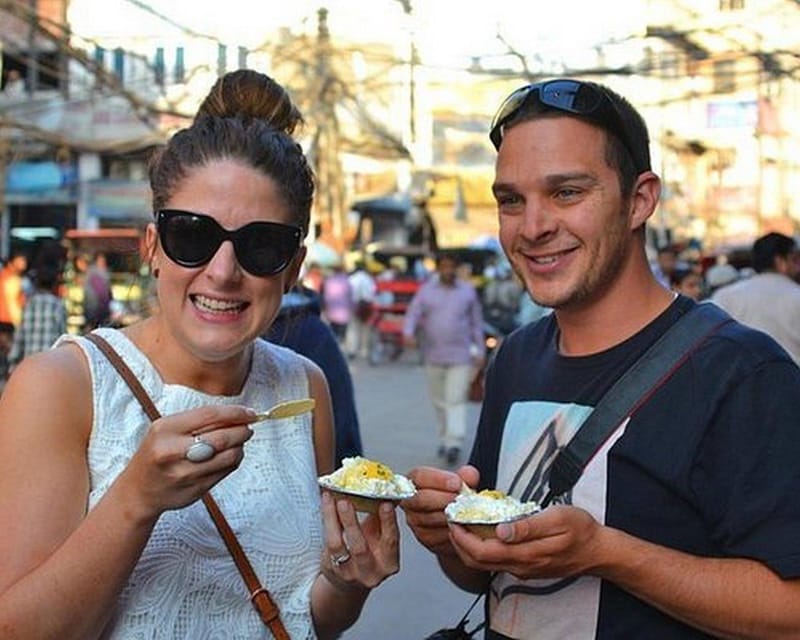
Food tours depend heavily on the guide, and this one needs a guide who can connect dishes with place and history. The experience includes certified guides in English and Spanish, and the strongest guide feedback centers on warmth, preparation, and clear explanations.
Giovanna is specifically named as a guide who led a private version of the tour. She was friendly, comfortable to spend time with, and eager to explain the foods. A private departure is not guaranteed, but a small group can make the walk feel more personal.
Another guide was praised for knowing the food, history, and stories behind the stops. One practical detail from that tour is worth noting: the guide carried a cutting board to divide fruit for the group. That shows attention to the practical side of a tasting tour. Sharing fruit neatly matters when several people are eating while walking.
The guide also allows time for photos and video. That is useful because the market and street food stops are visual, but do not let filming turn the experience into a three-hour camera session. You will get more from it if you listen while the guide explains what is in front of you.
Timing, comfort, and access
The tour lasts three hours, with starting times depending on availability. It begins and ends at Jr. Cusco 400, and transport is not included. Plan your own way to the meeting point and back.
The route includes streets, markets, food stops, and a park. The tour is listed as wheelchair accessible, which is important, though anyone with specific mobility needs should still share those details when booking so the operator can prepare appropriately.
There is an express security check described as part of the experience. Since the route focuses on markets and city streets, ask for current meeting instructions when you book so you know exactly where that feature applies.
The tour includes food, but not every possible drink. The Pisco Sour is extra, and seasonal fruit selections can change. Dietary restrictions should be given at booking, not mentioned casually after the first stop.
The cancellation policy is flexible: you can cancel up to 24 hours ahead for a full refund. You can also reserve now and pay later, which helps if your Lima plans are still shifting.
Who will get the most from this tour
I would recommend this food walk to a first-time Lima visitor who wants a broad introduction in one morning or afternoon. You get famous dishes, lesser-known bites, a market, Chinatown, and a short cultural explanation without having to plan each stop yourself.
It also suits people who like tasting many things more than ordering one large meal. The route covers potatoes, corn, fish, fruit, grilled meat, Chinese-Peruvian snacks, sweets, and drinks. That range is the main attraction.
Families and mixed groups may appreciate the variety, but picky eaters should read the food list carefully. Seafood, pork, grilled meat, dairy, and unfamiliar fruit all appear in the experience.
I would be more cautious if your main goal is a long restaurant meal, a formal cooking lesson, or a private car-based tour. This is a walking food experience in central Lima, not a luxury dining event.
The $75 price is fair if you will use the guide’s cultural knowledge and sample most of the food. It is less compelling if you see the tour as only nine cheap snacks. The included food, guide, and route through several distinct areas make the price easier to justify, but Lima still offers lower-cost ways to eat well.
Should you book the Lima Market Food Tour?
Book it if you want a fast, well-organized introduction to Lima through local food. The strongest reasons are the wide range of tastings, the Chinatown connection, the Central Market visit, and the guide’s role in explaining what each bite means.
Skip it if you dislike walking, want full-size restaurant portions, or need a tour built around strict dietary substitutions that have not been confirmed in advance. Also remember that the Pisco Sour and transport cost extra.
For most first-time visitors who can handle a busy tasting schedule, this is a useful first look at Lima. Come hungry but not stuffed, tell the operator about food restrictions, and treat the tour as an introduction. Afterward, you will have a much clearer idea of which Peruvian dishes deserve a second helping.
FAQ
Where does the Lima Market Food Tour start?
The tour starts at Jr. Cusco 400 in Lima Province.
Where does the tour end?
The tour returns to Jr. Cusco 400.
How long does the tour last?
The food tour lasts three hours.
What food is included?
Food is included in the tour price. Planned tastings include choclo con queso, papa rellena, ceviche, siu mai, min pao, lucuma juice, anticuchos, picarones, pan con chicharrón, emoliente, and seasonal exotic fruits.
Is the Pisco Sour included?
No. The Pisco Sour is optional and costs extra.
What languages are available?
The tour is offered in English and Spanish with a live guide.
Should I eat before the tour?
Eat lightly before arriving. You will try many snacks, foods, and drinks during the three-hour experience.
Can I share dietary restrictions?
Yes. You should tell the tour company about dietary restrictions when you book.
Is transport included?
No. Transport is not included.
Can I cancel the booking?
Yes. You can cancel up to 24 hours in advance for a full refund. You can also reserve now and pay later.
More Shopping Tours in Lima
- Lima: Market Tour and Cooking Class with Pisco Sour
★ 5.0 · 3 reviews - Full Day Lima: Local Market+ CityTour+ Barranco & Miraflores
★ 5.0 · 3 reviews - Cusco: Peruvian Cooking Class, Cocktails & Local Market Tour
★ 4.9 · 512 reviews - Pisac Indian Market and Ollantaytambo Fortress with Lunch
★ 4.5 · 395 reviews
More Markets in Lima
- Market Tour, Tasting of 35 Fruits, and 4-Course Peruvian Cooking Class in Lima
★ 5.0 · 86 reviews - #1 Rated Cooking Classes with Local Market Tour & Pickup
★ 5.0 · 69 reviews - Private Cooking + Market with Maido’s Former Creative Chef (+trasportation)
★ 5.0 · 49 reviews - Lima: Market Tour, 35 Fruits Tasting & Cooking Class
★ 5.0 · 3 reviews
Just added around Lima
- Lima Airport Transfers by SUV/Van★ 5.0 · 34 reviews
- Guided Tours in Colonial and Modern Lima★ 5.0 · 54 reviews
- Full Day Pilgrims★ 5.0 · 28 reviews
- Sandboarding and Off Road in Lima (National Park Lomas de Ancón)★ 5.0 · 54 reviews
- Tour Miraflores + Fotografía Profesional★ 5.0 · 47 reviews
- In Lima: Sandboarding Off Road Half Day!!★ 5.0 · 36 reviews
- Full day PRIVATE to Paracas, Ica and Huacachina from Lima All Inclusive and Lunch★ 5.0 · 55 reviews
- Lima City tour and Catacombs Museum (04 hours) Private Tour with guide in Lima★ 5.0 · 32 reviews
Food & Drink, compared.
Historic Center Street Food, Market, and Eateries Tour
Read our review →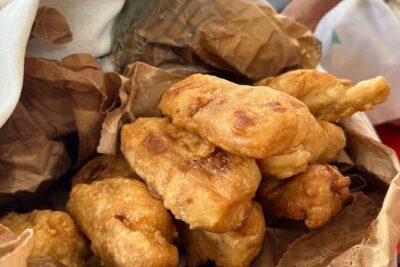
Food and Culture Full day Tour in the Sacred Valley
Read our review →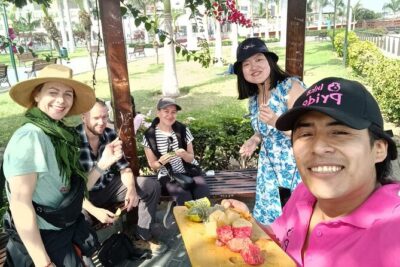
The 10 Tastings of Lima With Locals: Private Street Food Tour
Read our review →
Market Tour, Tasting of 35 Fruits, and 4-Course Peruvian Cooking Class in Lima
Read our review →
Pisco and Wine Route with tasting in 03 Wineries
Read our review →Browse the lists this tour appears in