
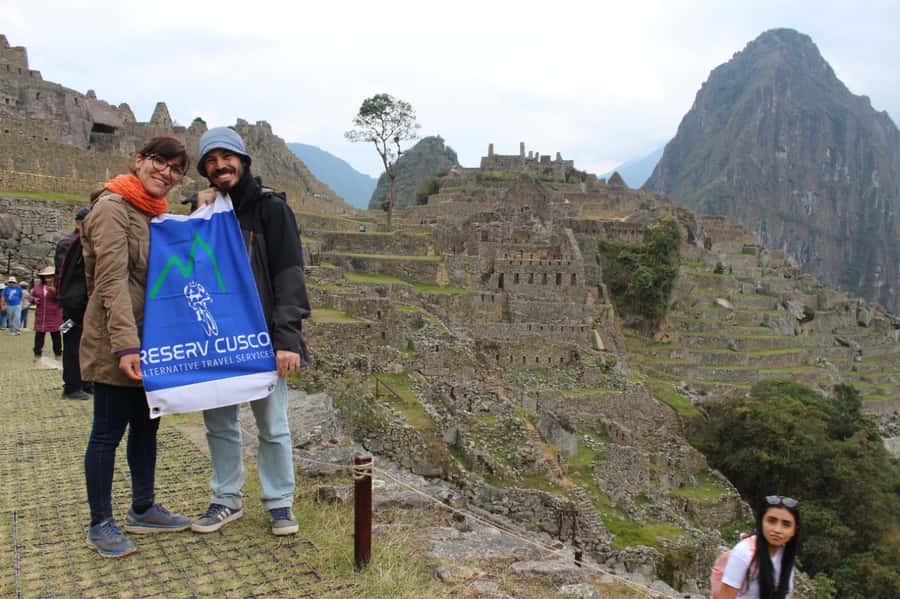
Reviewed · MACHU PICCHU TOURS
Inca Jungle Trail to Machu Picchu in 4 Days
The best thing about this four-day Inca Jungle Trail is the variety. You do not simply walk toward Machu Picchu. You bike downhill from high mountain country, hike old Inca paths, cross the Vilcanota River, soak in hot springs, and finish at the ruins. It is an active route with plenty of change under your feet.
I like the 40-kilometer bike descent from Abra Málaga and the chance to see the region shift from dry high-altitude scrub to warm, humid forest. I also like that the price includes three nights of lodging, meals, bikes, hot springs at Cocalmayo, and Machu Picchu admission. The main drawback is comfort: the first lodge can be very basic, and the return train and final lunch are not included.
In This Review
- Key Points to Know Before You Go
- Why This Route Feels Different From a Standard Machu Picchu Trip
- Day One: Abra Málaga to Santa Maria by Bike
- Day Two: Coffee Trails, Coca Plants, and Santa Teresa
- Day Three: River Crossings and the Walk to Aguas Calientes
- Day Four: A Guided Visit to Machu Picchu
- What the $485 Price Includes
- Fitness, Equipment, and What to Pack
- Who Will Get the Most From This Inca Jungle Trail?
- Should You Book It?
- FAQ
- How long is the Inca Jungle Trail to Machu Picchu?
- How far is the bike ride?
- At what altitude does the bike ride begin?
- Is bicycle equipment included?
- Are meals included?
- Is the return train included?
- Are the hot springs included?
- What languages can the guide speak?
- Can pregnant women join the tour?
Key Points to Know Before You Go
- Bike downhill from 4,350 meters: The first day begins at Abra Málaga and drops toward Santa Maria through changing plant life and wide mountain views.
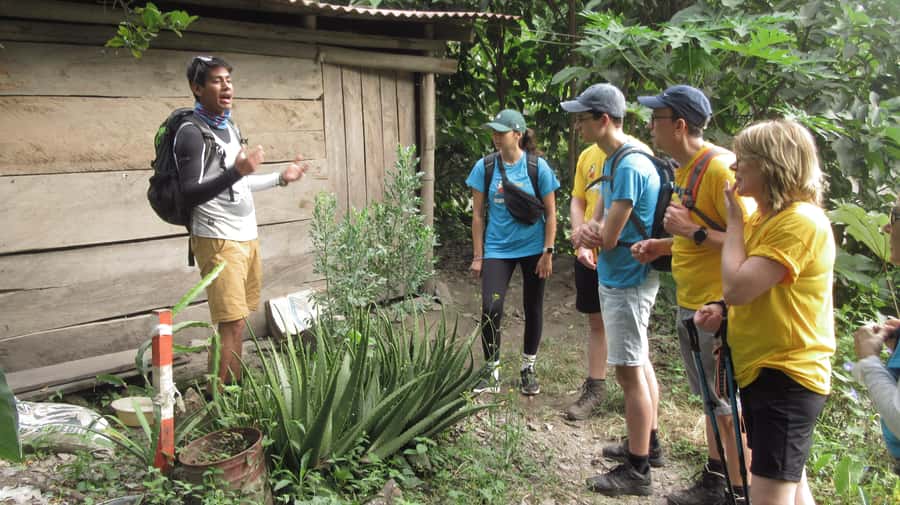
- Walk through coffee and coca country: Day two uses trails lined with tropical plants, coffee cultivation, and coca, with a stop at Santa Teresa’s hot springs.
- Cross the river by hanging bridge and oroya: Day three adds the trip’s most playful adventure elements before you reach Aguas Calientes.
- Three hours inside Machu Picchu: A private guide leads your visit on the final morning, after which you arrange your train back.
- Food is a strong part of the package: Breakfast, lunch, and dinner are included for the first three days, with fruit, juices, soups, avocado, and regional dishes.
- Check the first lodge carefully: The opening night may be clean and simple, or it may fall short, so pack with basic accommodation in mind.
Why This Route Feels Different From a Standard Machu Picchu Trip
The Inca Jungle Trail is designed for you if a straight hike feels too repetitive. Its strength is the mix of transport, walking, history, wildlife, and warm-water recovery. You start near Cusco in cold, high country and finish in the humid forest near Machu Picchu.
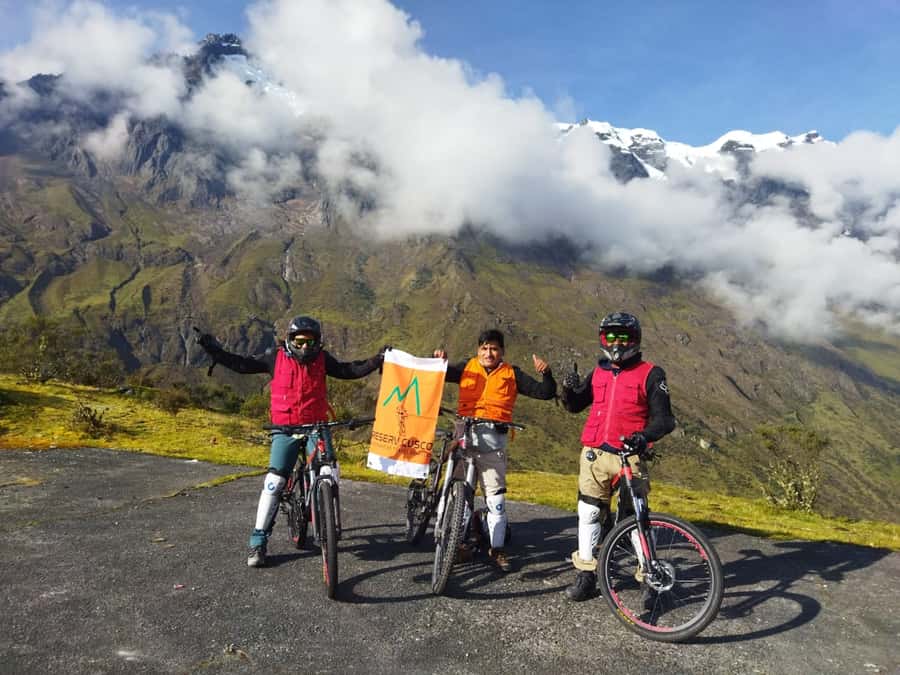
The trip begins with a morning pickup from the reservation office or your hotel lobby, usually between 7:45 and 8:00. The road passes toward Chinchero and Ollantaytambo before climbing to Abra Málaga at about 4,350 meters above sea level. At that height, cold air and fog are possible. The guide decides if conditions are suitable for the bike descent.
That judgment matters. The cycling section is a highlight, but it should not be treated as a guaranteed ride in every kind of weather. Bring a jacket and hat. The downhill wind can feel surprisingly cold even as you head toward warmer country.
The group type is private, and guides are available in English, Spanish, and French. Names reported for the guiding team include Jhon, Franchesco, David, and Lizandro, who led the Machu Picchu visit for one booking. Communication quality can vary by guide, so ask questions early, especially about optional activities, the mountain add-on, and the final day’s schedule.
More machu picchu tours in Cusco:
- From Cusco: Full-Day Group Tour of Machu Picchu
★ 4.7 · 1,767 reviews - Machu Picchu Day Trip from Cusco
★ 4.5 · 1,644 reviews - Machu Picchu: Full-Day Tour from Cusco with Optional Lunch
★ 4.6 · 927 reviews
Day One: Abra Málaga to Santa Maria by Bike
The first day is the most dramatic change in altitude. Your vehicle climbs from Cusco toward Abra Málaga, then, if the guide approves the conditions, you begin the bicycle descent. The route covers about 40 kilometers and takes roughly three hours.
At first, the air and scenery reflect the high Andes. As you lose altitude, the view changes quickly. Dry scrub and tough grass give way to temperate vegetation, then to the thicker growth of the humid forest. This is one reason I rate the bike section so highly: the descent gives you a clear sense of how altitude shapes Peru.
You also visit the Inca ruins of Wamanmarka during the day. The stop adds a cultural layer to what could otherwise be only a long downhill ride. Lunch comes along the route, followed by the final stretch to Santa Maria at around 1,430 meters.
Santa Maria is your first overnight stop, in a basic lodge. This is the weak point of the trip for some people. One lodge was described as having mold and dirt, while another booking had a pleasant first night at a jungle home run by Alicia. The safe approach is to expect simple conditions rather than boutique comfort.
Pack a small towel, personal toiletries, and anything you need to feel comfortable in a basic room. The package covers lodging, but the accommodation standard may not be identical on every departure.
Day Two: Coffee Trails, Coca Plants, and Santa Teresa
After breakfast, you walk through warmer country filled with tropical vegetation. The morning meal is described as fruit-based, with bananas, oranges, papayas, and juices. It is a useful start for a day that puts more emphasis on walking than the first day.
The route passes coffee-growing areas and coca plants. These are not just passing details. Coffee remains an important crop in the region, and coca has a long place in Andean culture. Seeing both plants in the setting where they are grown gives you more context than a quick stop in a market.
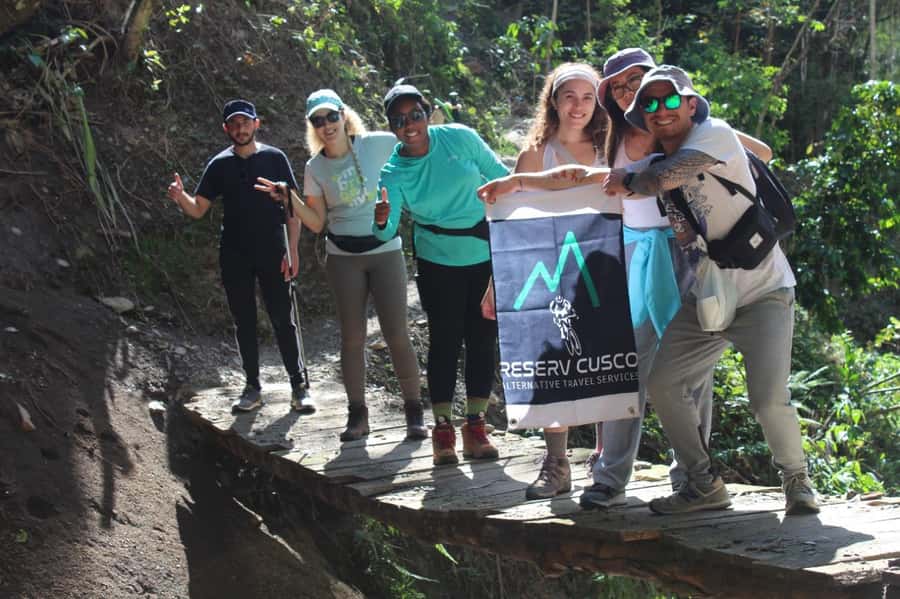
You also follow original Inca paths. The appeal here is not a single grand ruin. It is the feel of an old route still cutting through the hills, with vegetation pressing close and the trail rising and falling underfoot. You should expect perspiration and a full day outside, not a gentle stroll.
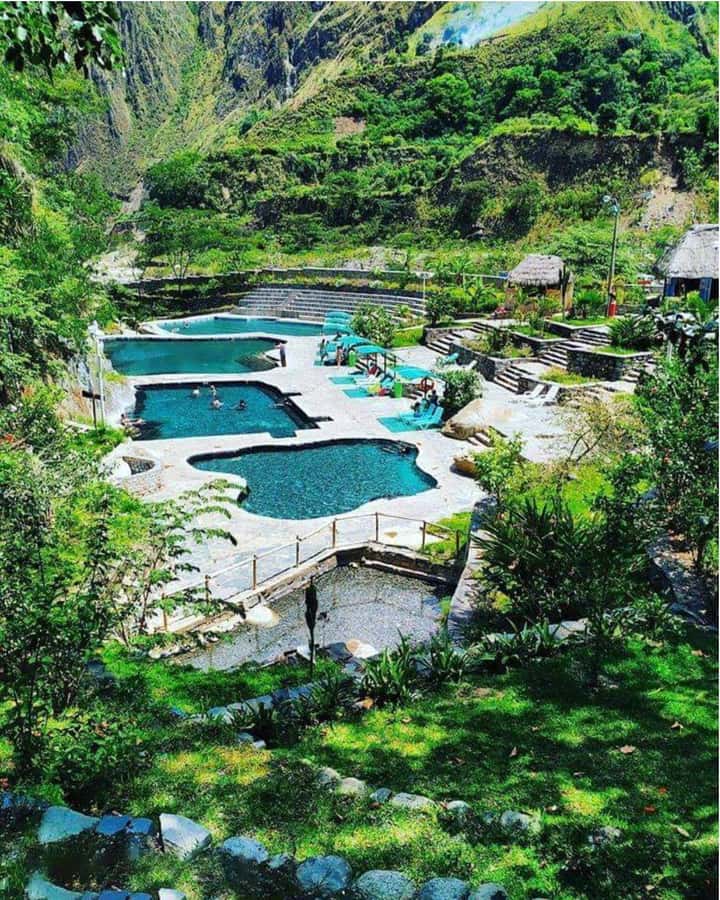
Santa Teresa is the day’s main reward. The included visit to the Cocalmayo hot springs gives your legs a break in warm mineral water before or around your time in town. The exact order of the baths, lunch, and rest can depend on the guide and local timing, but Santa Teresa is where the route shifts from remote walking to a more social overnight stop.
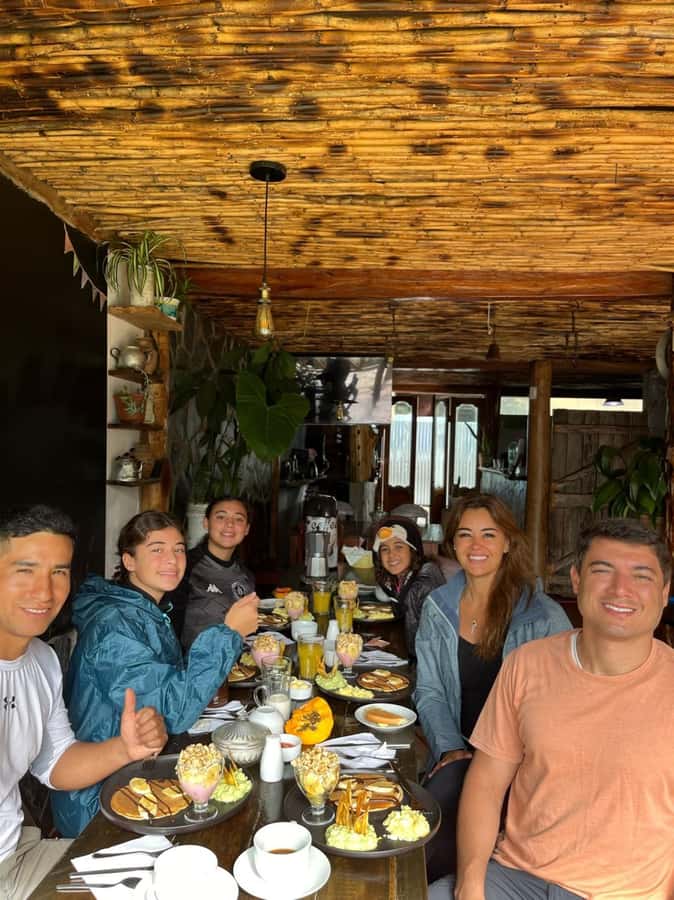
Food is one of the tour’s dependable strengths. Lunch and dinner are included, and the meals are described as generous and tasty. Still, bring small snacks if you need food between scheduled meals. The supplied information does not promise a particular menu or dietary arrangement.
Day Three: River Crossings and the Walk to Aguas Calientes
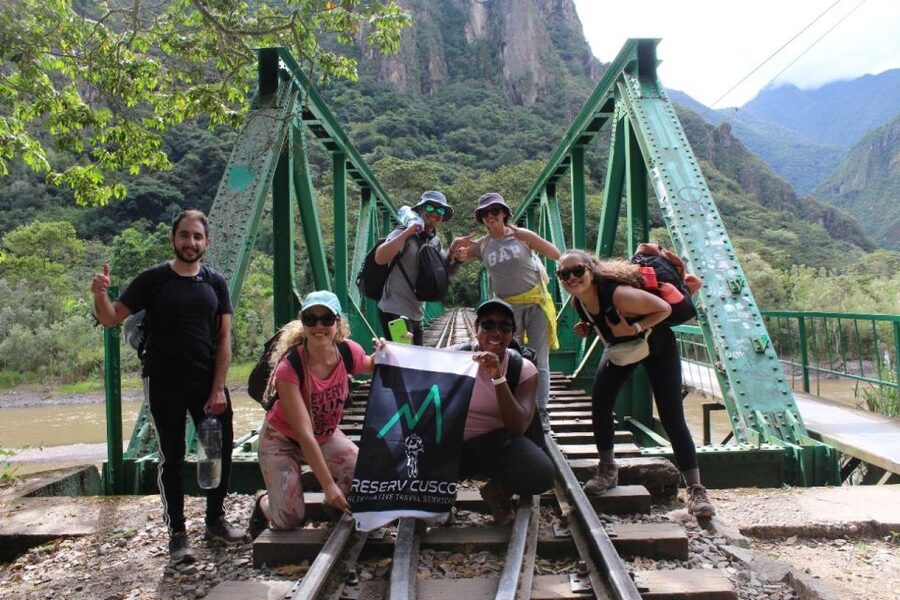
Day three brings the most unusual crossings. You walk toward hanging bridges and cross the Vilcanota River by oroya, a hand-operated river platform. This is the kind of short adventure that makes the Jungle Trail feel different from a conventional route to Machu Picchu.
The river setting also offers chances to see butterflies, parrots, birds, and insects. No wildlife sighting is guaranteed, but the warm forest creates a very different natural setting from the high pass on day one. Take your time here, but stay close to the guide and follow instructions around bridges and the river crossing.
The route includes a visit to Inti Watana, identified here as a solar clock. It is a small but meaningful cultural stop, especially after two days in which the natural setting often takes center stage.
Lunch includes soups and plenty of avocado. That may sound simple, but a filling meal matters after a long walk in warm, humid conditions. After lunch, you continue toward Aguas Calientes, the town below Machu Picchu.
Aguas Calientes is the final overnight base. Here, the guide gives you instructions for the next morning, including the plan for entering Machu Picchu. Pay attention at this meeting. One booking involved confusion about an added mountain visit, and the person who chose it was separated from the main group and guide for part of the day.
If you want to add a mountain or another extra activity, ask exactly how it affects your entry time, guide service, and meeting point. That is a small conversation that can prevent a large amount of stress on your Machu Picchu morning.
More inca jungle trek in Cusco:
- 4-Day Inca Jungle Adventure, Mountain Biking, Rafting and Zipline
★ 5.0 · 60 reviews - 4 Days Inca Jungle to Machu Picchu Standard
★ 4.5 · 48 reviews - From Cusco: 4-Day Inca Jungle Adventure to Machu Picchu
★ 4.8 · 45 reviews - Inca Jungle Premium to Machu Picchu 4-Day and 3-Nights
★ 5.0 · 40 reviews
Day Four: A Guided Visit to Machu Picchu
The final day is set aside for Machu Picchu. A private guide leads the visit for about three hours. The included entrance ticket is a major part of the package’s value, since it removes the need to arrange the main admission separately.
Three hours is enough for a focused guided visit, but it is not unlimited time. Listen carefully to the guide’s plan and confirm where you should meet afterward. Guides such as Lizandro have been praised for clear English and detailed explanations, while other guides may be friendly but less confident in English.
After the visit, you return by train, but the train ticket is not included. You can buy it through PeruRail. Your final lunch is also excluded, as are extra activities. Treat these as part of the real trip budget rather than unexpected costs.
The route ends with the train journey back toward Cusco, but the supplied details do not specify the exact train, departure time, or final transfer arrangement. Ask the provider to confirm where the train arrives and how you return to your hotel before you commit.
What the $485 Price Includes
At $485 per person, this tour offers good value if you want one booking to cover the active route and the main Machu Picchu arrangements. Included are private transport on the first day, bicycle equipment, an adventure and cultural guide, Machu Picchu admission, three nights of lodging, three breakfasts, three lunches, three dinners, hot springs at Cocalmayo, and the Inca trail sections.
The included meals matter. You are not left to find food after each long day, and the fruit-heavy breakfasts, soups, avocado, and regional meals suit the route. The accommodation is less consistent. Two later lodgings were described as good, but the first night may be rough.
The price does not cover the return train, final lunch, or extra activities. Zip lining is one possible add-on, and the extra charge should be confirmed before you agree. If you are considering a mountain at Machu Picchu, ask if it changes your guided visit or separates you from the group.
The private-group format is another point in the package’s favor. You get a more personal setting than a large departure, though the experience still depends heavily on the individual guide. Franchesco was described as especially kind despite imperfect English, while communication was noted as an area for improvement on another departure.
Fitness, Equipment, and What to Pack
This is not a suitable trip for pregnant women. It combines a high-altitude start, a long bicycle descent, several days of walking, river crossings, and a final visit to Machu Picchu.
You do not need to bring a bicycle because equipment is included. You should still bring practical personal gear:
- Passport, which is required
- Light layers for the cold start at Abra Málaga
- A jacket and hat for the windy downhill ride
- Comfortable walking shoes
- Sun protection and a refillable water container
- Personal toiletries and a small towel for basic lodges
- Small snacks for the walking days
- A dry change of clothes for the humid forest
Alcohol and drugs are not allowed. Baby carriages and pets are also prohibited. The available details do not give a full packing list, so ask about baggage limits and luggage storage before departure.
Who Will Get the Most From This Inca Jungle Trail?
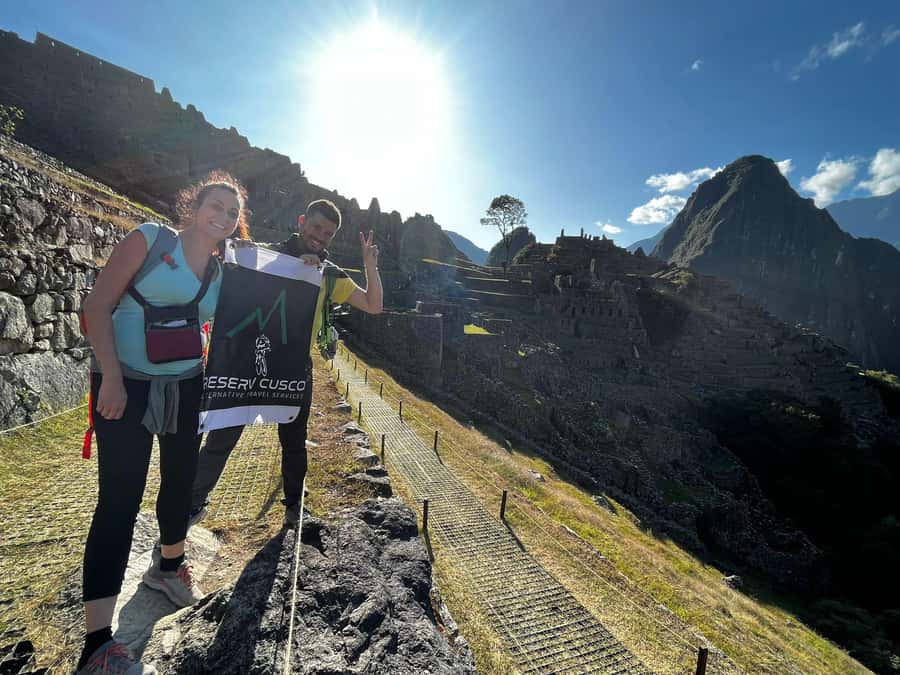
I would choose this route if you want Machu Picchu to be part of a wider physical adventure. It suits people who like changing scenery, simple lodging, active days, and a little uncertainty in the schedule.
It is especially good for you if the downhill bike ride sounds as appealing as the ruins. The trip also works well if you want a taste of coffee country, tropical plants, Inca paths, hot springs, and river crossings without committing to a single-style trek.
I would think twice if you need polished hotels, exact communication at every stage, or a quiet, predictable route. The first lodge may disappoint, and the excluded train, last lunch, and optional activities require extra planning.
The 4.3 rating from nine bookings suggests a generally strong experience with some real limitations. The most consistent positives are the friendly guides, good food, well-organized activities, and memorable walking. The clearest cautions are the first accommodation, guide communication, and unclear handling of add-on activities.
Should You Book It?
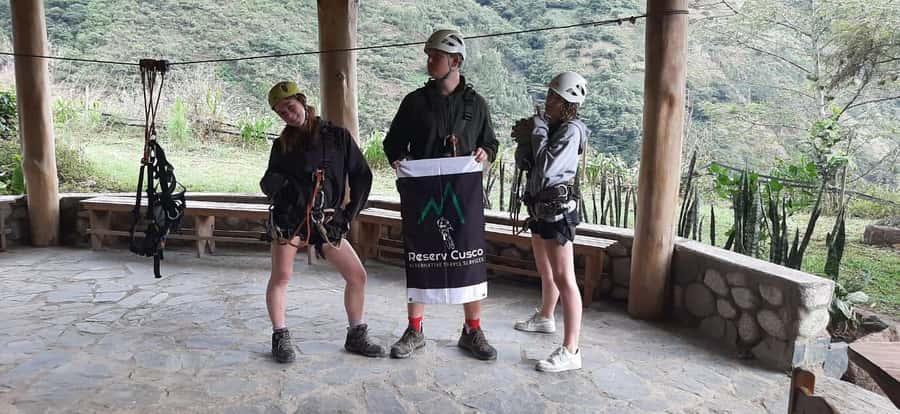
Book this Inca Jungle Trail if you want a varied, active way to reach Machu Picchu and can accept basic lodging on the first night. At $485, the included meals, entrance ticket, transport, bikes, hot springs, and private-group format make the package appealing.
Before paying, confirm the return train, the final transfer to Cusco, the standard of each lodge, and the cost and effect of any zip line or mountain add-on. If you do that, you will know the true cost and avoid the main sources of disappointment. I would recommend it to fit hikers and cyclists who value variety over comfort and want the journey to feel like more than a transfer to the ruins.
FAQ
How long is the Inca Jungle Trail to Machu Picchu?
The experience lasts four days and includes biking, hiking, cultural stops, hot springs, and a guided visit to Machu Picchu.
How far is the bike ride?
The downhill bicycle section covers about 40 kilometers and takes approximately three hours, depending on conditions and the guide’s decision to begin the ride.
At what altitude does the bike ride begin?
The ride begins near Abra Málaga, at approximately 4,350 meters above sea level.
Is bicycle equipment included?
Yes. Bike equipment is included in the tour price, along with private transport on the first day.
Are meals included?
Breakfast, lunch, and dinner are included for the first three days. The last lunch is not included.
Is the return train included?
No. The train from Machu Picchu back toward Cusco is not included. It can be purchased through PeruRail.
Are the hot springs included?
Yes. The visit to the hot springs at Cocalmayo is included.
What languages can the guide speak?
Guides are available in English, Spanish, and French.
Can pregnant women join the tour?
No. The activity is not suitable for pregnant women.
More 4-Day Experiences in Cusco
- Cusco: 4-Day Inca Trail to Machu Picchu with Accommodation
★ 4.8 · 432 reviews - 4 Day Tour to the Manu National Park
★ 5.0 · 81 reviews - Choquequirao Trek 4 days and 3 nights
★ 5.0 · 81 reviews - Cusco Sacred Valley and Machupicchu 4 Days
★ 5.0 · 80 reviews
Just added around Cusco
- Waqrapukara 1 day trekking + meals★ 3.9 · 3 reviews
- Zipline over the Sacred Valley Trip★ 5.0 · 11 reviews
- Visit to the Cochahuasi Animal Sanctuary with rescued animal★ 4.1 · 4 reviews
- Valle Sur Cusco | half day★ 4.3 · 3 reviews
- Visit Pisac from Cusco: Private Transport★ 4.6 · 9 reviews
- Maras and Huaypo lagoon by ATV from Cuzco | Local Operator★ 4.7 · 4 reviews
- Trek to Humantay Lake from Cusco★ 4.9 · 8 reviews
- Trek to Choquequirao 4 days★ 3.8 · 4 reviews
Machu Picchu Tours, compared.



4-Day Inca Trail to Machu Picchu with Accommodation
Read our review →
2-Day Trip to the Sacred Valley and Machu Picchu
Read our review →
Machu Picchu 2-Day Inca Trail with Panoramic Train
Read our review →
Browse the lists this tour appears in