
Reviewed · SACRED VALLEY TOURS
From Cusco: Sacred Valley & Moray, Salt Mines with Lunch
The most striking part of this day is its range: you move from living Quechua textile traditions to Inca farming terraces, salt ponds, a fortress, and a craft market before returning to Cusco. It is a packed introduction to the Sacred Valley rather than a slow, quiet outing.
I like the strong value, especially with transport, a bilingual guide, and lunch included. I also like the mix of working culture and major archaeological sites, since you see more than stone walls. The tradeoff is time: with six main stops and long drives, the schedule moves quickly, and Ollantaytambo leaves little room for a leisurely climb.
In This Review
- Key points to know
- Why this $32 day works so well
- Chinchero begins with living Andean craft
- Moray shows how the Incas farmed difficult ground
- Maras turns salt into a mountain industry
- Urubamba provides a needed lunch break
- Ollantaytambo demands your legs and attention
- Pisac closes the day with crafts and history
- The transport makes the route possible
- What to pack for this high-altitude day
- The guide makes the difference
- Who should book this Sacred Valley tour?
- Should you book it?
- FAQ
- How long does the Sacred Valley tour last?
- What places does the tour visit?
- Is lunch included?
- Are entrance fees included in the price?
- Is hotel pickup available?
- What languages are available?
Key points to know
- Six major stops in one day: Chinchero, Moray, Maras, Urubamba, Ollantaytambo, and Pisac.
- Small group format: The tour is limited to 15 people, a useful size for asking questions and staying together.
- Lunch is included: An Andean buffet meal is served in Urubamba, though drinks cost extra.
- Expect additional entrance fees: The partial tourist ticket costs 70 Nuevos Soles, and the Maras salt mine ticket costs 20 Nuevos Soles.
- The day ends in central Cusco: Drop-off is at Plaza Regocijos, not necessarily back at your hotel.
- Best for first-time visitors: You get a broad look at the valley in one long day, with history, food, crafts, and scenery all in the mix.
Why this $32 day works so well
At $32 per person, this is an unusually full day for the money. You receive hotel pickup, transport between the stops, a bilingual guide, and buffet lunch. That matters in the Cusco region, where arranging separate rides to Moray, Maras, Ollantaytambo, and Pisac can take time and effort.
The advertised 12-hour length is both the strength and the warning. You cover a lot of ground, but this is not a relaxed valley day. The schedule gives roughly 30 to 35 minutes at many stops, 45 minutes for lunch, and several hours in the van. I would choose it if you want to see the major sights efficiently. I would not choose it if you prefer long walks, extended photography, or unhurried market time.
The extra fees change the final cost. Bring 70 Nuevos Soles for the partial tourist ticket and 20 Nuevos Soles for the salt mines, along with cash for drinks and shopping. The low headline price is still good value, but you should budget for these additions before booking.
More sacred valley tours in Urubamba:
- Cusco:Sacred Valley Pisaq,Ollantaytambo,Chinchero with Lunch
★ 4.8 · 183 reviews - From Cusco: Chinchero, Moray, Maras and Ollantaytambo
★ 4.5 · 83 reviews - from Urubamba & Ollantaytambo:Sacred Valley Full-Day Private
★ 4.9 · 31 reviews
Chinchero begins with living Andean craft
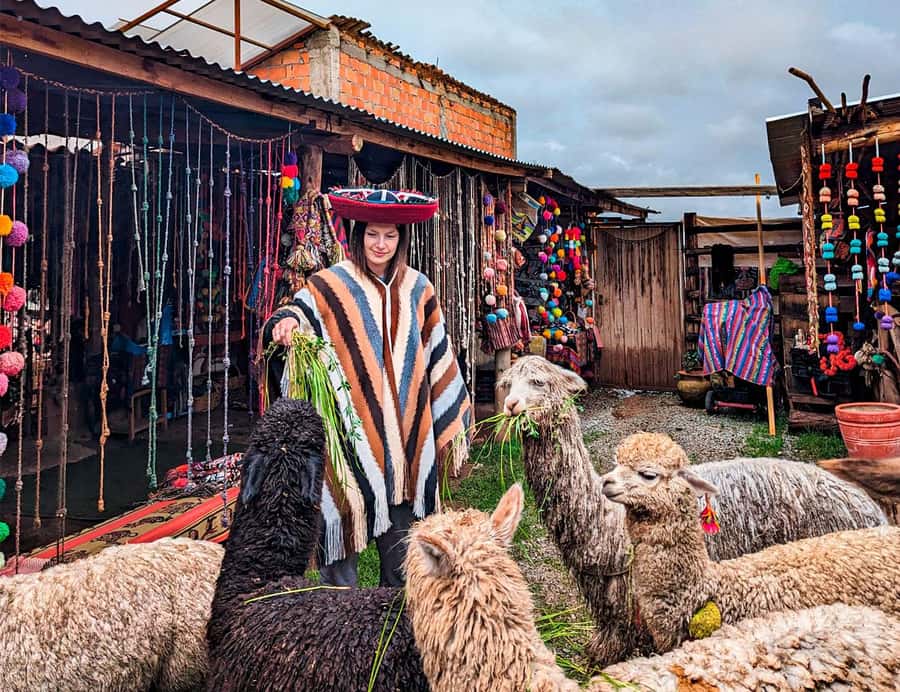
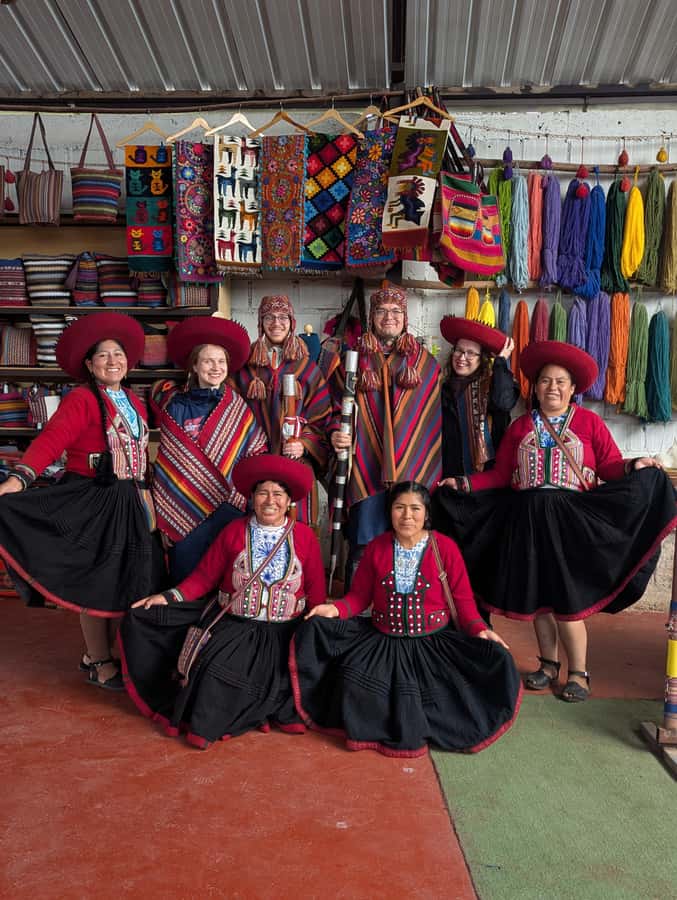
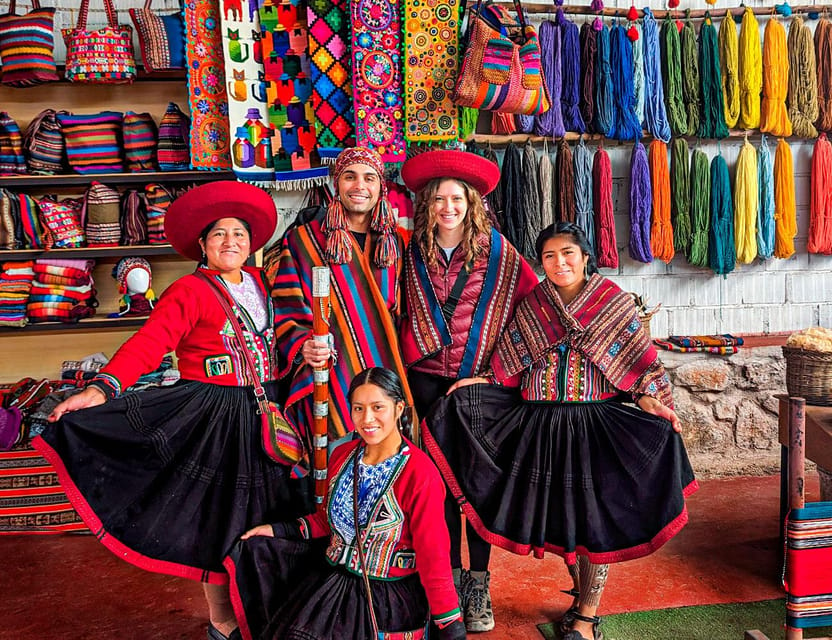
The first stop is Chinchero, a small rustic town known for traditional textile weaving. Here you see textiles made with old Incan techniques, and the visit includes time for shopping.
This is one of the more meaningful stops because the focus is not only on ruins. You get a look at a living cultural practice, with weaving presented as part of local life rather than as a museum display. The guide can help explain how the techniques connect to Andean traditions, and the stop gives you a useful introduction before the archaeological sites later in the day.
The 35-minute visit is short. You may have enough time for a demonstration and a quick look at the textiles, but not a long conversation or careful comparison of every item. If you want to buy something, remember that shopping during a group tour can feel rushed. Still, Chinchero adds human context that many ruins-only tours miss.
Moray shows how the Incas farmed difficult ground
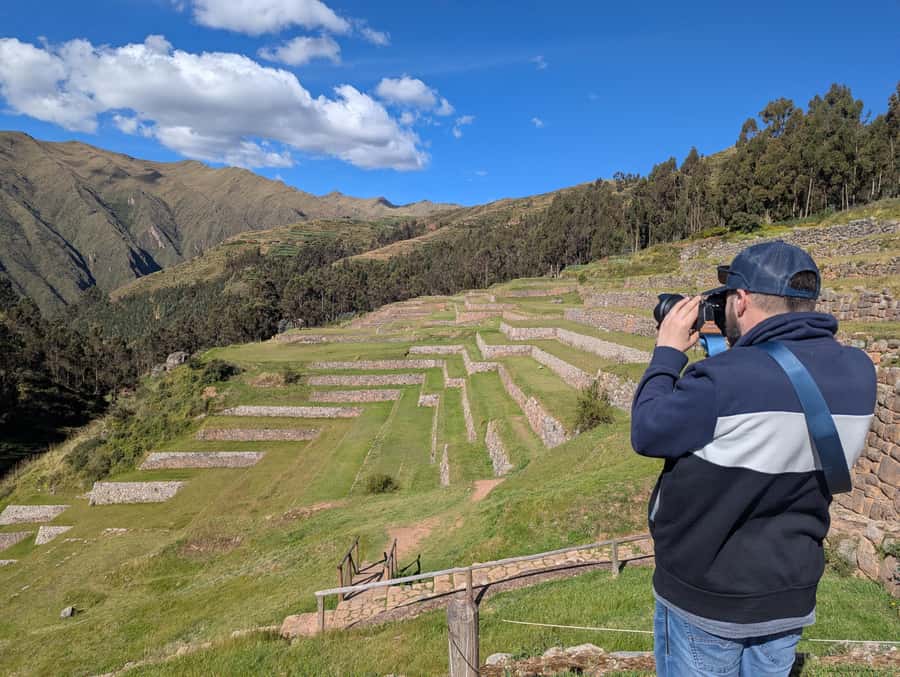
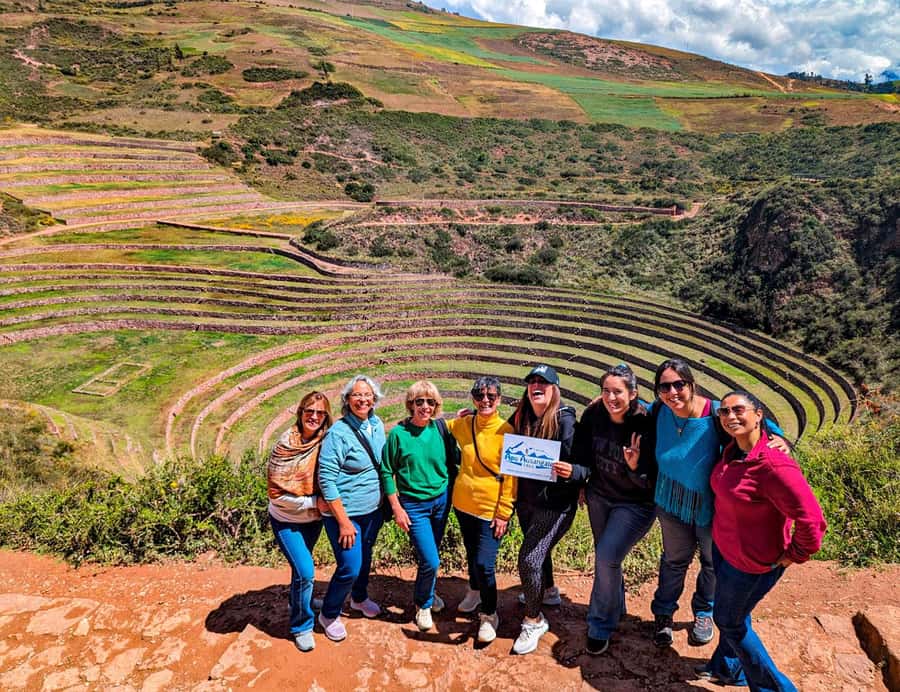
At Moray, broad circular terraces drop into the earth in a series of rings. The Incas built these terraces to grow crops in high mountain terrain that was not naturally easy to farm.
The design is the point here. Instead of a simple hillside field, you see a carefully shaped agricultural site, with each level creating a different growing environment. The guide explains the farming purpose and the way Andean people used engineering to make limited land productive.
You have about 30 minutes at Moray, enough for a guided explanation and photographs. The stop is more about seeing the form and understanding the idea than taking a long hike. Wear shoes with a firm grip and bring water, sunscreen, and a hat. The supplied details do not specify the walking conditions beyond the site visit, so you should be ready for uneven ground and outdoor exposure.
Maras turns salt into a mountain industry
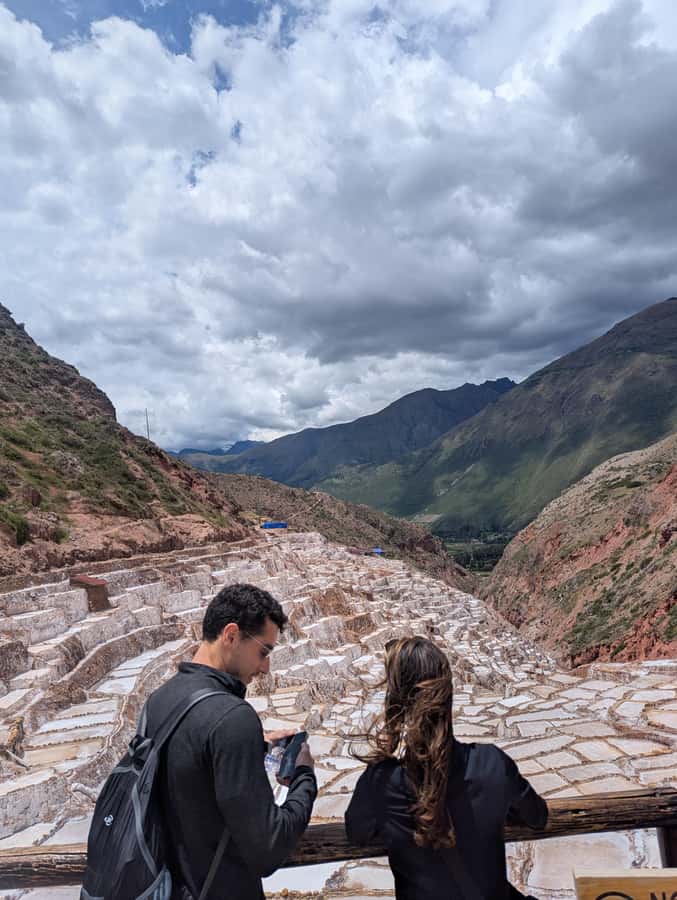
The Maras salt mines are close to Moray, making this a sensible pairing. More than 5,000 salt ponds spread across the area, and local production has been used for a long time to preserve food.
The sight is memorable because the salt ponds are small, practical working structures rather than grand monuments. Their bright surfaces and stepped arrangement create a sharp contrast with the surrounding mountain setting. Your guide explains how the salt supported food storage, giving the site a clear connection to daily life.
The visit lasts about 30 minutes, followed by another 30 minutes in Maras for shopping. The salt mine entrance is not included and costs 20 Nuevos Soles at the site. Keep cash handy. You may also want to leave room in your bag for salt products or crafts, but do not feel pressure to buy. The stop is worthwhile even if you only want the explanation and views.
More maras & moray tours in Urubamba:
- Cusco: Sacred Valley and Salt Mines Ending in Ollantaytambo
★ 4.6 · 5 reviews - From Cusco:Chinchero, Moray, Maras, Ollantaytambo with lunch
★ 5.0 · 3 reviews - Cusco | Visit Maras, Moray, Chinchero, Pisac | Valle Vip
★ 4.4 · 3 reviews - From Cusco: Sacred Valley & Maras Salt Mines Tour with Lunch
★ 4.8 · 2,227 reviews
Urubamba provides a needed lunch break
After the morning visits, the group heads to Urubamba, the capital of the Sacred Valley. Lunch is an Andean buffet, with 45 minutes set aside for the meal.
I like having lunch included because it keeps the day moving and removes the need to search for a restaurant with a large group. A buffet also makes the meal practical when people have different tastes. The meal has received especially strong praise, and one detailed account describes it as very good.
Do not expect a long restaurant experience. Forty-five minutes is enough to eat, but not to linger over drinks or take a full rest. Drinks are not included, so bring cash or plan to pay separately. This is also a good moment to refill your water bottle if possible, since the afternoon continues with major sites and more driving.
Ollantaytambo demands your legs and attention
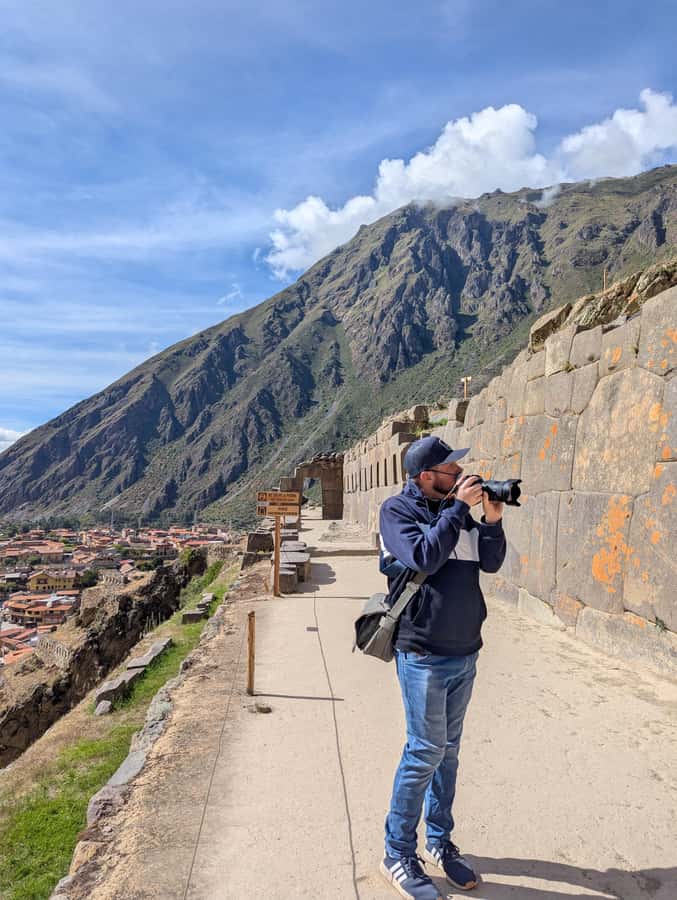
Ollantaytambo is one of the day’s important archaeological stops. The old town and its megalithic buildings show why the place mattered during Inca times, while the terraced fortress above it served as a defensive position.
The climb includes more than 200 steps to reach the upper part of the fortress. That makes this the most physically demanding stop on the route. Your 30-minute guided visit will likely focus on the main features and the view over the town, rather than a long exploration of every terrace.
I would treat the climb seriously, even though it is not a full-day trek. Bring water, use sun protection, and keep your pace steady. If stairs are difficult for you, this stop may be the main reason to choose a slower tour instead. For most visitors, the effort is worthwhile because Ollantaytambo combines impressive stonework with a clear defensive purpose.
The short timing is the bigger issue. After the climb, you may want more time to study the stone construction or walk through the town. This tour gives you a useful introduction, but not the freedom to explore Ollantaytambo at your own speed.
Pisac closes the day with crafts and history
The route continues to Pisac, with an 80-minute drive listed before the stop. That is one of the longest stretches in the day, and it comes after a full morning and lunch. Use the ride to rest, but keep some energy for the final visits.
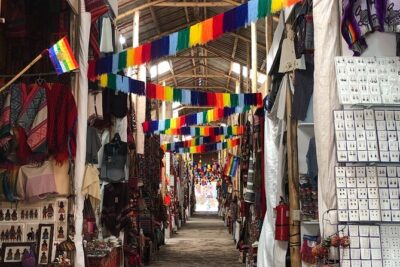
Pisac includes a workshop, shopping time, and a guided visit. The local market offers souvenirs and crafts, making this the clearest place in the schedule to look for gifts. The workshop adds another cultural element after Chinchero, though the available details do not specify the craft or length beyond the 30-minute workshop period.
A separate 30-minute guided visit follows. The schedule names Pisac twice, first for the workshop and then for the guided tour, so you should expect both shopping or craft time and historical explanation. The stop gives the day a useful final balance: you finish with local commerce and culture instead of only ancient stonework.
The limitation is fatigue. By this point you have already spent many hours on the road and climbed at Ollantaytambo. Keep your shopping simple and stay aware of the group meeting time. The final drive back to Cusco takes about an hour.
The transport makes the route possible
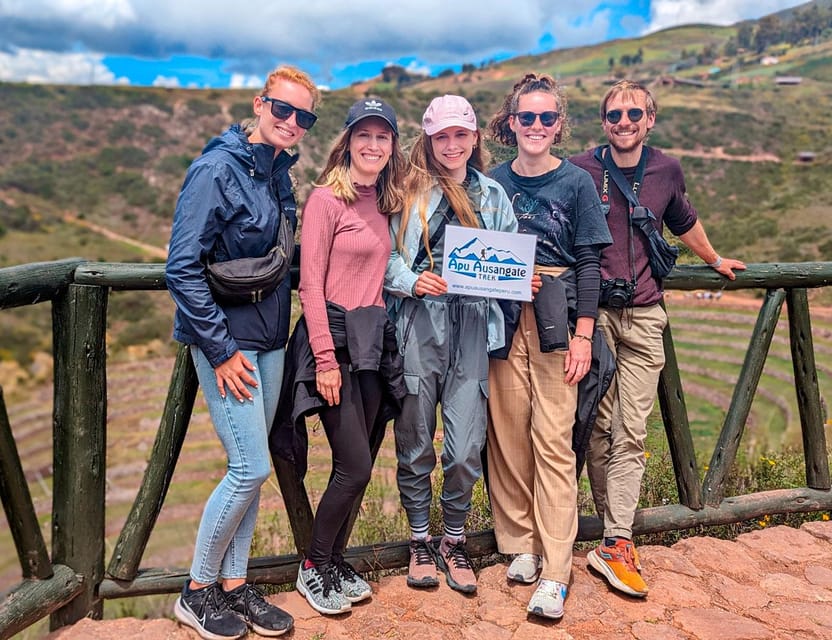
This is a van-based tour, with hotel pickup in Cusco and transport between all stops. The route includes drives of about 50 minutes to Chinchero, 40 minutes to Moray, 30 minutes to Maras, 30 minutes to Urubamba, 30 minutes to Ollantaytambo, 80 minutes to Pisac, and one hour back toward Cusco.
That is a lot of sitting, but it is also what makes this combination possible in a single day. You do not need to arrange separate taxis or work out connections between rural sites. A bilingual guide travels with the group and provides the historical explanation in English or Spanish.
The group is limited to 15 participants. That is not private-tour intimacy, but it is more manageable than a large coach. A smaller group usually helps with questions, head counts, and getting back into the van on time. The exact pace still depends on the whole group, so expect to follow a shared schedule.
Pickup is included from the hotel reception address you provide. The finish is at Plaza Regocijos on Calle Plateros, rather than a guaranteed return to your hotel. Plan your evening around that central Cusco drop-off.
What to pack for this high-altitude day
The practical packing list is short, but each item matters. Bring sunglasses, a sun hat, sunscreen, water, a camera, and cash. The route includes open archaeological sites, outdoor salt ponds, shopping stops, and a stair climb, so sun protection is more useful than stylish luggage.
Cash covers the 70 Nuevos Soles partial tourist ticket, the 20 Nuevos Soles Maras entrance, drinks, and any crafts or souvenirs. These costs are separate from the $32 tour price. Alcohol and drugs are not allowed, and drones are prohibited.
Wear clothing that works for changing outdoor conditions, although no specific dress code is given. Supportive footwear is a sensible choice because of the Ollantaytambo steps and the walking involved at the ruins and salt ponds.
The guide makes the difference
A good guide matters on a route this packed. Without clear explanations, the day could become a string of photo stops. The strongest part of the experience is the way the guide connects textile work, agriculture, food preservation, defense, and trade into a wider picture of Andean life.
The detailed historical explanation has been singled out as a major strength, along with the quality of the lunch. That combination is important. You are not only moving between famous places, and you are not left to guess why each site matters.
No individual guide name is provided, so you cannot request a specific person in advance from the available information. The service is offered in English and Spanish. If a site interests you, ask questions early, since most stops last only 30 minutes.
Who should book this Sacred Valley tour?
I would recommend this tour to a first-time Cusco visitor who wants a broad introduction without arranging several separate excursions. It suits you if you value variety, a low price, included transport, and a guide who can explain the history as you go.
It is also a good fit if you want to see both major sites and working traditions. Chinchero textiles, Maras salt production, the Urubamba meal, and the Pisac market give the day more character than a route focused only on ruins.
I would hesitate if you have already visited the Sacred Valley and want depth. The short stops and long van rides leave little time for independent wandering. I would also think twice if the 200-plus steps at Ollantaytambo would be difficult or if you want a quiet day with generous rest periods.
The cancellation policy gives you flexibility: you can cancel up to 24 hours ahead for a full refund, and you can reserve now and pay later. That is useful when your Cusco plans are still changing, but the real decision is pace. This is an efficient overview, not a slow exploration.
Should you book it?
Book it if you want to pack the Sacred Valley’s main sights into one day for a modest price. The strongest reasons are the broad route, included buffet lunch, small-group size, and historical explanations that link the stops together.
Skip it if you want long visits at Ollantaytambo or Pisac, more time for photography, or a quieter schedule. Before you go, add 90 Nuevos Soles for the listed entrance fees, bring cash and water, and remember that you will finish at Plaza Regocijos. For a first look at the valley, the tour offers a lot, as long as you accept its fast pace.
FAQ
How long does the Sacred Valley tour last?
The tour lasts 12 hours, including pickup in Cusco, visits to the sites, lunch in Urubamba, and the return toward central Cusco.
What places does the tour visit?
The route includes Chinchero, Moray, the Maras salt mines, Maras, Urubamba, Ollantaytambo, and Pisac.
Is lunch included?
Yes. An Andean buffet lunch in Urubamba is included. Drinks are not included.
Are entrance fees included in the price?
No. The partial tourist ticket costs 70 Nuevos Soles, and the Maras salt mine entrance costs 20 Nuevos Soles. Both are purchased separately.
Is hotel pickup available?
Yes. Pickup from your hotel is included. You should wait at the reception of the hotel address you provide.
What languages are available?
The live tour guide service is available in English and Spanish.
More Lunch Experiences in Urubamba
- From Cusco: Sacred Valley VIP Tour with Buffet Lunch
★ 4.7 · 3 reviews - Cusco: Humantay Lake Tour with Breakfast and Buffet Lunch
★ 4.9 · 2,976 reviews - Machu Picchu: Full-Day Tour from Cusco with Optional Lunch
★ 4.6 · 927 reviews - Sacred Valley: Chinchero, Moray, Ollantaytambo & Pisac+Lunch
★ 4.8 · 501 reviews
Just added around Urubamba
- Sun and Moon Tour★ 4.5 · 3 reviews
- Sacred Valley Tour 1 Day★ 5.0 · 3 reviews
- Super Sacred Valley★ 3.8 · 6 reviews
- Peru in 5 days: Lima, Cusco, Machupicchu & Rainbow Mountain★ 5.0 · 3 reviews
- Machu Picchu: 1-day tour by Vistadome Panoramic train★ 4.7 · 15 reviews
- Machupicchu 2025: The best ticket Circuit 2★ 3.5 · 6 reviews
- Machu Picchu: historical and photographic guided tour★ 4.9 · 27 reviews
- Guided tour of Cusco and its 4 ruins★ 3.8 · 3 reviews
Sacred Valley Tours, compared.

Sacred Valley & Maras Salt Mines Tour with Lunch
Read our review →
Moray, Maras Salt Mines & Chinchero Weavers Tour
Read our review →
Sacred Valley, Pisac, Ollantaytambo, Salt Mines Moray
Read our review →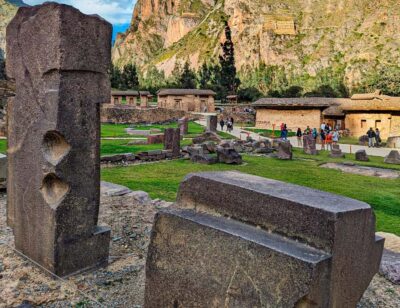
Chinchero,Moray & Salt Mines drop-off in Ollantaytambo
Read our review →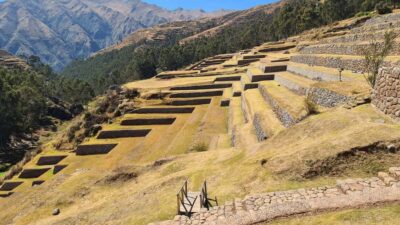

Pisac Indian Market and Ollantaytambo Fortress with Lunch
Read our review →
2-Day Trip to the Sacred Valley and Machu Picchu
Read our review →Browse the lists this tour appears in