
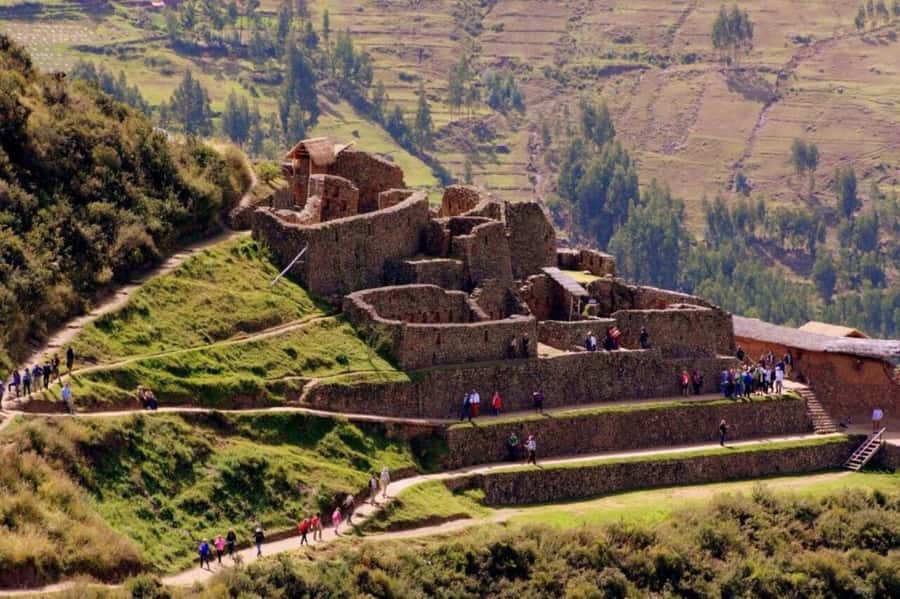
Reviewed · SACRED VALLEY TOURS
Cusco: Sacred Valley and Salt Mines Ending in Ollantaytambo
The best thing about this Sacred Valley tour is how much ground it covers in one day. You see Chinchero’s textiles and colonial church, Moray’s unusual circular terraces, Maras’s working salt wells, and Ollantaytambo’s Inca fortress before your transport leaves you near the train station. I like the useful finish in Ollantaytambo, especially if you are continuing toward Machu Picchu.
I also like the $40 price, hotel pickup, and the chance to compare several very different Andean sites in one outing. Guide Jhonnattan earned special praise for switching between English and Spanish with ease. The tradeoff is time: this is a speedy schedule, and you may want longer at each stop.
In This Review
- Key points at a glance
- Why this Sacred Valley route works
- Chinchero, high above the valley
- Moray’s rings of farmland
- Maras and its 4,000 salt wells
- Urubamba brings a needed pause
- Ollantaytambo is the useful finale
- What the $40 price really covers
- The 12-hour schedule and its pace
- What to bring for the Andes
- Who should book this tour
- Should you book the Sacred Valley day trip?
- FAQ
- How long does the Sacred Valley tour last?
- Where does the tour begin?
- Where does the tour end?
- Which places are included in the route?
- Is lunch included in the $40 price?
- Are entrance fees included?
- Which languages are available?
- What should I bring?
Key points at a glance
- Chinchero at 3,772 meters: See archaeological remains, a 17th-century church, and a traditional textile market.
- Moray’s circular terraces: Look down into an unusual Inca agricultural center built in giant rings.
- More than 4,000 salt wells at Maras: See salt still being extracted from small hillside pools.
- Urubamba buffet lunch: A practical midday stop for sampling regional food, though lunch is listed as extra.
- Ollantaytambo finish: Visit the old Inca stronghold and end near the train station at about 3:30 PM.
- A full 12-hour day for $40: Excellent coverage for the price, but expect a brisk pace and separate entrance fees.
Why this Sacred Valley route works
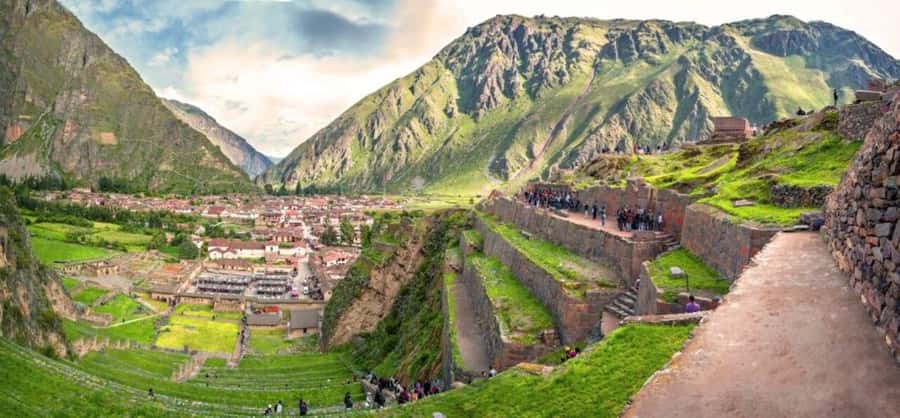
The Sacred Valley is not one single sight. It is a long corridor of farm fields, villages, archaeological sites, and mountains, and the day’s route gives you a broad sample of it.
You start with hotel pickup in Cusco, then travel toward Chinchero and the upper part of the valley. Along the way, you see fields spread below high mountain ridges. The scenery matters here because the valley was not only important for worship and power. Its varied elevations and fertile soil also supported crops in different growing zones.
This tour is a good fit if you have limited time in the Cusco region. Instead of arranging separate rides to four sites, you use one vehicle and one guide. The cost is low for a full day with transport and guiding included, though the final price rises once you add entrance fees and lunch.
The route also makes practical sense for anyone heading onward to Ollantaytambo. Rather than returning to Cusco at the end, you are dropped near the train station at around 3:30 PM. That can save you a separate transfer, but you should plan your onward arrangements carefully because the day follows a fixed schedule.
More sacred valley tours in Urubamba:
- Cusco:Sacred Valley Pisaq,Ollantaytambo,Chinchero with Lunch
★ 4.8 · 183 reviews - From Cusco: Chinchero, Moray, Maras and Ollantaytambo
★ 4.5 · 83 reviews - from Urubamba & Ollantaytambo:Sacred Valley Full-Day Private
★ 4.9 · 31 reviews
Chinchero, high above the valley
Chinchero sits at 3,772 meters above sea level, so the first stop is also one of the highest. You should take this altitude seriously. Walk at an easy pace, drink water, and avoid treating the first hour as a race.
The town combines several layers of Andean life. You see archaeological remains from the Inca period, a 17th-century colonial church, and canvases linked with the Cusco School of painting. That combination gives the stop its character. It is not simply an ancient ruin or simply a colonial town. It shows how different eras occupy the same place.
The church adds an artistic and historical angle that you will miss if you focus only on stone walls. Inside, the Cusco School paintings connect local religious art with the colonial period. The tour description specifically highlights these canvases, so your guide should provide context as you look around.
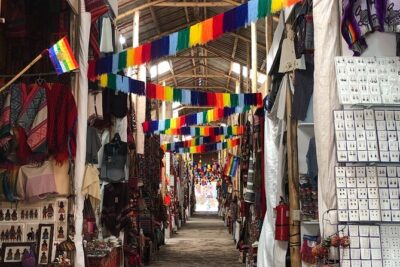
Chinchero is also known for its traditional textile work. The market is described as a place where bargaining is still possible, and the focus is on handmade textiles produced by Andean women. This is one of the more human parts of the day. You are not only looking at monuments. You are seeing a living craft tradition tied to the region.
You should still keep an eye on the clock. Chinchero is one of several major stops, and the schedule does not allow a leisurely market afternoon. If you enjoy textile shopping, decide in advance how much time you want to spend browsing before the group moves on.
Moray’s rings of farmland
Moray is one of the most memorable stops because it looks unlike a standard ruin. The site is made up of broad, circular agricultural terraces that descend into the earth. From above, the rings resemble a giant amphitheater, but their purpose was practical rather than theatrical.
The site is presented as an experimental agricultural center. The different levels created varied growing conditions, allowing the Incas to test crops at changing temperatures and elevations. You do not need a technical lecture to appreciate the idea. The shape itself shows careful planning, and the site makes clear that Inca engineering was tied closely to food production.
Bring a hat, sunscreen, and water. Moray is an open-air visit, and the high-altitude sun can feel strong even when the air is cool. Comfortable shoes are important because the day involves walking at several sites.
This is also a place where the tour’s fast pace may be noticeable. You can take excellent photographs quickly, but a guide’s explanation helps turn the view into something more than a striking pattern in the ground. Listen closely at the start, then use your free moments for photos.
Entrance fees are not included. The information provided specifically notes that Moray and Maras require separate payment, so set aside extra cash or confirm the accepted payment method before leaving Cusco.
Maras and its 4,000 salt wells
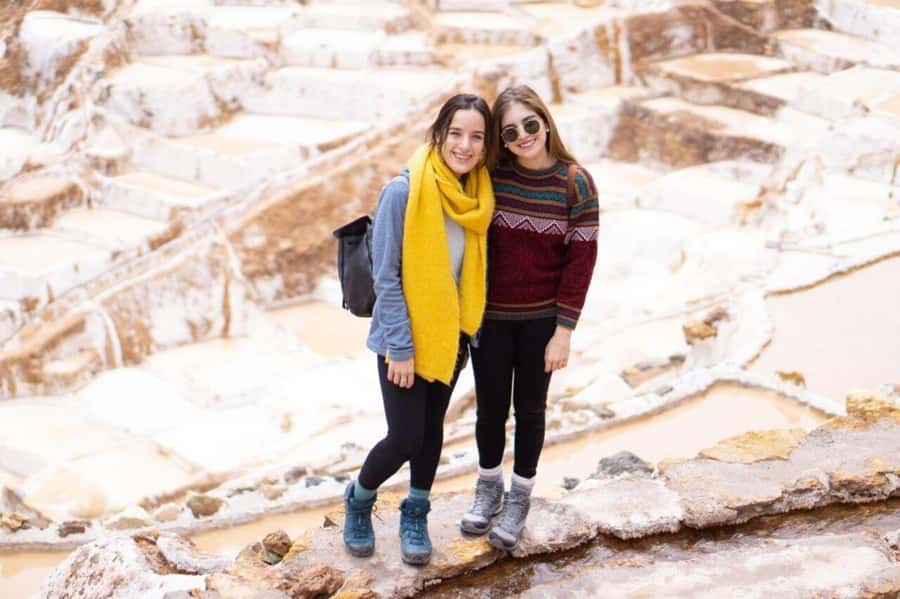
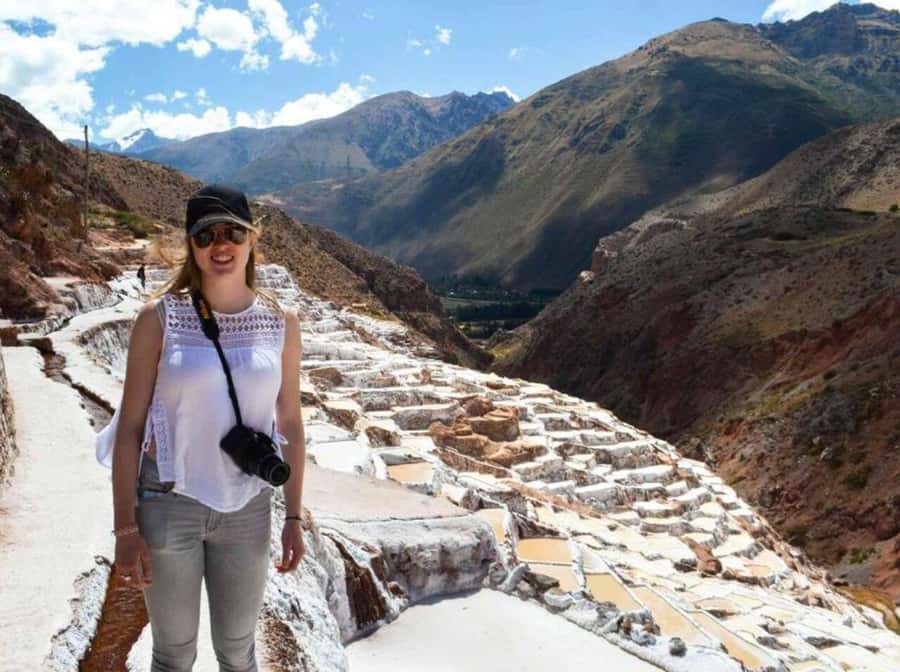
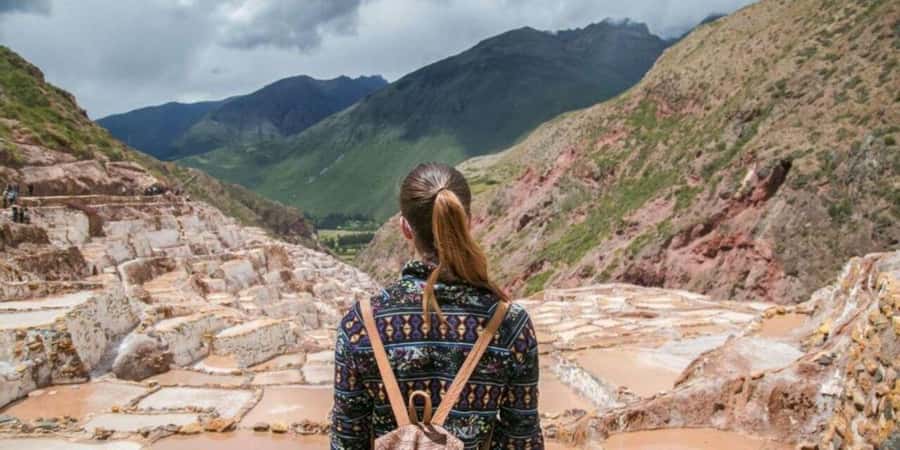
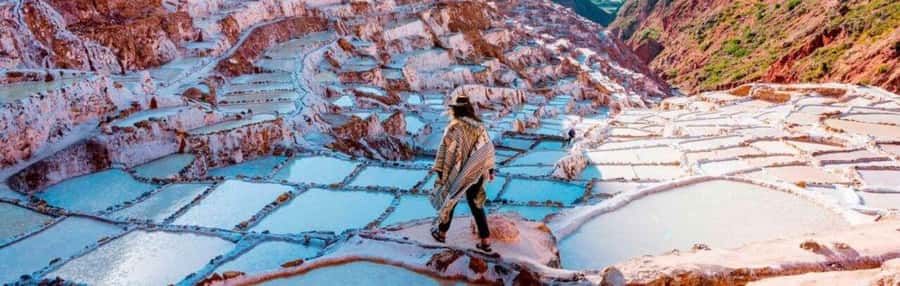
The Maras Salt Mines are the day’s most unusual working site. More than 4,000 small wells are built into the hillside, where salt is extracted from salty spring water. The pools form bright bands across the slope, and the pattern changes with the light and the season.
This is not merely an old site preserved for viewing. Salt is still produced here. That gives the visit a direct link between the past and the local economy. You can see how a simple natural resource becomes a product through hundreds or thousands of small evaporation pools.
The mine visit can be visually striking, but it is another stop where sturdy footwear helps. The tour asks you to wear comfortable shoes and clothing suitable for walking. Take your camera, but also watch your footing and stay aware of the route your guide gives you.
Maras is one of the places where an entrance charge applies separately. Since the base price is only $40, the extra fee does not make the tour poor value, but you should not mistake the headline price for the full cost of the day.
I like the contrast between Moray and Maras. Moray shows the Incas shaping farmland to control growing conditions. Maras shows people working with water, minerals, and a steep hillside. Both stops are short lessons in how the people of the Andes made practical use of difficult terrain.
More maras & moray tours in Urubamba:
- From Cusco:Chinchero, Moray, Maras, Ollantaytambo with lunch
★ 5.0 · 3 reviews - From Cusco: Sacred Valley & Moray, Salt Mines with Lunch
★ 4.6 · 3 reviews - Cusco | Visit Maras, Moray, Chinchero, Pisac | Valle Vip
★ 4.4 · 3 reviews - From Cusco: Sacred Valley & Maras Salt Mines Tour with Lunch
★ 4.8 · 2,227 reviews
Urubamba brings a needed pause
After the morning sites, the route continues to Urubamba for a buffet lunch at a local restaurant. The buffet is described as typical of the region, giving you a chance to sample several flavors instead of choosing a single dish from a menu.
Lunch is an important part of this schedule. You are out for about 12 hours, and the day includes high-altitude walking, vehicle time, and several stops. A buffet lets you eat at your own pace and choose what suits you.
There is one detail to check before booking: lunch is listed under what is not included, even though the tour description promises a buffet meal. Treat the buffet as available but not covered by the $40 price unless your booking confirmation says otherwise. This prevents an unpleasant surprise at the restaurant.
The lunch stop also breaks up the road time before Ollantaytambo. Do not expect a long, relaxed food-focused outing. It is a practical meal stop inside a packed day, but it offers more comfort than trying to carry every meal with you.
Ollantaytambo is the useful finale
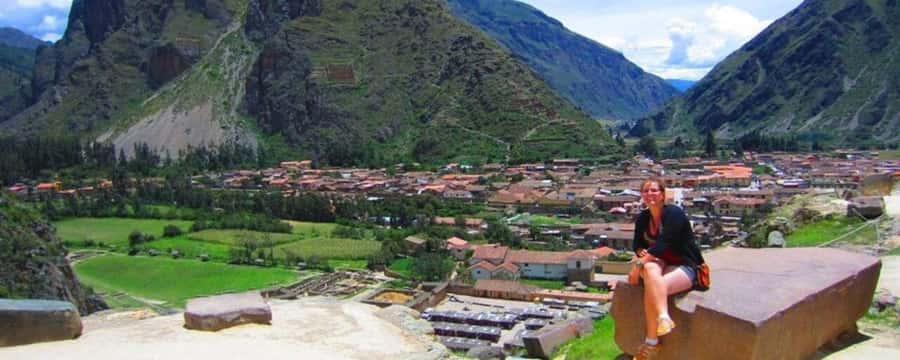
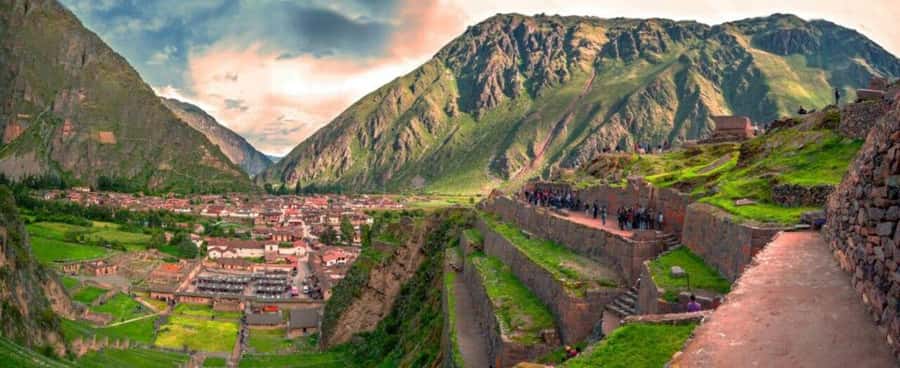
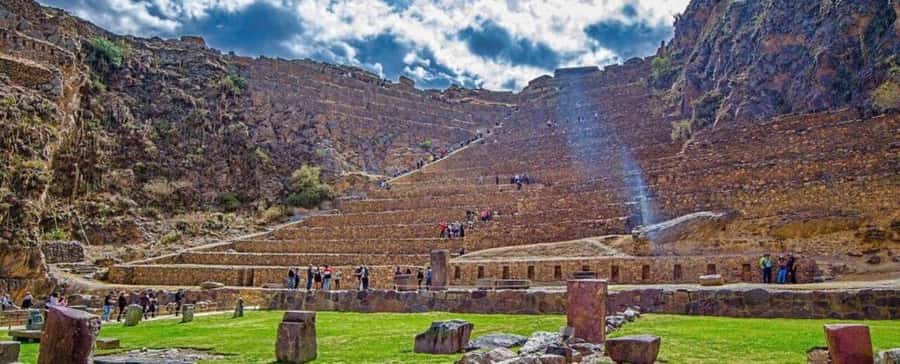
The final major stop is Ollantaytambo, often called a living Inca city in the tour description. Its most prominent sight is the military fortress, built to guard the Sacred Valley against possible invaders.
The site has a strong visual finish. After seeing agricultural terraces and salt pools, you end with massive stone construction linked to defense and power. The fortress rises above the town, so take time to look back across the valley and notice how the settlement and surrounding fields fit together.
The word living matters here because Ollantaytambo is not only an archaeological enclosure. It remains a town, with daily life continuing around the old Inca streets and stonework. That makes it different from a site viewed only as ruins.
The tour ends near the Ollantaytambo train station at about 3:30 PM. This is the most useful feature for people continuing by rail. You avoid the trip back to Cusco, and the drop-off places you close to the transport hub.
Still, do not assume the end point solves every connection problem. You need to check your own train time and allow for the tour’s fixed schedule. A late departure could make a tightly timed connection uncomfortable. The activity is best when your onward plan leaves breathing room.
What the $40 price really covers
At $40 per person, this is a strong value for a long day. You receive hotel pickup in Cusco, tourist transport, a live guide in English or Spanish, visits to Chinchero, Moray, Maras, and Ollantaytambo, and the useful one-way finish.
The price is especially attractive if you would otherwise pay for several separate transfers. You also gain a guide who can connect the sites rather than leaving you to read signs or piece together the route alone. One departure received especially strong praise for guide Jhonnattan, who handled English and Spanish clearly and offered extra recommendations at the end.
Plan for additional costs. Entrance fees are not included, and Moray and Maras are specifically identified as requiring separate payment. Lunch is also listed as not included, despite the buffet being part of the day’s plan. Ask for the current total before departure if you want a precise budget.
The tradeoff is not comfort or coverage. It is time. One account of the day found the route rushed from sight to sight, while another described the same fast pace as a strength because it still allowed time for history and photos. That tells you exactly what kind of tour this is: broad coverage, limited lingering.
The 12-hour schedule and its pace
A 12-hour day from Cusco is demanding. You leave early enough for hotel pickup and do not finish until the afternoon in Ollantaytambo. The supplied schedule gives a drop-off time of about 3:30 PM, but the full activity duration is listed as 12 hours, so confirm the exact pickup and arrival times for your date.
The route covers a wide area. Every transfer is part of the experience because you pass fields, villages, and mountain views between the stops, but vehicle time also means less time at individual sites.
I would choose this day if my priority were seeing the main sights efficiently. I would not choose it if I wanted long photo sessions, a slow market visit, or extended time at each archaeological site.
The bilingual format can also affect the rhythm. An English and Spanish guide may repeat explanations in two languages. Guide Jhonnattan was praised for switching between languages smoothly, which helps, but bilingual tours still require a little patience.
What to bring for the Andes
Pack lightly, but do not arrive unprepared. The tour’s own guidance is sensible:
- Comfortable walking shoes
- A hat
- Sunscreen
- Water
- Camera
- Comfortable clothing
The altitude at Chinchero and the strong sun make water and sun protection especially useful. Conditions can change as you move between Cusco, the higher sites, and the Sacred Valley, so practical layers are a good idea, though the supplied information does not specify a required clothing type beyond comfortable walking clothes.
Your camera will earn its place. Moray’s rings, Maras’s salt pools, crop fields, villages, and the stonework at Ollantaytambo give you several very different subjects in a single day.
Who should book this tour
I would recommend this tour to you if you have one open day, want to see several major Sacred Valley sights, and plan to continue to Ollantaytambo. It is also a sensible choice if hotel pickup and a bilingual guide matter more to you than a private or slow-moving itinerary.
It suits active sightseers who can handle a full day of walking and vehicle travel. The low base price is helpful for budget-conscious visitors, especially when compared with arranging transport to each stop alone.
I would hesitate if you have already visited some of these places and want deeper time at the remaining sites. Families or older visitors should also consider the altitude, walking, and long schedule before booking. The tour does not present itself as a relaxed outing.
Should you book the Sacred Valley day trip?
Book it if you want maximum coverage for a modest price and the Ollantaytambo finish fits your plans. The route includes four distinct stops, hotel pickup, guiding, transport, lunch access, and a train-station drop-off. That is a lot of practical value in one day.
Skip it, or choose a slower option, if your main goal is quiet exploration. You will see the highlights, but the schedule leaves limited room to linger. Confirm entrance fees, lunch costs, pickup time, and your onward train before paying.
For the right schedule, this is an efficient and well-priced introduction to the Sacred Valley. Its main weakness is also its basic promise: it tries to fit a very large region into one busy day.
FAQ
How long does the Sacred Valley tour last?
The activity is listed as lasting 12 hours. Transport drops you near the Ollantaytambo train station at approximately 3:30 PM.
Where does the tour begin?
The tour includes hotel pickup in Cusco. The exact pickup time should be checked when you select your date.
Where does the tour end?
It ends near the Ollantaytambo train station. This is useful if you are continuing onward from Ollantaytambo rather than returning to Cusco.
Which places are included in the route?
The route includes Chinchero, Moray, the Maras Salt Mines, Urubamba, and Ollantaytambo.
Is lunch included in the $40 price?
Lunch is listed as not included, but the itinerary includes a buffet lunch at a typical local restaurant in Urubamba. Confirm the current meal charge before departure.
Are entrance fees included?
No. Entrance fees are not included. Moray and the Maras Salt Mines specifically require separate payment.
Which languages are available?
The live guide service is offered in English and Spanish. Guide Jhonnattan is identified in the tour information and was praised for moving between both languages fluently.
What should I bring?
Bring comfortable shoes, a hat, sunscreen, water, and a camera. Comfortable clothing suitable for walking is also recommended.
Just added around Urubamba
- Sun and Moon Tour★ 4.5 · 3 reviews
- Sacred Valley Tour 1 Day★ 5.0 · 3 reviews
- Super Sacred Valley★ 3.8 · 6 reviews
- Peru in 5 days: Lima, Cusco, Machupicchu & Rainbow Mountain★ 5.0 · 3 reviews
- Machu Picchu: 1-day tour by Vistadome Panoramic train★ 4.7 · 15 reviews
- Machupicchu 2025: The best ticket Circuit 2★ 3.5 · 6 reviews
- Machu Picchu: historical and photographic guided tour★ 4.9 · 27 reviews
- Guided tour of Cusco and its 4 ruins★ 3.8 · 3 reviews
Sacred Valley Tours, compared.

Sacred Valley & Maras Salt Mines Tour with Lunch
Read our review →
Moray, Maras Salt Mines & Chinchero Weavers Tour
Read our review →
Sacred Valley, Pisac, Ollantaytambo, Salt Mines Moray
Read our review →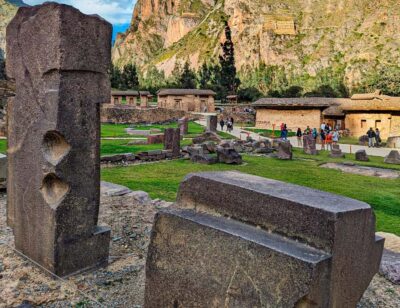
Chinchero,Moray & Salt Mines drop-off in Ollantaytambo
Read our review →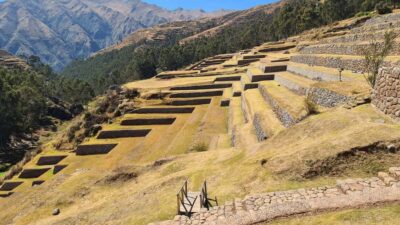

Pisac Indian Market and Ollantaytambo Fortress with Lunch
Read our review →
2-Day Trip to the Sacred Valley and Machu Picchu
Read our review →Browse the lists this tour appears in