
Reviewed · SACRED VALLEY TOURS
Cusco | Visit Maras, Moray, Chinchero, Pisac | Valle Vip
The big attraction here is simple: you can cover five major Sacred Valley sites in one day without arranging separate taxis, tickets, and meals. Chinchero, Moray, Maras, Urubamba, Ollantaytambo, and Pisac make for a packed but useful introduction to the Cusco region.
I like the excellent buffet lunch and the way this route mixes Inca ruins, living Andean towns, farming terraces, and the salt ponds at Maras. Guides such as Vergilio have also kept the day moving well. The catch is time. You will see a lot, but commercial craft-shop stops and a group that may reach about 20 people can cut into your time at the ruins.
In This Review
- Key points to know before booking
- Why this route works for a full day in Cusco
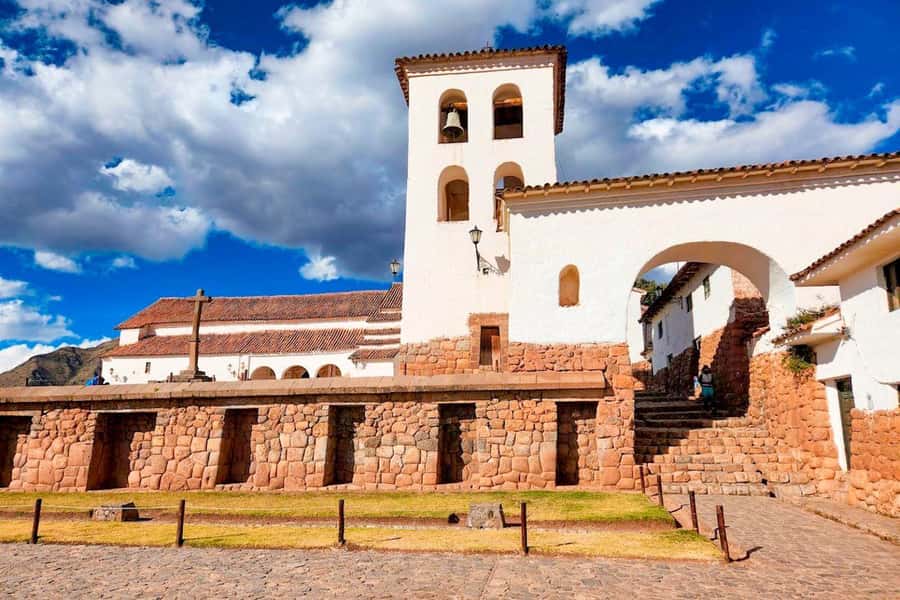
- Chinchero combines an Inca site with a colonial church
- Moray reveals an Inca agricultural laboratory
- Maras salt ponds are a working Andean sight
- Urubamba provides a welcome lunch break
- Ollantaytambo brings history and rail connections together
- Pisac closes the day with terraces and a major cemetery
- What the $43 price really includes
- The guide and group experience
- Practical details for a smoother day
- Who should book this Cusco day trip?
- Should you book the Valle Vip tour?
- FAQ
- How long does the tour last?
- Which places are included?
- Is lunch included?
- Are entrance fees included?
- What languages are available for the guide?
- Can I cancel or pay later?
Key points to know before booking
- Five major stops in one day: Chinchero, Moray, Maras, Ollantaytambo, and Pisac are all included.
- Moray and Maras offer two very different sights: one shows Inca agricultural planning, the other centuries-old salt production.
- Ollantaytambo is also a rail town: some people leave the group here for the train to Aguas Calientes.
- The buffet lunch is included: it takes place in Urubamba, with time to eat at leisure.
- The advertised group size needs checking: the booking information says small group, limited to one participant, while a recent account describes a group of 20.
- Budget for entrance fees: the Sacred Valley ticket is 70 soles, and Maras costs another 20 soles.
Why this route works for a full day in Cusco
This is a quantity-over-depth tour, and that is not necessarily a bad thing. If you have only one open day around Cusco, the route gives you several different ways to understand the region instead of repeating the same type of archaeological stop.
You begin at about 6:30 a.m. and return around 7:00 p.m. That makes roughly ten hours on the road and at the sites. The early start is part of the bargain, but it also gives you a chance to make the most of a day that covers a wide area.
I would choose this tour if I wanted a broad first look at the Sacred Valley. I would not choose it if my main goal were quiet photography, long walks through each ruin, or a slow study of one archaeological complex.
The order of stops also gives the day a useful rhythm. Chinchero introduces colonial and Inca traditions. Moray shows how carefully the Incas worked with altitude and crops. Maras brings you to an active salt-producing site. Ollantaytambo provides the largest and most imposing ruin stop, while Pisac closes the day with terraces and a major Andean cemetery.
More sacred valley tours in Urubamba:
- Cusco:Sacred Valley Pisaq,Ollantaytambo,Chinchero with Lunch
★ 4.8 · 183 reviews - From Cusco: Chinchero, Moray, Maras and Ollantaytambo
★ 4.5 · 83 reviews - from Urubamba & Ollantaytambo:Sacred Valley Full-Day Private
★ 4.9 · 31 reviews
Chinchero combines an Inca site with a colonial church
Chinchero is the first stop, and the visit includes both its archaeological area and colonial temple. That pairing matters. You are not seeing a ruin isolated from later life. Instead, the stop presents two periods in the same place, with the colonial church connected to the older Andean setting.
The timing is useful because Chinchero gets the day started with culture rather than a quick scenic viewpoint. Your bilingual guide can explain what you are seeing in either English or Spanish, and this is a good moment to ask how the Inca remains and colonial building relate to one another.
Do not expect a long, private visit. The schedule has five major sites to fit in, so your guide needs to keep the group moving. Still, Chinchero is a worthwhile opening stop because it gives you more than a single set of stone walls.
Bring a camera, but also wear shoes with a good grip. The tour specifically recommends comfortable footwear, comfortable clothing, and water. Those suggestions become more useful as the day continues.
Moray reveals an Inca agricultural laboratory
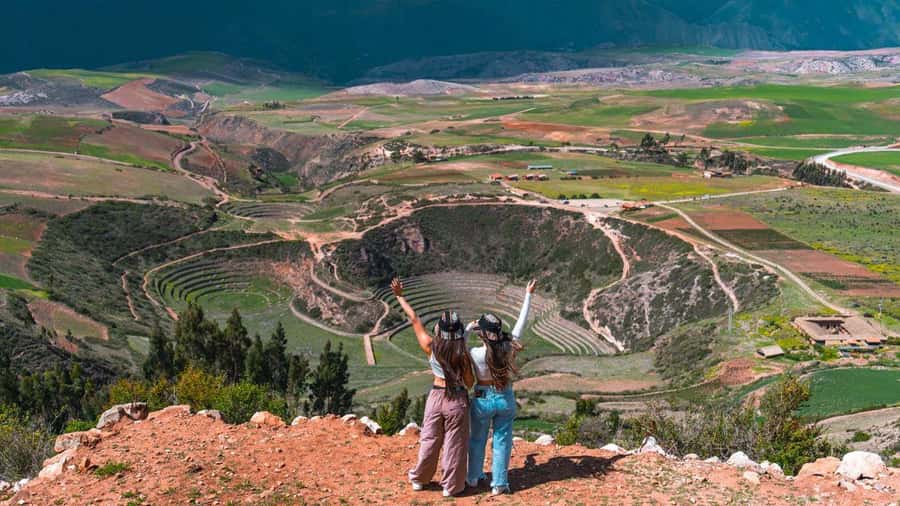
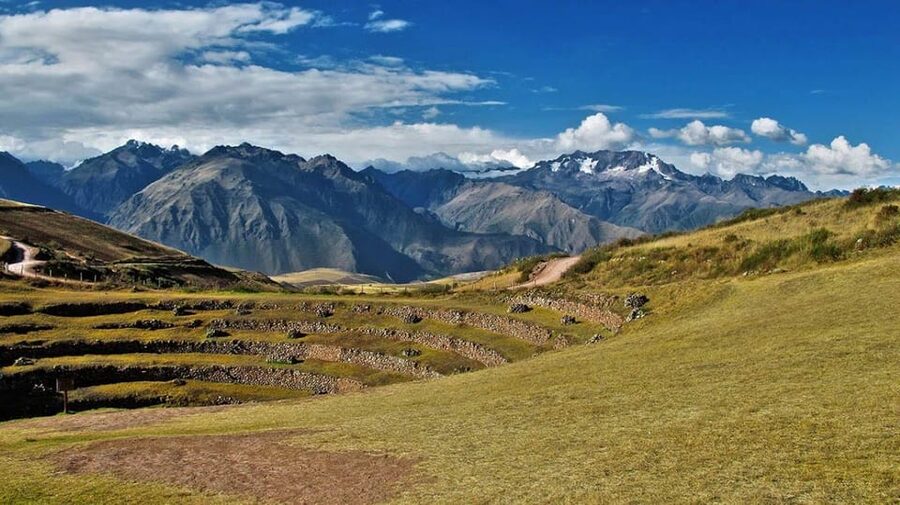
Moray is one of the most unusual stops on the route. Its circular agricultural terraces drop into broad depressions, creating a sight that looks almost designed for a modern research station. The tour presents Moray as an agricultural laboratory, a useful way to think about the site and its purpose.
The terraces show how the Incas shaped land for farming at different levels. Even if you are not an archaeology specialist, the form is easy to understand from above: each ring changes the scale and feel of the space, and the construction is far more than simple hillside planting.
This is one of the stops where a guide adds real value. Without explanation, you may admire the circles and take photographs. With a good explanation, you can better understand why the Incas invested so much effort in agricultural design.
Moray is also a reminder that the Sacred Valley is not just about temples and military ruins. Food production was central to Andean society, and this stop gives that practical side of Inca life a clear visual form.
The limitation is again time. The route allows you to see Moray, not necessarily to linger until you have explored every angle. If you want an unhurried visit, a private day or a tour centered on Moray and Maras may suit you better.
Maras salt ponds are a working Andean sight
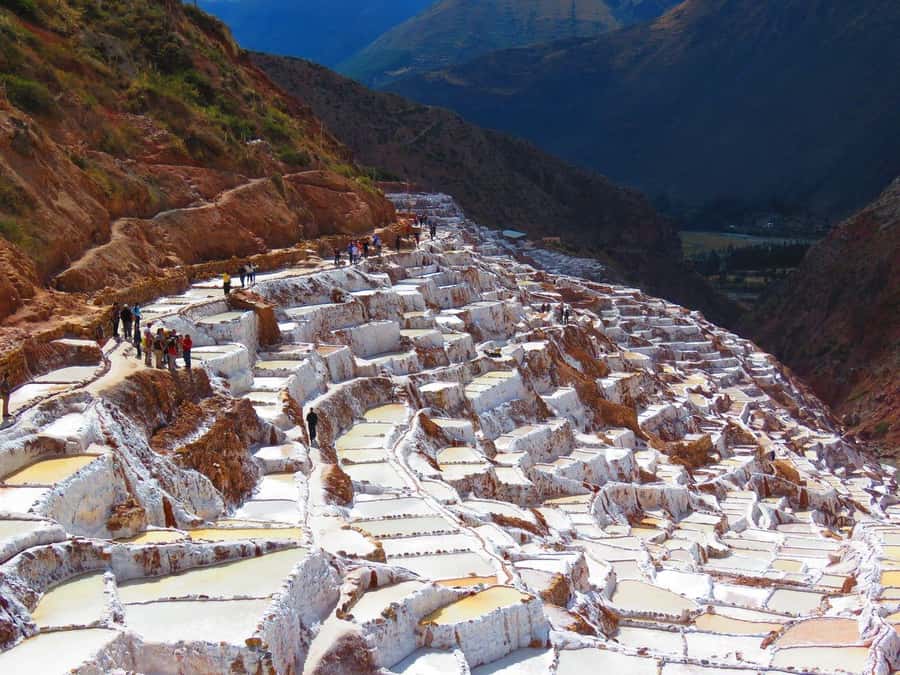
The salt ponds at Maras are striking for a different reason. Rather than a single ruin, you see many small ponds built into the mountainside, where salt has been collected since Inca times. The site connects historic practice with an ongoing local industry.
This stop is especially useful because it shows the area as a lived-in place. The terraces at Moray reflect agricultural planning, while Maras shows people using mineral-rich water and carefully arranged ponds to produce salt. Together, the two visits make the region feel practical and human.
You will need a separate Maras entrance fee of 20 soles. That fee is not part of the $43 tour price, so include it when comparing this package with other day trips.
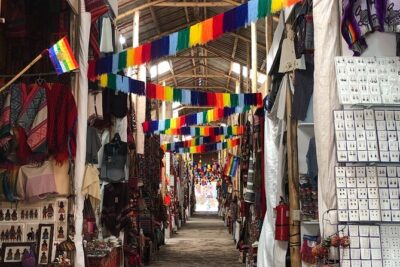
Maras can also feel more commercial than the archaeological stops. Craft and shopping visits are part of the broader tour pattern, and one previous account specifically criticized an unnecessary jewelry-store presentation at the end of the day. Another account wished that commercial craft stores had been skipped in favor of more time at the Inca sites.
That does not make Maras a poor stop. It means you should ask how much time is planned at the salt ponds and whether shopping stops are mandatory or optional. If your priority is the site itself, this small question can make a big difference.
More maras & moray tours in Urubamba:
- Cusco: Sacred Valley and Salt Mines Ending in Ollantaytambo
★ 4.6 · 5 reviews - From Cusco:Chinchero, Moray, Maras, Ollantaytambo with lunch
★ 5.0 · 3 reviews - From Cusco: Sacred Valley & Moray, Salt Mines with Lunch
★ 4.6 · 3 reviews - From Cusco: Sacred Valley & Maras Salt Mines Tour with Lunch
★ 4.8 · 2,227 reviews
Urubamba provides a welcome lunch break
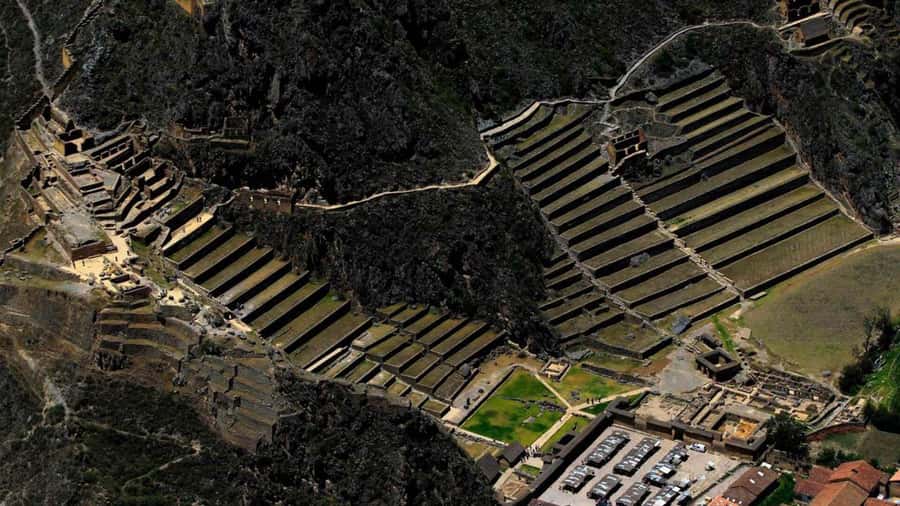
After Moray and Maras, the group continues to Urubamba for an Andean buffet lunch. The meal is included, which helps the tour’s value, especially since the day is long and you are moving between several sites.
A buffet is a practical choice for a large group. You can eat without waiting for a full restaurant service, and the description gives you time to have lunch at leisure. That break helps divide the day into two parts before the afternoon archaeological visits.
The lunch is also one of the strongest practical features of the package. A separate Sacred Valley excursion can become expensive once you add transport and food. Here, round-trip transport, hotel pickup, a bilingual guide, and the buffet are bundled into the base price.
Still, the meal should not be treated as a reason to book by itself. The main value comes from the route. Also remember that only the stated buffet is included. Meals not mentioned, drinks, and other personal expenses remain your responsibility.
Ollantaytambo brings history and rail connections together
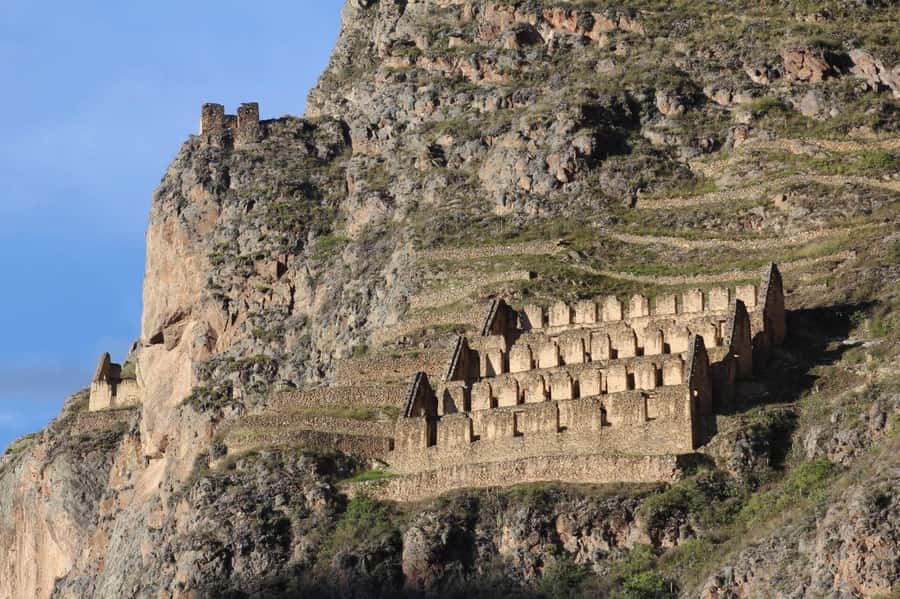
Ollantaytambo is the afternoon’s major archaeological stop. The town is also home to a train terminal, so the visit has a practical connection for people continuing toward Aguas Calientes, the gateway town for Machu Picchu.
If you are leaving for Aguas Calientes from Ollantaytambo, pay close attention to your own train schedule. The group returns to Cusco around 7:00 p.m., but some participants will leave the tour at the station. Your booking arrangement and onward transport must be clear before the day begins.
For those returning to Cusco, Ollantaytambo adds a substantial ruin complex to the route. It is a useful counterpoint to Moray and Maras because the focus shifts from farming and salt production to monumental construction.
This is also where the compressed schedule may be most noticeable. Ollantaytambo deserves attention, yet it shares the day with four other major stops and lunch. You will get an introduction rather than a slow, detailed archaeological visit.
The best approach is to listen closely during the guide’s explanation and decide in advance what you most want to see. If your personal priority is Ollantaytambo, a tour focused on the Sacred Valley or a private guide may give you more freedom.
Pisac closes the day with terraces and a major cemetery
The final archaeological stop is Pisac. The site includes many Andean terraces and what the tour describes as the best-preserved Andean cemetery in the region.
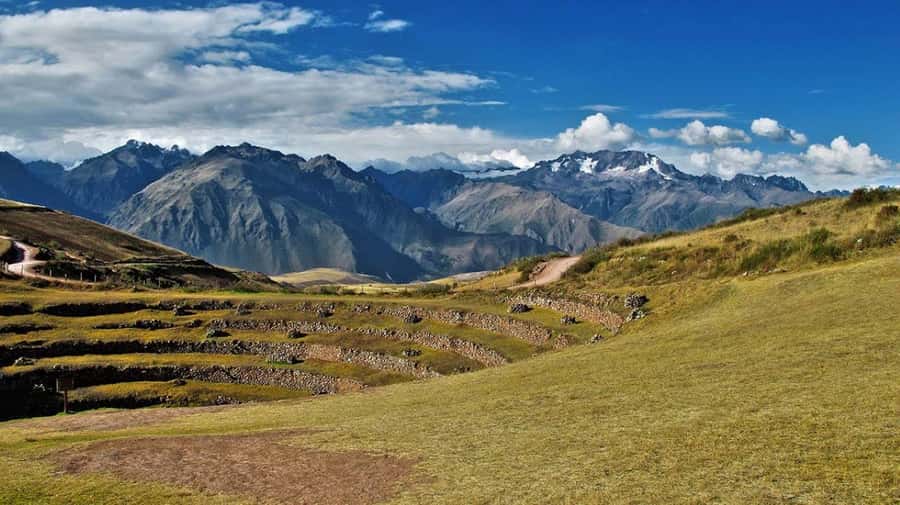
The terraces make Pisac a strong final stop because they show the scale of Andean farming and settlement. After seeing the controlled circles at Moray, you can compare them with the broad terraced slopes at Pisac. The two sites present different solutions to the same basic challenge: producing food in steep mountain country.
The cemetery adds another layer. It is not simply another set of walls to photograph. It helps show how communities organized life, death, and sacred places within the wider area.
By this point, however, you may be tired. The day begins early, includes substantial driving, and ends after 7:00 p.m. Comfortable shoes, water, and sensible clothing are not minor suggestions here. They are what will help you stay engaged through the last stop.
Pisac is a fine ending, but it is not a relaxed one. You are seeing the site after a full day rather than arriving fresh in the morning.
What the $43 price really includes
At $43 per person, the tour offers solid value for a full day if you want transport and a guide more than independence. Hotel pickup in Cusco, round-trip transportation, a bilingual guide, and buffet lunch are included.
The extra costs are important. You need to pay 70 soles for the Sacred Valley entrance and 20 soles for Maras. The tour also excludes travel insurance, unlisted meals, and extra personal spending.
That means the advertised fare is only part of your actual day’s cost. Even so, the package can remain good value because hiring transport between five sites, arranging lunch, and navigating the route yourself would take time and planning.
I would compare this tour by asking three questions:
- Are all five sites included at a similar price elsewhere?
- Are the Sacred Valley and Maras entrance fees clearly separated?
- Does the company confirm the actual group size and shopping stops?
The last question matters. The tour is described as a small group limited to one participant, but a recent booking account describes 20 people. That is a major difference in atmosphere and flexibility. Get the current group size in writing before paying.
The guide and group experience
A bilingual guide is included, with English and Spanish available. Vergilio is one named guide connected with this experience, and the feedback about his handling of the day was especially positive.
A capable guide matters on a route like this because the sites are not all self-explanatory. You want clear timing, useful context, and someone who can keep five stops and a buffet lunch from turning into a late return.
The group size may be less predictable. A group of 20 can work well when everyone follows the schedule, but it also means more waiting at entrances, more difficulty hearing explanations, and less freedom to linger.
Noise can affect the experience, too. A previous account described a very loud group making parts of the day unpleasant. You cannot control the personalities on a shared tour, so consider that tradeoff before booking.
If you want the lowest price and enjoy meeting people, the shared format may be fine. If you want quiet, flexible timing, or more time at Ollantaytambo and Pisac, ask about a private alternative.
Practical details for a smoother day
Hotel pickup begins around 6:30 a.m. Confirm the exact pickup details through WhatsApp, using your country code when you provide your number. The operator asks for this contact so it can communicate with you during the arrangements.
Wear comfortable clothes and shoes, and carry water and a camera. Alcohol and drugs are not allowed. The tour is not suitable for wheelchair users or people over 95 years old.
Free cancellation is available up to 24 hours before the activity for a full refund. You can also reserve now and pay later, which keeps your plans flexible while you decide how this day fits around the rest of your Cusco visit.
The day’s length is the main practical issue. You leave early and return around 7:00 p.m., so do not schedule another demanding activity that evening. If you are catching a train from Ollantaytambo, treat that as a separate transport decision and check the timing carefully.
Who should book this Cusco day trip?
I would recommend it to first-time visitors who have one free day and want a broad introduction to the Sacred Valley. It also suits people who value included transport and lunch, prefer an English or Spanish guide, and do not mind a brisk schedule.
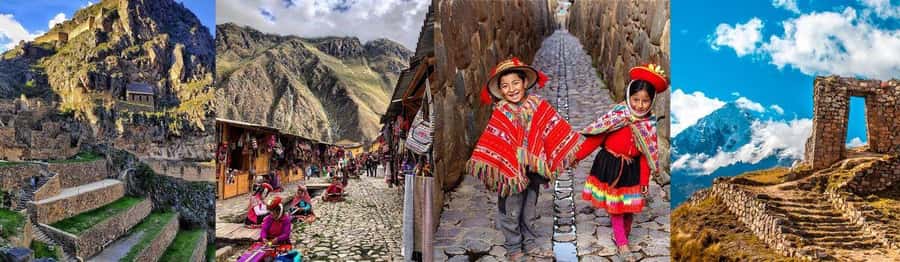
It is a good match if you want variety. In one day, you see a colonial temple, archaeological centers, agricultural terraces, salt ponds, a major ruin, an Andean cemetery, and a valley town.
I would hesitate if your main goal is slow travel. The commercial stops are a real consideration, and the group may be larger than the small-group wording suggests. You should also think twice if you dislike early starts, long days, or fixed schedules.
Should you book the Valle Vip tour?
Book it if you want maximum sightseeing in one day and understand that the pace will be brisk. The included buffet, hotel pickup, transport, and bilingual guide give the $43 fare a useful base value, even after adding the 70 soles Sacred Valley fee and 20 soles Maras fee.
Before confirming, ask for the current group size, the exact shopping-stop plan, and the timing if you are taking a train from Ollantaytambo. If those details work for you, this is an efficient way to see a large slice of the Cusco region.
If you want more time at the ruins and less time in shops, choose a smaller or private option instead. This tour’s strength is breadth, not leisure.
FAQ
How long does the tour last?
The tour lasts about 10 hours. Pickup begins at approximately 6:30 a.m., and the group is expected to return to Cusco around 7:00 p.m.
Which places are included?
The route includes Chinchero, Moray, the Maras salt ponds, Urubamba for lunch, Ollantaytambo, and Pisac. The five main sightseeing sites are Chinchero, Moray, Maras, Ollantaytambo, and Pisac.
Is lunch included?
Yes. A buffet lunch in Urubamba is included. Meals and drinks not specifically mentioned are not included.
Are entrance fees included?
No. The Sacred Valley entrance fee is 70 soles, and the Maras entrance fee is 20 soles. These costs are paid separately.
What languages are available for the guide?
The live guide service is available in English and Spanish. Vergilio is one guide associated with the tour.
Can I cancel or pay later?
You can cancel up to 24 hours in advance for a full refund. The booking option also allows you to reserve now and pay later.
Just added around Urubamba
- Sun and Moon Tour★ 4.5 · 3 reviews
- Sacred Valley Tour 1 Day★ 5.0 · 3 reviews
- Super Sacred Valley★ 3.8 · 6 reviews
- Peru in 5 days: Lima, Cusco, Machupicchu & Rainbow Mountain★ 5.0 · 3 reviews
- Machu Picchu: 1-day tour by Vistadome Panoramic train★ 4.7 · 15 reviews
- Machupicchu 2025: The best ticket Circuit 2★ 3.5 · 6 reviews
- Machu Picchu: historical and photographic guided tour★ 4.9 · 27 reviews
- Guided tour of Cusco and its 4 ruins★ 3.8 · 3 reviews
Sacred Valley Tours, compared.

Sacred Valley & Maras Salt Mines Tour with Lunch
Read our review →
Moray, Maras Salt Mines & Chinchero Weavers Tour
Read our review →
Sacred Valley, Pisac, Ollantaytambo, Salt Mines Moray
Read our review →
Chinchero,Moray & Salt Mines drop-off in Ollantaytambo
Read our review →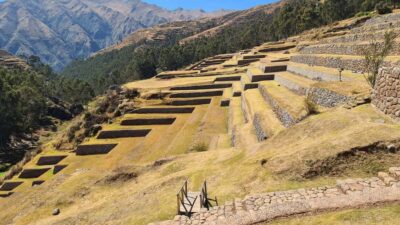

Pisac Indian Market and Ollantaytambo Fortress with Lunch
Read our review →
2-Day Trip to the Sacred Valley and Machu Picchu
Read our review →Browse the lists this tour appears in